20 Classic European Foods That Sound Wacky to Americans
Familiar Overseas, Surprising at First Glance
Every country has traditional foods that make perfect sense locally and sound slightly confusing everywhere else. Across Europe, centuries of farming, preservation, religious customs, and regional tastes have produced dishes made with blood, fermented fish, animal organs, stale bread, and combinations Americans don’t often see on restaurant menus. Some names sound stranger than the foods actually taste, while others are exactly as adventurous as they appear. These 20 classics may raise an eyebrow, but many have remained popular for generations for a reason.
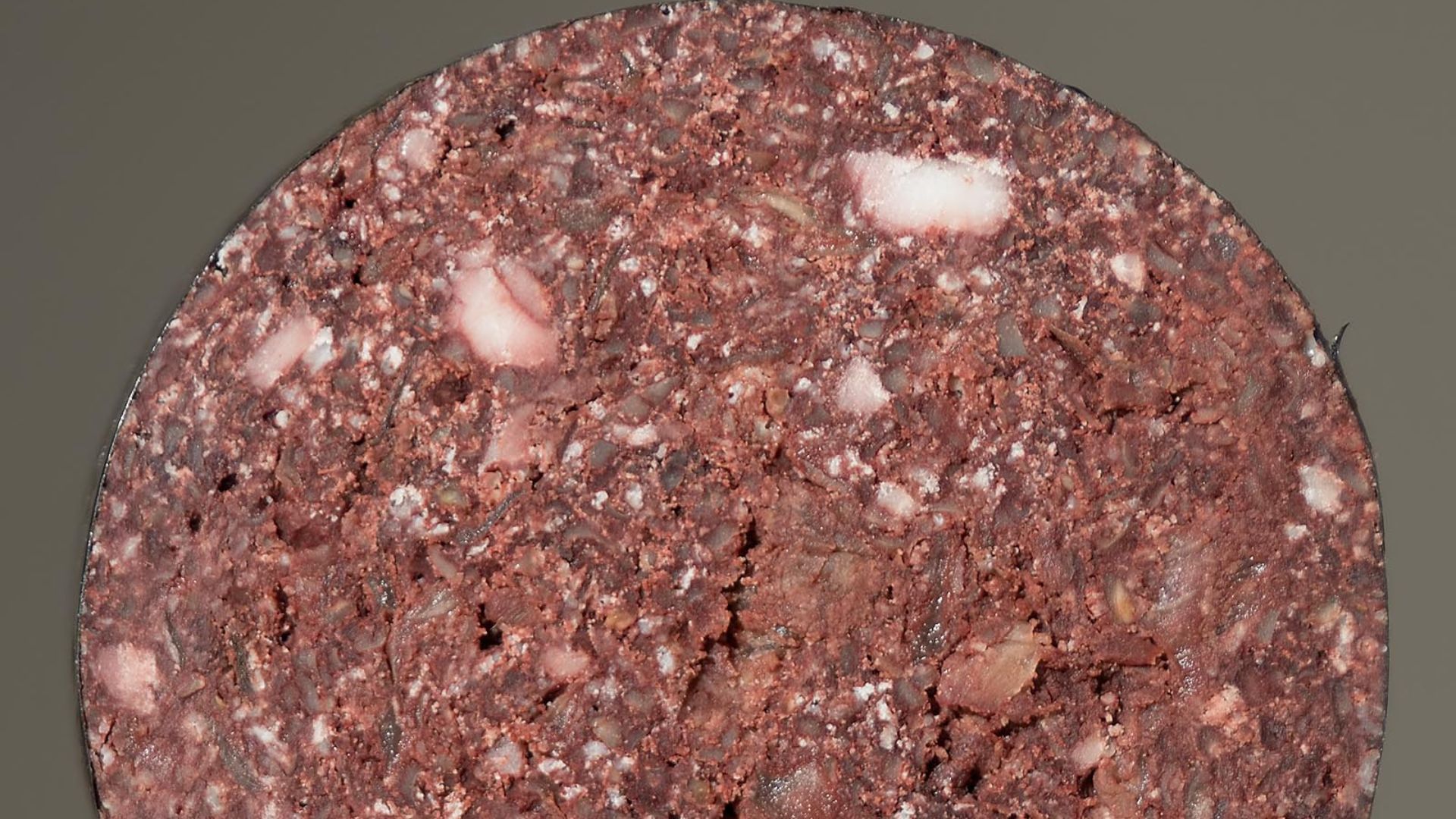
1. Black Pudding
Black pudding isn't at all what Americans think of when they hear the word pudding. It's a British and Irish sausage traditionally made with pork blood, fat, oats, and seasonings. Once fried, it has a rich, savory flavor and a crisp exterior that’s less intimidating than the ingredient list suggests.
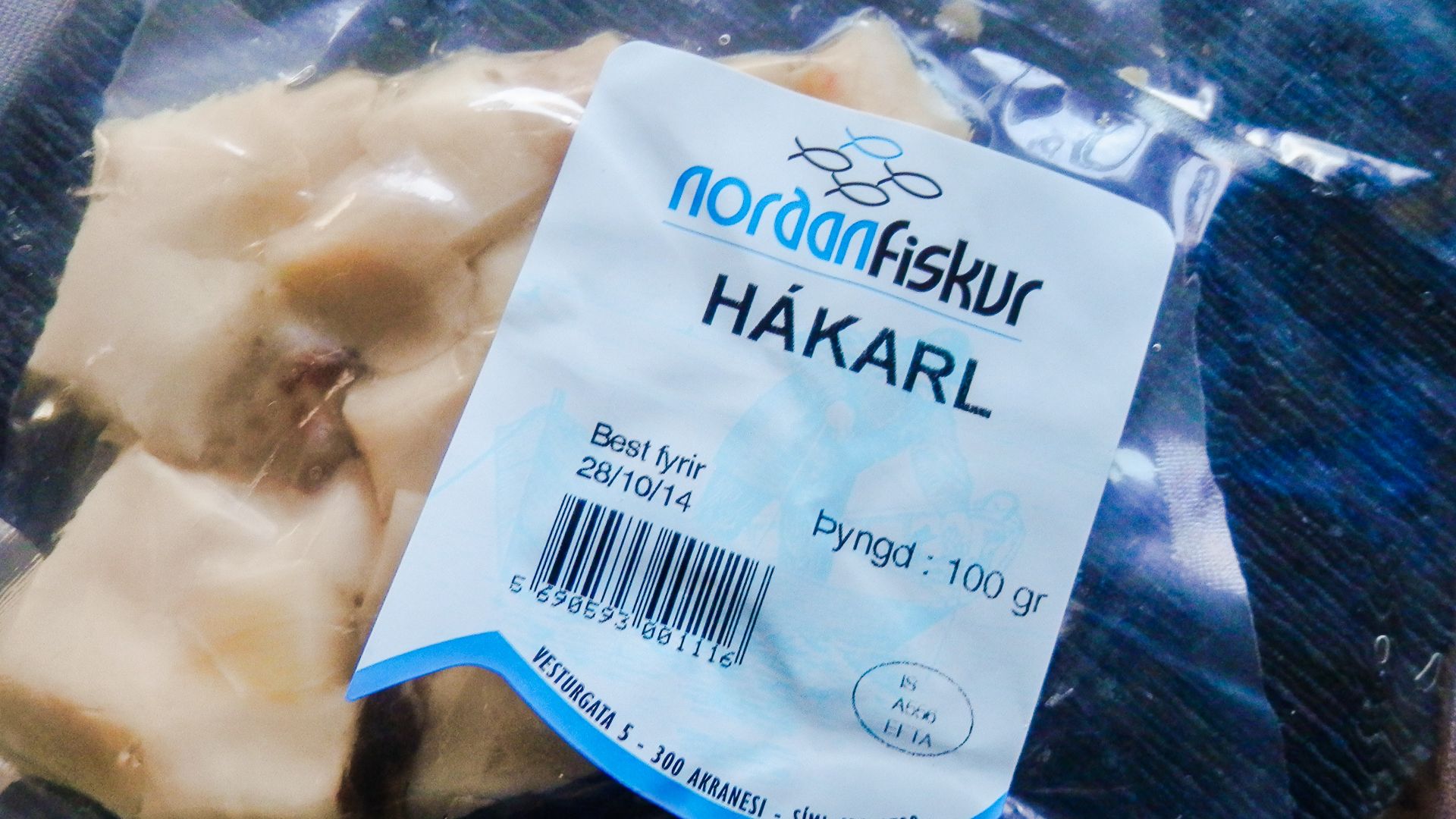
2. Hákarl
Iceland’s hákarl is fermented shark that’s cured for months before being cut into small cubes. Fresh Greenland shark contains toxins, so the traditional preparation process makes it safe to eat while producing a famously powerful smell. To be fair to Americans, even many Icelanders treat it as an acquired taste, which should tell you something before you reach for a second piece.
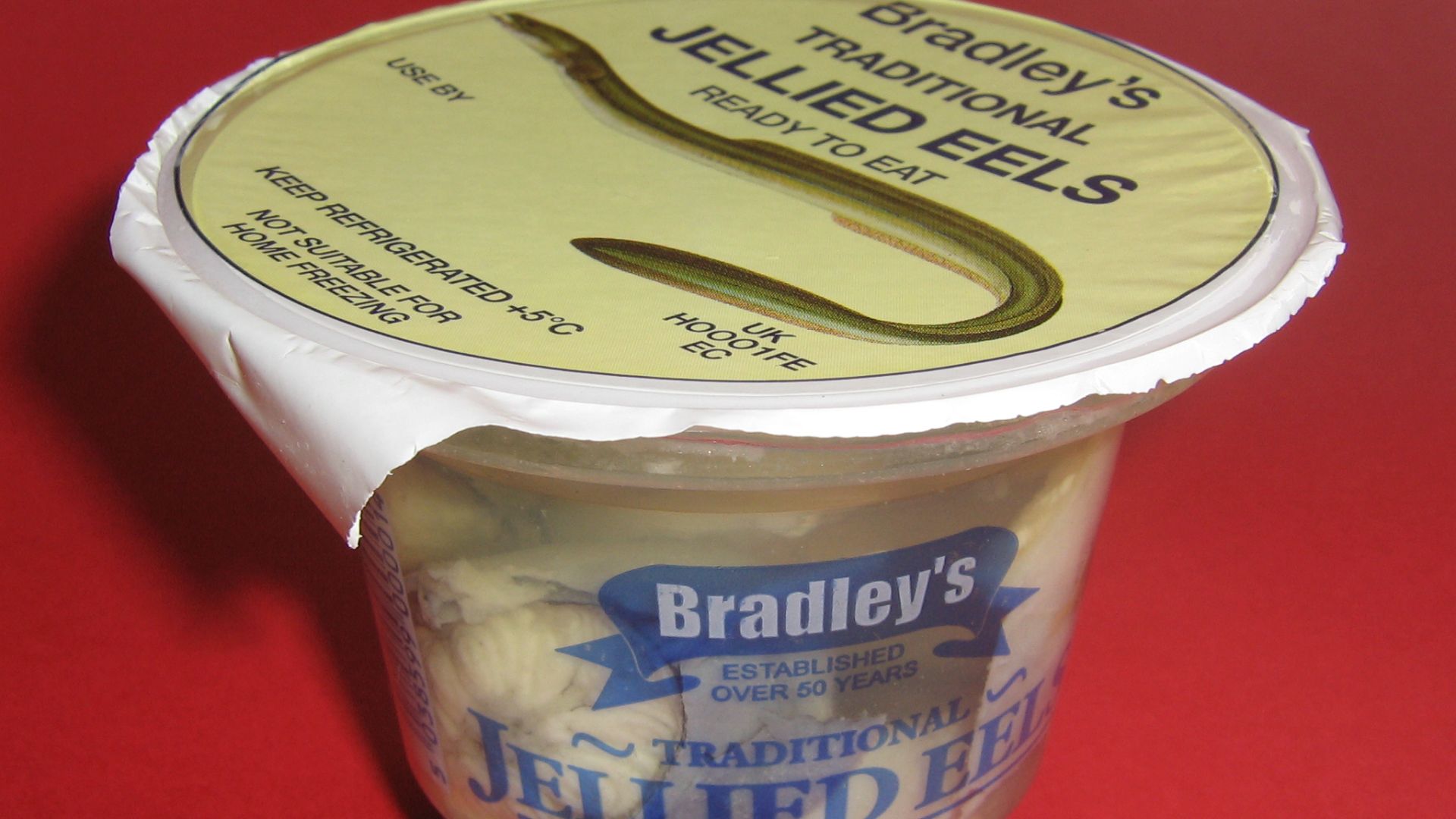
3. Jellied Eels
Jellied eels were once a common working-class meal in London, particularly in the city’s East End. Chopped eel is boiled in seasoned water, and the natural gelatin causes the liquid to set as it cools. The cold, wobbly result may look unusual to American diners, but it remains an important part of traditional London food culture.
4. Casu Marzu
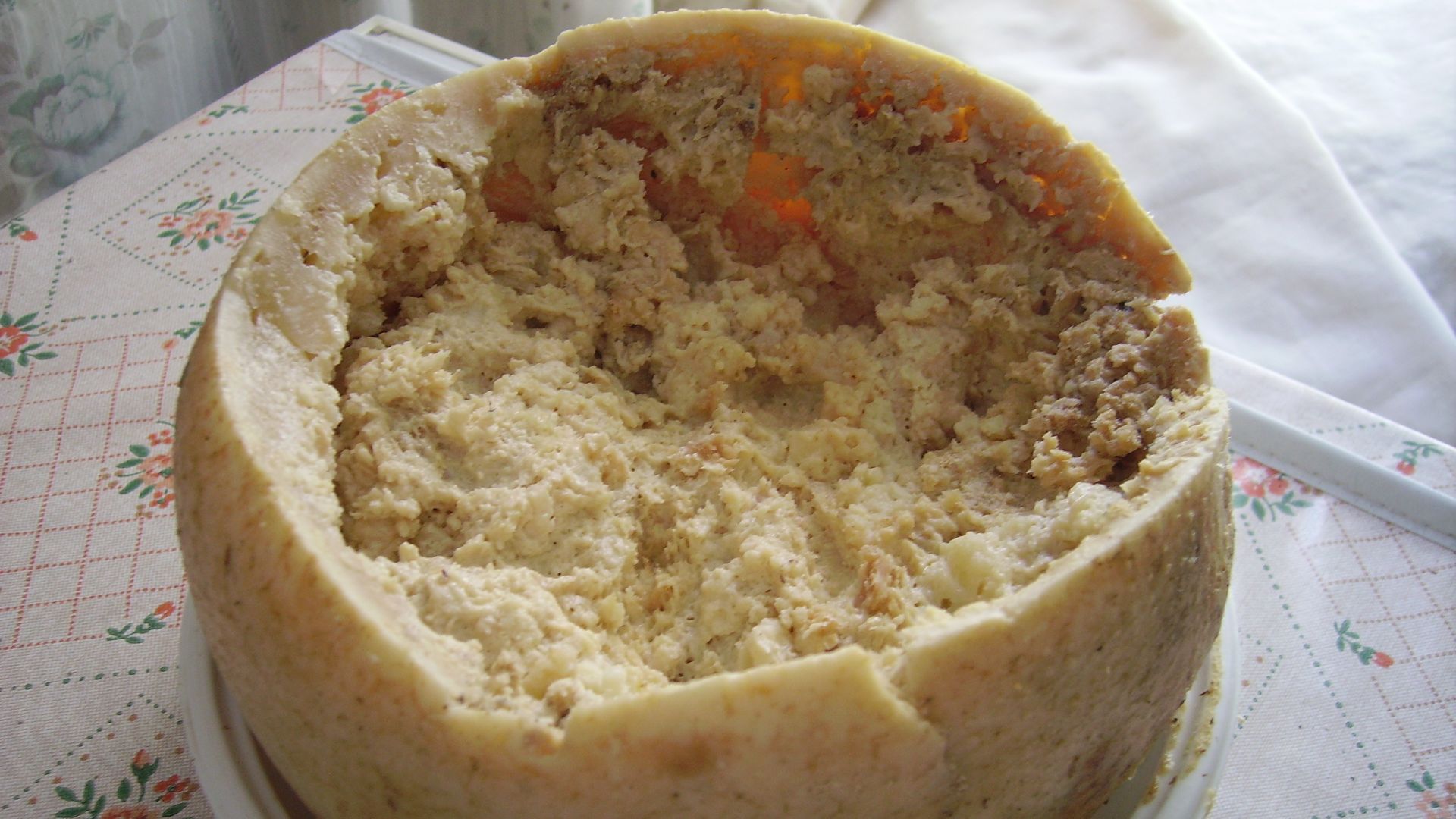
Casu marzu is a Sardinian sheep’s milk cheese known for containing live insect larvae during part of its traditional preparation. The larvae break down the cheese fats, leaving the inside extremely soft and strongly flavored. It’s controversial, difficult to sell legally in many places, and probably not the cheese you casually place beside crackers at a family gathering.
5. Surströmming
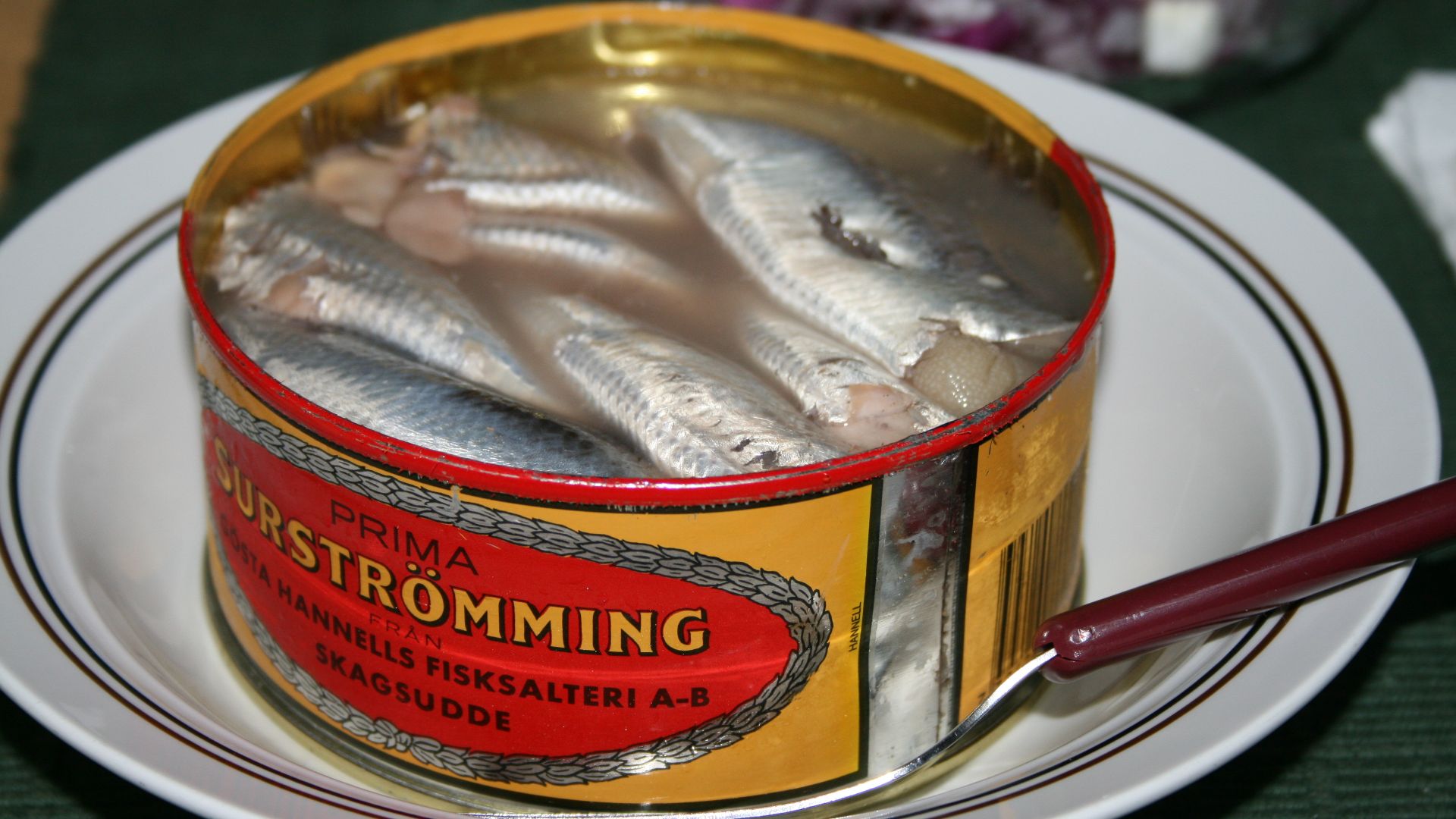
This Swedish specialty consists of Baltic herring that has been lightly salted and allowed to ferment inside a can. The odor is so strong that people commonly open it outdoors, often while holding the container underwater to reduce spraying. Fans serve the fish with flatbread, potatoes, onions, and sour cream, which makes the experience much more balanced than smelling the can alone.
6. Salo
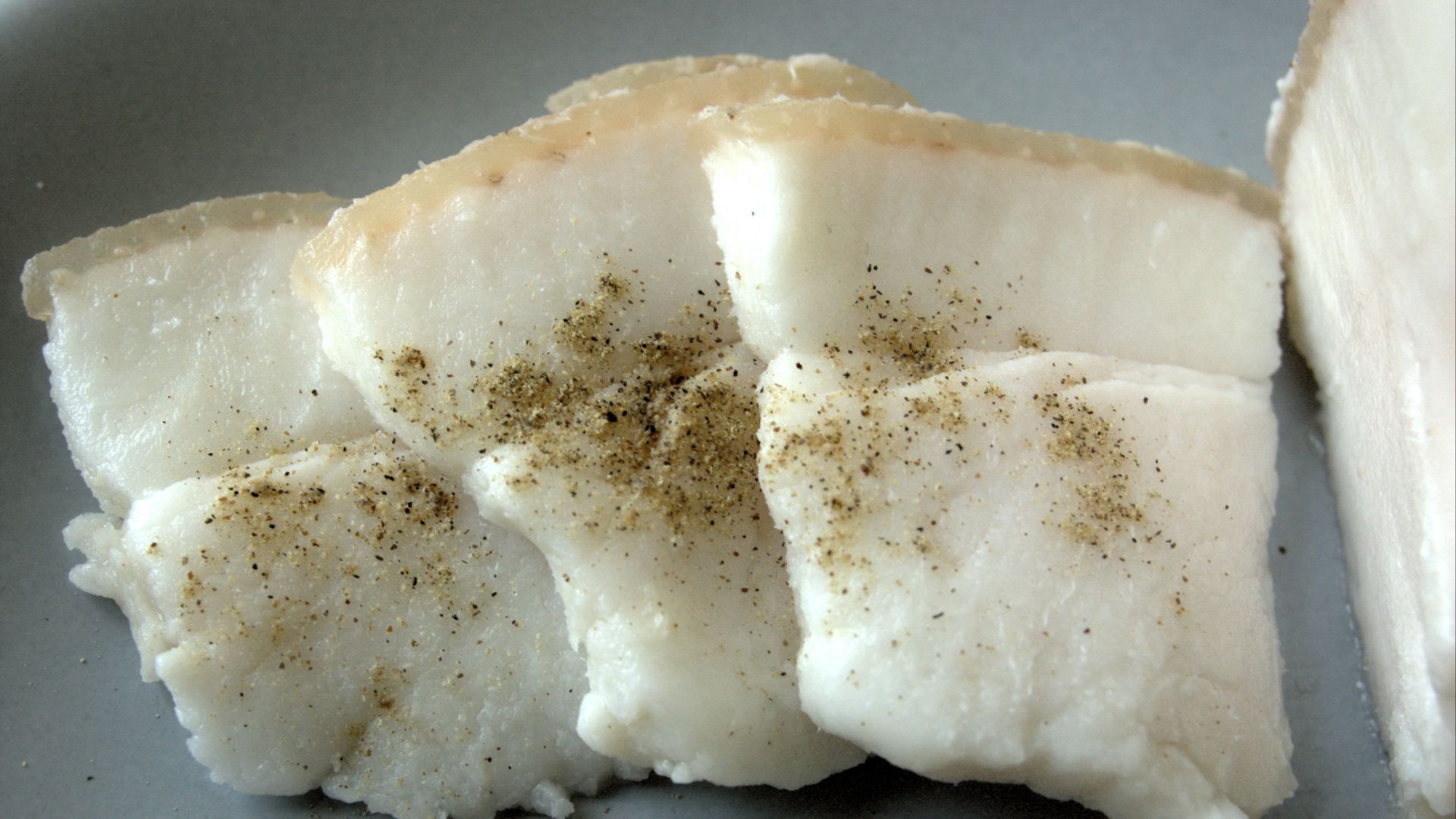
Salo is cured pork fat enjoyed in Ukraine and other parts of Eastern Europe. It’s usually sliced thin and eaten with bread, garlic, pickles, or mustard rather than cooked until crisp like American bacon. To anyone accustomed to trimming fat away from meat, serving it as the main attraction can feel like a bold decision.
 Roland Geider (Ogre) on Wikimedia
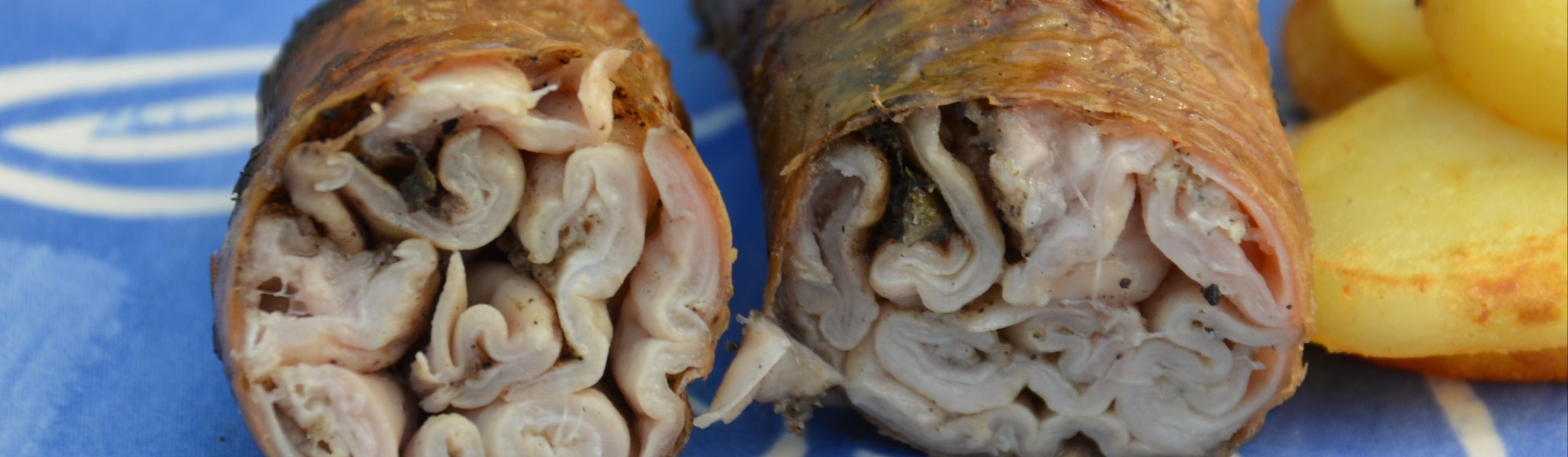
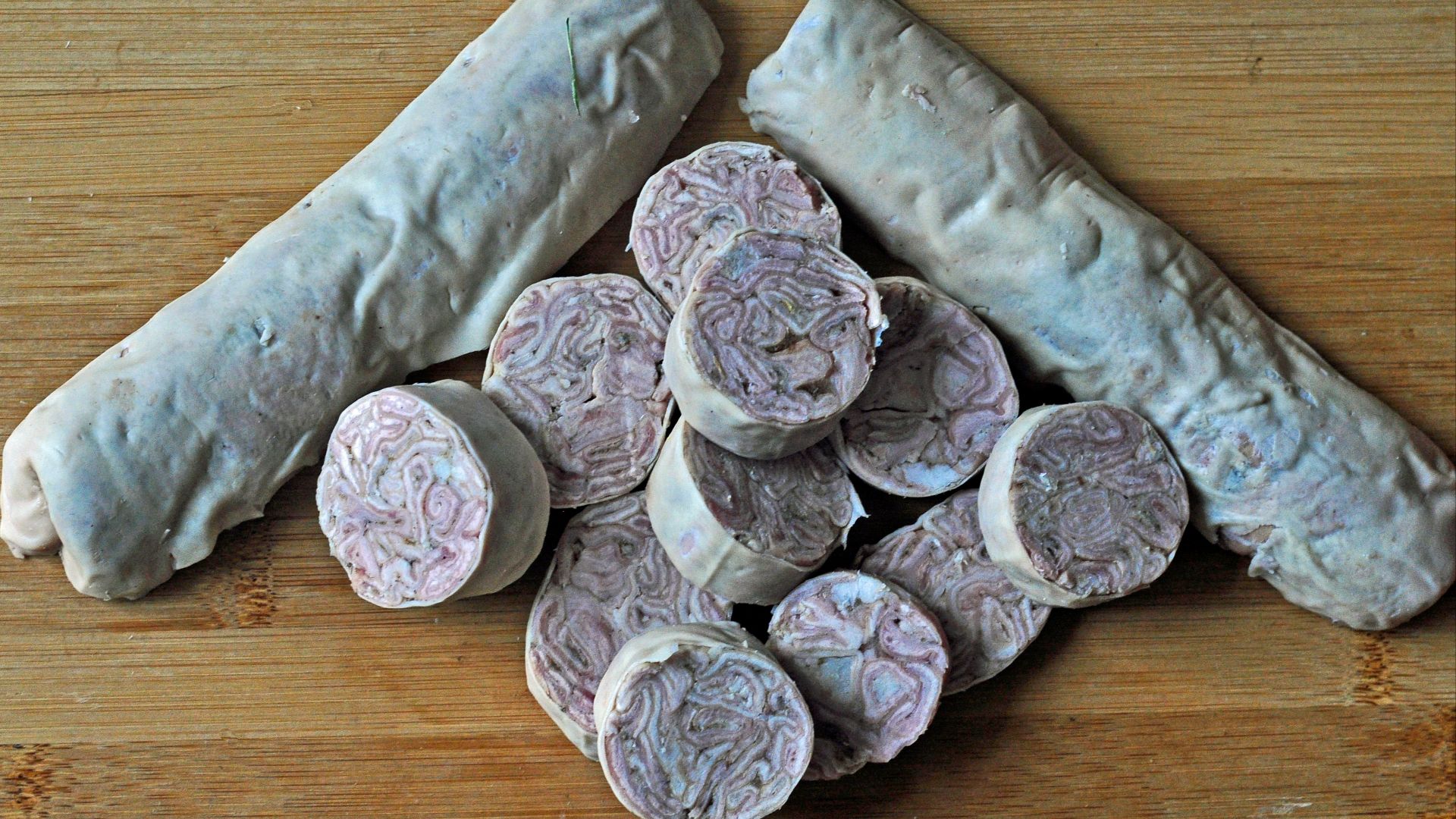
7. Andouillette
France’s andouillette is a coarse sausage traditionally made from pig intestines and other parts of the digestive tract. It has a strong aroma that even enthusiasts admit is a little much. Grilling it and serving it with mustard sauce helps, but there’s no pretending this is an ordinary sausage.
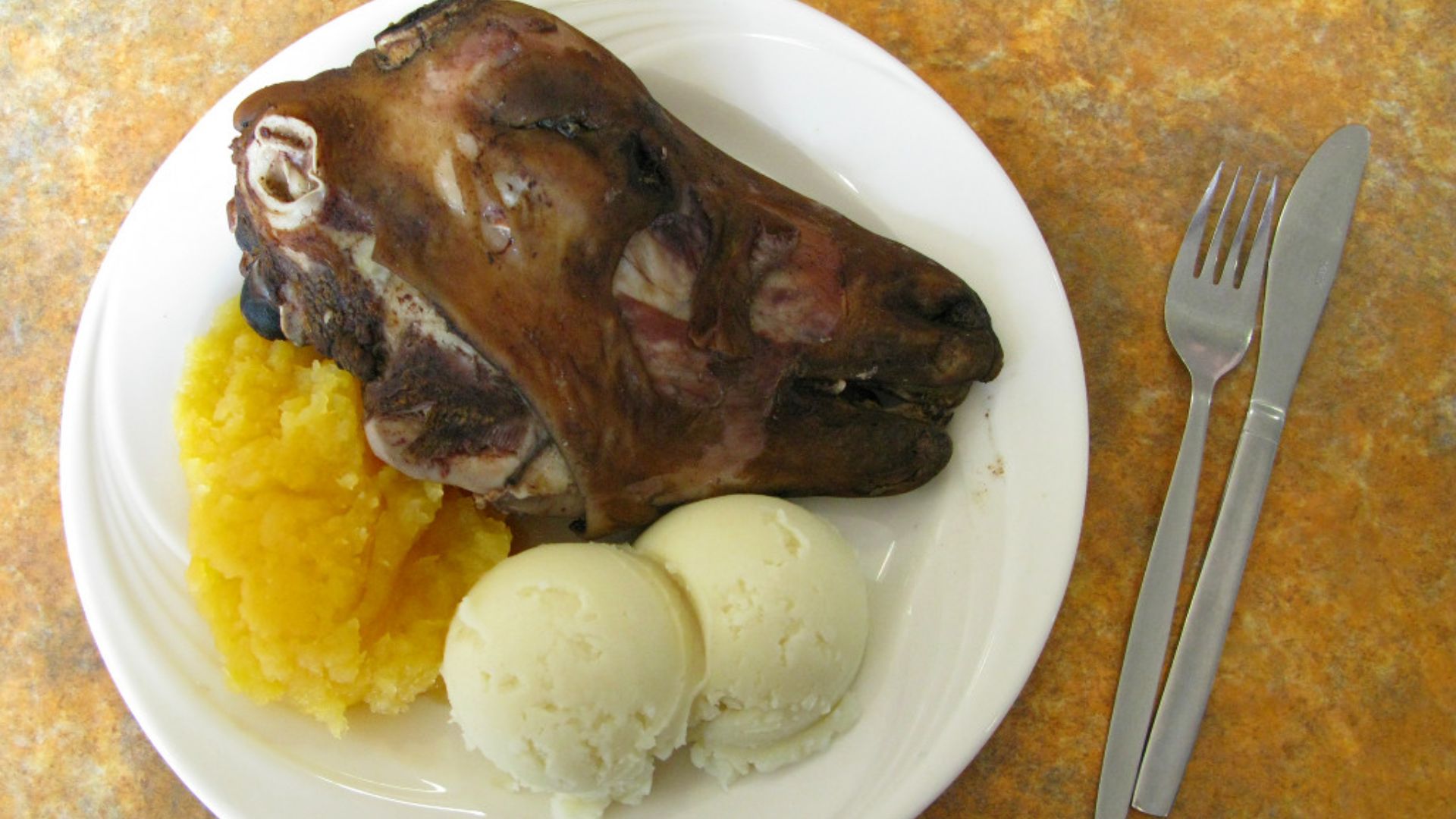
8. Smalahove
Smalahove is a Norwegian dish made from a sheep’s head that's been salted, smoked, and cooked. Diners traditionally eat different sections in a particular order, with the eye and ear often disappearing before the cheek meat. It’s closely connected to western Norway and holiday traditions, although the presentation can be a shock when the plate appears to be looking back.
9. Kiviak
Kiviak is a Greenlandic Inuit food made by fermenting small seabirds inside a sealskin for several months. The birds are packed whole, and the sealed bundle is left to mature before being opened for special occasions. It’s a practical preservation method developed in an extreme climate, but it’s far removed from anything found in the average American refrigerator.
 Alastair Rae from London, UK on Wikimedia
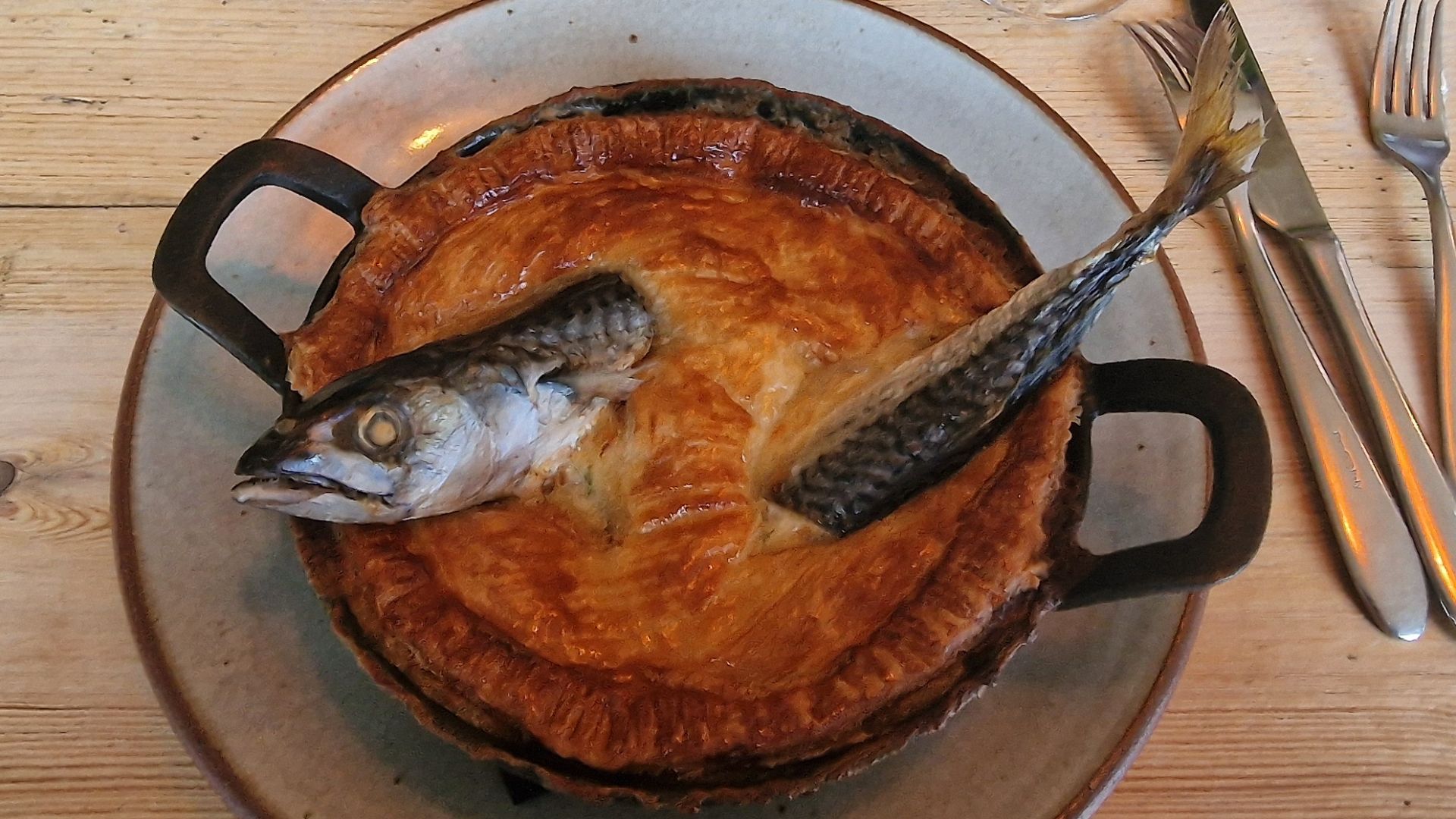
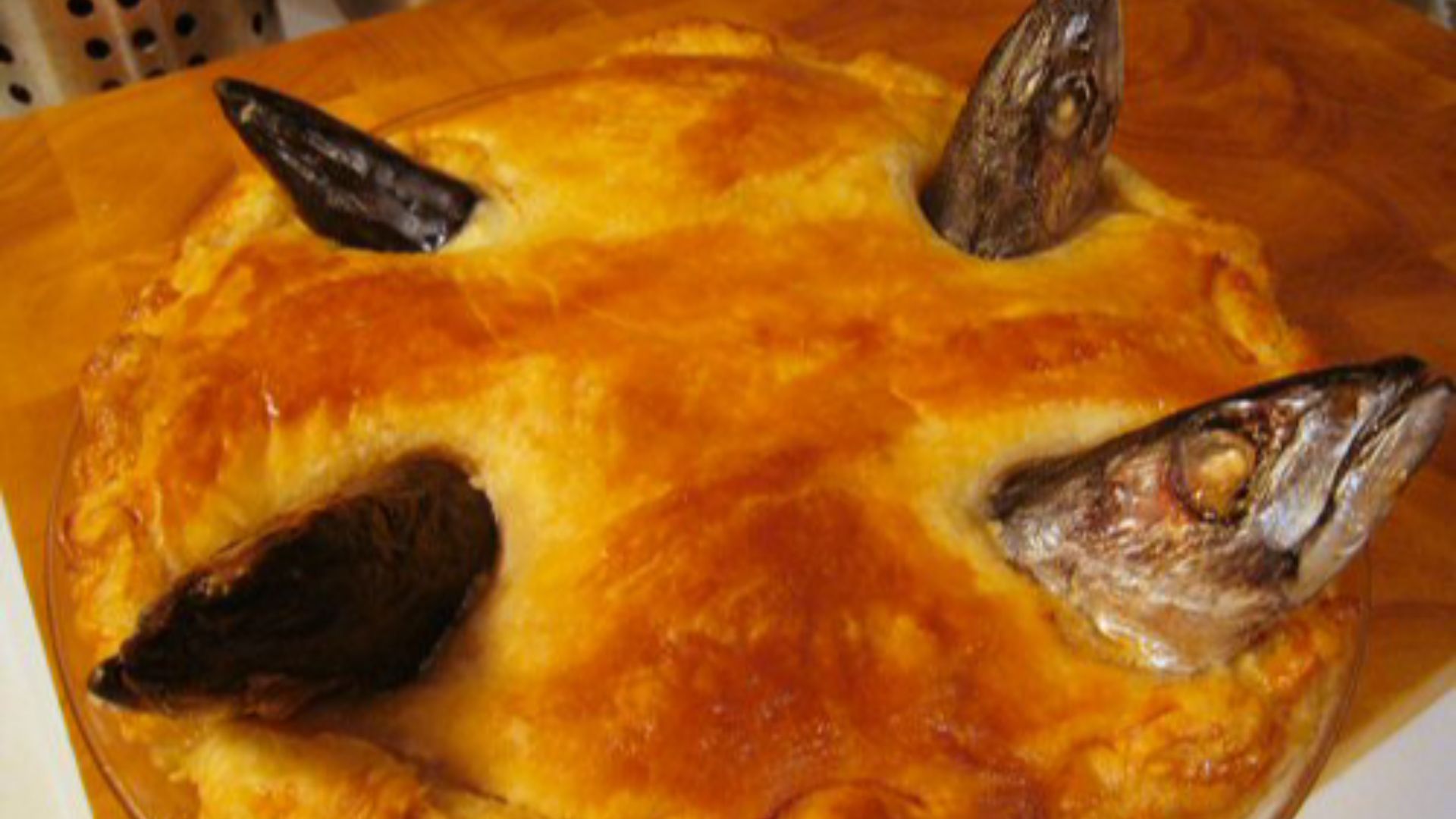
10. Stargazy Pie
Stargazy pie comes from the English fishing village of Mousehole in Cornwall. Whole pilchard or sardine heads poke through the pastry crust, making it appear as though the fish are staring upward. Beneath the dramatic presentation is a fairly comforting mixture of fish, eggs, potatoes, and pastry.
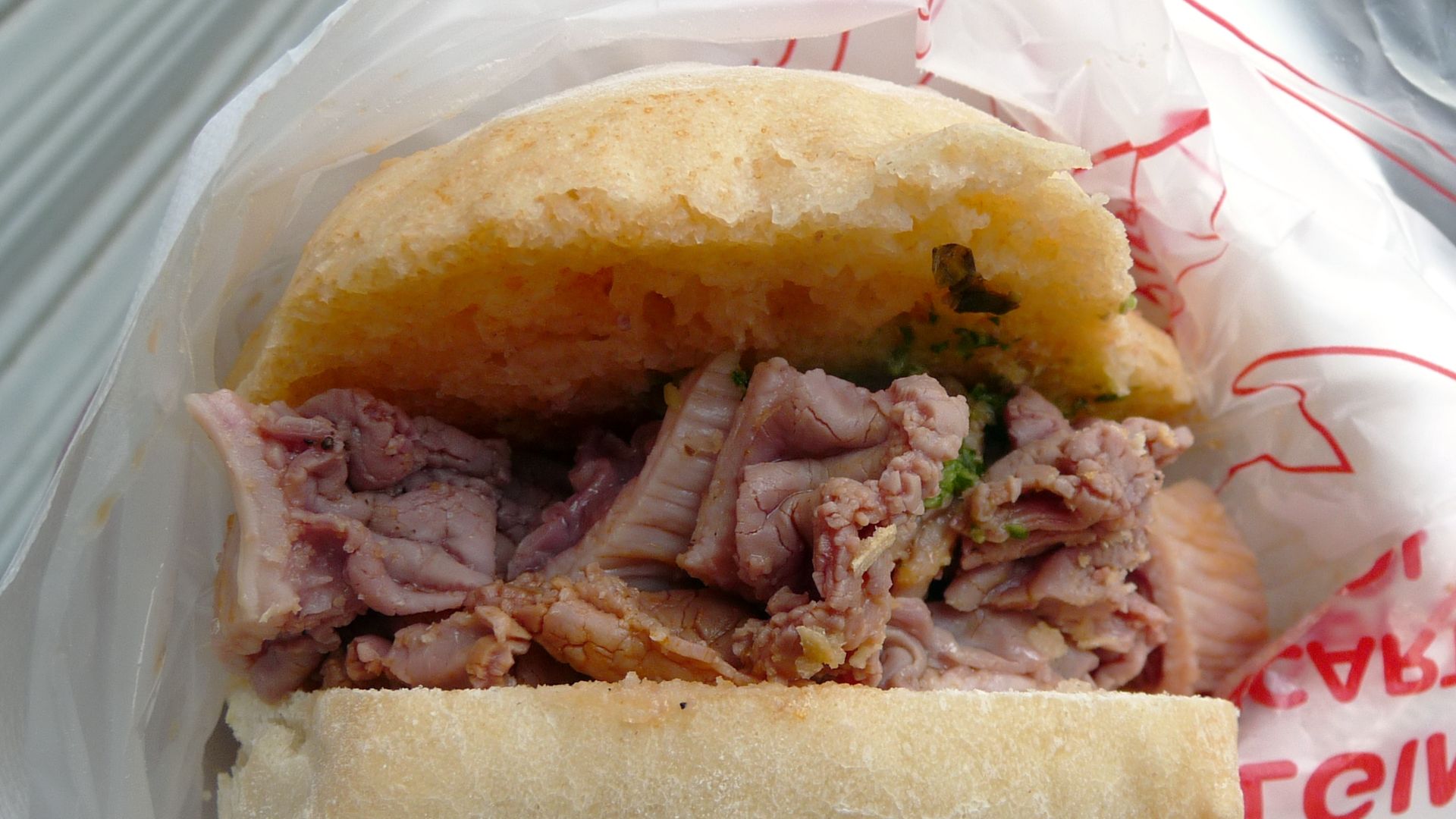
11. Lampredotto
Lampredotto is a Florentine street food prepared from the fourth stomach of a cow. The meat is simmered in a seasoned broth, chopped, and placed inside a sandwich with green sauce or spicy oil. It’s inexpensive, deeply traditional, and much tastier than the phrase “cow stomach sandwich” initially promises.
12. Kokoretsi
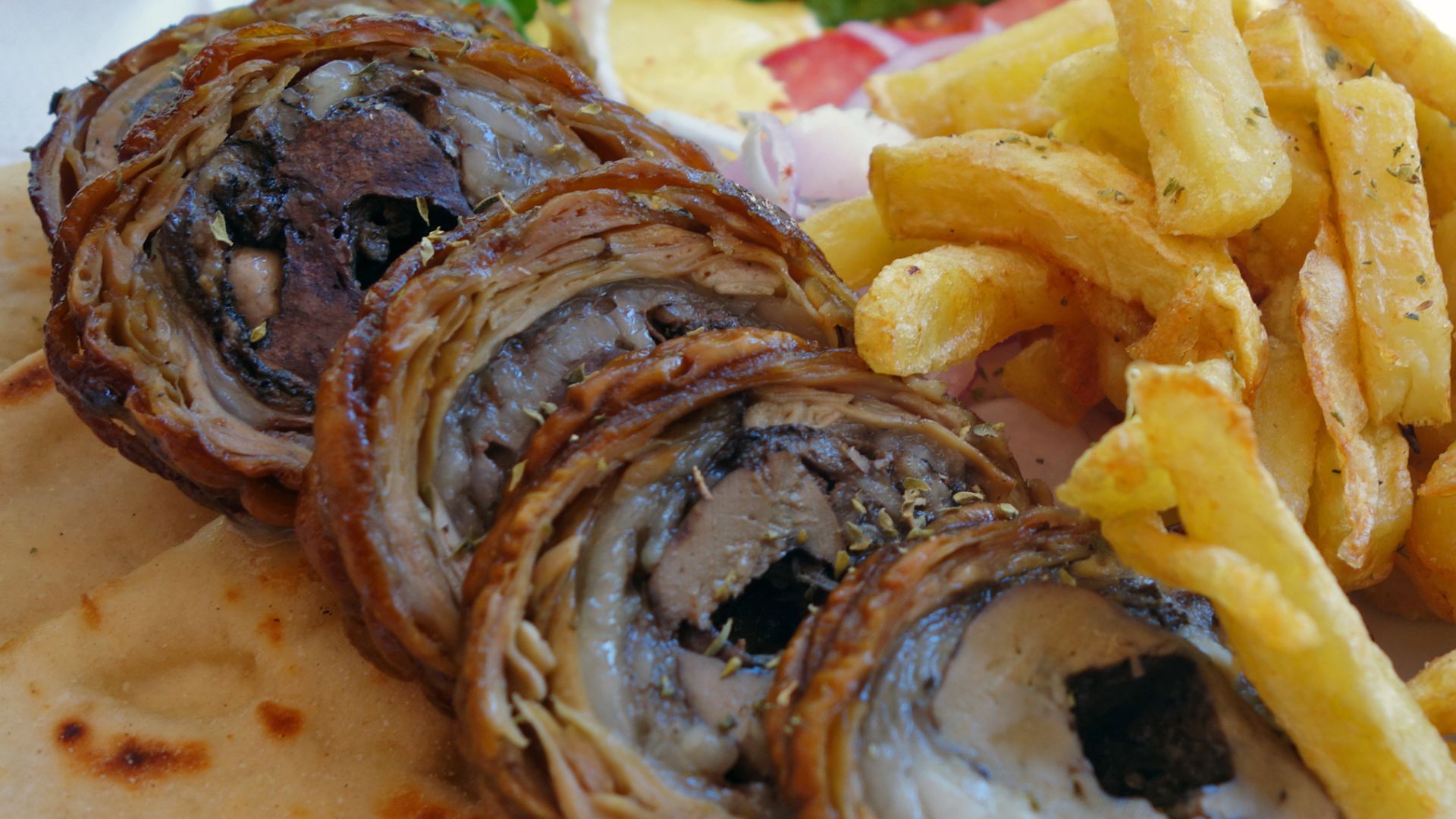
Kokoretsi is popular in Greece and parts of the Balkans, especially around Easter. Seasoned lamb or goat organs are wrapped in cleaned intestines and slowly roasted on a spit. The result is crisp on the outside and rich inside, though explaining its construction may be best saved until after someone has tried it.
13. Lutefisk
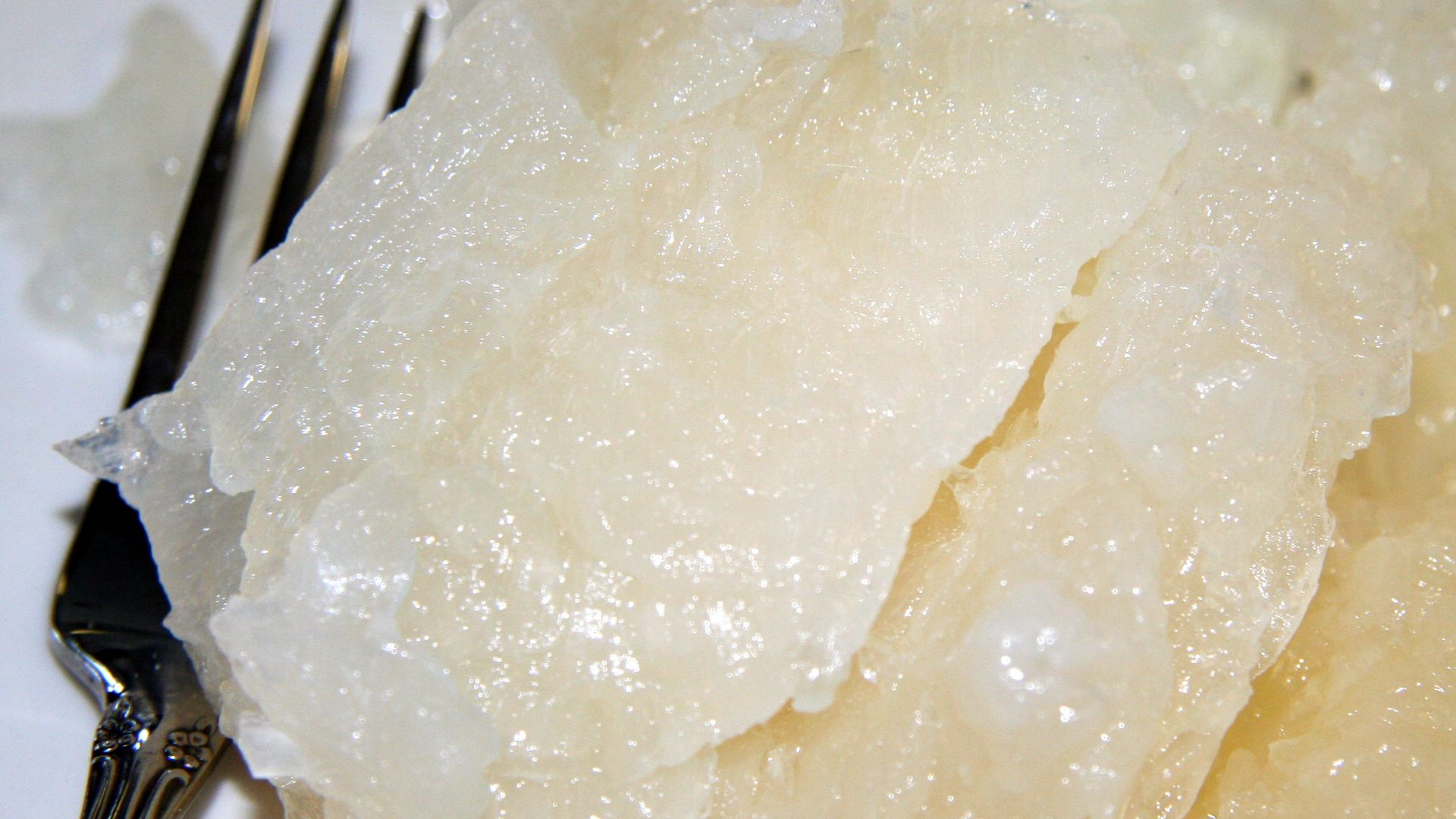
Lutefisk is dried whitefish that's been soaked in water and lye before being soaked again to make it edible. The process creates a soft, almost gelatinous texture that has divided dinner tables for generations. It’s associated with Norway, though many Americans encounter it through Scandinavian communities in the Upper Midwest.
14. Head Cheese
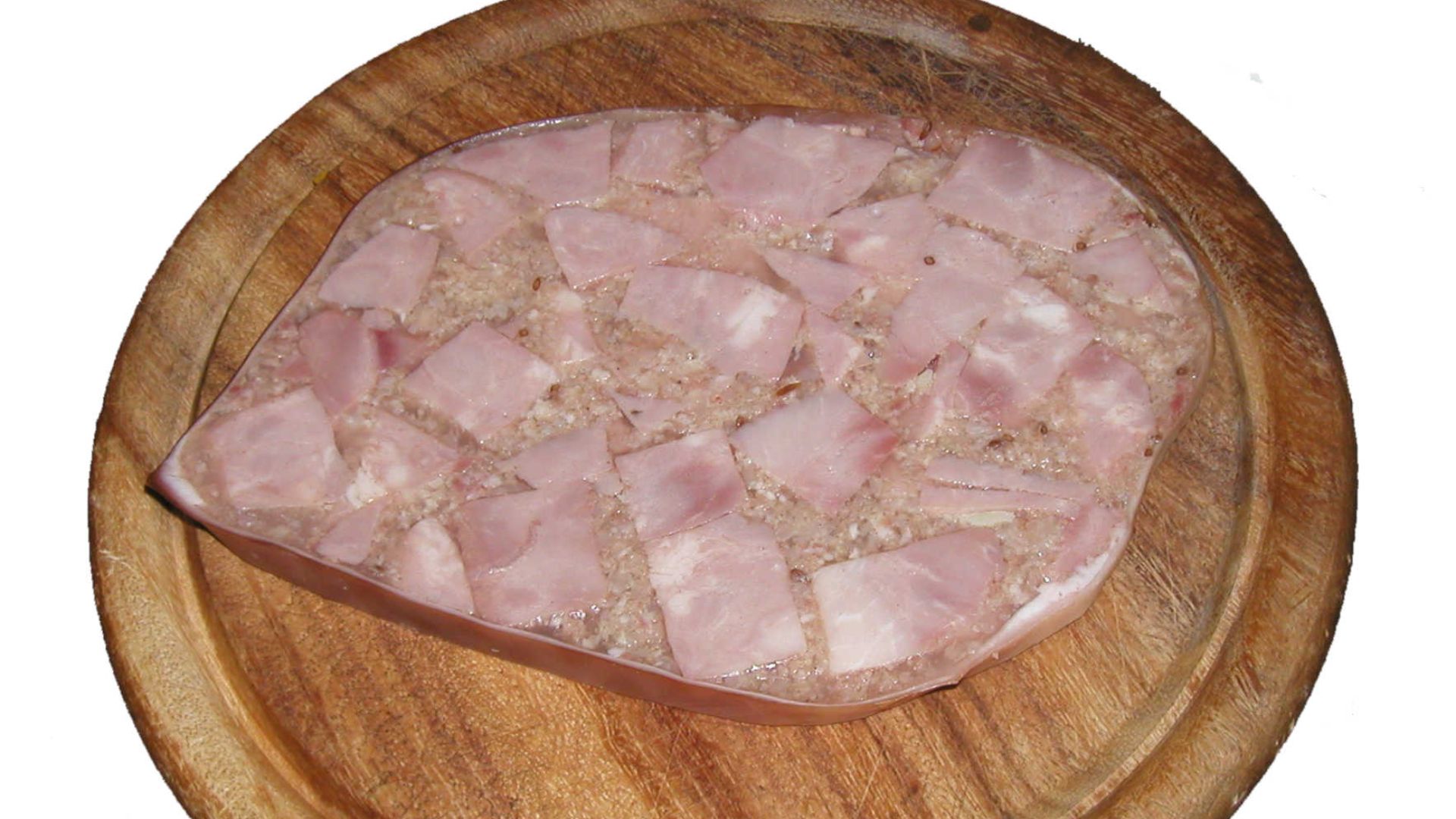
Despite the name, head cheese doesn’t contain any dairy. It’s a cold meat terrine made by cooking pieces from a pig’s or calf’s head and allowing the natural gelatin to hold everything together. Versions appear across Europe under different names, and they’re often sliced neatly enough to briefly distract you from what’s inside.
15. Blood Pancakes
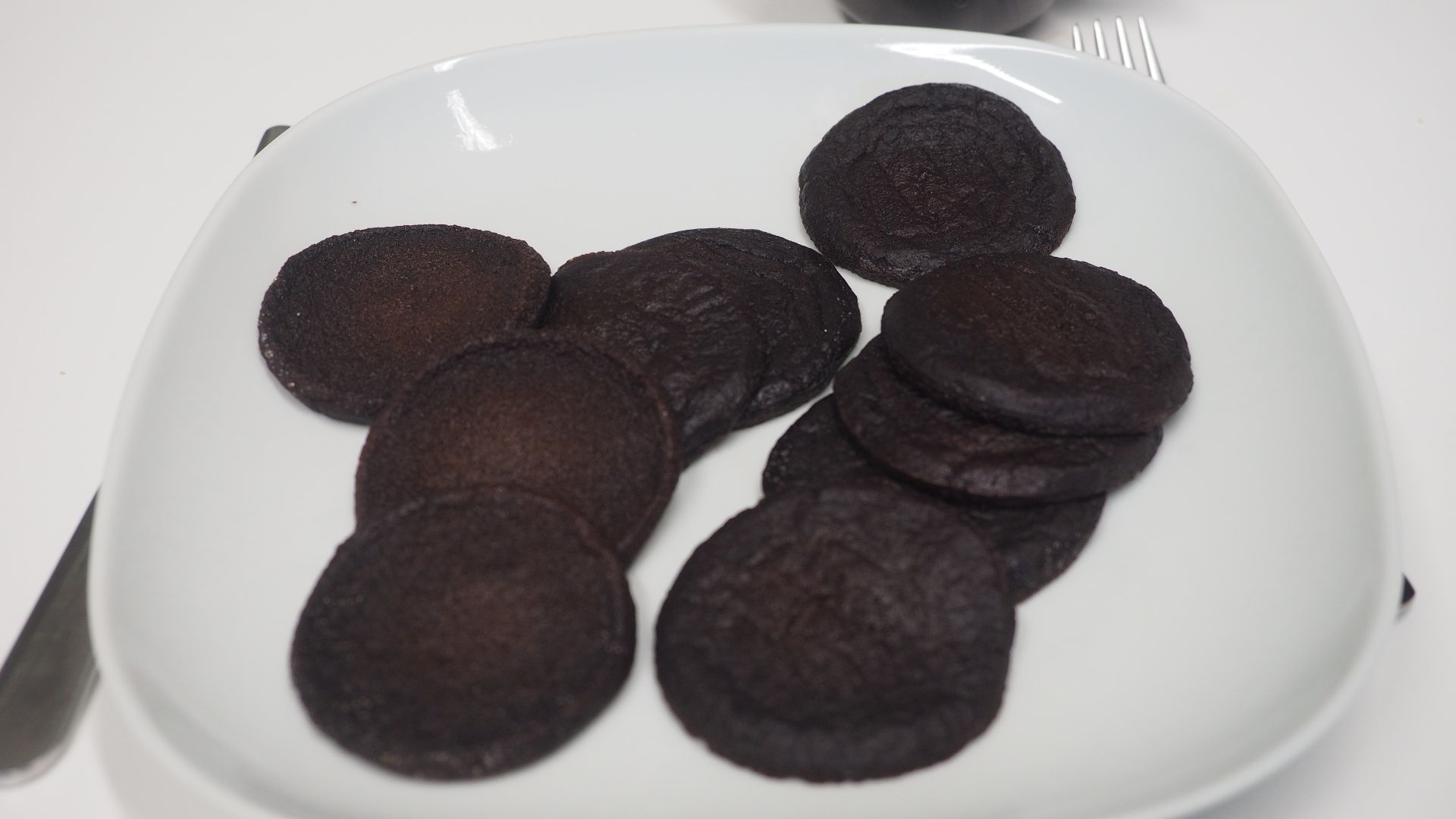
Blood pancakes are found in several Nordic and Baltic cuisines, where animal blood is mixed into batter with flour, milk, and spices. They’re usually darker and more savory than the fluffy pancakes Americans expect at breakfast. Depending on the country, they may be served with lingonberry jam, potatoes, or meat.
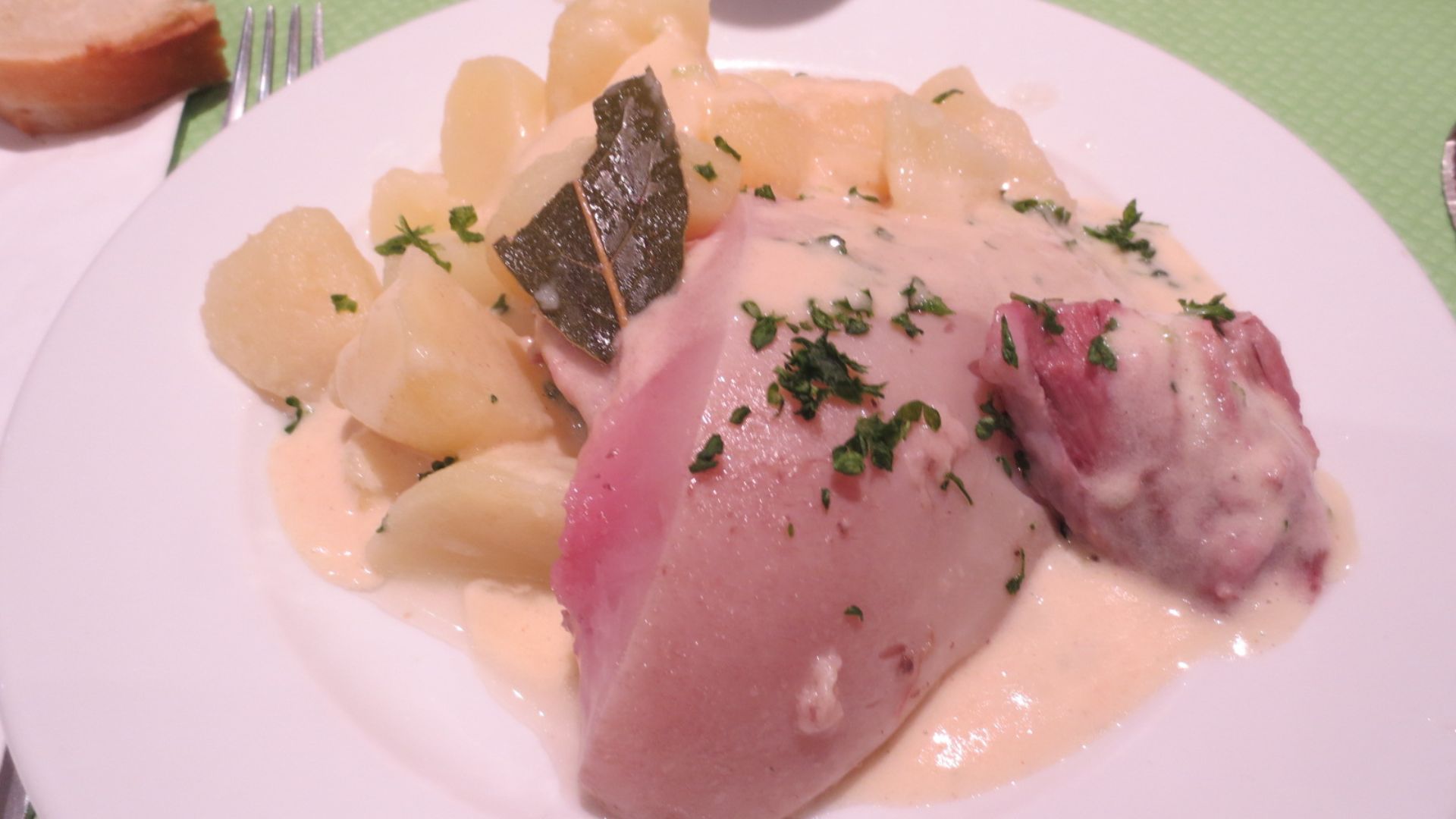
16. Tête de Veau
Tête de veau is a traditional French dish made from a calf’s head, often rolled, simmered, and served in slices. The meat may arrive with tongue and other tender pieces alongside a sharp sauce such as gribiche. It’s considered a classic in France, even though its English translation tends to make American diners pause.
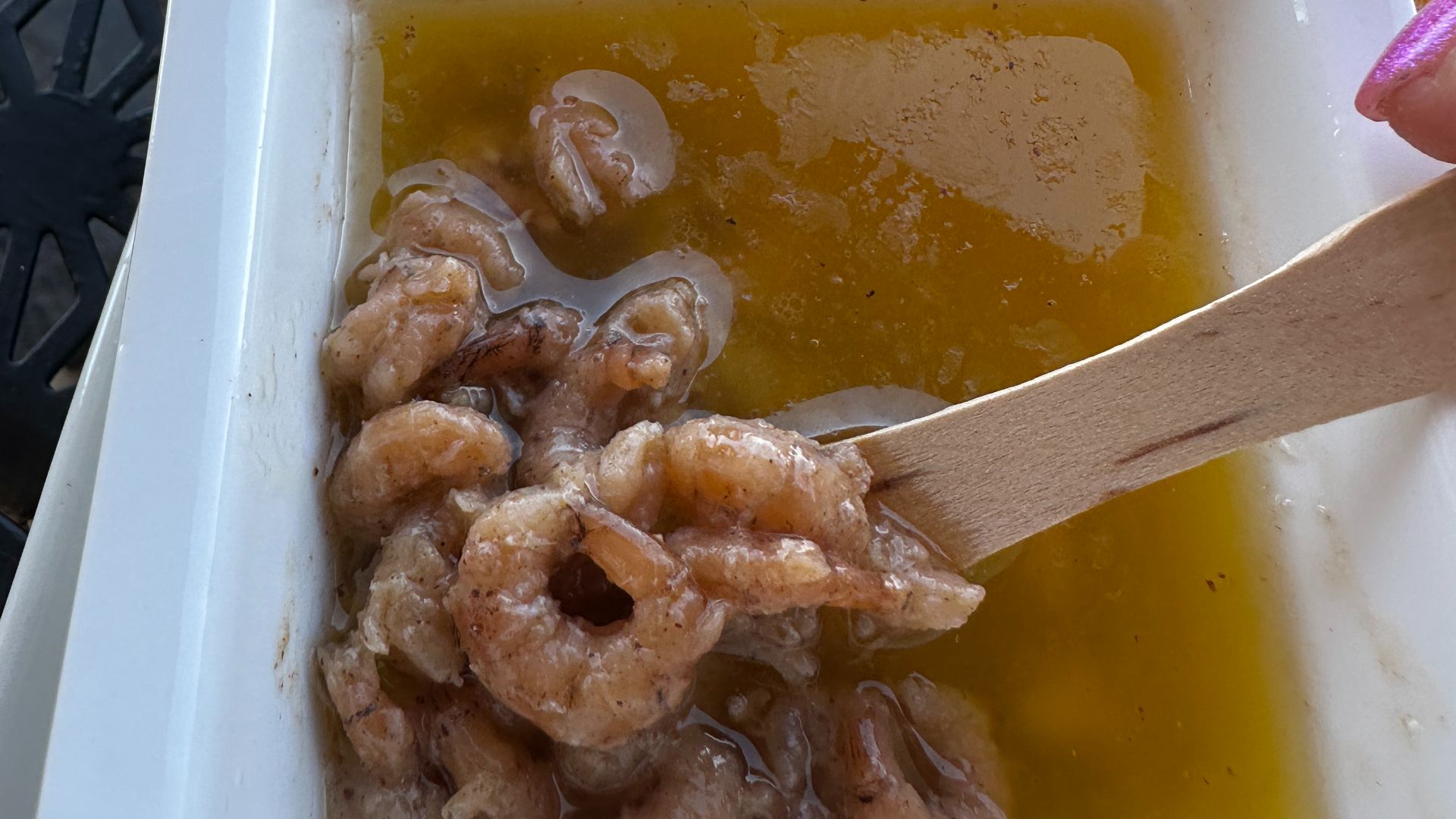
17. Potted Shrimp
British potted shrimp consists of small cooked shrimp sealed beneath a layer of clarified butter. The butter protects the seafood while spices such as nutmeg and pepper add warmth. Americans are familiar with shrimp and butter separately, but the chilled, spreadable presentation can seem unexpected.
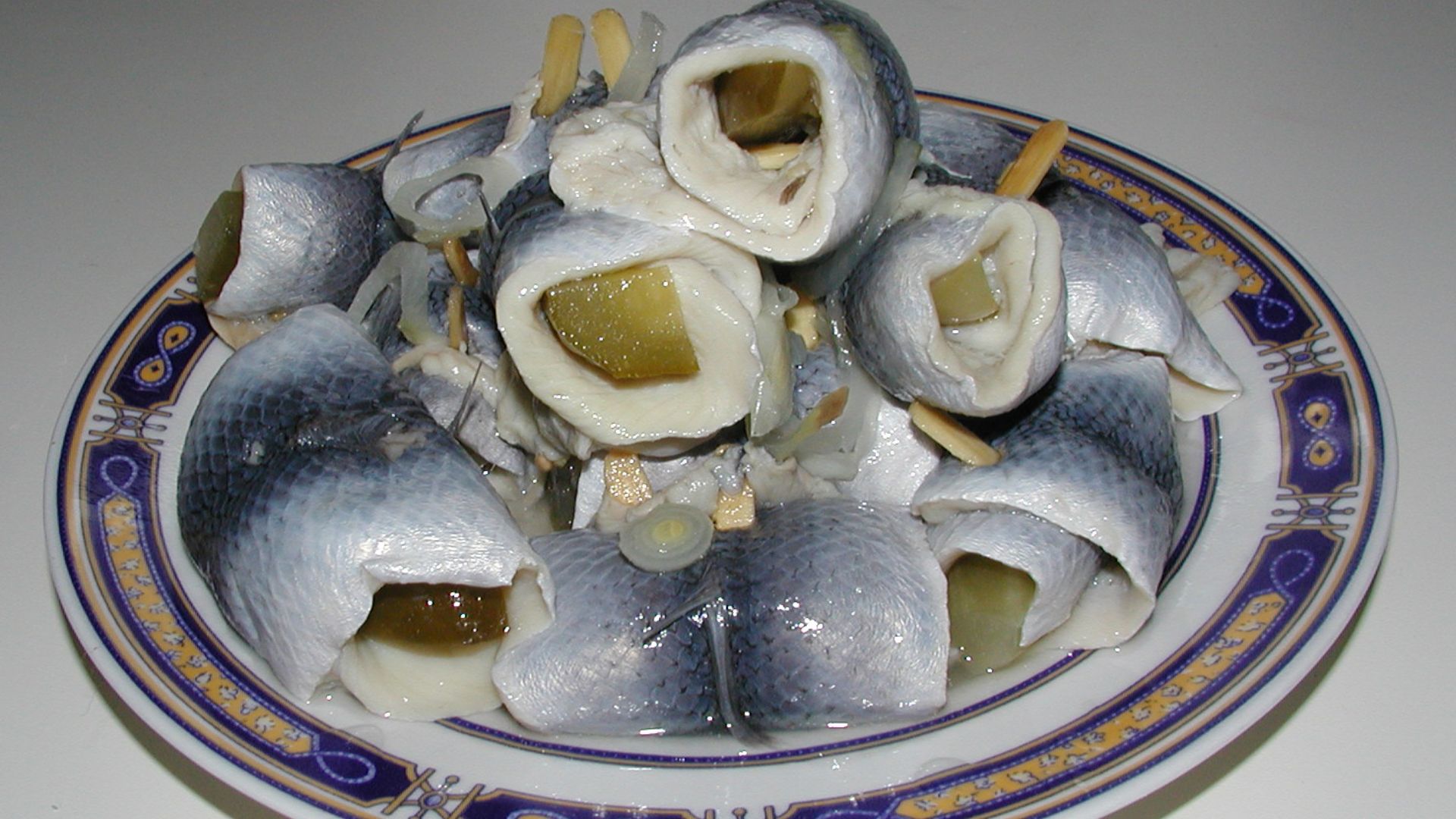
18. Rollmops
Rollmops are pickled herring fillets wrapped around onions, pickles, or other savory fillings. They’re especially common in Germany and northern Europe, where they’re served as snacks, appetizers, or hangover food. The combination of cold fish, vinegar, and onion can be bracing, but that sharpness is exactly the appeal.
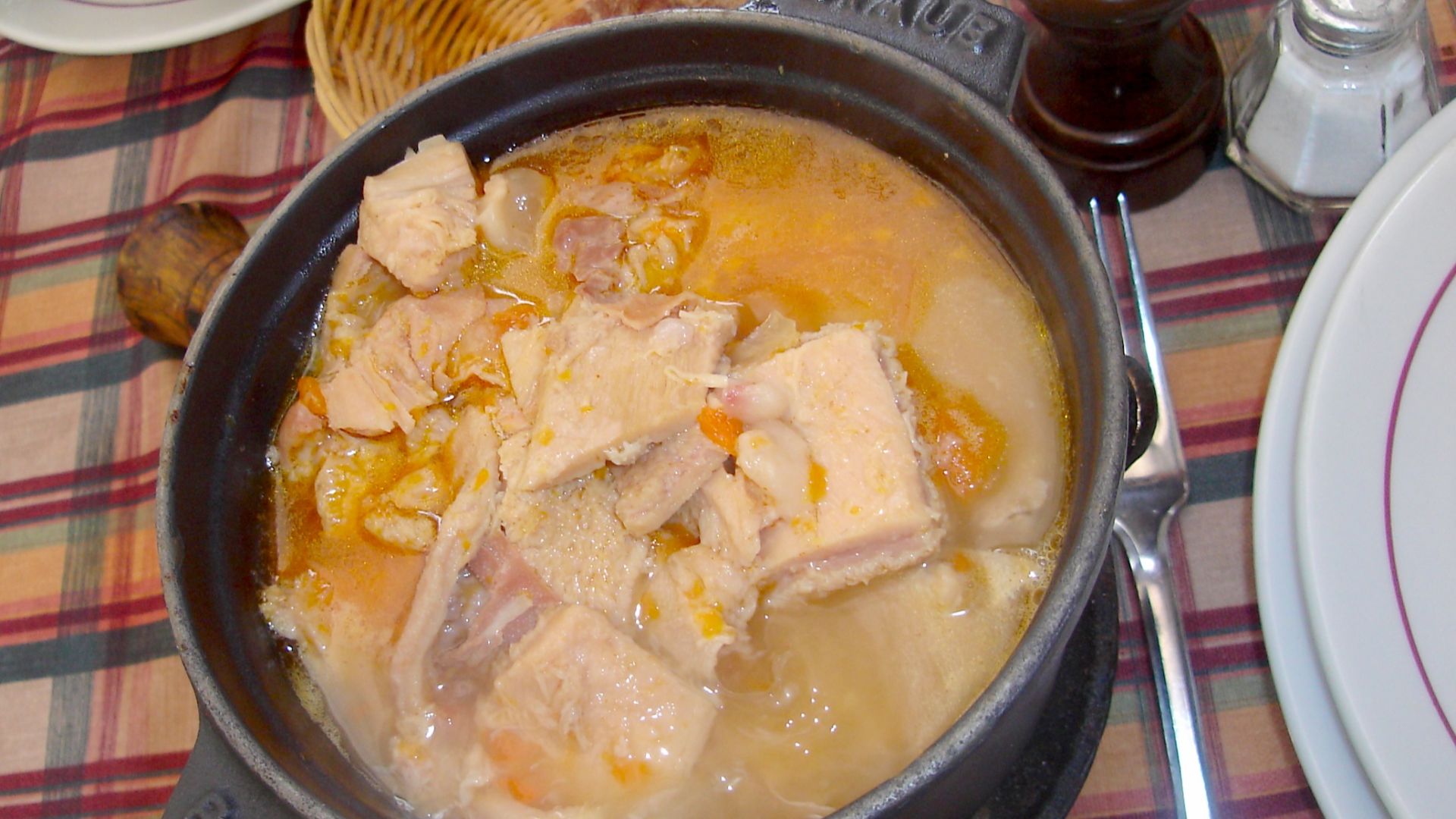
19. Tripes à la Mode de Caen
This Normandy specialty slowly cooks tripe with vegetables, cider, herbs, and sometimes calf’s feet. The dish can simmer for many hours, allowing the broth to become rich while the stomach lining turns tender. Americans who aren't used to organ meats may struggle with the idea.
20. Toast Sandwich
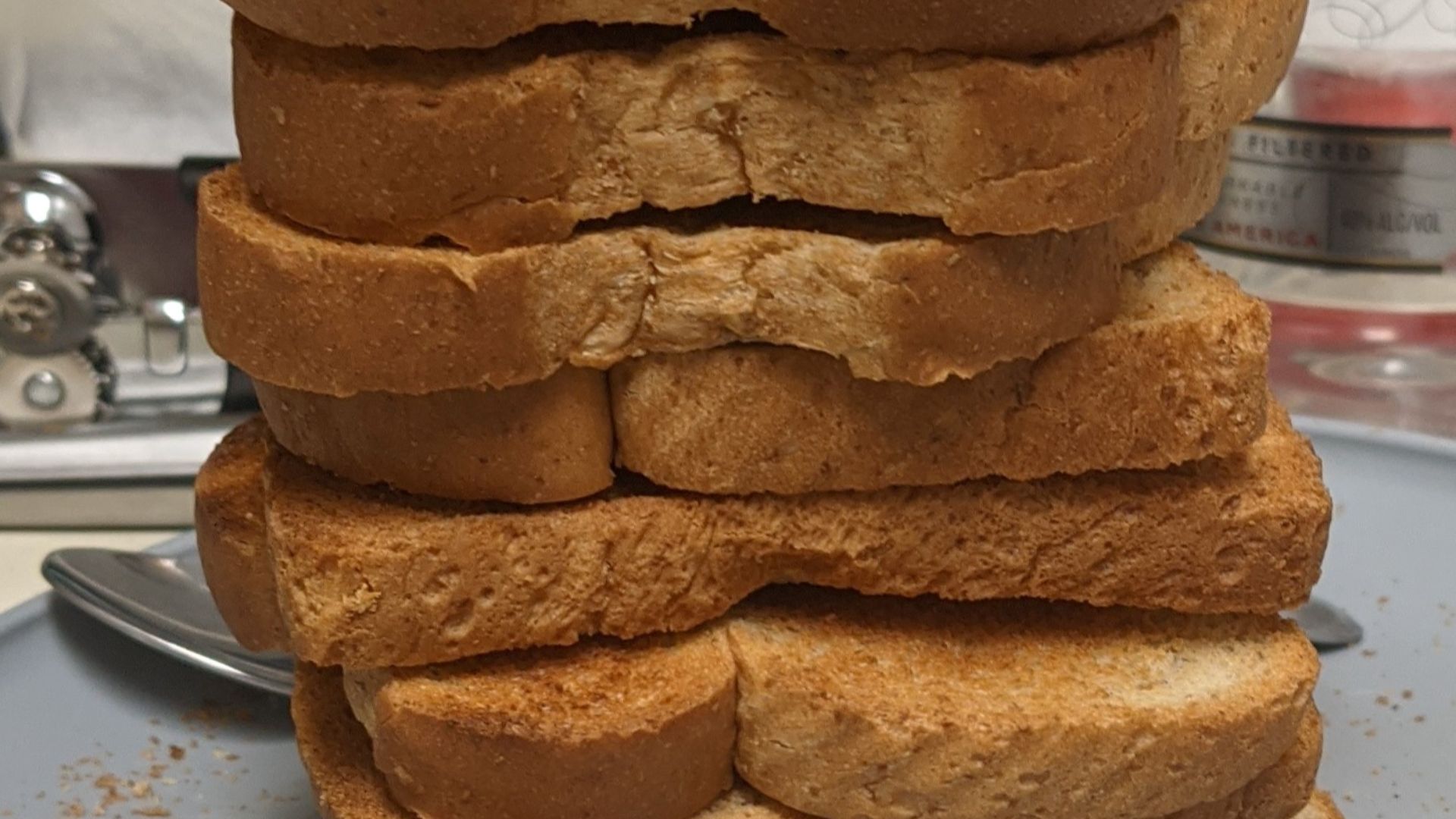
The British toast sandwich is exactly what its name suggests: a slice of toast placed between two slices of buttered bread. Victorian cookbook writer Isabella Beeton included a seasoned version in the 19th century, proving it wasn’t invented during a modern kitchen emergency. It’s inexpensive, undeniably carb-heavy, and difficult to describe without sounding as though an ingredient has been forgotten.