Worth The Wait
Some foods come with rules nobody wrote down but everyone somehow learned anyway, with timing restrictions passed along through family tradition, religious calendars, or old-fashioned superstition. A few of these rules come from actual food safety concerns tied to harvest season or spawning cycles. Others exist purely because a culture decided a certain treat belongs to a certain moment. Breaking the rule rarely causes real harm, but plenty of people treat it like it might. Here's 20 foods that can't be eaten before a certain time.
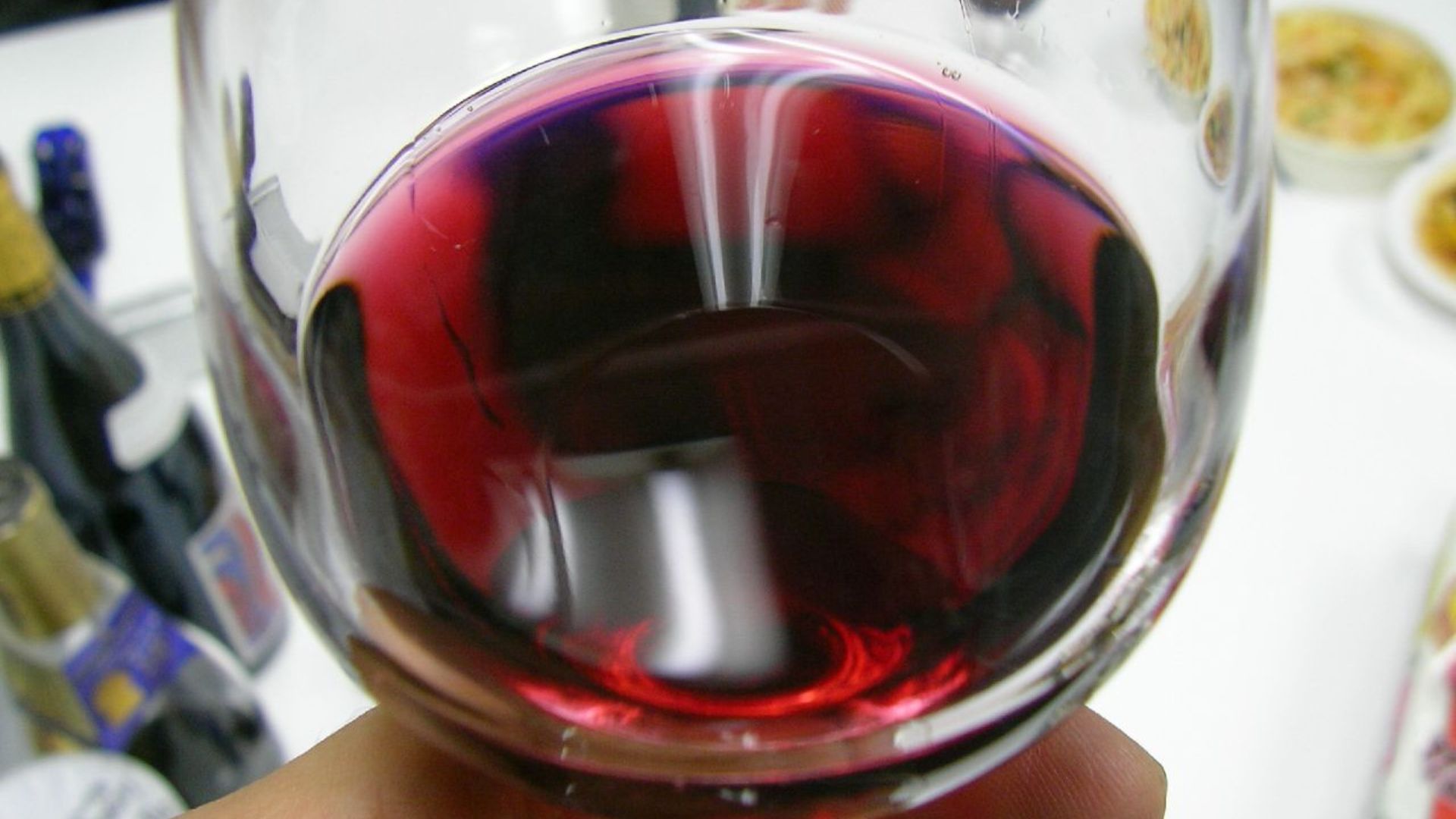
1. Beaujolais Nouveau
French law prevents this young red wine from being sold or served anywhere in the world before 12:01 a.m. on the third Thursday of November, the same instant every single year. Wineries race to bottle it in time, and the release itself has become its own mini holiday in France.
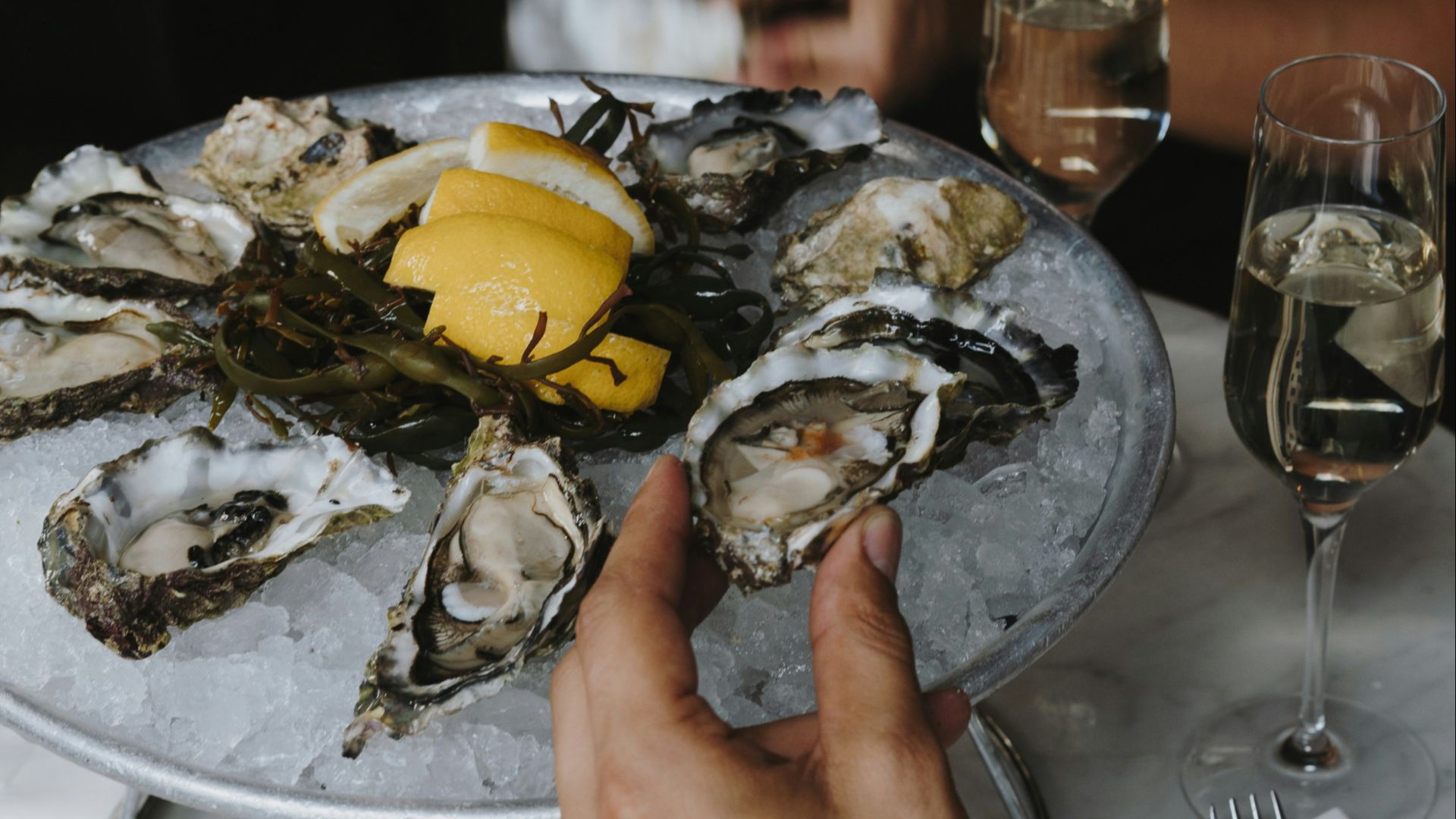
2. Oysters
Old folk wisdom warns against eating oysters in any month without the letter R in it, roughly May through August, tied to warmer water conditions and the oysters' own spawning cycle. Modern refrigeration has made the rule less about safety and more about tradition at this point.
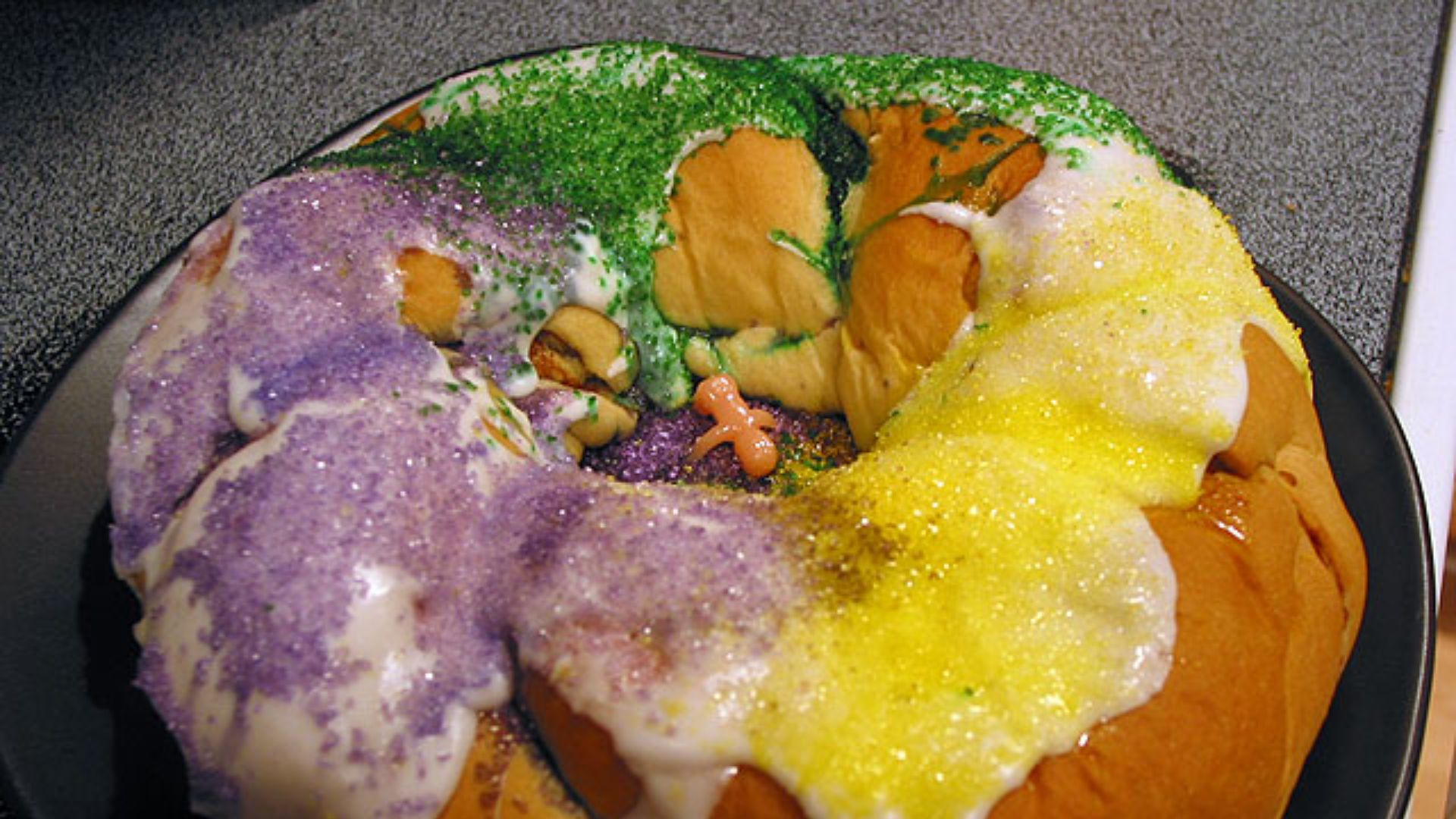
3. King Cake
In Louisiana and other places with French Catholic roots, king cake traditionally doesn't appear until January 6th, the Feast of the Epiphany, marking the official start of Mardi Gras season. Eating one too early is considered a minor breach of the calendar, even if bakeries stock shelves sooner every year.
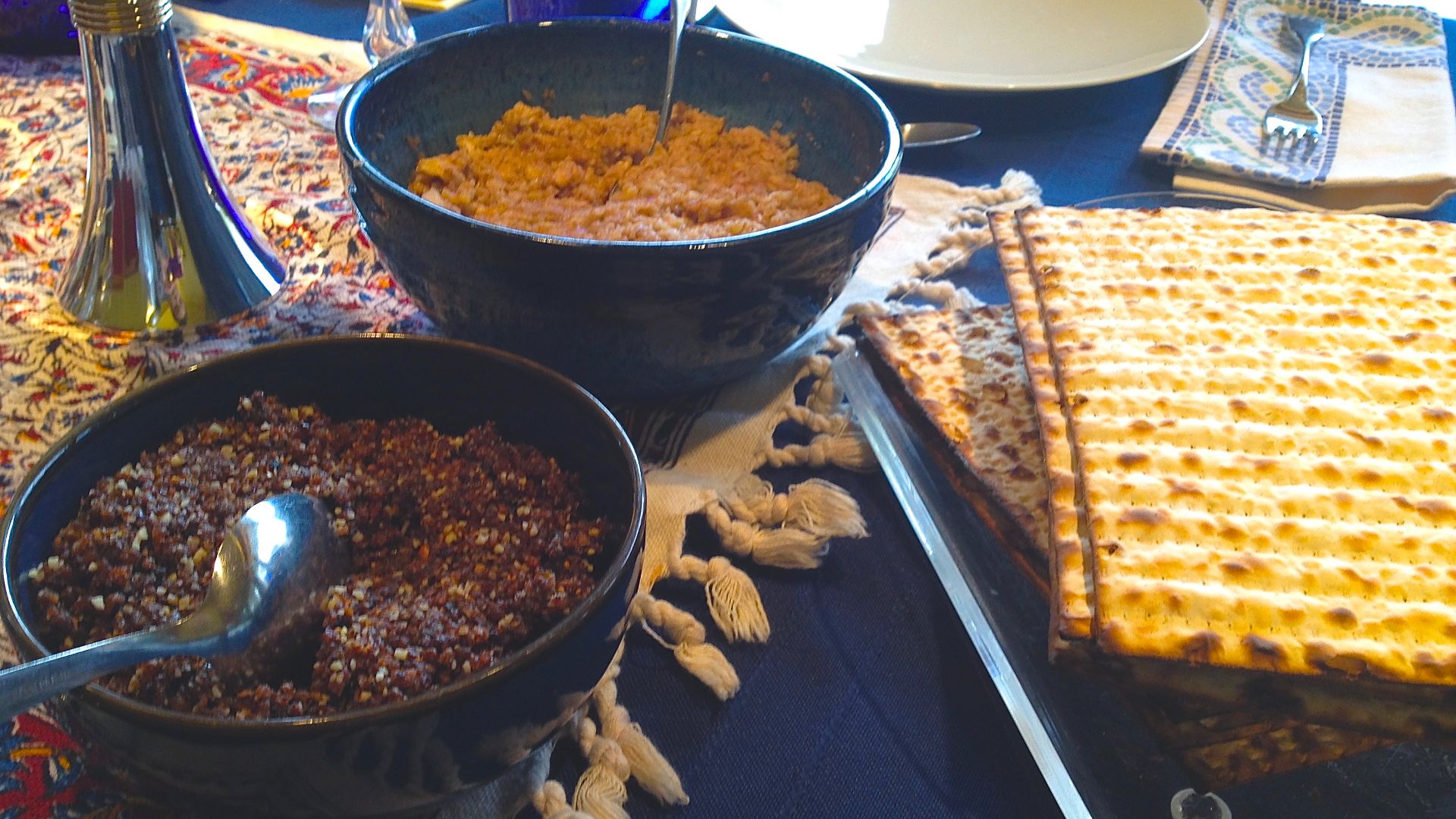
4. Matzah
Some Ashkenazi Jewish communities traditionally avoid eating matzah for the thirty days leading up to Passover, so the unleavened bread feels special once the holiday actually begins. Eating it too casually beforehand is thought to dull the meaning of the ritual itself.
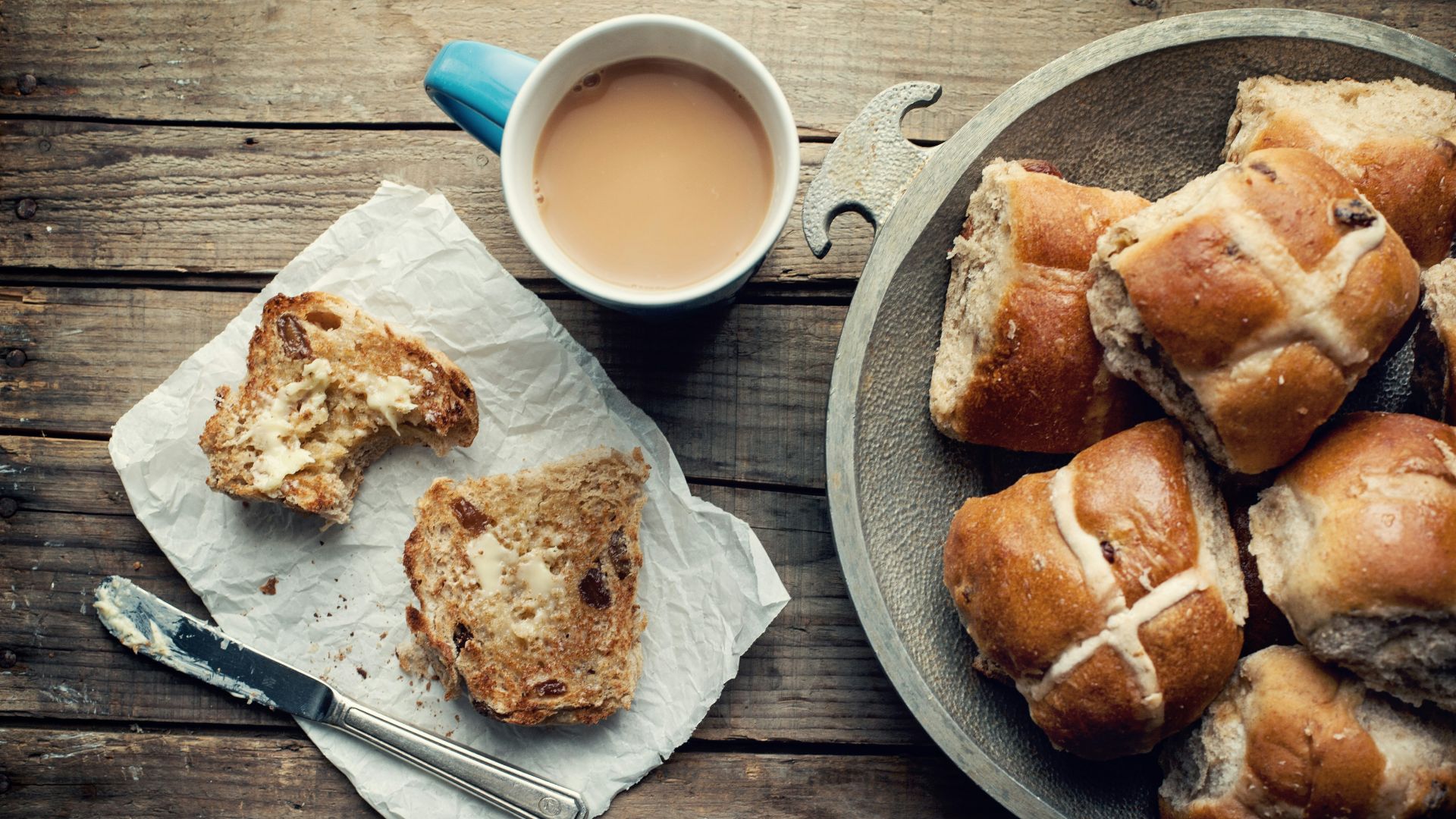
5. Hot Cross Buns
These spiced, cross-marked buns are traditionally tied specifically to Good Friday in British and Commonwealth baking custom, meant to mark the solemn day rather than just another breakfast pastry. Commercial bakeries now sell them for weeks beforehand, much to the irritation of traditionalists who'd rather wait.
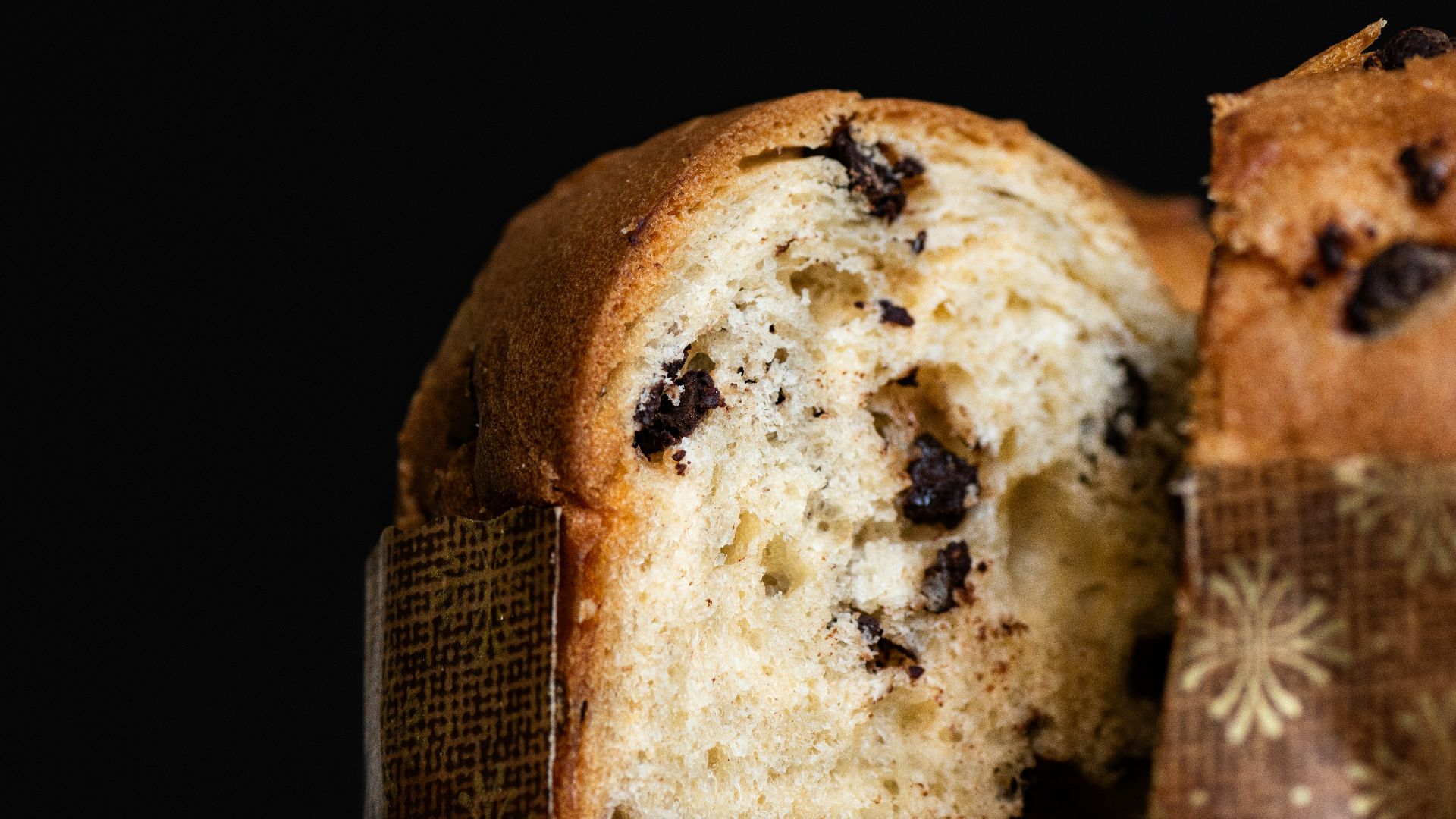
6. Panettone
In parts of Italy, this tall, fluffy Christmas bread traditionally isn't sold or eaten until December 8th, the Feast of the Immaculate Conception, which unofficially opens the holiday season. Bakeries that jump the gun sometimes catch real criticism from customers who take the timing seriously.
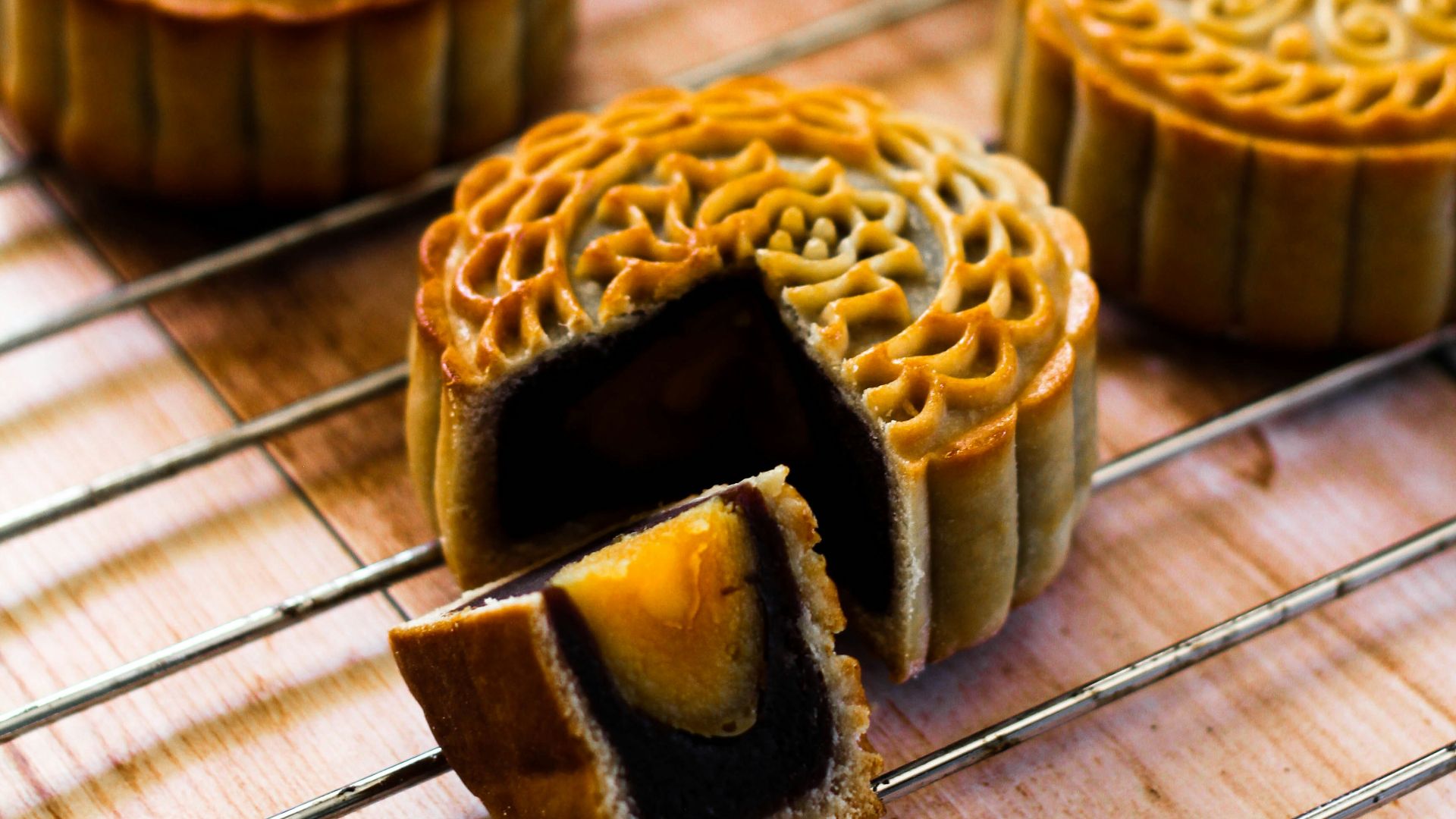
7. Mooncakes
These dense, filled pastries are tied specifically to the Mid-Autumn Festival, and eating them far outside that narrow window feels culturally out of place even though nothing about the pastry itself changes. Bakeries typically stop production entirely once the festival passes.
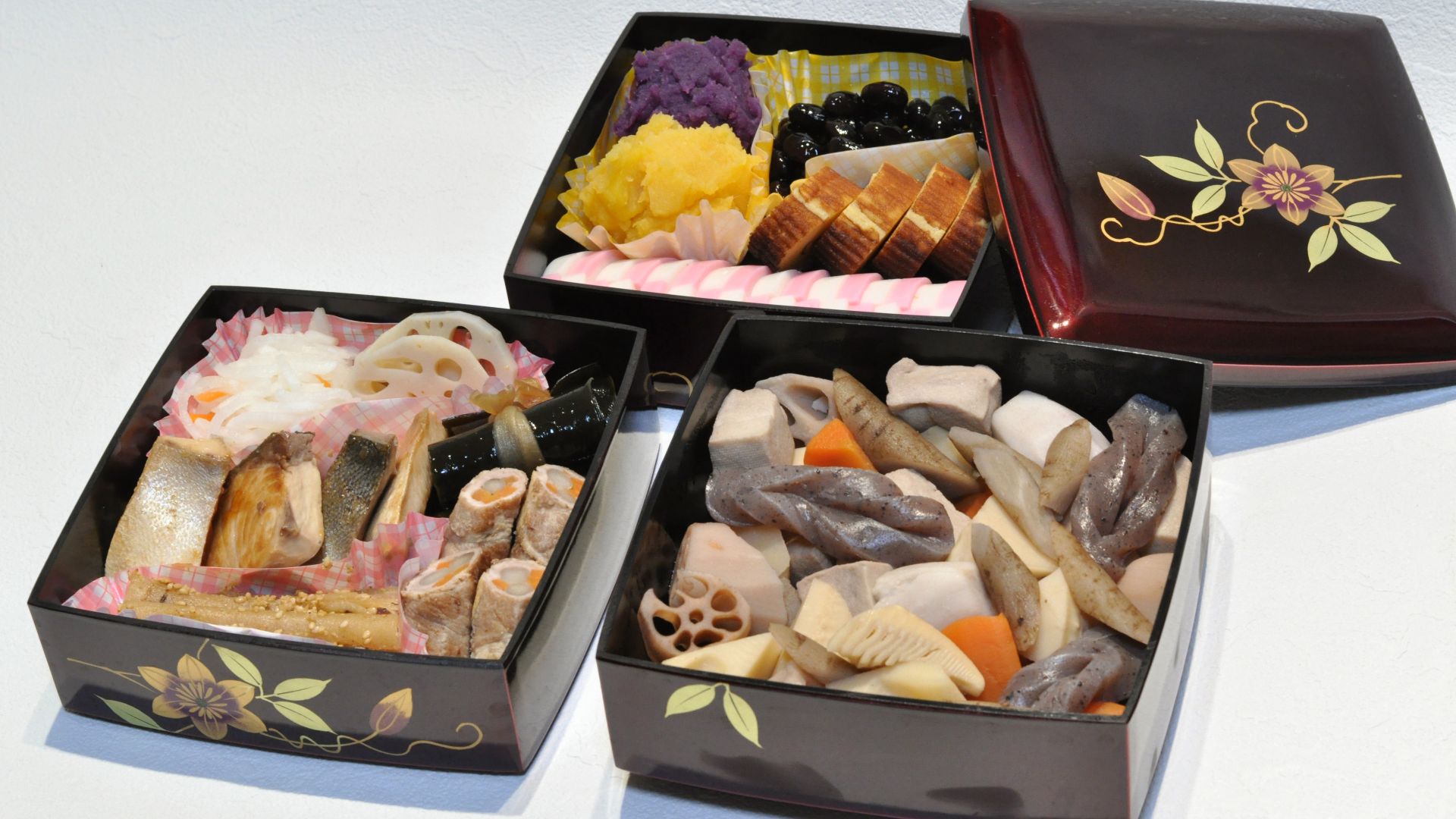
8. Osechi Ryori
This elaborate, multi-course Japanese meal is prepared days in advance specifically to be eaten starting on New Year's Day, packed into stacked lacquer boxes meant to last through the first few days of the year. Eating it earlier would defeat the entire point of a dish designed around the calendar itself.
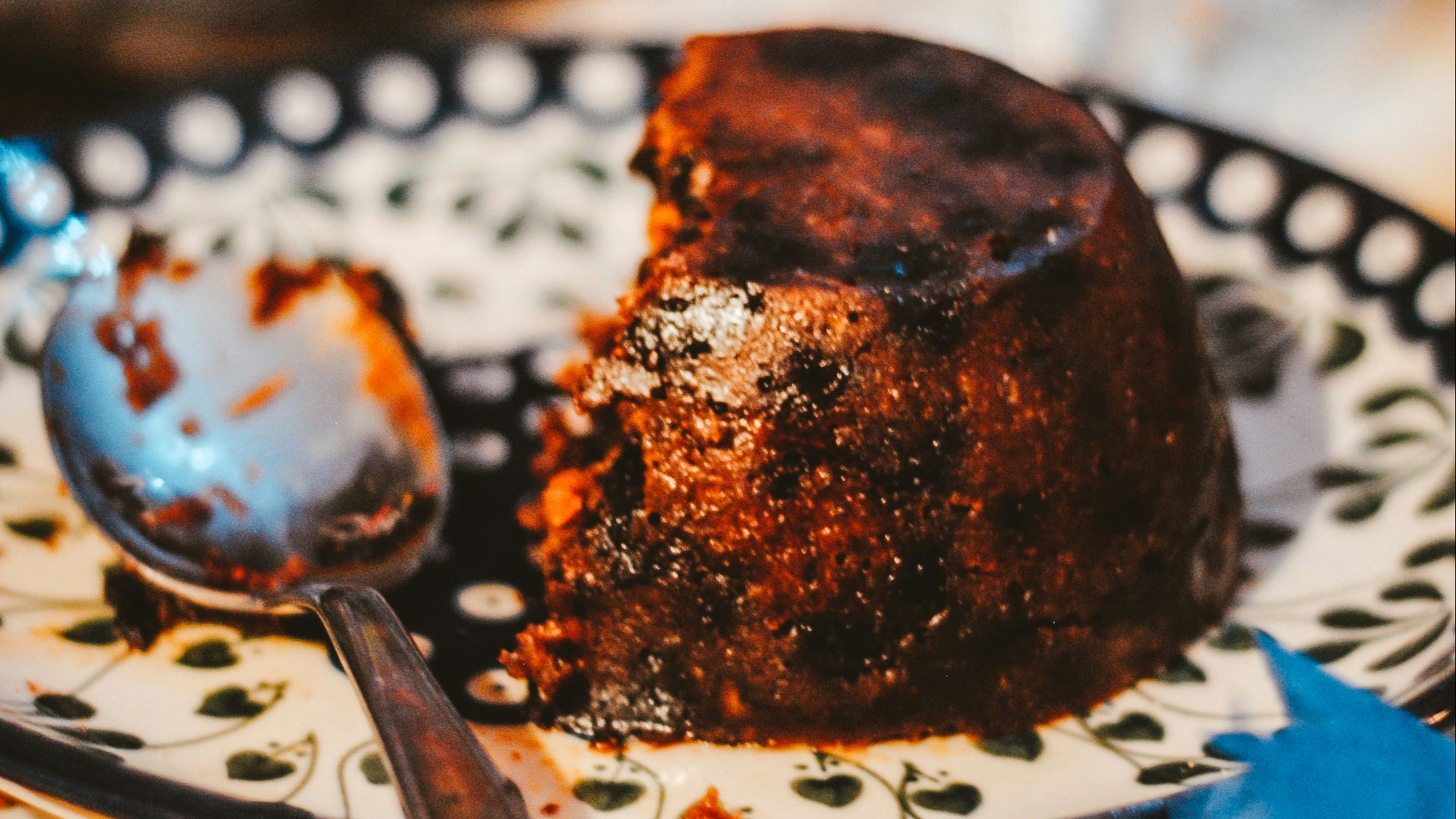
9. Christmas Pudding
British tradition calls for making this dense, dried-fruit pudding on Stir-up Sunday, the last Sunday before Advent, specifically so it has weeks to age before Christmas Day. Cutting into it too early skips the maturing process that gives the pudding its actual flavor.
10. Shad Roe
This delicacy is only available during a narrow window in early spring when shad fish swim upstream to spawn, making it a truly seasonal ingredient rather than a stylistic choice. Chefs along the East Coast build entire menu sections around the few weeks it's actually available.

11. Soft-Shell Crab
Soft-shell crabs only exist during the brief window when blue crabs molt their hard shells, a period concentrated in late spring and early summer. Outside that window, the crab simply isn't available in its soft-shell form at all, regardless of demand.
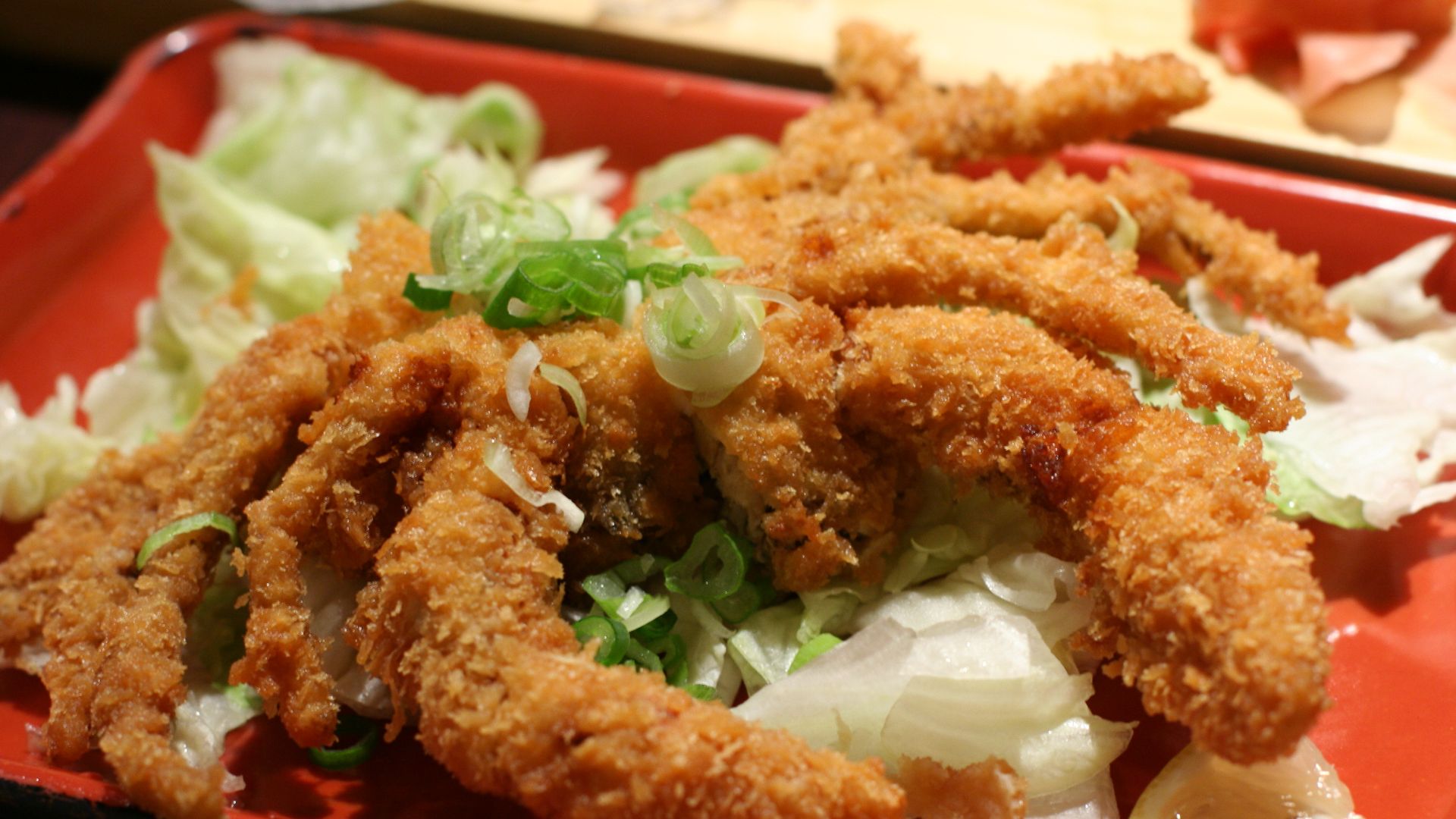 Geoff Peters from Vancouver, BC, Canada on Wikimedia
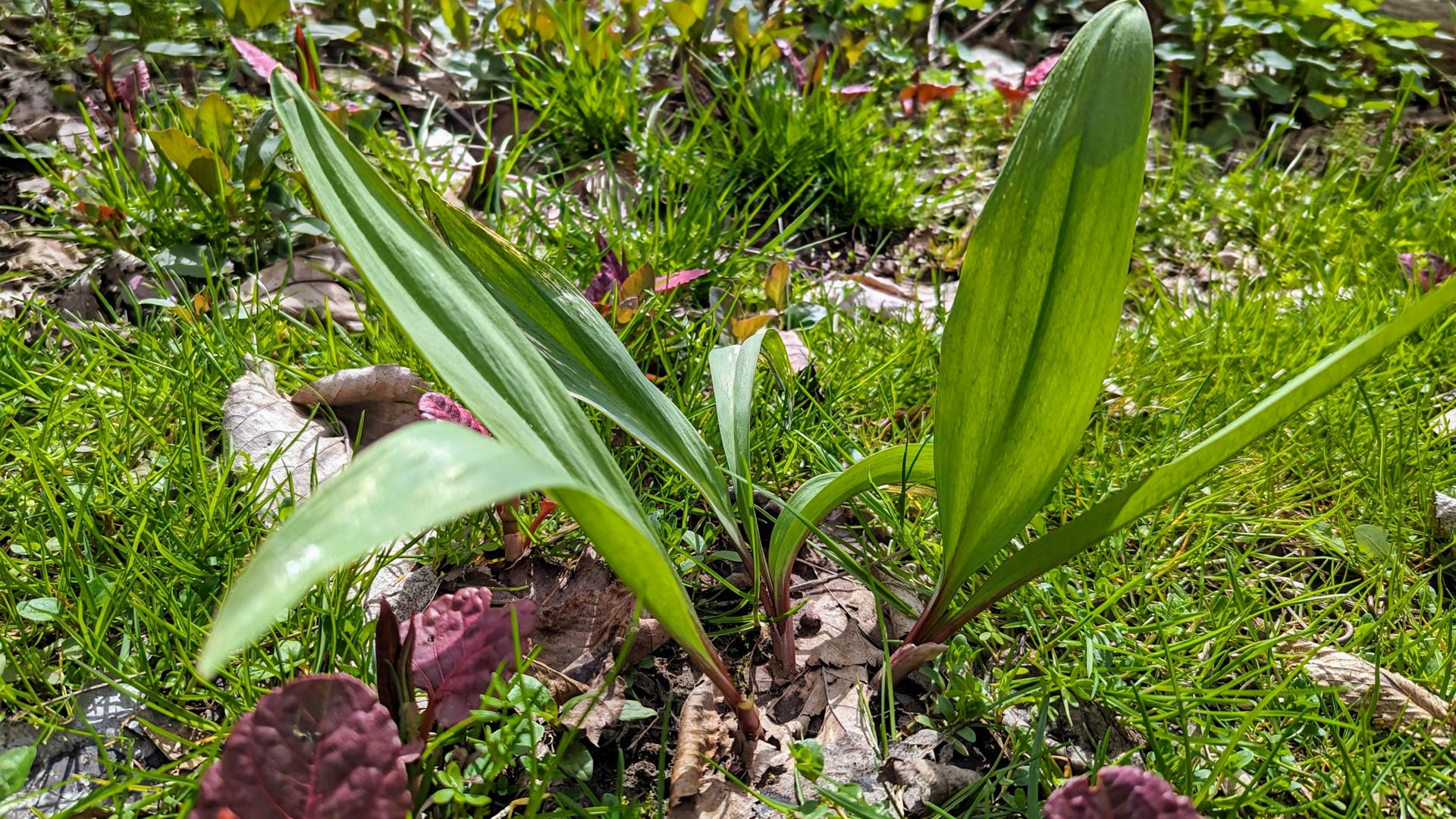
12. Ramps
These wild leeks can only be foraged during a short window in early spring before the plant matures past its edible stage. Chefs plan entire seasonal menus around the brief few weeks ramps are actually available.
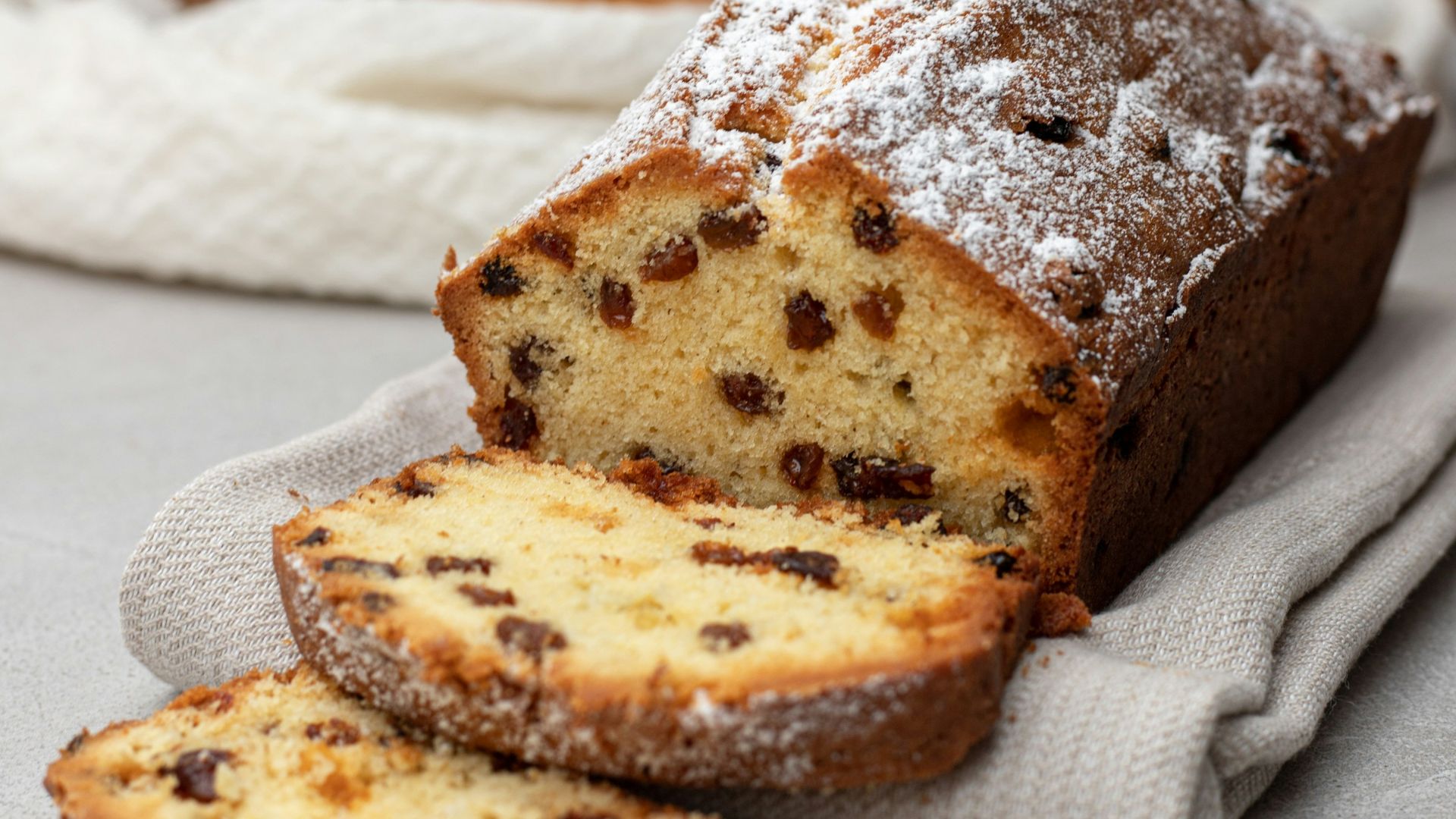
13. Stollen
German tradition holds that this dense, fruit-studded bread should be baked weeks ahead and left to rest, only cut and eaten starting on Christmas Eve. Cutting into it too soon rushes a bread that's meant to develop flavor while it waits.
14. Kimjang Kimchi
Korean households traditionally prepare large batches of kimchi in late fall during a season called kimjang, meant to ferment slowly and last through the winter months. Eating it right away skips the fermentation period that gives kimjang kimchi its deeper, more developed flavor.
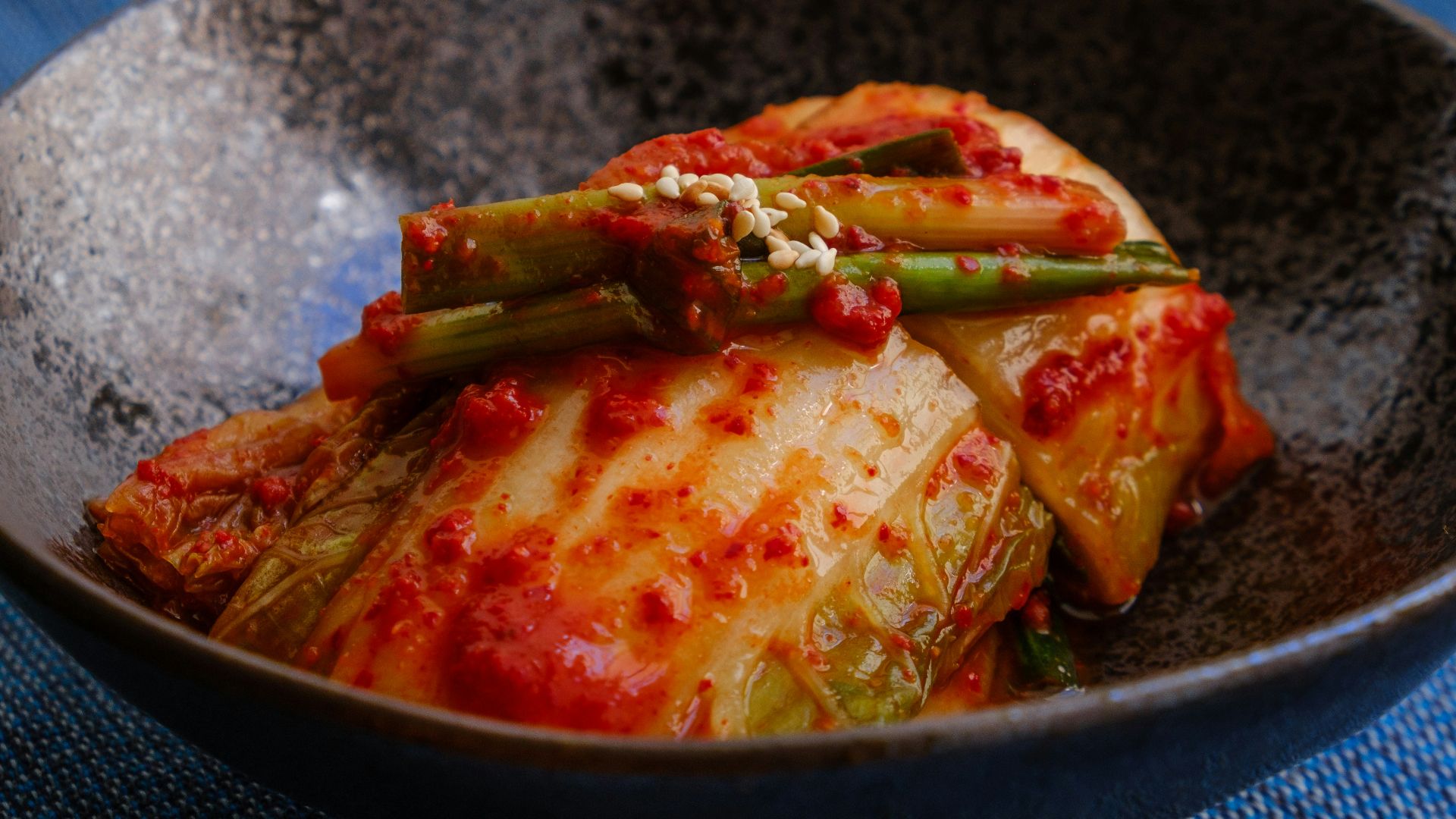 Portuguese Gravity on Unsplash
15. Rhubarb
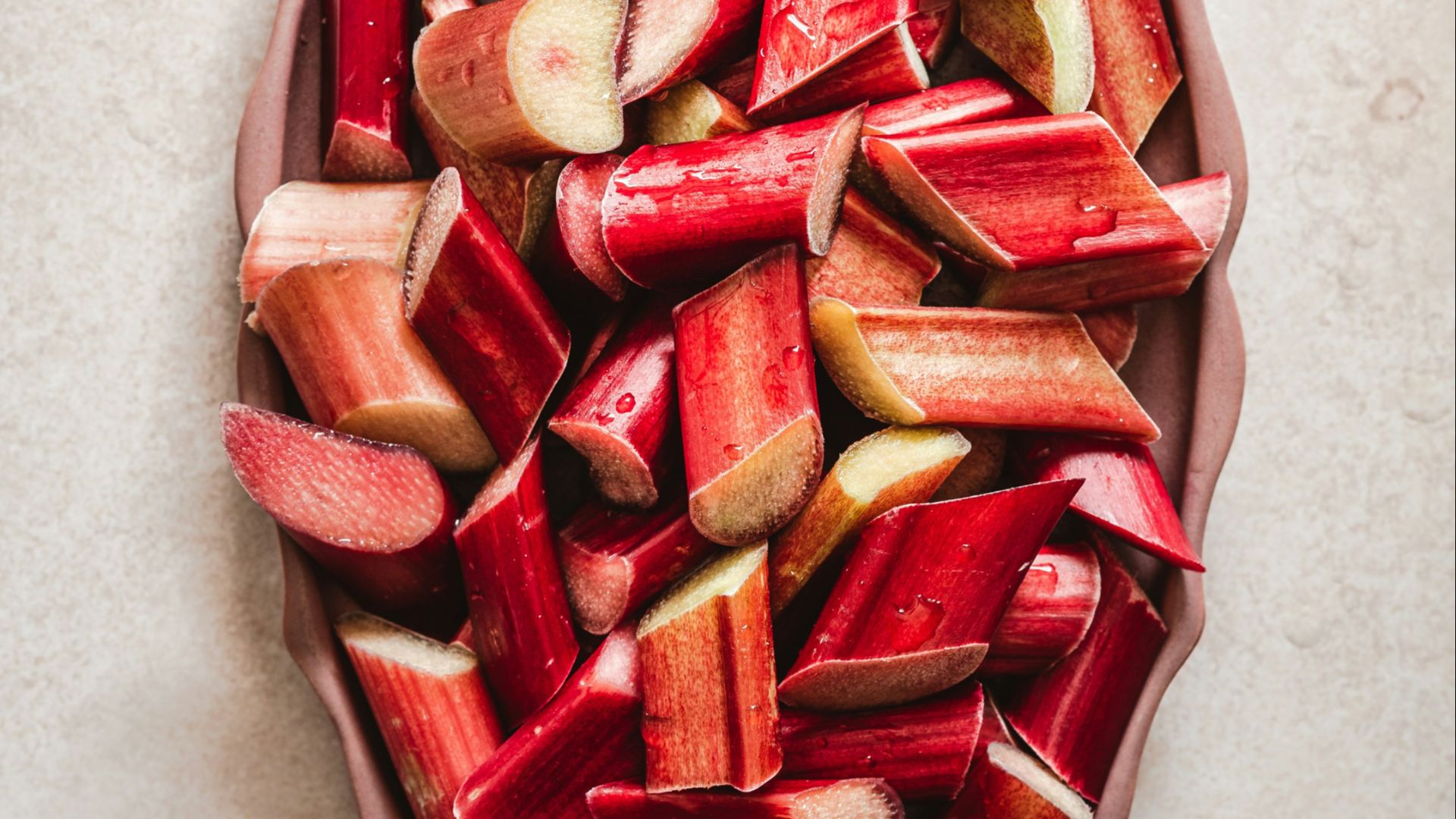
British garden tradition holds that rhubarb shouldn't be harvested after St. Swithin's Day, July 15th, since the stalks turn tough and overly tart later in the season. The rule has more to do with taste and texture than any real danger, though older gardeners still take it seriously.
16. Pumpkin Spice Lattes
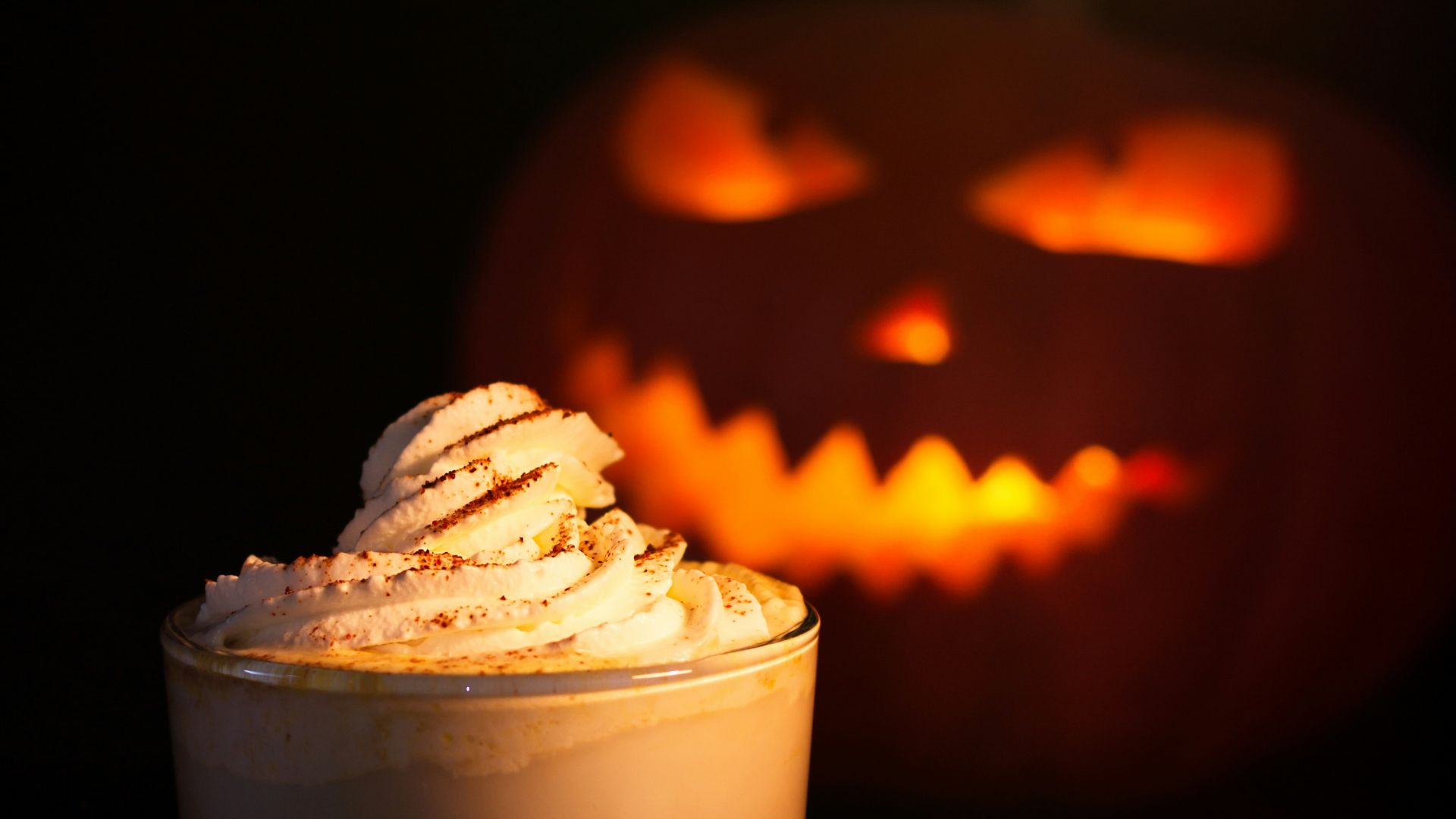
An unofficial but widely enforced internet rule insists pumpkin spice season can't begin before September 1st, regardless of how early coffee chains actually start selling it. Anyone who orders one in July can expect to hear about it from someone.
17. Candy Corn
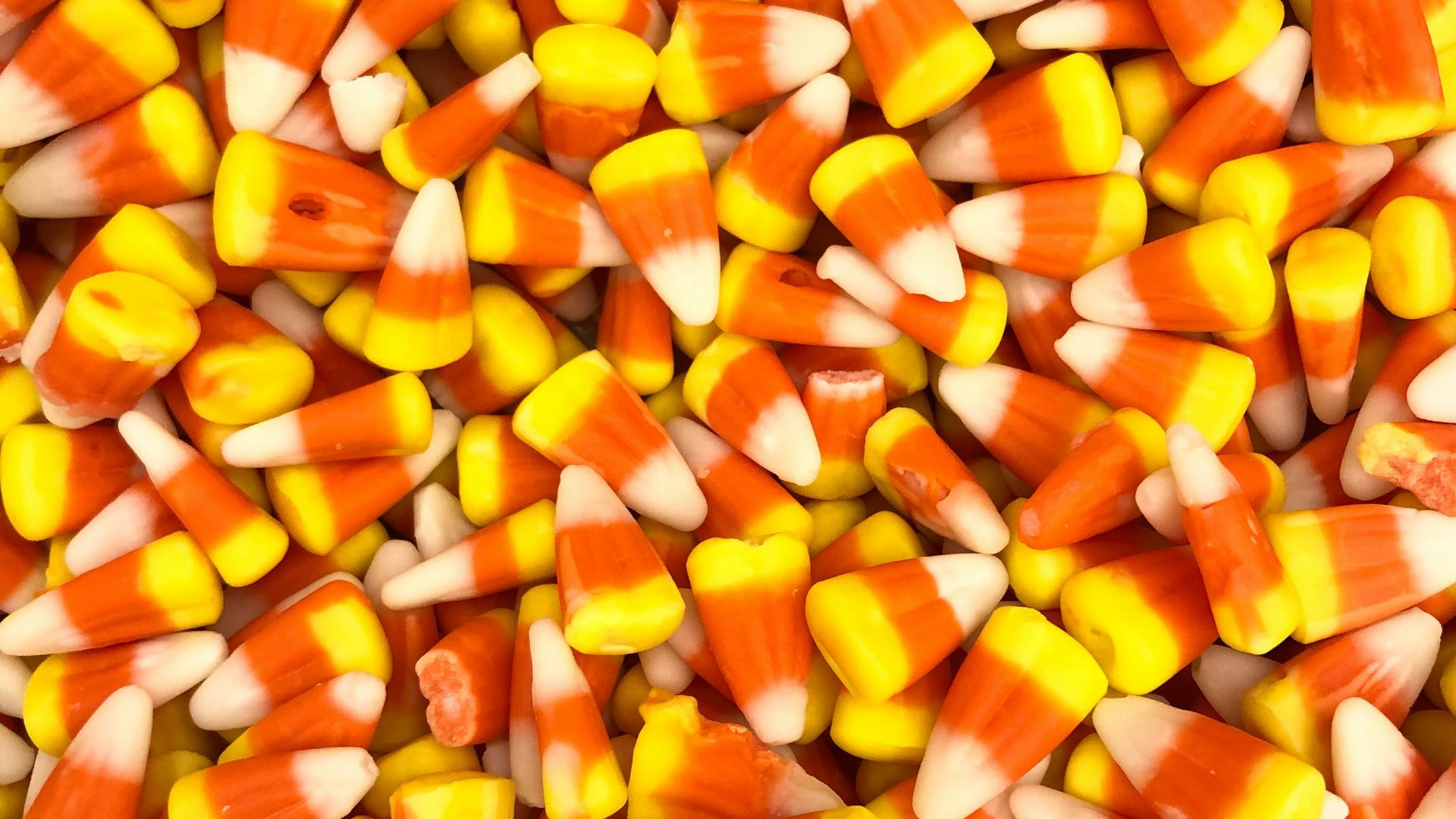
This polarizing Halloween candy is culturally restricted to October in most households, treated as out of season and slightly wrong if it shows up on a shelf any earlier. Grocery stores tend to respect the informal rule better than candy companies do.
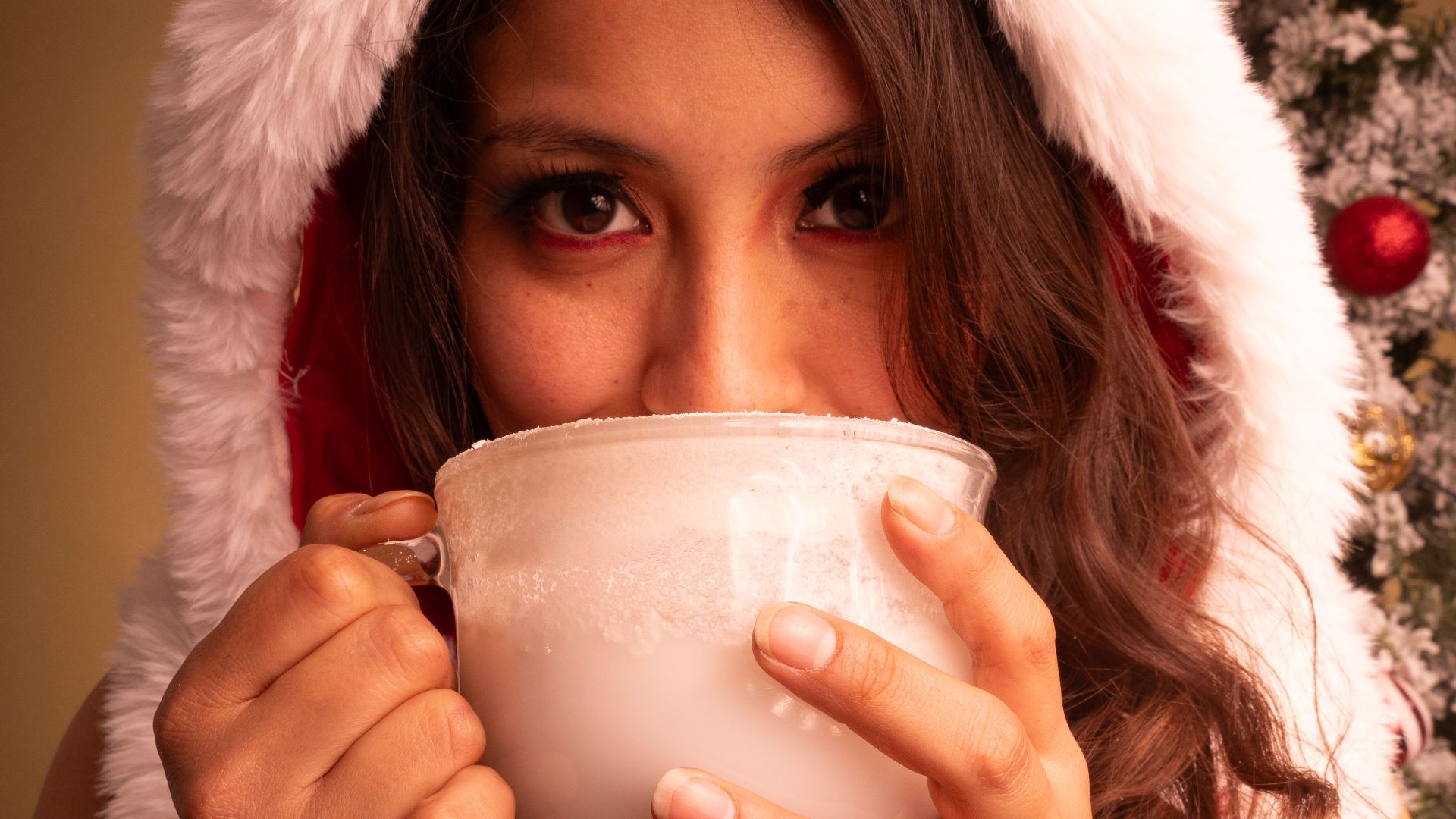
18. Eggnog
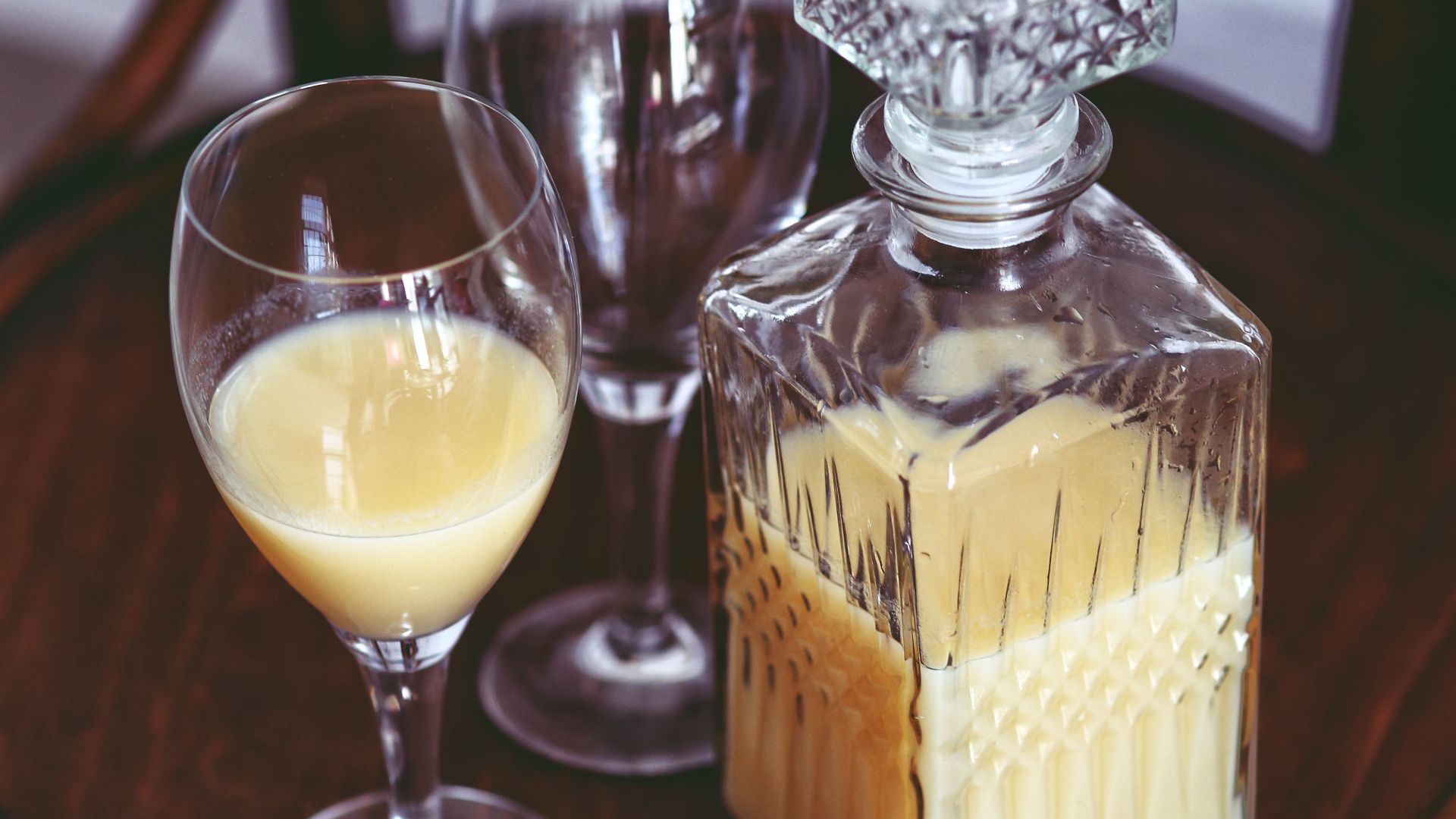
Many households treat eggnog as strictly off-limits until after Thanksgiving, reserving it for the stretch between late November and New Year's. Drinking it in October is considered rushing the holiday season by anyone with strong feelings about the calendar.
 Karolina Grabowska www.kaboompics.com on Pexels
19. Fruitcake
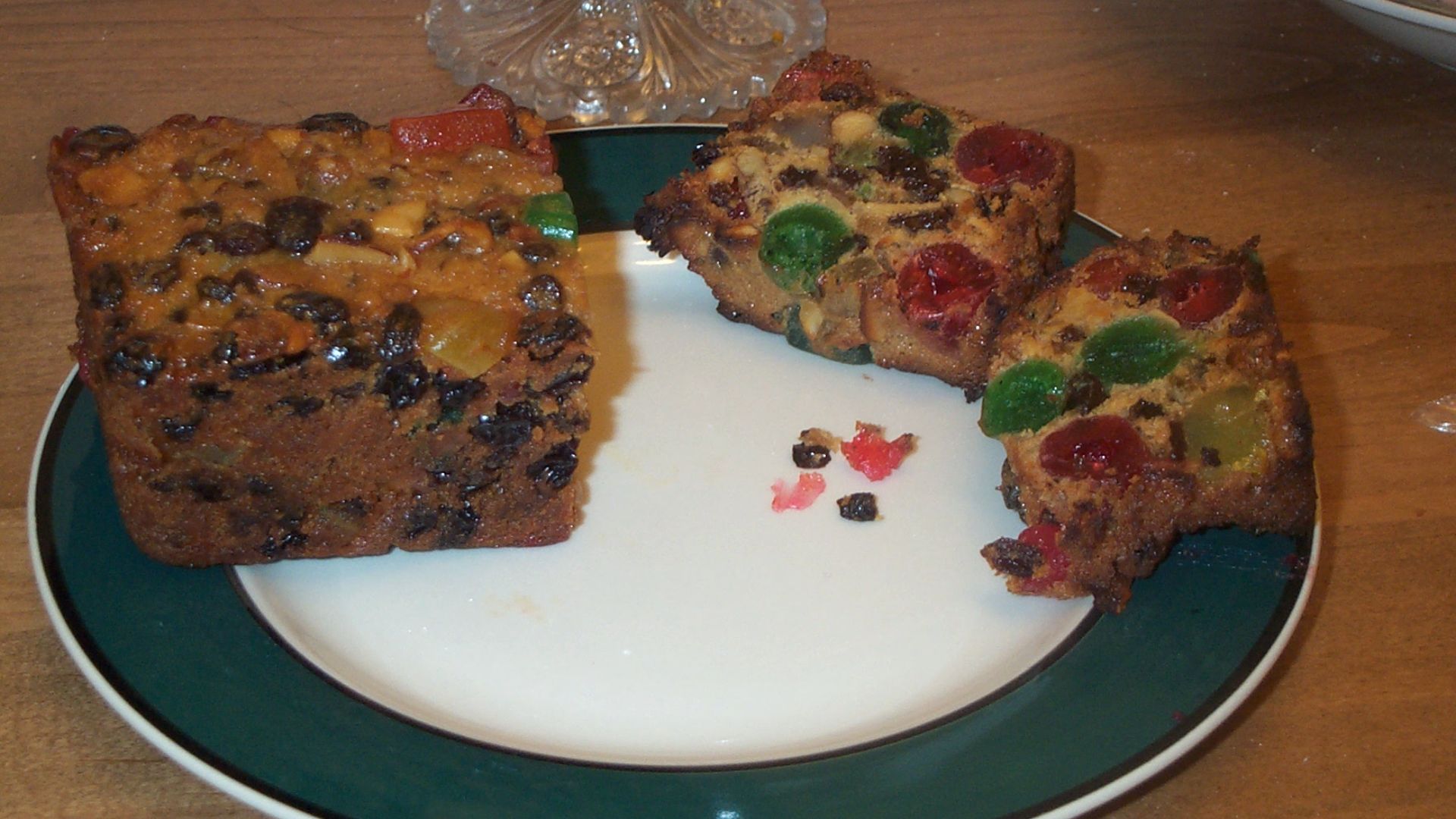
American tradition holds that fruitcake belongs to the period between Thanksgiving and Christmas, not a moment before, largely because it's associated so strongly with holiday gifting. Its long shelf life means it could technically be eaten any time of year, but almost nobody actually does that.
20. Simnel Cake
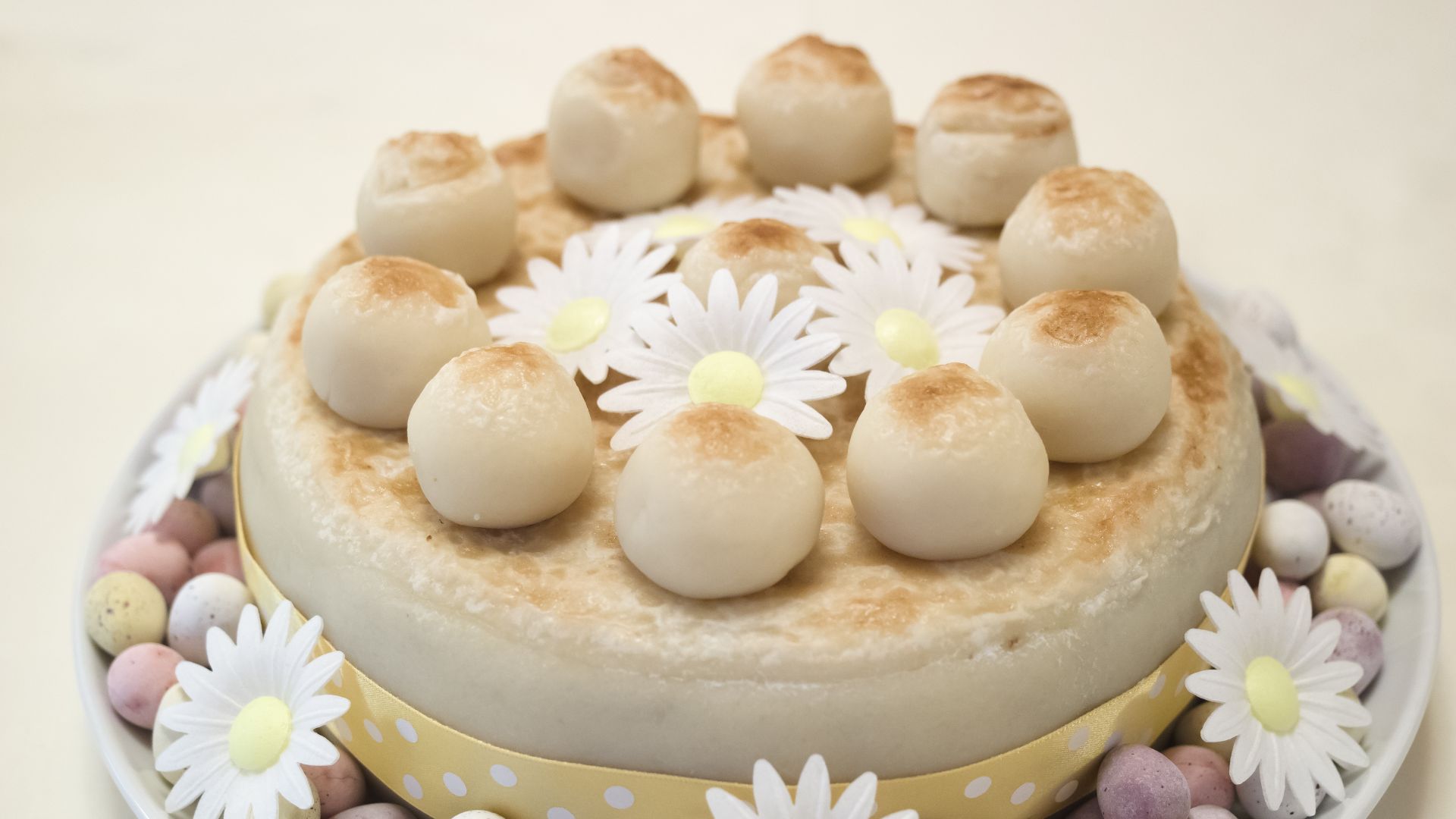
This light fruitcake, topped with marzipan balls representing the apostles, is traditionally associated with Mothering Sunday and Easter in British baking custom, not eaten casually beforehand. The marzipan decoration itself only makes sense in the context of the specific holiday it marks.
KEEP ON READING
The Most Popular Signature Dishes Around the World