Power Has Always Had a Pantry
Food is comfort, culture, survival, and sometimes control. Throughout history, rulers, empires, companies, armies, and institutions have used certain foods to reward obedience, punish resistance, shape labor, create dependence, or reinforce social status. These foods remind us that what people eat has never been separate from who holds power. Here are 20 foods that were used to control people.

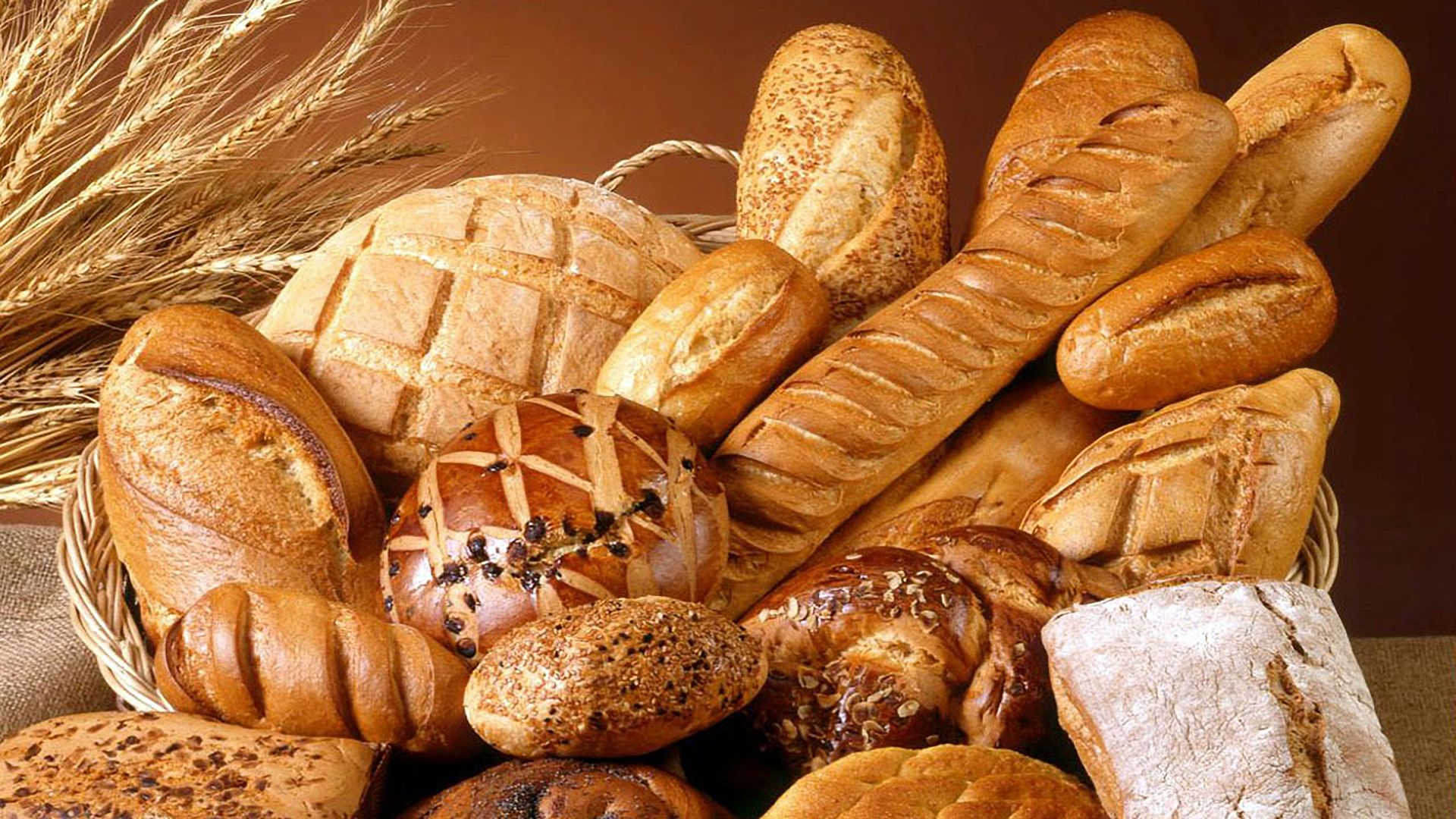
1. Bread
Bread has been one of history’s most political foods because it’s so basic to survival. In ancient Rome, rulers distributed grain and bread to keep urban populations fed and relatively calm. The phrase “bread and circuses,” a political metaphor for how governments satisfy basic survival needs while providing distraction to pacify the masses, captures how food could be used to maintain public order without fixing deeper problems.
2. Rice
Rice has fed millions of people across Asia, but it has also been used as a tool of control. In several empires and colonial systems, rice taxes, rice quotas, and control over paddies shaped the lives of farmers. Whoever controlled storage, irrigation, and distribution often controlled entire communities.
3. Salt
It may seem silly given how abundant a mineral it is today, but salt was once valuable because it preserved food and kept people alive before refrigeration. Governments and empires taxed it heavily, controlled its trade, and used it to raise revenue from ordinary people. In India, British control over salt became so hated that Gandhi’s Salt March turned it into a symbol of colonial oppression.

4. Sugar
Sugar helped build fortunes, empires, and brutal plantation systems. European demand for sugar drove the forced labor of enslaved Africans in the Caribbean and the Americas. It was marketed as pleasure, luxury, and energy, while the people producing it endured violence and exploitation.

5. Cornmeal
Cornmeal was a staple food for many enslaved people and poor laborers in the American South. It was cheap, filling, and easy for slaveholders or employers to distribute in basic rations. While corn itself has deep Indigenous roots and real nutritional value, the way it was rationed often reflected control rather than care.
6. Molasses
Molasses was tied to the sugar trade, slavery, and colonial economies. It was used in rum production, which became part of a larger Atlantic trade system involving enslaved labor, merchants, and imperial profit. Because it was cheaper than refined sugar, molasses also became a common sweetener for poor households and laborers.
 John Benedict Malong on Pexels
7. Tea
Tea became deeply political under British imperial power. In colonial America, taxes on tea helped fuel anger that led to the Boston Tea Party, turning a daily drink into a symbol of resistance. In Britain and its empire, tea culture also relied on global trade networks shaped by colonial control, including tea plantations in India.

8. Coffee
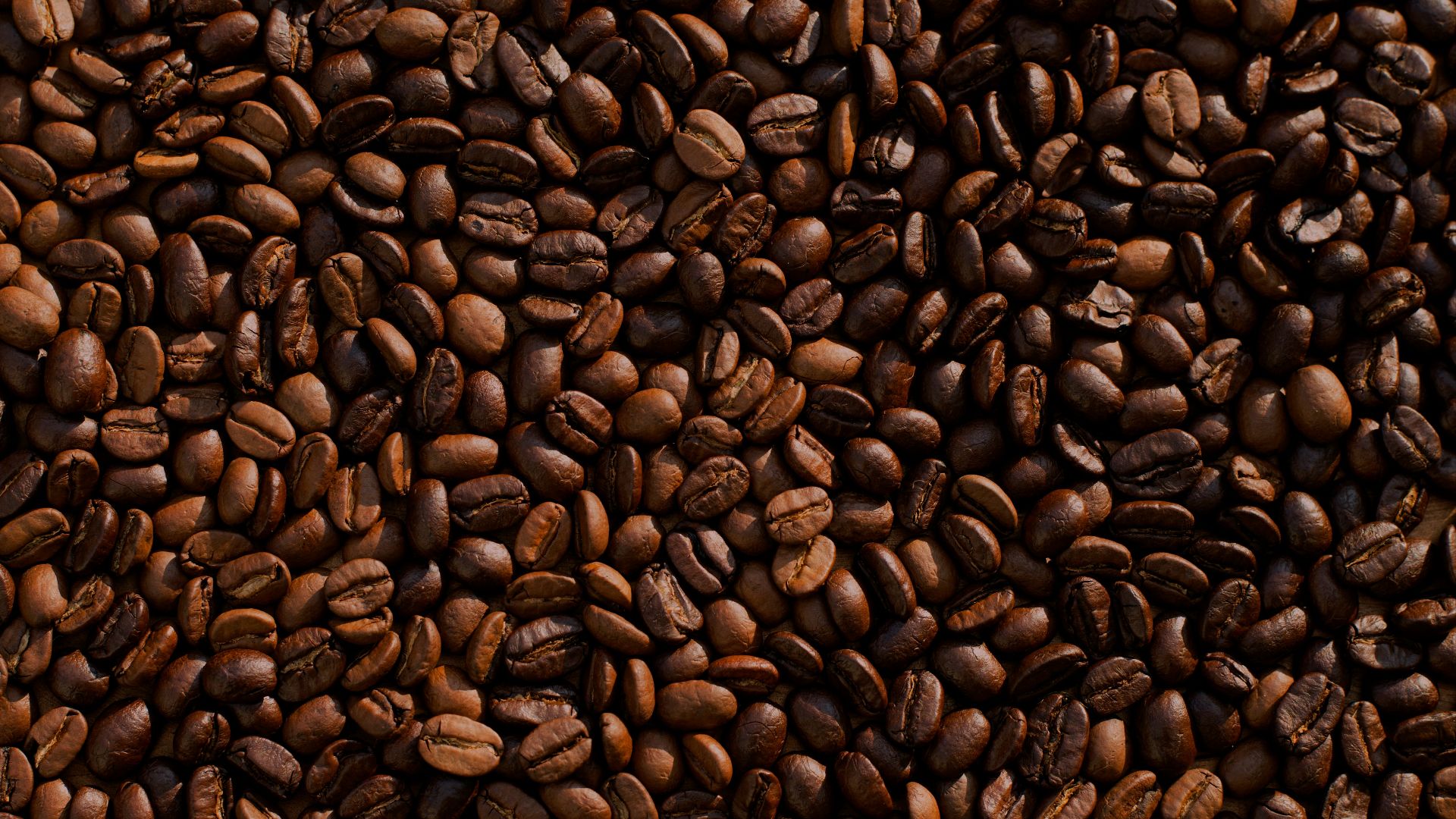
Coffee has energized workers, fueled social life, and supported massive plantation economies. In many colonial regions, coffee production relied on coerced labor, exploitative contracts, and land control. Later, coffee became tied to workplace productivity, giving people a stimulant that helped them work longer and harder.
9. Bananas
Bananas became a symbol of corporate control in Central America. Powerful fruit companies influenced land ownership, labor conditions, transportation networks, and even politics in countries where bananas were grown for export. The phrase “banana republic” came from this kind of corporate domination, where foreign business interests shaped national life.

10. Potatoes
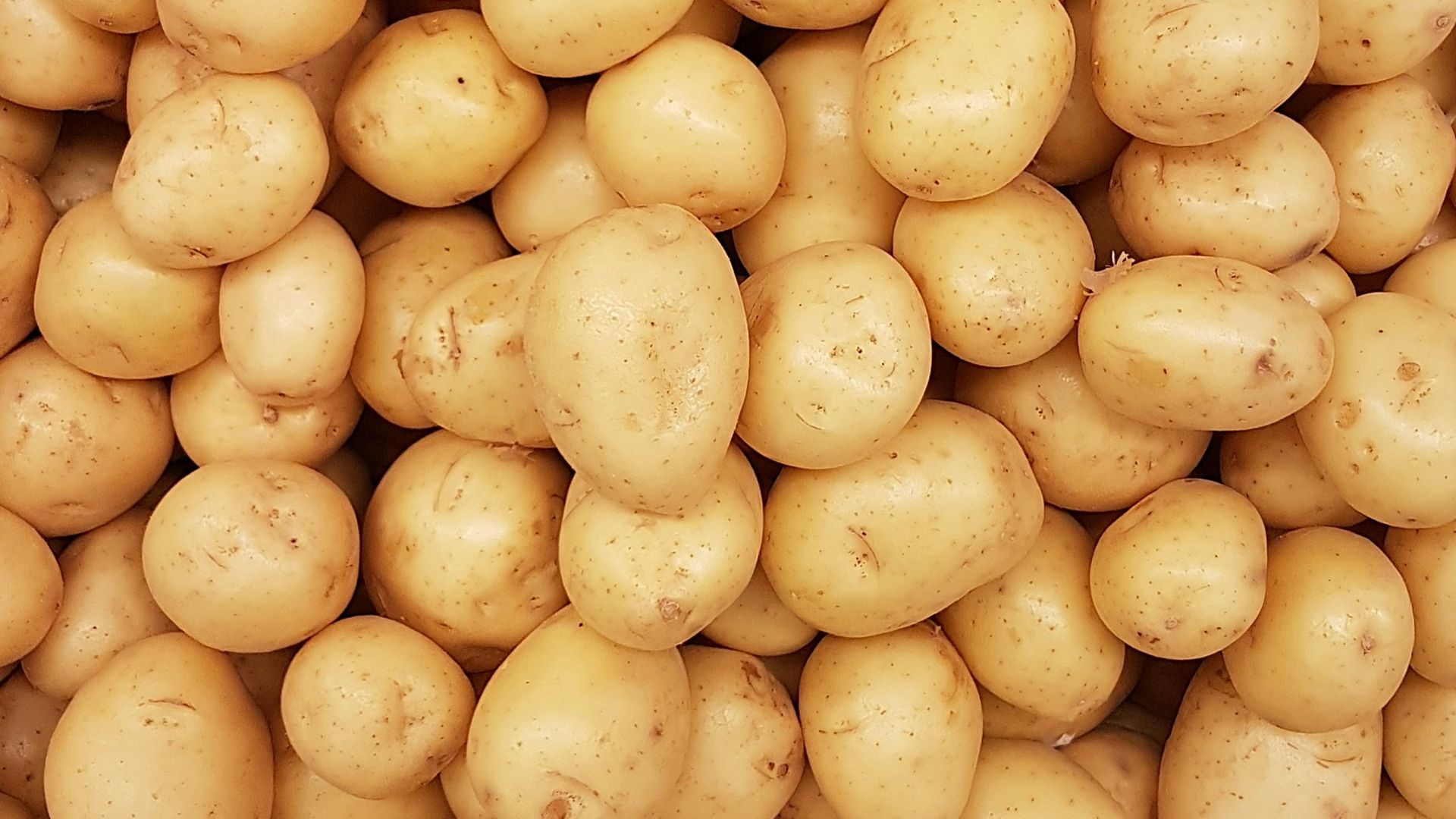
Potatoes fed large populations, but dependence on one crop could make people vulnerable. In Ireland, tenant farmers relied heavily on potatoes while living under British rule and an unequal land system. When potato blight devastated the crop in the 1840s, mass hunger followed, worsened by political and economic decisions.
11. Beef
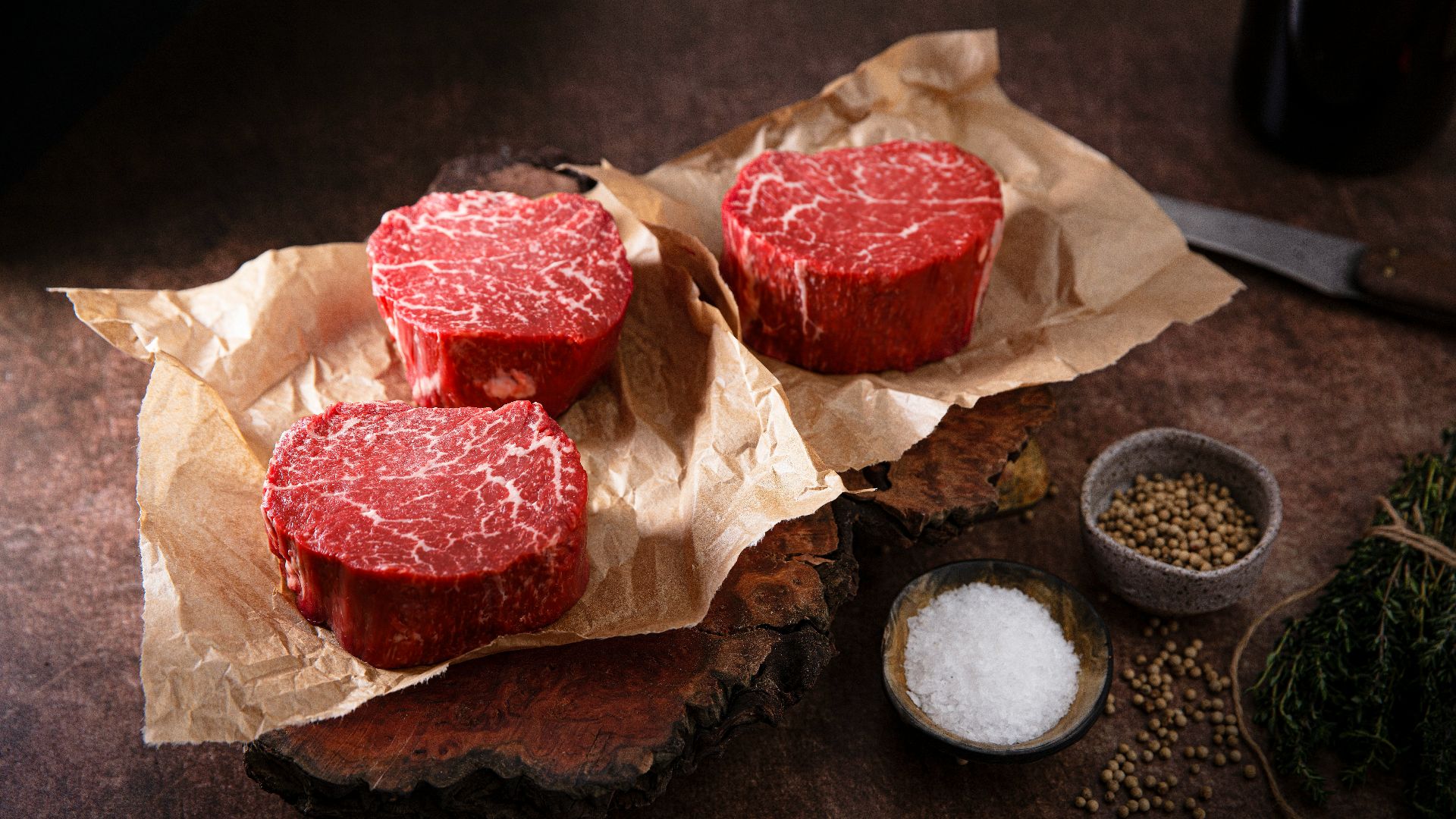
Beef has often been tied to power, land, and class. In many societies, meat was associated with wealth and status, while poorer people survived mostly on grains, vegetables, and scraps. In colonial and frontier settings, cattle ranching also became a way to claim land and displace Indigenous communities.
12. Canned Meat
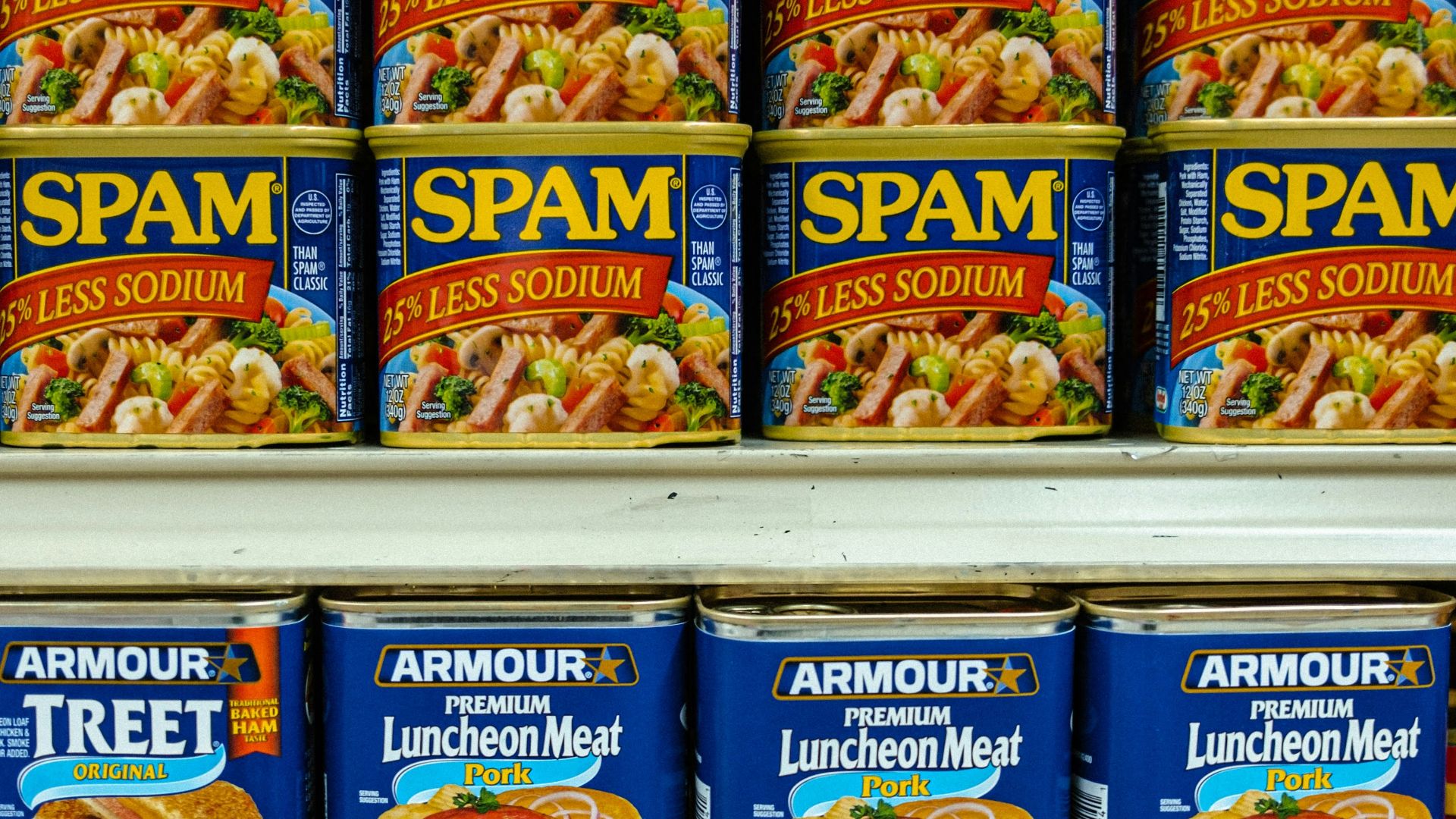
Canned meat became important in armies, prisons, ships, and industrial food systems. It was practical, portable, and long-lasting, which made it useful for feeding large groups under strict control. Soldiers, inmates, and workers often ate what institutions decided was efficient rather than what was pleasant.
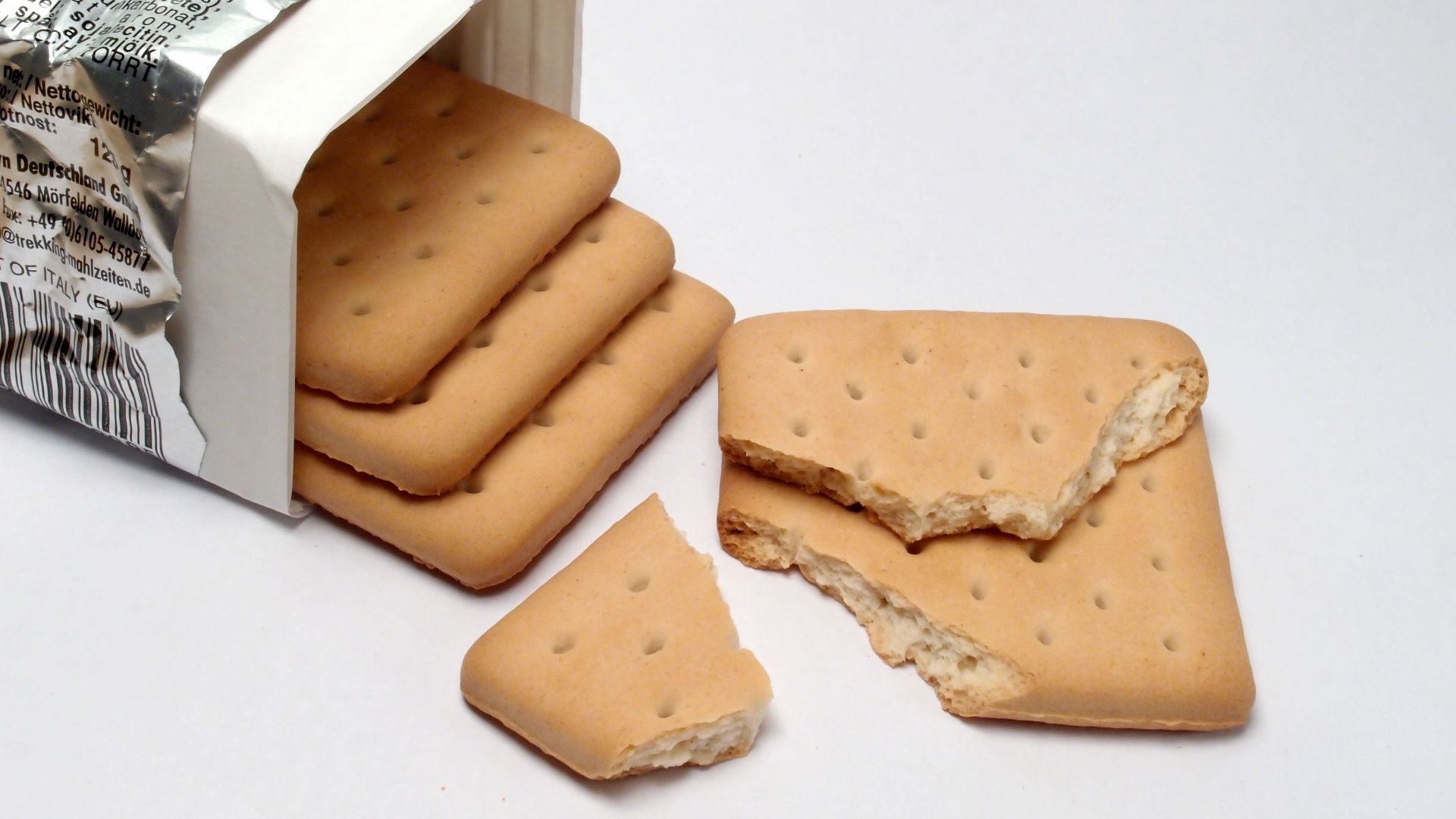
13. Hardtack
Hardtack was a dry, tough biscuit used to feed soldiers and sailors for centuries. It lasted a long time, which made it valuable for armies and navies that needed cheap, reliable rations. Unfortunately, it was often bland, difficult to chew, and sometimes infested if stored badly.
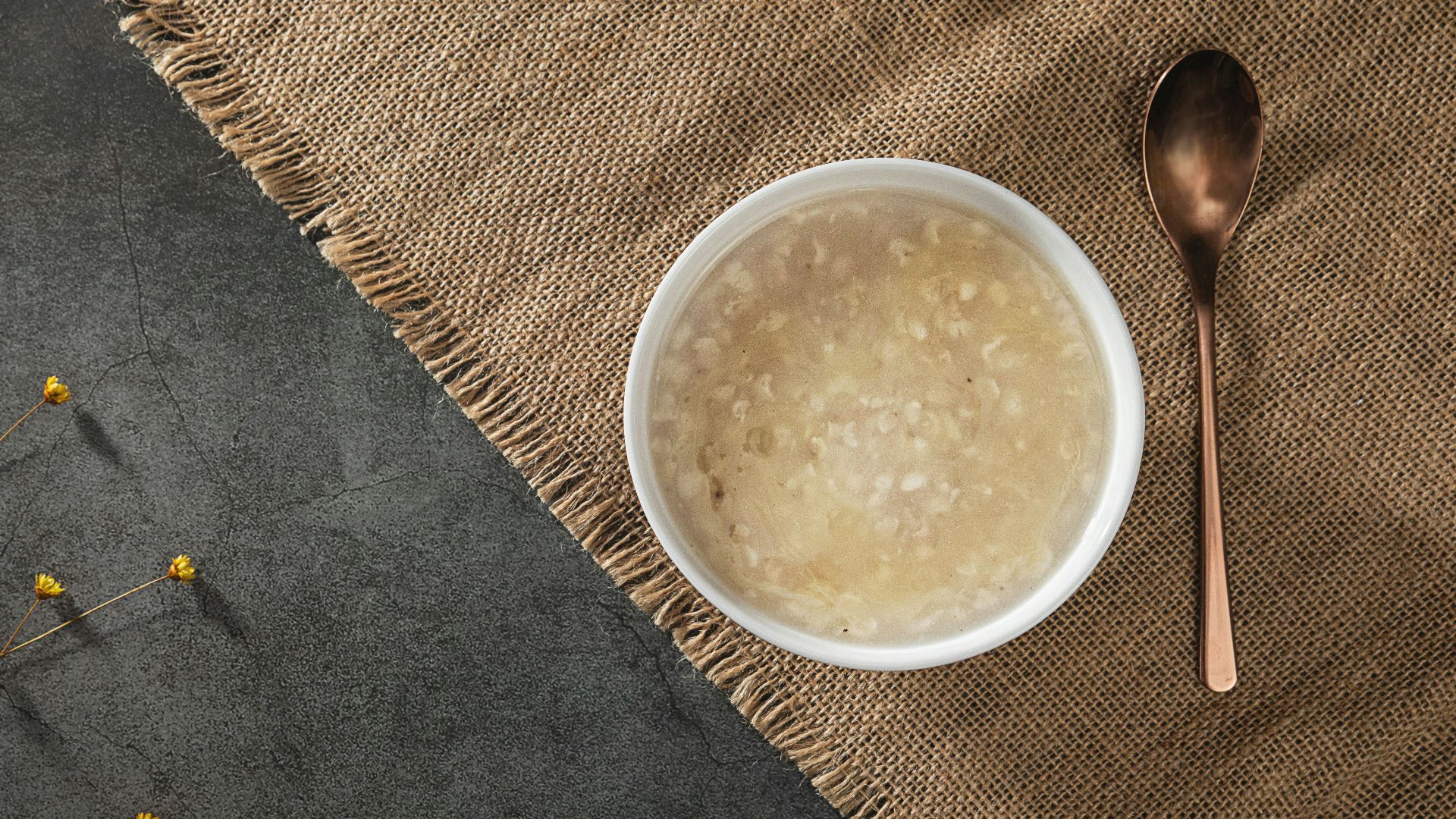
14. Gruel
Gruel has appeared in poorhouses, workhouses, prisons, and orphanages as a cheap way to feed people with very little. It could keep people alive, but it also became a symbol of deprivation and control. Those in charge could decide how much food vulnerable people received and how little comfort they deserved.
15. Powdered Milk
Powdered milk has been used in aid programs, schools, military rations, and institutional settings. It can be useful and nutritious, especially where fresh milk is unavailable, but it has also been tied to dependence on outside suppliers. In some contexts, donated or subsidized powdered milk changed local food habits and markets.

16. White Flour
White flour became a staple of industrial food systems because it stored well, looked refined, and could be mass-produced. In many places, it replaced more nutritious whole grains as milling technology and commercial food systems expanded. Cheap white bread and flour-based foods helped feed workers quickly, but they also reflected a shift toward processed staples controlled by large producers.

17. Cooking Oil
Cooking oil has been used as a tool of control because it’s essential for daily cooking in many parts of the world. Governments have rationed it during shortages, subsidized it to calm public anger, and restricted access when supply chains broke down. In some places, control over cooking oil prices became a way to manage unrest because households feel the pressure immediately when basic ingredients become unaffordable.

18. Soy
Soy has been used in school lunches, processed foods, animal feed, military meals, and global aid programs. It’s protein-rich and useful, but it also became part of industrial agriculture and corporate food systems. In processed form, soy can appear in countless foods without consumers noticing much.

19. Candy
Candy has often been used as a reward, distraction, and marketing tool. Companies used cheap sugar and colorful packaging to build loyalty among children, while armies included sweets in rations to boost morale. In schools, workplaces, and homes, candy became an easy way to encourage behavior or soften stress.

20. Soda
Soda became one of the most powerful symbols of modern food marketing. It was sold as refreshment, youth, happiness, patriotism, energy, and lifestyle, often in communities where healthier options were harder to access. Large beverage companies shaped taste, habits, sponsorships, and public spaces through advertising and distribution.

KEEP ON READING

20 Food-Related Art Projects