Behind the Kitchen Doors
You've probably enjoyed a meal out without giving much thought to what happens before it reaches your table, and honestly, that's probably for the best in some cases. But as you know, restaurant kitchens run at a frantic pace during rush hours, and when things get busy, corners sometimes get cut in some pretty disturbing ways. From questionable food storage practices to pests living under kitchen appliances, these 20 industry secrets might make you look at your favorite restaurant a little differently.
1. Some E. coli with Your Lemon Wedge?
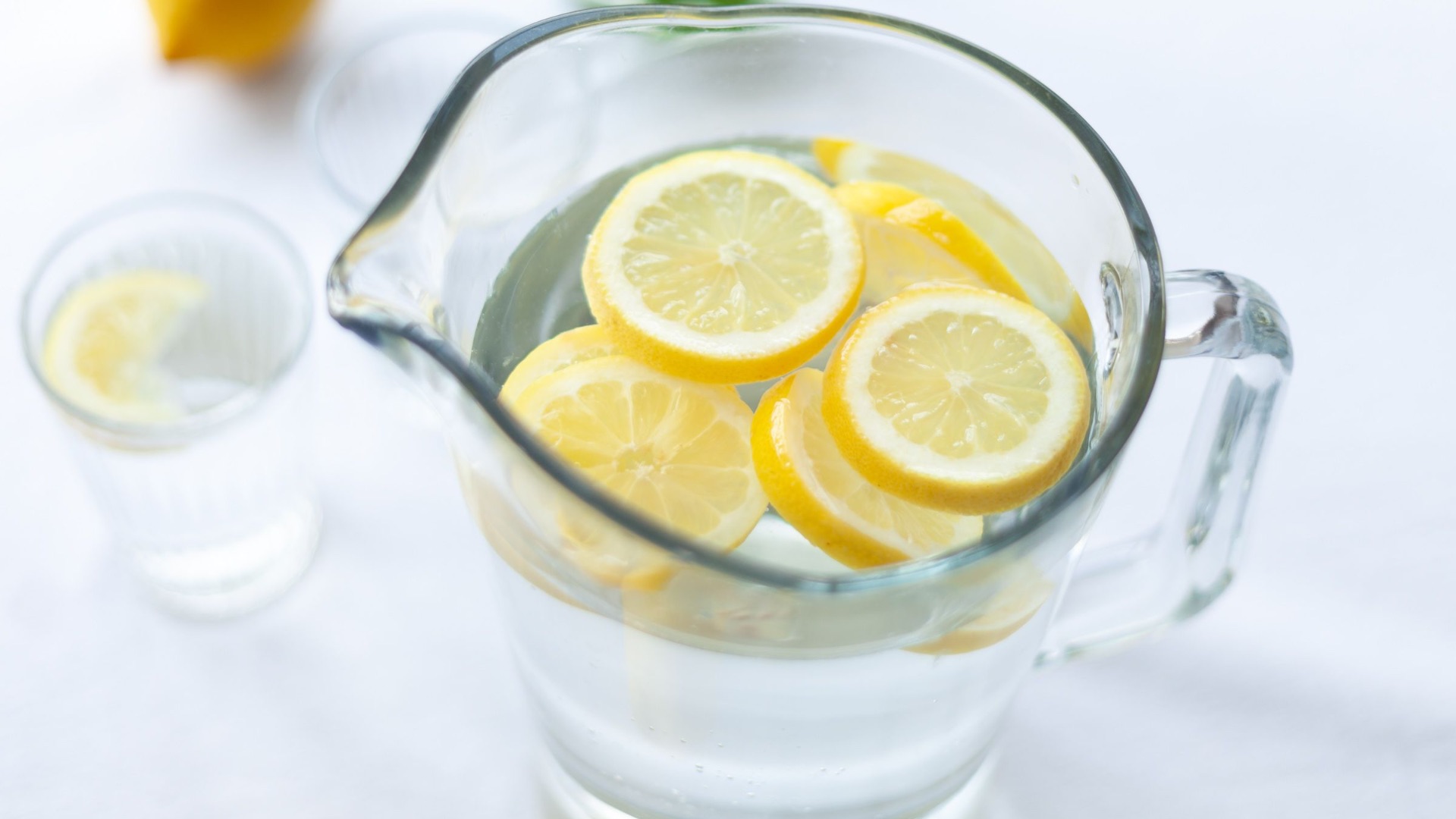
That cheerful slice of citrus perched on your glass rim carries more bacteria than you'd ever guess. A 2007 study published in the Journal of Environmental Health found that nearly 70% of lemon slices sampled from restaurant glasses had microbial growth on them, with 25 different microorganisms identified, including E. coli. Since wet surfaces let bacteria transfer far more easily than dry ones, that innocent-looking garnish floating in your water might be doing more harm than good.
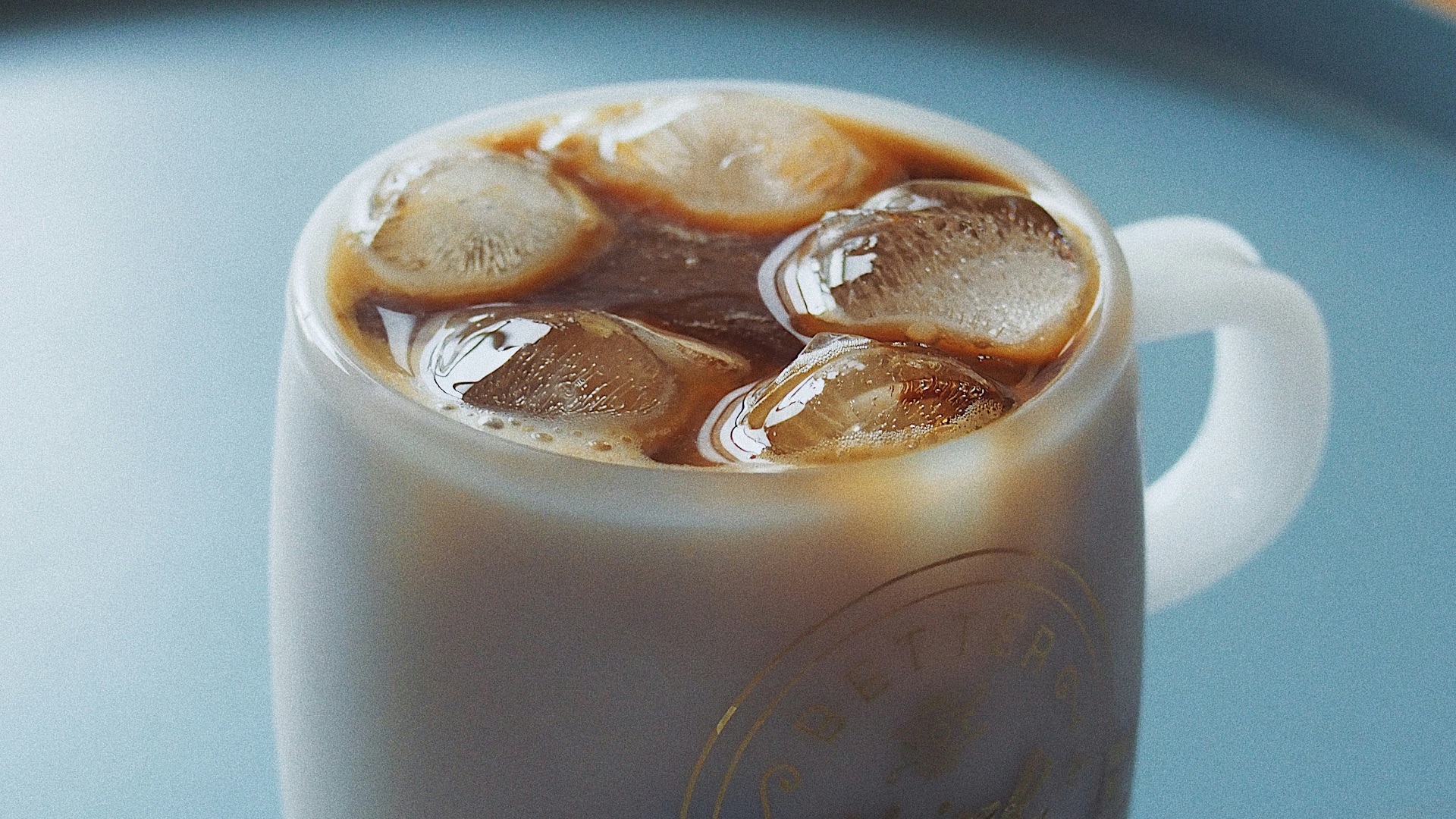
2. Bacteria-Infested Ice Cubes
You'd think the ice in your soda would be pretty much sterile, but that's often not the case. Research has found that roughly one-third of commercial ice machines tested were breeding grounds for dangerous bacteria, and more than 70% showed indicators of bacterial presence. Part of the problem comes down to staff behavior, since some workers scoop ice directly with their bare hands instead of using a designated scoop, which introduces even more contamination into the mix.
3. Mold Growing on Fountain Drink Nozzles
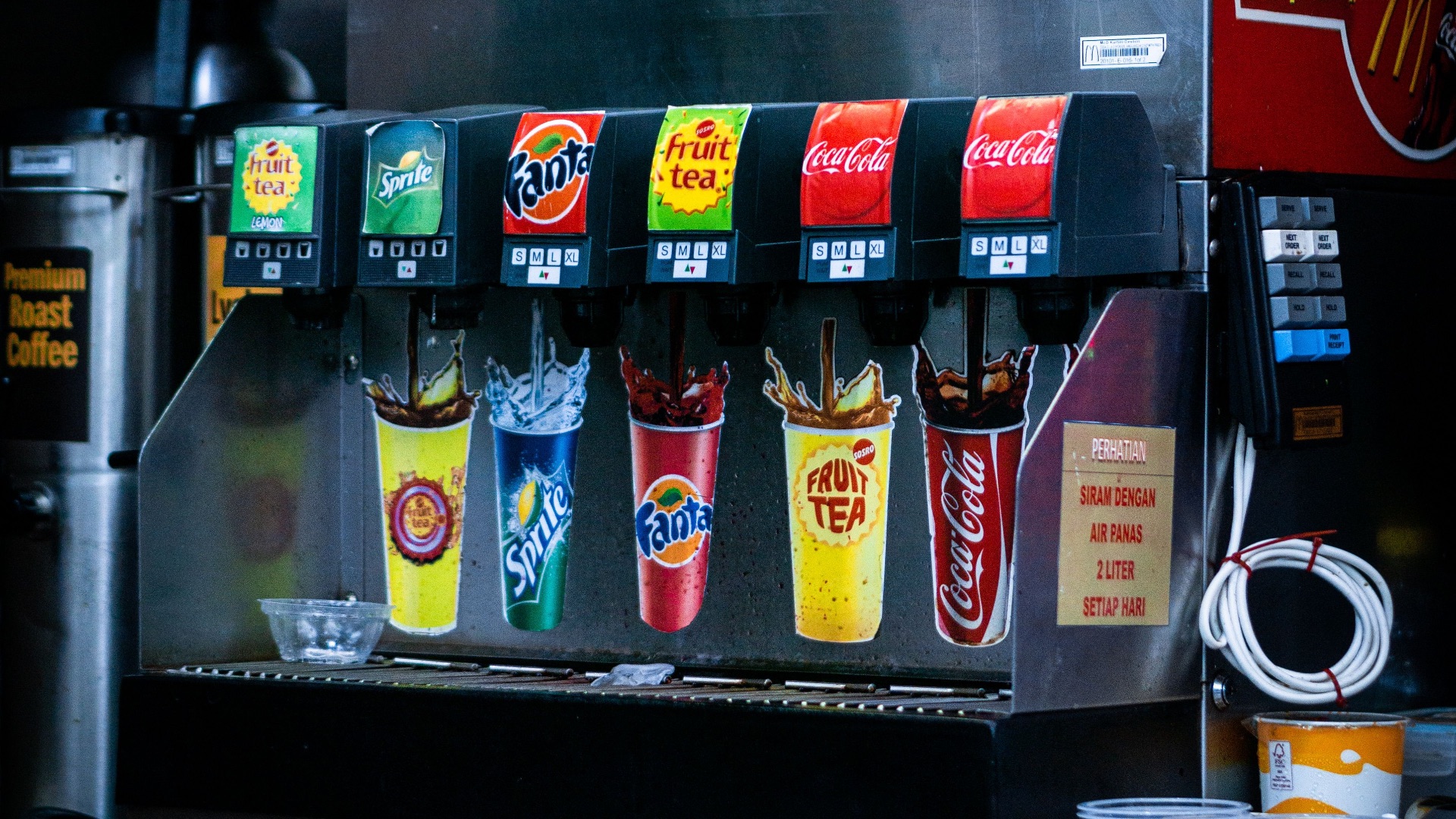
The soda machine at your favorite restaurant might look sleek and modern, but the internal components tell a different story. Former employees have openly admitted that people should think twice before drinking fountain soda if they knew how rarely the internal hoses actually get cleaned. Mold and bacterial buildup can accumulate inside those tubes for weeks or even months if nobody makes disassembling and scrubbing them a priority.
4. Pests Are Everywhere
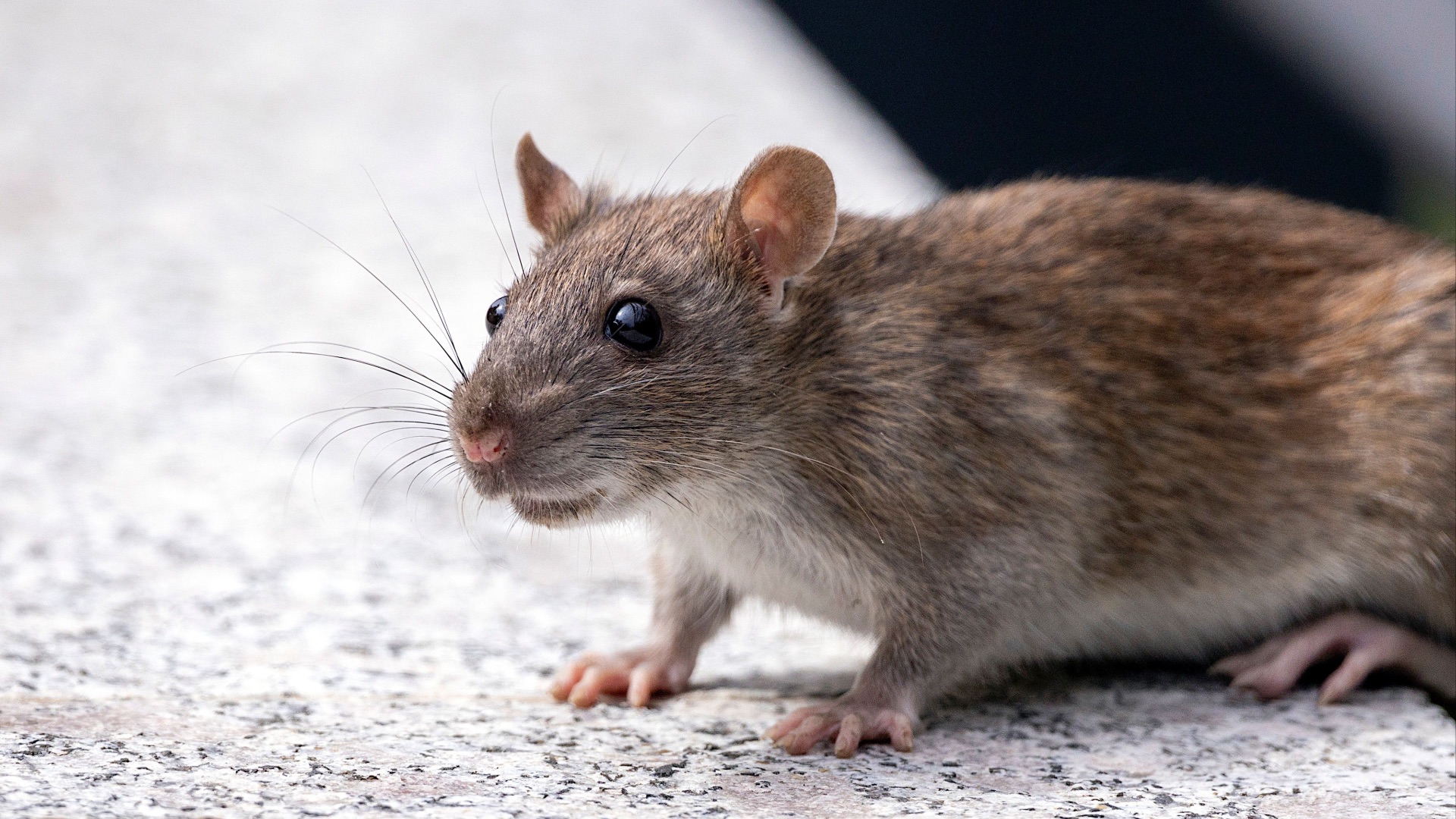
Even restaurants that look spotless from the dining room can have a much different story happening out of sight. From rats to cockroaches, the grimiest areas of the kitchen (and even the seemingly clean areas) can house pests you don't want to think about, considering that's where you're getting your food order from. Remember, too, that these pests tend to gravitate toward warm, food-rich environments, so the space beneath ovens, behind walk-in coolers, and inside wall voids can become unwelcome hiding spots that staff struggle to fully eliminate.

5. Leftovers Galore
Because some dishes are prepared in large batches, they're often served over several days than being made fresh for every order. And while using properly stored (key word there) leftovers isn’t automatically unsafe, trouble begins when employees lose track of preparation dates or repeatedly warm and cool the same food. Refrigerated, ready-to-eat items generally need date labels so workers know when they must be used or discarded.
6. Handwashing Isn't Always Mandatory
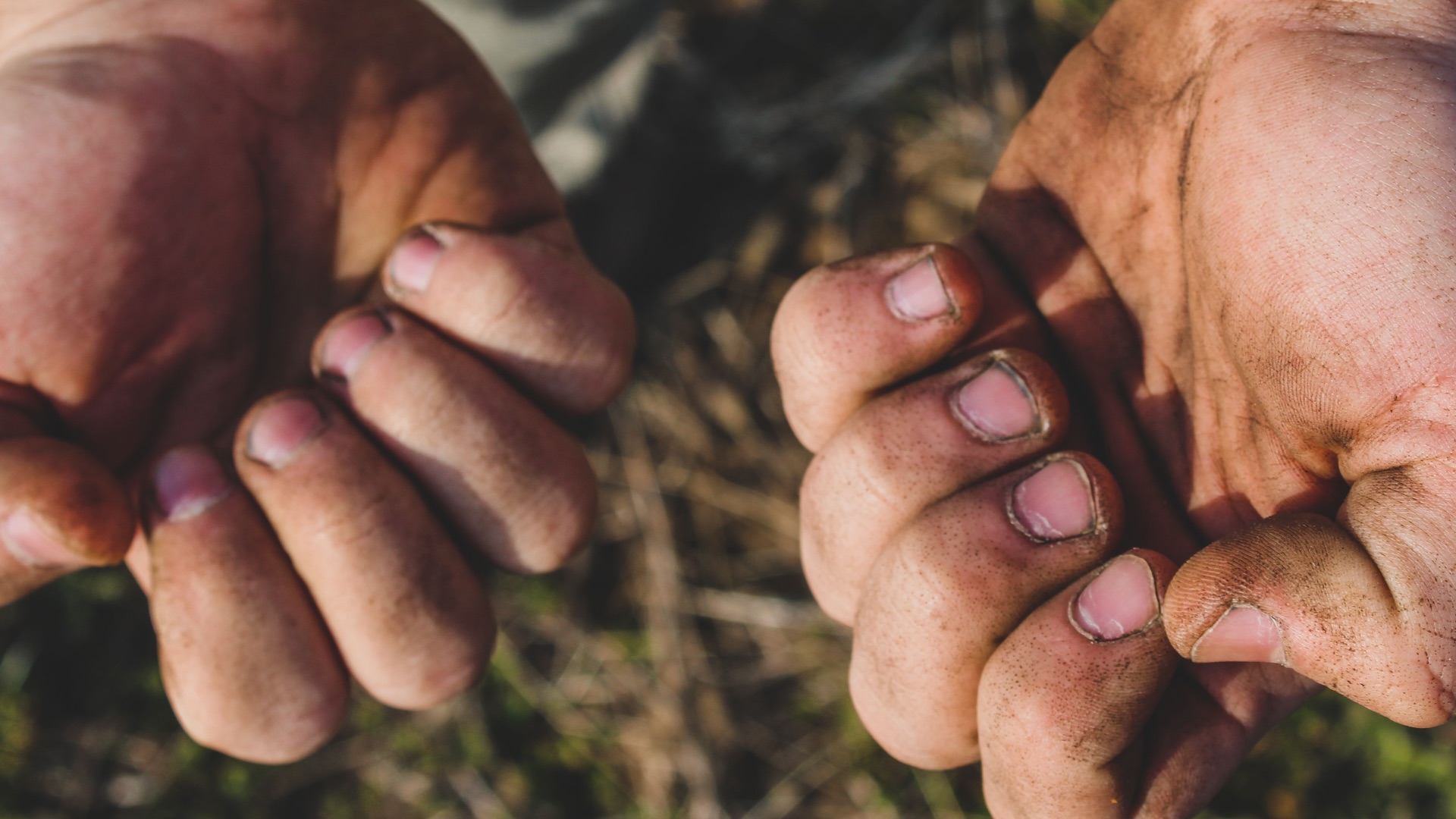
Handwashing seems like it should be non-negotiable in any food service environment, yet it isn't always followed the way you'd expect. Some workers may simply forget to scrub their paws before handling food, or they could just be too lazy to. Inconsistent cleaning in general can also attract other unwanted visitors, like ants, maggots, and flies.
7. Want Some Microwaved Food with That?
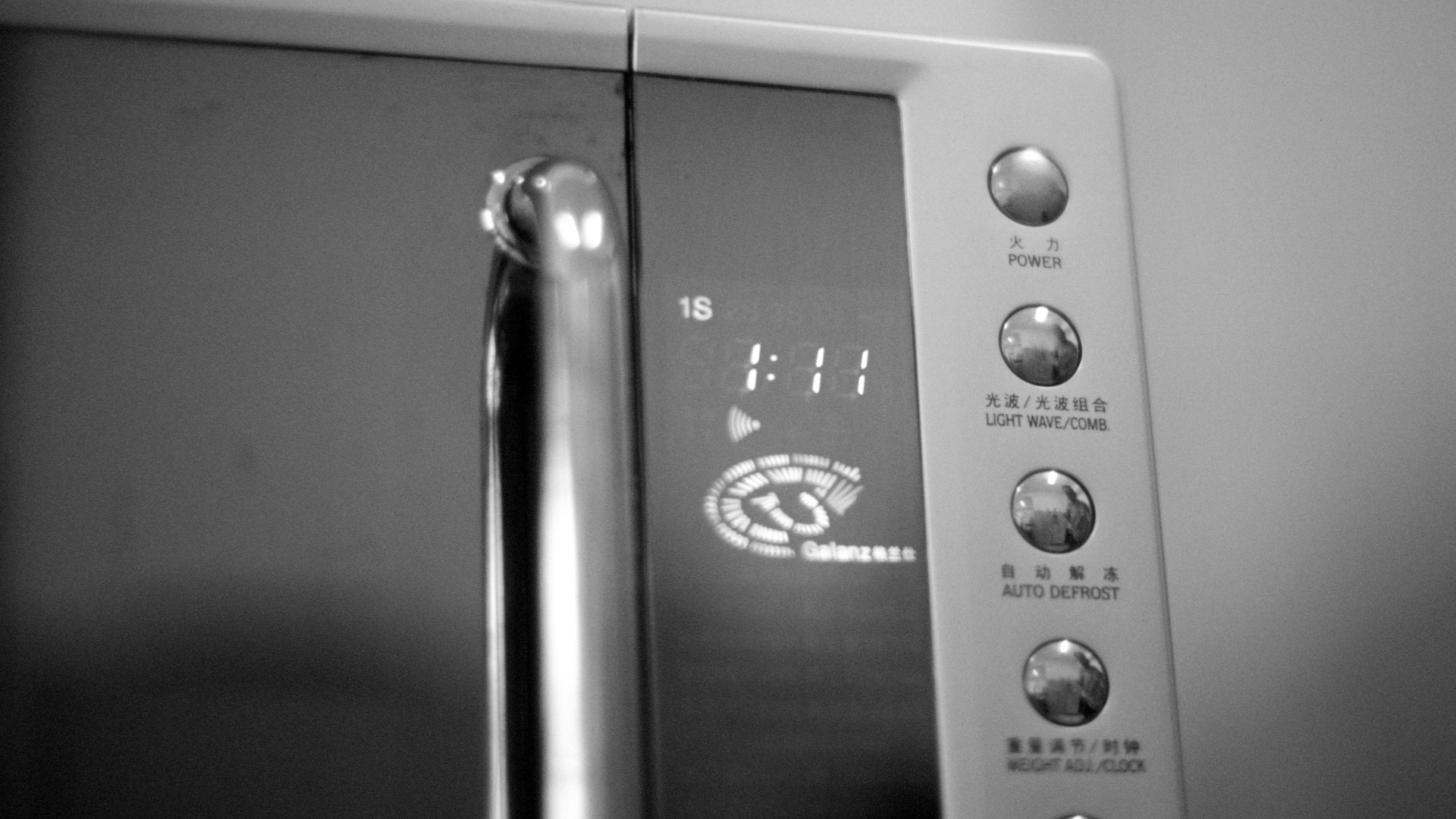
Sure, that steaming plate the server just placed on your side might look piping hot, but it may not have come directly from a skillet or oven. Restaurants sometimes use microwaves to reheat anything (and everything) from precooked pasta to rice, sauces, side dishes, and even eggs when an order comes in. Microwaving isn’t inherently unsanitary, but food can develop cold spots if it isn’t heated evenly to a safe temperature.
8. Soggy Lettuce Has a Gross Origin
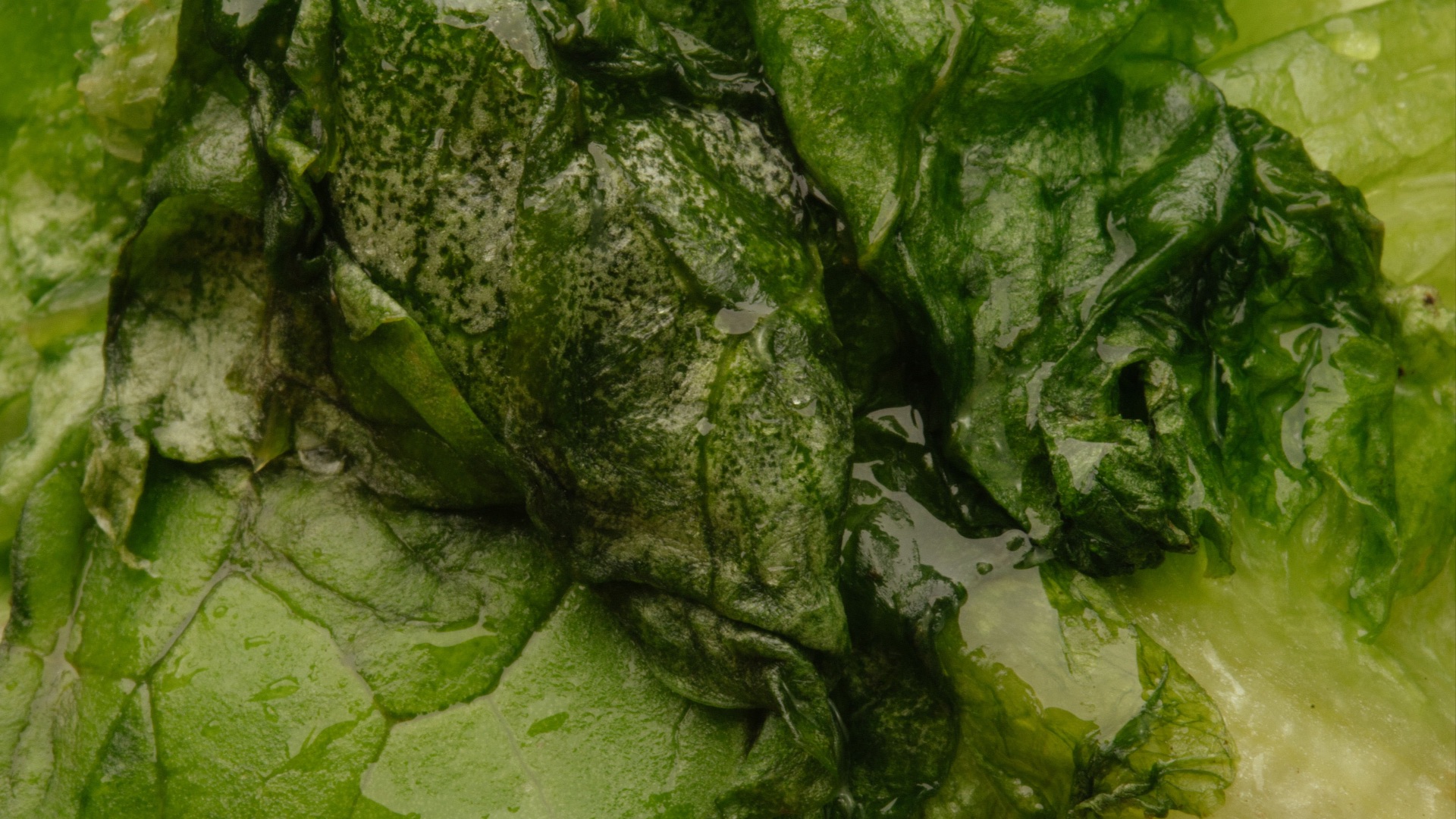
Salad ingredients feel like the safest, freshest option on the menu, but they come with their own set of concerns. Large vegetable spinners used to dry lettuce, for example, can potentially hold water for days at a time, which creates a real cross-contamination risk since the greens never get heated before serving. Without diligent staff who regularly clean and sanitize these bins, that crisp salad you ordered could be sitting in a less-than-ideal environment before it ever reaches your plate.
9. Grimy, Crusty Plates
You'd expect every plate and glass to go through a thorough wash cycle before it reaches your table, but that standard doesn't always hold up under pressure. When a restaurant is short-staffed or slammed with orders, dishes sometimes get a quick rinse rather than a full wash. Tack on a weak sanitizer solution or an overloaded rack, and you have pretty much a recipe for disaster. Have fun eating other customers' leftovers.
10. Unsanitized Menus
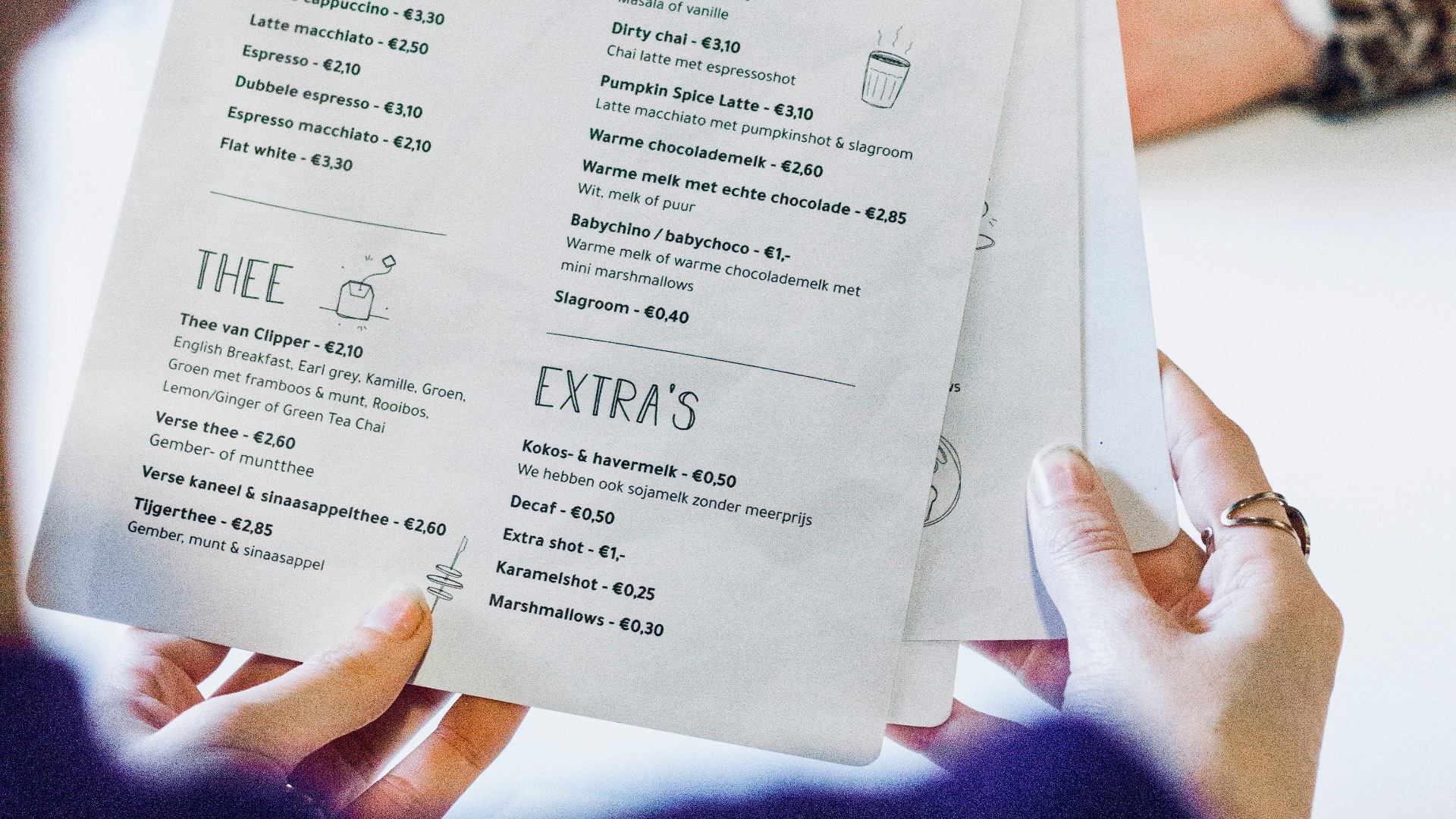
Every table's menu passes through dozens or even hundreds of hands throughout a single day, yet cleaning them often falls to the bottom of the priority list. Public health researchers have noted that cold and flu viruses can survive on hard surfaces for several hours, meaning that laminated menu you're holding could be carrying whatever the last several guests left behind. It's a small detail most diners never think about, but it's worth keeping in mind before you set your silverware directly on top of it.
11. Servers May Touch Plated Food with Bare Hands
It's not something any restaurant wants you picturing, but it happens more often than you'd hope. When a kitchen gets slammed and a garnish slips out of place or a plate needs quick adjusting, some servers will reach in and fix it with their fingers rather than grabbing a utensil.
It's usually born out of speed and convenience, but it's still a habit most guests would rather not know about.
12. Employees May (Accidentally) Cough on Your Food
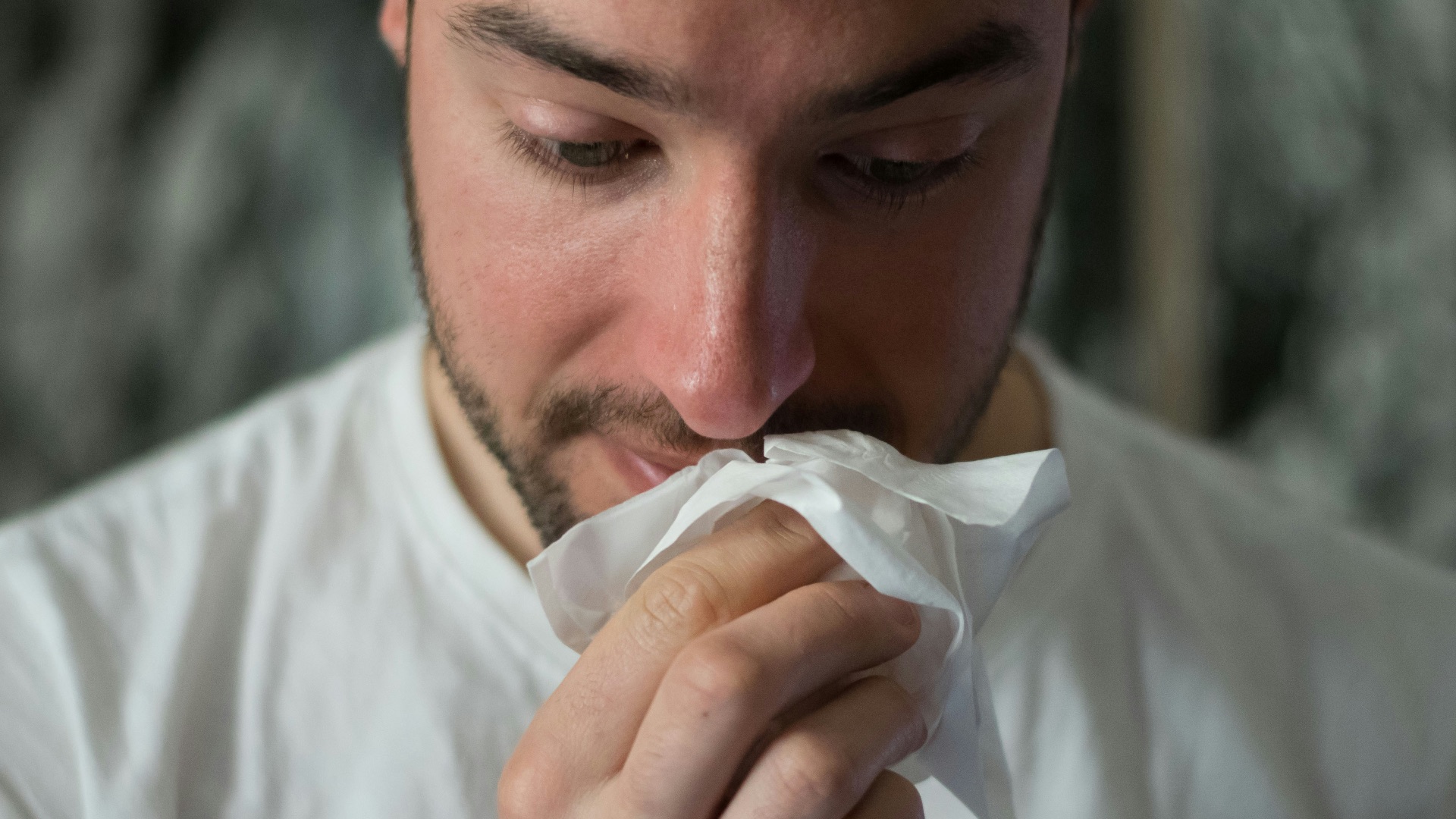
Food service workers don’t always have the financial flexibility or workplace support to stay home when they’re ill. That means, unfortunately, someone experiencing vomiting, diarrhea, or another infectious illness can contaminate utensils, preparation surfaces, and yep, even the food you're eating. If you need to beeline to the bathroom later...
13. Raw Meat Could Drip Onto Ready-to-Eat Food
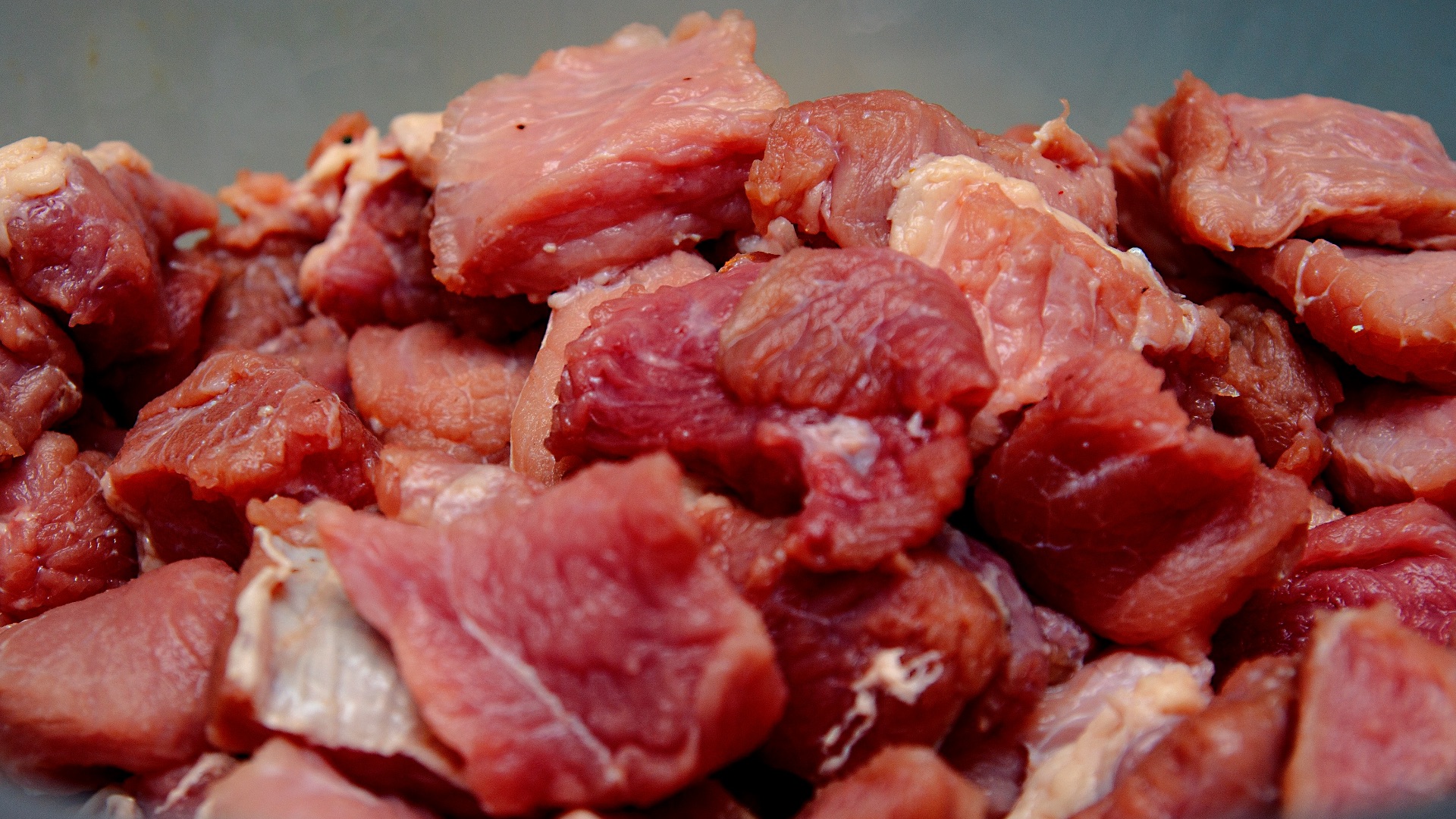
Keeping raw meat separate from ready-to-eat items sounds simple in theory, but it requires constant vigilance that not every kitchen maintains. When cutting boards, utensils, or prep surfaces aren't properly sanitized between uses, bacteria from raw chicken or beef can easily transfer onto vegetables or other foods that won't be cooked afterward. This kind of oversight is one of the leading causes of foodborne illness outbreaks traced back to restaurants.
14. Not-So-Fresh Ingredients
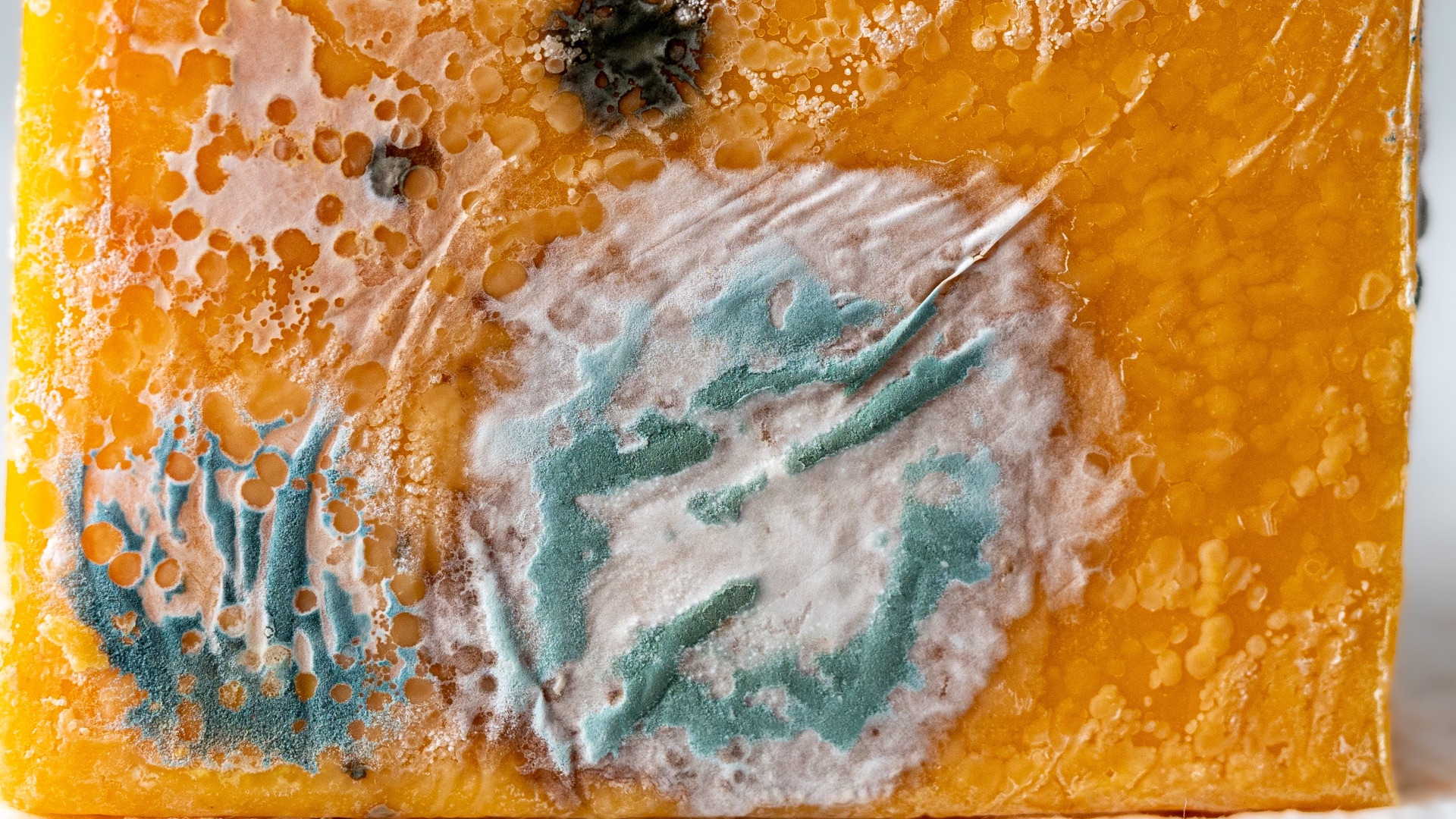
Menus love to use words like fresh and house-made, but the reality in the walk-in cooler can tell a different story. Items nearing their expiration window sometimes get repurposed into soups, sauces, or specials rather than tossed out, which stretches a restaurant's food budget at the expense of true freshness. It's a practice that's difficult to catch as a customer since the final dish usually looks and tastes fine on the surface.
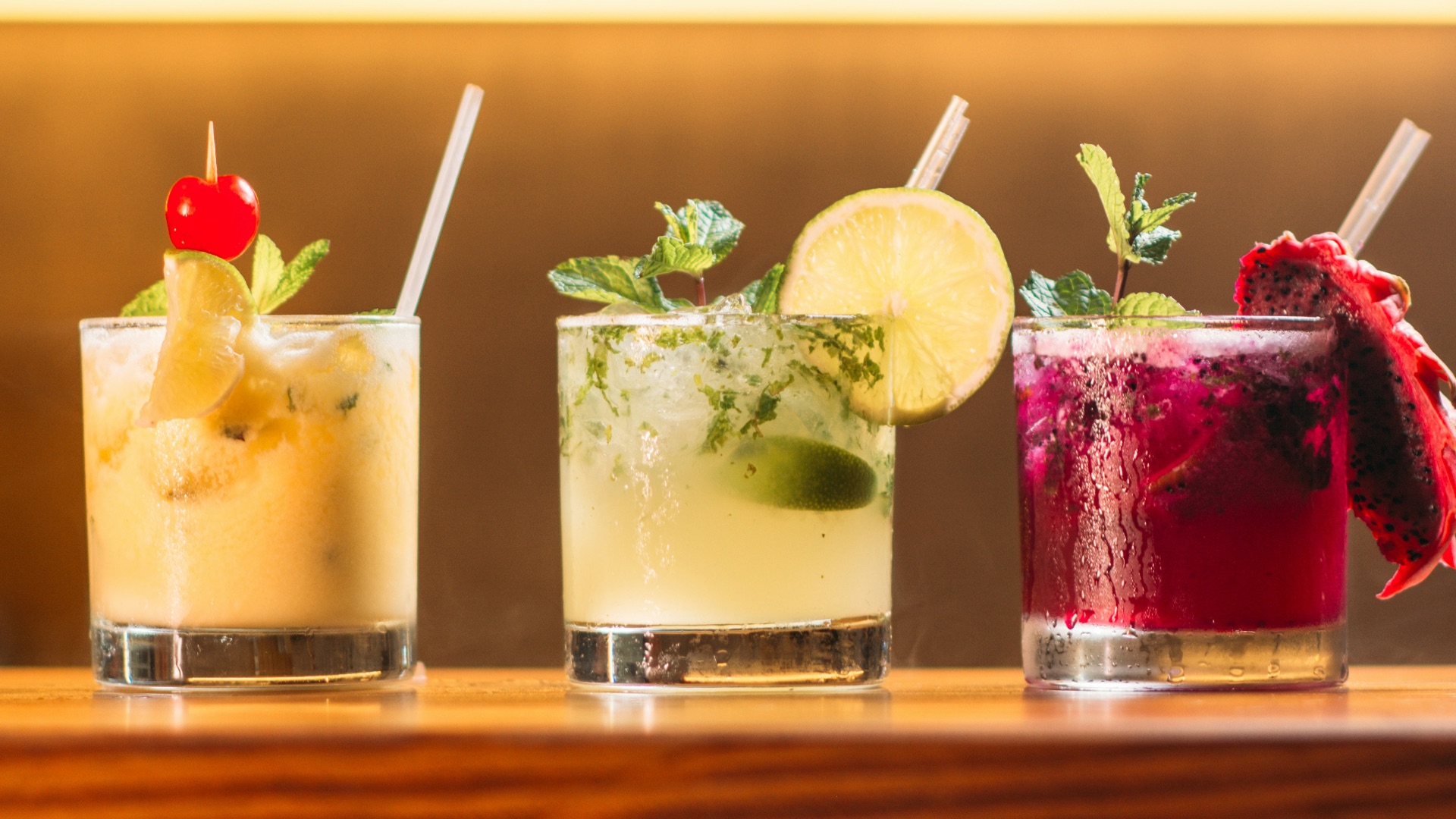
15. Are You Sure You Want a Drink Garnish?
Behind the bar, small containers of fruit garnishes, syrups, and mixers often sit at room temperature for extended stretches of a shift. Since these items get handled repeatedly by bartenders moving quickly through drink orders, they're exposed to the same contamination risks as any other frequently touched food item. Most guests never think twice about what's happening behind the bar, but it deserves just as much scrutiny as the kitchen itself.
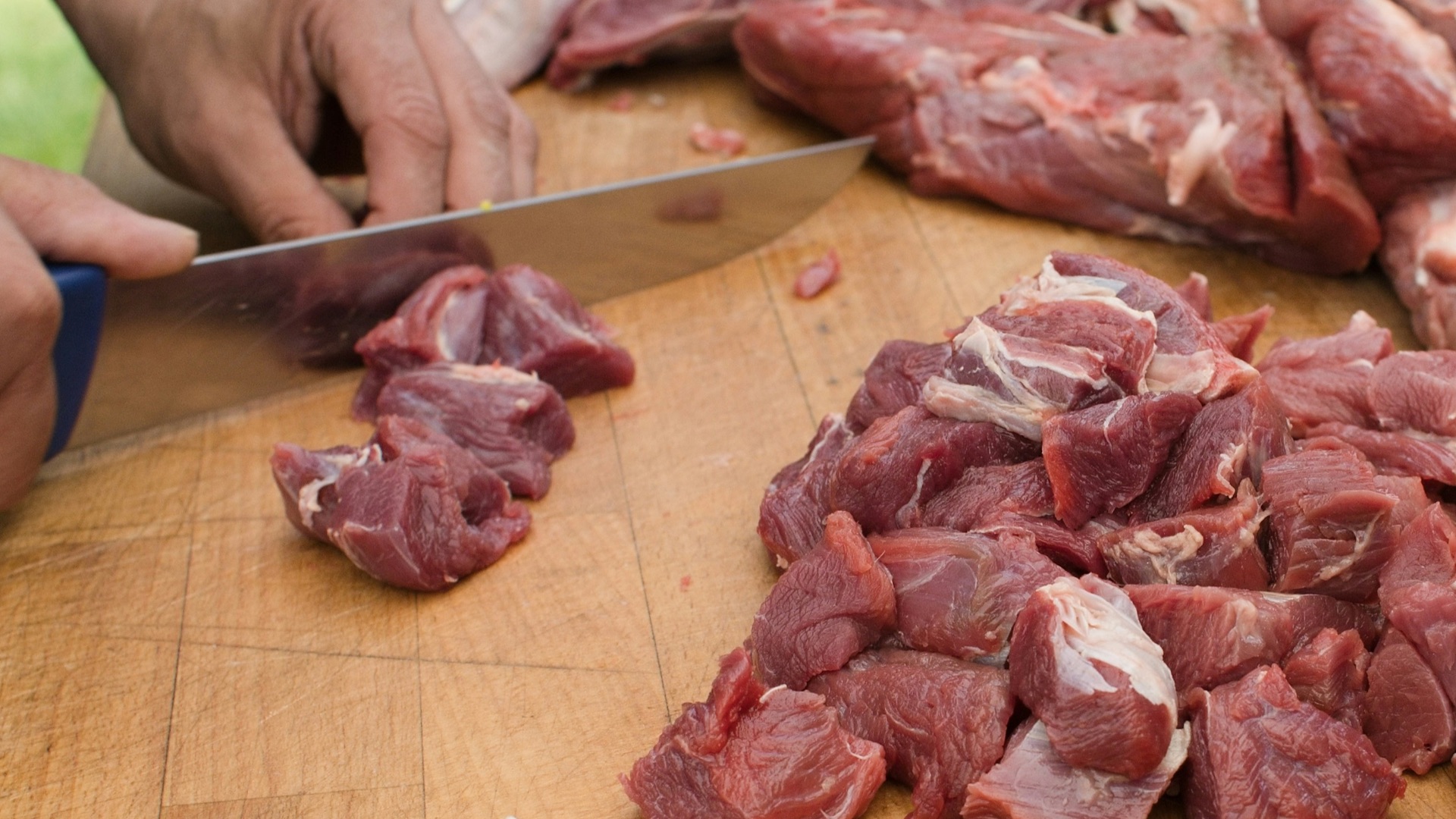
16. The Same Cutting Boards for Everything
Restaurants often use separate cutting boards for raw proteins, vegetables, and cooked ingredients, but those systems only work when employees actually follow them. A rushed cook (or lazy one), therefore, may slice raw chicken and then prepare garnishes on the same surface without adequately washing and sanitizing it. Contaminated boards and utensils are recognized routes through which infectious organisms can reach ready-to-eat food.
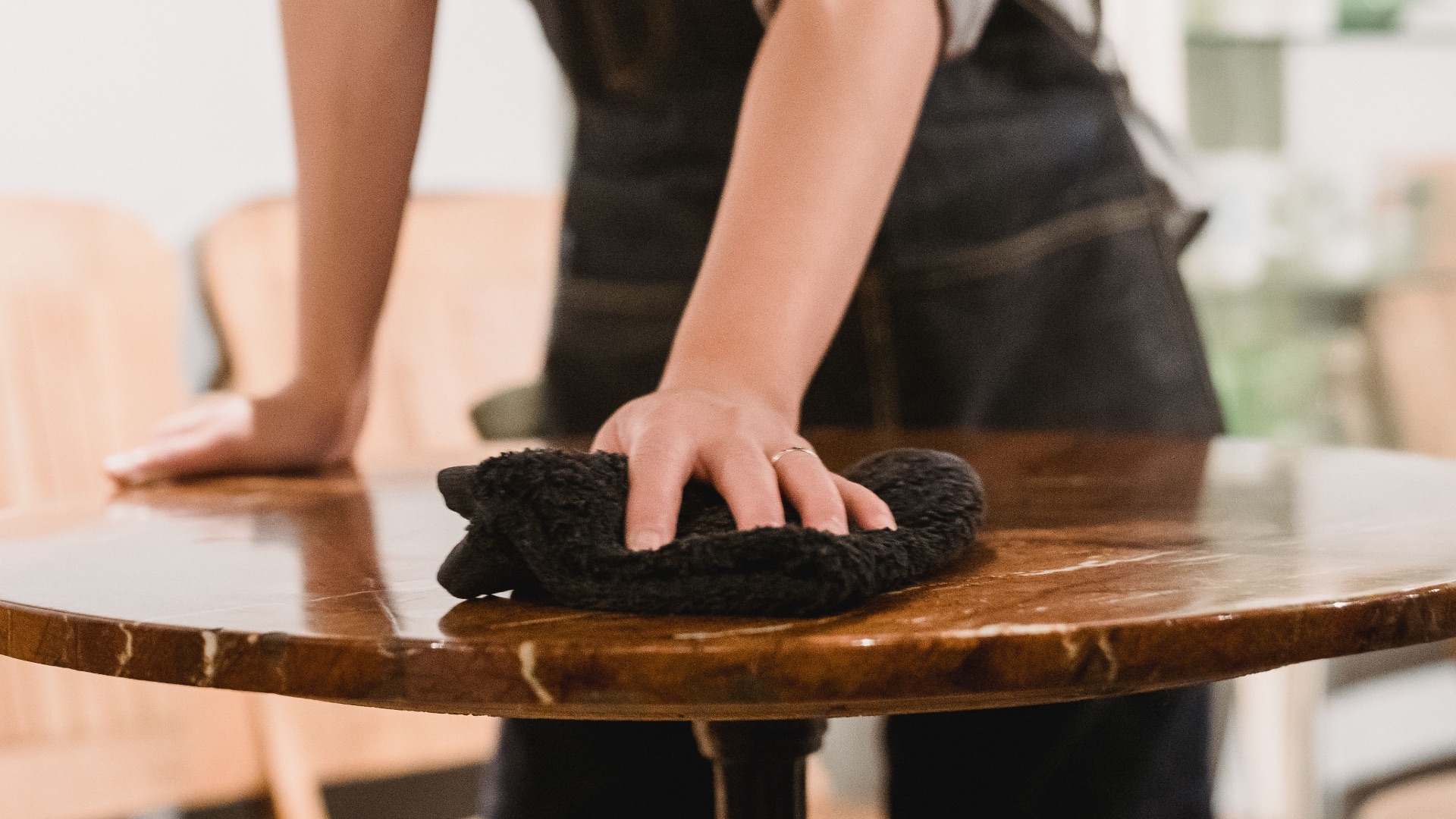
17. The Same Kitchen Towels for Everything
You see that damp cloth the server just used to wipe your table? Yeah, that might have also been used to wipe grills, cutting boards, sinks, stoves, knife handles, spills, you name it, throughout the shift. Without proper sanitizer and frequent replacement, a towel can, surprise, surprise, transfer contamination from one surface to another—even onto your plate.
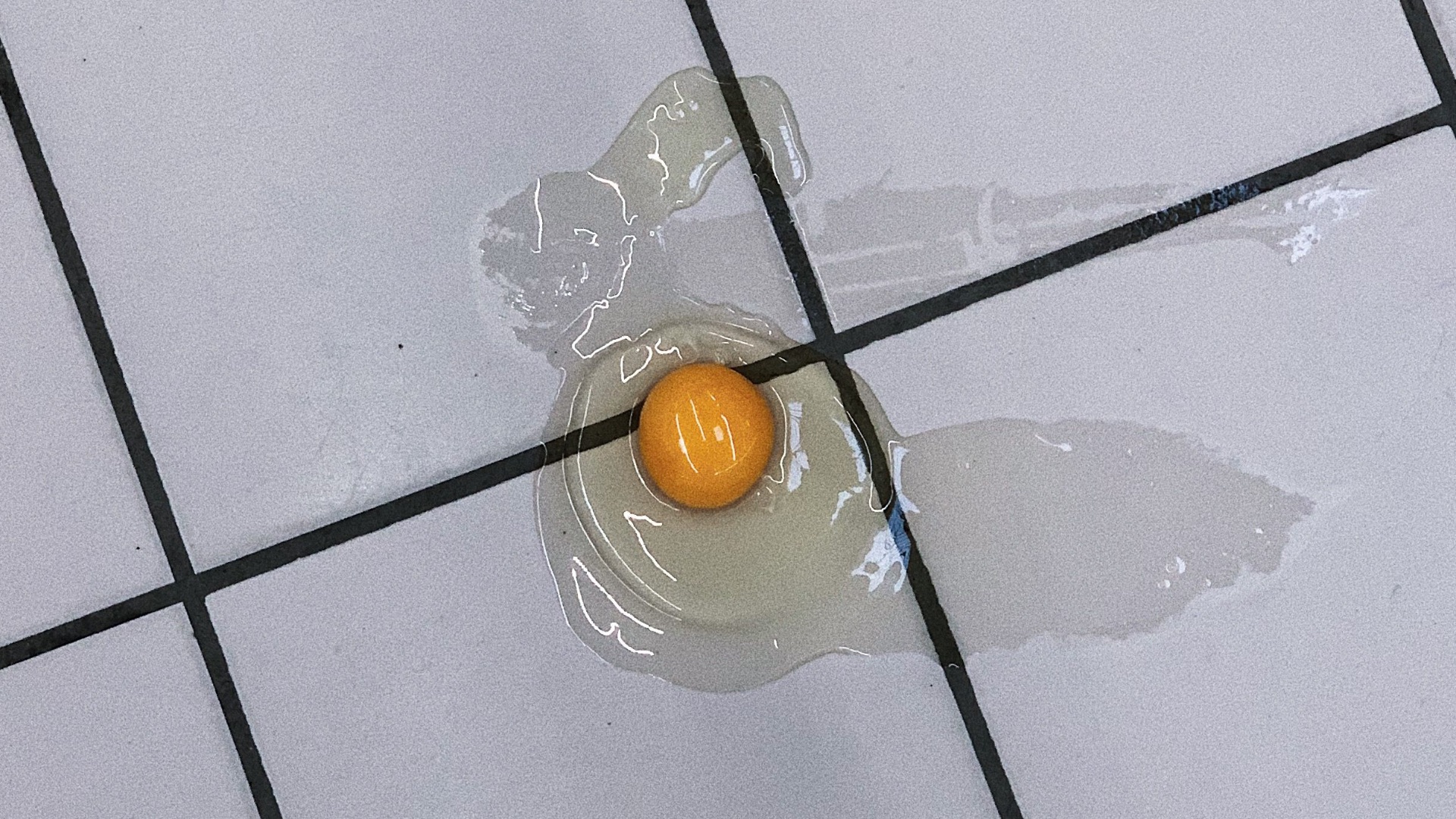
18. Five-Second Rule
You'd think restaurant workers are generally expected to discard food that lands on a contaminated surface, but an employee worried about waste or an angry manager might just be tempted to pick something up and put it back on the plate.
Customers have no way of knowing whether a dropped piece of food was actually replaced unless someone in the kitchen chooses to speak up. So, if you find a hair...
19. Some Bleach with Your Food?
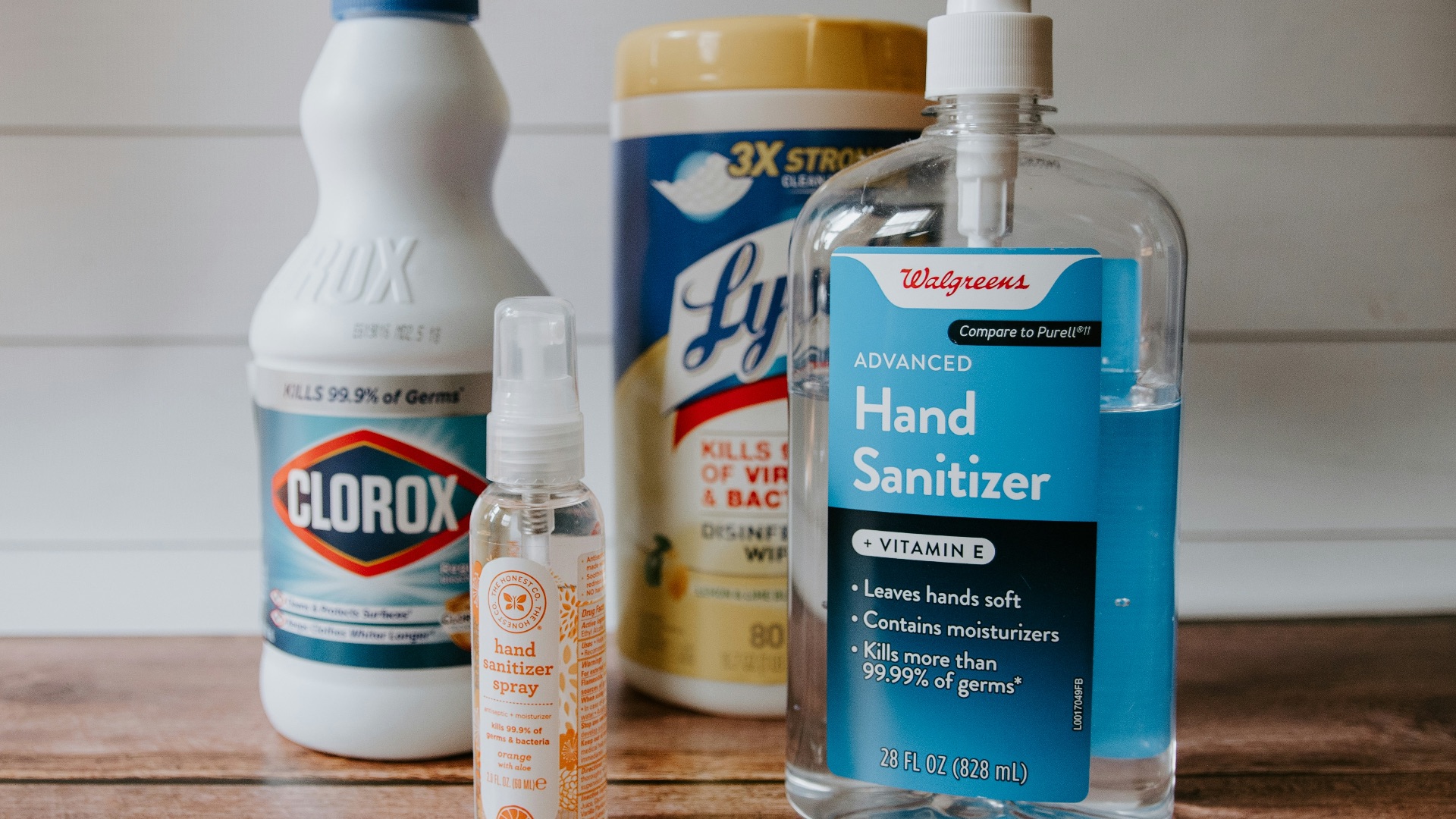
Spray bottles, sanitizer buckets, and industrial cleaners are essential in a commercial kitchen, and you'd think workers would know to label and store them away from food. In cramped or disorganized restaurants, however, chemical containers may be placed beside ingredients or on shelves above preparation areas. Like it or not, health inspectors continue to report unsafe chemical storage because of this exact reason.
20. Don't Trust the Dining Hall
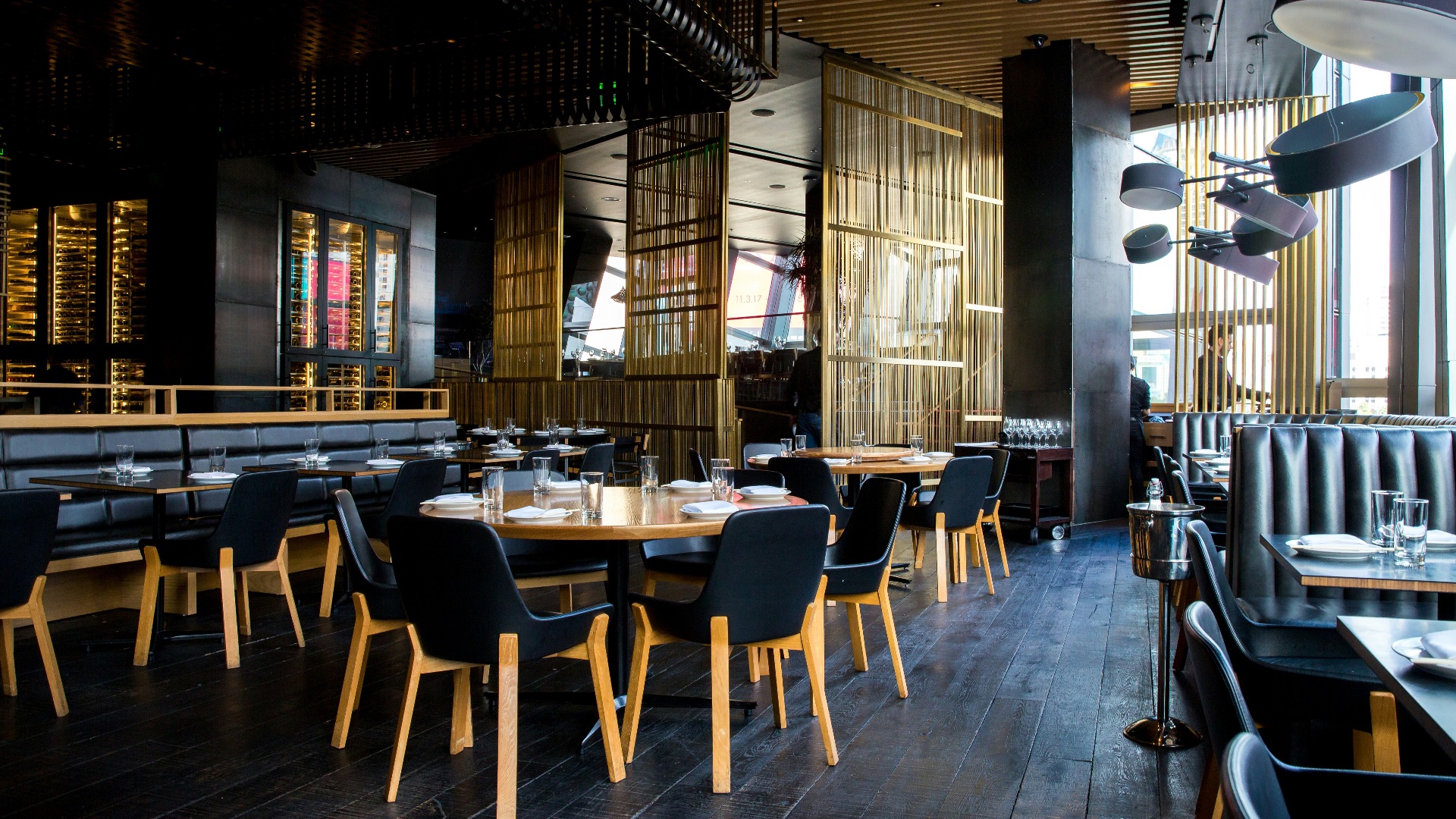
Sure, the dining area might look spotless, but that's mostly because appearance affects reviews and tips. Behind the swinging doors, however, you might find grease on the walls, old food beneath appliances, grimy stoves, and employees with grubby hands plating food. It's a reminder that you should never judge a book by its cover.
KEEP ON READING