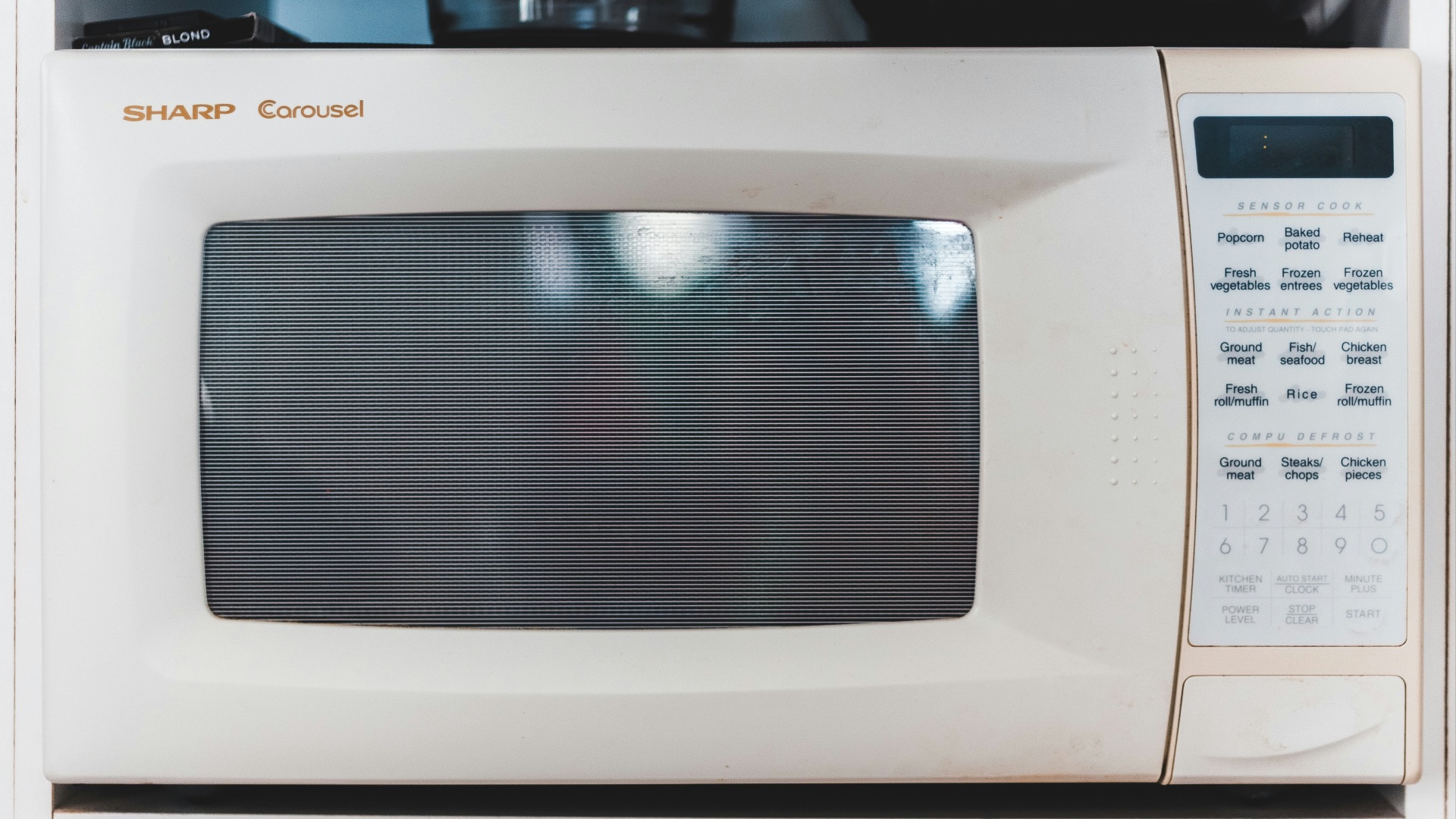
Microwaves are great for reheating food, but they don’t warm things up the same way a pan or oven does. They can create intense hot spots, superheat moisture, and heat the outside while parts of the center stay cold. With the wrong food, uneven heating shifts can even become a genuine safety risk.
The fix isn’t to swear off your microwave, but it's helpful to know which handful of items don’t play nicely with rapid, enclosed heating. If you avoid those, you’ll prevent most of the nasty surprises people associate with microwave mishaps. With that said, which items are especially dangerous—and could even be explosive?
Whole Eggs (Especially in the Shell)
Eggs in the microwave—easy way to heat them up, right? Wrong. A whole egg in its shell is basically a pressure container. Microwaves heat water quickly, and eggs contain a lot of it; when steam forms inside, the shell limits how fast that pressure can escape. The result can be a sudden burst that sprays scalding egg and creates a burn hazard. In fact, many experts advise against cooking eggs in the shell in a microwave because they can “easily explode.”
Even without the shell, eggs still require care because the yolk and white heat differently. A yolk can build internal steam and rupture when it’s punctured, stirred, or even just slightly moved after heating. That’s why safer microwave methods usually involve beating the egg, piercing the yolk, using a larger container, and cooking in short intervals with resting time between them. If you want speed, scramble the egg in a bowl and stop to stir; it’s less convenient than set-and-forget, but it’s far less risky.
After an egg blowout, the cleanup matters more than people think. Egg residue can bake onto the microwave walls and turntable, and it’s easy to miss splatter in vents or corners. Shell eggs can carry Salmonella Enteritidis, so leaving raw or undercooked egg protein behind isn’t just unpleasant; it can also create a cross-contamination problem if the microwave isn’t cleaned thoroughly. Take the time to wash and sanitize the interior before you heat anything else in there.
Grapes
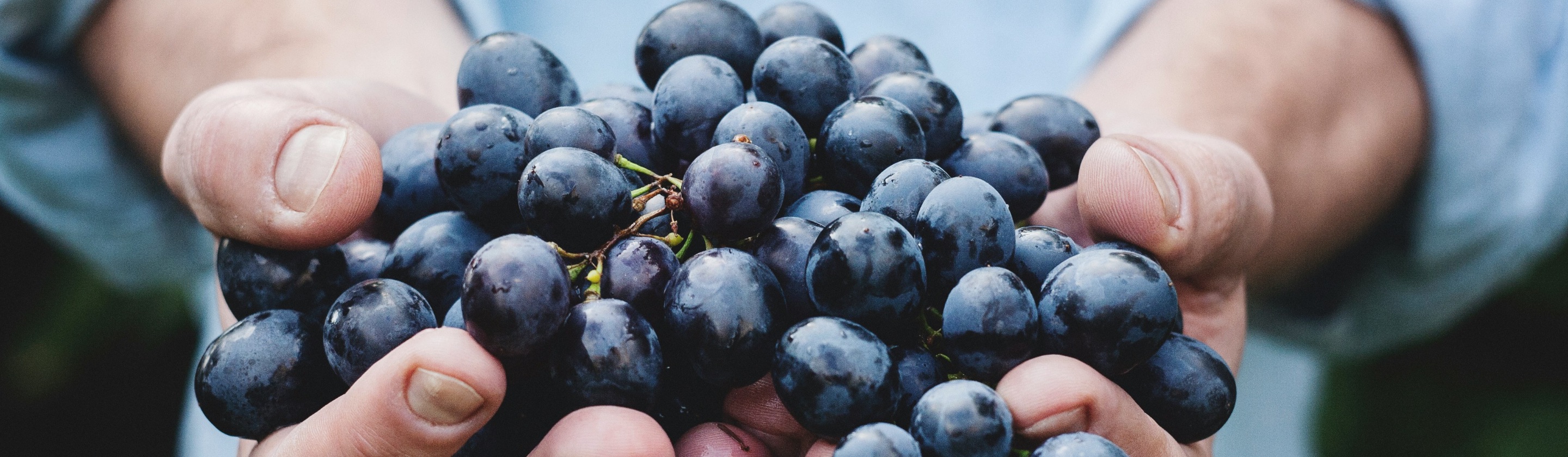
Grapes may look innocent, but they can trigger one of the most surprising microwave reactions. In certain arrangements—especially when two grapes touch, or when a grape is split into halves that remain connected—microwave energy can concentrate at the junction. Researchers have documented that this concentration can produce a hotspot intense enough to ionize material and create plasma, visible as sparking or a small fireball. Crazy, right?
The practical problem is that you don’t need to be trying an internet stunt for this to happen; it's rare, but sometimes you might just want to warm your fruit up a tiny bit before you eat it. But grapes can roll together on a plate, and cut fruit can shift as steam forms, so an unsafe configuration can develop mid-heat. Once plasma forms, it can scorch the fruit, pit the plate or turntable, and potentially damage the microwave’s interior coating.
If you’re thinking of warming grapes for a sauce, compote, or toddler food, choose methods you can monitor more directly. A small saucepan with a splash of water lets you control heat and stir to prevent localized scorching. You can also warm them in a low oven, where the energy isn’t being focused into a tight contact point the way it can be in a microwave. At the end of the day, the rule is straightforward: don’t microwave grapes.
Hot Peppers
Microwaving hot peppers is another no-no. Capsaicin, the compound responsible for spice, is also the principal constituent of oleoresin capsicum used in pepper sprays, and it’s widely described as an irritant with inflammatory effects. When peppers heat up, capsaicin can volatilize and hitch a ride on steam, creating a spicy aerosol that lingers inside the microwave cavity. When you open the door, that concentrated cloud can hit your eyes and throat immediately.
Capsaicin exposure can cause burning sensations, watery eyes, and coughing in sensitive people. In fact, inhaled capsaicin is used in clinical and research settings precisely because it provokes airway responses such as cough, which tells you how readily your respiratory system reacts to it. In an enclosed space, the effect can feel sharper than what you’d get from just sautéing peppers on the stove, because vapors build and then release all at once.
If you need to soften hot peppers, pick a method that gives you ventilation and control. Roasting on a sheet pan or blistering in a skillet lets you run a hood fan, keep distance, and avoid a trapped plume; you can also step away while the heat dissipates. If time is the only reason you’re reaching for the microwave, a quick sauté usually takes just a few minutes and produces a more predictable result. For anyone with asthma, allergies, or a low tolerance for irritants, the safest choice is to skip microwaving hot peppers altogether and cook them with airflow on your side.
KEEP ON READING