
Working in the restaurant industry requires a massive amount of patience, coordination, and emotional intelligence. While most customers look forward to a relaxing meal, many individuals remain completely unaware of how their dining habits impact the staff. Recently, restaurant workers across the country have taken to social media platforms to voice their collective frustration over one specific, highly disruptive trend. It turns out that the most frustrating thing you can do to your server isn't leaving a bad tip, but rather practicing the art of "camp-dining" long after the bill has been settled.
Laying siege to a table can feel like an innocent attempt to prolong an enjoyable night out with your friends or family. But refusing to leave actually starts a chain reaction that throws the entire restaurant off balance. Every table you keep your party seated at is money and preparation time stolen from your server and kitchen. By examining why this habit causes so much friction, diners can learn how to enjoy their meals without inadvertently sabotaging their server's livelihood.
The Economic Impact of the Lingering Table
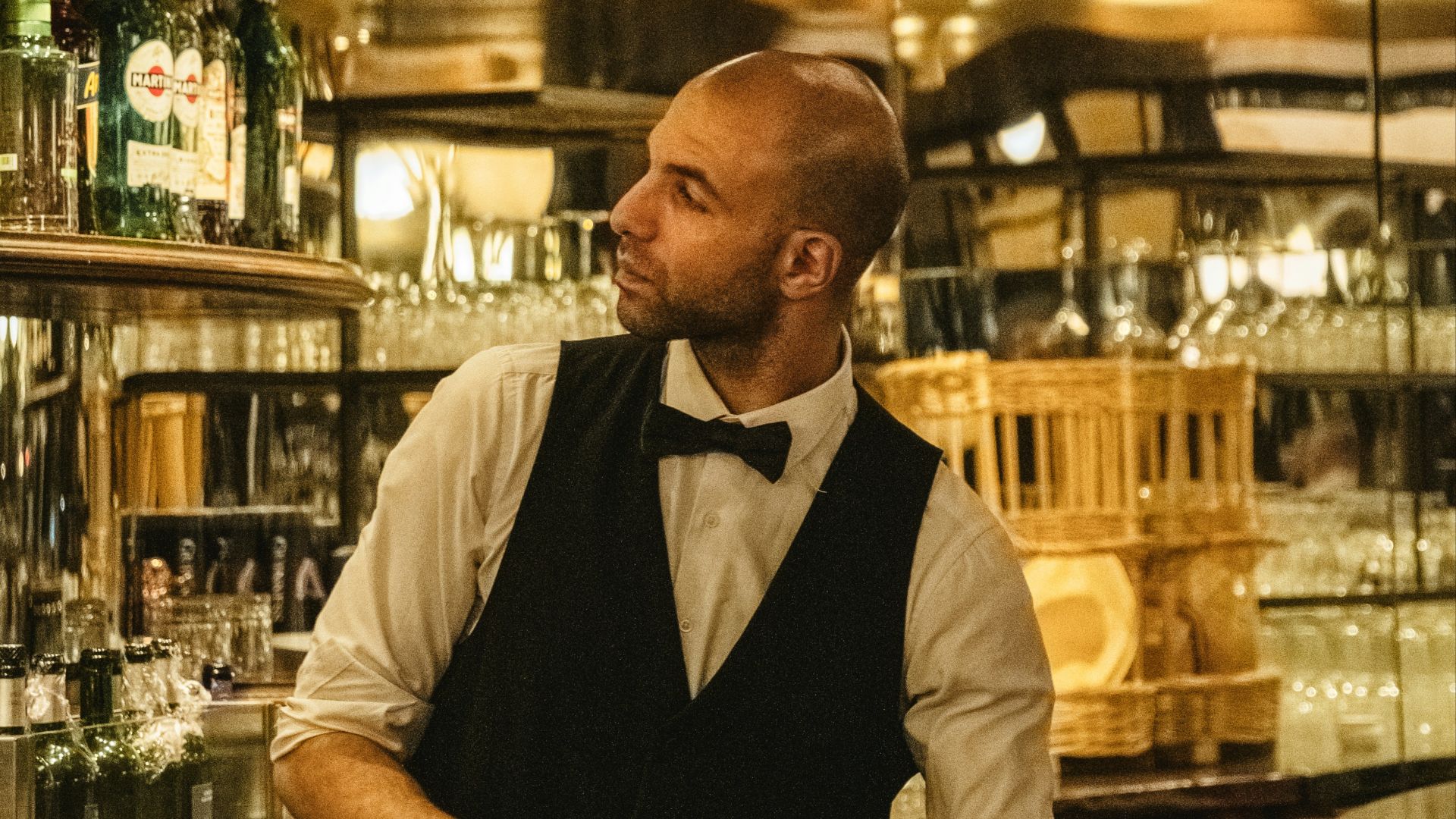
Camping out directly impacts your server's ability to make money. Servers depend on quickly seating customers so they can earn more tips within each hour of their shift. When you camp a table, less people can sit at the table where you're camping for the duration of the rush. Because servers typically only have 2-3 tables max at one time, when you take one of those tables away from them, you're cutting into the total amount of money they'll make that night.
It also pits the front-of-house staff against the management of the restaurant. Hosts will have to tell customers that they're going to have a long wait even though they can see open tables. Patrons become angry that they have to wait so long and leave to eat somewhere else, meaning your restaurant loses out on sales. Oh, and let's not forget about your server who is stuck standing at your table waiting on you with no other tables to attend to.
Ultimately, time is literally money in the fast-paced world of the hospitality industry. While you might feel that paying a large bill entitles you to unlimited occupancy, the restaurant business model simply does not support that philosophy. Most establishments calculate their profit margins based on a specific rotation schedule that requires predictable guest turnover. When you overstay your welcome, you're essentially occupying prime real estate that another paying customer is eagerly waiting to enjoy.
The Disruptive Domino Effect on Kitchen Flow
Camp-dining also has ramifications for the rhythm of the kitchen line. Cooks plan for rushes depending on when reservations should be sitting down and when they should be leaving. When a table is overstaying its reservation slot, they have to maintain their pace for that table while every other table for the rest of the night is pushed back. When those tables inevitably come in late to sit all at once, the kitchen gets slammed.
This operational logjam inevitably compromises the overall quality of food and service for every other patron in the building. When the kitchen gets slammed with a massive wave of delayed tickets, ticket times skyrocket, and dishes can easily lose their ideal serving temperature. The decision to linger comfortably spirals outward, impacting people who haven't even walked through the front door yet. It transforms a smooth dinner service into a chaotic scramble where everyone is trying to play catch-up.
Moreover, this issue creates a stressful work environment that can quickly burn out even the most seasoned restaurant professionals. Servers find themselves stuck in a delicate balancing act, trying to remain polite while desperately needing the table to clear out. The back-of-house team grows increasingly frustrated as their prep schedules get completely derailed by unpredictable seating patterns. Respecting the clock ensures that the culinary team can perform their duties with precision and consistency all night long.
Enjoying a wonderful night out doesn't mean you need to inhale your food and sprint toward the exit the moment you finish. There is a healthy middle ground between a rushed dining experience and completely hijacking a server's section for hours on end. Generally speaking, a standard two-hour window provides plenty of time to enjoy a full multi-course dinner without overstaying your welcome. If you find that the conversation is still flowing beautifully after the plates are cleared, consider moving the party to the bar area. All that to say, at the end of the day, you want to have a great dinner. But you'll probably feel a bit better if you are mindful of the staff and make serving you as easy-breezy as possible. Or at the very least, if you plan on lingering and being complex, be sure to tip well.
KEEP ON READING
The Most Popular Chocolate Bars in the USA
The Most Popular Candies in the USA
20 Annoying Foods That Get Stuck In Your Teeth