
Global Fare Ranked Worst to Best
It's probably common knowledge that American food isn't all that healthy, but what other cuisines around the world sit at the same table? And in contrast, does the fare from elsewhere fare (pun intended) better? From American to Thai and everything in between, here are 10 of the unhealthiest cuisines around the globe—and 10 of the healthiest.

1. American
It's no surprise that American food ranks among the unhealthiest cuisines around the world, and worse: it tops the list. Deep-fried corn dogs, greasy stacked burgers, decadent milkshakes, and sugary apple pie are just some of the classics here, which might offer indulgence but certainly not nutrition.

2. Mexican
Sure, traditional Mexican food might be filled with beans, fruits, and veggies, but the cuisine that's been popularized—and the one everyone typically gravitates to—is a whole different story. Fried tortillas, cheesy quesadillas, and stuffed burritos make up most of the fare people are used to, which is often high in fat, calories, and sodium.

3. Scottish
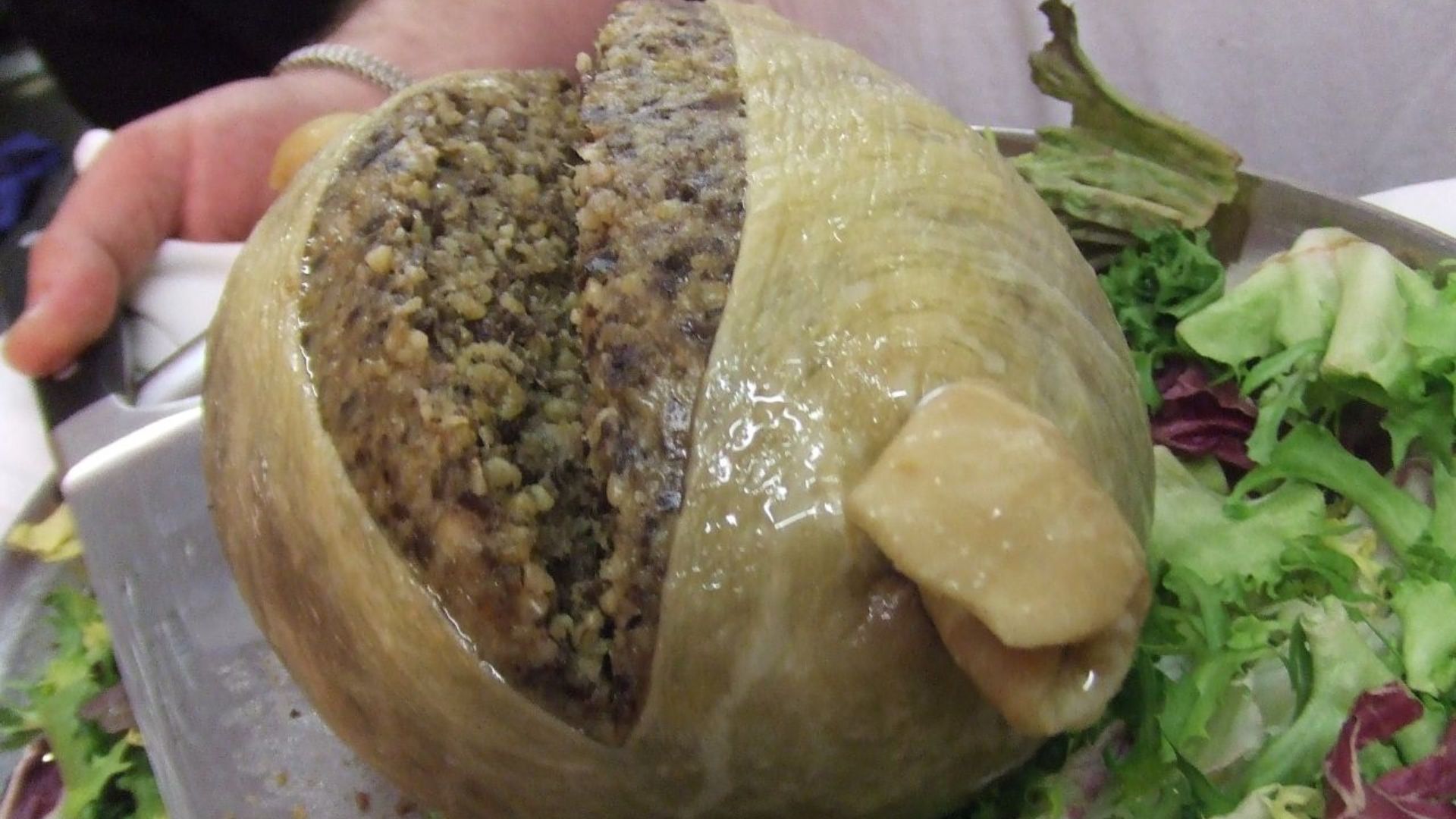
Porridge might have originated in Scotland, but the rest of the spread here isn't as bare bones and nutritious as you think. Scotland's national dish, haggis, for one, is a pudding made of sheep's lungs, liver, and heart, and is illegal to import in several countries around the world, including the US. Much of the diet here is also high in fat, sodium, sugar, and calories—a deep-fried Mars bar is just another example.
4. Pakistani
If there's another country that enjoys processed, high-fat foods like the US, it's Pakistan. The diet here is extremely carb-heavy—think naan, roti, paratha, and rice—and oils are used in extreme excess during cooking. Snacking throughout the day is also normal here, as is drinking beverages loaded with sugar.
5. Italian
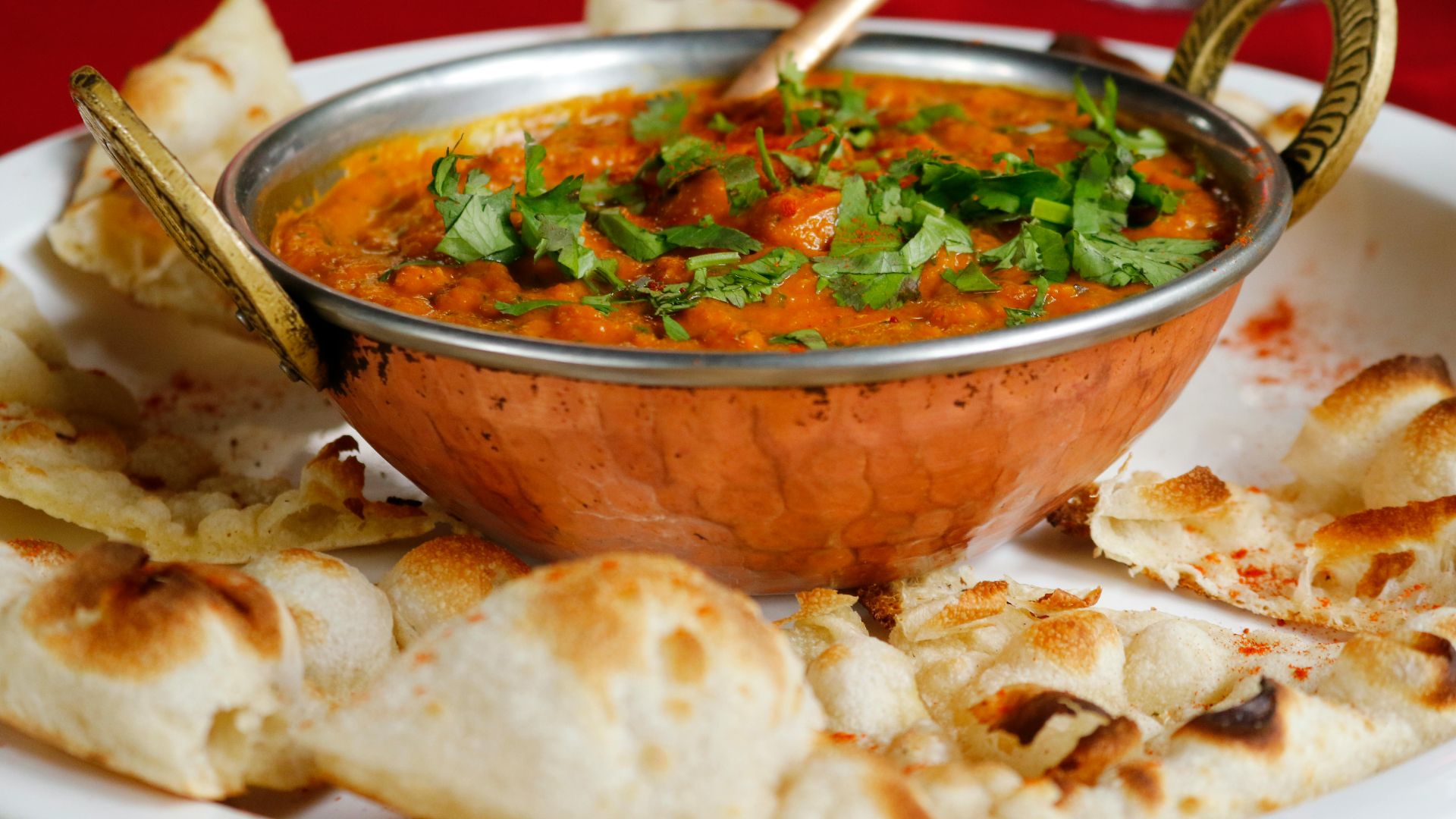
When you think of Italian food, what comes to mind? Probably pizza and pasta, right? That's, at least, the version of Italian cuisine that's been popularized, and the one most people like indulging in. But creamy fettuccine, cheesy pies, fried calamari, and sugary tiramisu, while tasty, are far from healthy.
6. French
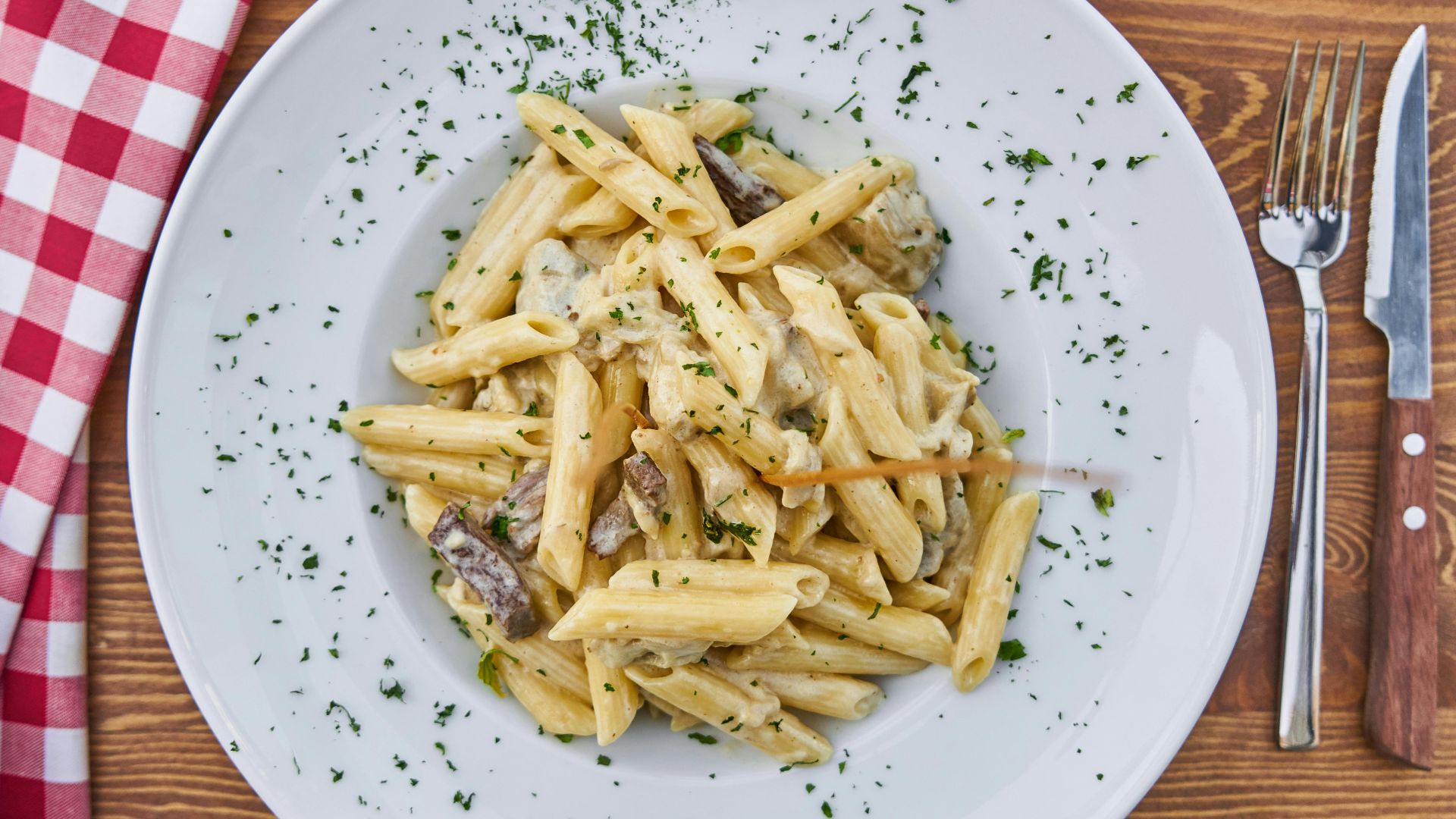
Believe it or not, the French actually consume more butter than Americans do. This high intake of saturated fats—which often come from sweet, flaky pastries, creamy dishes, and cheese boards—should be concerning, and is. As for why the French are typically much healthier than the average American, the answer likely lies beyond the plate.

7. German
Sausages are all the rage in German cuisine, and you'll find numerous variations of them—bratwurst, weisswurst, blutwurst—on menus and street carts. Schnitzel is another beloved favorite here, as is kartoffelklöße (potato dumplings). But as delicious as these dishes are, they're loaded with sodium and fat—two things you don't want to be consuming too much of.

8. Filipino
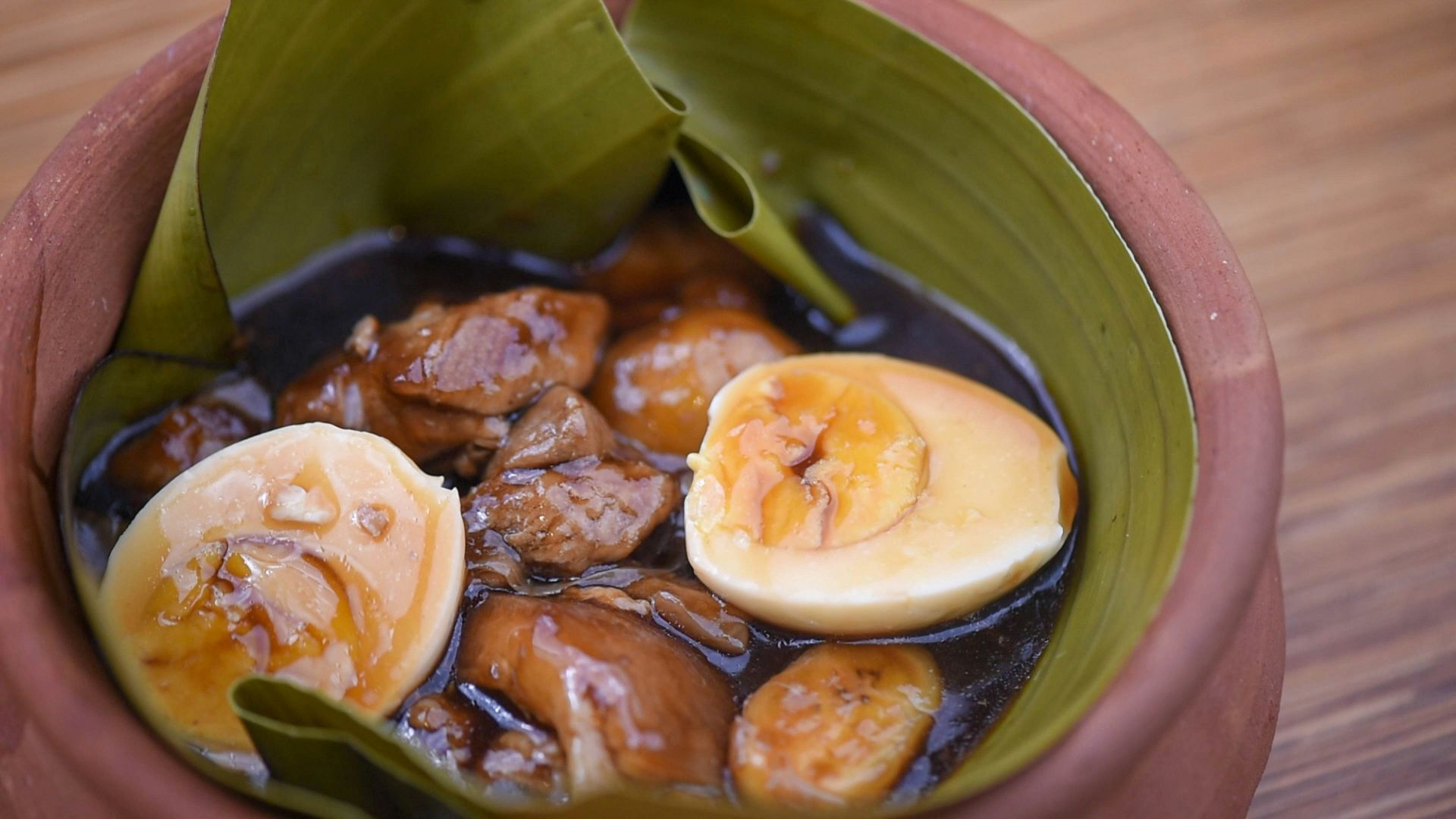
Filipino cuisine might deliver the flavor, but it certainly skimps on nutrition. Meat makes an appearance in almost every main dish here—think chicken adobo, lechón, crispy pata, and beef mechado—which are heavy, and in desserts like halo halo, a single serving contains 20 grams of sugar or more.
9. Russian
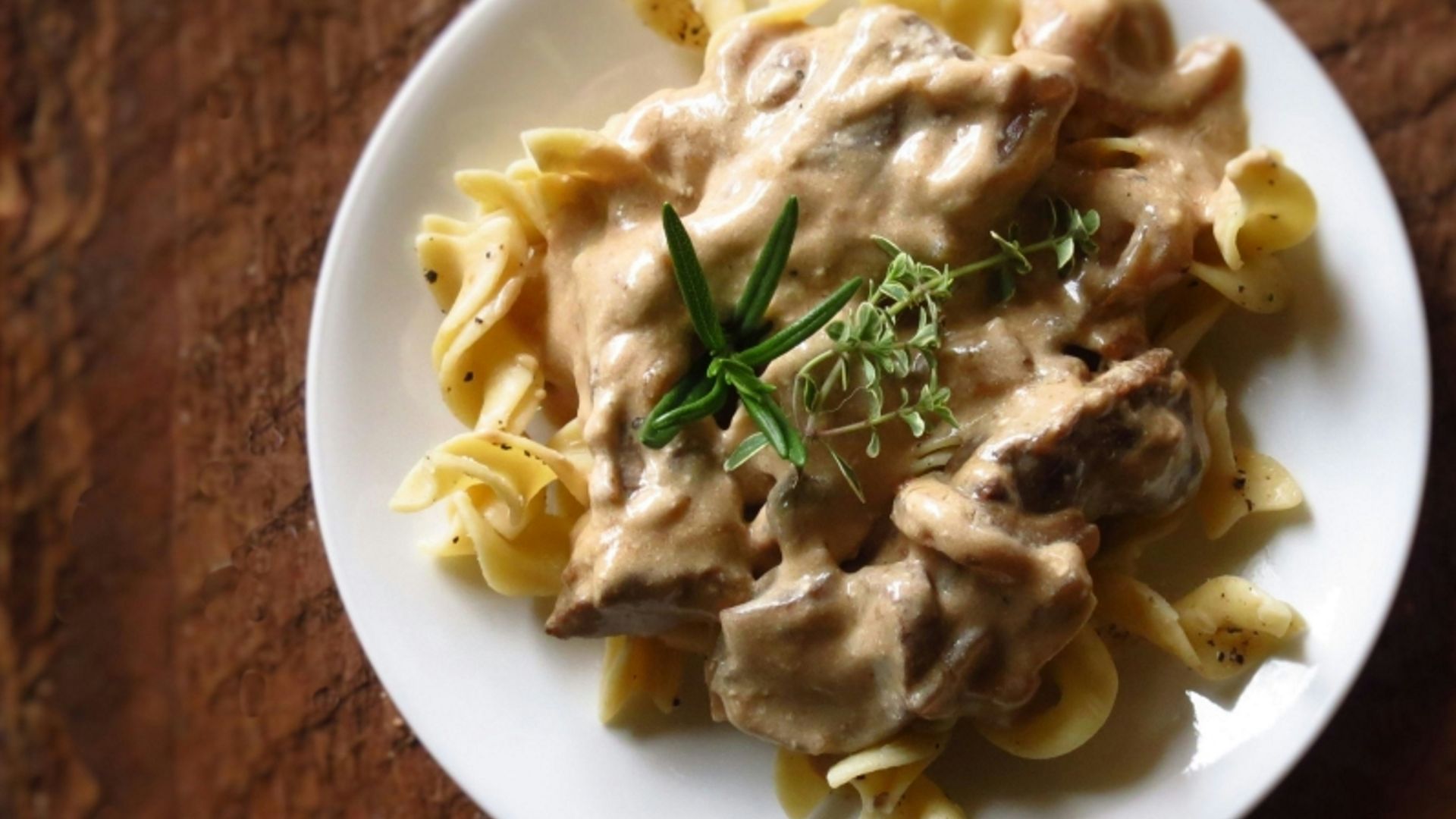
Russian cuisine also tends to be fairly heavy. Beef stroganoff, for one, is beef stewed in a tangy sour cream sauce with pasta, and is typically high in fat and calories. Pelmeni (meat dumplings) depend on the filling you use, and can be unhealthy if made with fatty meat.
10. South African
The South African diet ranks among the top unhealthiest cuisines, and it's all due to the highly processed, sodium-rich, and carb-heavy dishes that make their way to the table. Many staples spotlight meat, which, if eaten in excess, could increase the risk of cardiovascular disease.
What, then, are the healthiest cuisines around the world? Let's jump into the top 10.
1. Japanese
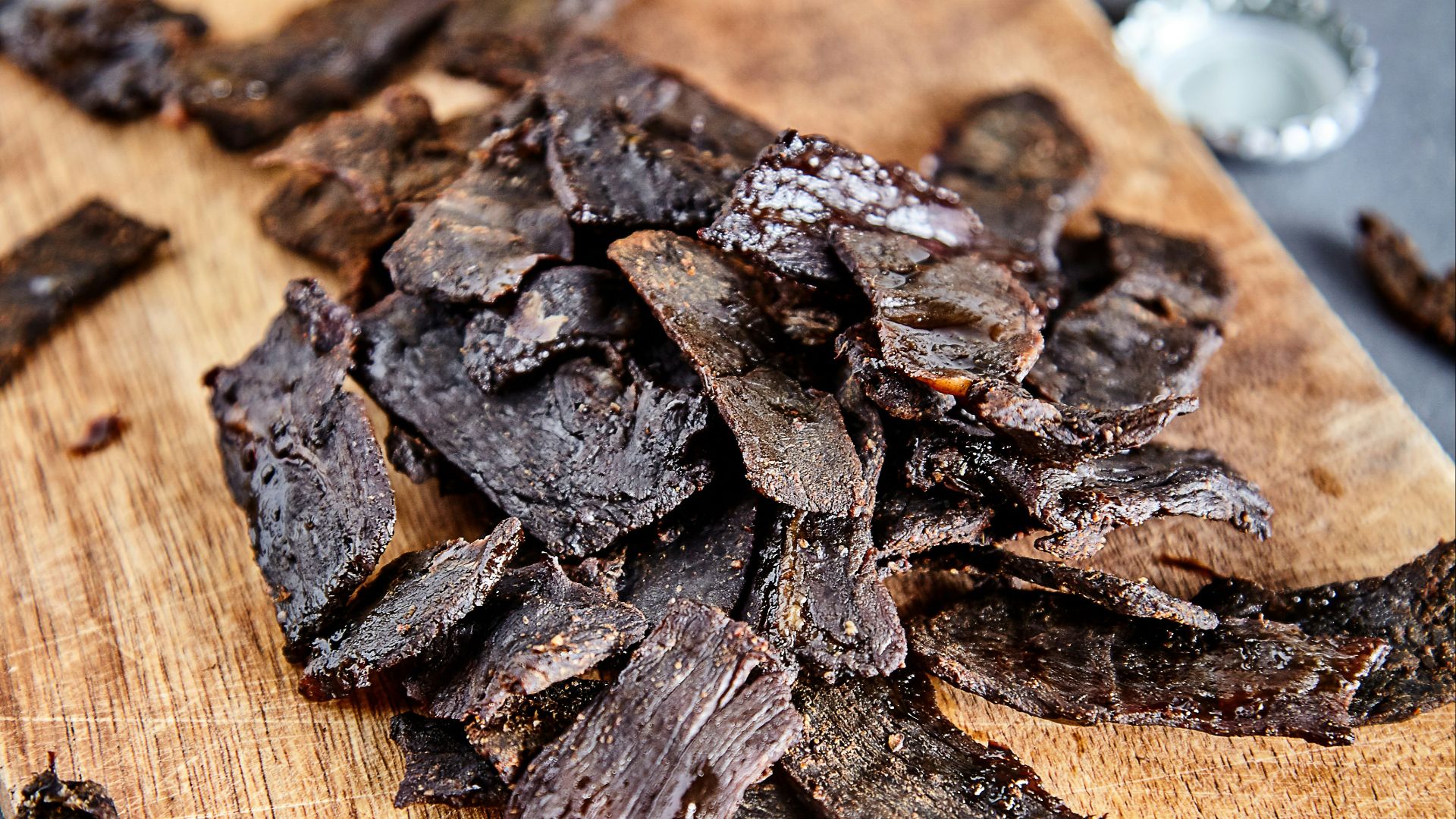
The average Japanese meal consists of rice, fish, and soup—both nourishing and filling. It's not just what's on their plate that's healthy, though; the Japanese also tend to eat until they're about 80% full (hara hachi bun me), which helps them not overeat.
2. Mediterranean
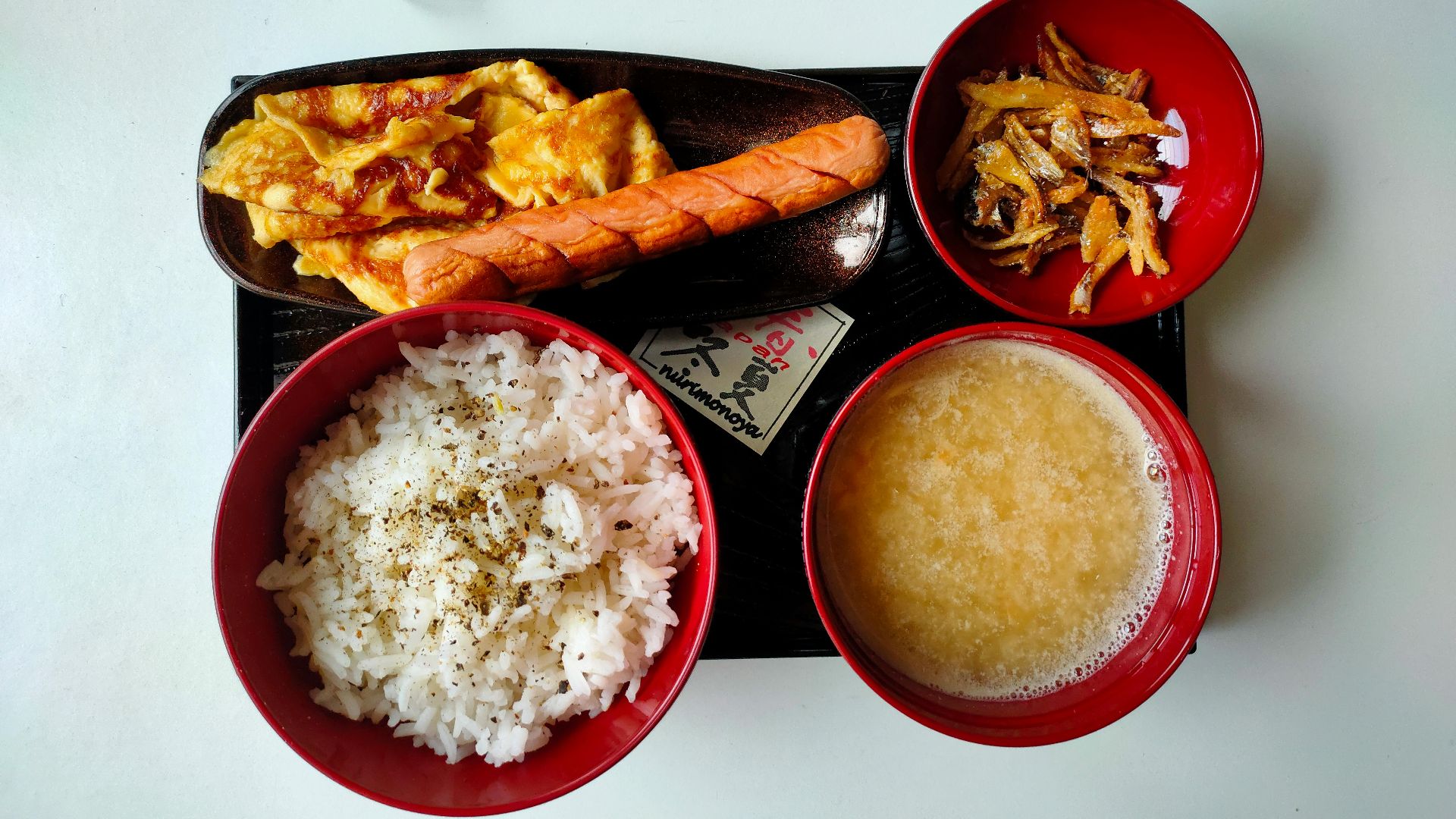
The Mediterranean diet is often touted as one of the healthiest cuisines in the world, and is adopted by several countries around the Mediterranean coast, including Italy, Spain, Greece, France, and Morocco. Loaded with whole grains, vegetables, oily fish, nuts, and beans, it's no wonder why this nutritious way of eating is so popular.
3. Chinese
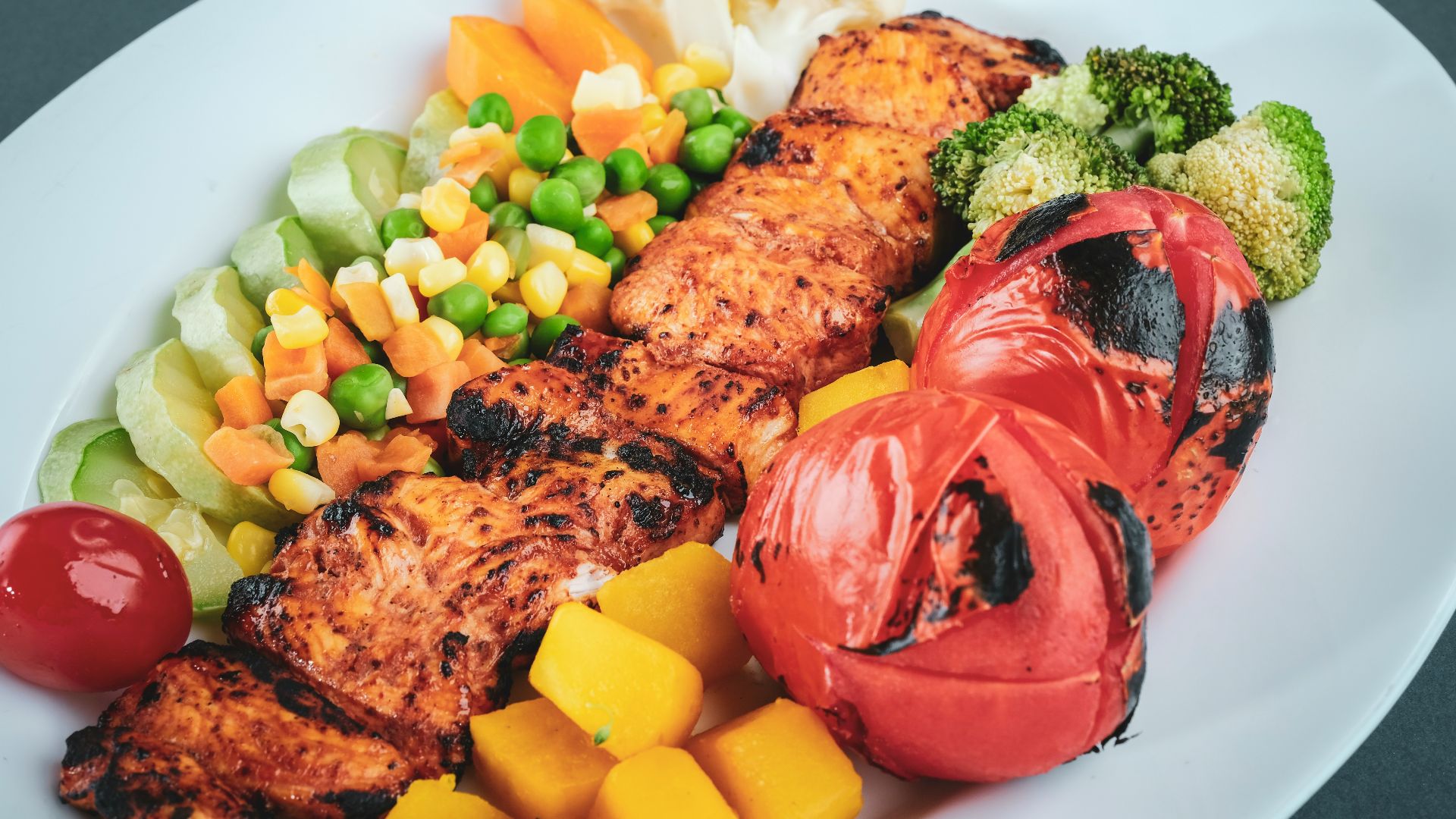
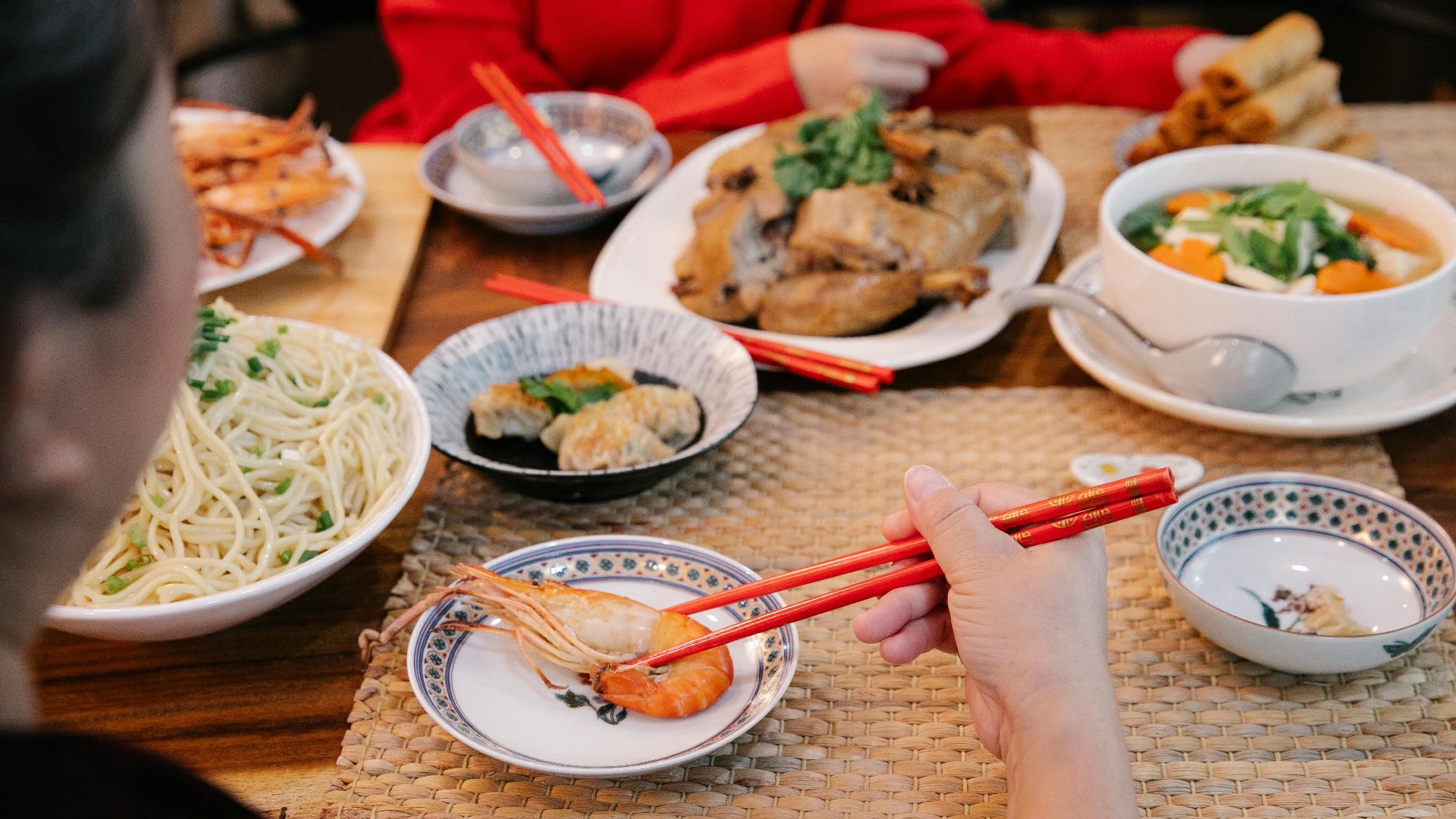
Chinese cuisine is all about sharing, which often means preparing a spread of various plates—ranging from steamed fish to spicy tofu and vegetable stir fry—for the entire table to enjoy. The best part? You'll find different dishes and specialties depending on the region.
4. Vietnamese
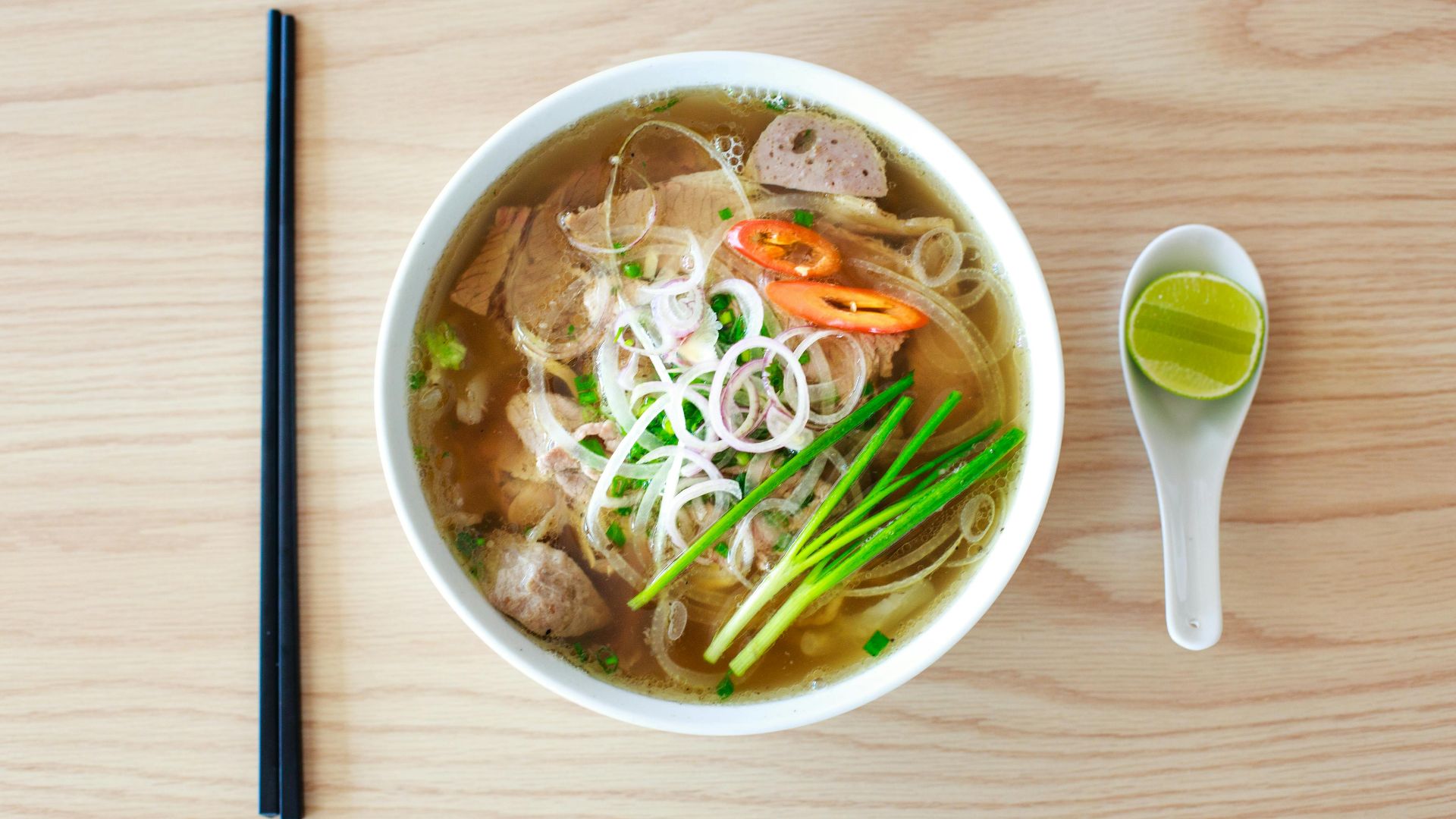
From pho to banh mi and beyond, Vietnamese cuisine often emphasizes using fresh ingredients and herbs, while minimizing the use of oil, creating dishes that are packed with flavor and nutrition. If you're looking for one of the healthiest cuisines in the world, this is it.
5. Indian
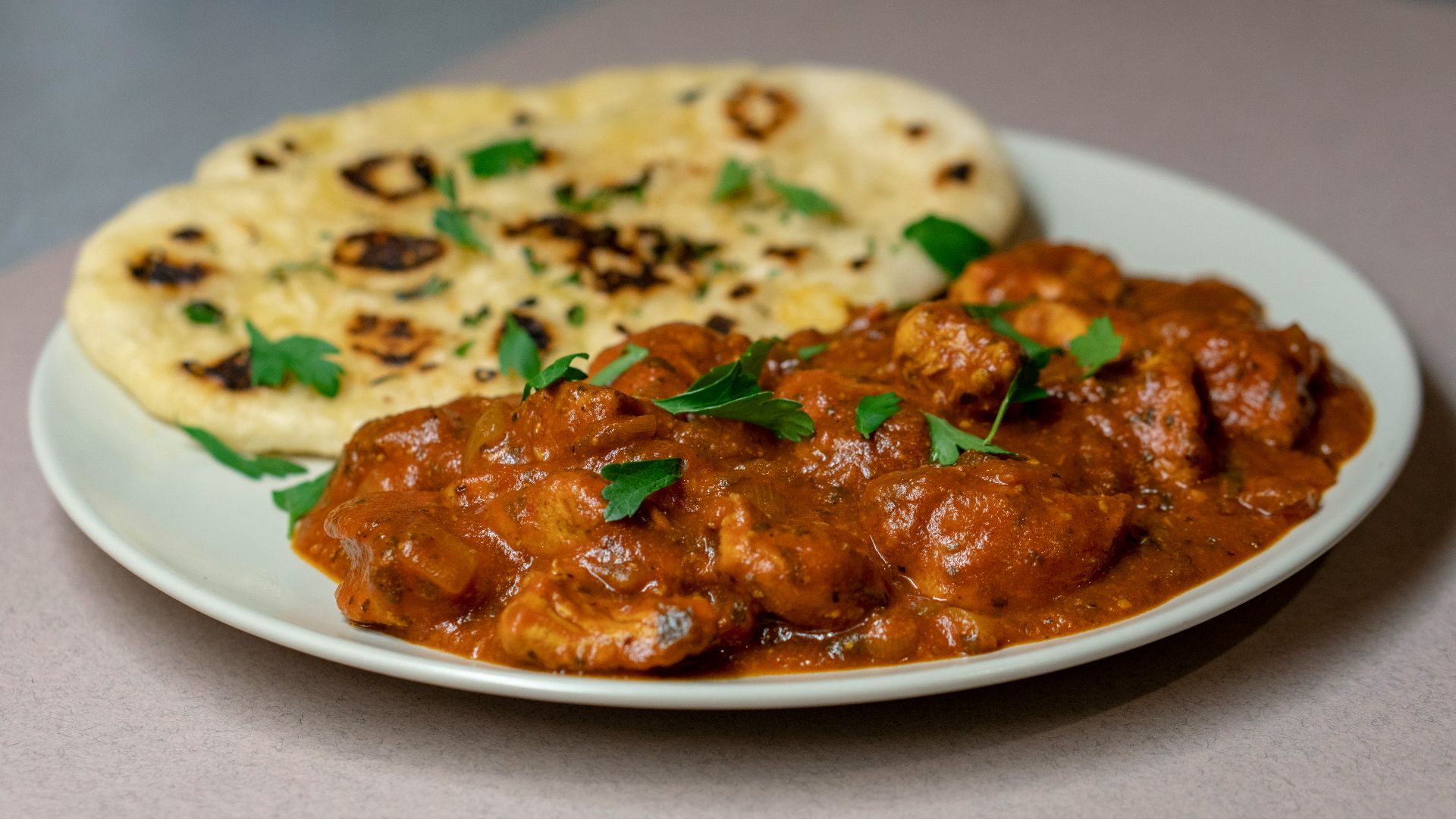
Traditional Indian cuisine incorporates various spices—think turmeric, cumin, cardamom, and ginger—and pulses like lentils, chickpeas, and beans that make their dishes chock-full of protein, fiber, and antioxidants. Not only is it healthy, but classic staples, like chicken tikka masala and matar paneer, are extremely nourishing.
 amirali mirhashemian on Unsplash
6. Korean
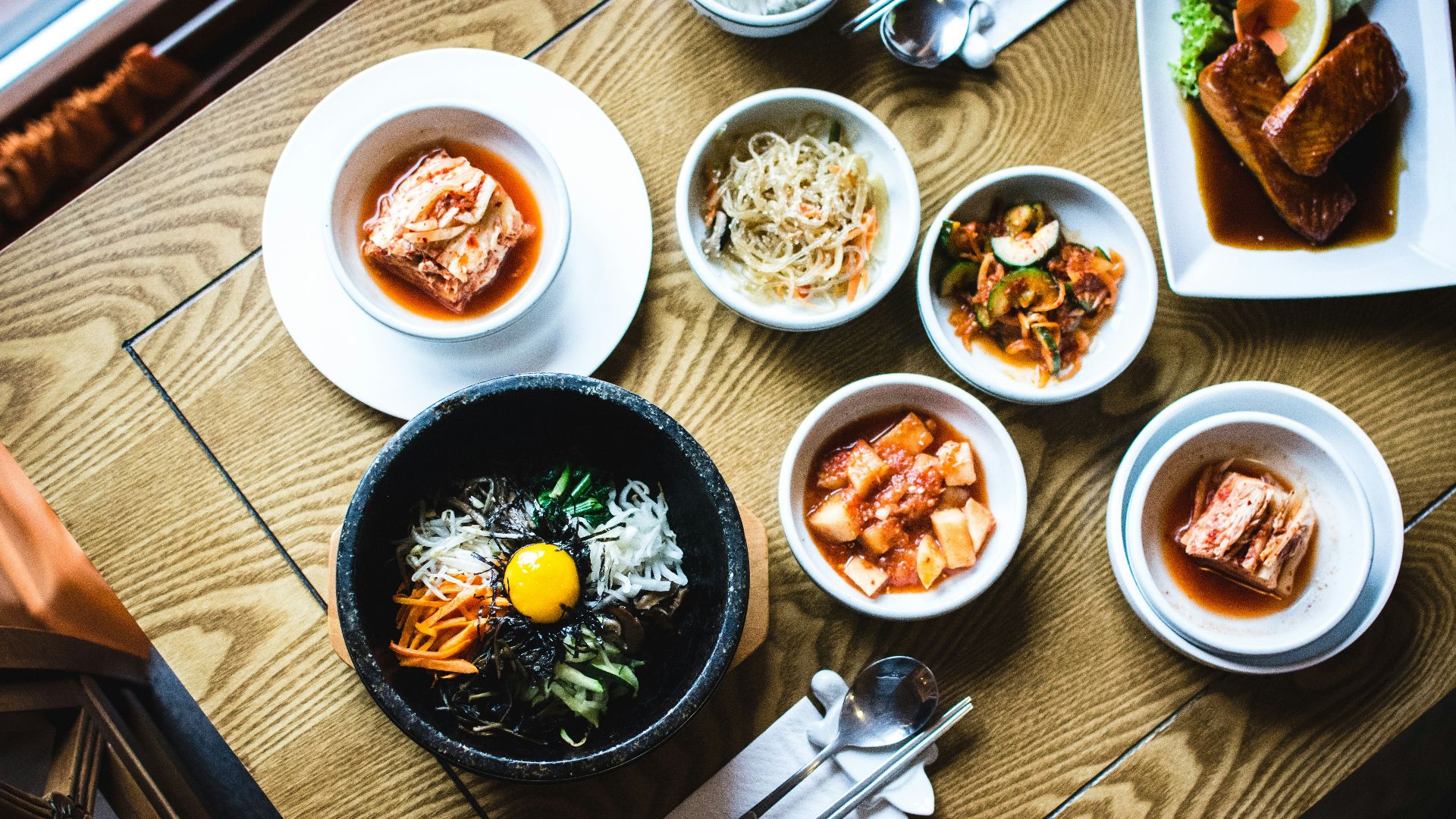
Korean cuisine is similar to that of Japanese in that there's usually soup and rice involved, but fermented dishes like kimchi and side dishes (banchan) give this fare a different twist. If you've ever wondered how Koreans keep so lean, the answer might lie in their food.
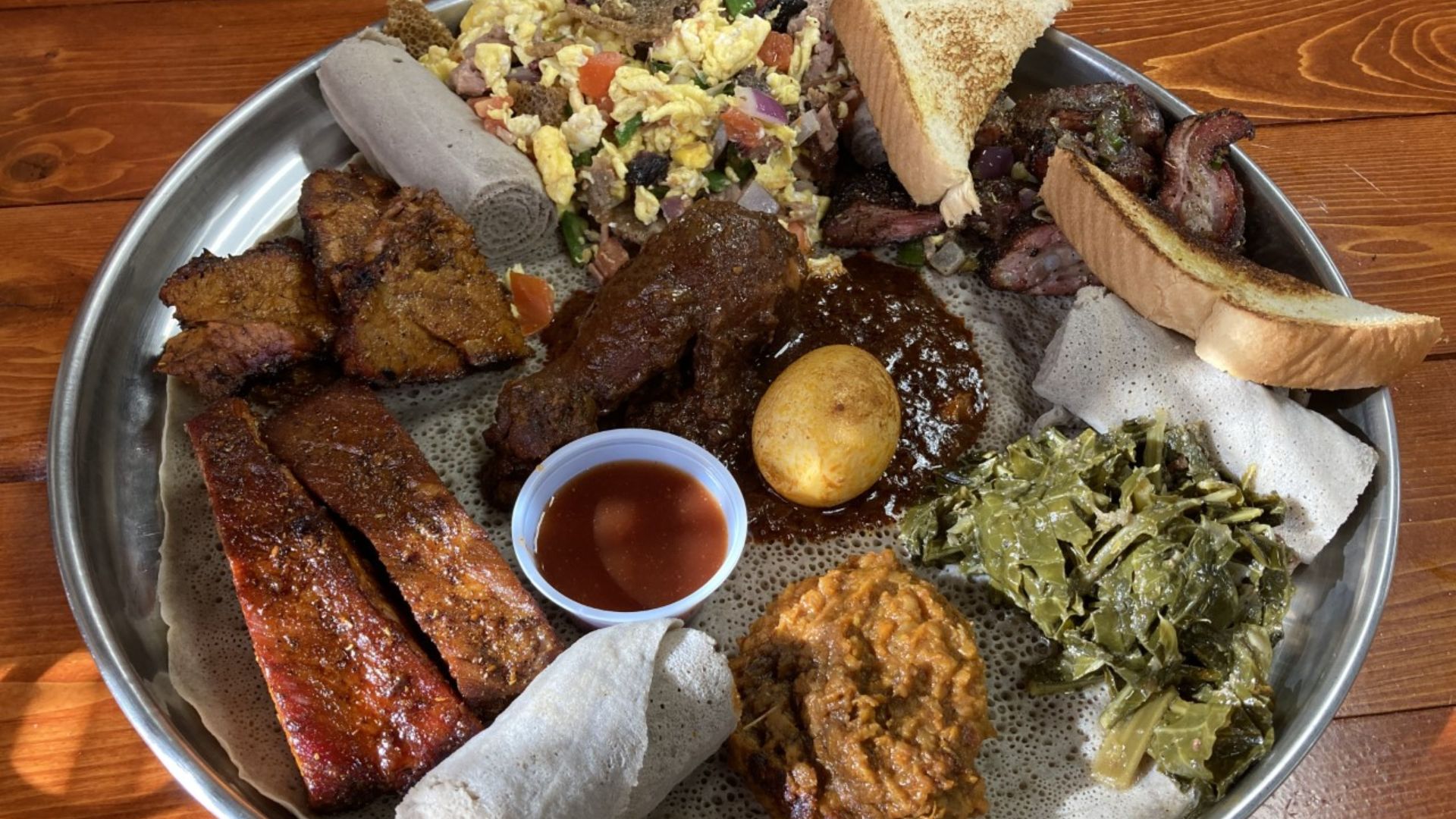
7. Ethiopian
Ethiopian cuisine features plant-based dishes that are perfect for those on a vegan or vegetarian diet. High-fiber grains—think teff injera (fermented flatbread), the nation's staple—and vibrant vegetables make a regular appearance here, and the communal-style of eating encourages sharing and mindful consumption.
8. Icelandic
Iceland is often ranked as one of the healthiest countries in the world, and for good reason. Their cuisine boasts fresh, locally sourced ingredients, and is largely organic and free-range. From skyr to kjötsúpa, Icelandic dishes are loaded with flavor and nutrition.
 IcelandicProvisions on Wikimedia
9. Nordic
The Nordic diet, traditionally eaten in Norway, Denmark, Finland, Iceland, and Sweden, is heavily focused on seasonal, locally sourced foods, and is comparable to the Mediterranean diet in terms of health. Whole grains, berries, fatty fish, and vegetables are also staples here.
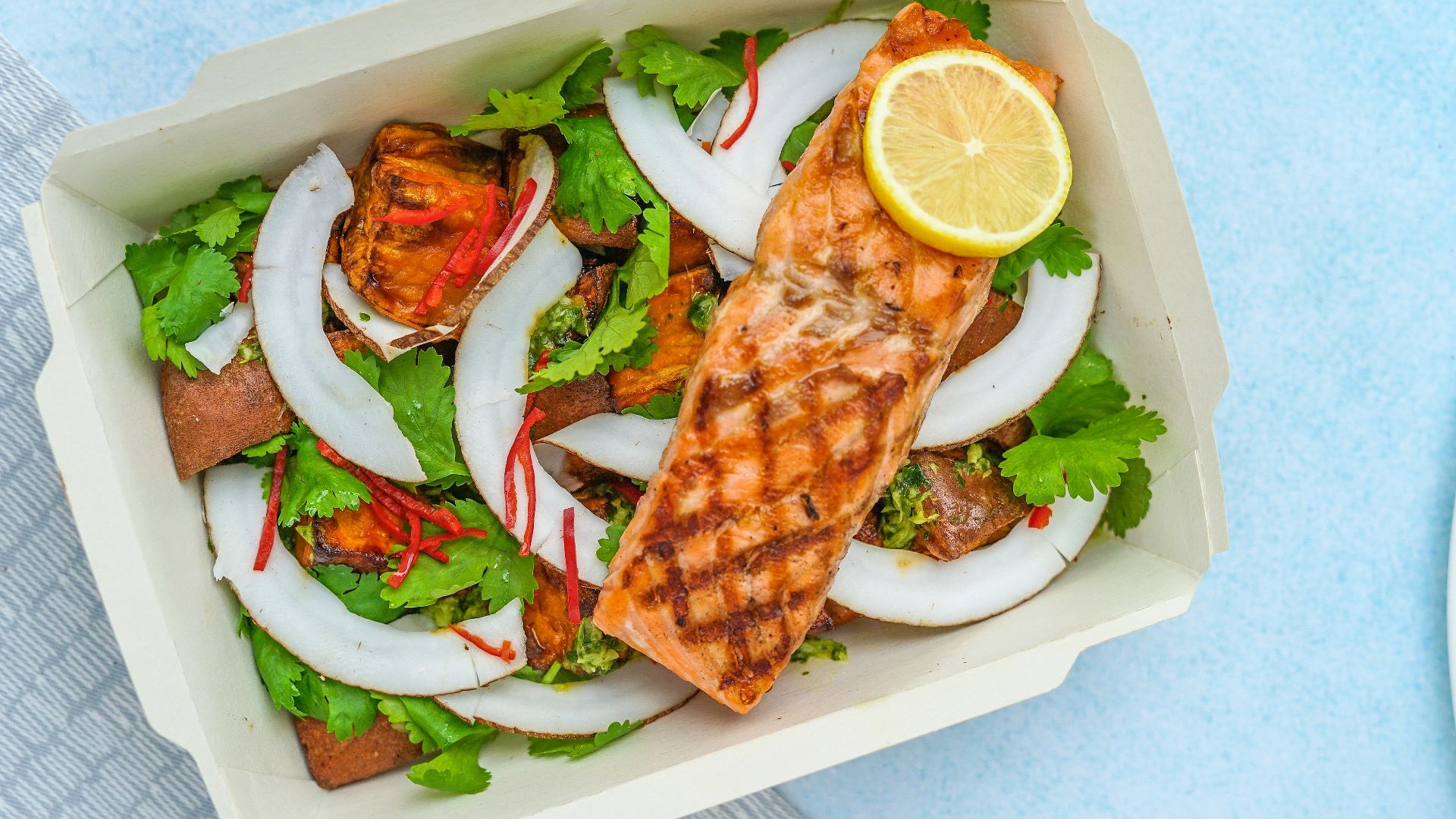
10. Thai
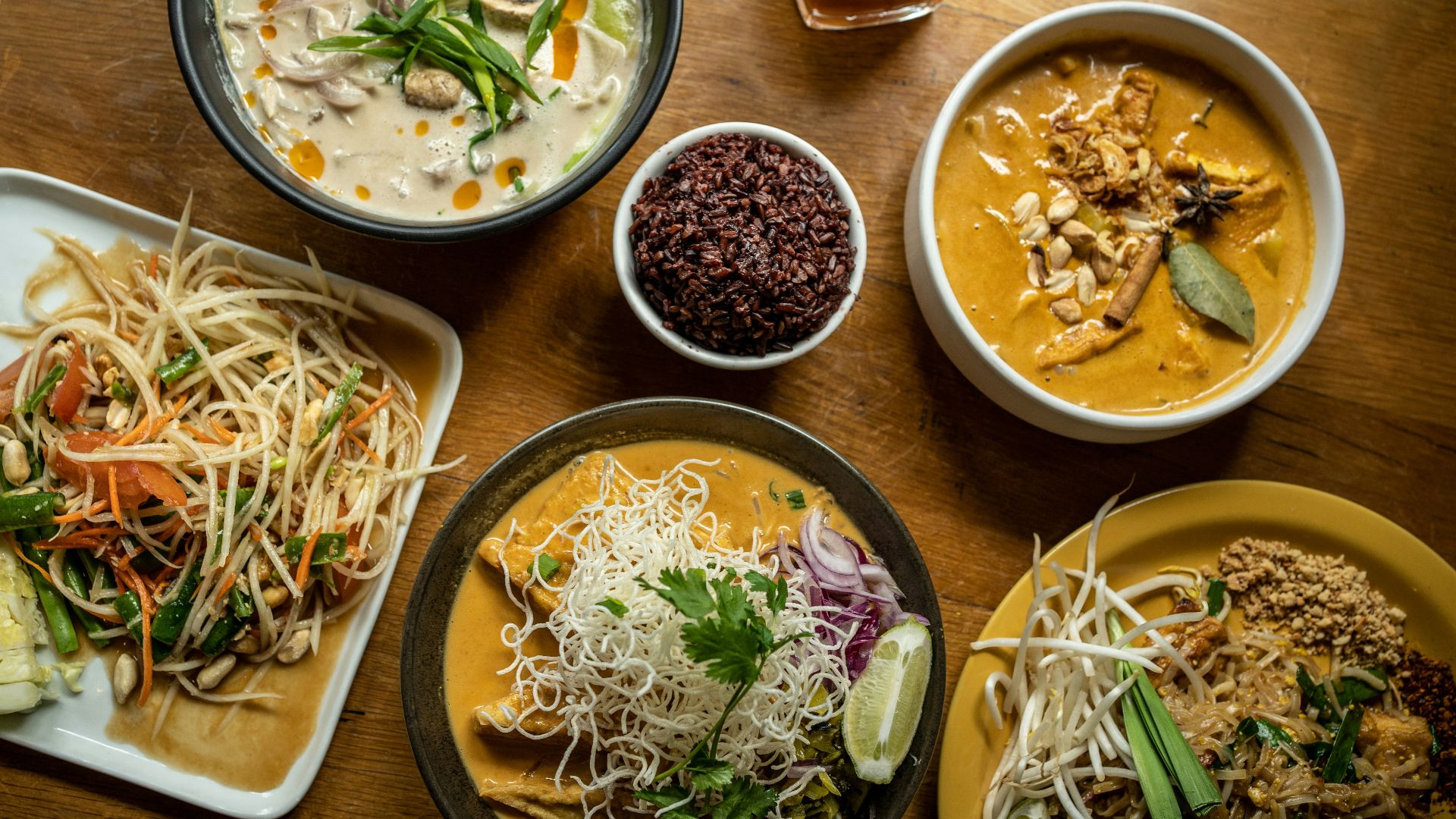
Traditional Thai cuisine often boasts lean protein, vegetables, spices, and fresh herbs, making it a great choice for those who want to adopt a healthier way of eating. Along with flavoring dishes with turmeric, coriander, ginger, lemongrass, and chili peppers, which have anti-inflammatory properties, ingredients like garlic and onions may also prevent or slow the growth of cancer cells.
KEEP ON READING
You’re Storing Tomatoes Wrong in This Heat
You’re Storing Potatoes Wrong in This Heat
You’re Storing Peppers Wrong in This Heat
You’re Storing Carrots Wrong in This Heat