The Legend Behind Panettone, The World's Most Beloved Holiday Bread
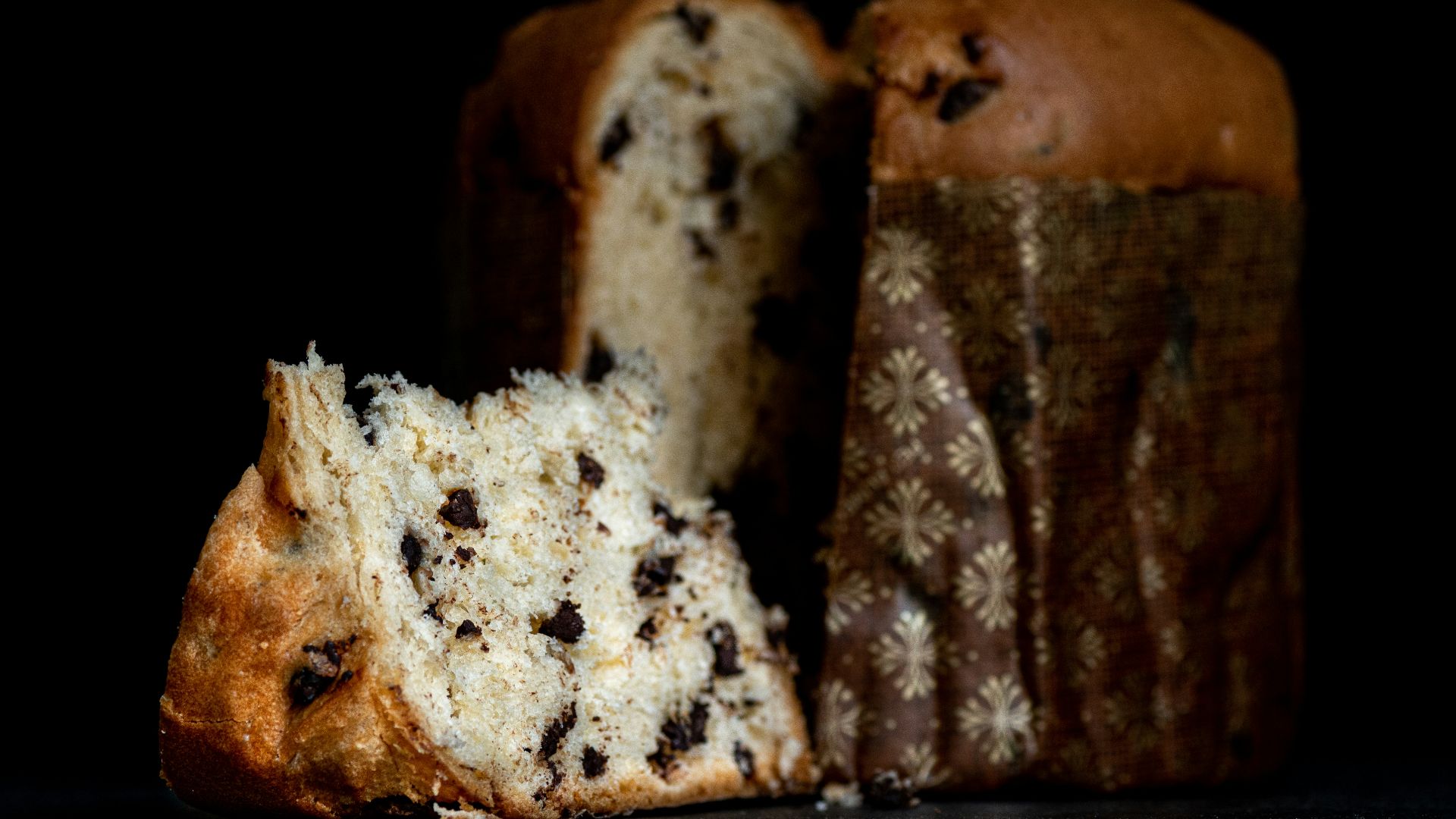
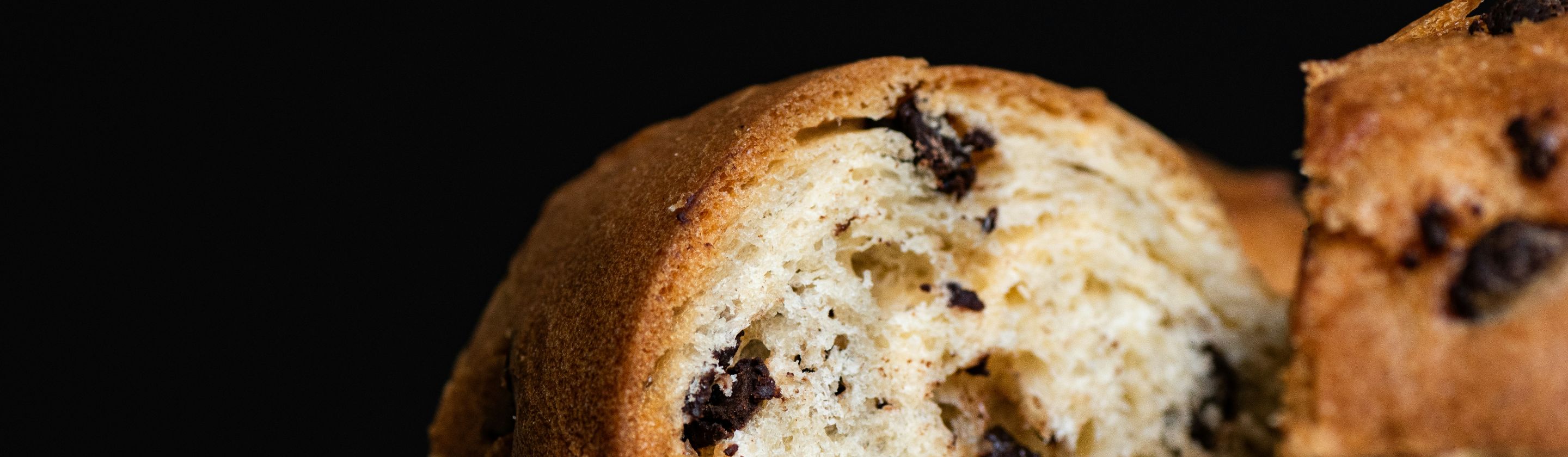
Panettone, the iconic Christmas bread: golden, sweet, rich, and full of dried and candied fruits. It appears on Italian holiday tables, and increasingly American ones, too, every Christmas. You love it, but do you know the legend behind it? After all, a bread as complex as panettone, with such a long history behind it, needs a good origin story, or a handful of them to choose from.
The story of Ughetto degli Atellani
In 15th-century Milan, during the reign of the powerful Sforza family, Ughetto degli Atellani, a courtier serving Duke Ludovico il Moro, fell deeply in love with Adalgisa, the daughter of a poor baker by the name of Toni. Because he came from nobility, and she was of the working class, their love was forbidden. To be close to her, and so she didn't have to labor so hard in the bakery herself, Ughetto disguised himself as a commoner and offered to work for little money in her father’s bakery.
However, the bakery was struggling. To save it from bankruptcy and to impress his love, Ughetto used his access to better ingredients to experiment at night. He enriched the bread dough with butter, eggs, honey, sugar, raisins, and candied citrus: luxurious ingredients that were rarely used back then. The result was a soft, fragrant, rich loaf unlike anything the townspeople had tasted before.
It was an instant sensation. Customers lined up at the bakery, flourished, and the once-humble shop became famous throughout Milan. The special bread made Toni rich, essentially solving the class divide issue. Eventually, Ughetto revealed his true identity, won the duke’s blessing, and married Adalgisa.
The story of pan de Toni
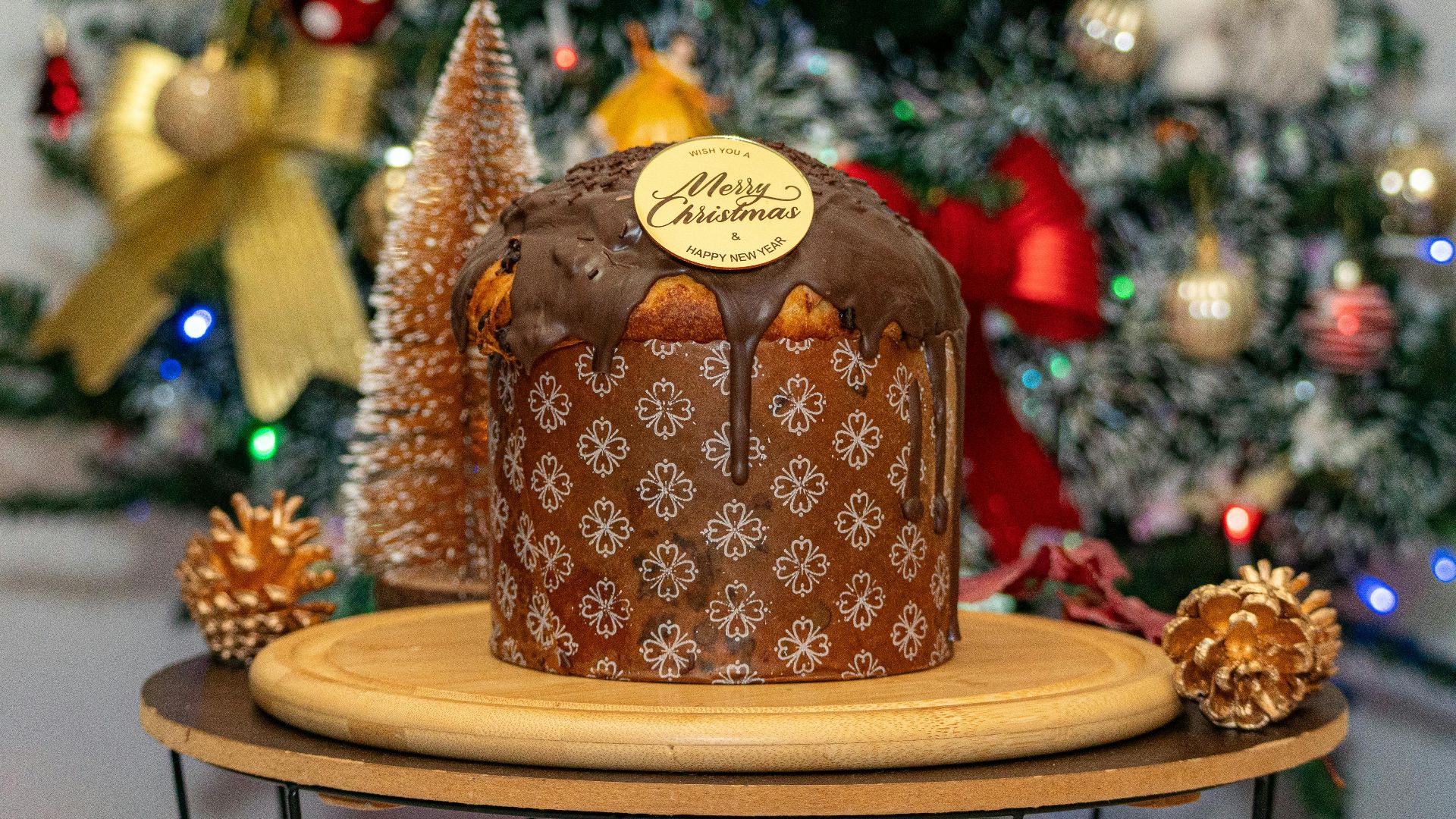
Any traditional food with such a rich history is bound to have more than one myth surrounding it. Besides, people found it too convenient that "ughett" translates to rasin in Milanese. A second, widely adopted origin story that's less romantic but just as enduring traces panettone to a Christmas accident in the court of the Duke of Milan in the 15th century. In this version, the head chef burns the dessert intended for a grand feast.
A humble kitchen hand, Toni, stepped up to save the day with his invention, a bread made with his own sourdough starter, mixed with eggs, butter, honey, sugar, raisins, and candied peel. The result impressed the court, and the bread became known as pan de Toni—“Toni’s bread.” Over time, the name evolved into panettone.
The story of Ughetta, the baking nun
Another lesser-known tale centers around Ughetta, a young nun living in a poor Milanese convent who is tasked with cooking Christmas dinner for her fellow sisters. However, the monastery had been struggling, so the pantry was almost empty. Using whatever she could find in the kitchen, she created a sweet focaccia and blessed the dough by placing a cross on the top.
Miraculously, the bread rose higher and lighter than any loaf before it, filling the convent with a sweet, buttery aroma. Lured by the tantalizing smell, townpeople flowed back to the monastery and were welcomed with a piece of the delicious bread. The divine bread saved the monastery, and Milan had a new special Christmas tradition.
So, which story is true? The choice is yours. No matter which you prefer, let the panettone on your Christmas table represent celebration, Milanese resourcefulness, and tradition.
KEEP ON READING
10 Best Things To Eat At Buc-ee's & The 10 Worst

20 Better Snacks To Eat Than A Protein Bar