How To Pick a Steak You’ll Actually Be Happy You Bought
Buying steak at the grocery store can feel a little more intimidating than it probably should. There are different cuts, grades, price points, and just enough packaging to make everything look more confusing than necessary. If you know what to look for, though, it gets much easier to spot the steaks worth bringing home. Here are 20 tips for choosing the best steaks at the grocery store.
1. Start by Knowing What Cut You Want
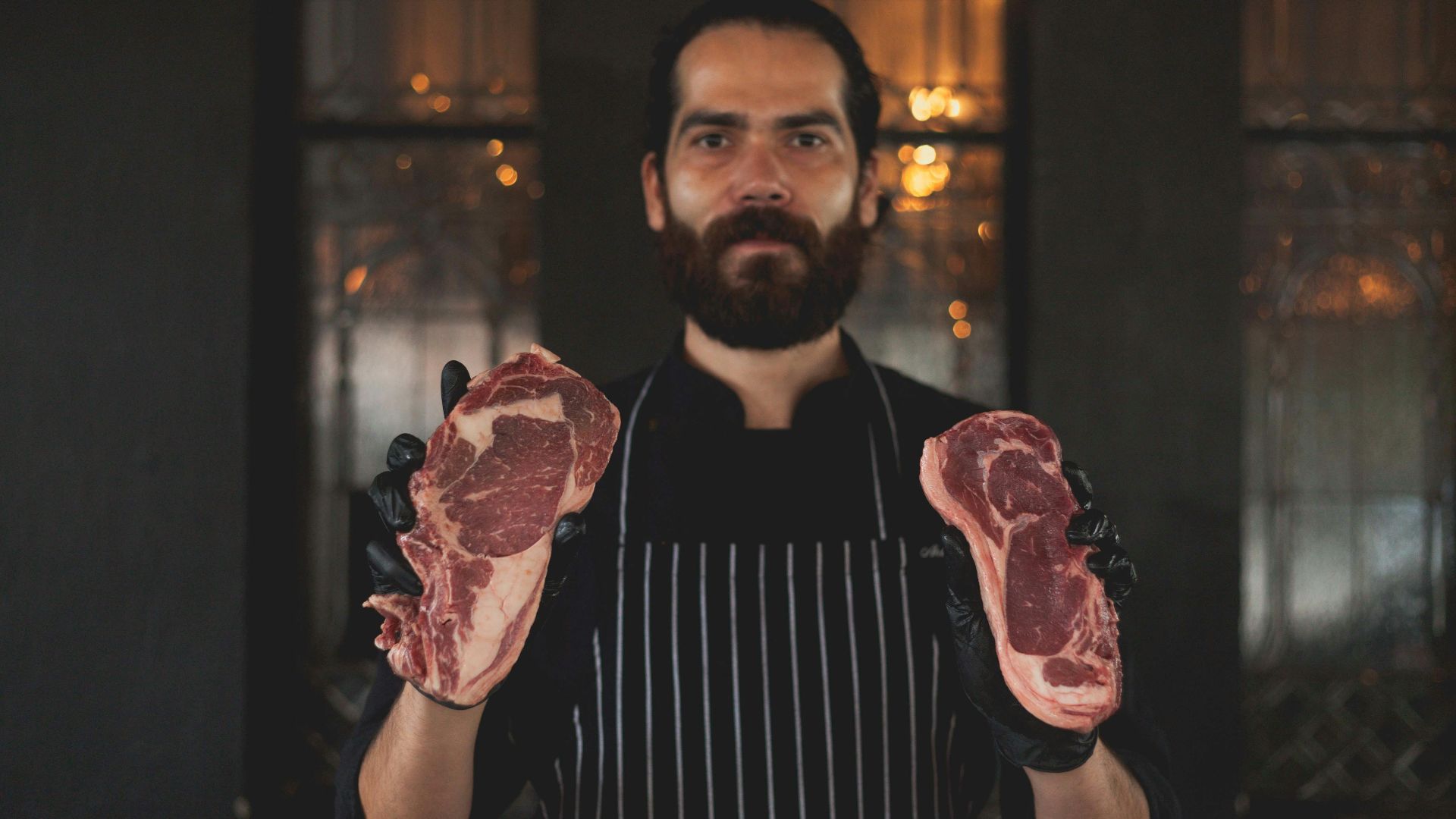
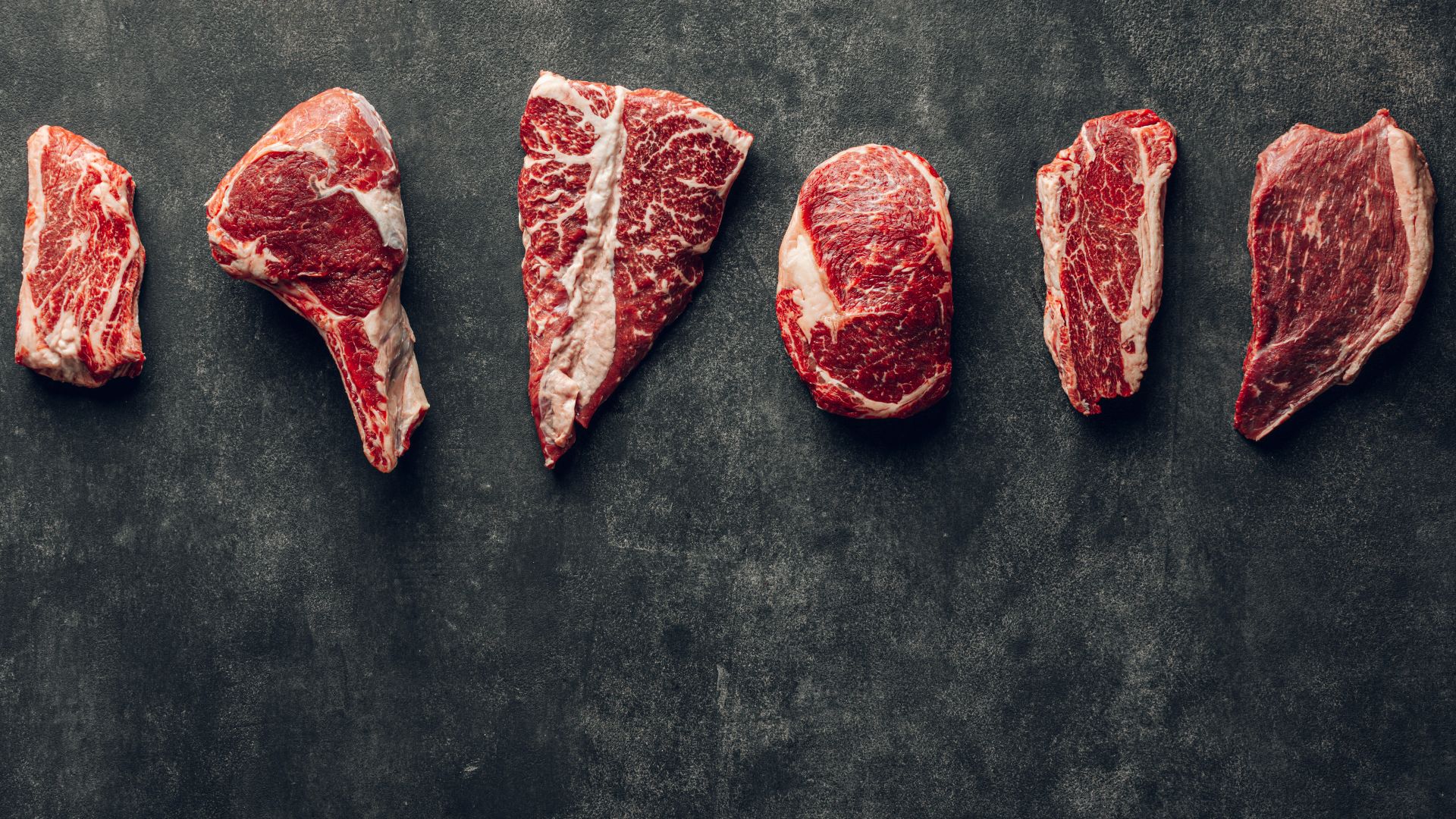
Not every steak is trying to do the same job, so it helps to decide that before you even look at the package. Ribeye is rich and fatty, sirloin is leaner and often more affordable, and strip steak lands somewhere in the middle. If you walk in without a plan, you're much more likely to grab something expensive that's wrong for the meal you had in mind.
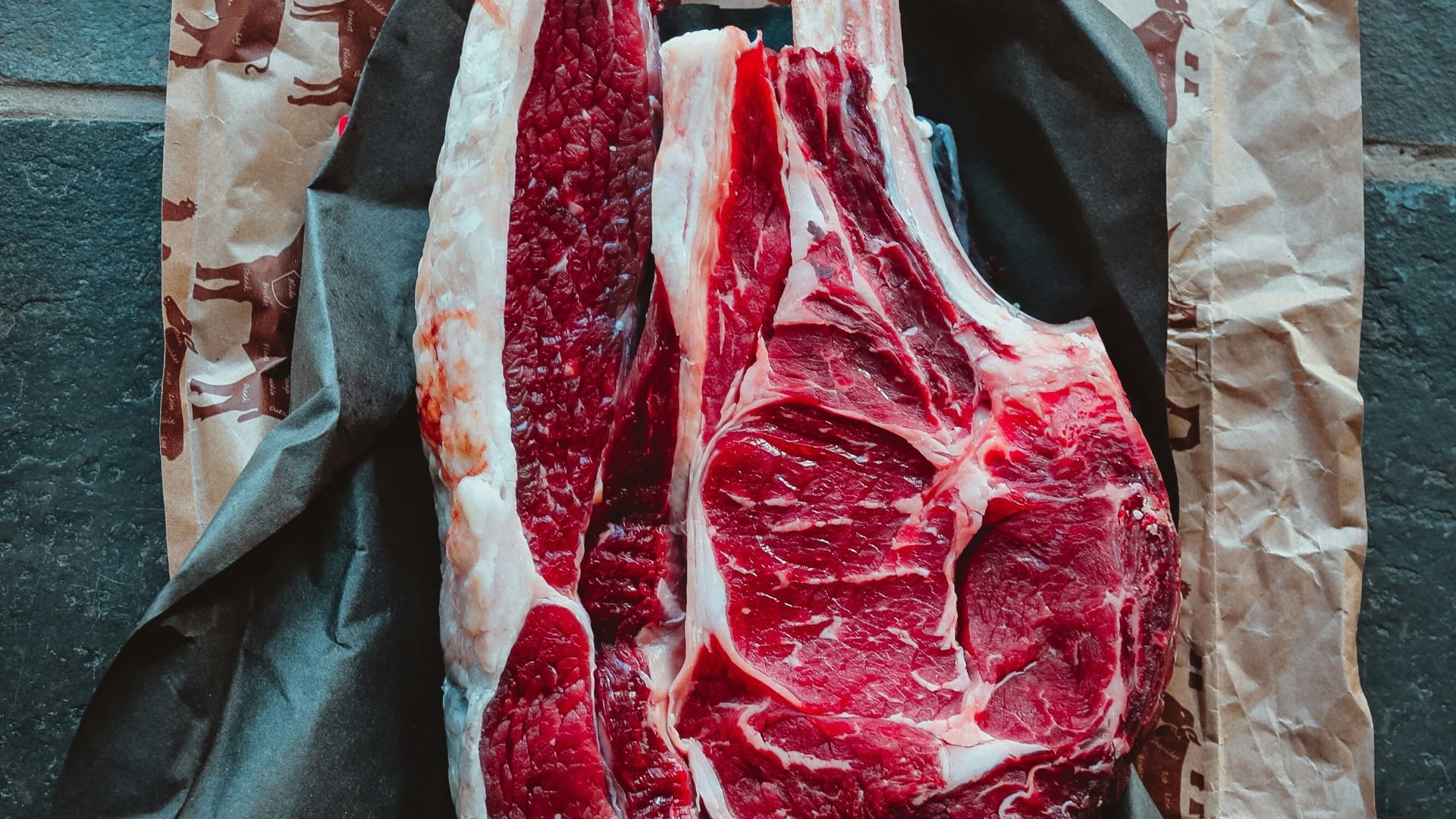
2. Look For Good Marbling
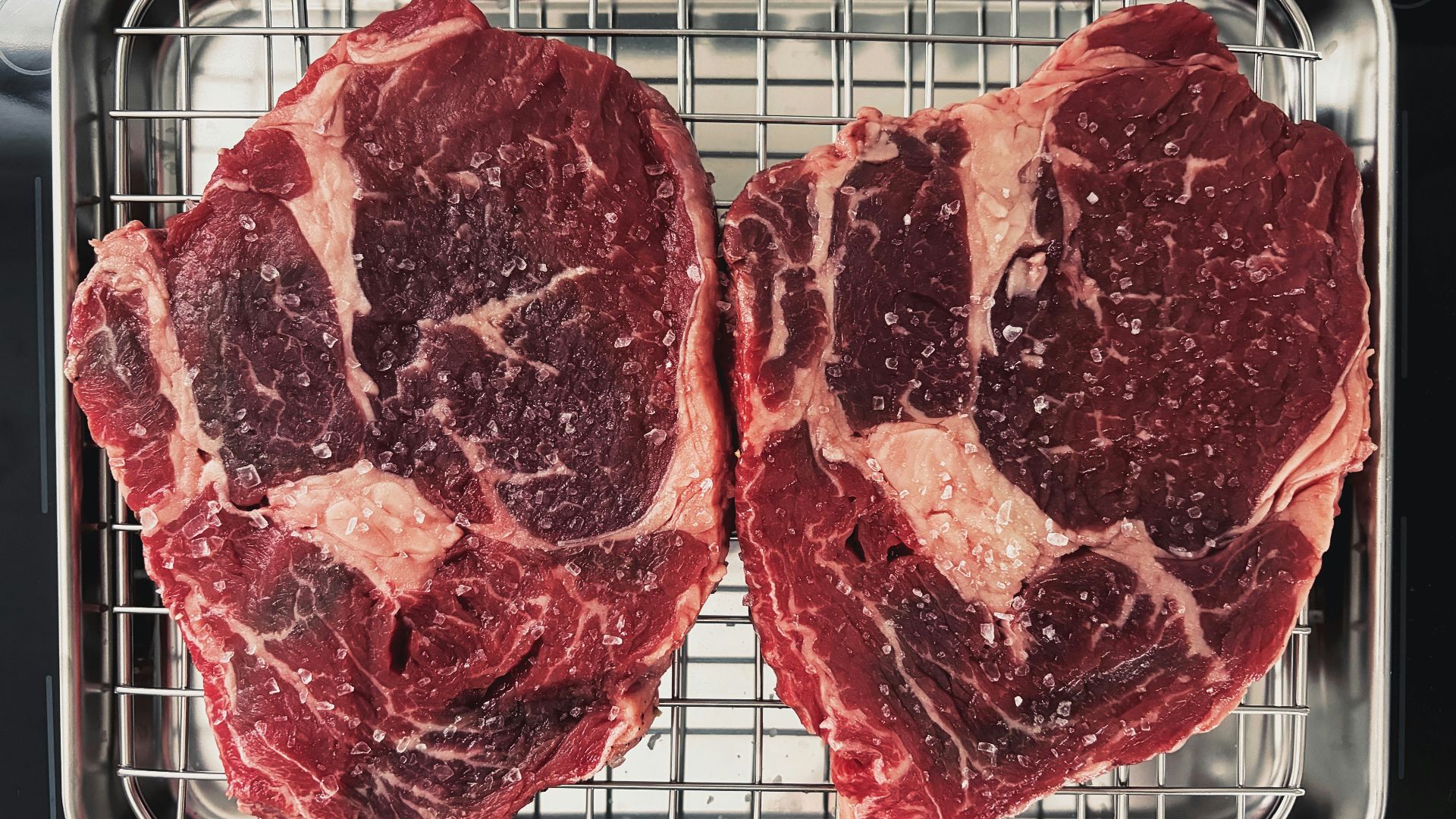
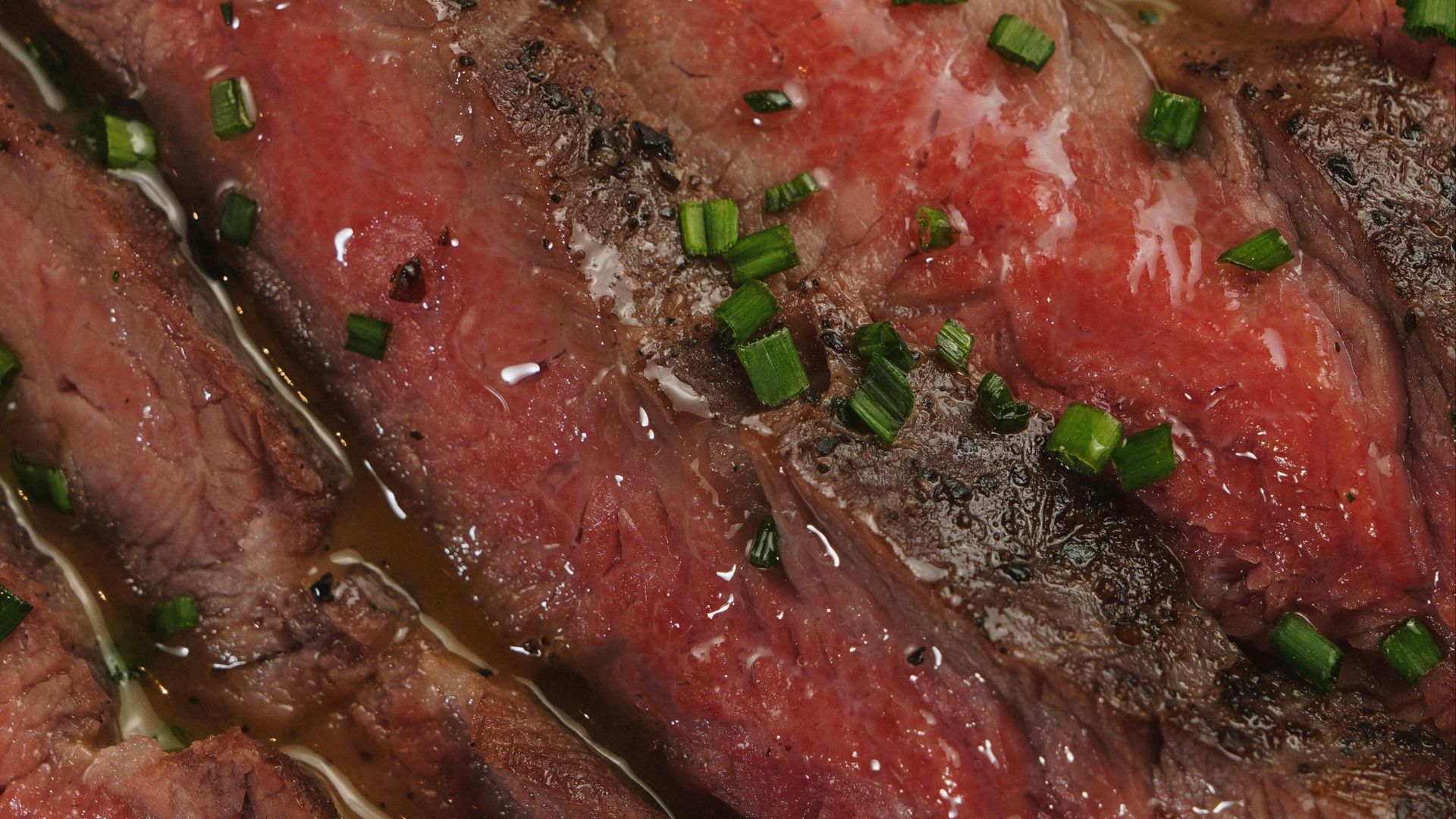
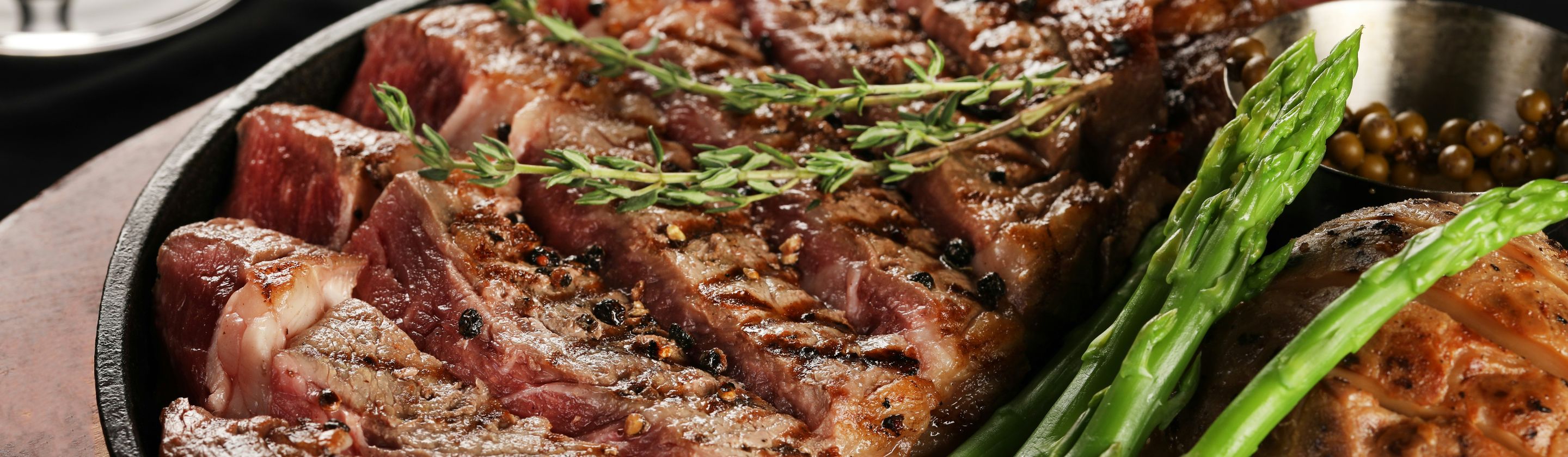
Marbling is the little white streaking of fat running through the meat, and it matters a lot for flavor and tenderness. You don't want huge random chunks of fat, but you do want nice, even marbling throughout the steak. That intramuscular fat helps keep the meat juicy as it cooks, which is a big part of why some steaks taste dramatically better than others.
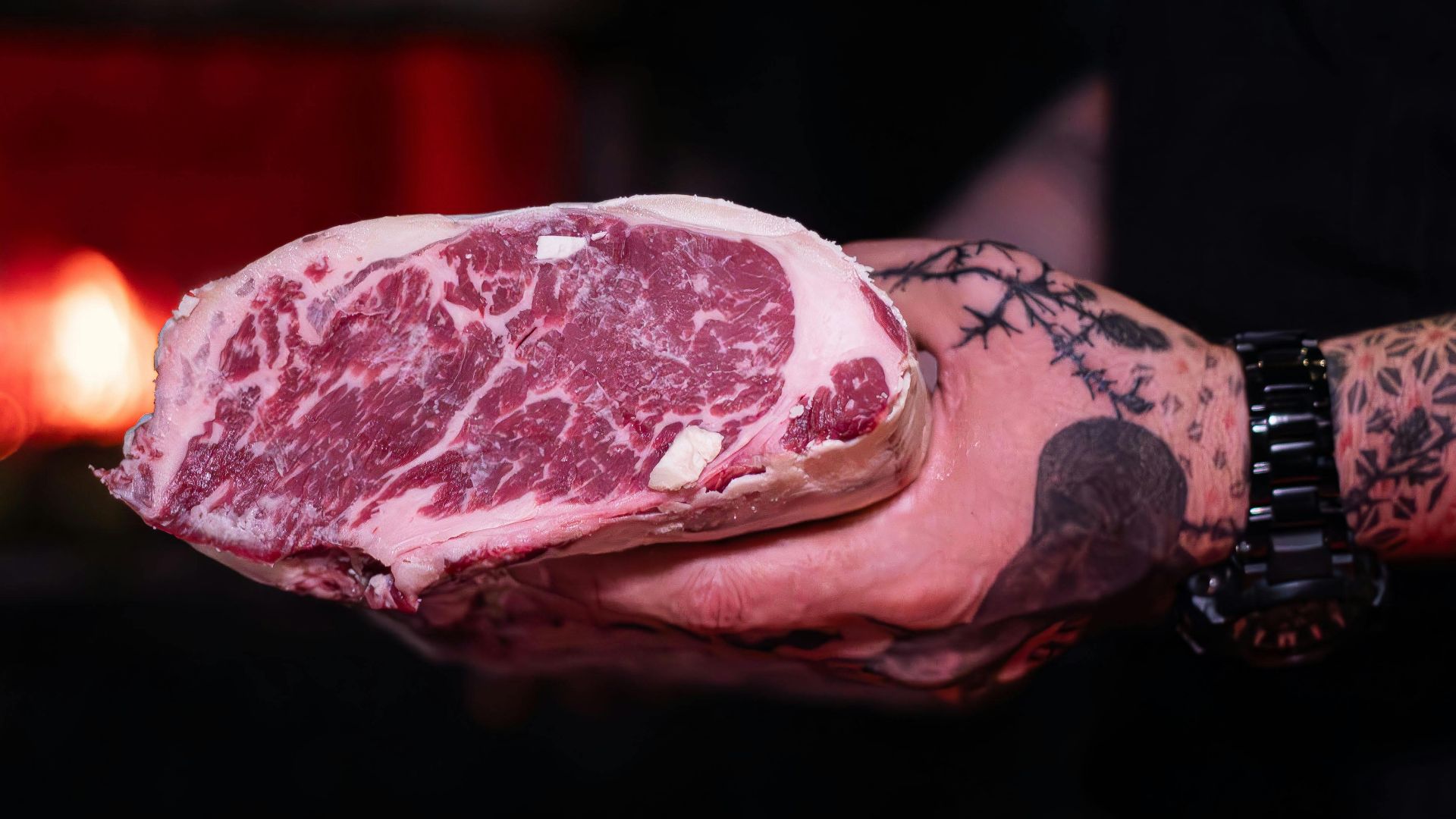
3. Don't Confuse Thick Fat Caps With Quality
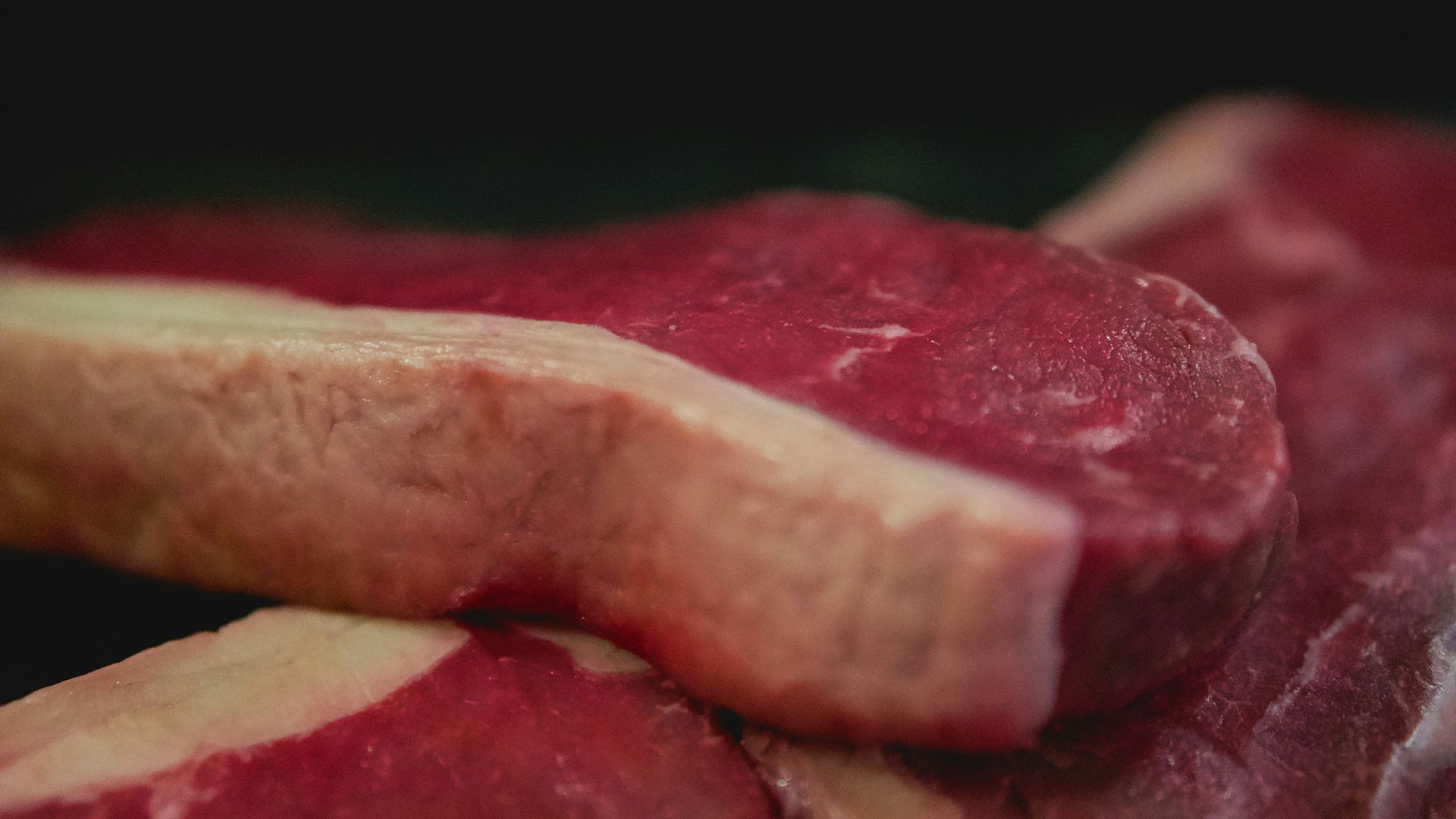
A thick ribbon of fat around the outside of a steak can look impressive, but it's not the same thing as internal marbling. Outer fat may add some flavor during cooking, but you're also paying for a section many people trim off or leave on the plate.
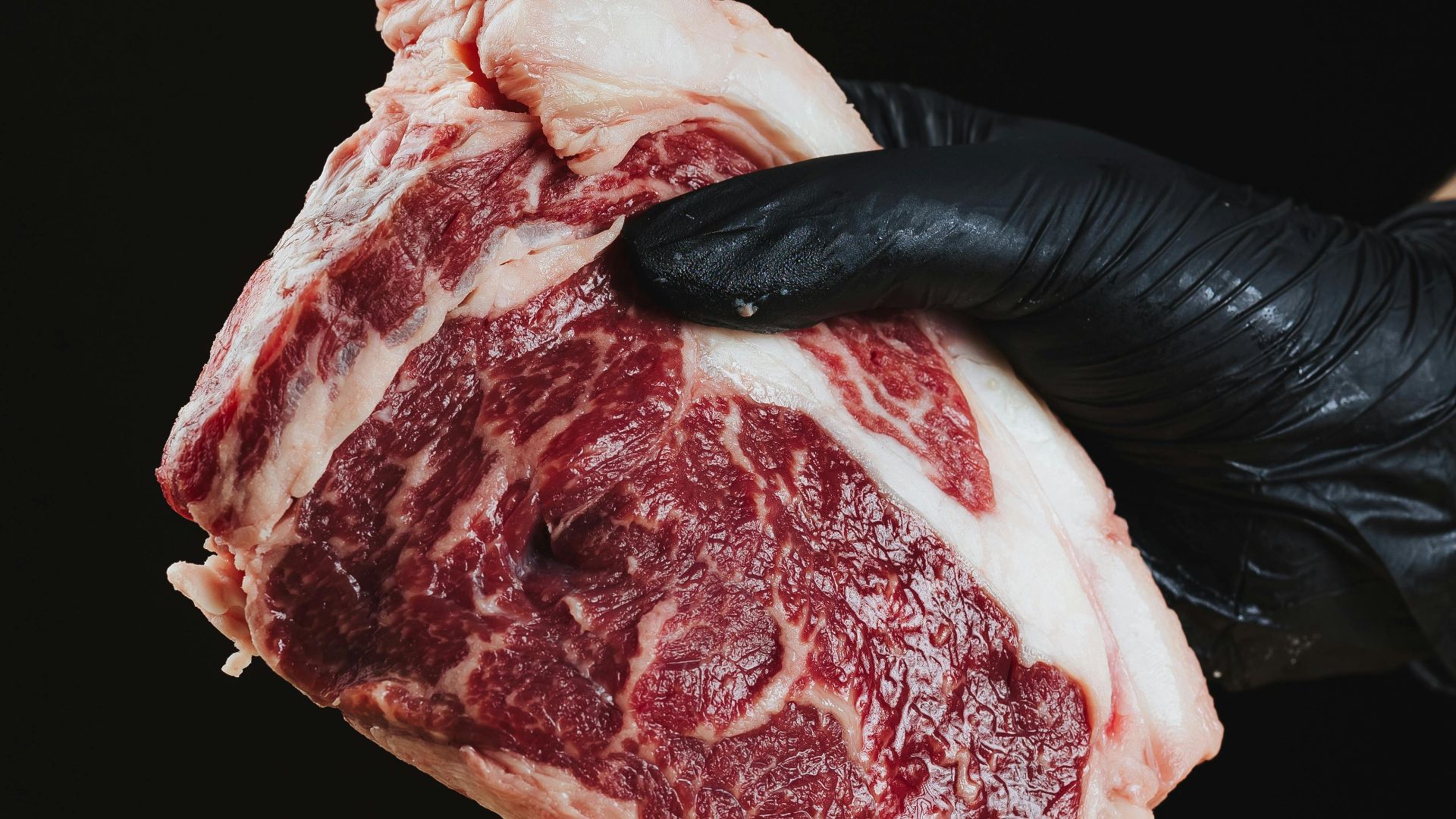
4. Check the Color Carefully
When choosing steak, color matters a lot. Fresh ones should usually look bright red to deep reddish, depending on the cut and packaging method. You don't need to panic over every slight variation, but dull brown or gray patches can be a sign that the meat is older or has been exposed to too much air.
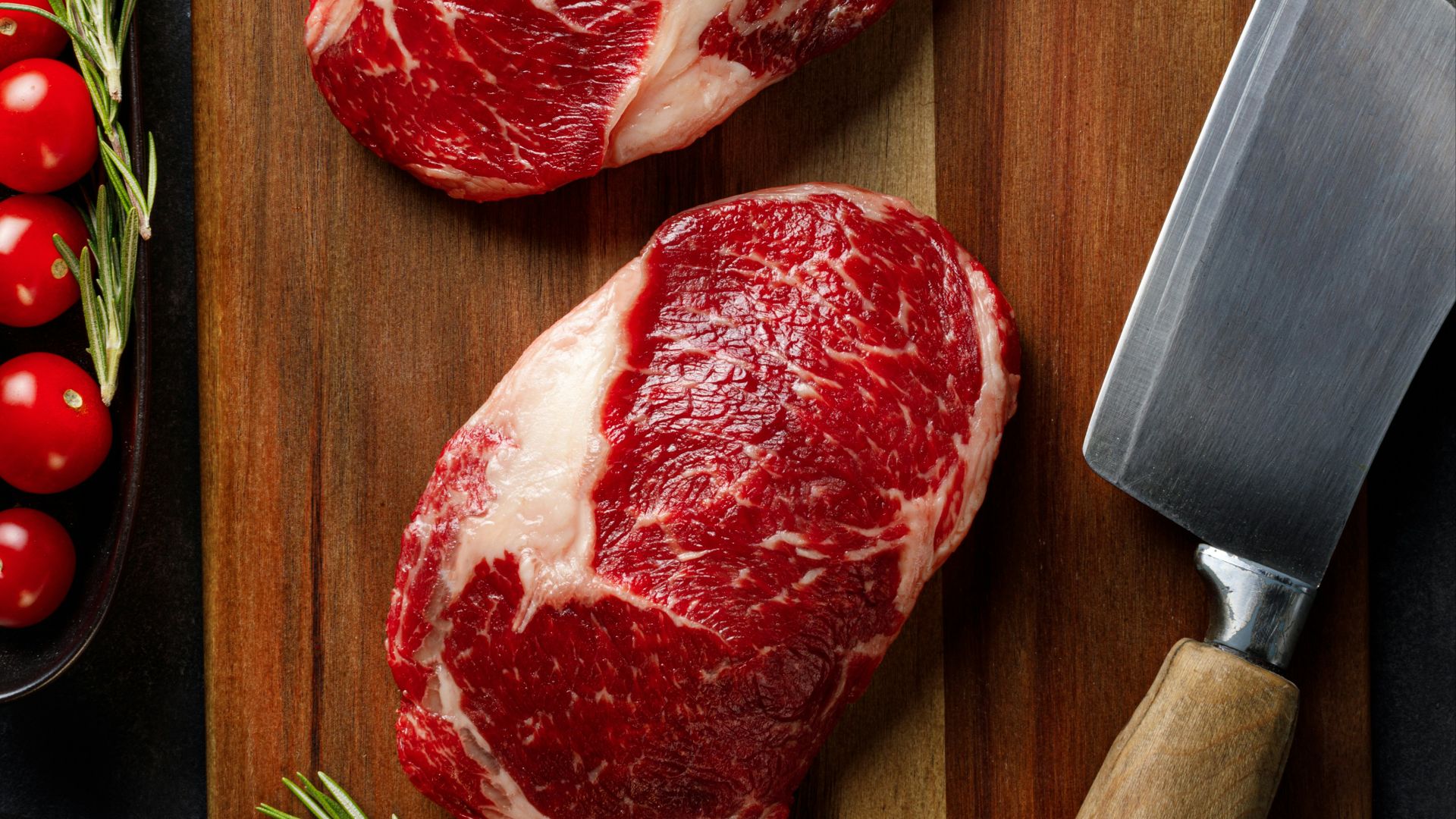
5. Pay Attention to Thickness
A thicker steak is usually easier to cook well than a very thin one, especially if you want a good sear without overcooking the center. Thin steaks can go from underdone to dry in what feels like half a second. If you're choosing between two similar cuts, the thicker one often gives you more control in the pan or on the grill.
 Rickie-Tom Schünemann on Unsplash
6. Choose Steaks With an Even Shape
A steak that's wildly uneven in thickness can be frustrating to cook because one side may overcook before the other is ready. You want something fairly consistent from end to end so the whole cut cooks more predictably.
7. Pay Attention to the Grade
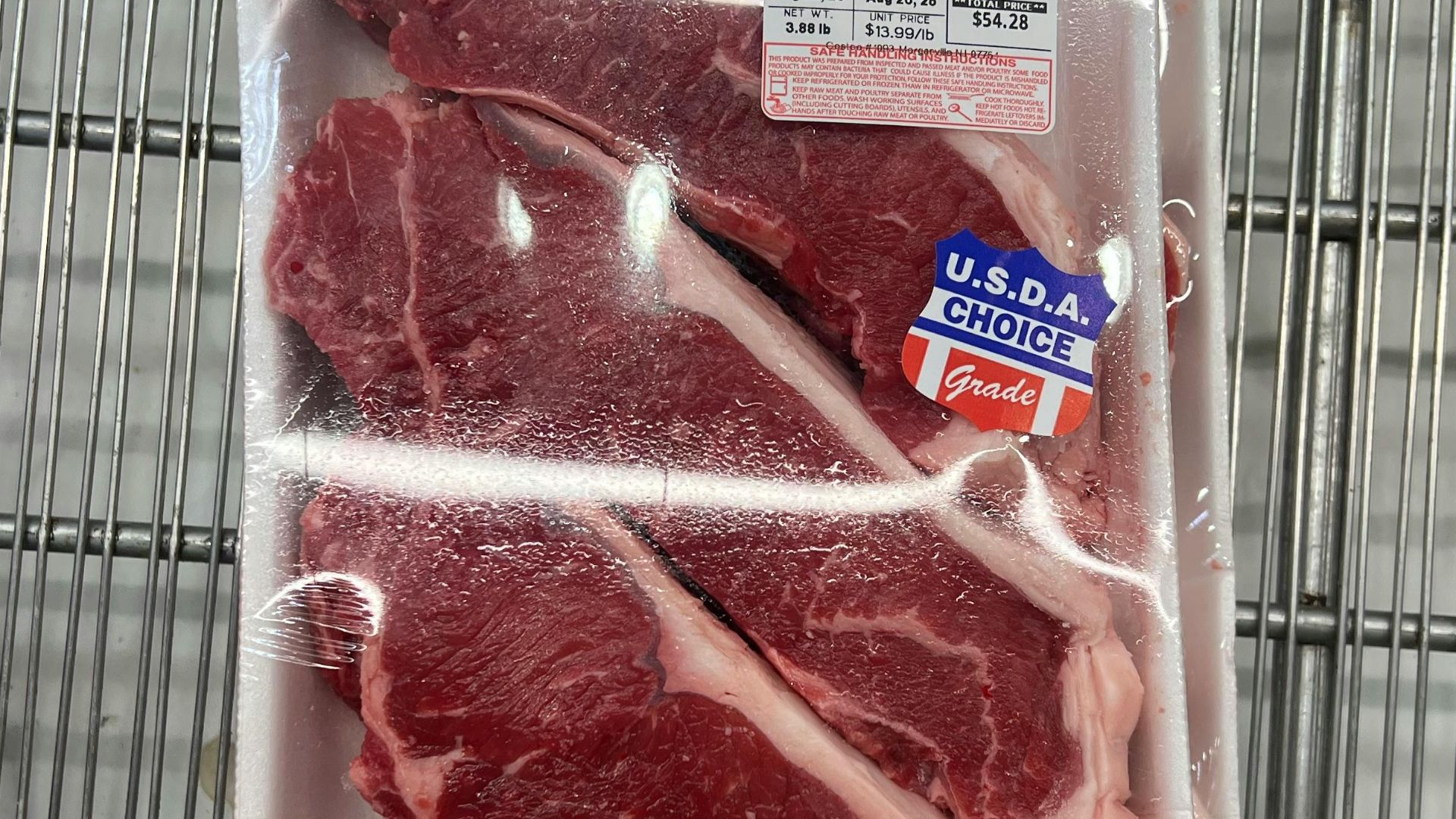
If the package says USDA Prime, Choice, or Select, that gives you a quick clue about what kind of eating experience you're likely getting. Prime usually has the most marbling and tends to be richer, while Choice is often a strong middle ground for quality and price. Select can still be fine, but it's usually leaner and less forgiving.
8. Don't Assume the Most Expensive Steak Is Automatically the Best
It's easy to just reach for the most expensive thing when you don't know that much about steak and are feeling overwhelmed. However, sometimes certain cuts cost more because they're famous, not because they're always the right buy for you. A pricey filet may be very tender, but a ribeye or strip might deliver more flavor depending on what you like.
9. Check the Sell-By Date, but Also Use Your Eyes
Dates matter, but they aren't the only thing you should be trusting. A steak can technically still be within date and still look less appealing than the package next to it. If one looks fresher, brighter, and better marbled, that's worth noticing.
10. Be Careful With Too Much Liquid in the Package
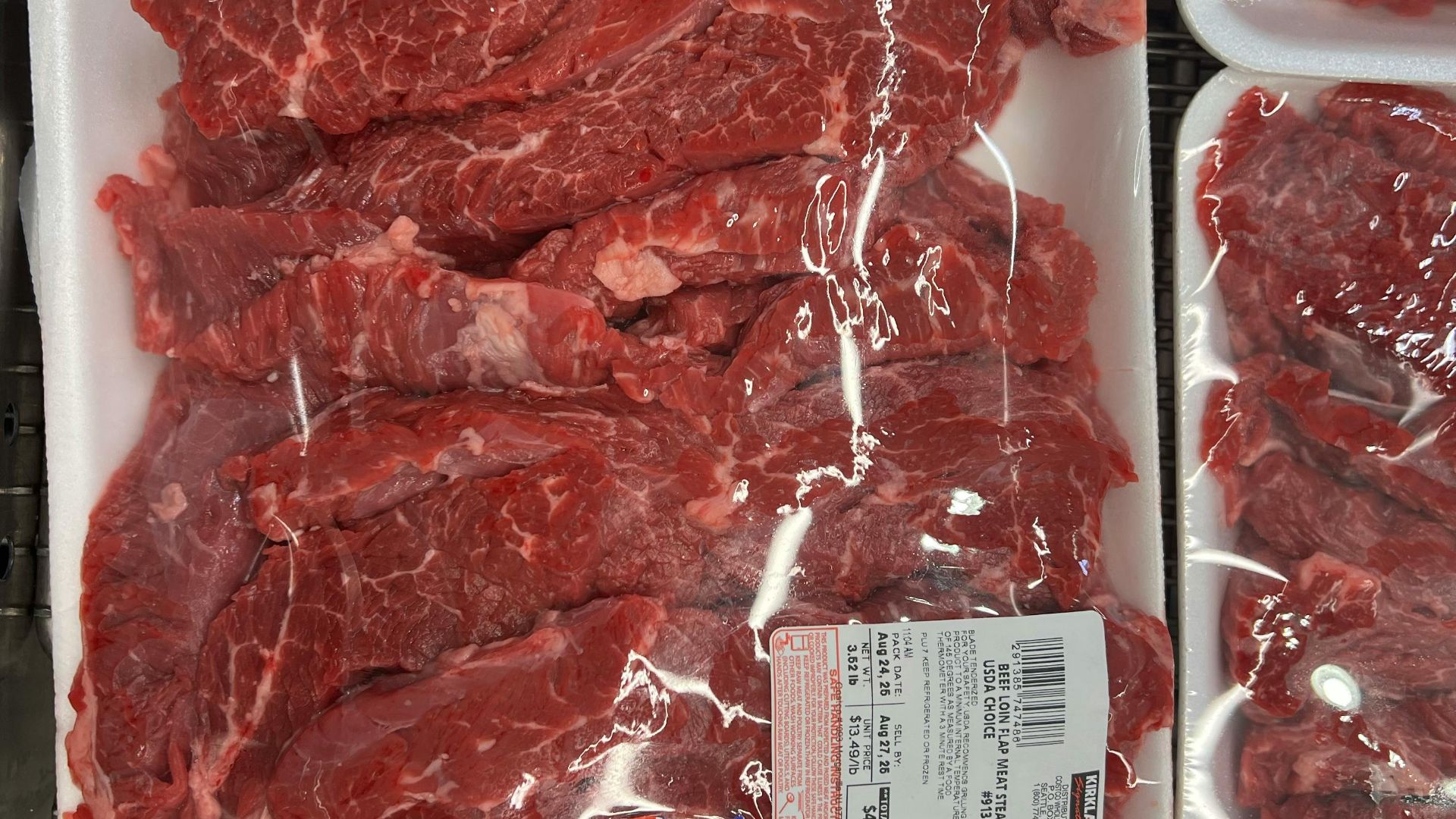
A little moisture in the tray is normal, but a lot of pooled liquid can be less encouraging. Excess liquid may suggest the steak has been sitting around longer or has lost more of its natural juices. That can leave you with meat that feels less fresh and may not brown as well when cooked.
11. Learn the Difference Between Tenderness & Flavor
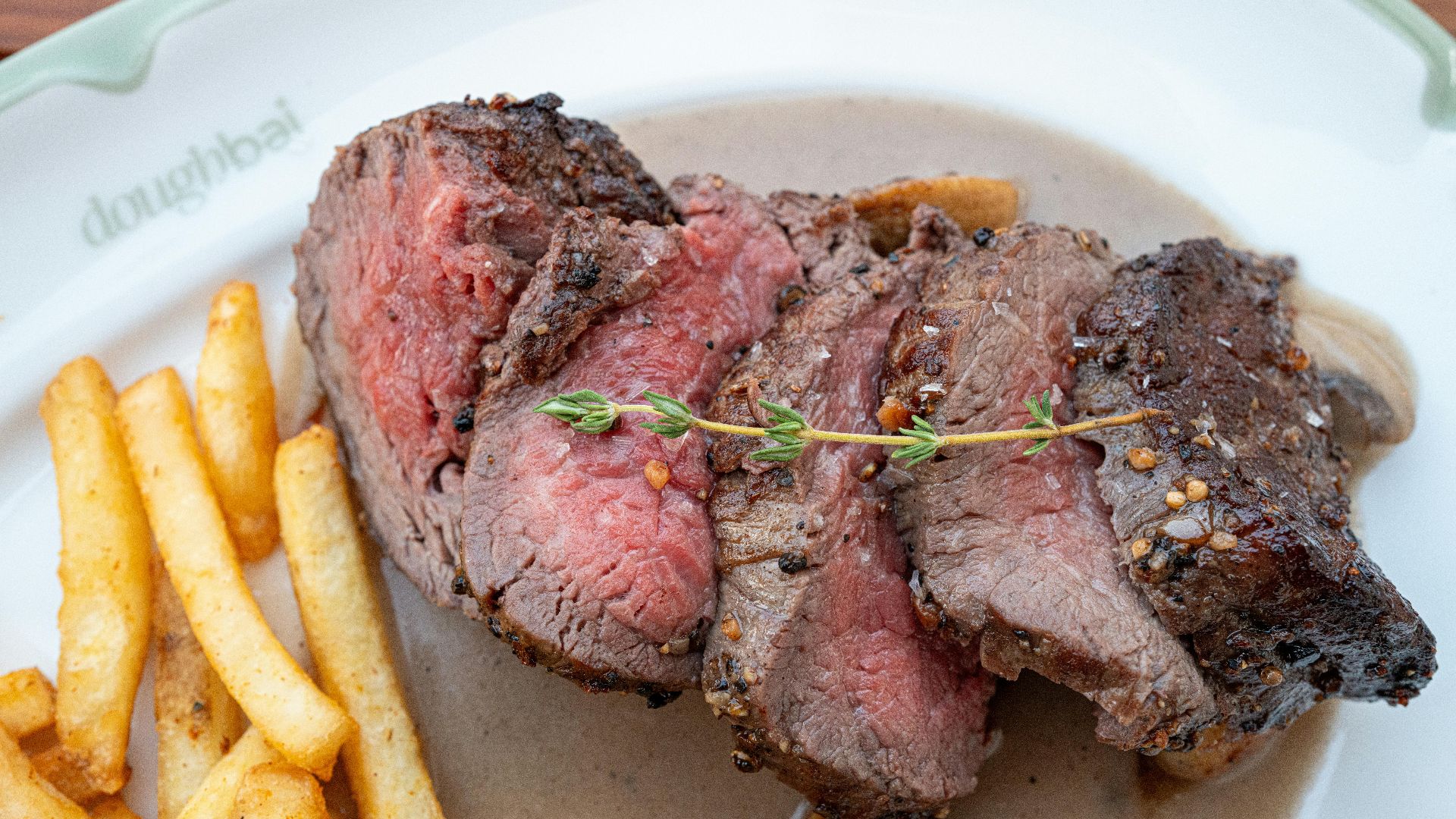
Some cuts are prized because they're tender, while others are loved because they have a beefier, richer taste. Filet mignon is famously soft, but plenty of people find ribeye or strip steak more satisfying because of the stronger flavor. If you only chase tenderness, you may end up with something you respect more than enjoy.
12. Look for Fine, Even Grain in Leaner Cuts
If you're buying a leaner steak like sirloin or flank, take a moment to look at the texture of the meat itself. A finer, tighter grain can be a good sign that the steak will eat a little better than a coarser-looking piece. This isn't the only factor that matters, but it does help when comparing similar packages.
13. Buy Based on How You Plan to Cook It
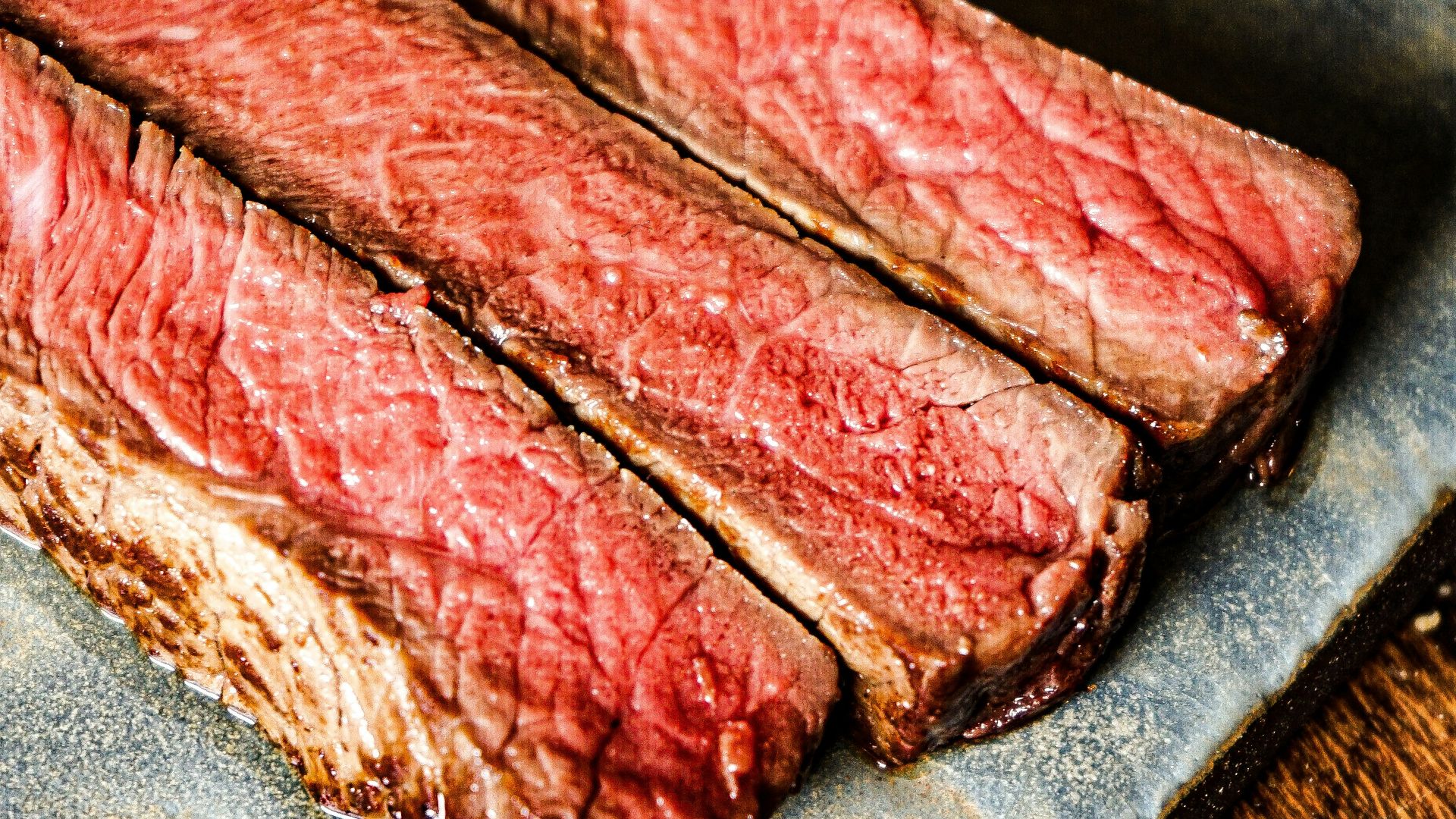
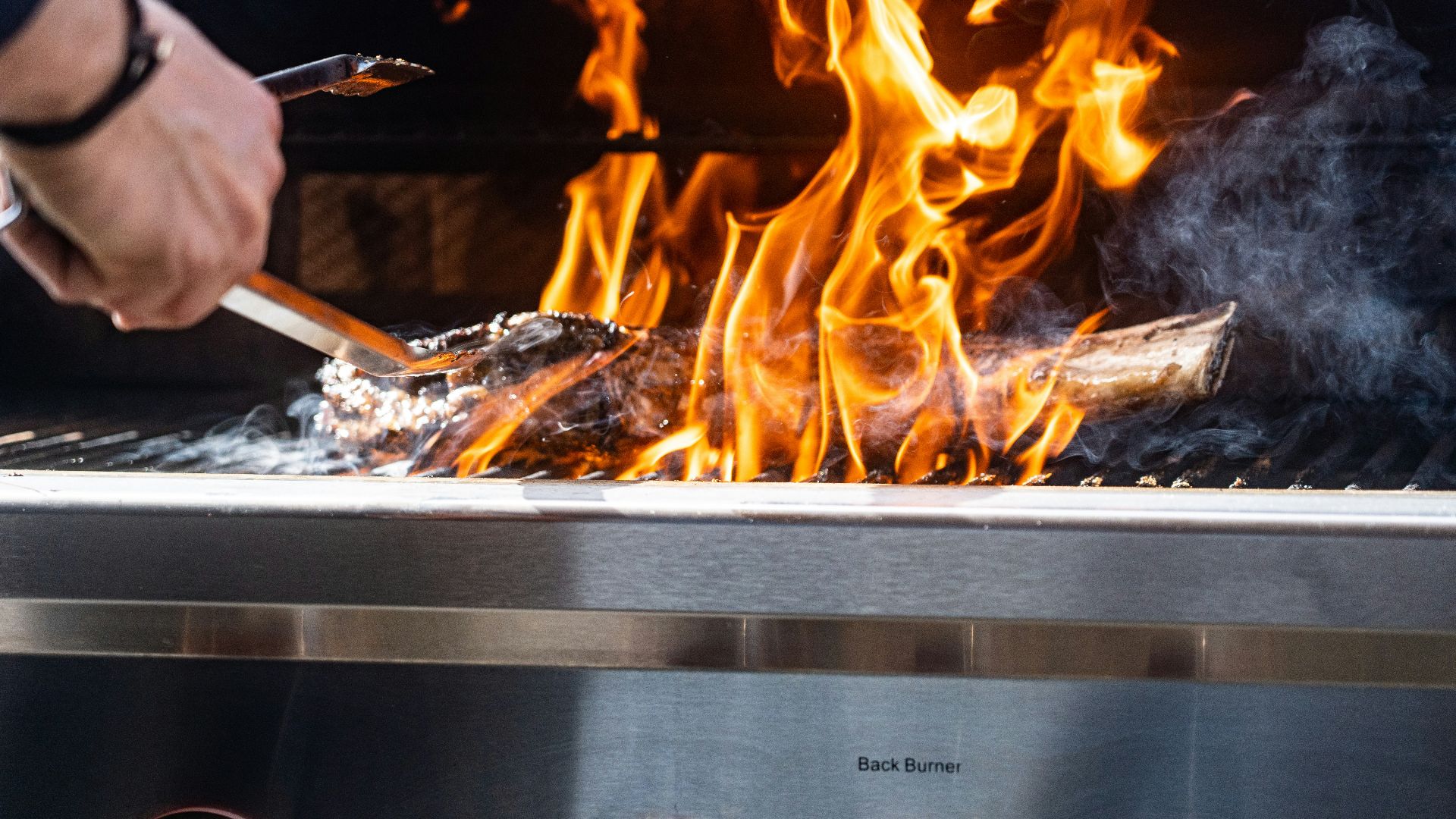
A steak that's great for grilling isn't always the one you want for a quick cast-iron dinner. Thick ribeyes and strips handle high heat beautifully, while thinner cuts may be better for slicing or fast cooking.
 Hybrid Storytellers on Unsplash
14. Bone-In Isn't Always Better
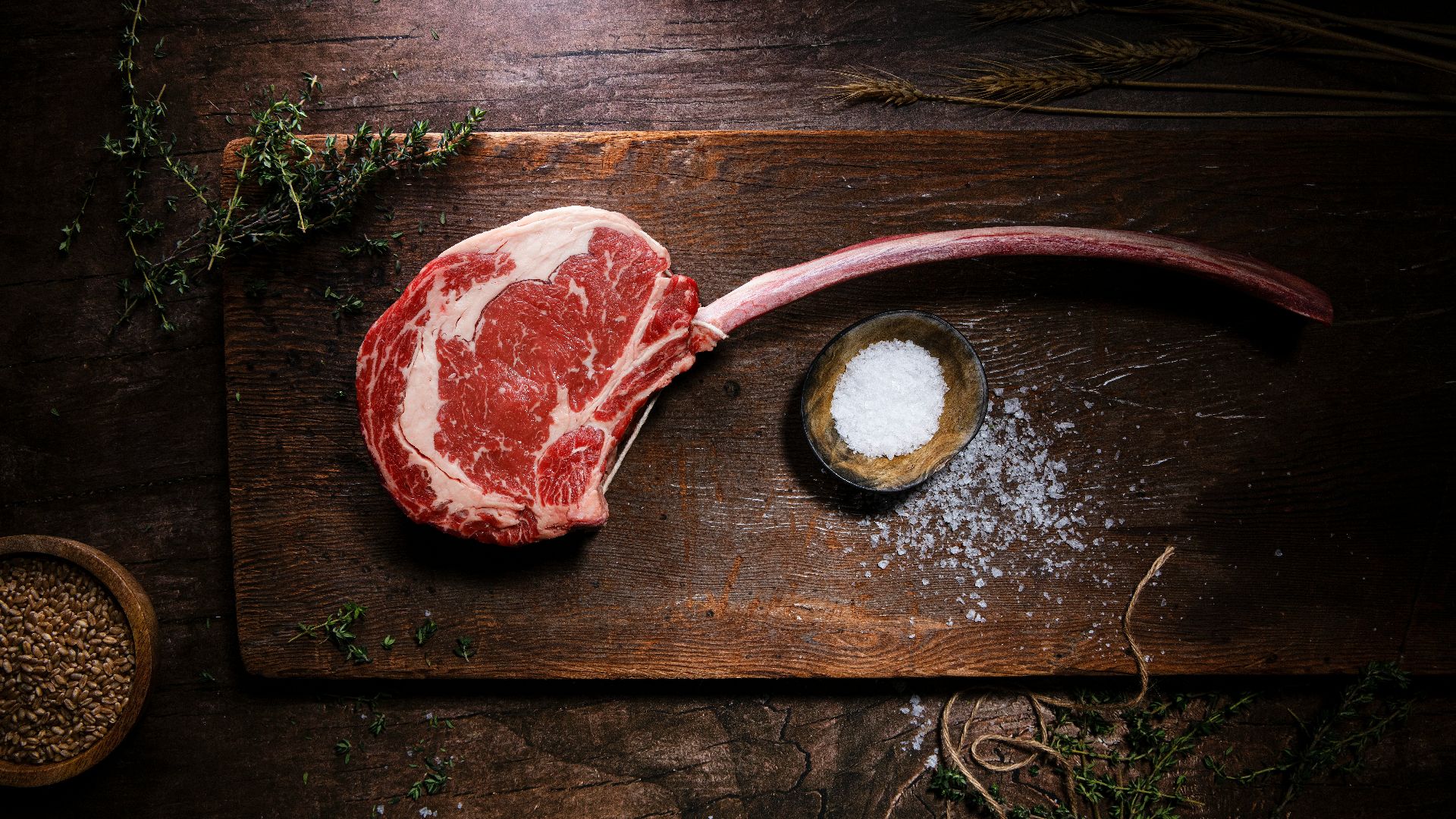
Bone-in steaks can look impressive and may offer some extra flavor or insulation during cooking, but they're not automatically the superior option in every situation. You're also paying for bone weight, and some people simply prefer the ease of a boneless cut.
15. Don't Overlook Store-Cut Strip Steaks
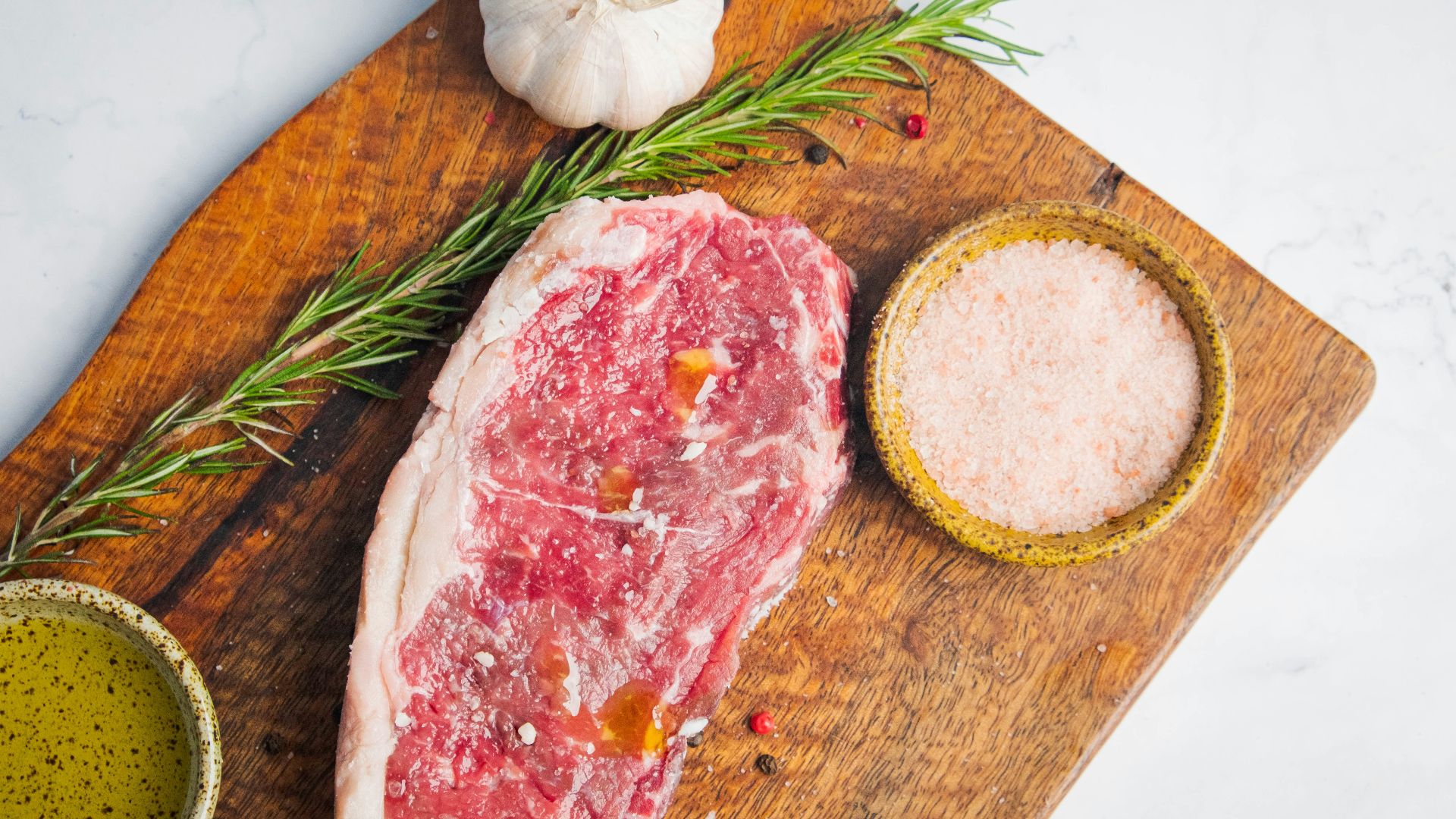
People often get distracted by ribeyes and filets, but a good strip steak can be one of the best buys in the case. It usually offers a strong balance of tenderness, flavor, and manageable fat without becoming too fussy.
16. Ask the Butcher
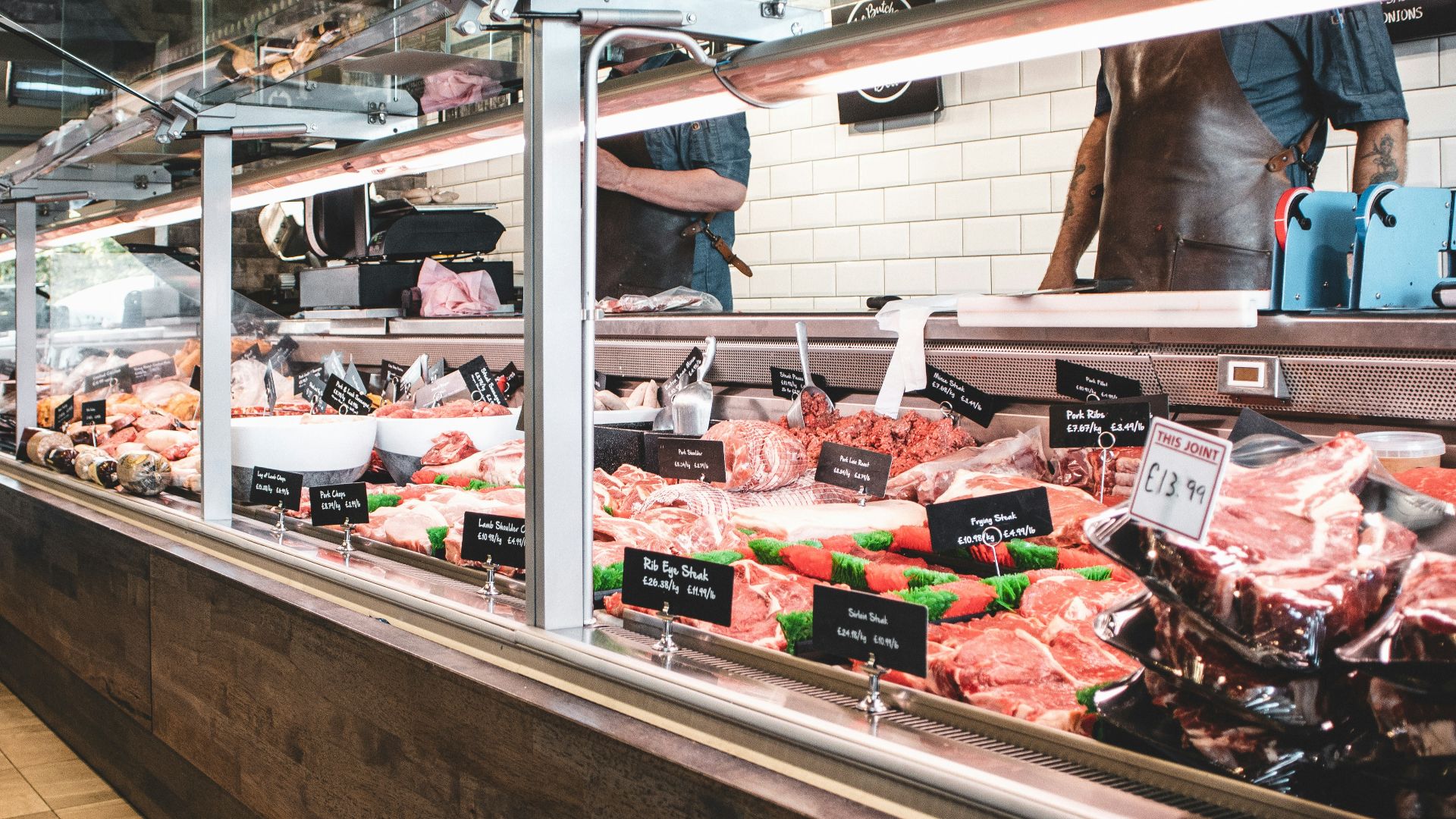
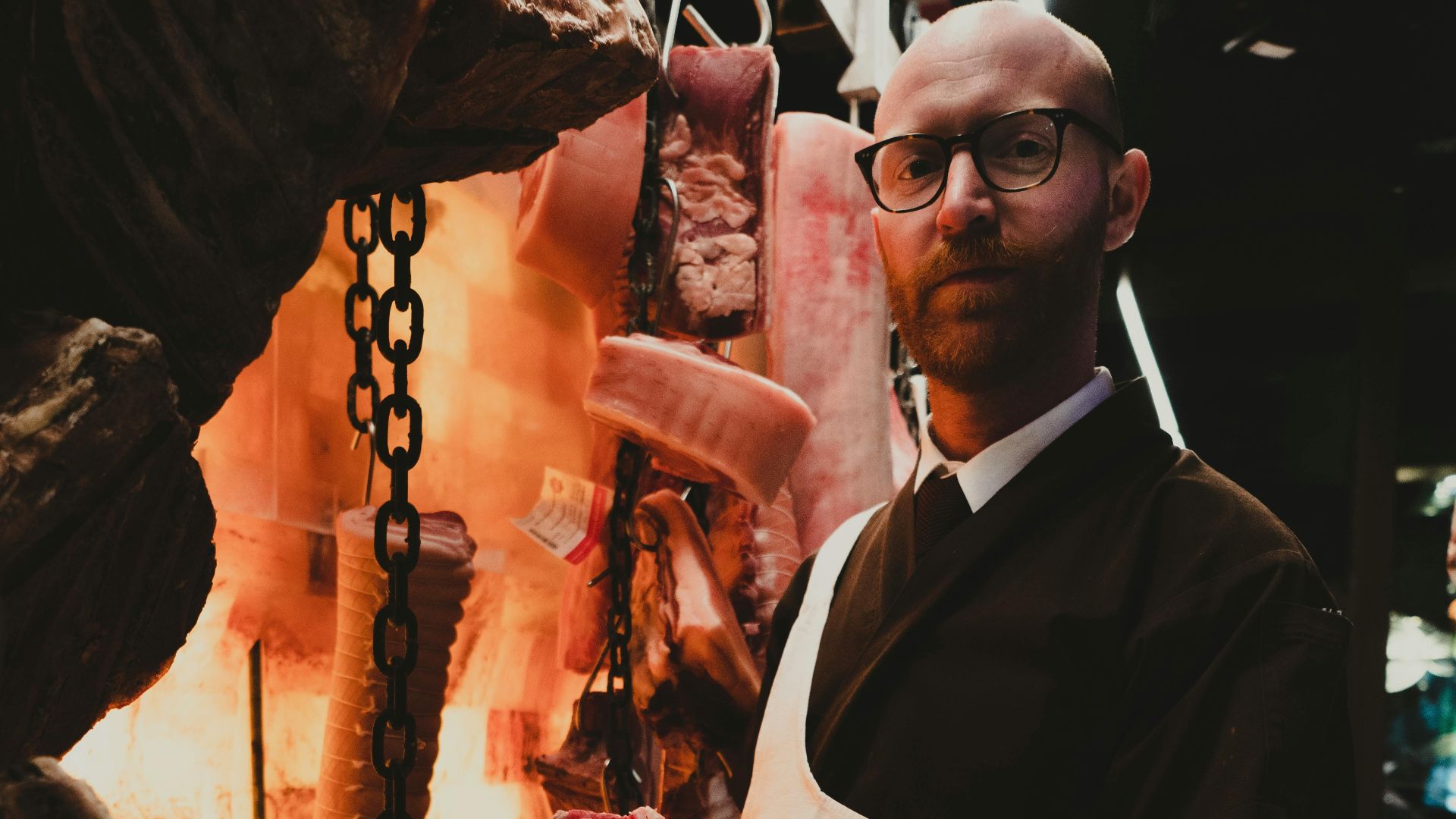
You don't have to stand there pretending you know exactly what every cut is doing. A good butcher or meat counter worker can often steer you toward the freshest option or explain which steak is best for your budget and cooking plan. A quick question can save you from spending twenty dollars on the wrong lesson.
17. Watch Out for Steaks Cut Too Thin for Their Type
Some cuts really need a certain thickness to shine. A paper-thin ribeye, for example, may sound appealing until you realize it will overcook long before you get the kind of crust and juicy center that make ribeye worth buying. If the steak looks too thin to deliver what the cut is supposed to offer, it is probably not the best version of it. A bad cut thickness can ruin a good idea.
18. Buy Better, Not More
If you're torn between quantity and quality, it can be worth stepping back for a second. One really good steak cooked well can be more satisfying than multiple cheaper ones that disappoint you.
19. Trust the Steak That Looks Naturally Good
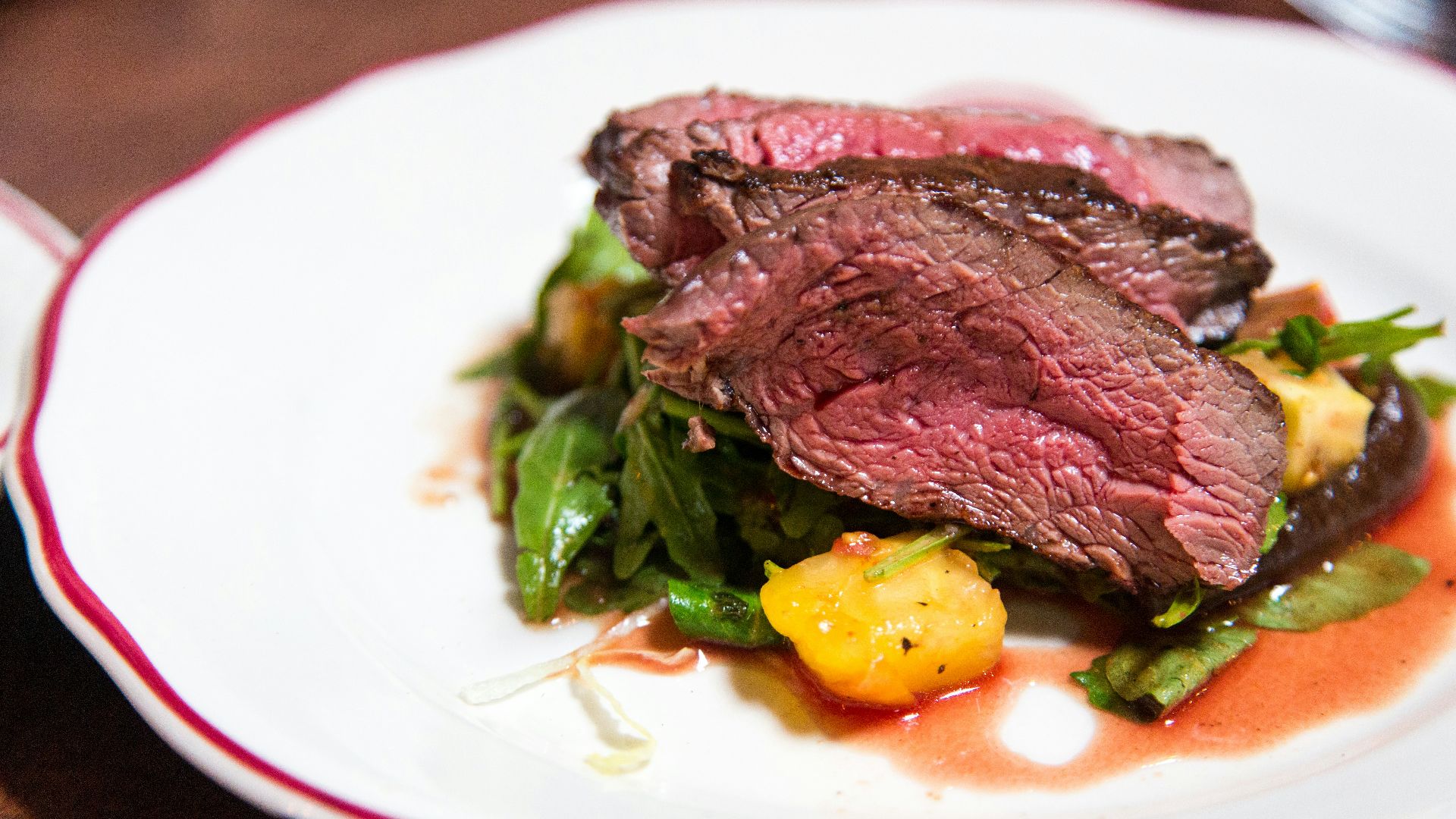
Some steaks seem to have been trimmed and packaged so aggressively that they almost look too polished. Meat should still look like meat, not like a heavily edited version of itself. A naturally appealing steak with good marbling, sound color, and a solid shape is usually more reassuring than one that looks oddly engineered.
20. Buy the Steak You Feel Confident Cooking
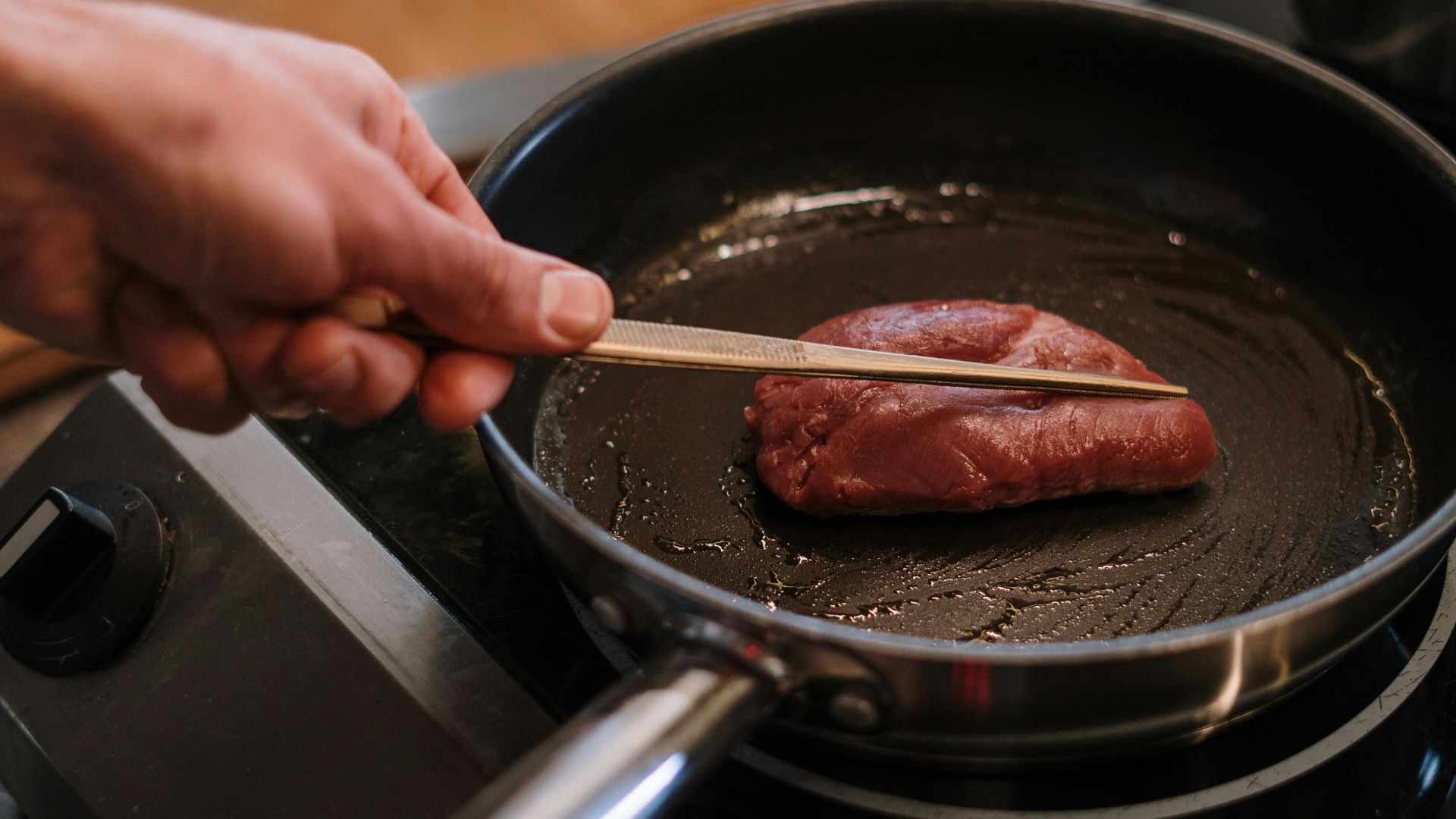
Even if you're trying a new recipe, choose a cut that you're familiar with and you know is to your liking. Even an excellent steak can turn into a frustrating meal if you choose a cut that doesn't match your skill level or comfort in the kitchen. If you know you handle strip steaks well, there's no prize for buying something more expensive and harder to manage.
KEEP ON READING
20 Apple Desserts Americans Should Serve This Fall
Why Americans Fell In Love With Frozen Meals