Everything You Need To Know About The New Dietary Guidelines for Americans
 National Cancer Institute on Unsplash
The new Dietary Guidelines for Americans, 2025–2030, are now the current federal nutrition guidelines, released in January 2026 by USDA and HHS. They're still the backbone for federal nutrition programs, but this edition also puts unusually direct emphasis on consumer-facing advice, with a simple overall message: eat real food.
That sounds simple enough, but the details matter. The current edition prioritizes diets built around whole, nutrient-dense foods and pushes harder against highly processed foods, refined carbohydrates, and added sugars than many people are used to hearing in older, more cautious government language. If you want the short version, the new guidelines are less interested in nutrition jargon and more interested in getting you to build meals around food that still looks like food.
The Big Shift Is Toward “Real Food”
The most noticeable change in these new guidelines is the tone. The USDA Food and Nutrition Service says this is the first time in 25 years that the Dietary Guidelines directly provide advice to consumers in this way, and the message is intentionally plainspoken rather than technical. The emphasis is on whole, healthy, nutritious foods instead of treating the diet as a math problem made of nutrients only.
That shift doesn't mean the science disappeared. The current guidance still describes the Dietary Guidelines as food-based recommendations meant to meet nutrient needs, promote health, and help prevent diet-related chronic disease. What changed is the presentation; instead of feeling like a document written only for policy professionals, it's now easier to read as practical advice about what should actually show up in your kitchen.
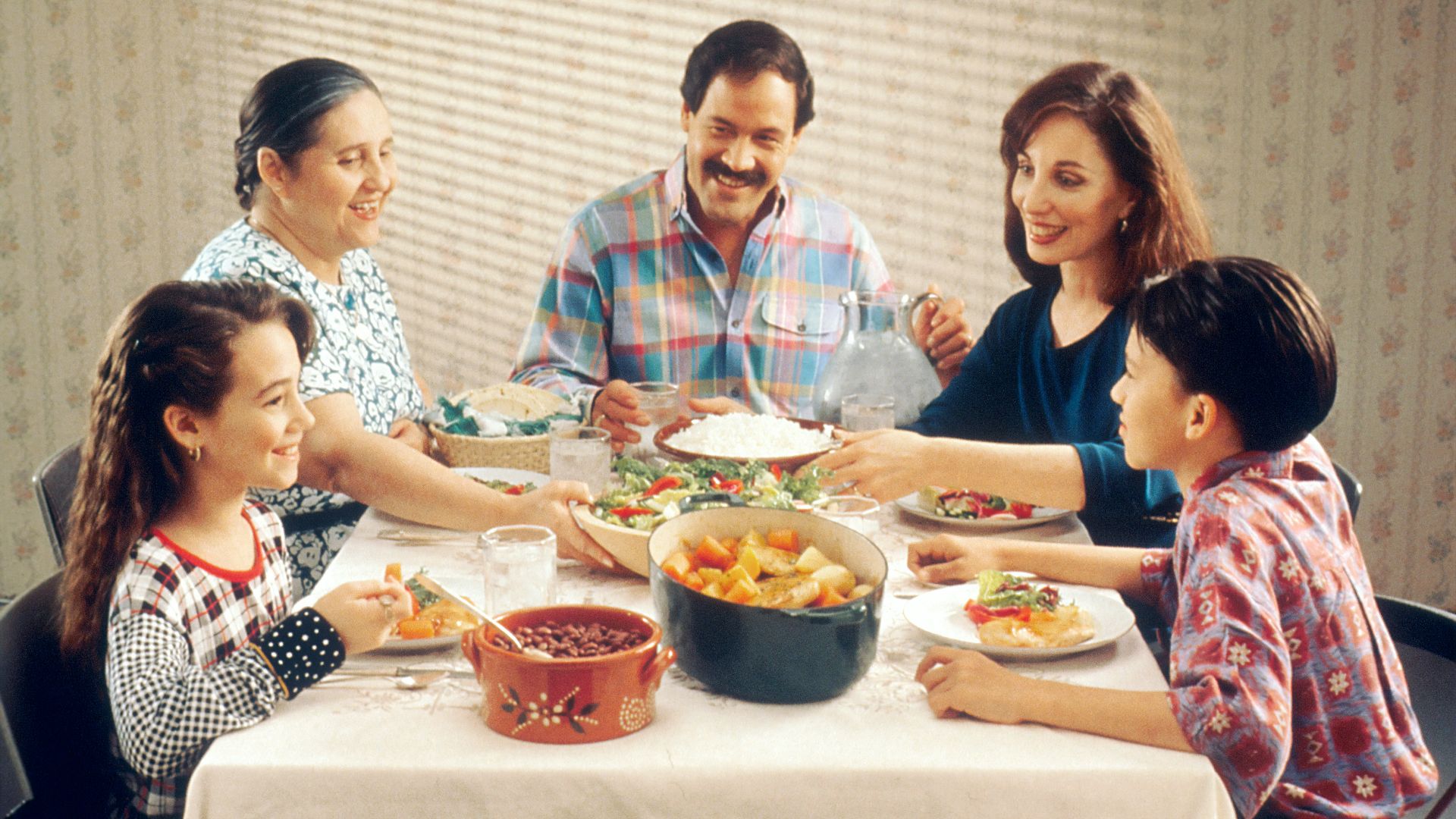
The guidelines also continue to frame healthy eating as a dietary pattern, not a list of random “good” foods. USDA’s dietary pattern materials describe a flexible framework that can support cultural traditions, personal preferences, and different lifestyles while still prioritizing nutrient-dense choices. So instead of telling everyone to eat one identical menu, the government is telling people to build their own version of a healthier pattern with real food at the center.
What the Guidelines Want You To Eat More & Less Of
The current edition prioritizes protein foods, dairy, vegetables, fruits, healthy fats, and whole grains, while at the same time calling for a dramatic reduction in highly processed foods, refined carbohydrates, added sugars, excess sodium, and unhealthy fats. That's not a tiny adjustment around the edges. It's a fairly direct push away from the heavily processed modern diet.
This means the everyday advice isn't especially exotic. You're supposed to lean harder on recognizable staples like vegetables, fruit, beans, dairy or fortified alternatives, whole grains, fish, eggs, meat, nuts, seeds, and other nutrient-dense foods. The practical target isn't perfection; it's shifting the balance of the average American diet so that heavily processed products stop dominating everyday eating habits.
The guidelines also keep their across-the-lifespan focus. The 2025–2030 edition provides nutrition guidance for people at every stage of life, and USDA now includes a supplementary document with daily servings by calorie level for ages 2 and older. So even though the language is simpler, the structure underneath is still built to guide schools, federal meal programs, health professionals, and households trying to match portions and food groups to real energy needs.
Why These Guidelines Matter Outside Your Kitchen

Official federal sources describe the Dietary Guidelines as the cornerstone of nutrition policy and federal nutrition programs, which means they influence school meals, public health messaging, food assistance programs, and a lot of the nutrition advice that filters down through government and health systems.
That's part of why the new edition is getting so much attention. The USDA is explicitly framing this version as a major reset that aims to put real food back at the center of health. It's meant to help improve health and prevent disease in a more direct, understandable way. Whether people agree with every policy implication or not, the messaging shift is real. It's trying to sound less like nutritional jargon and more like advice an actual person might remember in a grocery store.
The other thing worth knowing is that these guidelines didn't appear out of nowhere. They're updated every five years, and the 2025–2030 edition followed the Dietary Guidelines Advisory Committee’s scientific report, public comments, and federal review. So even if the final message sounds simpler than past versions, it still sits on top of the usual evidence-review and rulemaking process that shapes federal health guidance.
What you really need to know is less complicated than the title suggests. The new Dietary Guidelines want you to eat more whole, nutrient-dense food, cut back on the heavily processed stuff that has taken over too many American diets, and think in terms of overall patterns instead of diet loopholes. If you've been waiting for the federal government to say, in plain English, that dinner should look more like actual food and less like packaging, that message has now arrived.
KEEP ON READING