The Real Difference Between Cage-Free, Free-Range, & Pasture-Raised Eggs
 Julian Schwarzenbach on Pexels
Egg cartons have become tiny billboards, and every label seems designed to make you feel either virtuous or confused. Cage-free, free-range, pasture-raised, organic, natural, vegetarian-fed, farm fresh, and hormone-free can all appear in the same grocery aisle, which is a lot to process when you're just trying to make a simple purchase.
The biggest difference between the three most common labels—cage-free, free-range, and pasture-raised—is how much space and outdoor access the hens usually get. Cage-free hens aren't kept in battery cages, but they may still live entirely indoors. Free-range hens must have outdoor access under USDA rules for graded eggs, though the quality and size of that outdoor space can vary. Pasture-raised is generally meant to suggest more time outdoors on pasture, but third-party certifications matter because the term can depend heavily on who is verifying it.
Cage-Free
Cage-free sounds especially comforting because the word “free” is right there, doing a lot of emotional lifting. In practice, cage-free means hens aren't confined to conventional cages and can move around inside a barn or poultry house. They may be able to walk, perch, nest, and spread their wings depending on the system. That’s a real difference from battery cages, but it doesn't automatically mean sunshine, green pastures, or charming little hens strolling through wildflowers.
This label can still cover crowded indoor barns, so it’s not the same as an open-air farm scene. Cage-free hens may have more freedom of movement than caged hens, but their environment can vary widely from one producer to another. Some barns are better managed than others, with different stocking densities, air quality, enrichment, and access to nesting areas. So, that label gives you a starting point, not the whole biography of the chicken.
From a shopper’s perspective, cage-free is often the most affordable step up from conventional eggs. It may appeal to you if you mainly want to avoid eggs from hens kept in cages but don’t want the price jump that often comes with higher-welfare labels. Nutritionally, cage-free eggs aren't automatically dramatically different from conventional eggs just because the hens were uncaged. The feed, health of the flock, and overall farming system matter too, so the carton deserves more than a glance.
Free-Range
Free-range eggs go a step beyond cage-free because the hens must have access to the outdoors. For USDA-graded shell eggs labeled free-range, hens must be able to roam vertically and horizontally in indoor houses and have continuous access to the outdoors during their laying cycle, but the outdoor area may be fenced or covered with netting, and housing systems can vary from farm to farm.
The tricky part is that outdoor access doesn't always mean hens spend most of their day outside. Some birds may use the outdoor area often, while others may stay indoors because of weather, flock behavior, barn design, predators, or limited exits. The quality of the outdoor space also matters, because a bare porch isn't the same as a grassy area where hens can scratch and forage.
Free-range can be a reasonable middle ground for shoppers who care about animal welfare but are watching price. It usually suggests more opportunity for natural behavior than cage-free alone, especially when paired with a trustworthy certification. Still, you shouldn’t assume every free-range egg came from hens roaming spacious pastures all day.
Pasture-Raised
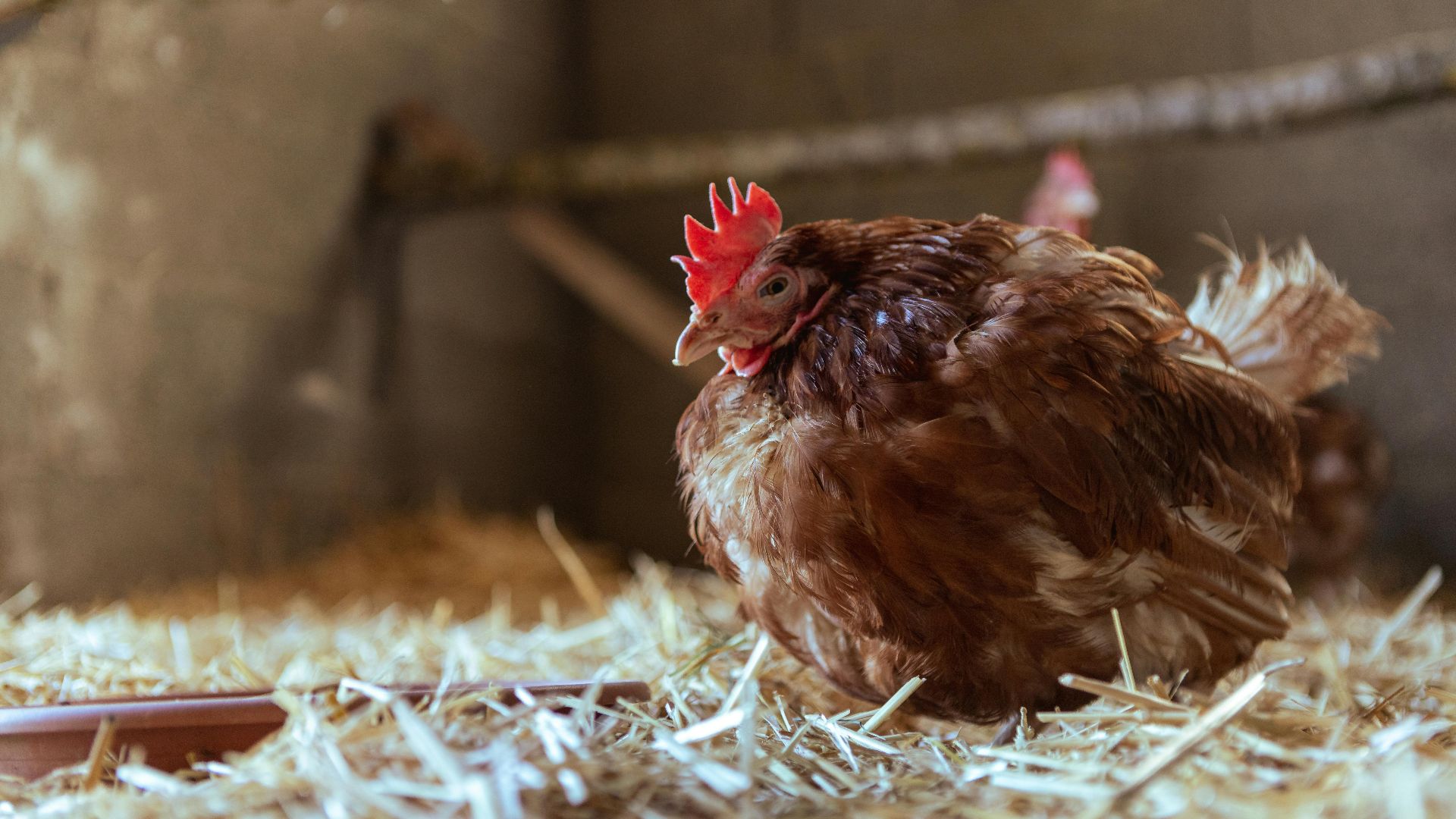
Pasture-raised is the label many shoppers associate with the most natural hen lifestyle. In everyday grocery language, it usually means hens spend meaningful time outdoors on pasture, where they may forage for grass, seeds, and insects in addition to eating feed. However, the label is most useful when it’s backed by a certification that explains the standard. Certified Humane, for example, describes pasture-raised hens as having much more outdoor space, commonly cited as 108 square feet per bird under its program.
That extra space is why pasture-raised eggs often cost more. Land, lower stocking density, outdoor management, predator protection, and seasonal challenges all add complexity, but it means the hens may have more chances to express natural behaviors. If your main concern is animal welfare, pasture-raised with credible certification is usually the label that gives you the most reassurance.
The nutrition question is a little less dramatic than the marketing may suggest. Pasture-raised eggs may have some nutritional differences because hens can eat a more varied diet, but all eggs still provide protein, fat, vitamins, and minerals. The biggest reasons to pay extra are usually welfare, farming practices, and personal values, rather than expecting one egg to transform your health. Basically, pasture-raised can be a thoughtful choice, but it's still an egg.
What to Look for on the Carton
The best label depends on what you care about most. If price matters most, cage-free may be the most realistic upgrade. If outdoor access matters, free-range is a stronger claim, especially with added certification. If you want the most outdoor-centered system, pasture-raised with a credible third-party label is usually the clearer choice.
It also helps to ignore labels that sound meaningful but may not tell you much. “Natural” usually doesn’t add much information for eggs, since the USDA has noted that it simply means nothing was added to the egg. “Hormone-free” can also be misleading as a selling point, because hormones are not allowed in U.S. egg production anyway. A carton can sound very wholesome while telling you surprisingly little.
The real difference comes down to housing, outdoor access, verification, and budget. Cage-free means no cages, but usually indoor living. Free-range adds outdoor access, though the quality of that access varies. Pasture-raised, especially when certified, generally signals the most space and outdoor time, which is why it often sits at the top of the price ladder and the carton confusion chart.
KEEP ON READING


20 Dishes That Built Modern American Cuisine