Beyond Basic Refrigeration
Walk into any kitchen, and you'll find the same storage mistakes happening over and over. Cheese sweating in plastic wrap. Raw meat dripping onto vegetables below it. These things are sabotaging your food quality and safety. The good news is that fixing such issues doesn't require expensive gadgets or total reorganization. Simple adjustments to how and where you store things make all the difference in how long everything lasts. Here are just 20 tips to start following.
1. Temperature Zone Mastery
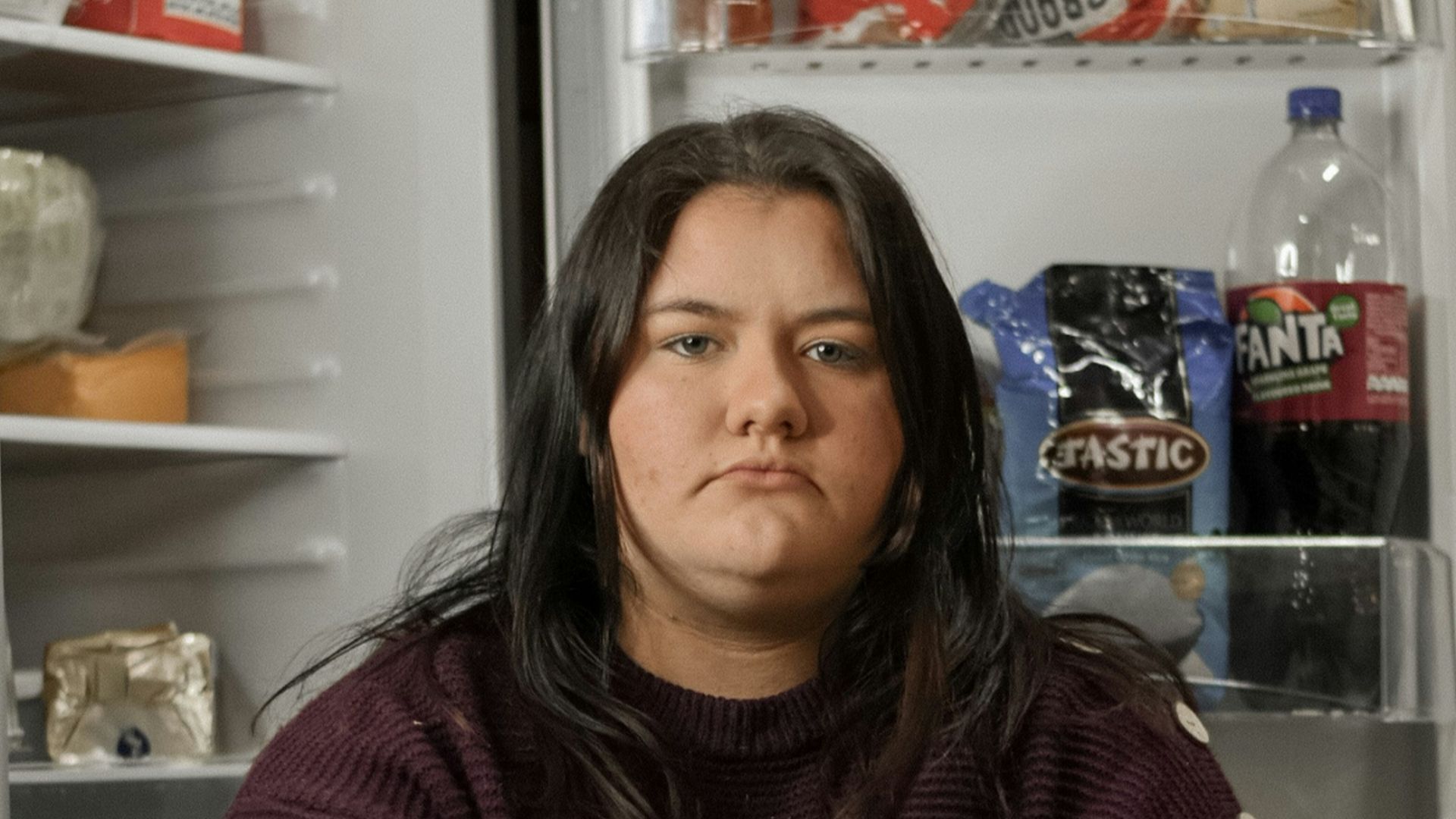
Here's something most people never think about: cold air behaves like water, naturally flowing downward and settling at the bottom of your fridge. That's why the back corner of your lowest shelf registers temperatures about 1–2°C cooler than the upper shelves.
2. Raw Protein Isolation
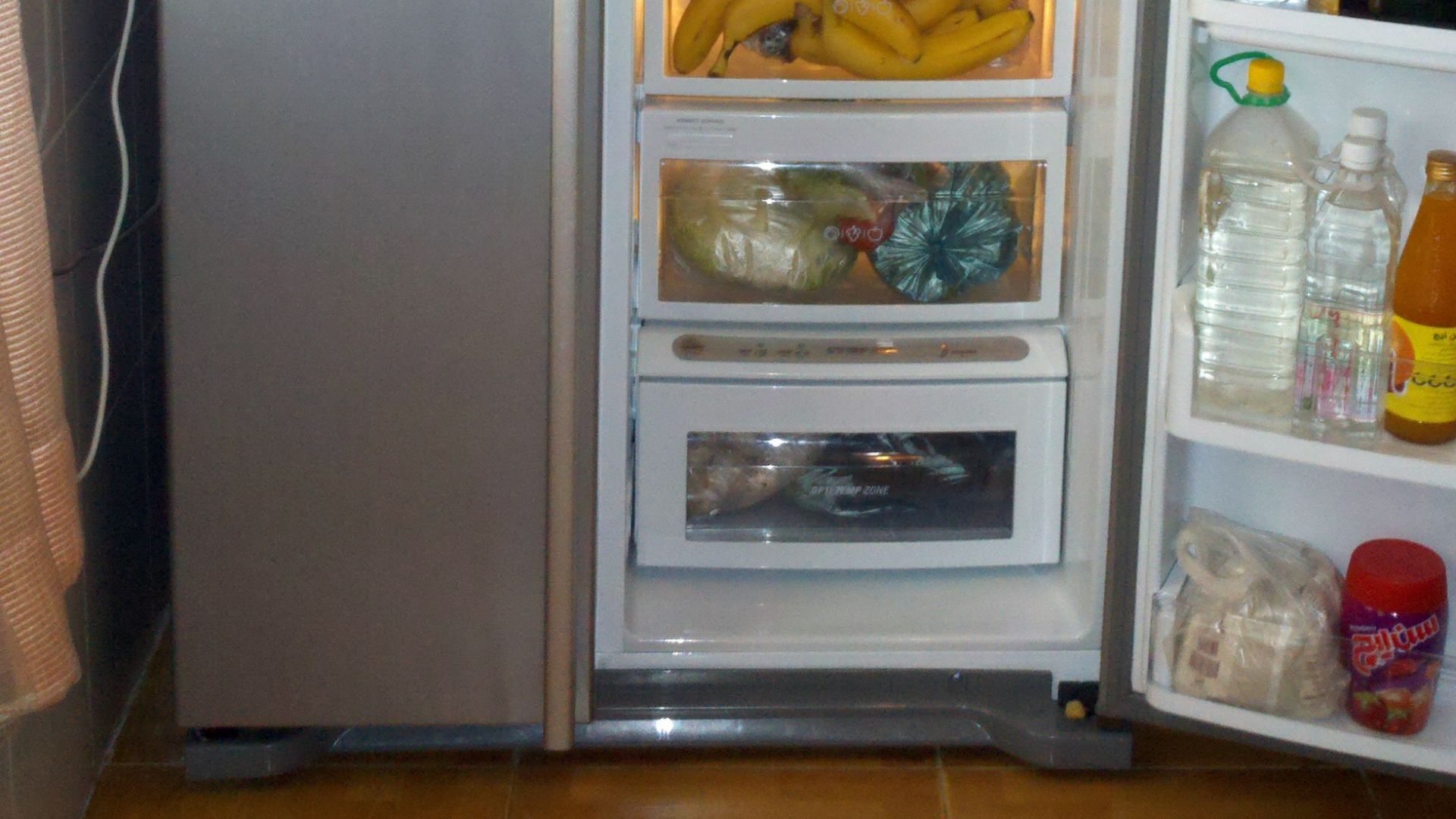
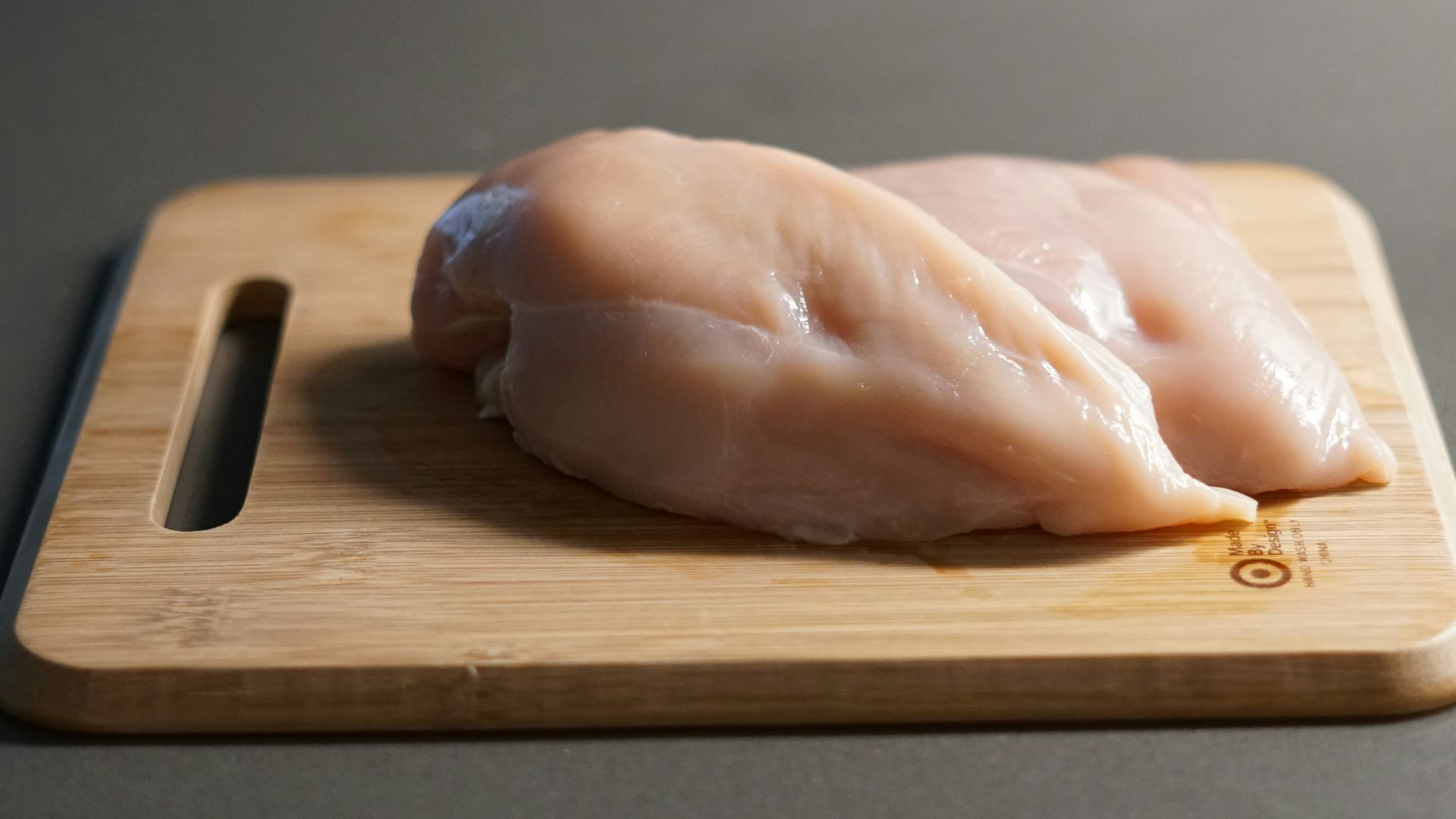
Think of your fridge's bottom shelf as a quarantine zone for raw proteins. Dedicating this space exclusively to meats and poultry in leak-proof trays blocks any bacterial drips from migrating upward to contaminate other foods.
3. Cheese Breathing Room
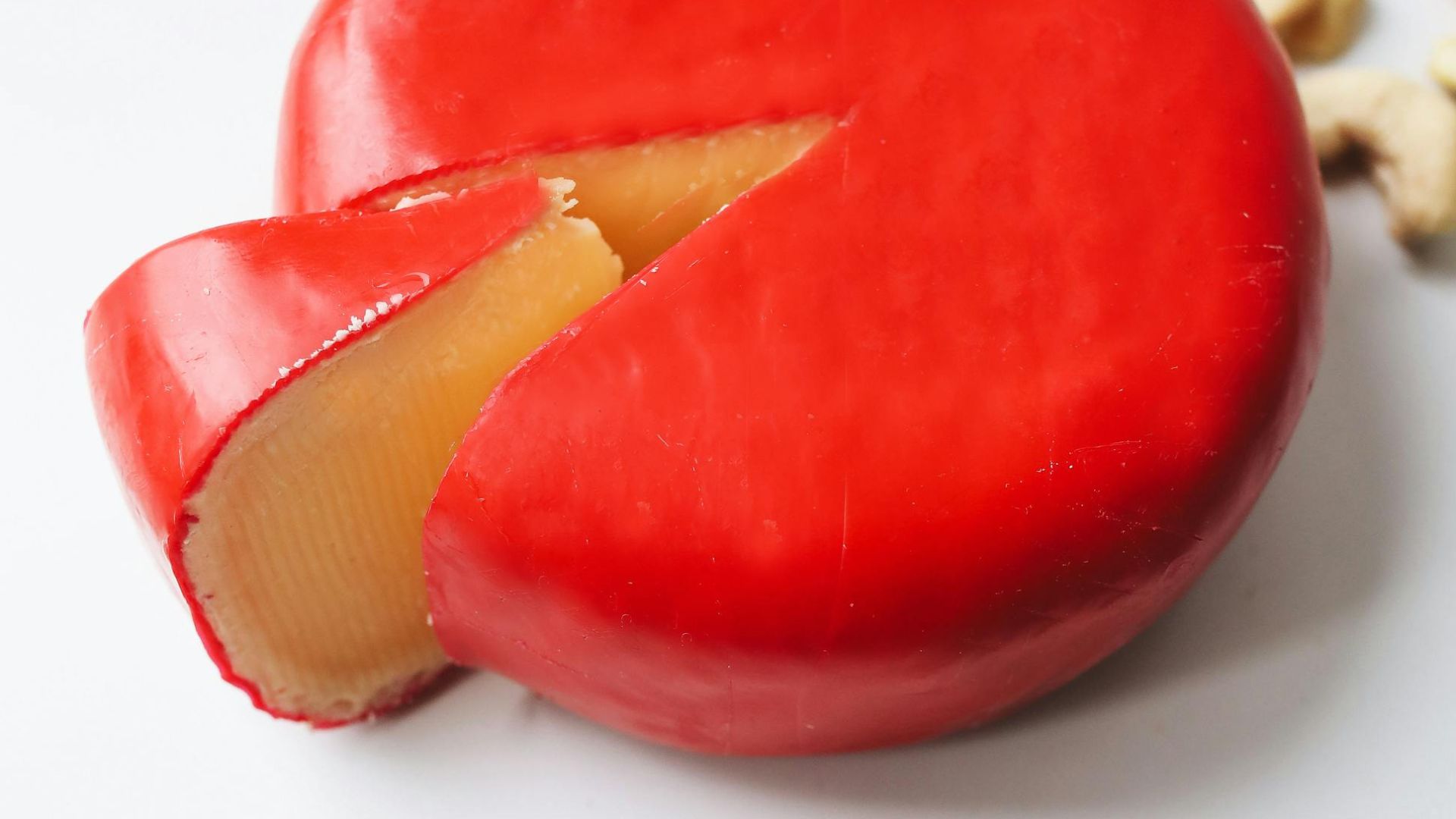
Wrapping hard cheeses in wax or parchment paper creates a delicate balance. This allows moisture to escape while letting oxygen circulate. Plastic wrap does the opposite. It traps moisture against the surface and causes that sweaty appearance.
4. Herb Flavor Packets
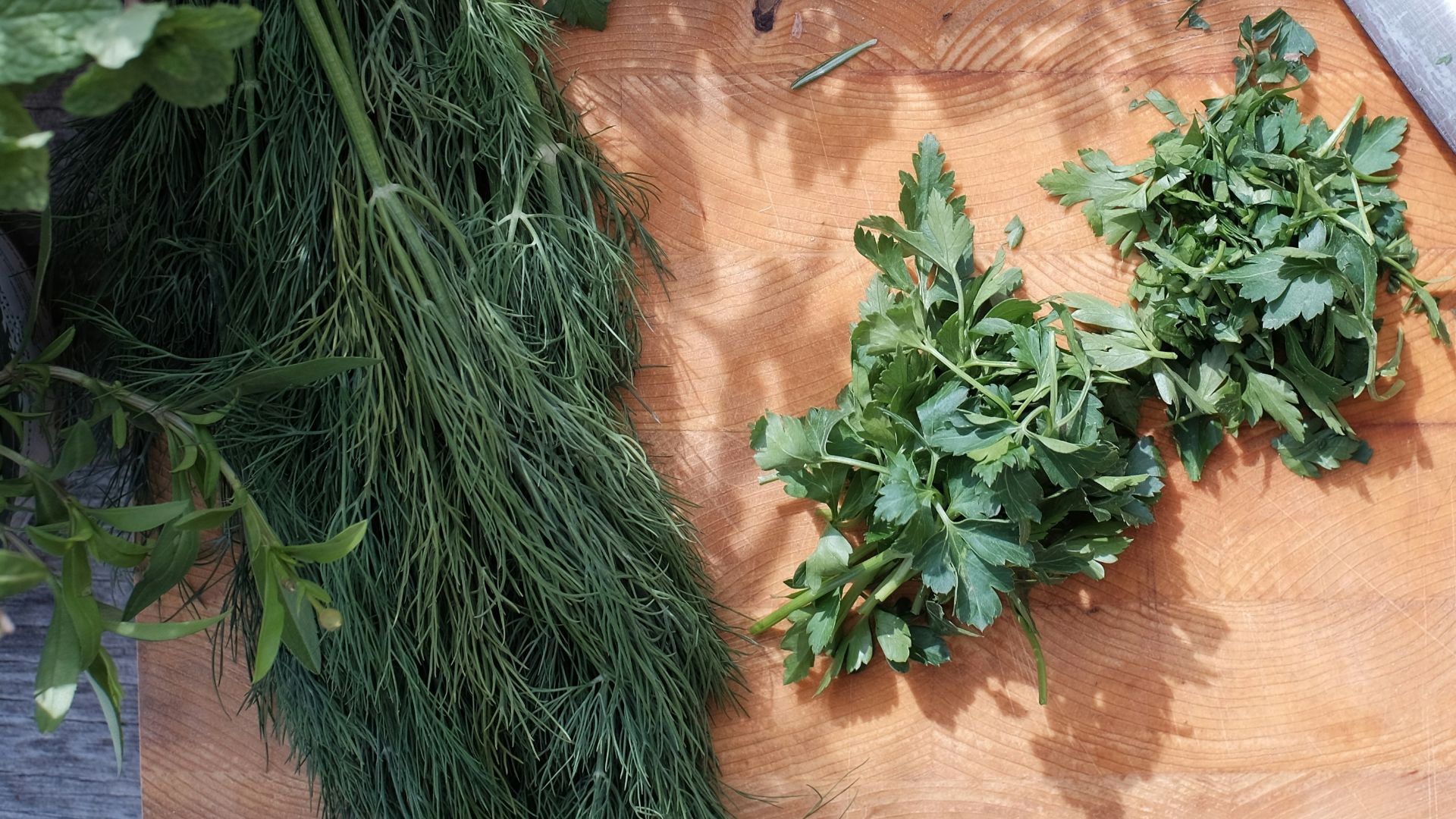
Freeze chopped herbs in oil or butter using ice cube trays. These are convenient portions that preserve those delicate essential oils and vitamins far better than drying or leaving herbs at room temperature. Mediterranean cooks have been doing this for generations.
5. FIFO Rotation System
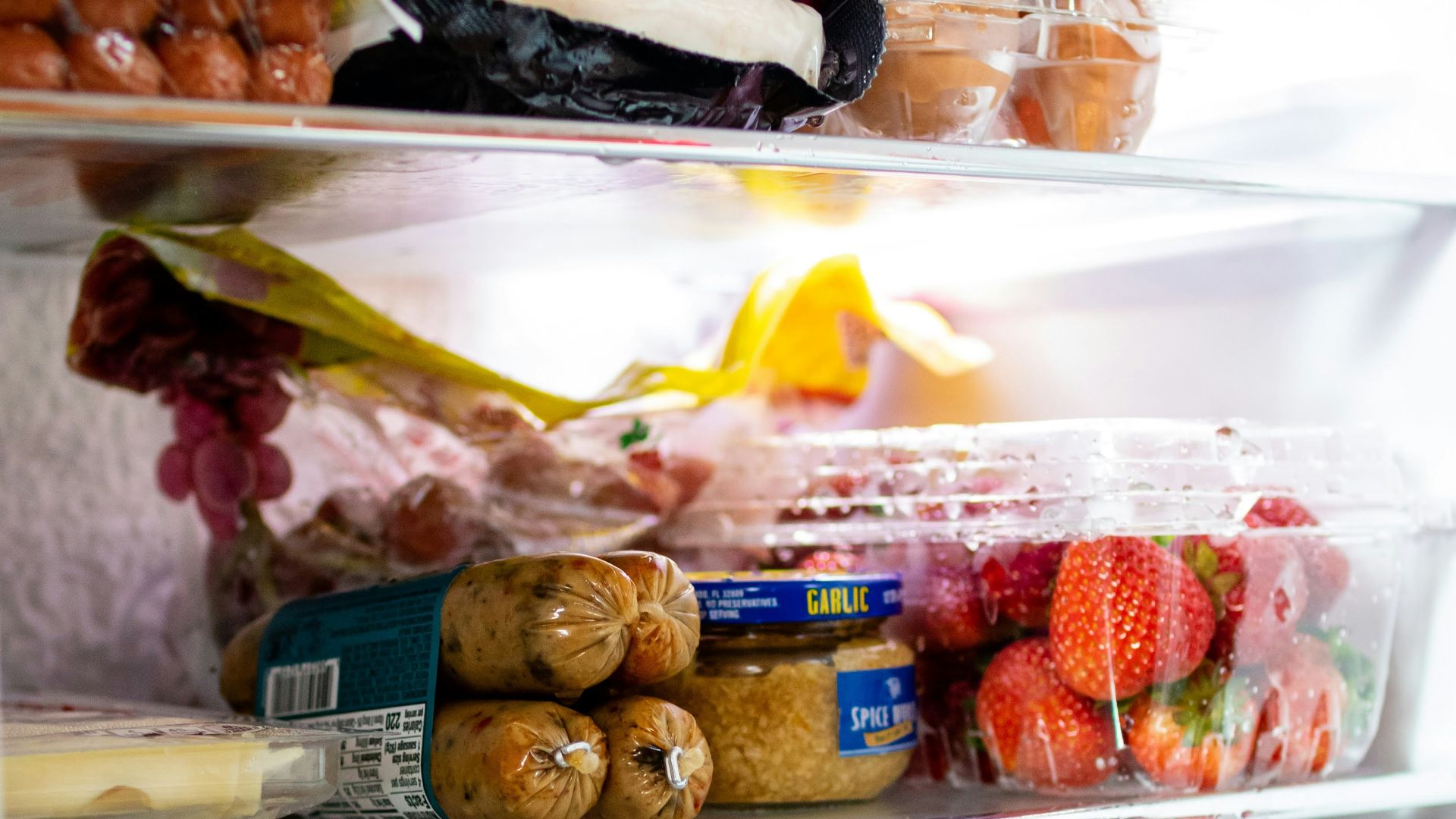
Supermarkets figured this out in the 1960s, and it's just as valuable at home: always place newer items behind older ones. This first-in-first-out system prevents perfectly good food from getting pushed to the back and forgotten until it's sprouted science experiments.
6. Precise Date Labeling
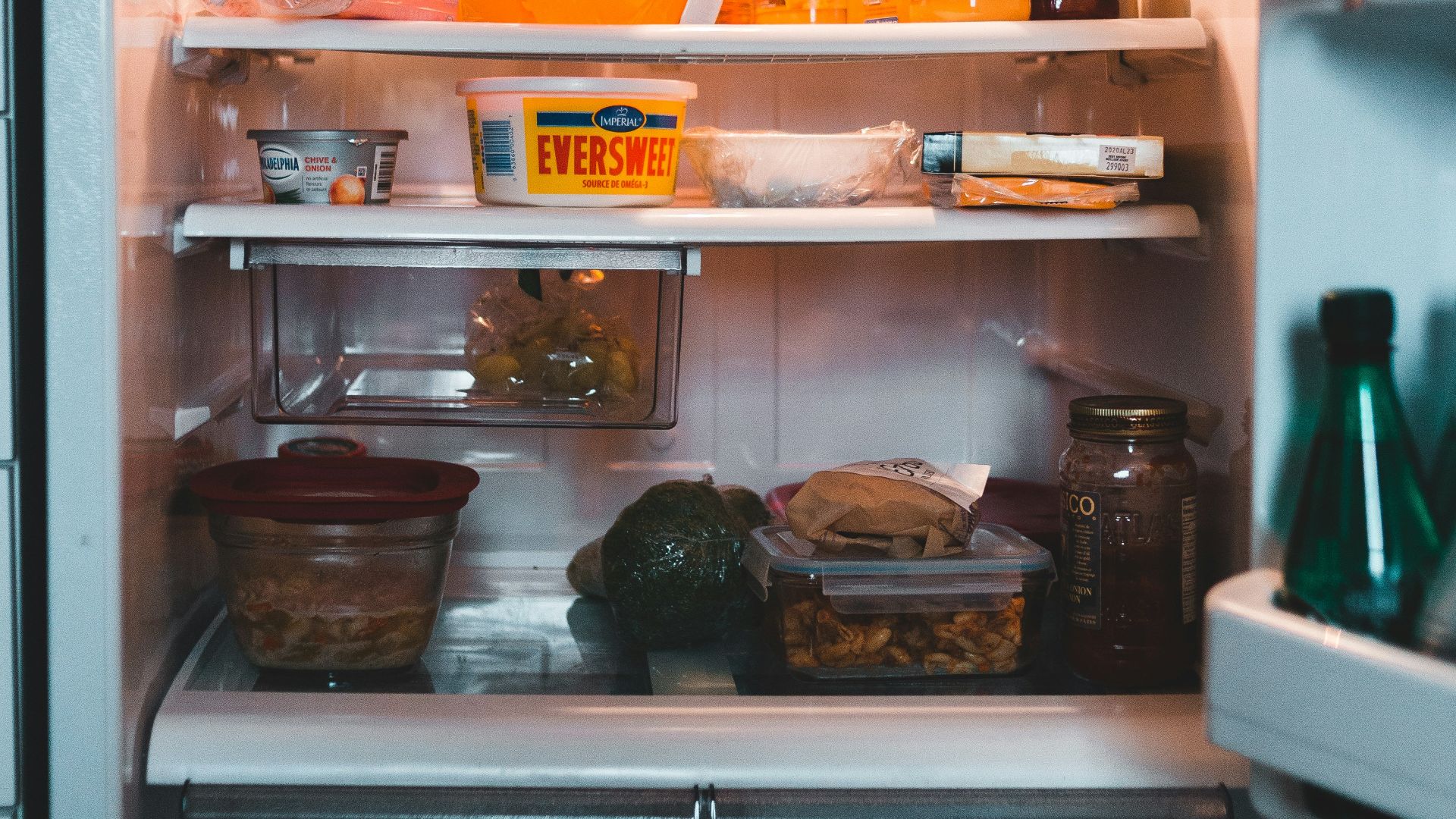
Most refrigerated leftovers have a ticking clock of just 3–4 days before bacterial risks start climbing, which makes accurate labeling essential rather than optional. Waterproof labels showing contents and freeze-by dates turn your fridge from a mystery box into a well-organized system.
7. Rapid Cooling Protocol
The two-hour window after cooking is critical. Hot leftovers need to drop below 4°C in that timeframe to exit the bacterial danger zone safely. Transferring food to shallow containers instead of deep pots increases surface area, allowing heat to dissipate much faster.
8. Dairy Consistency Zone
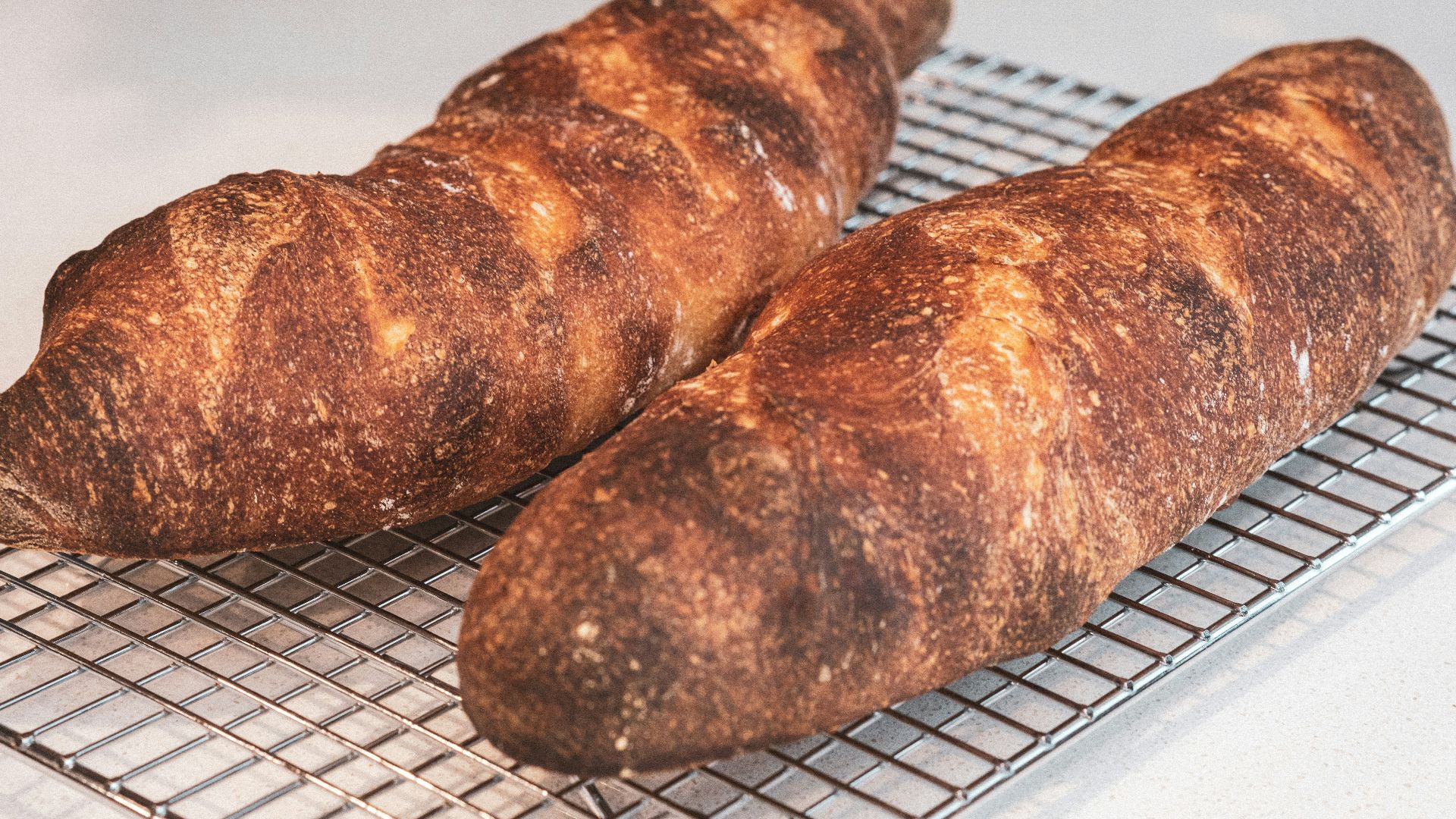
Unlike door shelves that swing wildly every time someone grabs the orange juice, this zone stays consistently cold. The back-middle shelf of your fridge is prime real estate for milk, yogurt, and similar dairy products because it maintains the most stable 0–4°C temperatures.
9. Egg Carton Protection
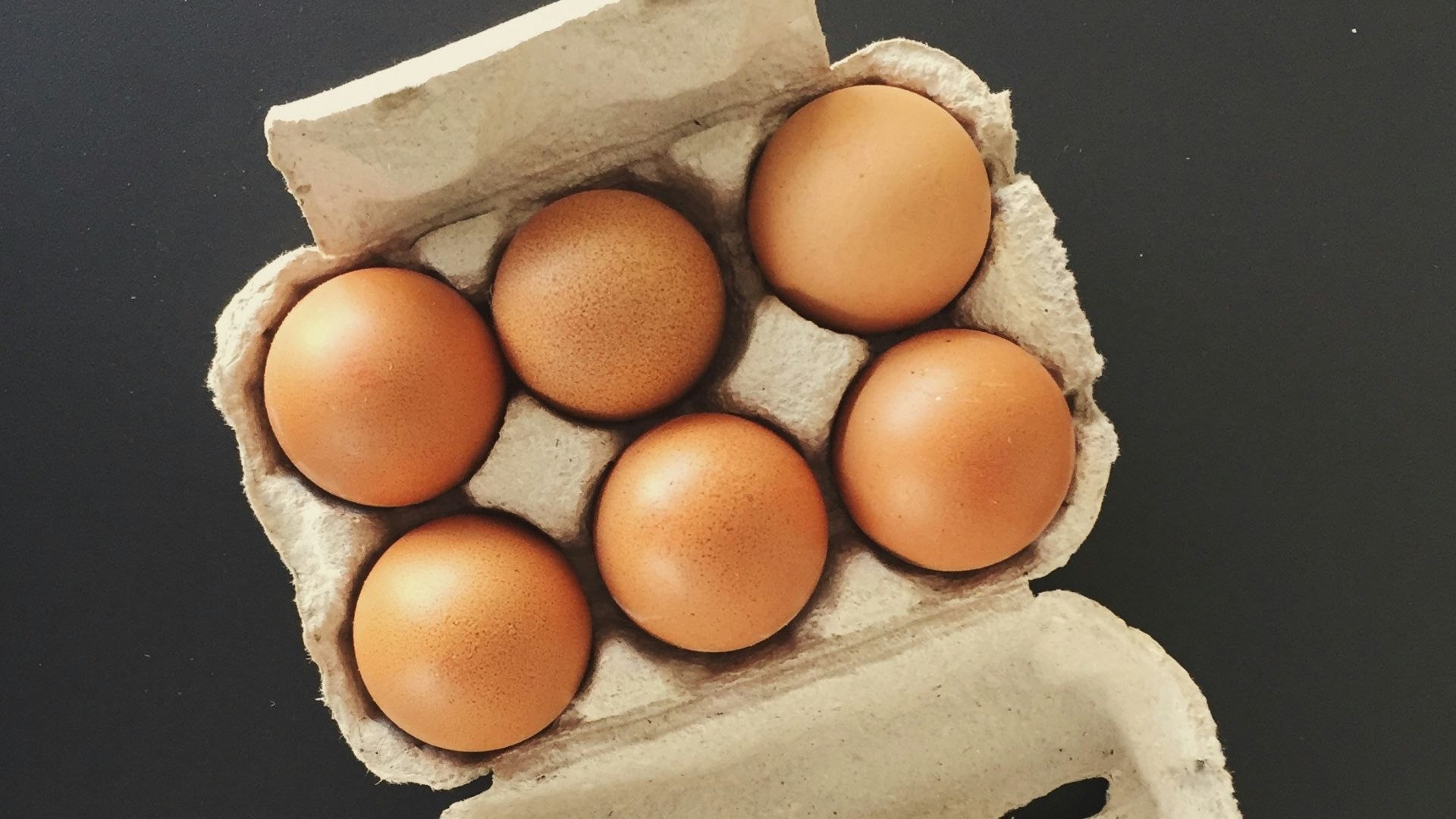
Those porous eggshells act like tiny sponges, readily absorbing whatever odors are floating around your fridge, which is why keeping eggs in their original carton makes perfect sense. The cardboard provides a physical barrier against odor transfer while buffering against temperature swings.
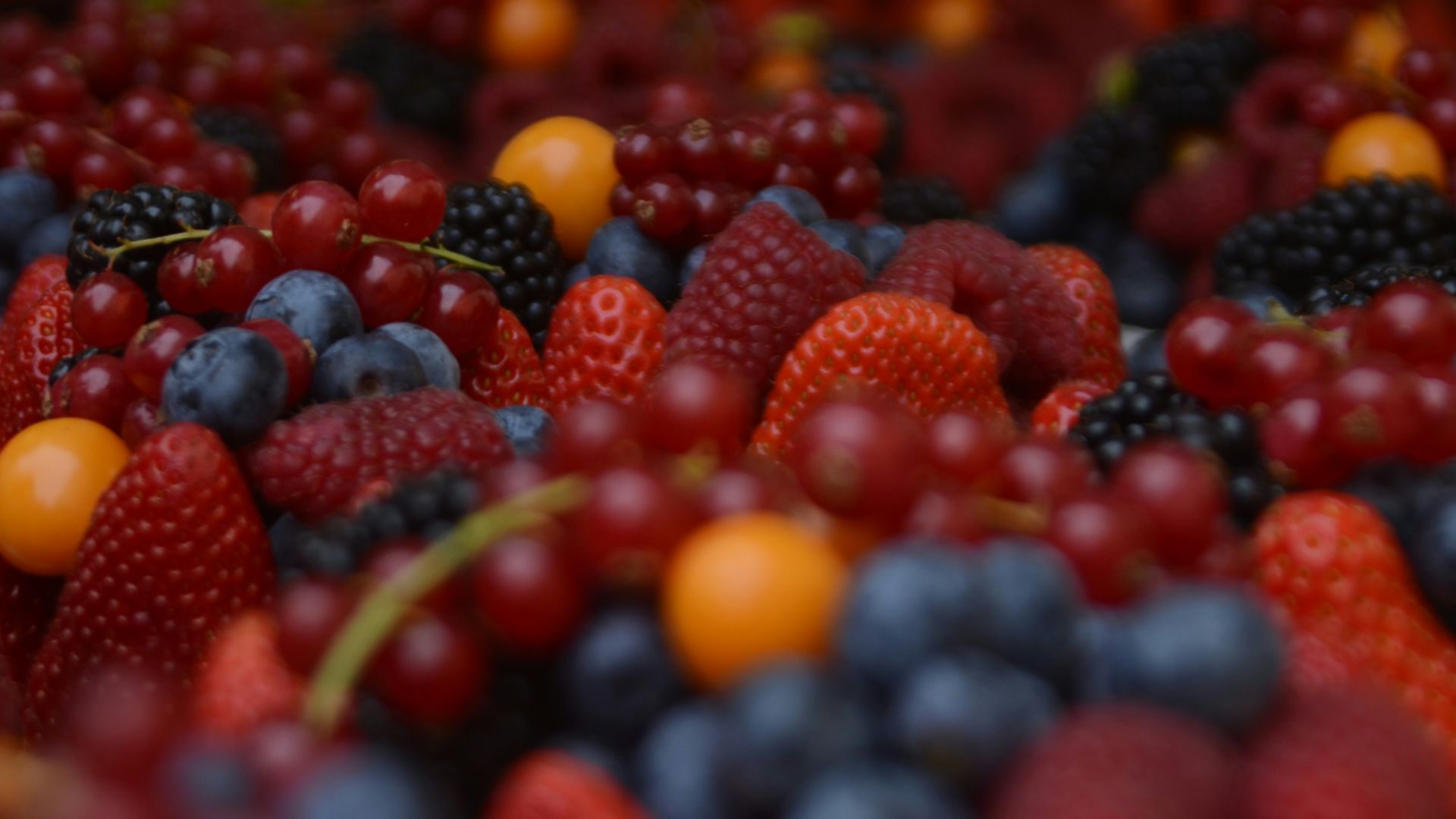
10. Berry Anti-Clump Freeze
Clarence Birdseye revolutionized frozen food in the 1920s after watching how Inuit communities preserved fish, and his flash-freezing technique works wonders for berries, too. Spreading berries in a single layer on trays before freezing prevents them from clumping into one massive ice-crystal block.
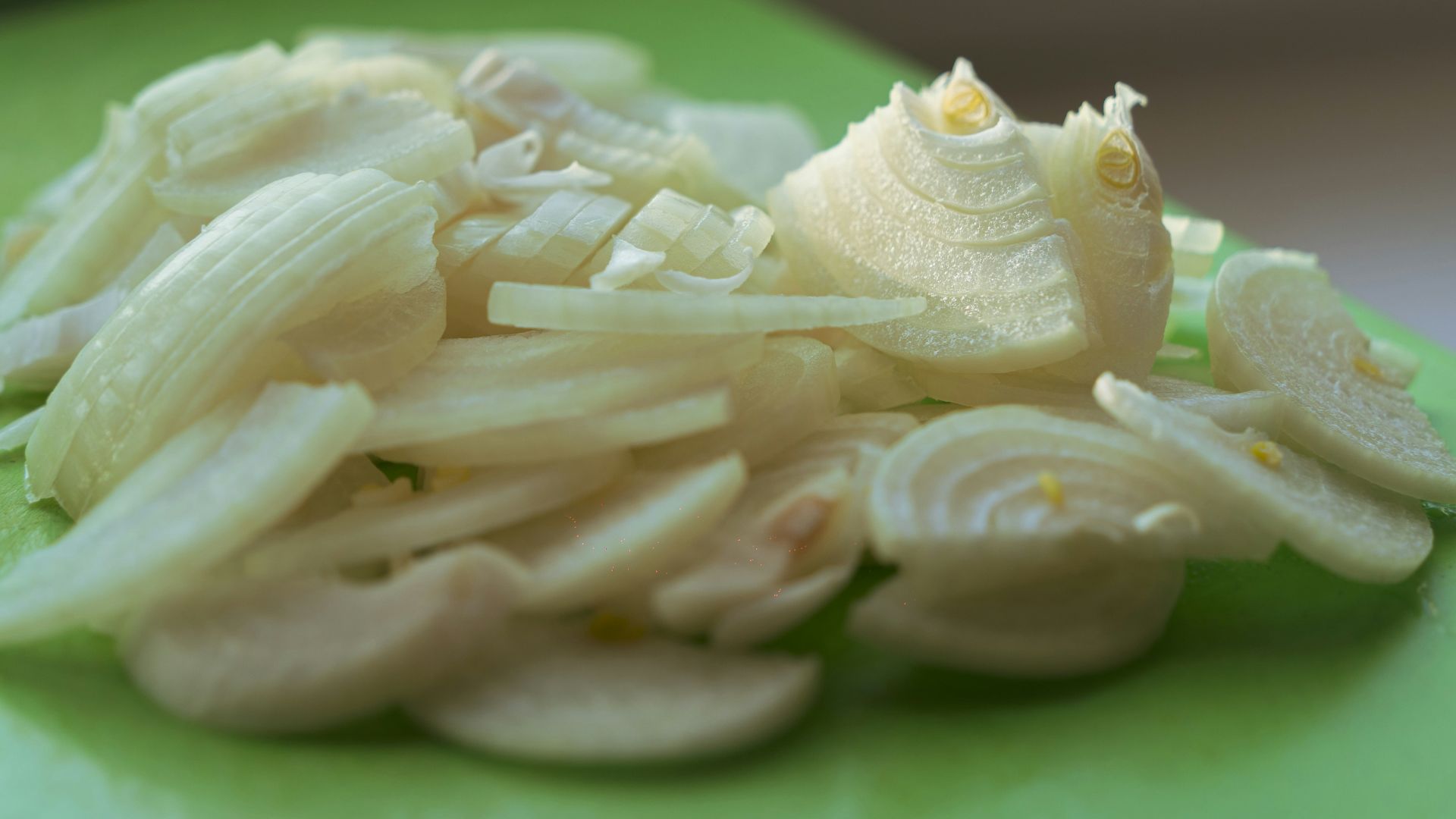
11. Odor-Containment For Alliums
Without proper containment, the sulfur compounds from cut onions and garlic spread rapidly at 4°C, contaminating everything from butter to cheese within just a few hours. Airtight glass containers trap those volatile compounds effectively, preventing flavor transfer to nearby foods.
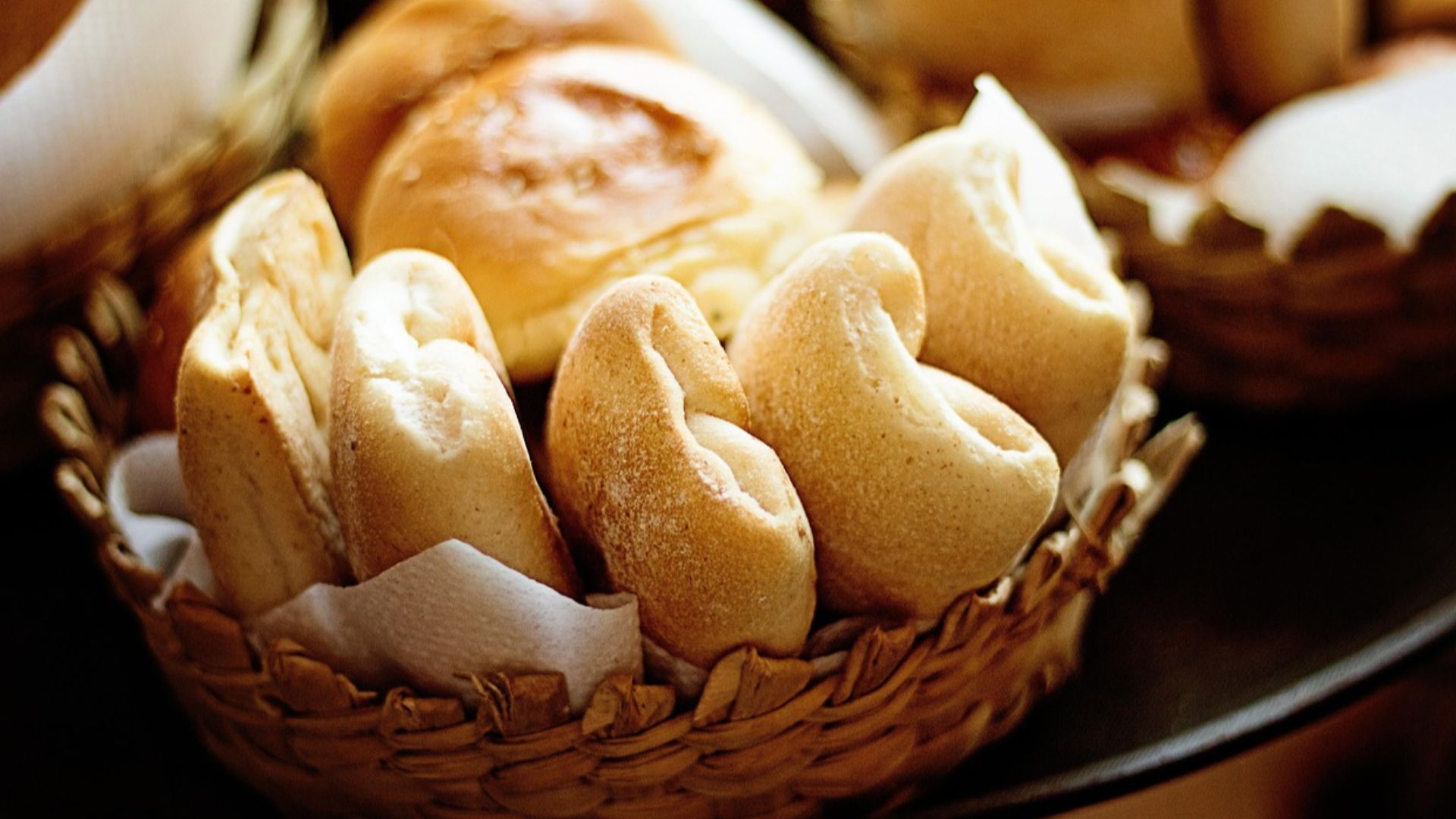
12. Bread Longevity Lock
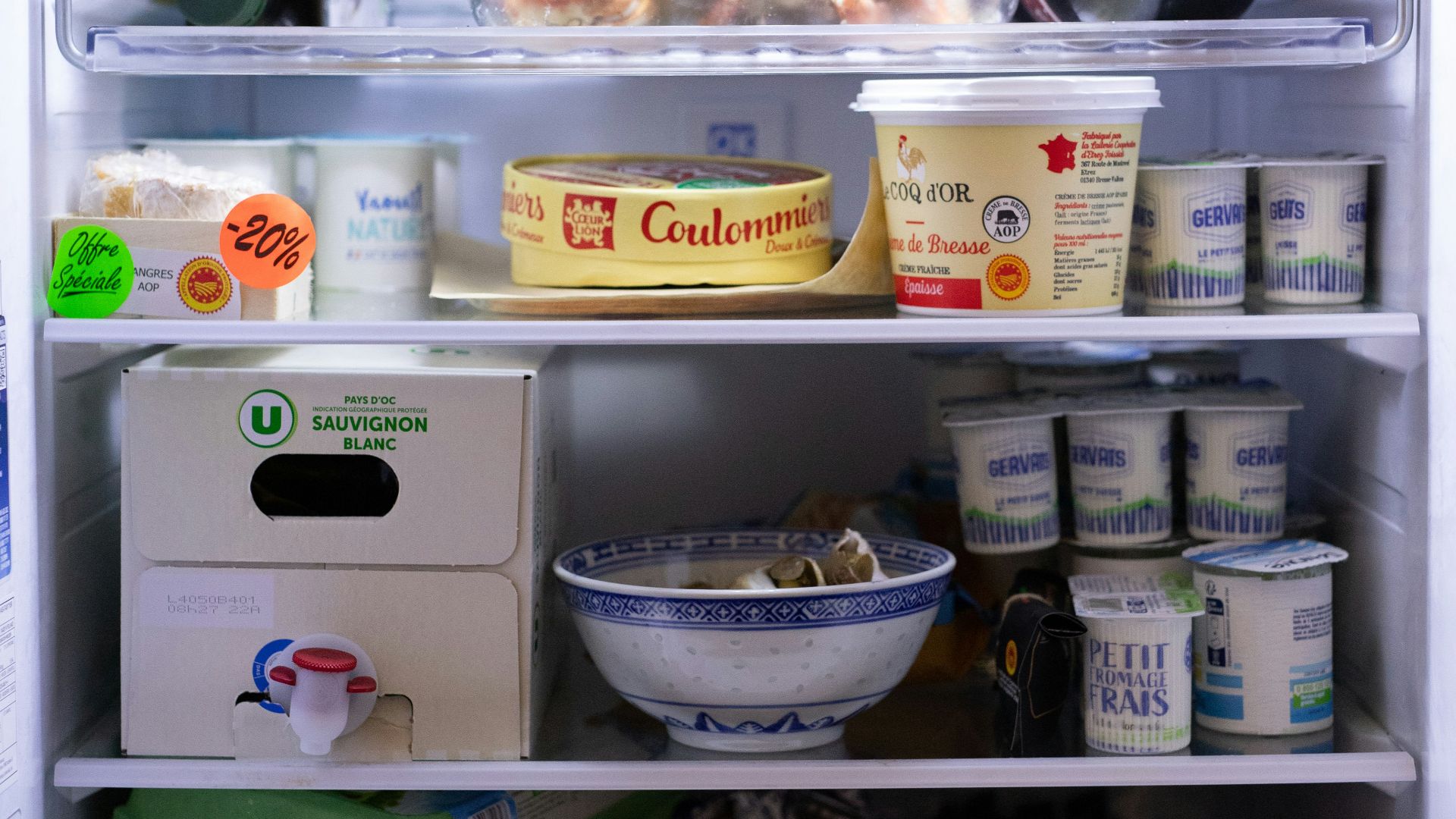
Refrigerating bread actually accelerates staling by speeding up starch recrystallization—a counterintuitive fact that surprises most people. Freezing, on the other hand, halts the staling process entirely while stopping mold spore growth, keeping sliced bread fresh-tasting for 2–3 months at -18°C.
13. Airflow Optimization
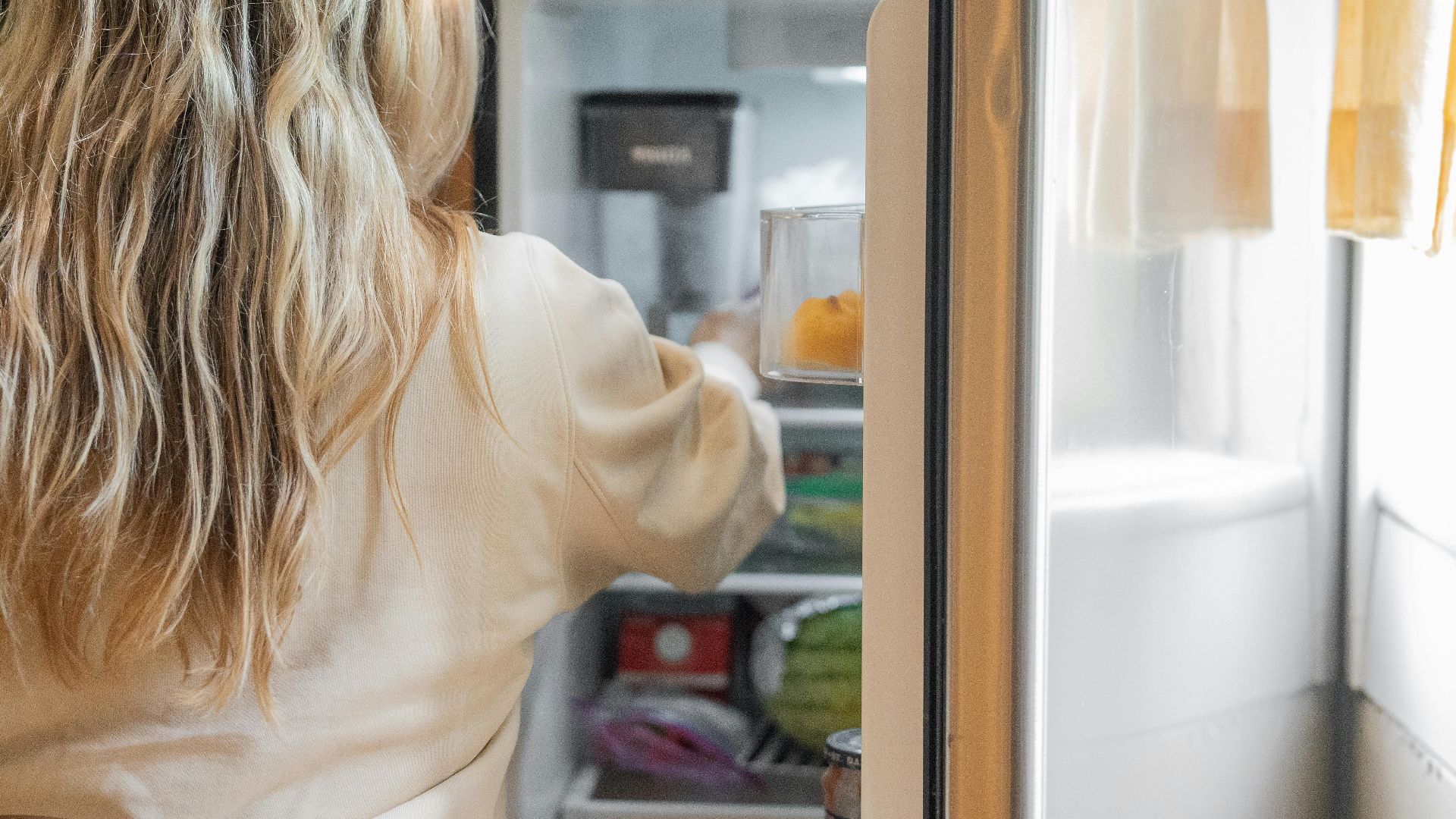
NASA studied refrigerator airflow for space missions, applying principles that eventually influenced home appliance design for better efficiency. Overpacking your fridge blocks cold-air circulation and creates uneven temperature pockets, where warmer areas become breeding grounds for spoilage.
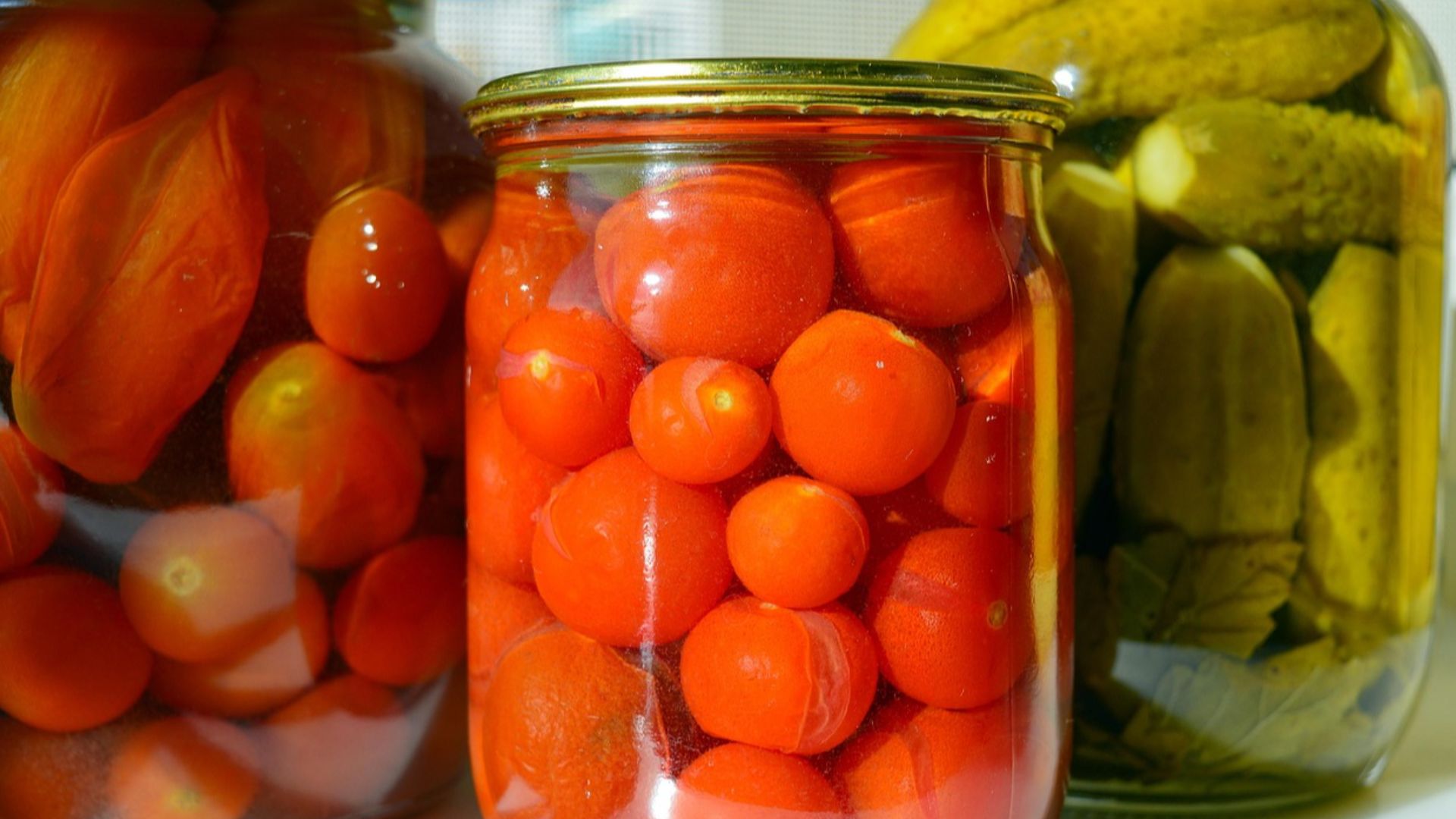
14. Canned Goods Repackaging
Napoleon's army used glass repackaging for leftover battlefield rations, pioneering a practice that remains relevant in modern kitchens. The non-reactive nature of glass, combined with its airtight seal, extends safe storage of items like beans or tomatoes to 3–4 days.
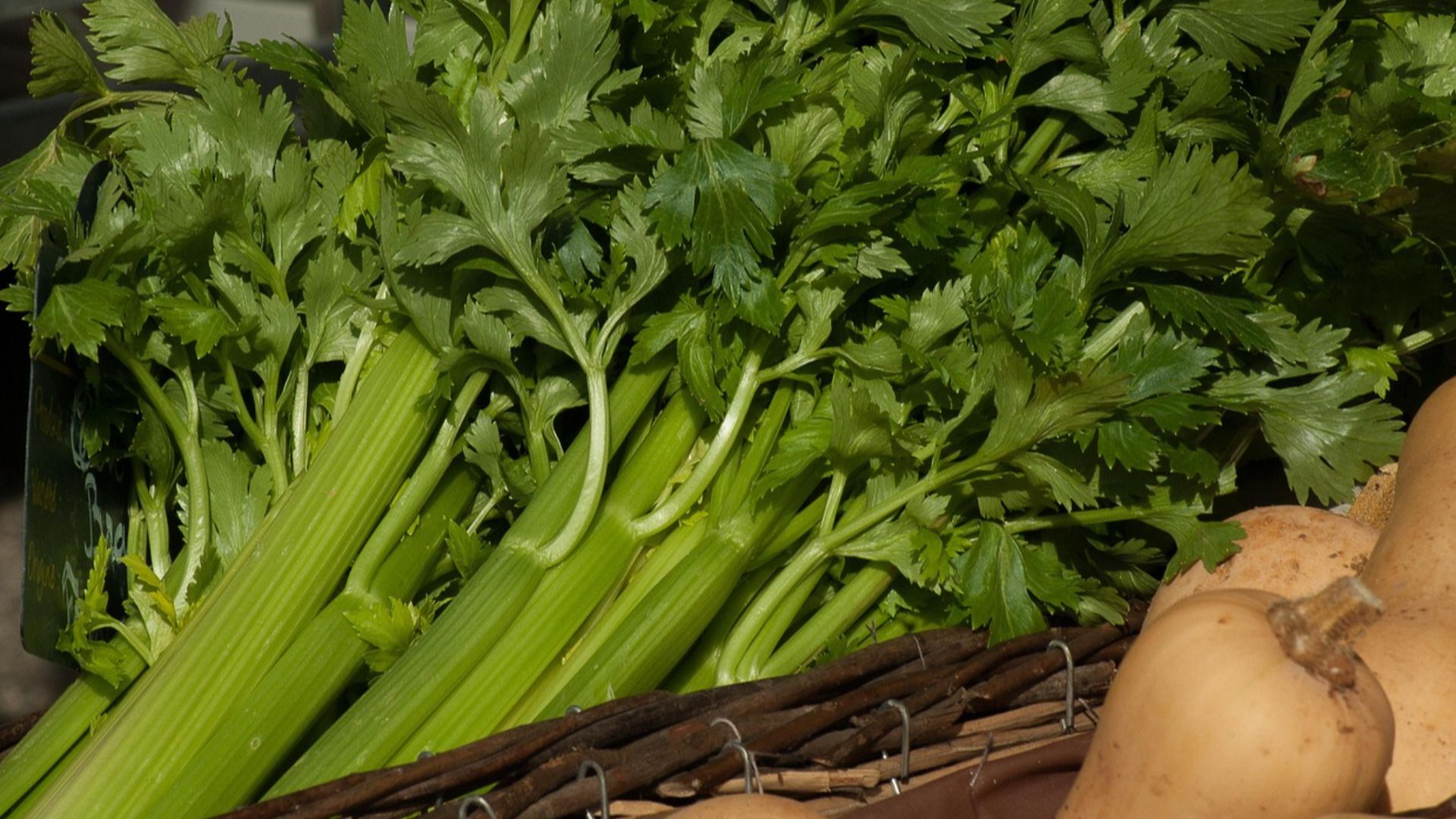
15. Celery Foil Revival
Tight aluminum foil wrapping might seem old-fashioned, but it outperforms modern plastic bags when it comes to keeping celery crisp. The foil traps moisture while allowing ethylene gas to escape. This helps maintain that satisfying crunch for 2–4 weeks in the fridge.
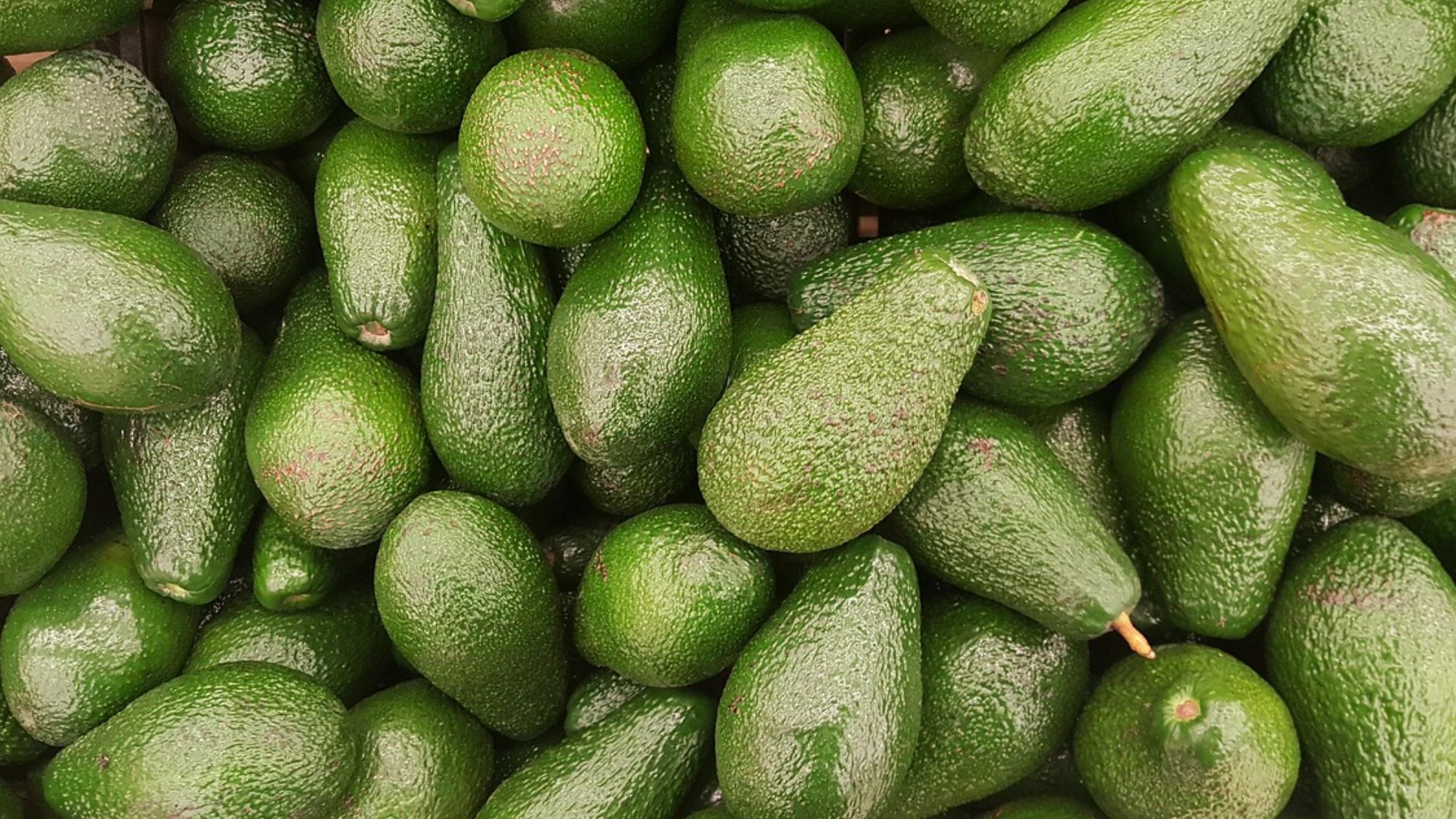
16. Avocado Ripeness Timing
The nickname "alligator pears" appeared in early 20th-century American cookbooks, where California recipes first included fridge timing tips for these unusual fruits. Refrigerating only ripe avocados halts further ethylene-driven softening, extending the perfect-ripeness window by several days without sacrificing quality.
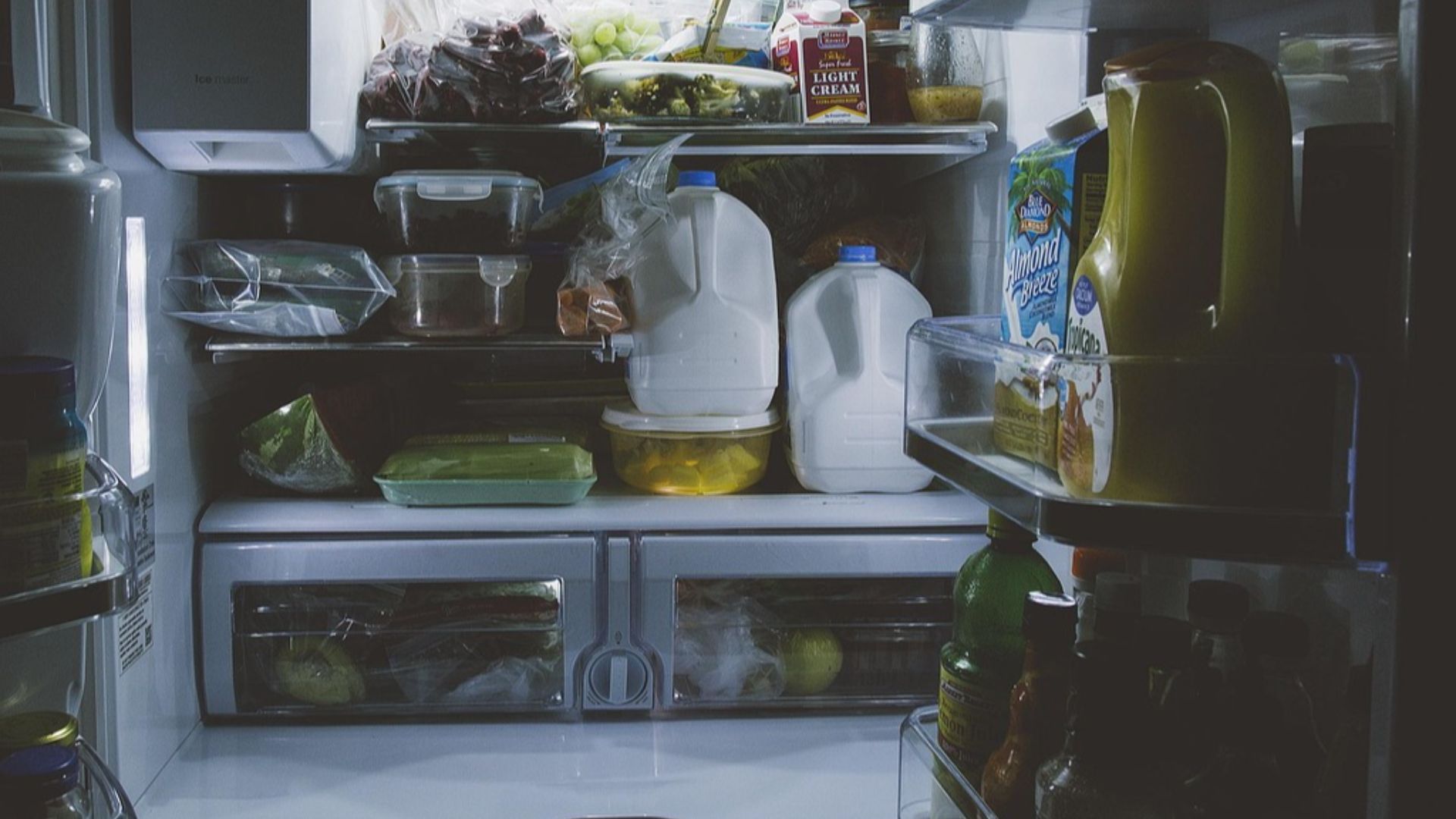
17. Door Shelf Strategy
Fridge door shelves were added in the 1930s to maximize storage space, though early models came with warnings about their variable temperatures. Door compartments experience the most dramatic temperature fluctuations from repeated openings. This makes them unsuitable for perishables.
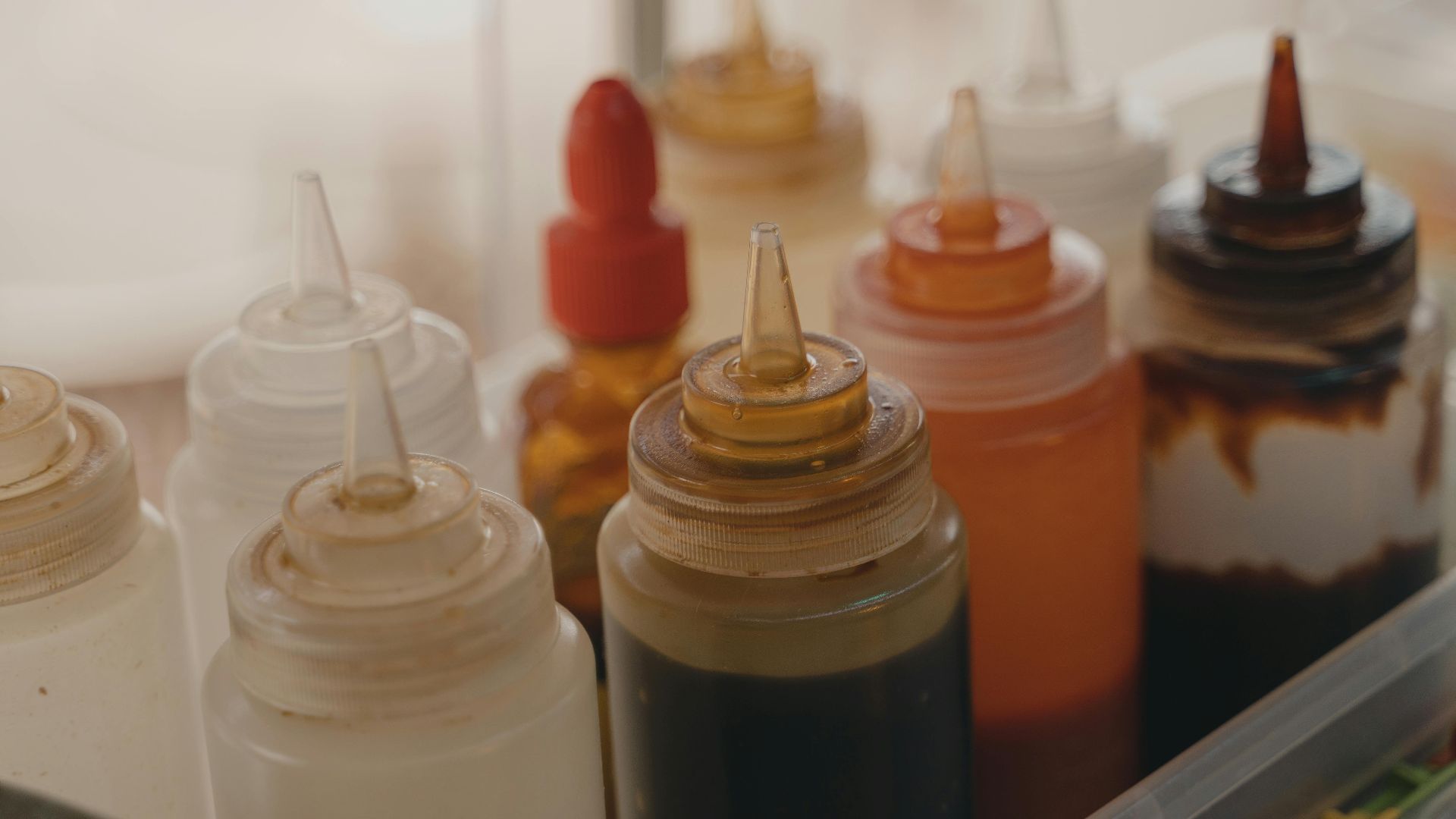
18. Sauce Portion Precision
Freezing sauces in ice cube trays produces single servings that thaw quickly while maintaining flavor integrity at -18°C. This portioning strategy prevents the quality degradation and bacterial risks that come from repeatedly thawing and refreezing larger containers. Silicone trays allow easy release.
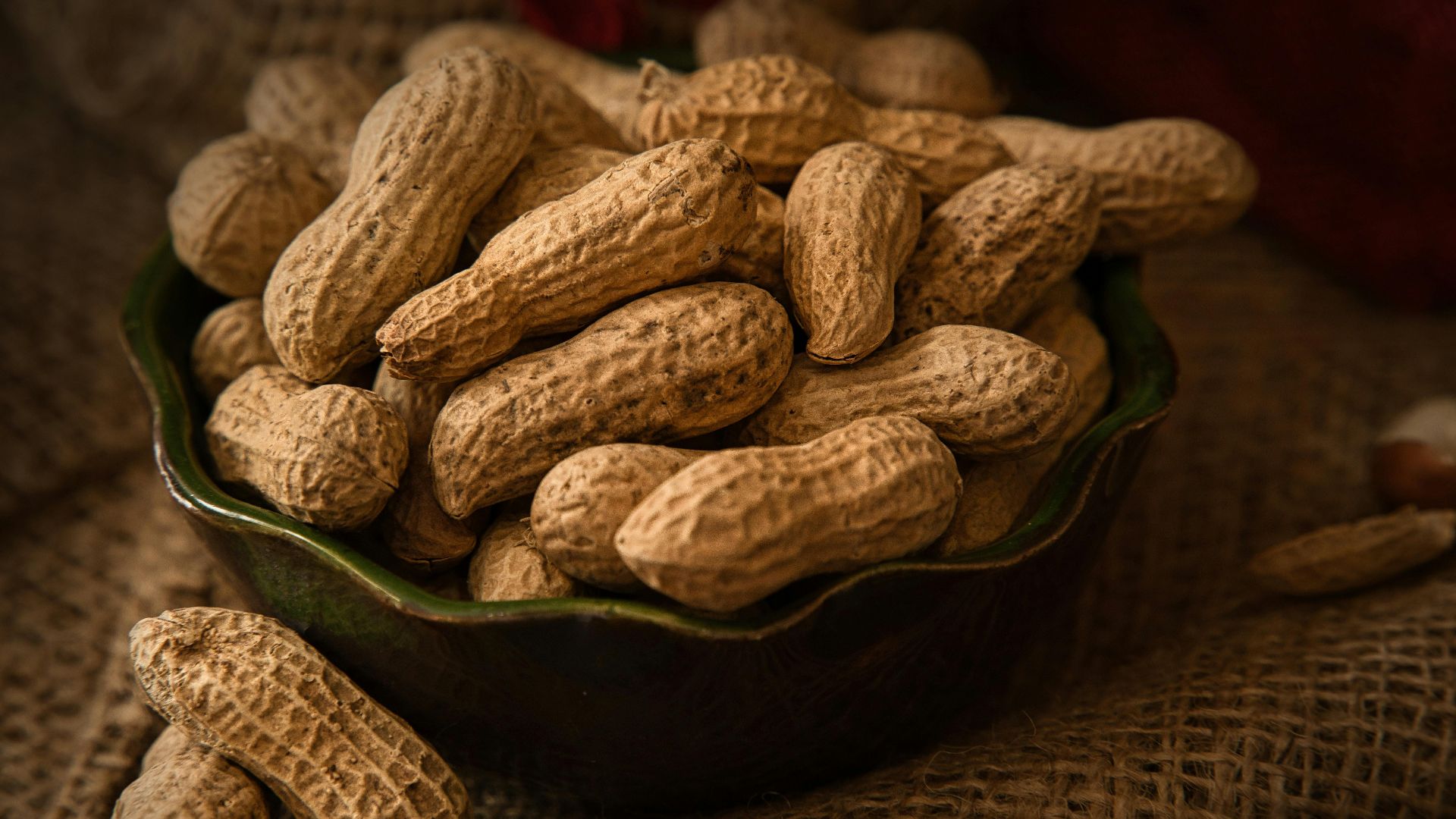
19. Nut Rancidity Prevention
Ancient Persians stored nuts in cool caves to preserve them, and modern freezing echoes this temperature-based preservation strategy. Opened nuts last only weeks in the pantry before lipid breakdown begins, but airtight packaging in the freezer blocks the oxygen and moisture.
20. Natural Odor Neutralizer
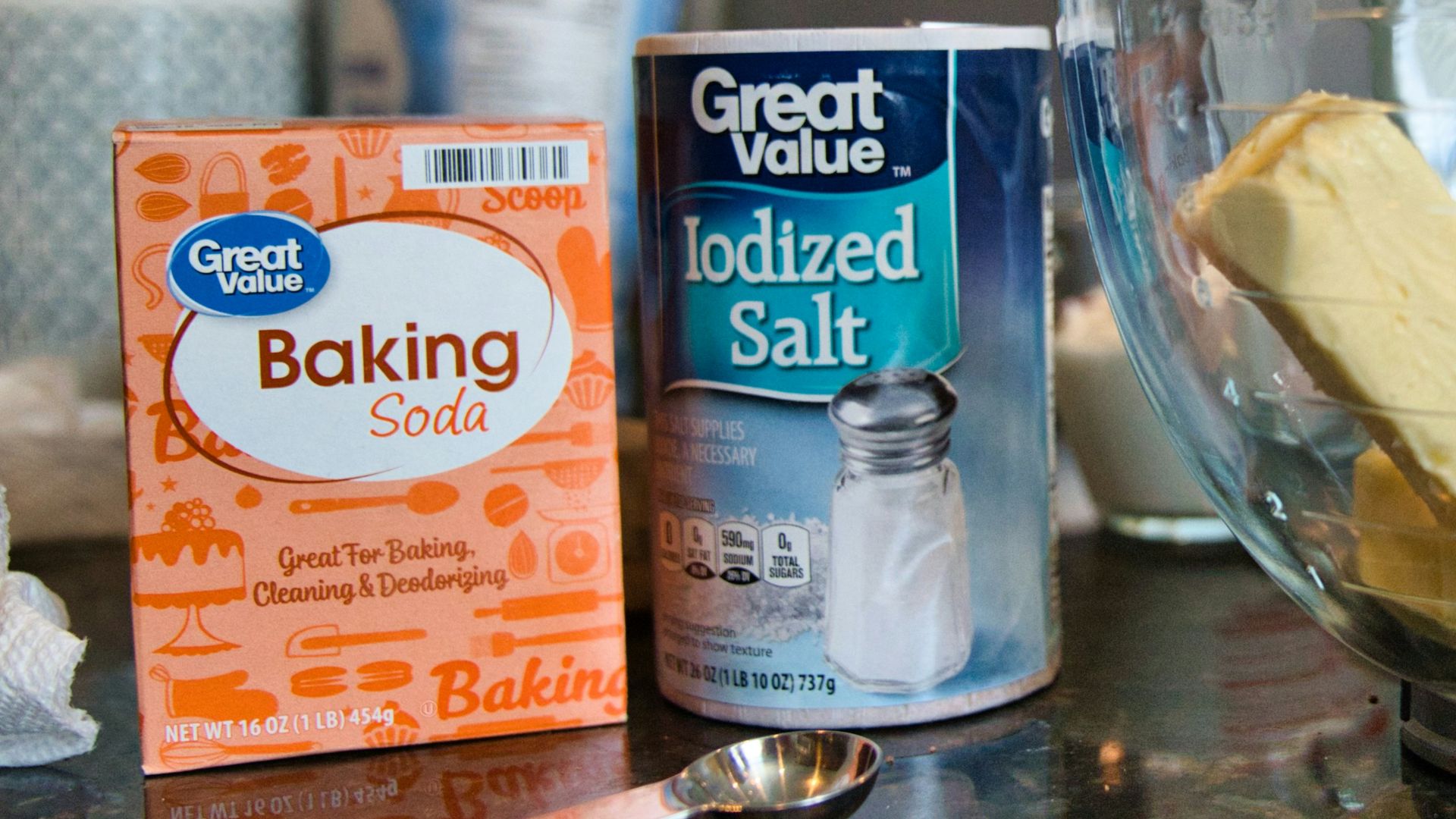
An open box of baking soda on a back shelf neutralizes acidic food odors through chemical reaction. The practice traces back to 19th-century iceboxes, where baking soda was a common household staple for odor control. Replacing the box every three months ensures continued effectiveness.
KEEP ON READING
Happy Hour: The 20 Best Foods For Social Snacking