Yes, baking is chemistry, cooking is art. But this oversimplified nugget of kitchen wisdom holds some serious truth, and understanding how might just change how you approach your next meal.
The difference between these two methods isn't just philosophical rambling from food snobs; it's rooted in actual chemical reactions that either demand precision or forgive your creative impulses. So let's dig into why your grandmother's "pinch of this, dash of that" approach works beautifully for stew but would absolutely wreck a cake.
The Chemistry Behind The Baking Rules
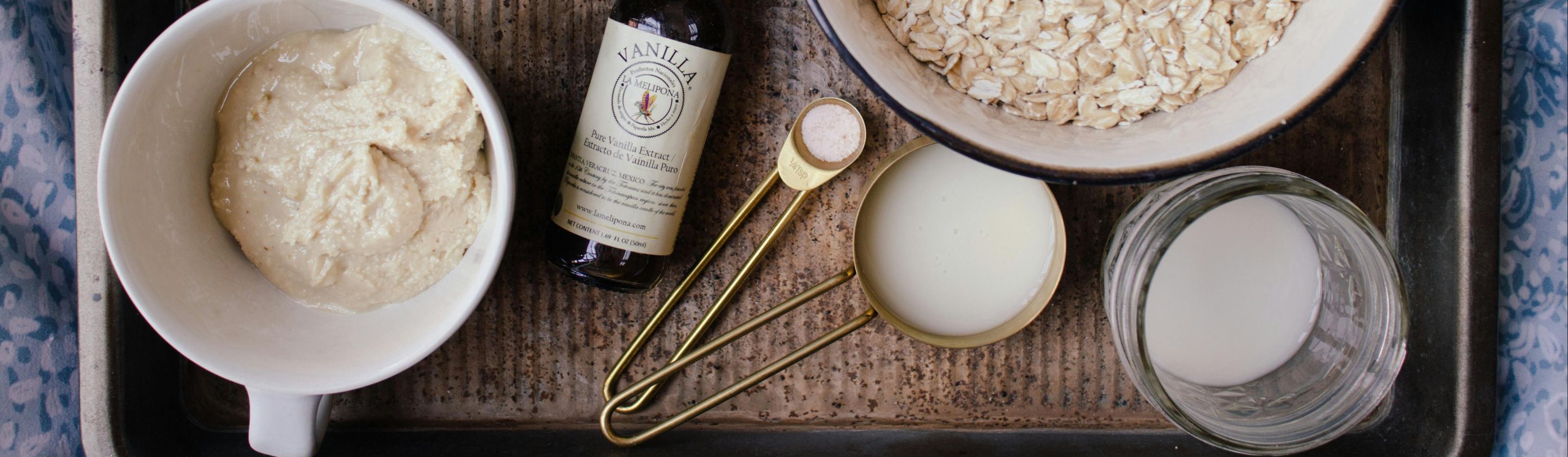
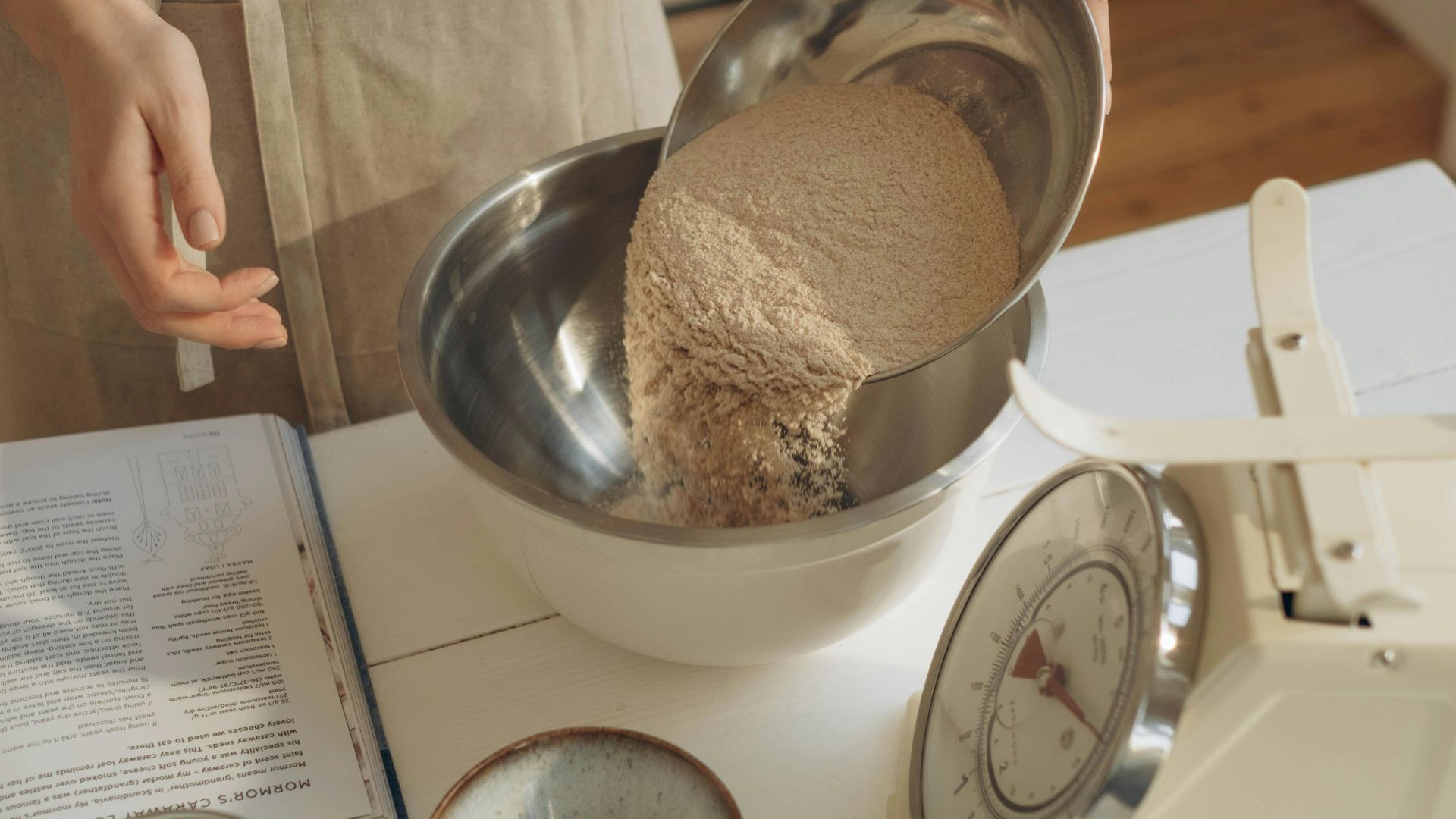
Baking operates on non-negotiable chemical principles. When you mix flour with liquid, gluten proteins form networks that trap gases. When baking soda meets acid, carbon dioxide is released immediately. When eggs coagulate at specific temperatures, they create structure. These reactions happen whether you want them to or not, and they occur in precise ways. Change the ratio of flour to liquid by even fifteen percent, and your bread goes from fluffy to dense.
Reduce the sugar in cookies, and you're not just making them less sweet—you're altering their spread, texture, and browning because sugar isn't just a sweetener; it's a tenderizer, a moisture-retainer, and a caramelization agent. This is why bakers measure in grams rather than cups, why they obsess over oven thermometers, and why substituting ingredients requires actual mathematical conversion rather than guesswork. The chemical reactions that create rise, structure, and texture don't care about your intentions.
Where Cooking Gives You Freedom
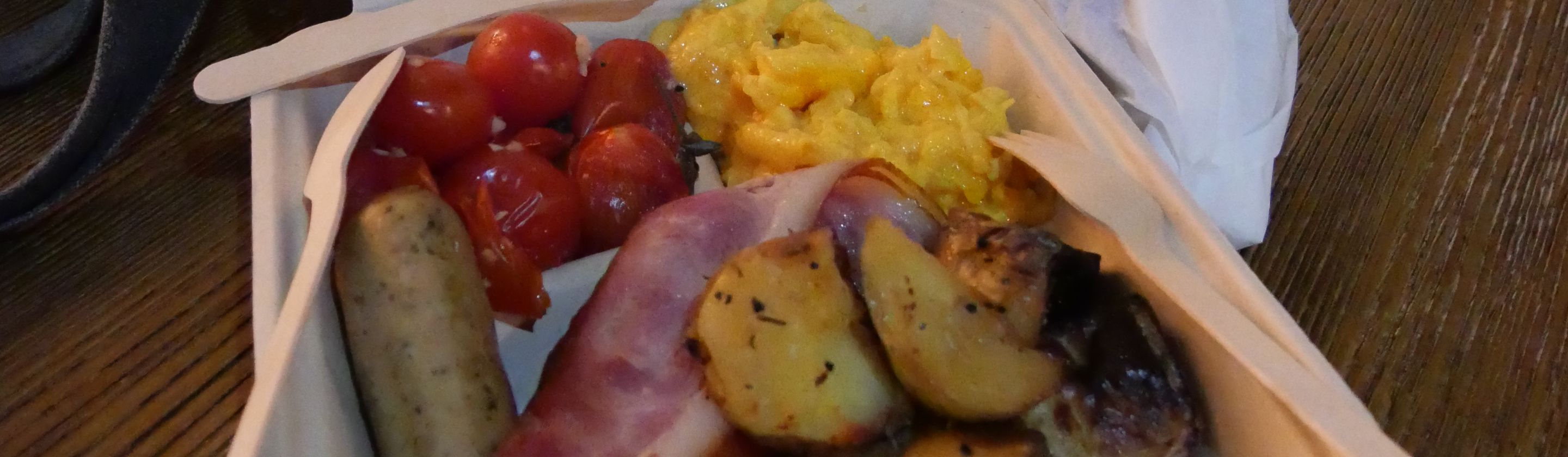
Cooking, by contrast, thrives on flexibility because most cooking methods don't rely on exact chemical reactions to succeed. When you're sautéing vegetables, making soup, or grilling meat, you're working with techniques that tolerate—even benefit from—improvisation. Add an extra onion to your pasta sauce? It'll taste different but still delicious. Forget the exact herbs listed? Substitute freely.
The fundamental difference is that cooking typically involves adding heat to ingredients that remain relatively distinct, while baking involves ingredients turning into entirely new substances through specific chemical reactions. You can taste and adjust a curry as it simmers, adding salt, spice, or acid until it's perfect. Try that same approach with cake batter, and you'll end up with something inedible because you can't reverse the chemical changes once they've begun. Cooking allows real-time correction; baking demands upfront accuracy.
Finding Balance In Your Kitchen
Understanding this distinction actually makes you more capable in both realms. It's not that baking allows zero creativity. You can absolutely play with flavors, add-ins, and certain ratios once you understand the underlying structure. And cooking isn't complete chaos—knife skills, heat control, and timing still matter enormously.
The real wisdom is knowing which rules are chemical laws and which are merely suggestions. Master the non-negotiables of baking chemistry, and you'll know exactly when you can break the rules. Accept cooking's flexibility, but respect the techniques that make food safe and delicious. Both approaches deserve your attention, just in different measures.
KEEP ON READING