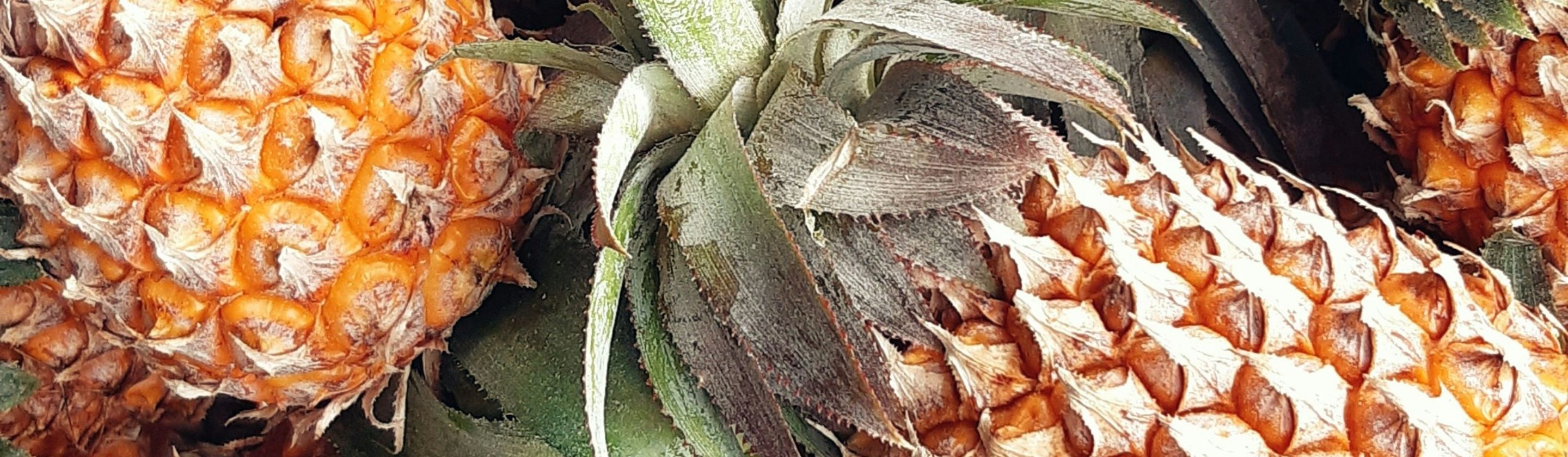
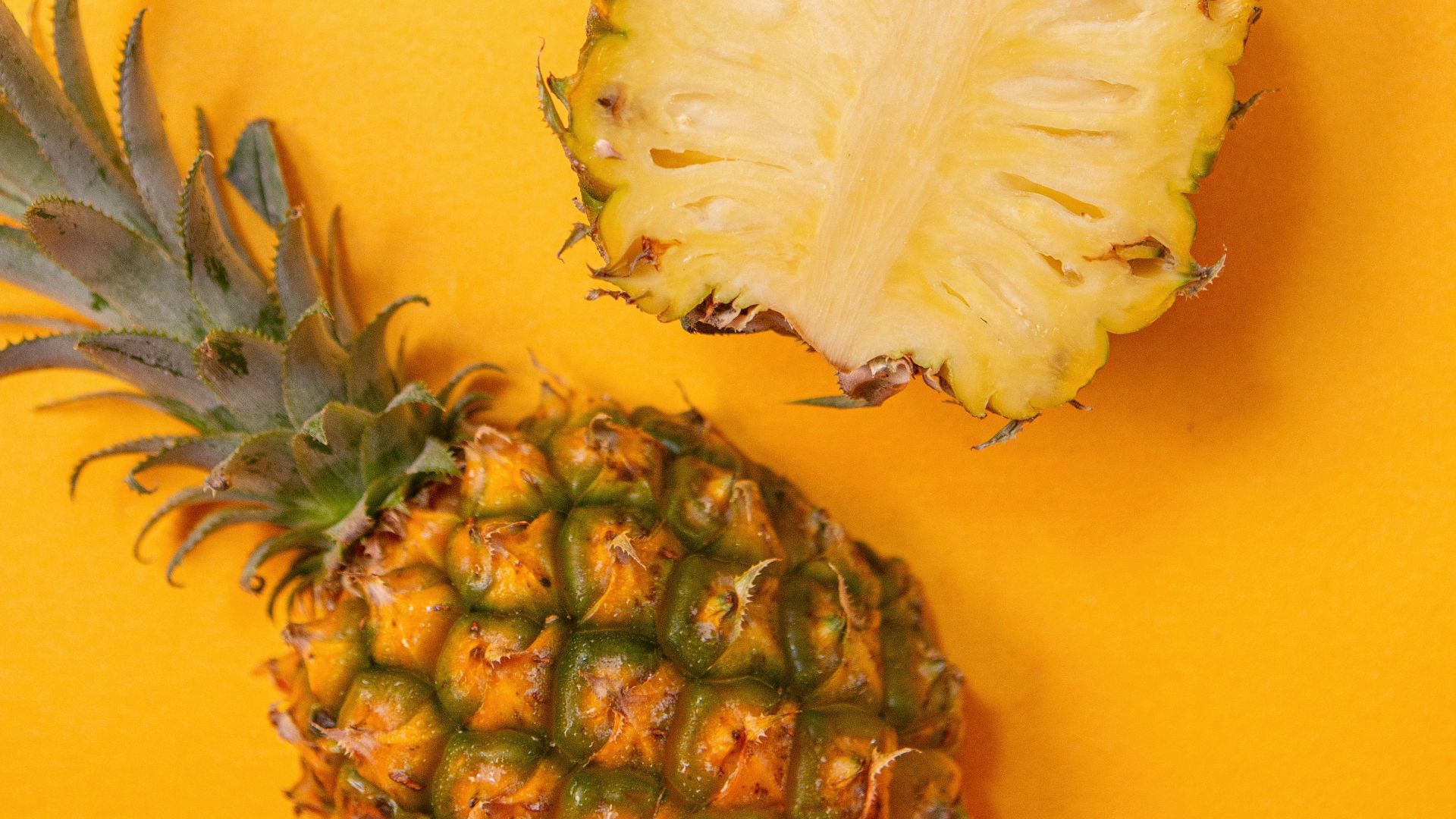
If you head down to your local grocery store today, you can easily grab a fresh pineapple for just a few dollars without giving it a second thought. However, if you lived in Europe during the seventeenth and eighteenth centuries, displaying this spiked tropical fruit was the ultimate symbol of astronomical wealth and high social status. Christopher Columbus first encountered the fruit in Guadeloupe in 1493, introducing its sweet, intense flavor to a thoroughly fascinated European aristocracy. Because the fruit rotted quickly on long ocean voyages from the Caribbean, only the richest citizens could ever dream of seeing a fresh one in person.
Wealthy elites became so entirely obsessed with the fruit's exotic appearance that it quickly earned a reputation as the literal king of fruits. You didn't even have to eat the delicacy to impress your aristocratic peers at a high-society dinner party; simply displaying it intact on a pedestal proved you possessed immense financial influence. In fact, a single flawless specimen could cost the equivalent of thousands of modern dollars, making it far too valuable to actually slice open and consume. Looking back at this bizarre historical trend reveals how a simple agricultural product temporarily became more coveted than gold or fine art.
The Royal Obsession and Elite Rental Market
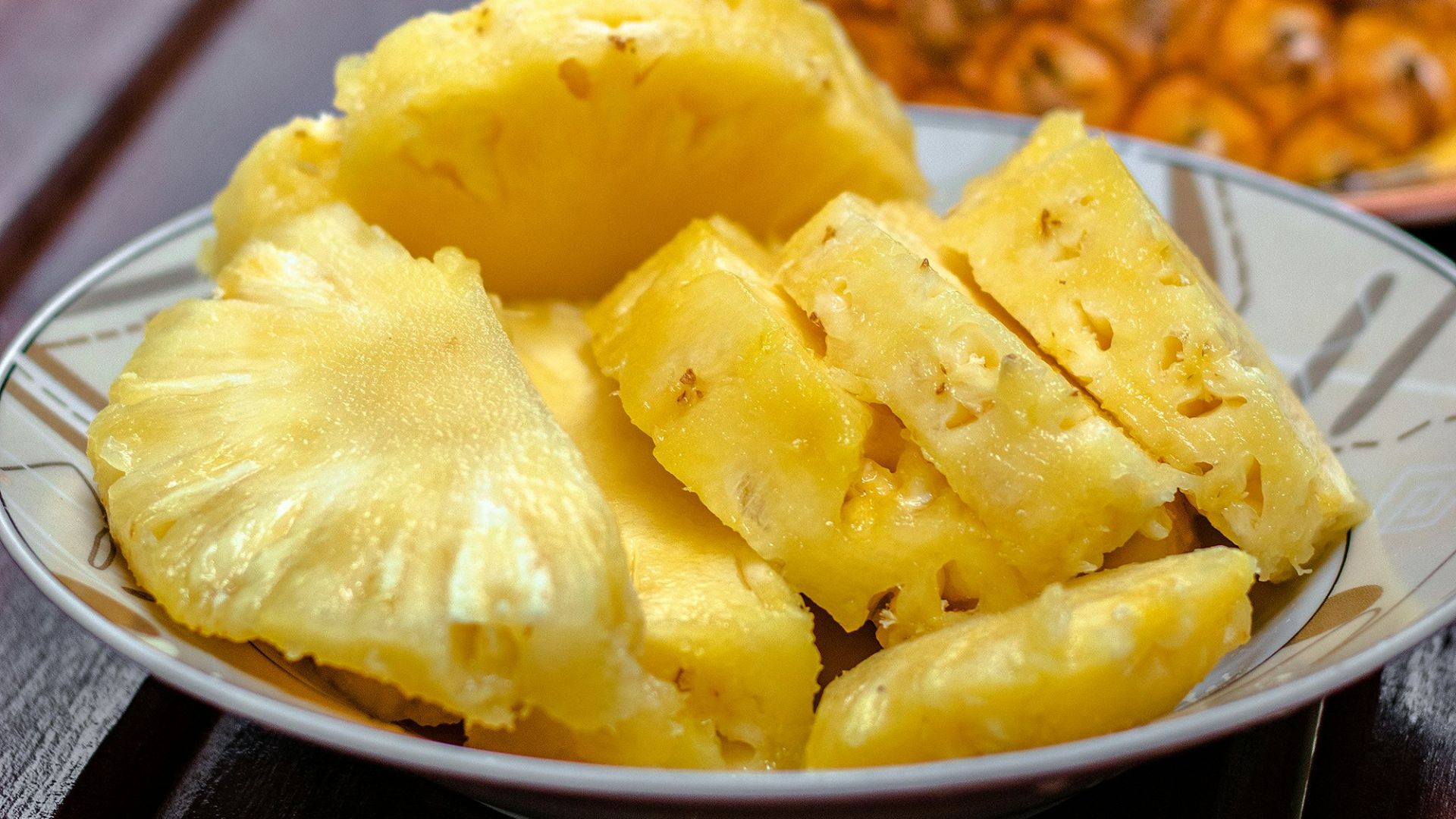
King Charles II of England famously loved the tropical import so much that he commissioned an official royal portrait showing him receiving a pineapple as a gift from his head gardener. This high-profile endorsement triggered an absolute frenzy among the nobility, who scrambled to acquire their own fruits to validate their social standing. Because importing them alive remained an incredibly risky and expensive gamble, a highly lucrative rental market suddenly emerged across London and Paris. If you couldn't afford to purchase one outright, you could actually rent a pineapple for a single evening just to carry it around under your arm at a prestigious gala.
Renting allowed ambitious social climbers to project an aura of immense prosperity without completely bankrupting their family estates in the process. Guests at these lavish parties knew exactly what the presence of the fruit signified, viewing the renter with newfound respect and envy. The rented fruit would travel from party to party night after night until it finally began to rot and emit an unpleasant odor. Once it reached the end of its aesthetic shelf life, the wealthy owner would finally chop it up to sell the heavily bruised slices to affluent diners.
Architects and craftsmen quickly capitalized on this cultural mania by incorporating the fruit's distinctive shape into everything from stone gateposts to expensive silver serving platters. You can still see these decorative stone pineapples gracing the entryways of historic European manors today, standing as permanent monuments to an era of pure consumer decadence. The fruit symbolized hospitality and immense wealth, meaning its physical presence on your property spoke volumes before you even opened your front door. It was the ultimate conversation starter, completely dominating the high-end design trends of the Georgian era.
The Architectural Madness of the Pineapple Pit
As the desire for fresh fruit reached a fever pitch, wealthy European botanists resolved to bypass the treacherous ocean shipping routes by growing them domestically. This ambition required an incredible amount of resourcefulness, as the tropical plant naturally withered in the freezing, damp northern European climate. Wealthy landowners began constructing specialized, glass-roofed hothouses known as pineries that required an immense amount of daily labor and capital to operate. These structures utilized complex underfloor heating systems that burned massive quantities of expensive coal around the clock just to mimic tropical temperatures.
To provide the constant, gentle heat the roots required, gardeners developed ingenious pineapple pits filled with deep layers of fermenting horse manure and tanner's bark. The chemical reaction generated a steady, natural warmth, but the strong fumes required workers to constantly monitor and vent the greenhouse chambers. If a single fire went out during a sudden winter blizzard, an entire fortune in exotic crops could vanish overnight. It took up to three years of meticulous care for a single plant to produce fruit, making each successful harvest an incredible victory for the estate's head gardener.
The sheer absurdity of this agricultural obsession peaked in Scotland, where the Fourth Earl of Dunmore constructed a massive, elaborate summerhouse shaped like an enormous stone pineapple. This architectural marvel dominated his sprawling estate, serving as a permanent boast that his gardeners had successfully conquered the harsh Scottish weather. Only the wealthiest families could afford the astronomical upkeep of these specialized greenhouses, turning the cultivation of the fruit into a highly competitive sport among rival lords. Producing a homegrown fruit was the supreme status symbol, completely eclipsing the mere purchase of an imported one.
The Culinary Status of the Consumable Trophy
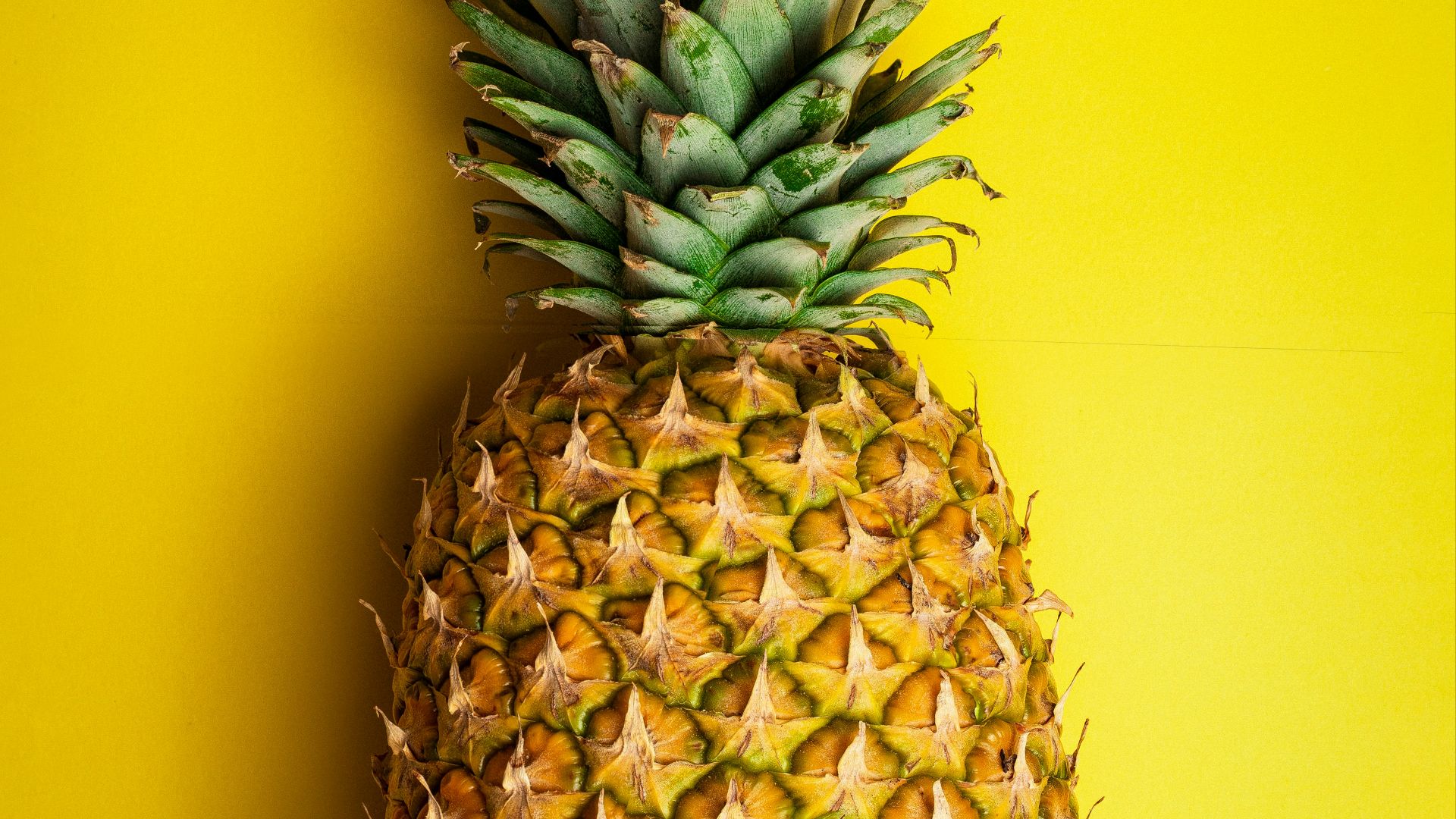
When an aristocrat finally decided to slice into a homegrown pineapple, the event was treated with all the grand ceremony of a major state occasion. Guests would gather around the dining table in absolute awe as the host carefully carved the fruit into paper-thin translucent slices to stretch the delicacy as far as humanly possible. Eating a piece was a deeply memorable sensory experience for Europeans whose prior diet consisted primarily of local apples, pears, and root vegetables. The explosive, sugary taste felt completely out of this world, cementing its mystical reputation as a divine food fit only for royalty.
Because the fruit was so incredibly precious, cooks devised creative ways to incorporate it into elaborate table centerpieces without destroying the rind entirely. They would carefully hollow out the interior fruit to serve in a light syrup, then reassemble the spiked skin and leafy crown so it still looked perfectly intact to onlookers. This allowed the host to show off his immense wealth visually while still treating his highest-ranking guests to a taste of the actual flesh. Every single scrap of the fruit, including the tough outer peel, was steeped in alcohol to create expensive, exotic cordials that lingered long after the party ended.
Eventually, the introduction of steamships and fast-moving trade routes in the nineteenth century allowed commercial plantations in Hawaii and the Caribbean to flood the global market with cheap, fresh fruit. As the exotic novelty transformed into an ordinary grocery item, the aristocracy quietly abandoned their expensive pineries and shifted their attention to newer luxury imports. Today, this tropical treat is easily available, but it is fascinating to remember that this humble fruit once held the entire European upper class completely captive.
KEEP ON READING

The Most Popular Signature Dishes Around the World