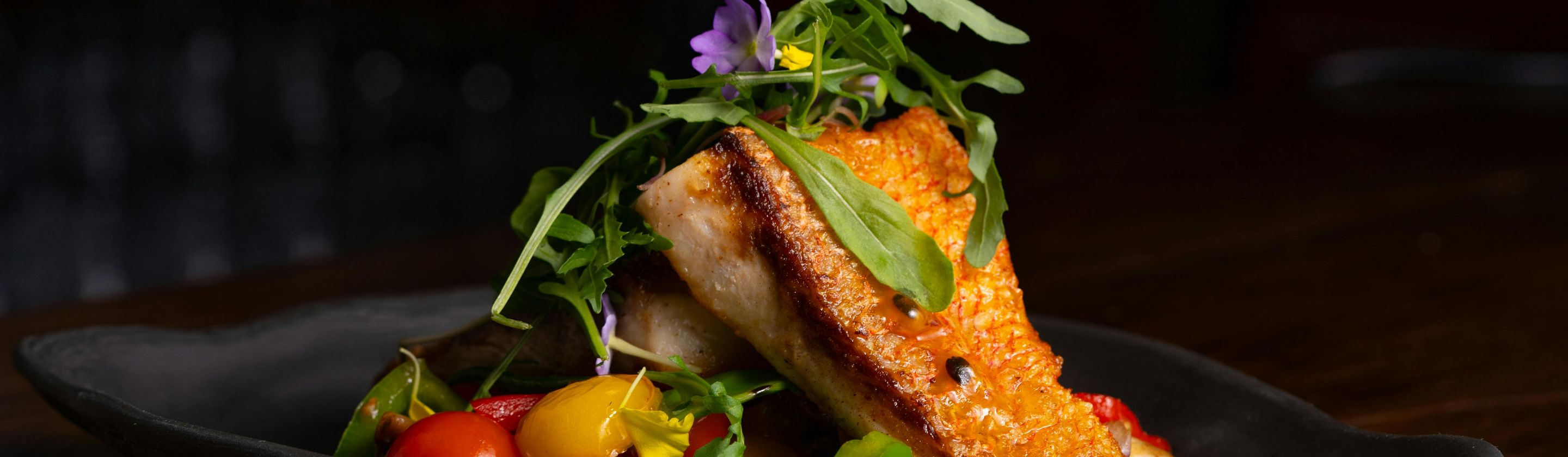
Flavor Compatibility 101
Salmon is forgiving, but not that forgiving. Slap the wrong herb on this buttery fish, and you'll end up with something that tastes like perfume or worse—cough syrup. Some herbs are classics for a reason, delivering that perfect balance of brightness and depth. Others? They're kitchen disasters waiting to ruin your dinner. Let’s start by looking at 10 herbs you should keep away from salmon.
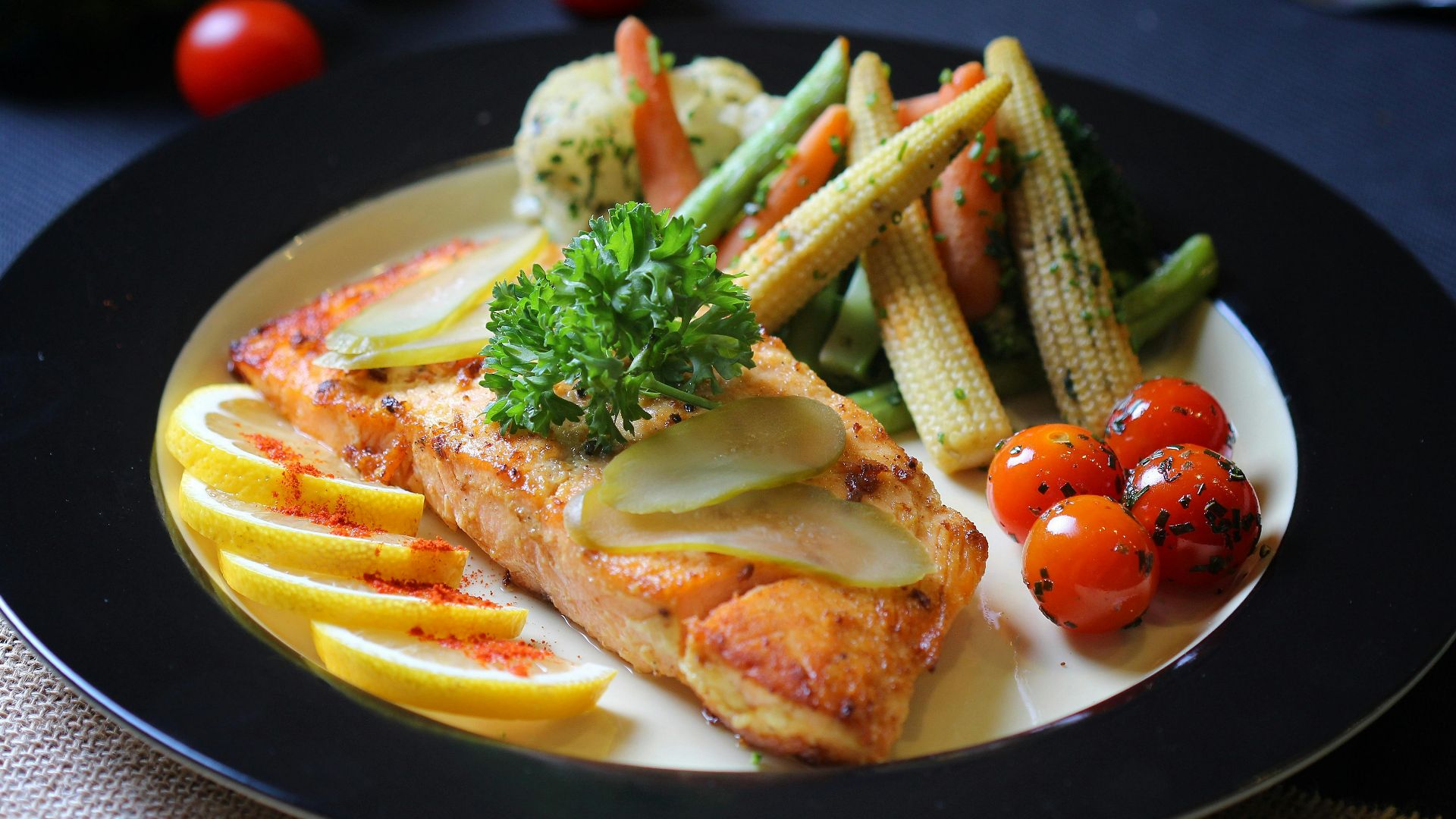
1. Lavender
You're crafting what should be a beautiful salmon dinner, and you reach for lavender, thinking it'll add a sophisticated touch. Big mistake. Lavender's strong floral and camphorous notes create a soapy or perfume-like taste. Besides, it imparts a bitter aftertaste.
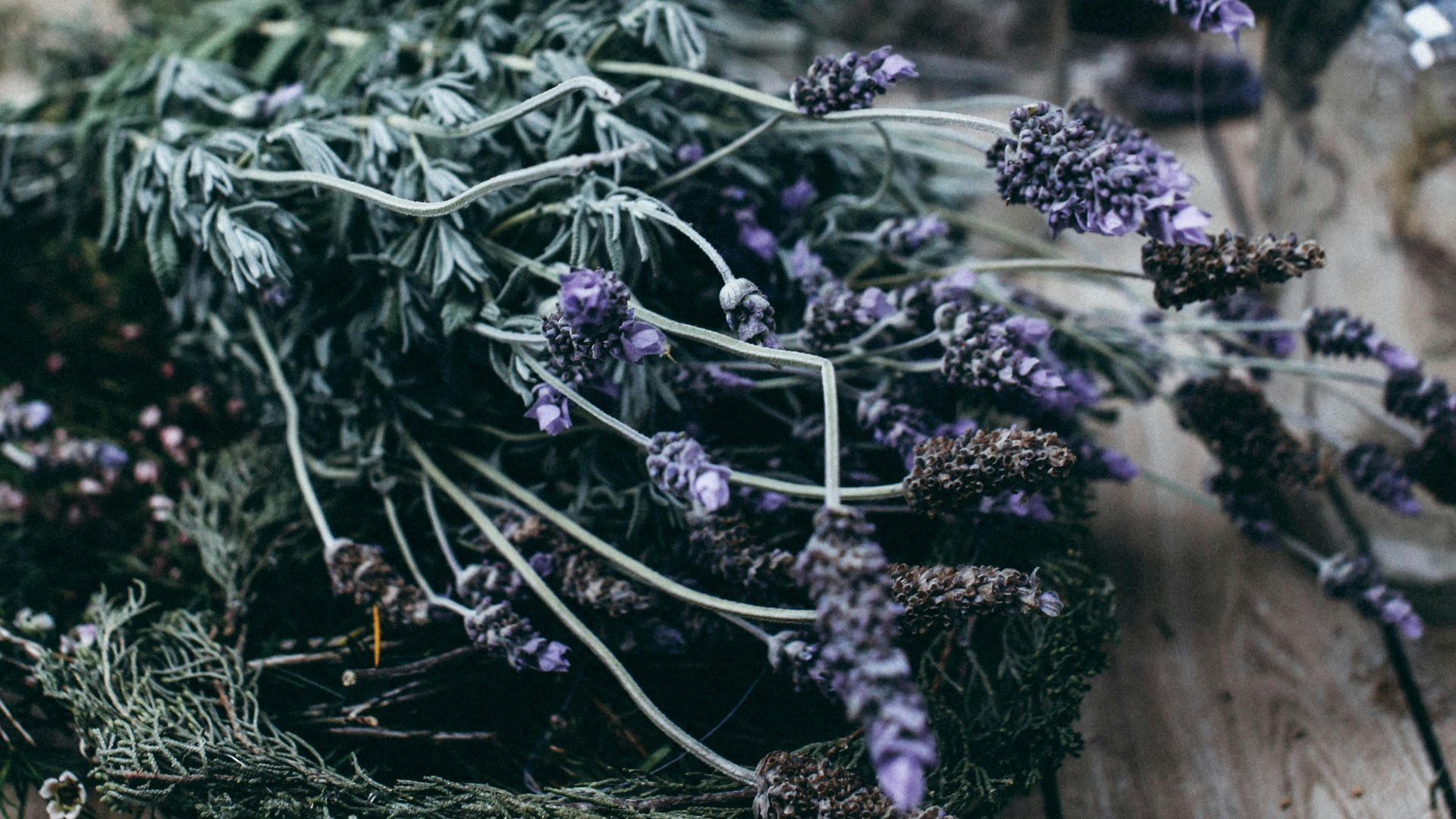
2. Fenugreek Leaves
Fenugreek's maple-like aroma might smell incredible, but here's something wild. Consuming large amounts can actually make your body odor smell like maple syrup. Unfortunately, that distinctive scent doesn't translate well to salmon. It's commonly used in Indian cuisine, especially in dals.
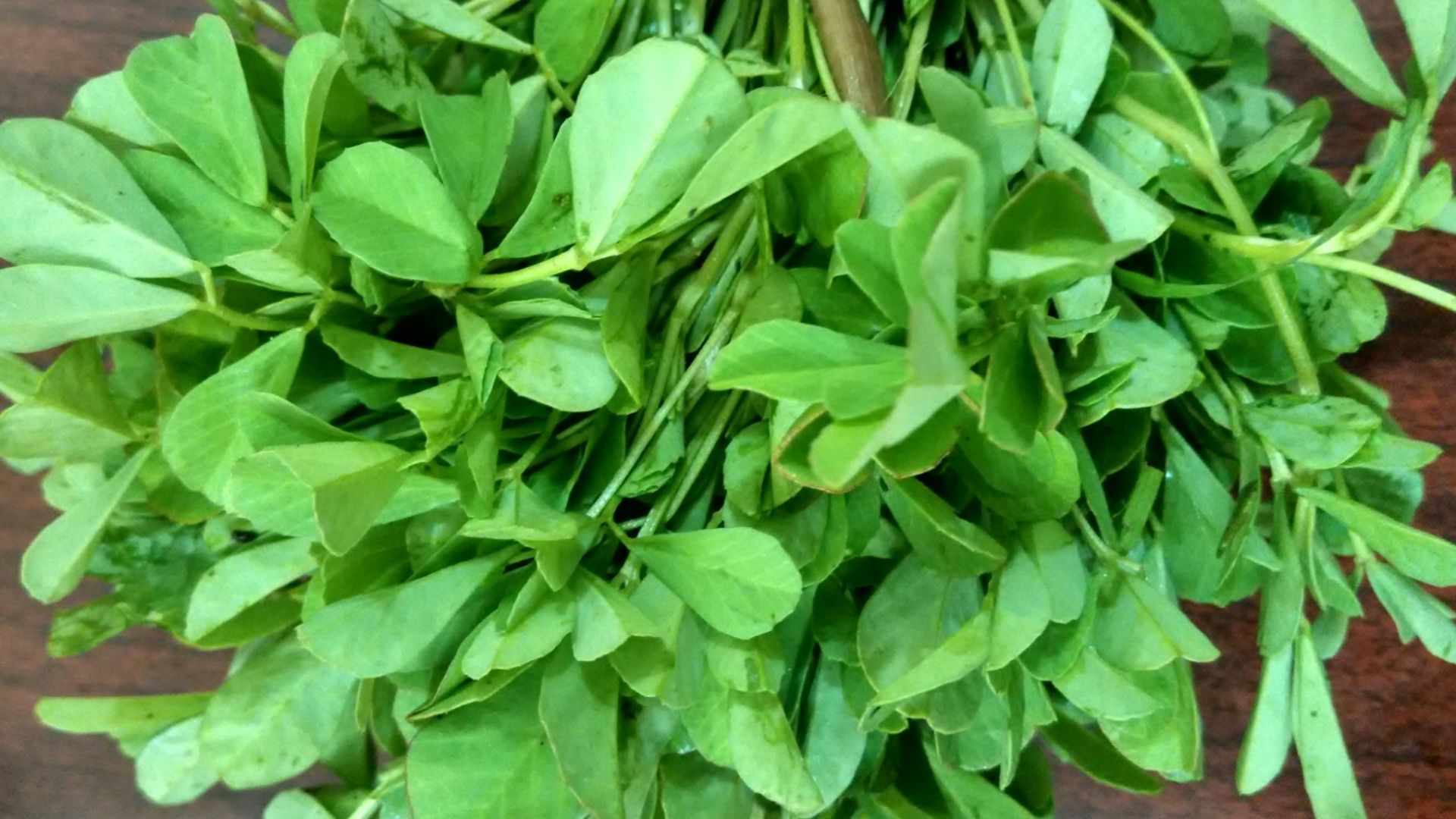 Thamizhpparithi Maari on Wikimedia
3. Epazote
Traditionally used in bean dishes to reduce gas and add depth to bold Mexican flavors, epazote earned the nickname "wormseed" or "pigweed". It was historically used in tiny amounts as a natural dewormer, which explains its strong, funky scent.
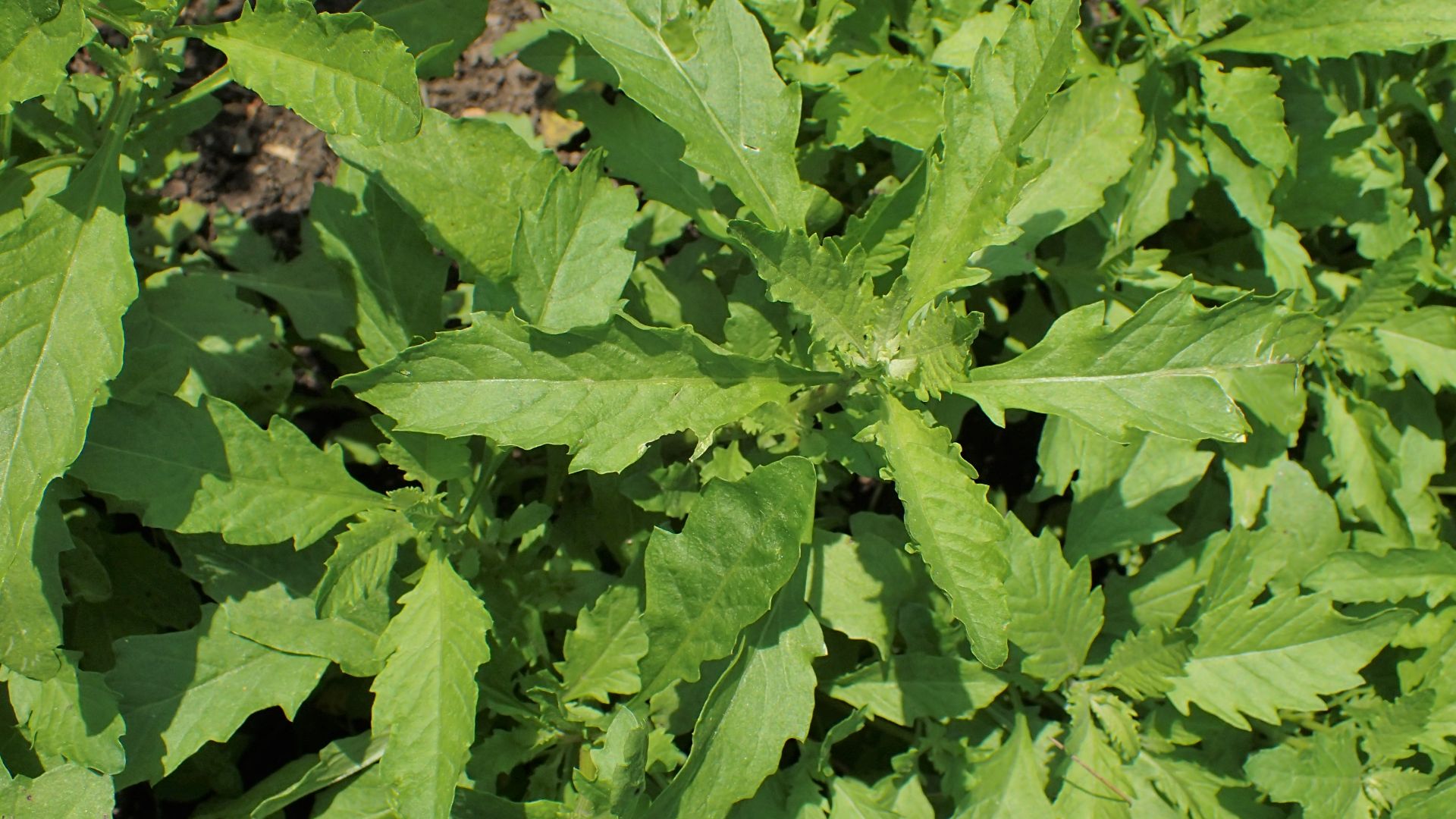 Krzysztof Ziarnek, Kenraiz on Wikimedia
4. Hyssop
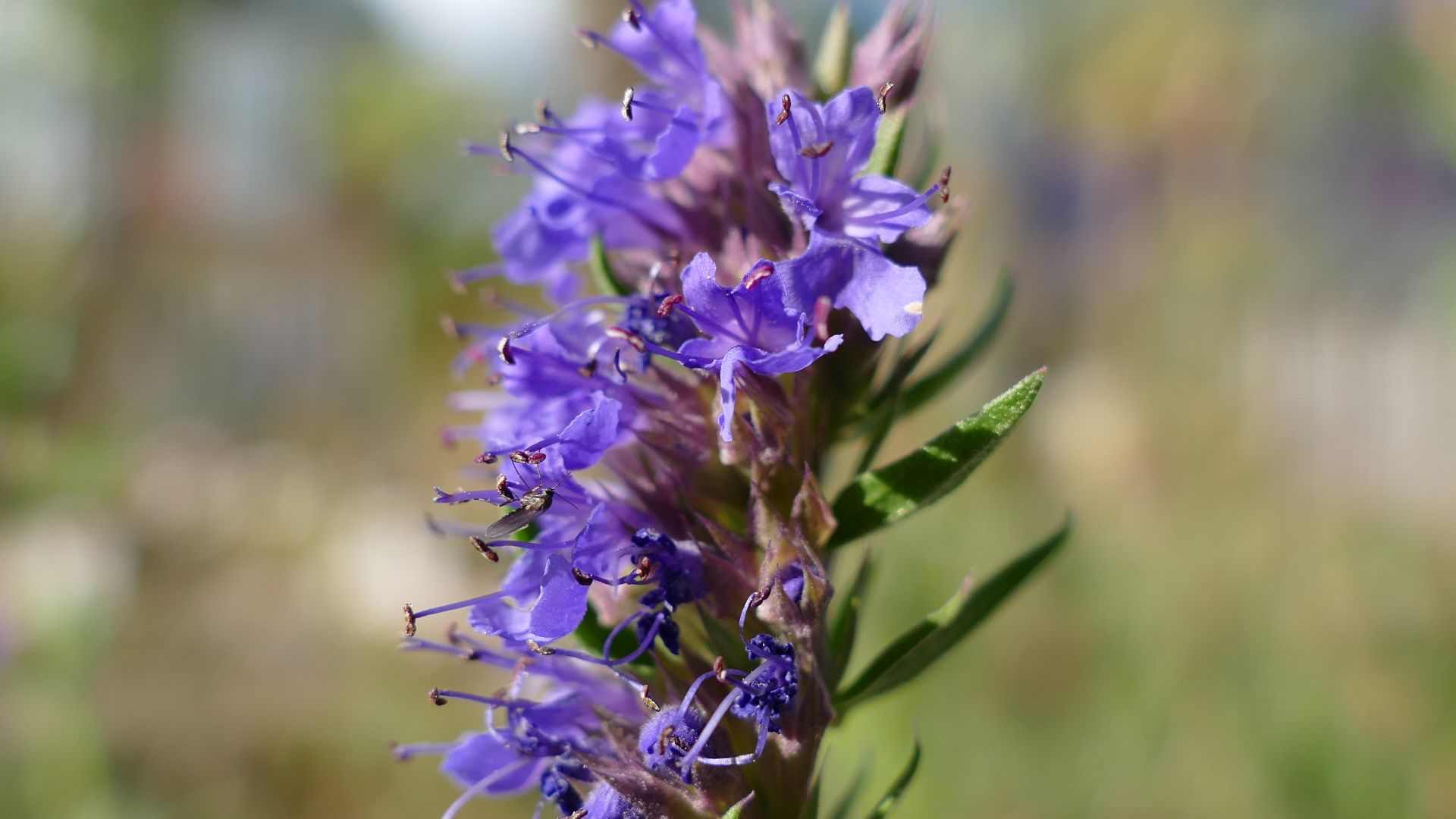
Biblical references mention hyssop for purification rituals, and it's a key ingredient in some absinthes and Chartreuse liqueur—none of which suggest it belongs anywhere near your salmon fillet. This herb delivers an intensely minty, bitter, and licorice-like flavor that overpowers delicate seafood.
5. Tansy
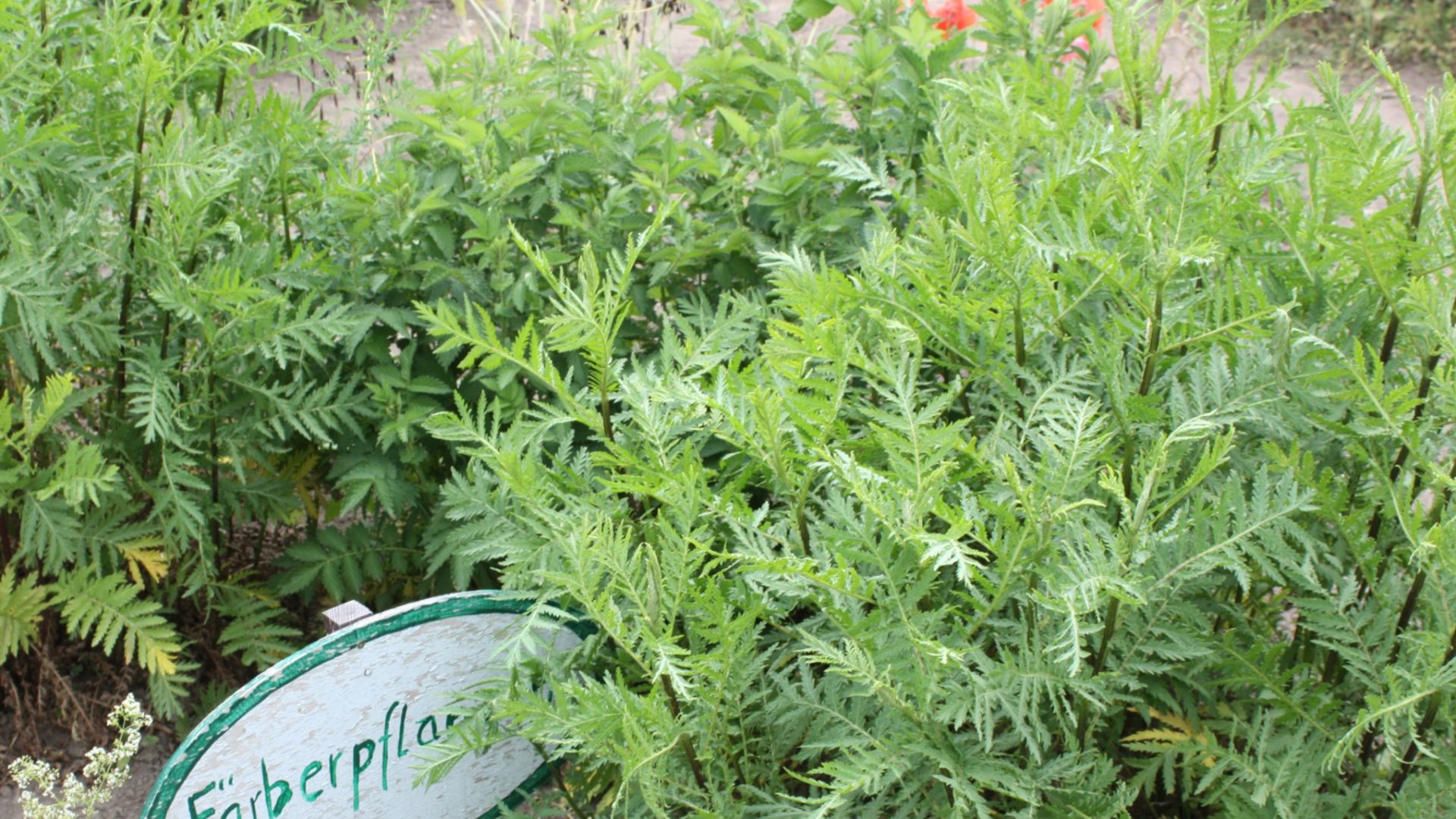
Medieval cooks once made "tansy cakes" for Easter, believing the bitter herb would ward off intestinal worms. Today, we know better: tansy is genuinely toxic in larger amounts due to thujone content, which can cause convulsions or organ damage.
6. Wormwood
The "green fairy" reputation of absinthe comes from wormwood, though the hallucinogenic lore was largely exaggerated. Still, this herb's bitter, absinthe-like flavor overwhelms and clashes with salmon. This is one herb that should stay in the liquor cabinet, away from your kitchen seafood preparations.
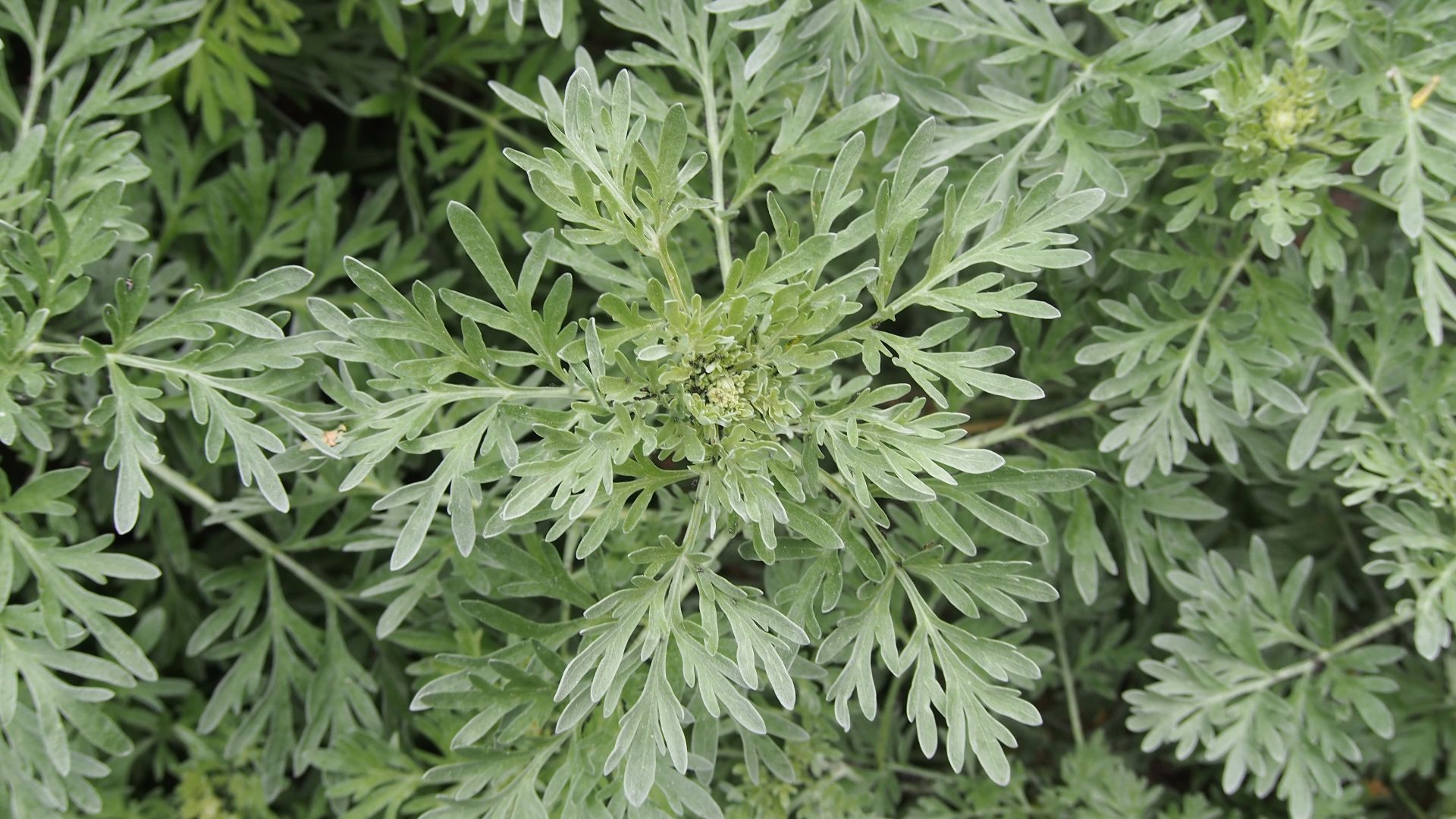 Agnieszka Kwiecień, Nova on Wikimedia
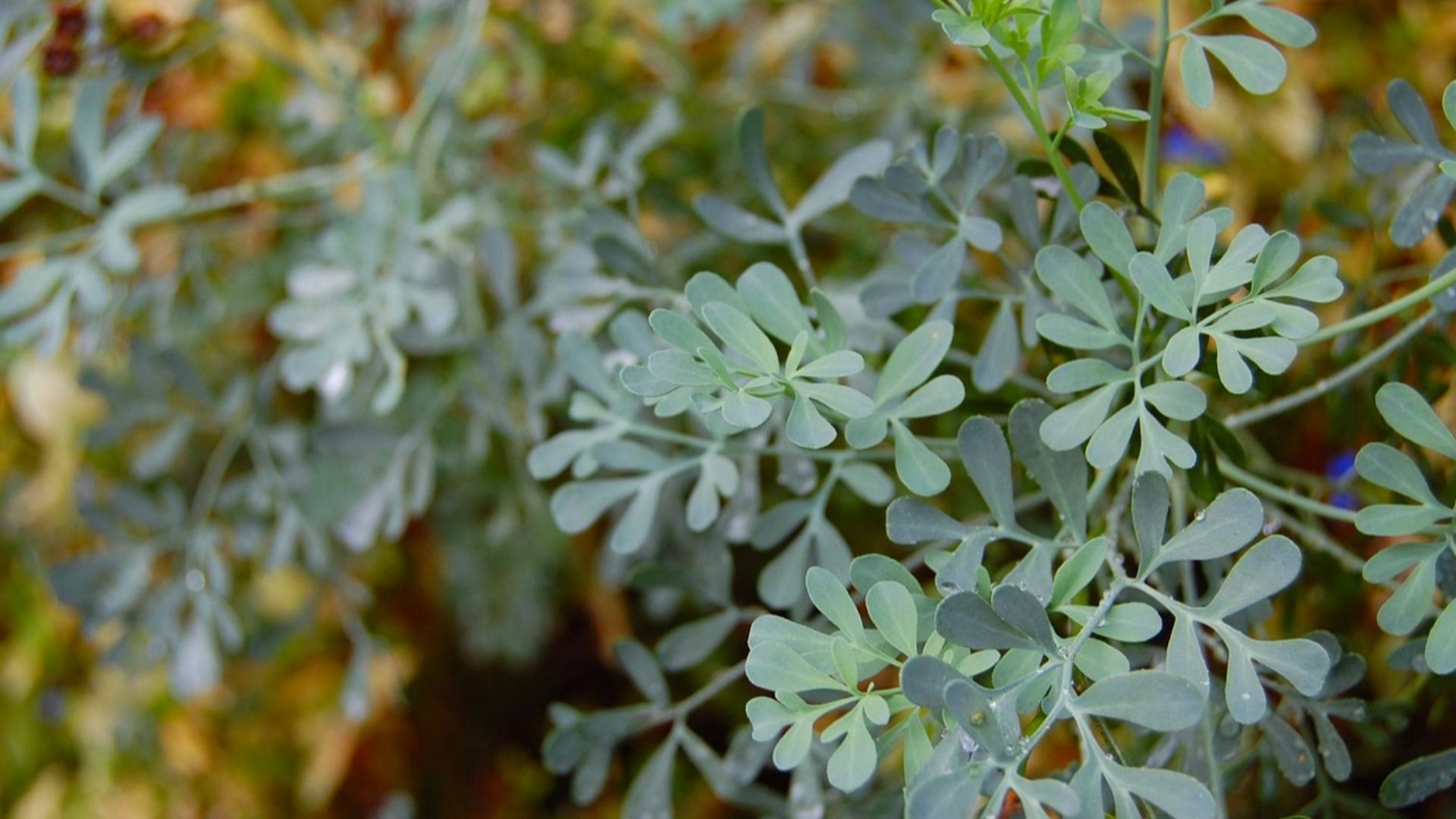
7. Rue
In folklore, rue was carried as protection against the "evil eye" and the plague—it's even referenced in the phrase "rue the day," meaning to regret bitterly. That bitterness isn't just metaphorical: rue has a medicinal taste that's unpleasant and overpowering on food.
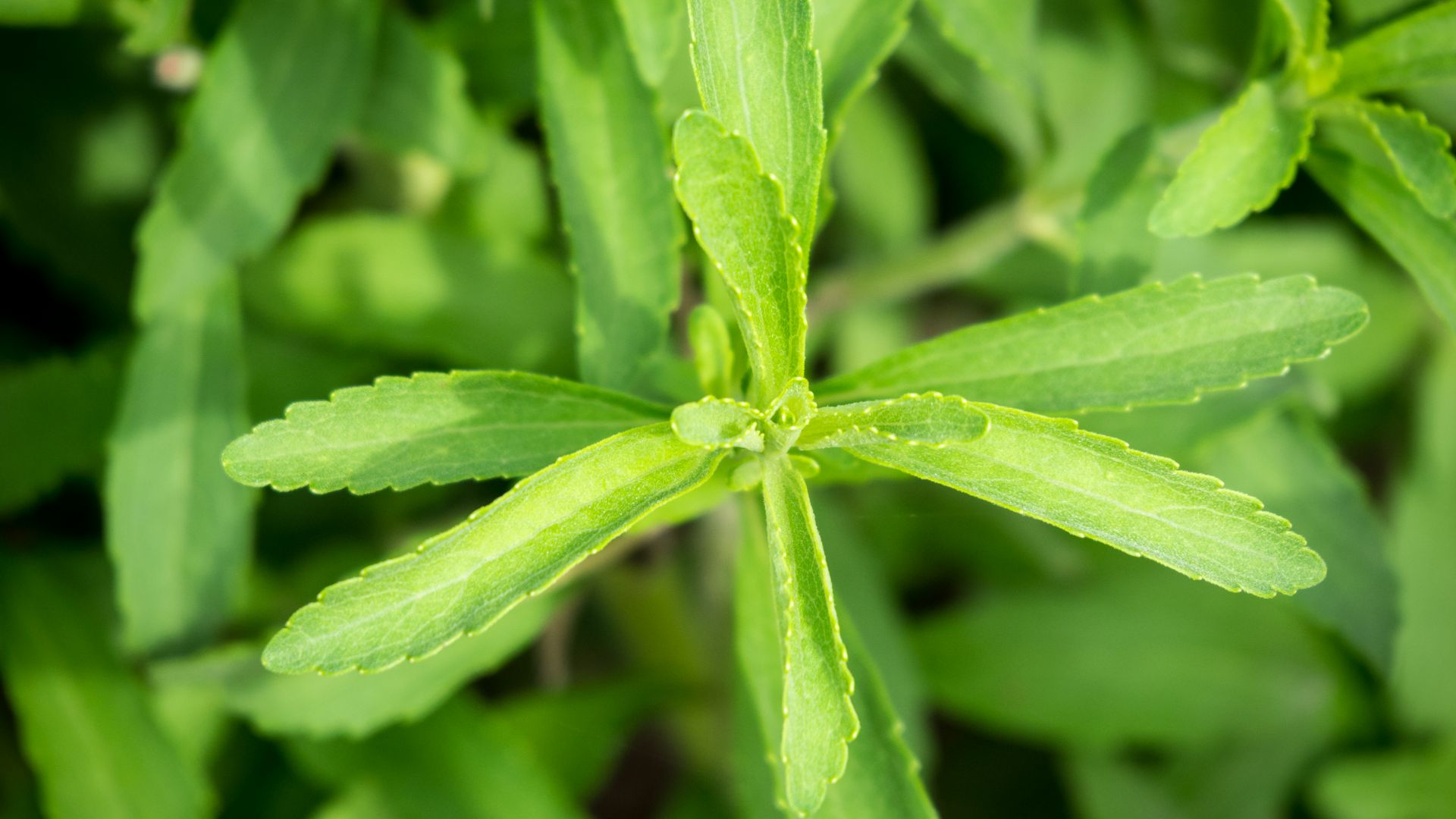
8. Stevia Leaves
You know stevia as a zero-calorie sweetener that's 200 to 300 times sweeter than sugar. But here's the problem with salmon: raw stevia leaves have a strong, licorice-like bitterness after the initial sweetness. The aftertaste can make savory dishes taste off.
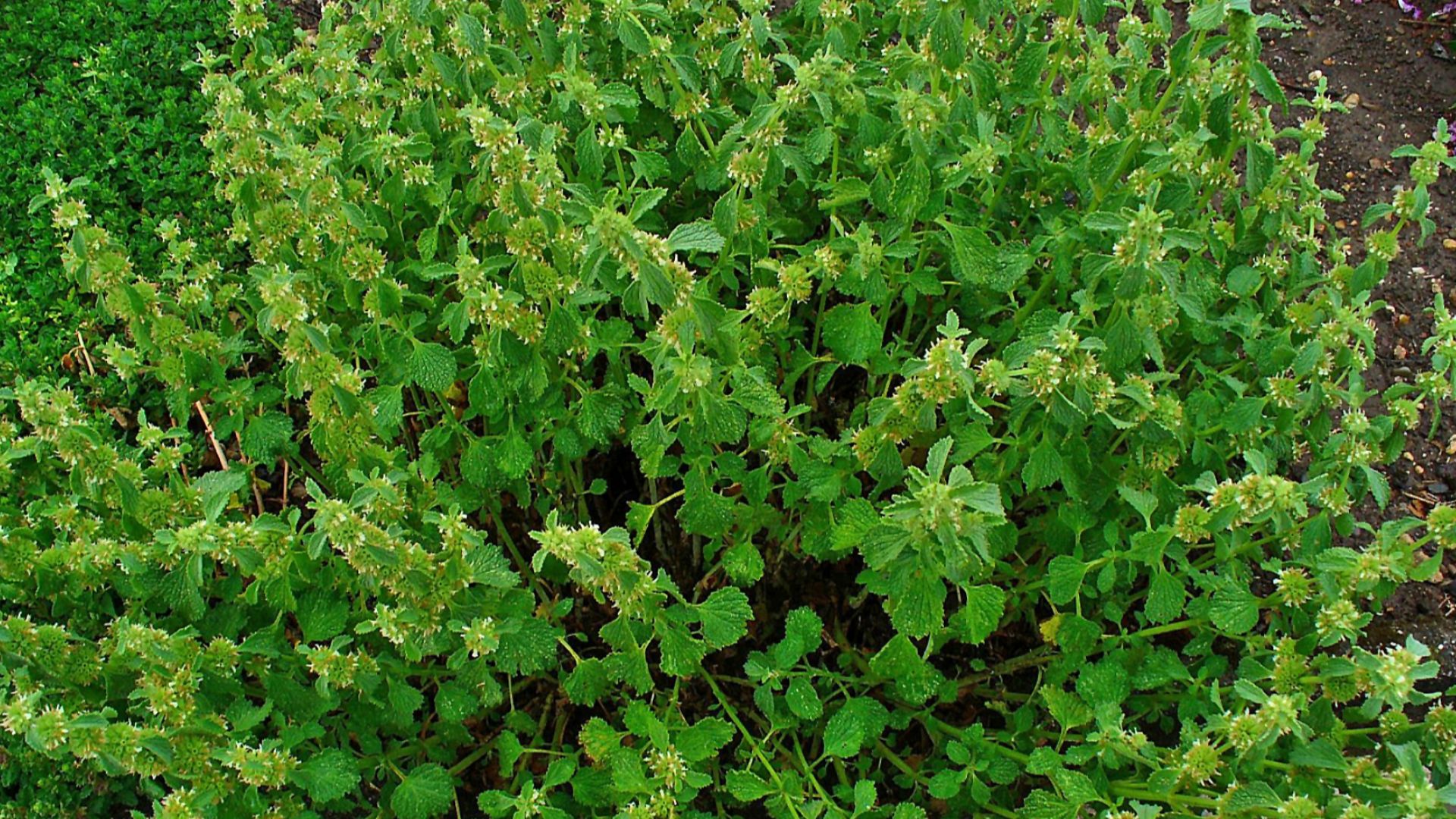
9. Horehound
Horehound candy is a classic old-time remedy for coughs. It's the main flavor in some "old-fashioned" hard candies that your grandparents might remember. That cough-syrup-like quality is exactly why it's terrible with salmon. Horehound is bitter and medicinal-tasting.
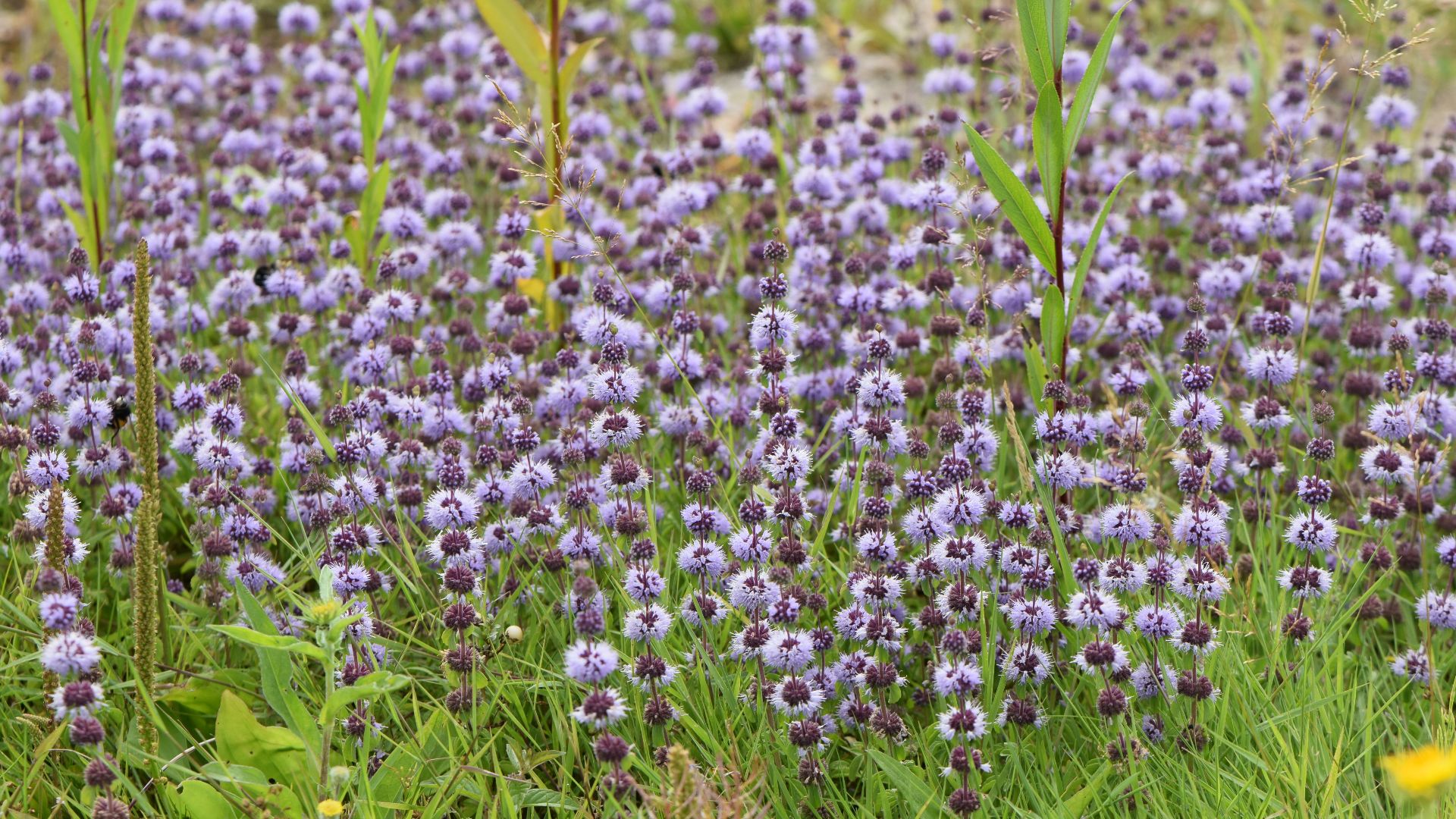
10. Pennyroyal
This is where we move from "bad idea" to genuinely dangerous territory. Pennyroyal was historically used as an abortifacient tea, leading to tragic results and its subsequent ban in many food contexts. The item is highly toxic and can cause liver failure.
 Krzysztof Ziarnek, Kenraiz on Wikimedia
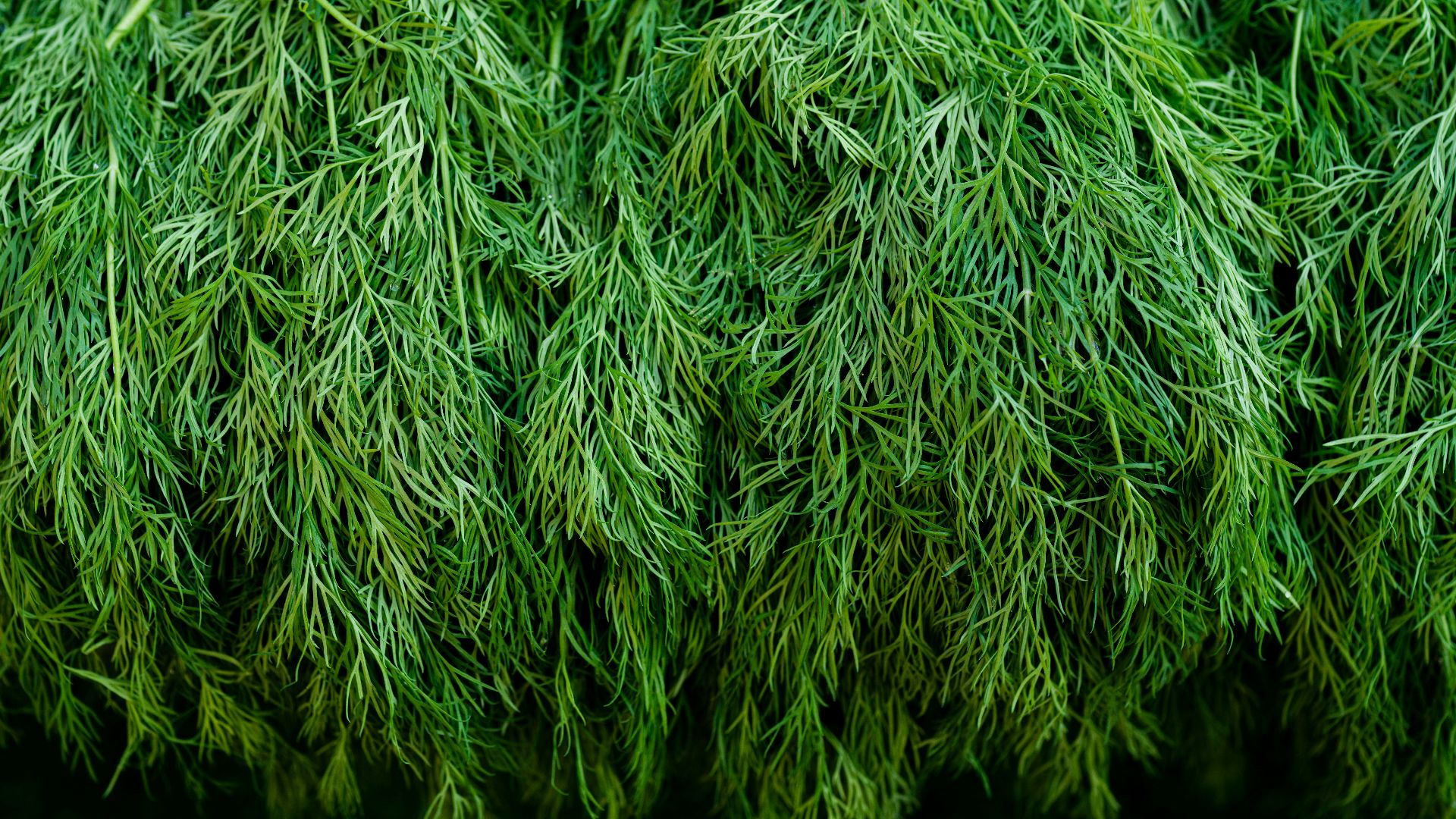
1. Dill
Fresh dill is preferred over dried for salmon, as it provides bright, grassy notes that pair perfectly with lemon or creamy sauces. Dill is the most classic and iconic herb for salmon, often featured in pairings like lemon-dill butter or sauces.
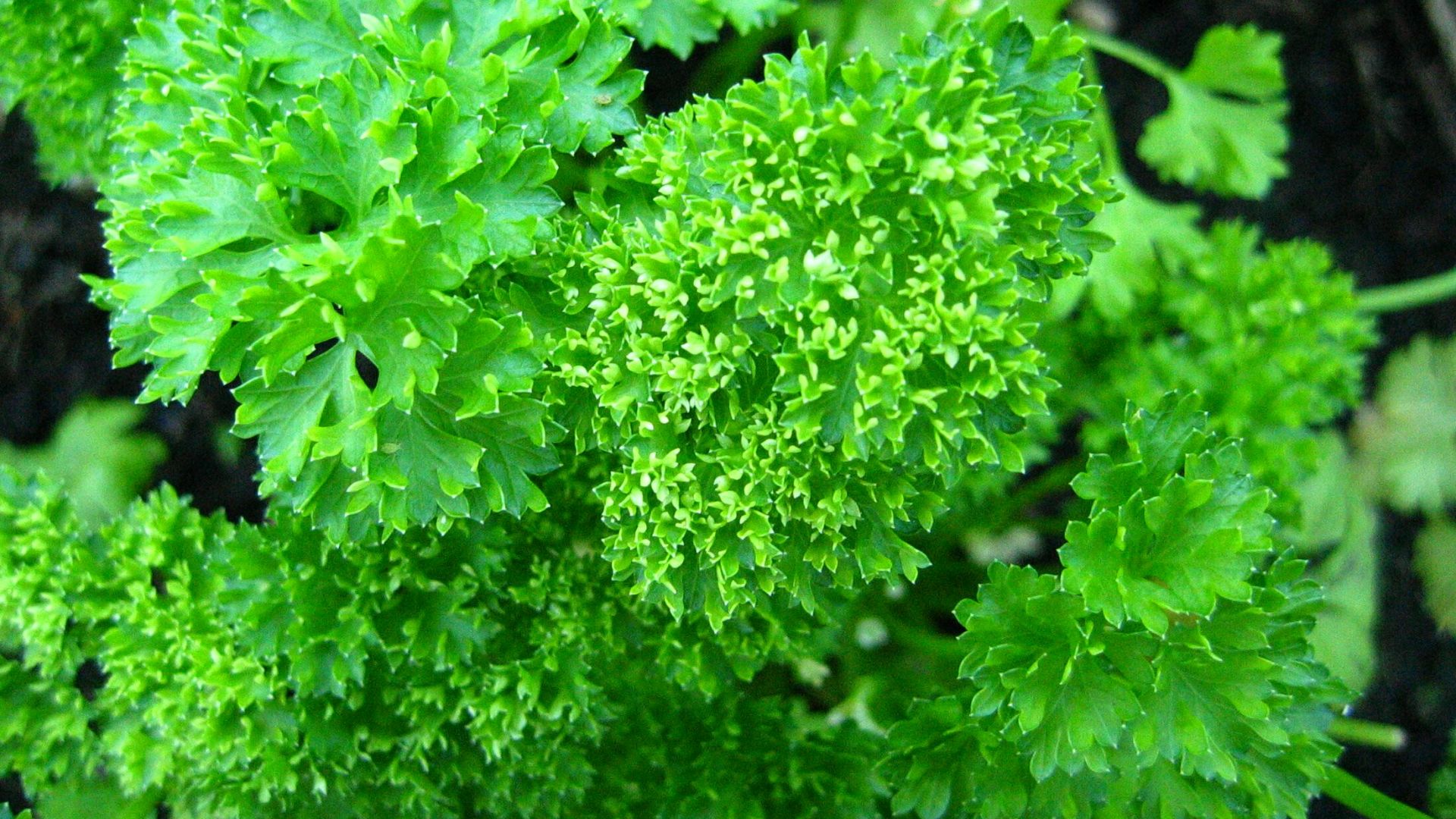
2. Parsley (Flat-Leaf)
This clean, bright herb adds freshness and a mild earthy note that balances salmon's oiliness. It is often used as a garnish or in herb mixes. This item is versatile for salmon—chopped fresh in sauces, sprinkled as a finishing touch, or mixed into compound butters.
 No machine-readable author provided. Ranveig assumed (based on copyright claims). on Wikimedia
3. Tarragon
Nicknamed the "king of herbs" in French cuisine, tarragon is one of the four essential components of fines herbes, earning its royal title through centuries of elevating dishes. French tarragon (the culinary variety) is preferred for its authentic, peppery-sweet profile.
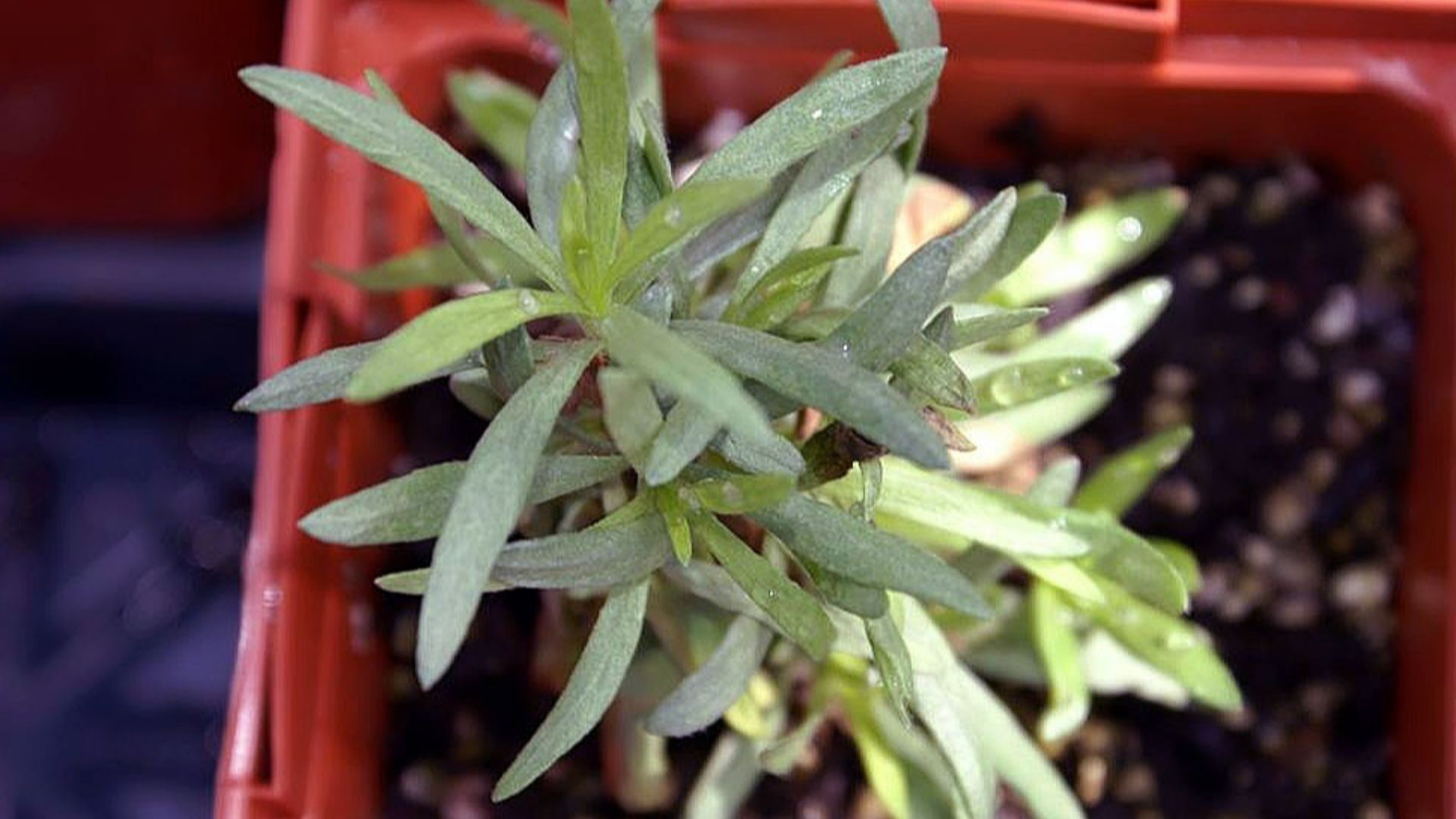 Photo by David J. Stang on Wikimedia
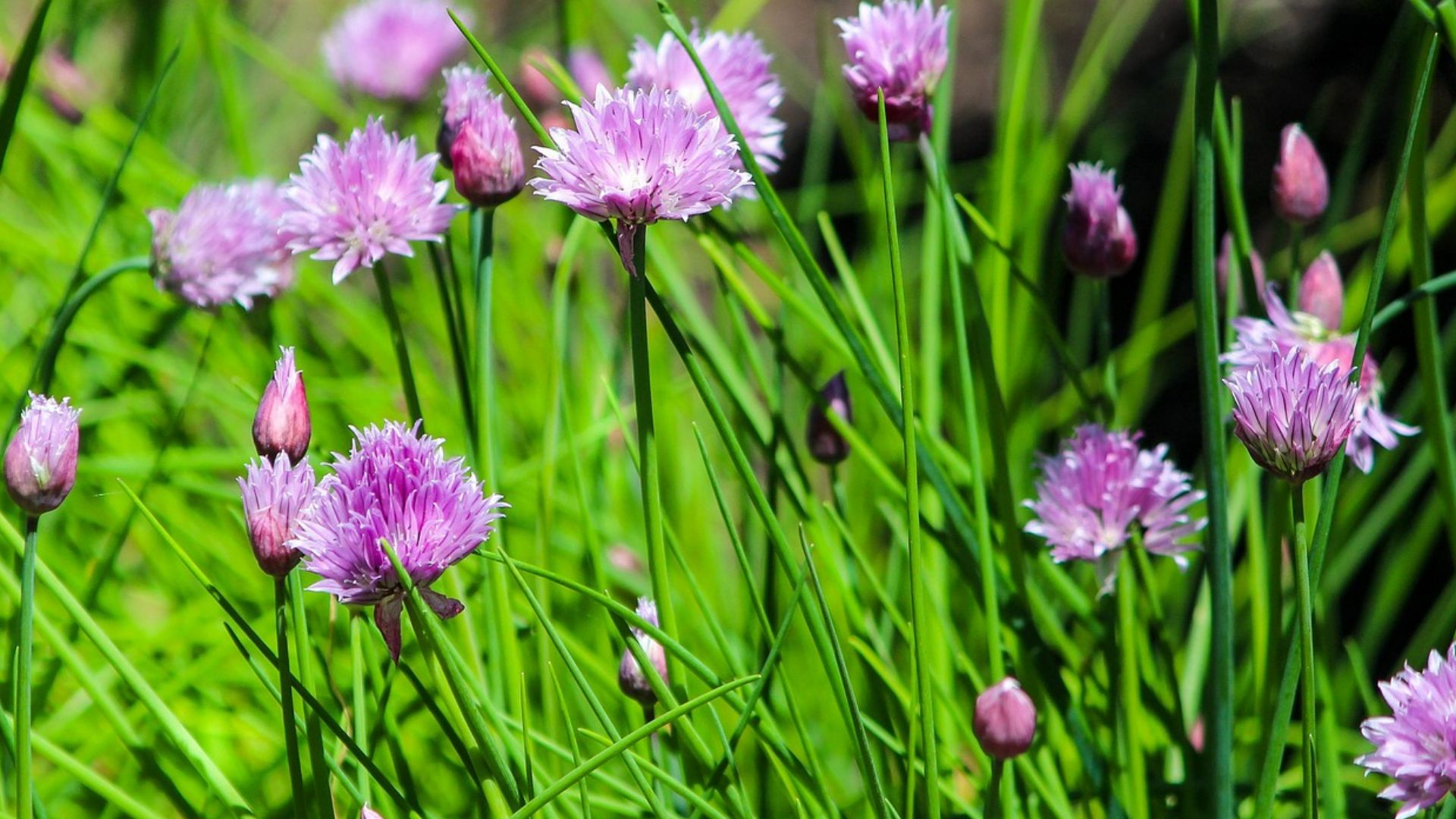
4. Chives
As part of a blend, chives pair excellently with other soft herbs for finishing salmon dishes. Here's something fascinating: chives are the only true onion family member commonly used as an herb rather than a vegetable, and their purple flowers are edible too.
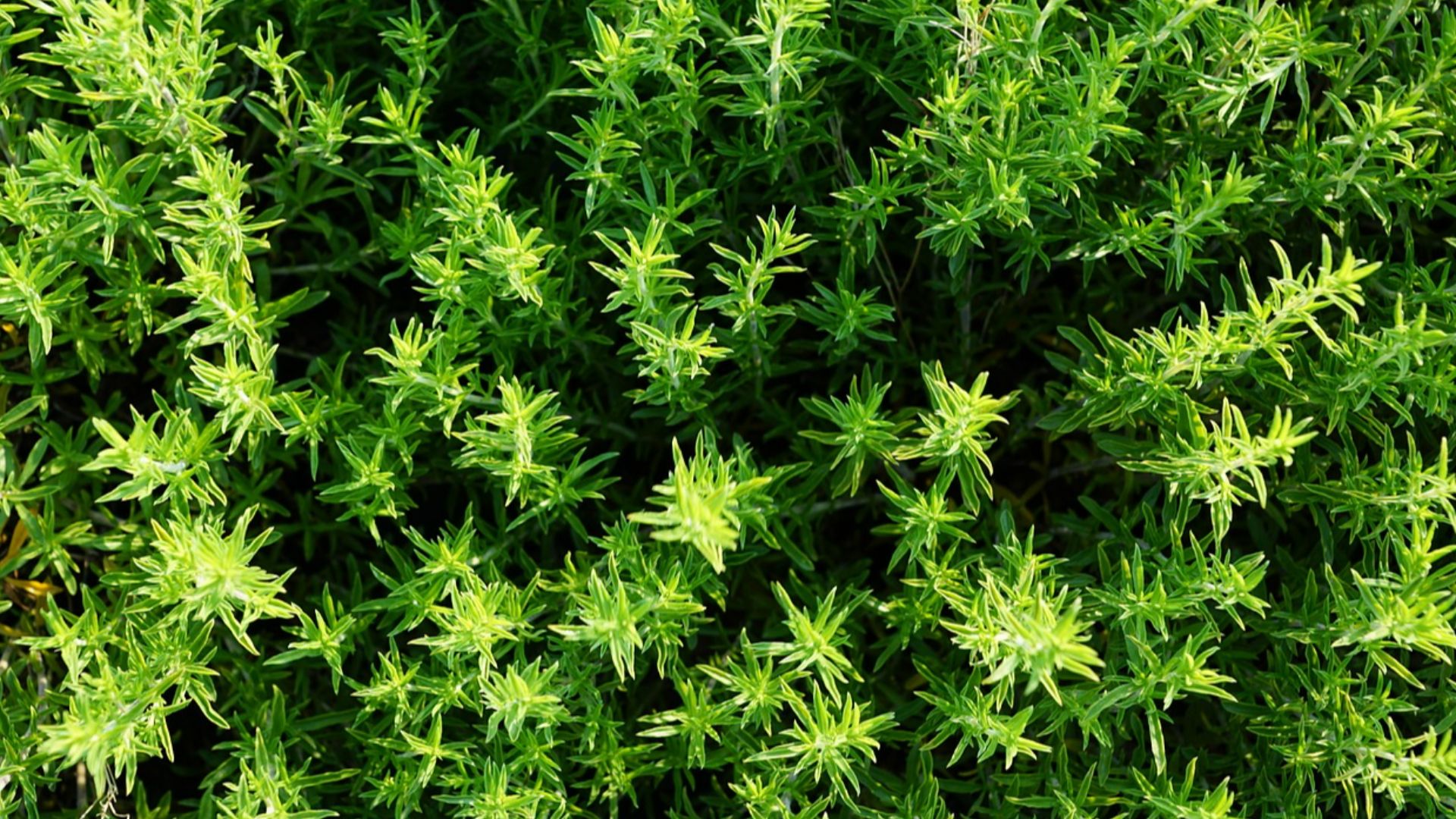
5. Thyme
Common thyme adds depth and aromatic complexity, complementing salmon's richness. This sturdy herb holds up well during longer cooking methods like baking or grilling salmon, unlike more delicate herbs that wilt or lose flavor. Thyme offers earthy, woodsy notes.
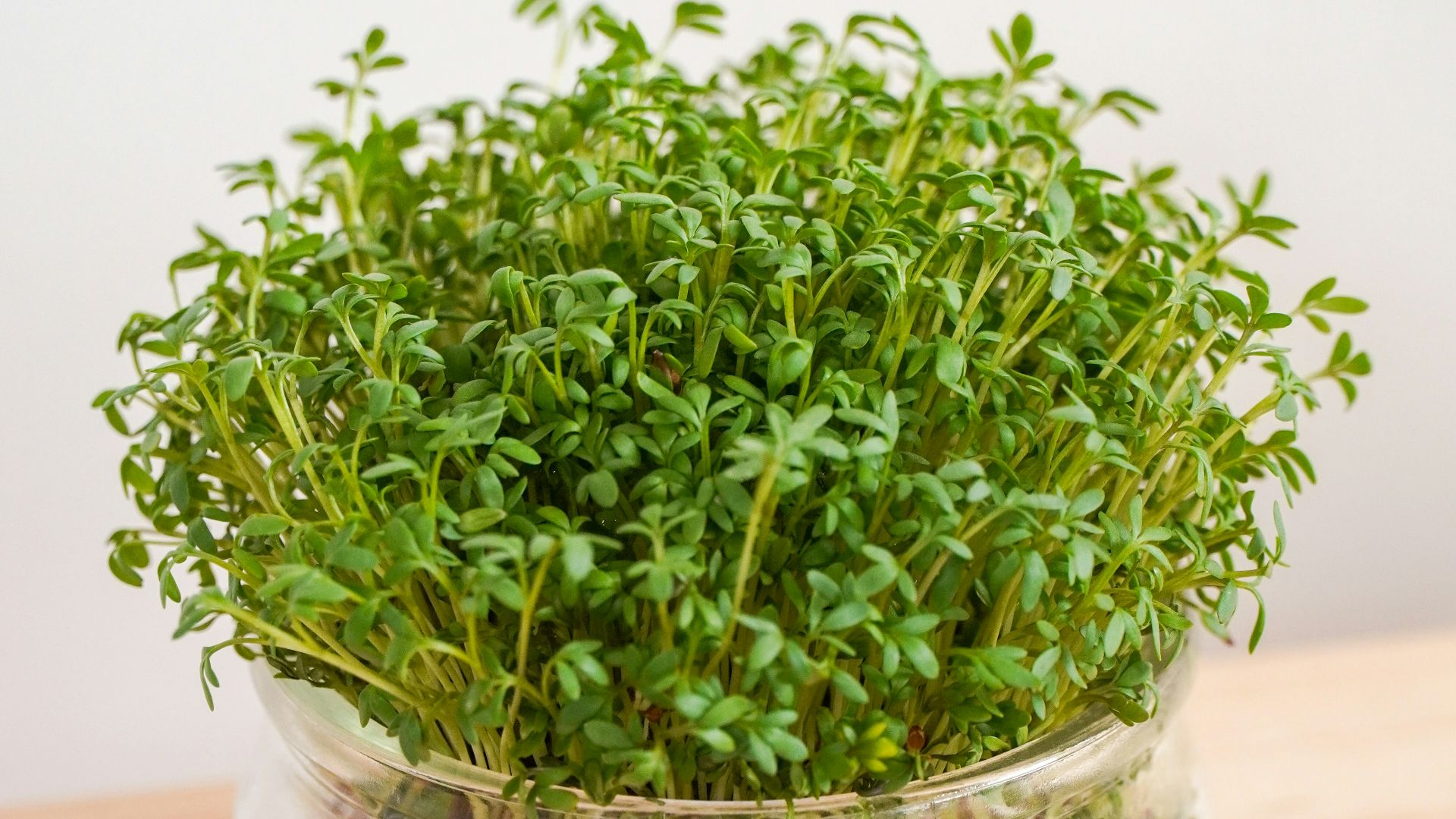
6. Watercress
As a leafy green herb, it's nutritious and adds texture when scattered over cooked salmon. Watercress was a favorite of ancient Persian kings, who ate it for strength, and it's one of the most nutrient-dense greens on the planet—packed with serious vitamins in those delicate leaves.
 Karolina Kołodziejczak on Unsplash
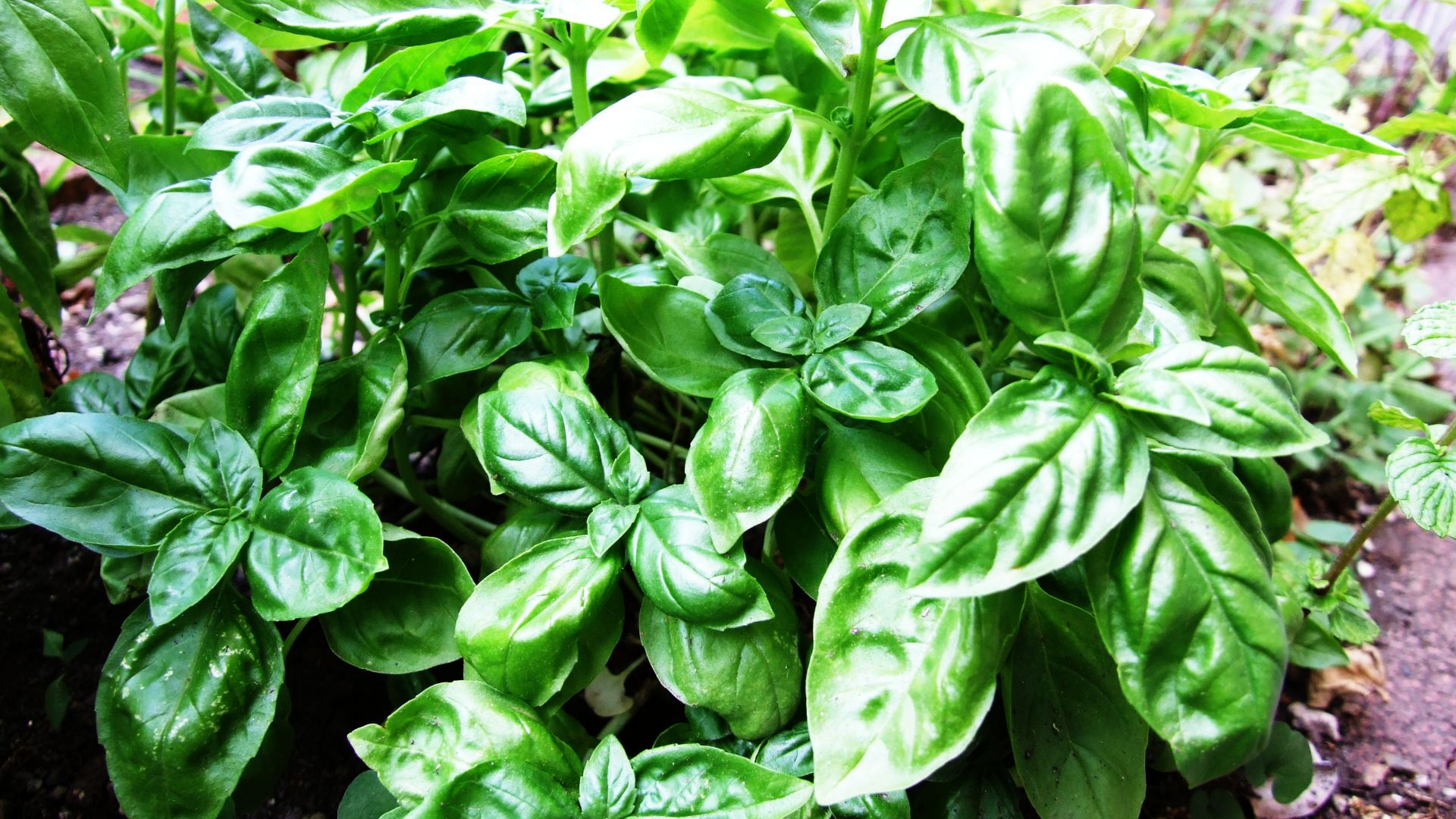
7. Basil
Basil is sacred in some cultures (like Hindu traditions, where it's associated with love and protection) and was once used to ward off evil spirits in Europe—quite the resume for a kitchen herb. Fresh basil works beautifully chopped as a garnish or in pestos.
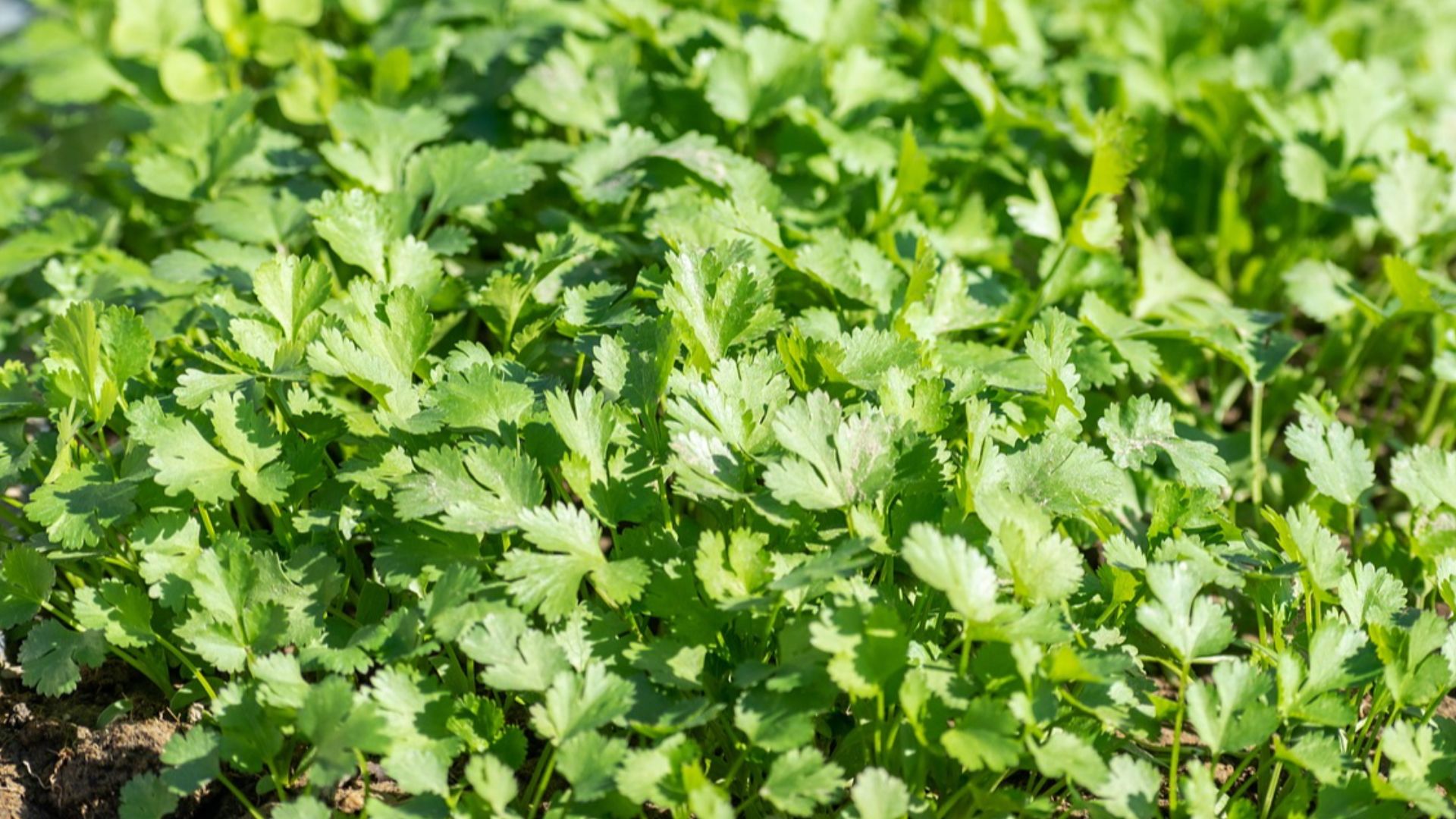
8. Cilantro
This one is best added at the end for salmon to preserve its vibrant flavor and aroma, which can dissipate quickly under heat. The herb provides a fresh, citrusy-zesty kick that cuts through salmon's fattiness, ideal for bold or global-inspired recipes like lime-marinated salmon.
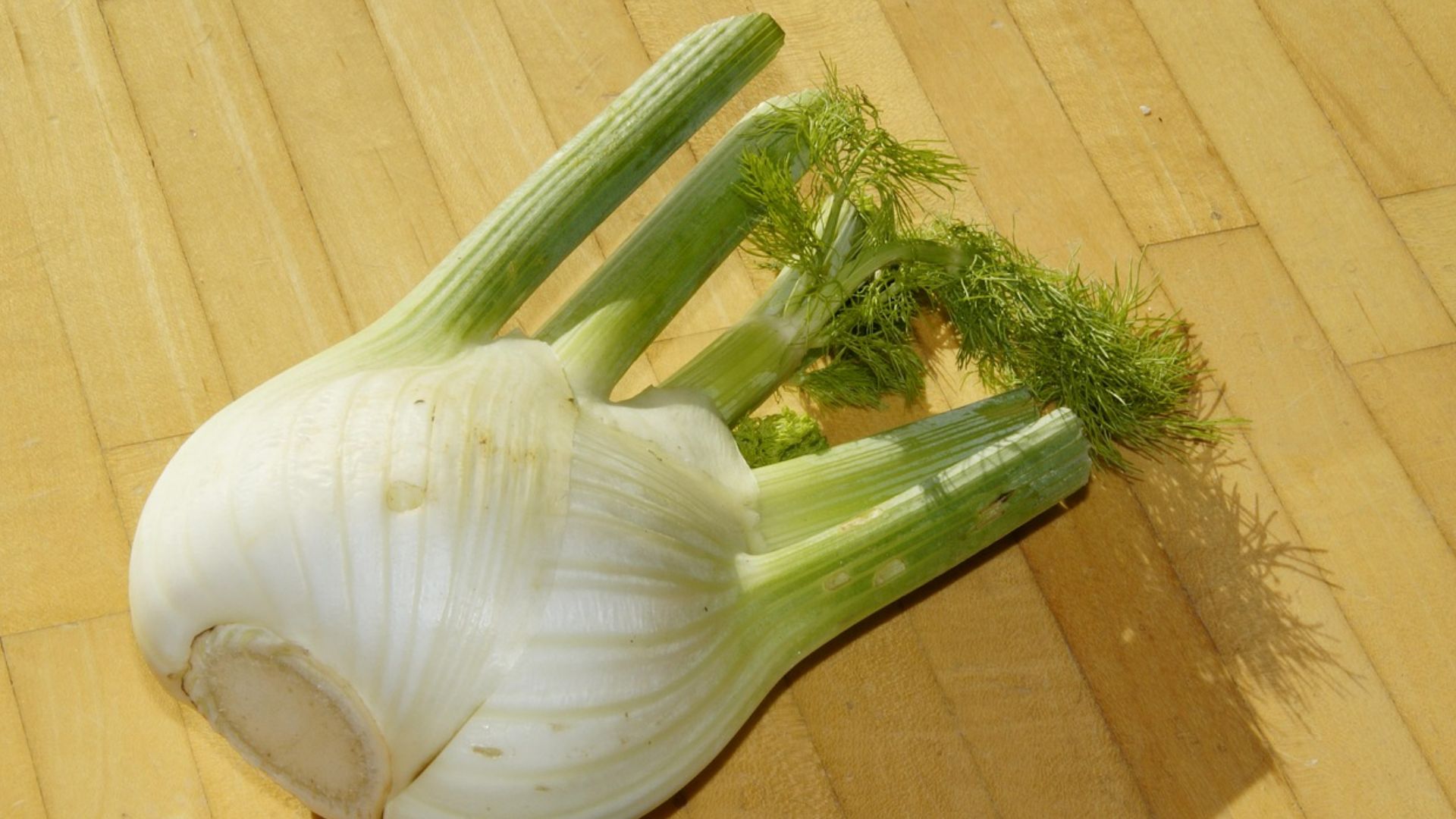
9. Fennel Fronds
Fennel was historically used by ancient Romans as a vegetable, herb, and even a medicinal plant for digestion—earning it the nickname "the fish herb" in some traditions for seafood pairings. The fronds provide a subtler fennel taste than the bulb or seeds.
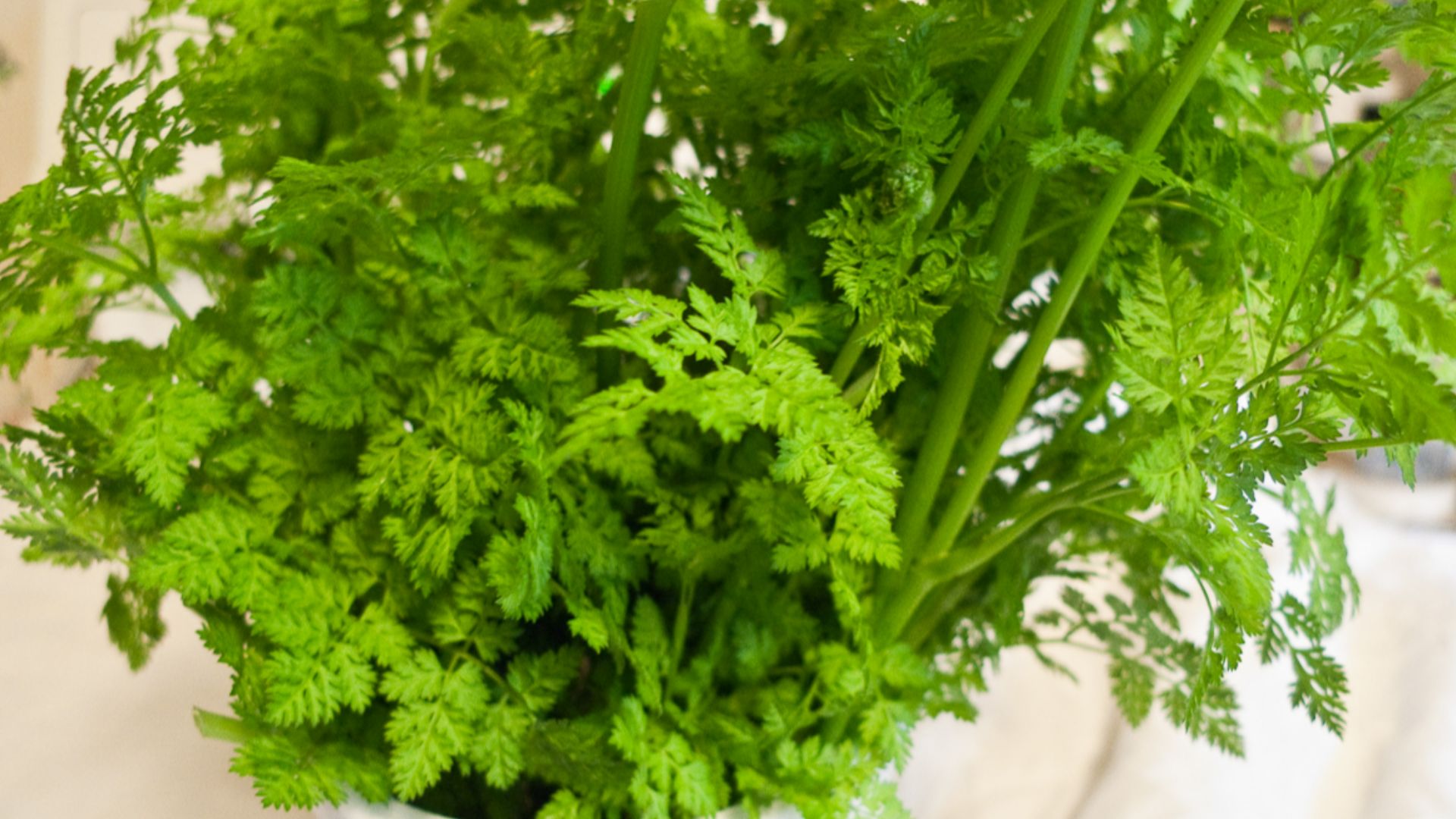
10. Chervil
As part of the classic fines herbes (with parsley, chives, tarragon), it brings elegance to delicate fish preparations, adding subtle complexity. It's best used fresh and added at the end of cooking to avoid losing its mild aroma on salmon, preserving its gentle character.
KEEP ON READING

The 10 Best Fried Chicken Sandwiches & The 10 Worst