Which Fruits Belong on the Stove?
Believe it or not, not all fruits are created equal when it comes to heat. While some transform beautifully under high temperatures, developing deeper flavors and softer textures that make them ideal for cooking, baking, or roasting, others are best enjoyed straight from the bowl. With that in mind, you'll want to make sure to avoid making these amateur mistakes in the kitchen. Here are 10 fruits you can cook with, and 10 you should keep away from the stove.

1. Apples
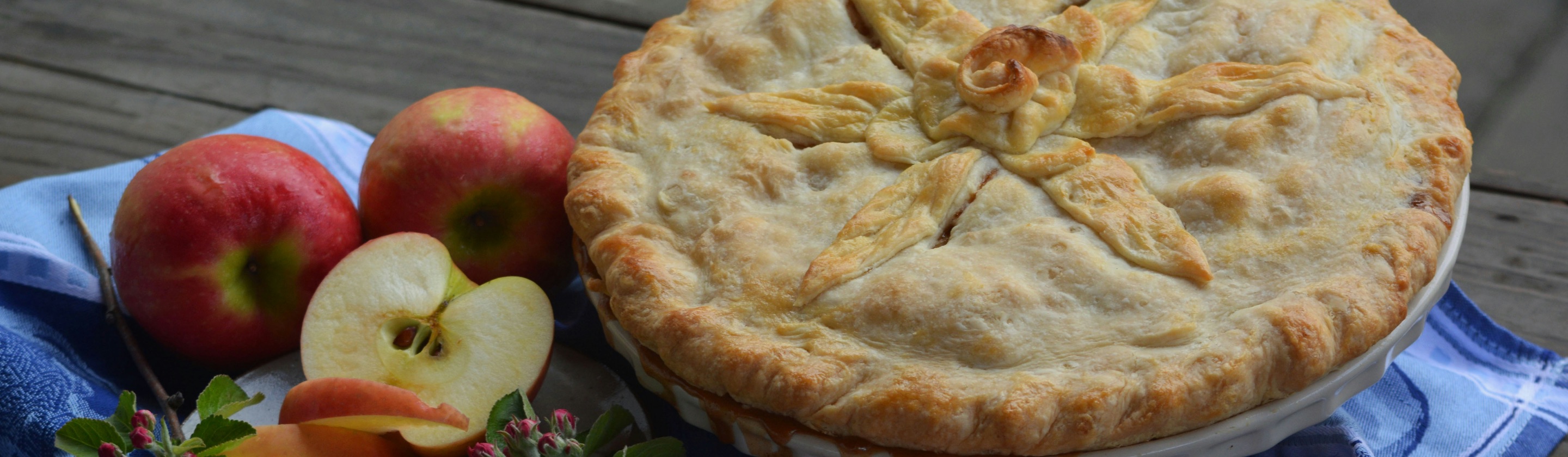
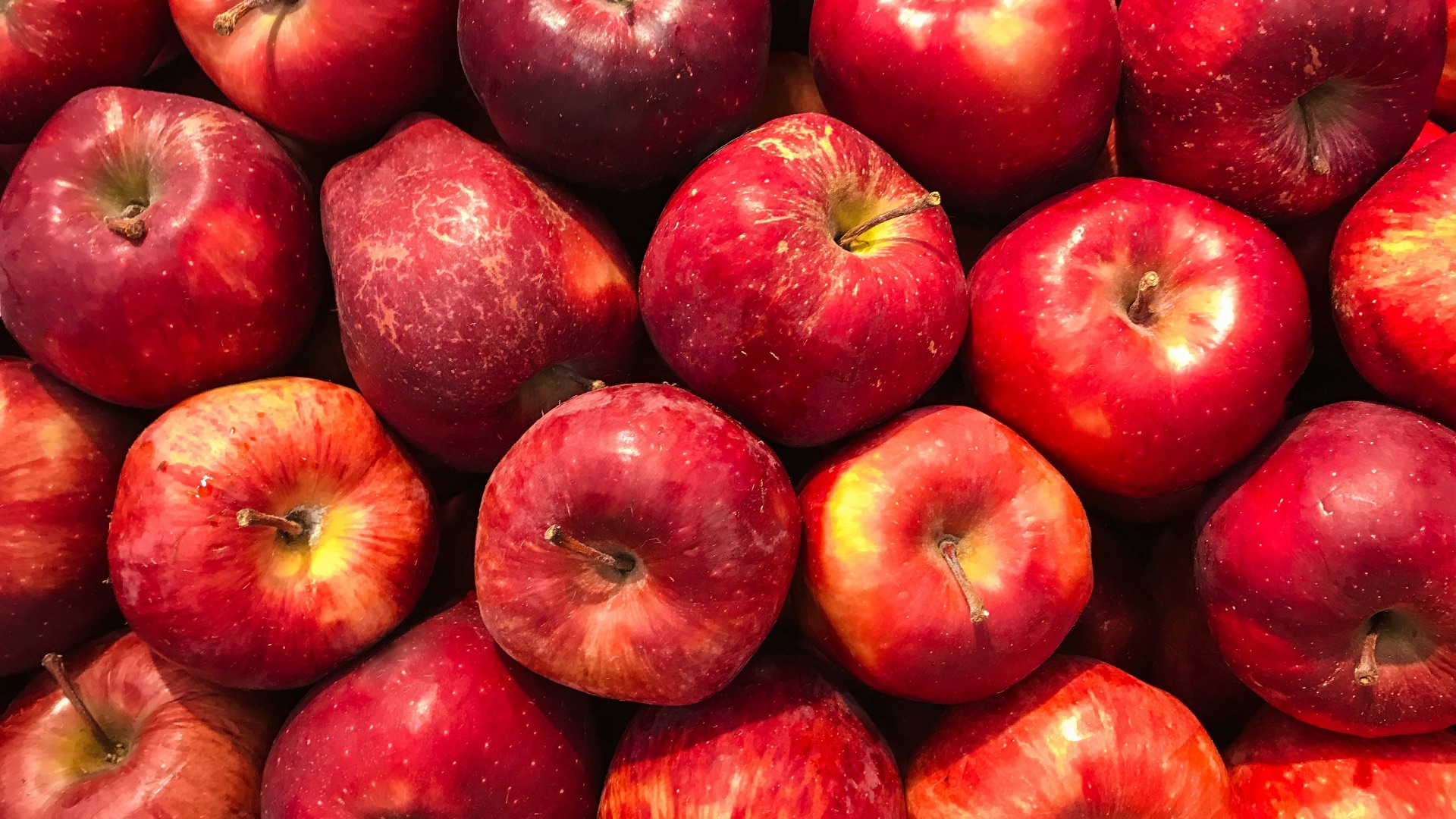
Apples are one of the most versatile fruits you can bring into the kitchen, holding their structure well enough for pies, crisps, and chutneys. Tart varieties like Granny Smith are especially well-suited to baking since they balance out added sugar without turning mushy. You can also sauté them in butter with cinnamon for a quick stovetop dessert that comes together in under 10 minutes.
2. Pears
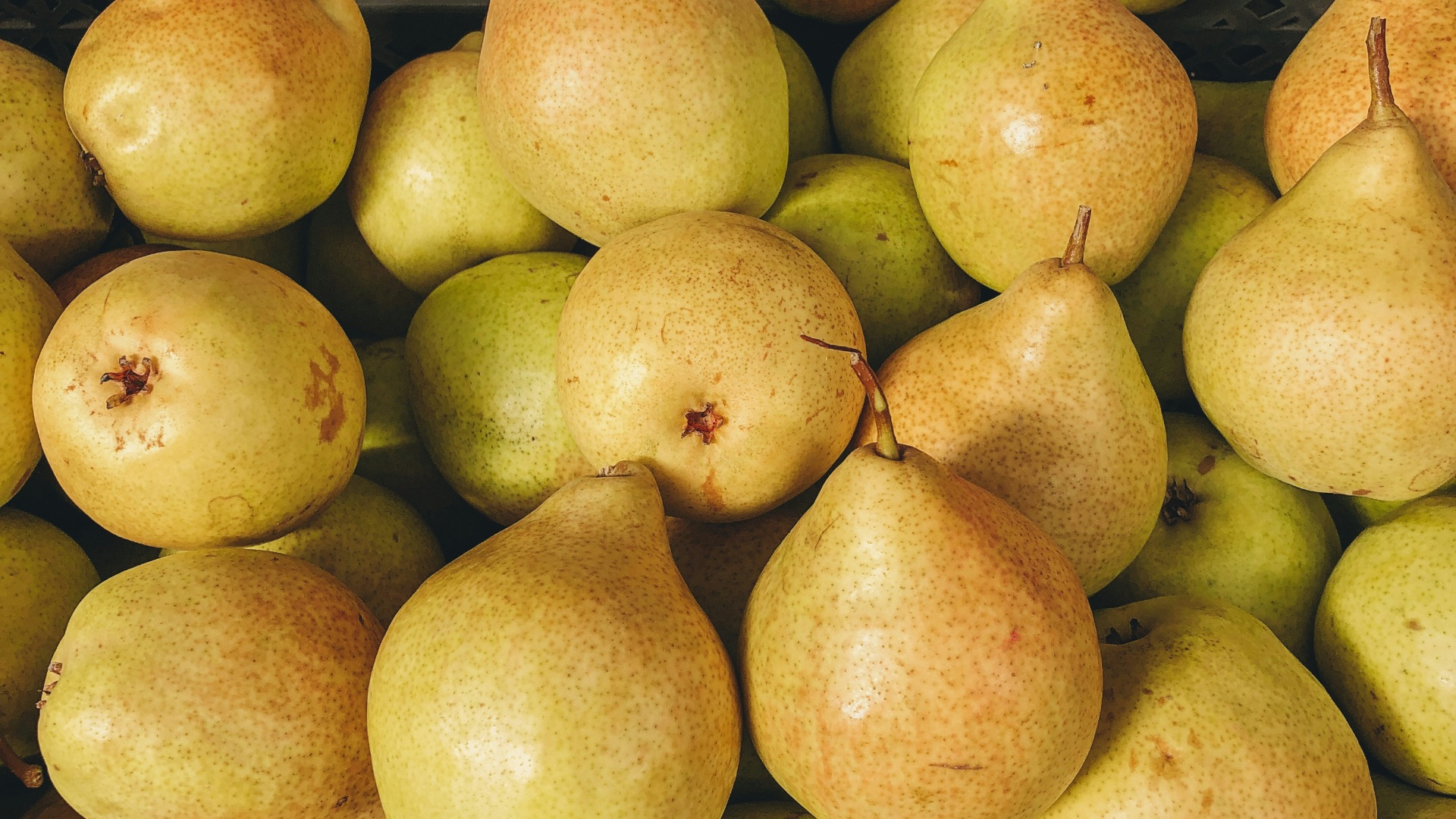
Pears soften beautifully when poached in spiced wine or sugar syrup, making them a classic choice for elegant desserts. They also roast well alongside savory ingredients like blue cheese and walnuts, holding enough body to work in both sweet and savory dishes. Just keep in mind that they cook faster than apples, so you'll want to keep a closer eye on them in the oven.
3. Peaches
Few things beat a grilled peach in the summer: the heat caramelizes the natural sugars and gives the flesh a slightly smoky depth that raw peaches simply don't have. They're also a staple in cobblers, jams, and preserves, where their high juice content becomes an advantage rather than a mess. Canned peaches work in a pinch for baking, but fresh ones will give you far better results during peak season.
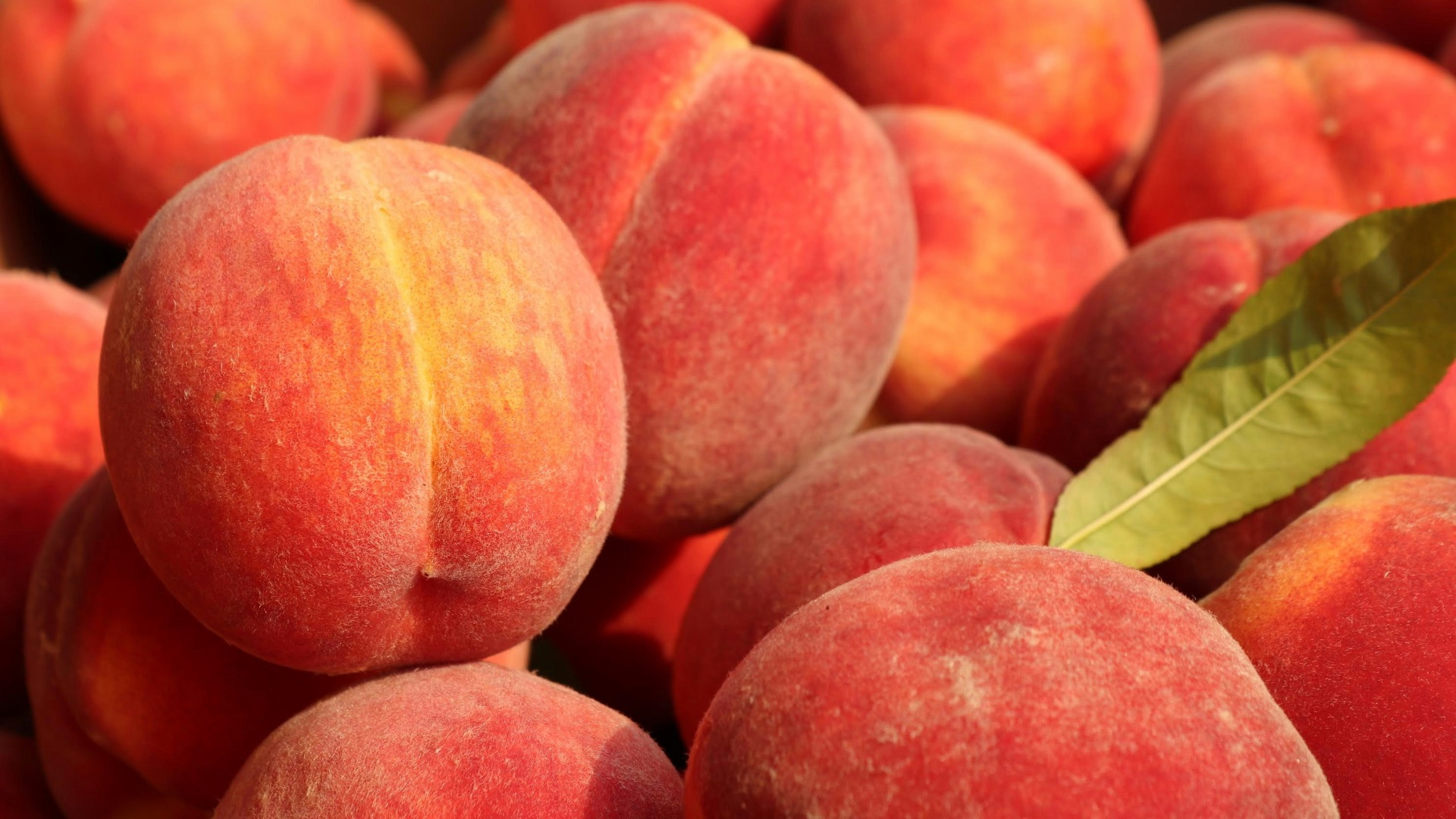 NisonCo PR and SEO on Unsplash
4. Plums
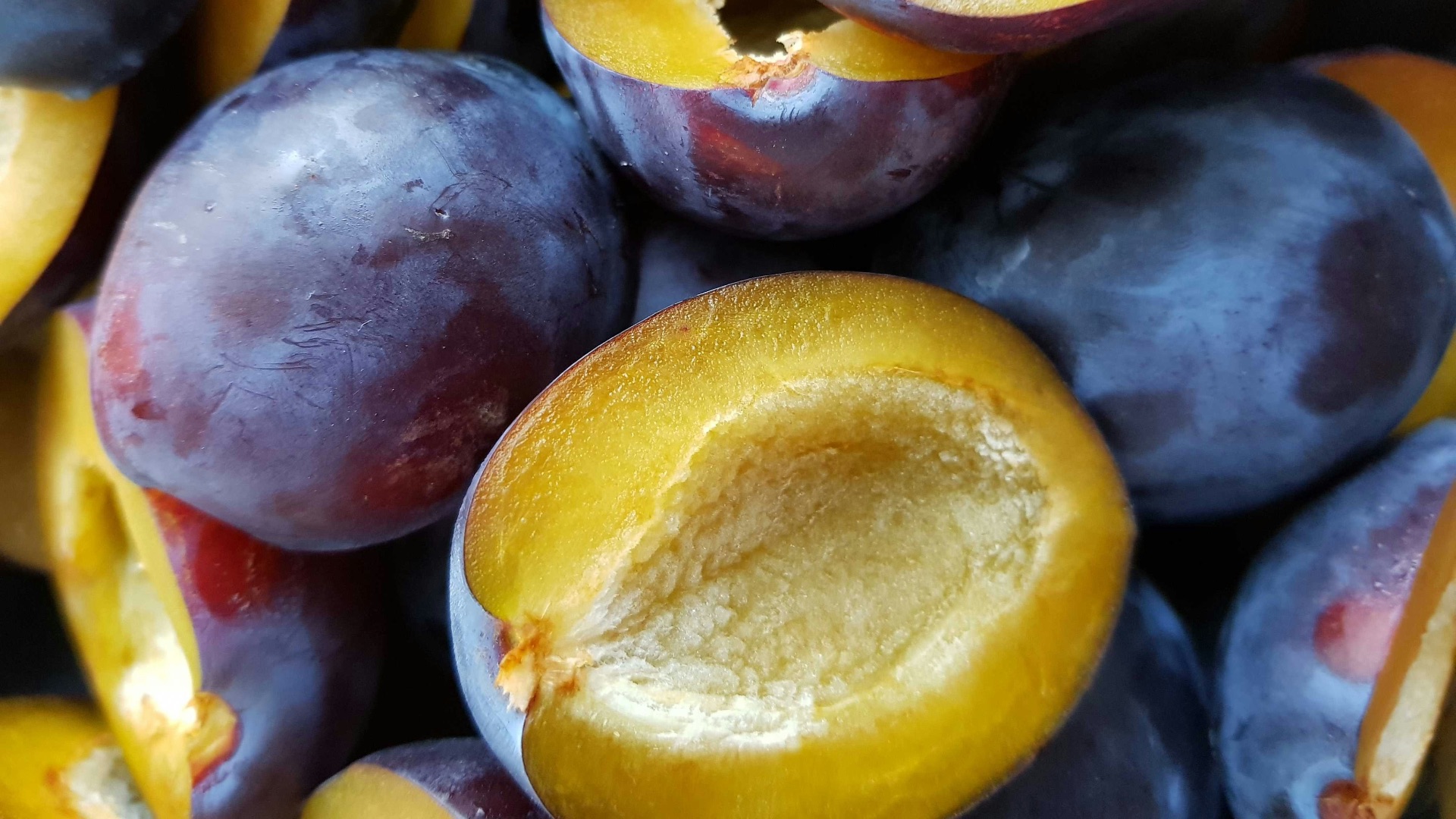
Plums break down into a rich, jammy consistency when cooked, which makes them perfect for compotes, sauces, and glazes. They're commonly used in Eastern European and Asian cuisines, where their tartness balances well against rich meats like duck or pork. Roasting them with a little honey and star anise brings out a complexity that makes them feel far more special than the effort involved.
5. Mangoes
Mango works surprisingly well in cooked preparations despite being a fruit most people associate with fresh salsas and smoothies. It holds up well in curries, chutneys, and stir-fries, adding a tropical sweetness that rounds out spice-forward dishes. Green (unripe) mango is especially prized in South and Southeast Asian cooking for its firmer texture and sharper, more acidic flavor.
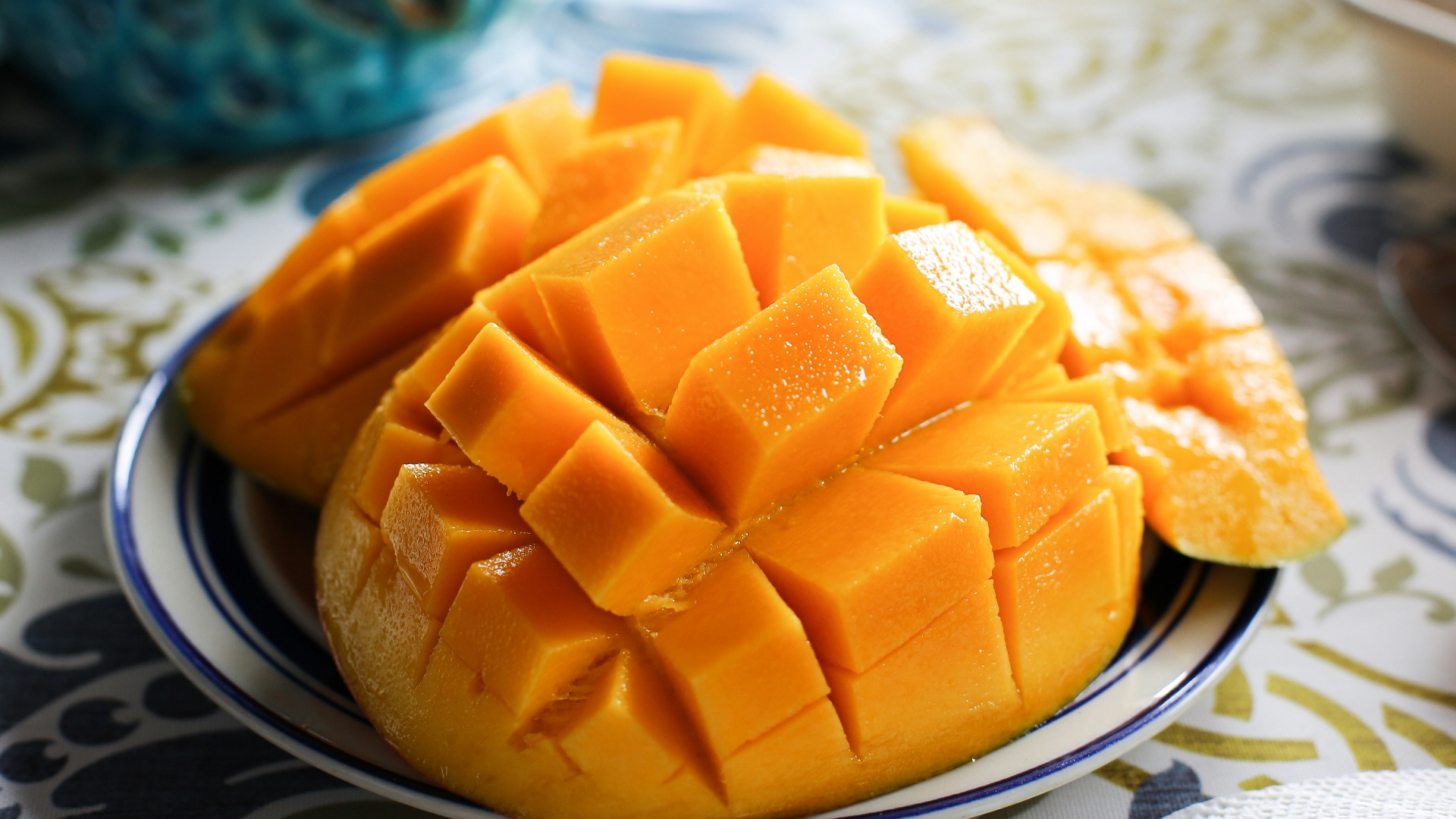 Desirae Hayes-Vitor on Unsplash
6. Bananas
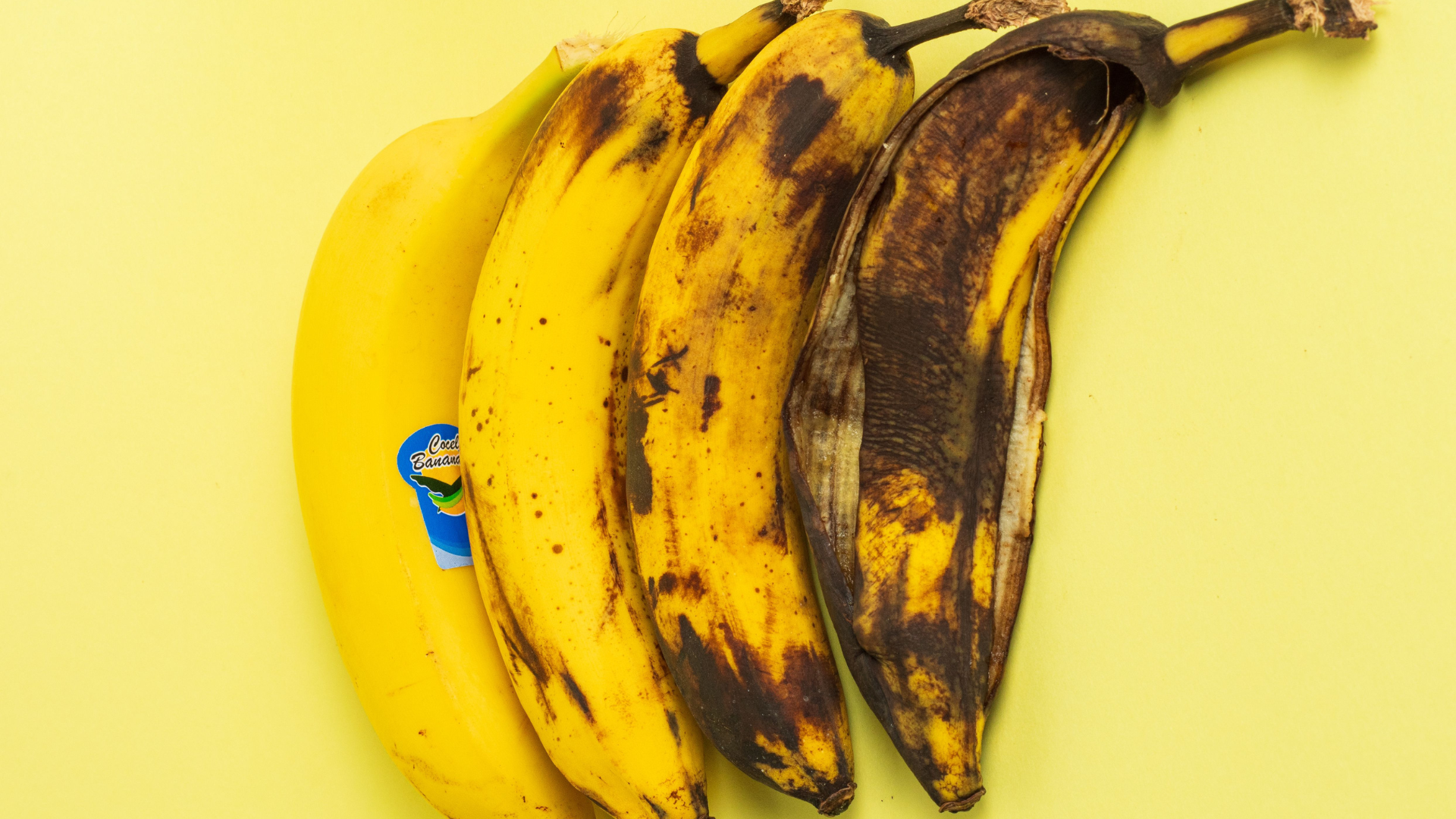
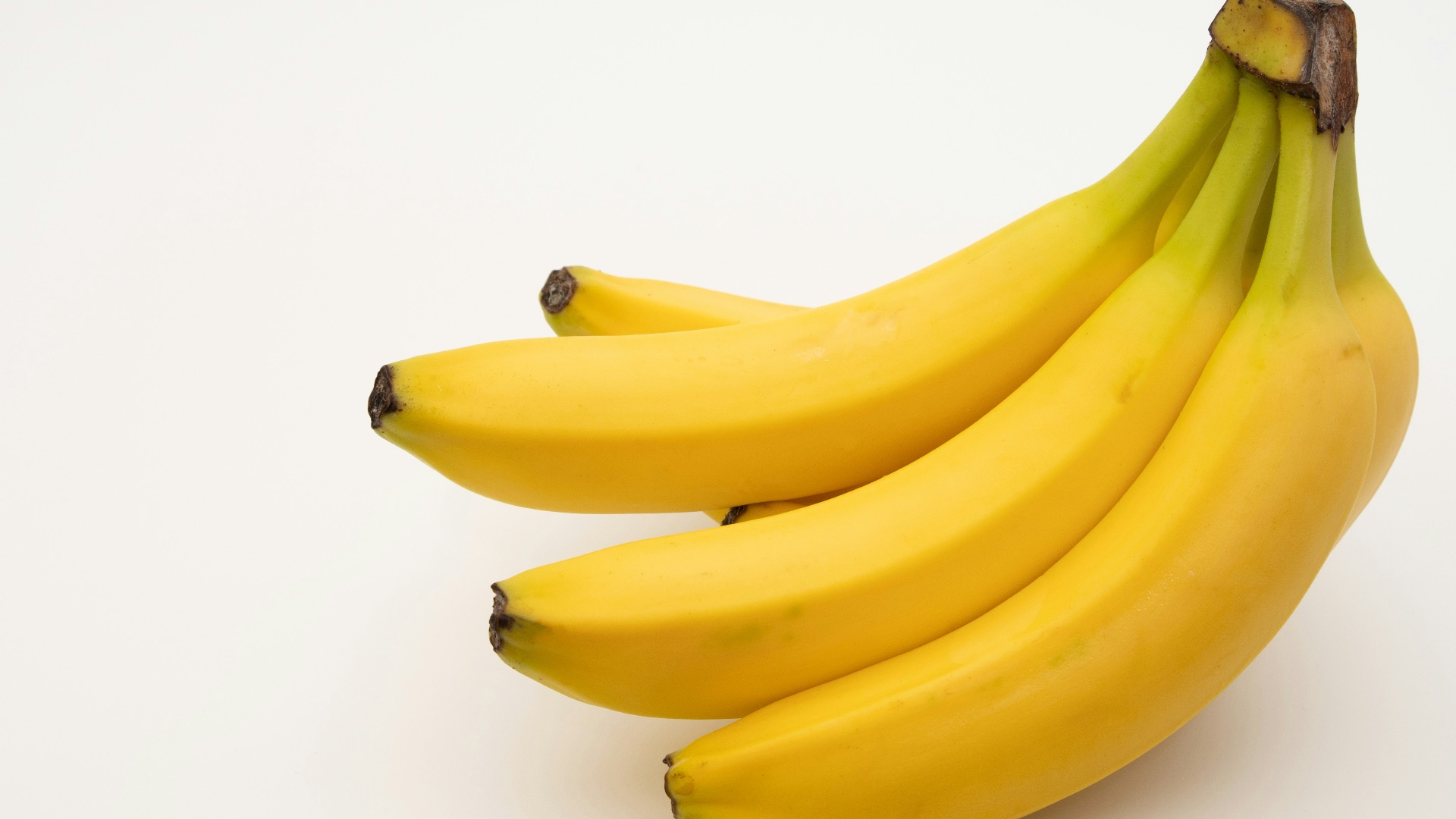
Overripe bananas are practically made for baking; their softened flesh and concentrated sweetness are what give banana bread its signature flavor and moisture. They also caramelize quickly in a hot pan, which is the whole foundation of dishes like Bananas Foster. If you've got a bunch that's gone too ripe to eat fresh, the oven is your best option.
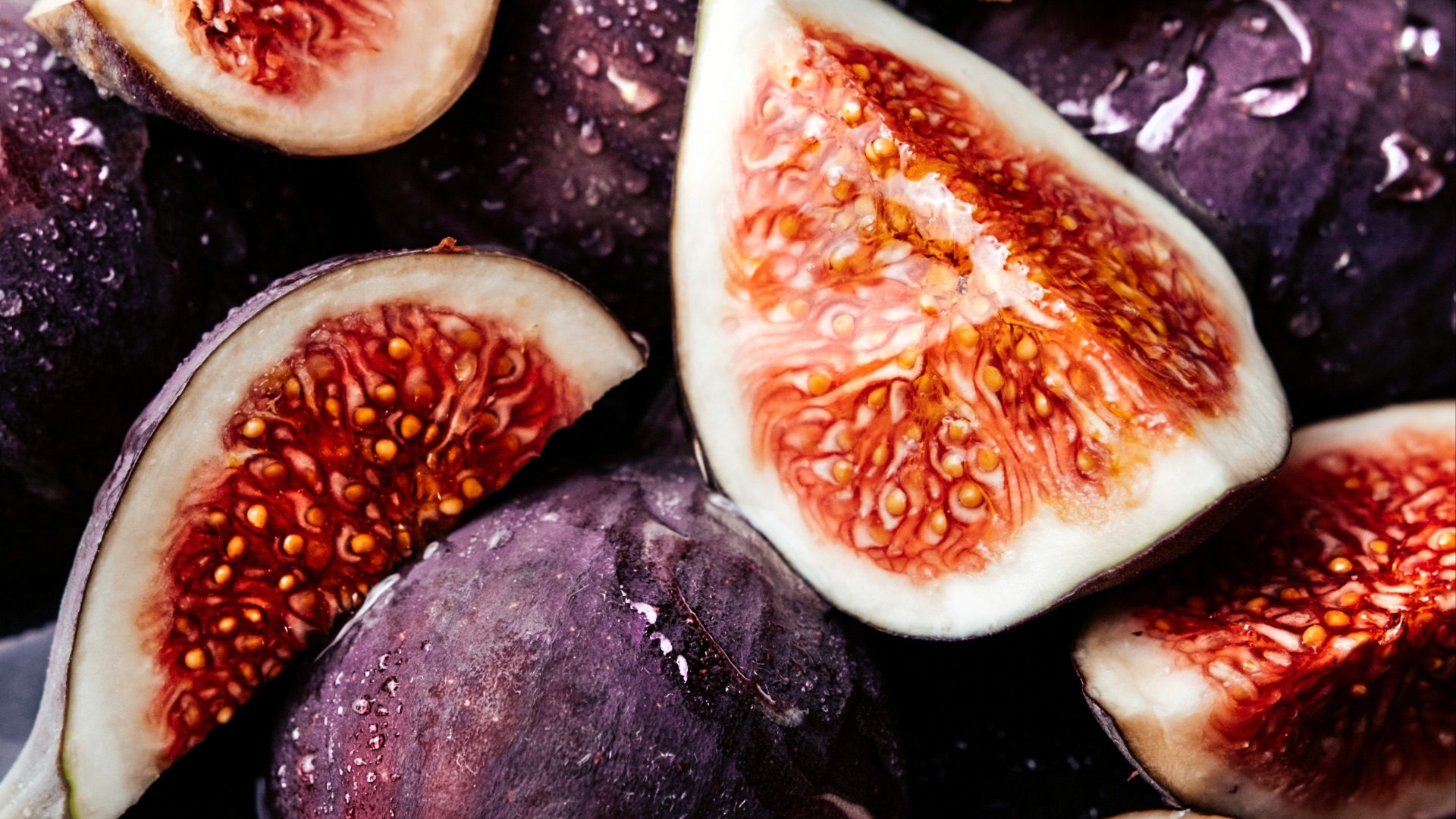
7. Figs
Fresh figs take on a wonderfully jammy, almost honeyed quality when roasted or baked, making them a natural pairing with savory ingredients like prosciutto, brie, or aged balsamic. They're also used to make preserves and fig paste, both of which are pantry staples in Mediterranean cooking. Because they're highly perishable in their fresh form, cooking is often a practical way to extend their short season.
8. Cherries
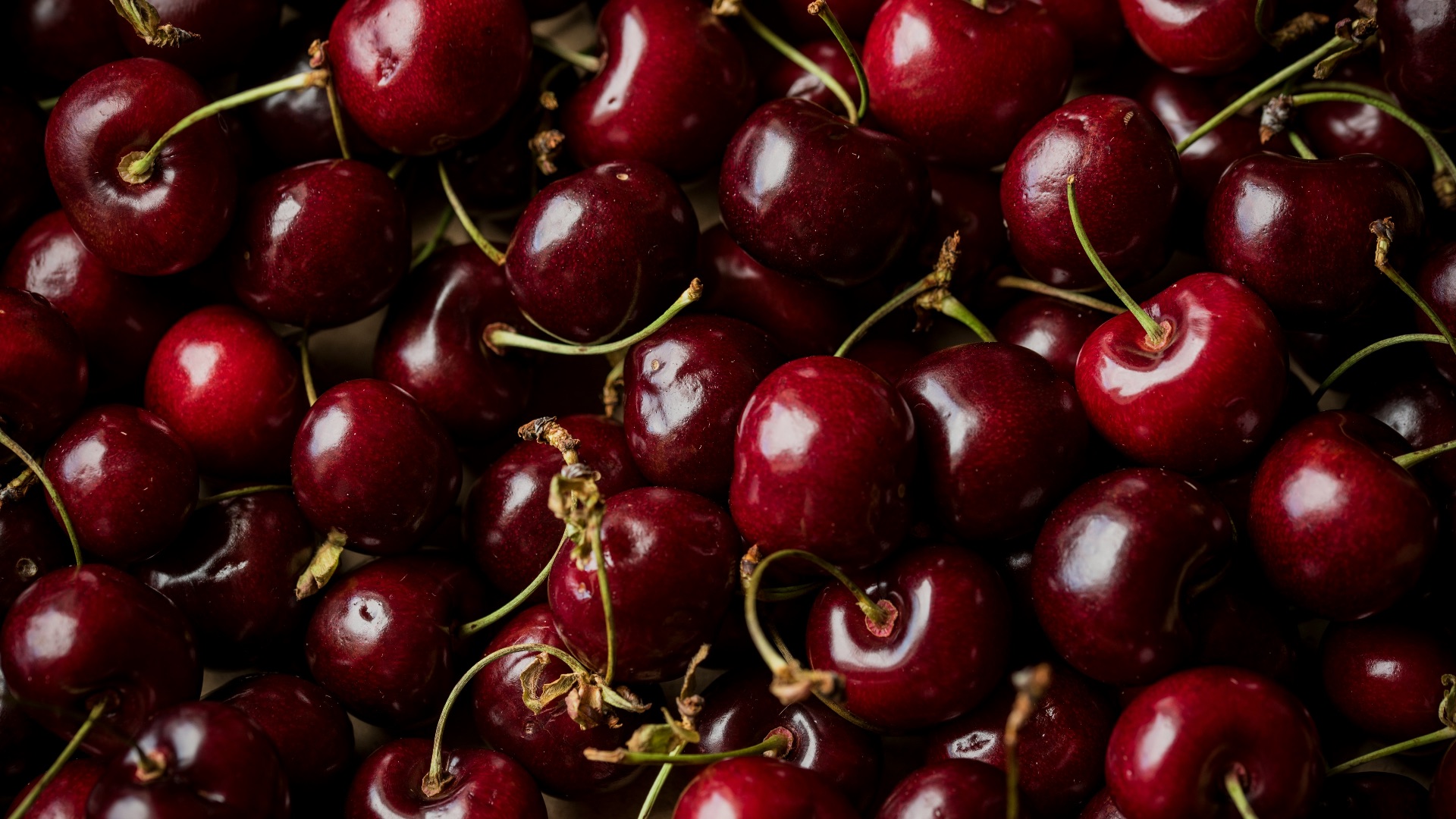
Cherries are a cornerstone of classic desserts like Black Forest cake, clafoutis, and cherry pie, where their tart-sweet flavor concentrates and deepens with heat. They also reduce into a beautiful sauce for duck, venison, or lamb, adding a fruit-forward richness that works well with gamier proteins. Pitting them is the most tedious part of the process, but a cherry pitter makes the job considerably less painful.
9. Cranberries
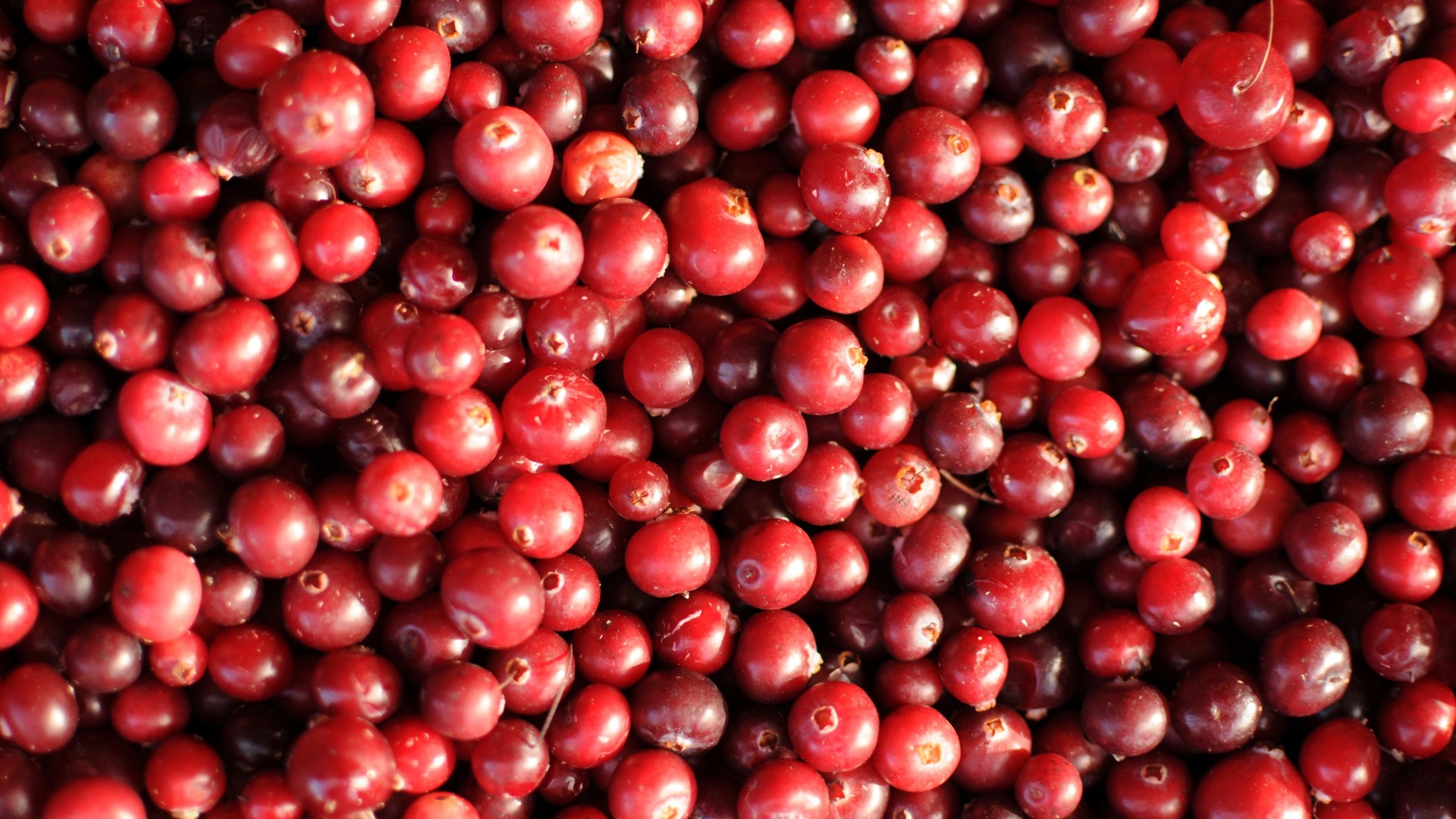
Raw cranberries are so tart and astringent that cooking them isn't just preferred but pretty much required if you actually want to enjoy them. They soften quickly on the stovetop with sugar and a splash of orange juice, transforming into the glossy, tangy sauce that's become a staple at holiday tables across the country. Cranberries also work well in baked goods like muffins, scones, and quick breads, where their tartness provides a sharp contrast to sweeter ingredients.
10. Pineapple
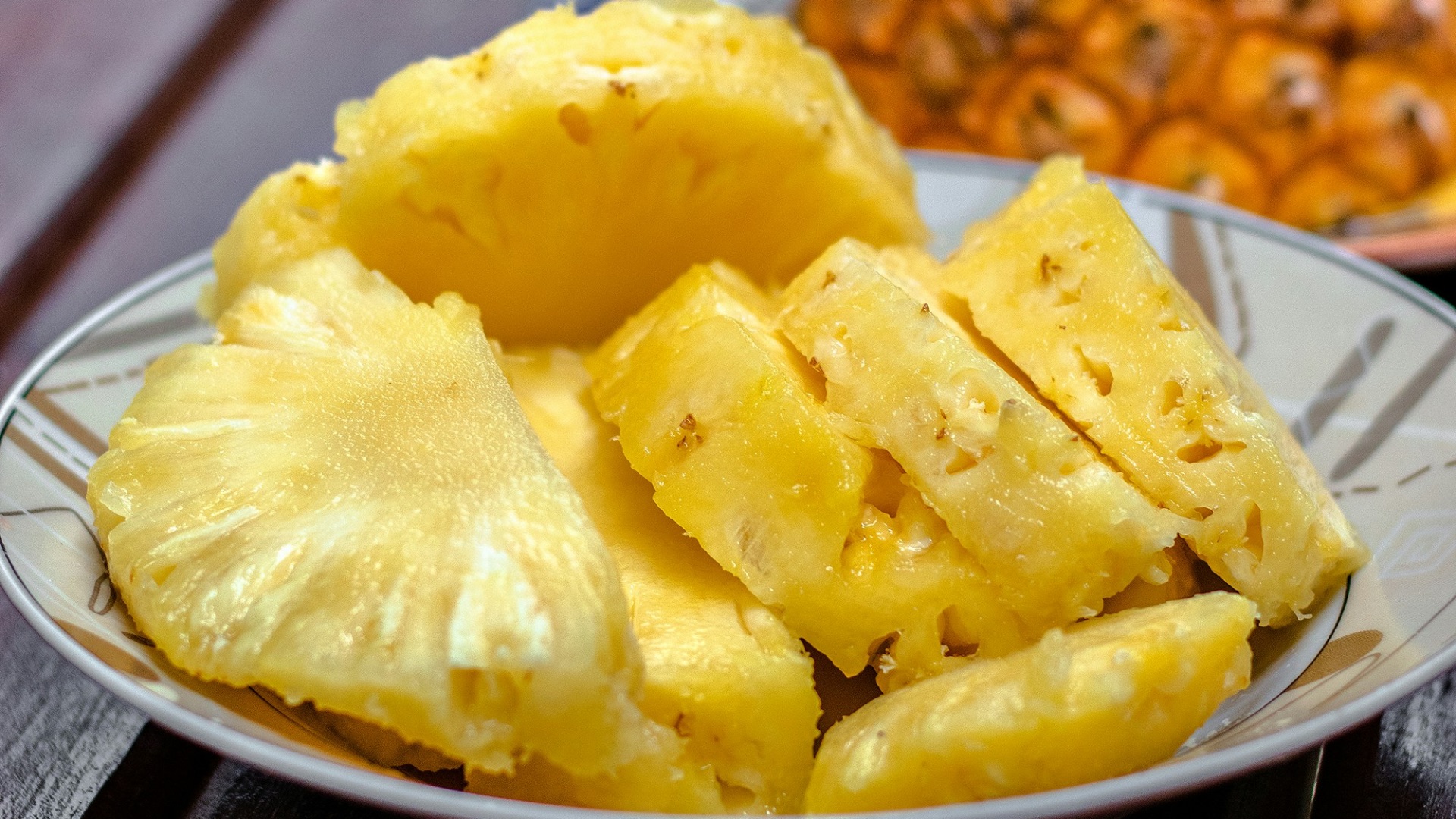
Pineapple on pizza may be divisive, but cooking with it is something the fruit actually handles well: its sugars caramelize under heat and its acidity mellows out in a way that raw pineapple simply doesn't replicate. It works beautifully in stir-fries, glazes, upside-down cakes, and yes, as a pizza topping, where the heat of the oven transforms it into something sweeter and softer than its fresh counterpart. One thing to keep in mind is that fresh pineapple contains bromelain, an enzyme that prevents gelatin from setting, so if you're using it in a gelatin-based dessert, you'll want the canned version instead.
Now that you know which fruits thrive under heat, it's worth knowing which ones you should leave well enough alone. Let's jump into that next.
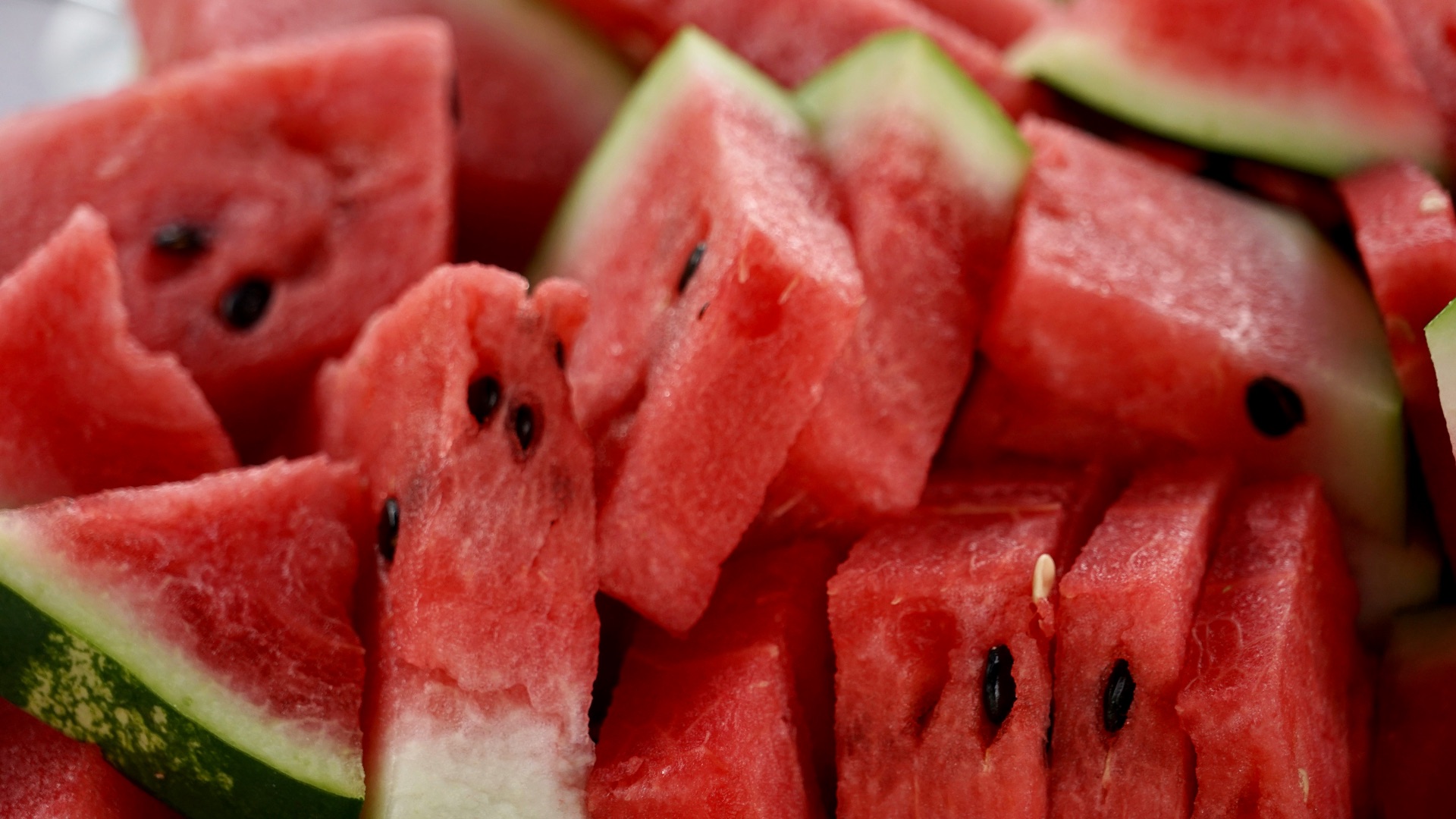
1. Watermelon
Sure, you could make watermelon steak, but you're better off keeping it away from the grill. Watermelon is made up of roughly 92% water, which means heat turns it into a watery, unpleasant mush with very little flavor left to speak of. There are no widely accepted cooked preparations that use it as a main ingredient, and attempts to grill it briefly at very high heat are more of a novelty than a reliable culinary technique. It's best enjoyed cold, straight from the fridge, where its crisp texture and refreshing sweetness are at their best.
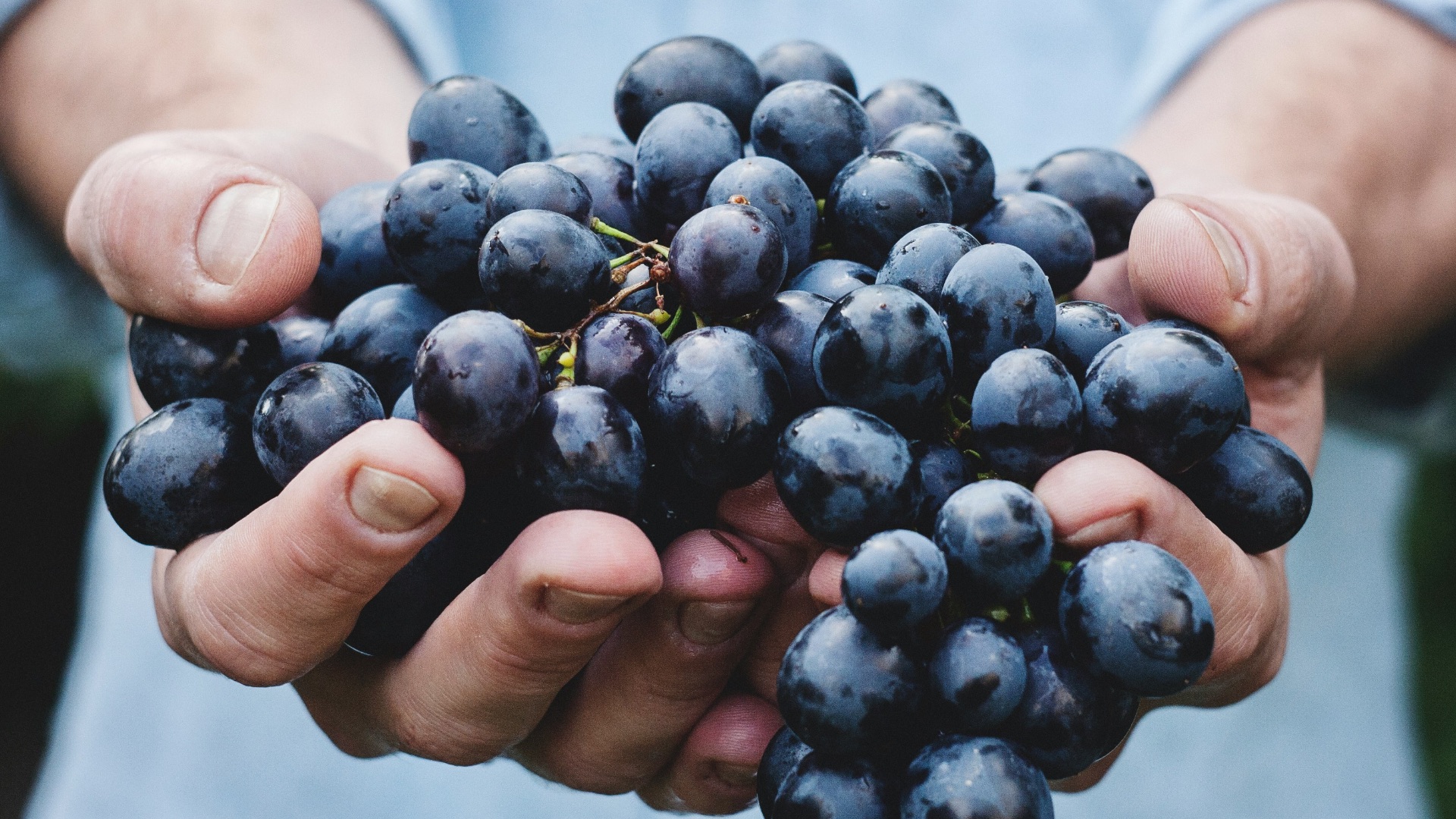
2. Grapes
While grapes can technically be reduced down into a syrup or dried into raisins, eating them cooked as a standalone fruit isn't something most cuisines call for. Heat causes them to collapse almost immediately, releasing their liquid and leaving behind a skins-and-seeds situation that's more trouble than it's worth. You're much better off serving them fresh as a snack, a cheese board addition, or a garnish.
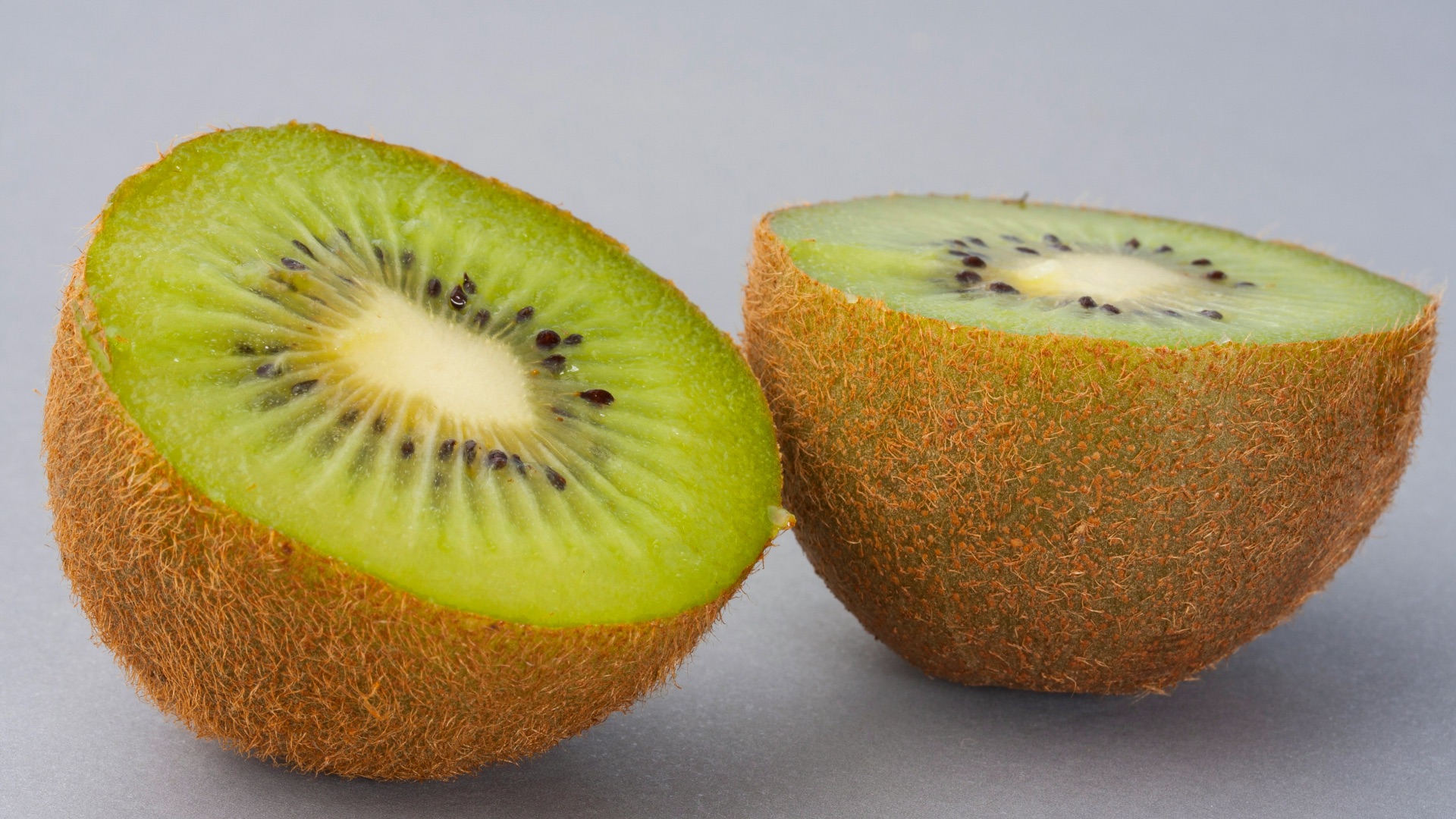
3. Kiwi
Kiwi contains an enzyme called actinidin that breaks down proteins rapidly, which is why it's sometimes used as a meat tenderizer, but that same enzyme also wreaks havoc on gelatin-based desserts and makes cooked preparations taste off. Heating kiwi causes it to turn bitter and mushy, losing the bright, tangy flavor that makes it appealing in the first place. Stick to using it raw in fruit salads, pavlovas, or as a fresh topping on tarts.
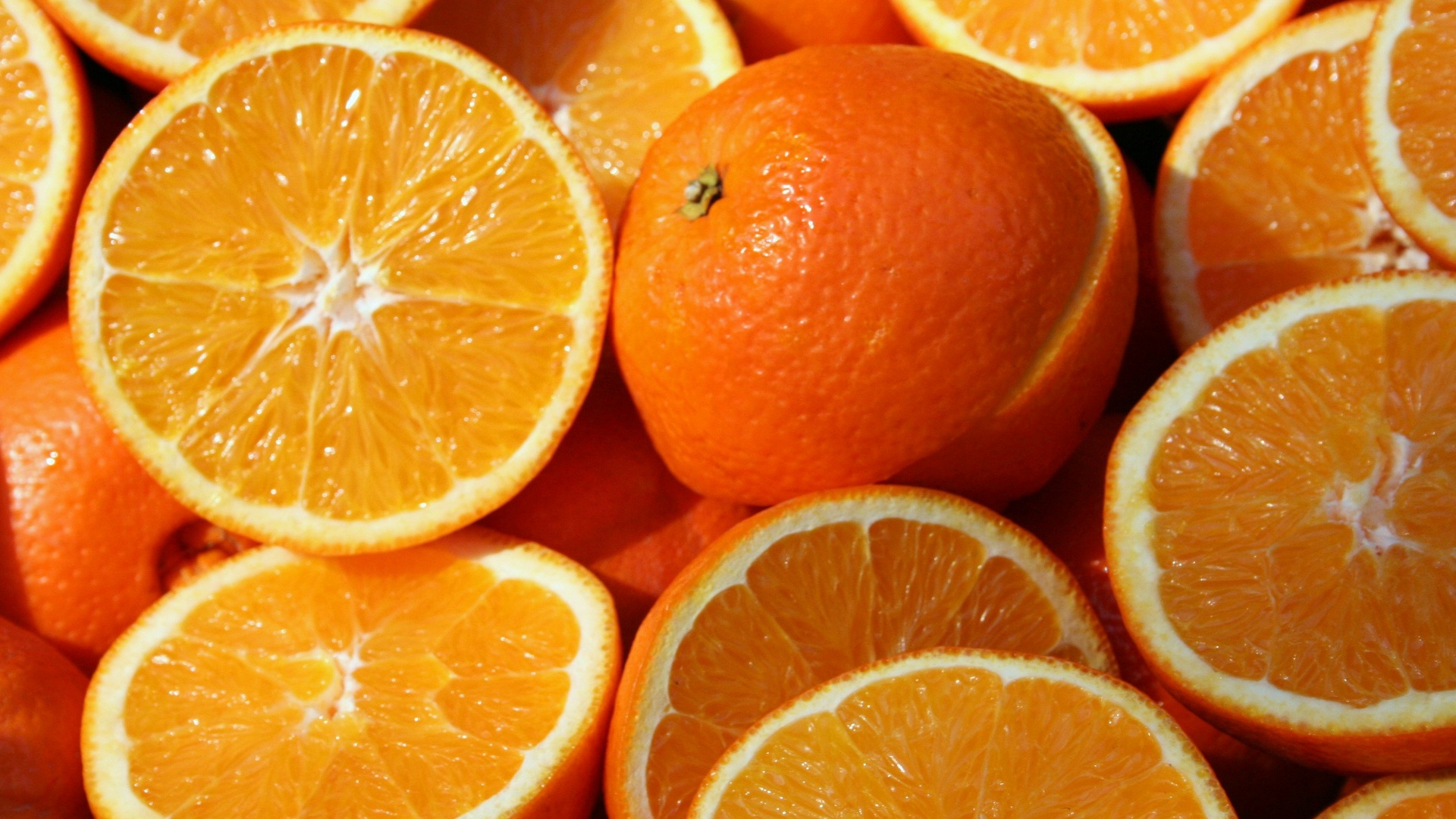
4. Oranges
Oranges are best enjoyed fresh or juiced, and cooking them as a standalone fruit tends to do more harm than good: the heat amplifies their bitterness rather than their sweetness, particularly from the pith, which can make cooked preparations taste unpleasantly sharp. Whole orange segments lose their delicate membrane and turn mushy under heat, leaving you with something that's lost all the bright, juicy appeal of the fresh fruit. If you want an orange presence in a warm dish, a squeeze of fresh juice or some zest stirred in at the end will serve you far better than cooking the fruit itself.
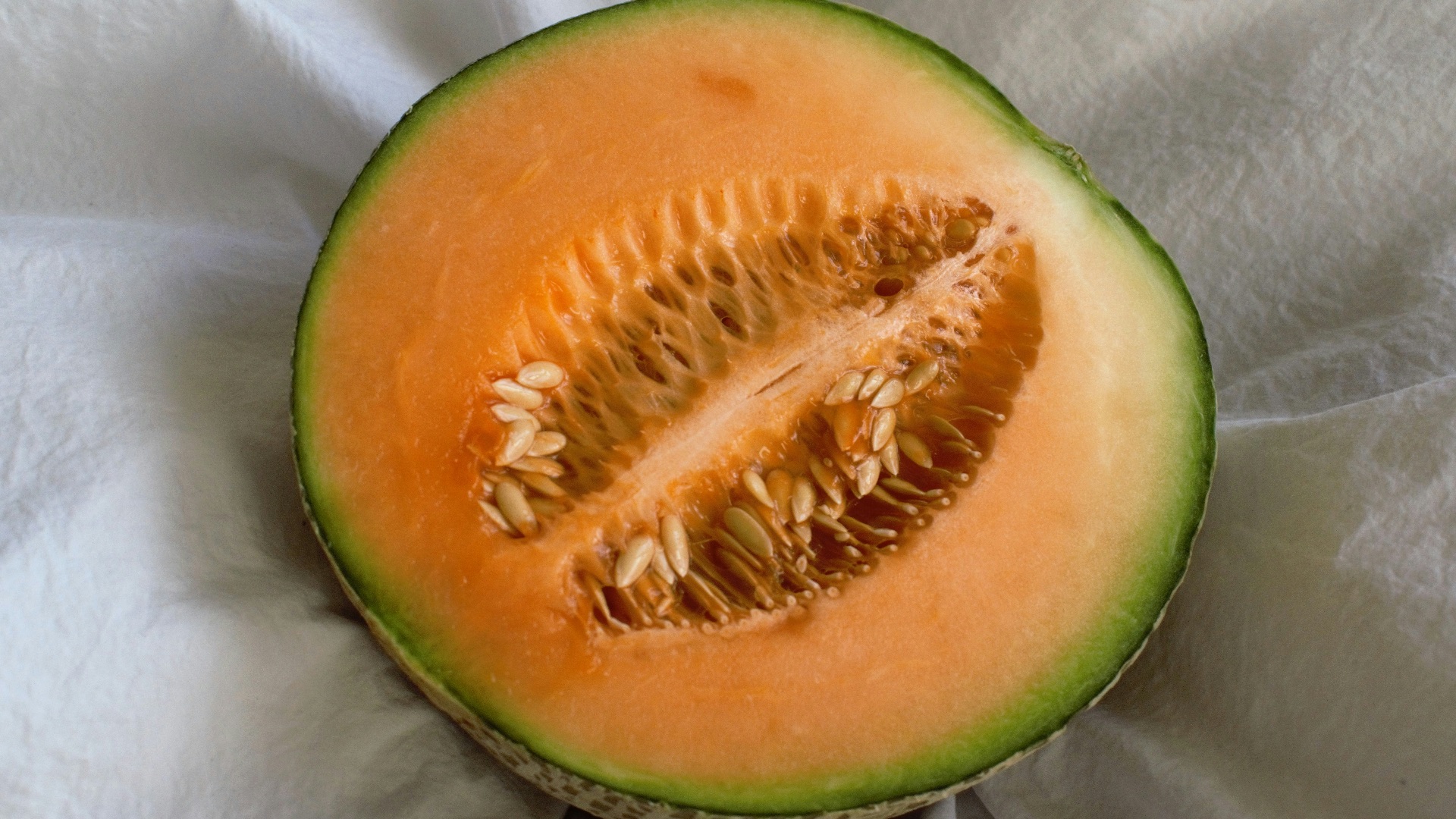
5. Cantaloupe
Cantaloupe has a high water content and a very mild, aromatic flavor that dissipates almost completely under heat. There's no savory or sweet preparation that benefits from a cooked cantaloupe in the way that, say, a roasted peach or baked apple might. Its value is entirely in its fresh, chilled form, ideally wrapped in prosciutto or blended into a cold summer soup.
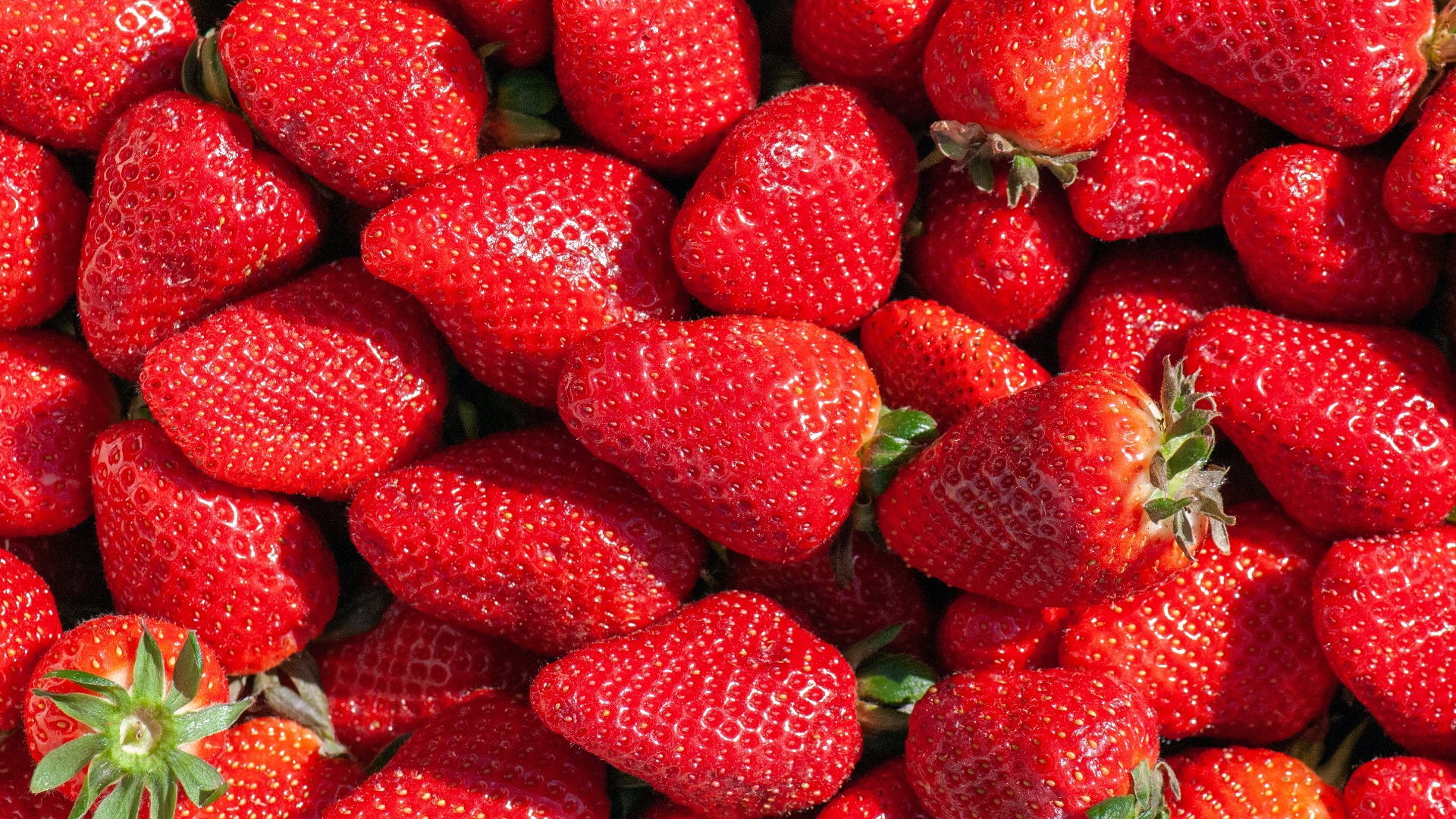
6. Strawberries
Strawberries are so beloved fresh that it likely feels wrong to cook them, and you'd be right: heat removes the firm bite that makes them enjoyable raw and leaves behind a soft, overly mushy result that doesn't have much going for it texturally. Their water content is high enough that they break down very quickly, making them difficult to use in any cooked preparation where you'd want the fruit to hold its shape. If you want to use strawberries in a warm dish, your best bet is a quick maceration with sugar and letting them sit at room temperature, no heat required.
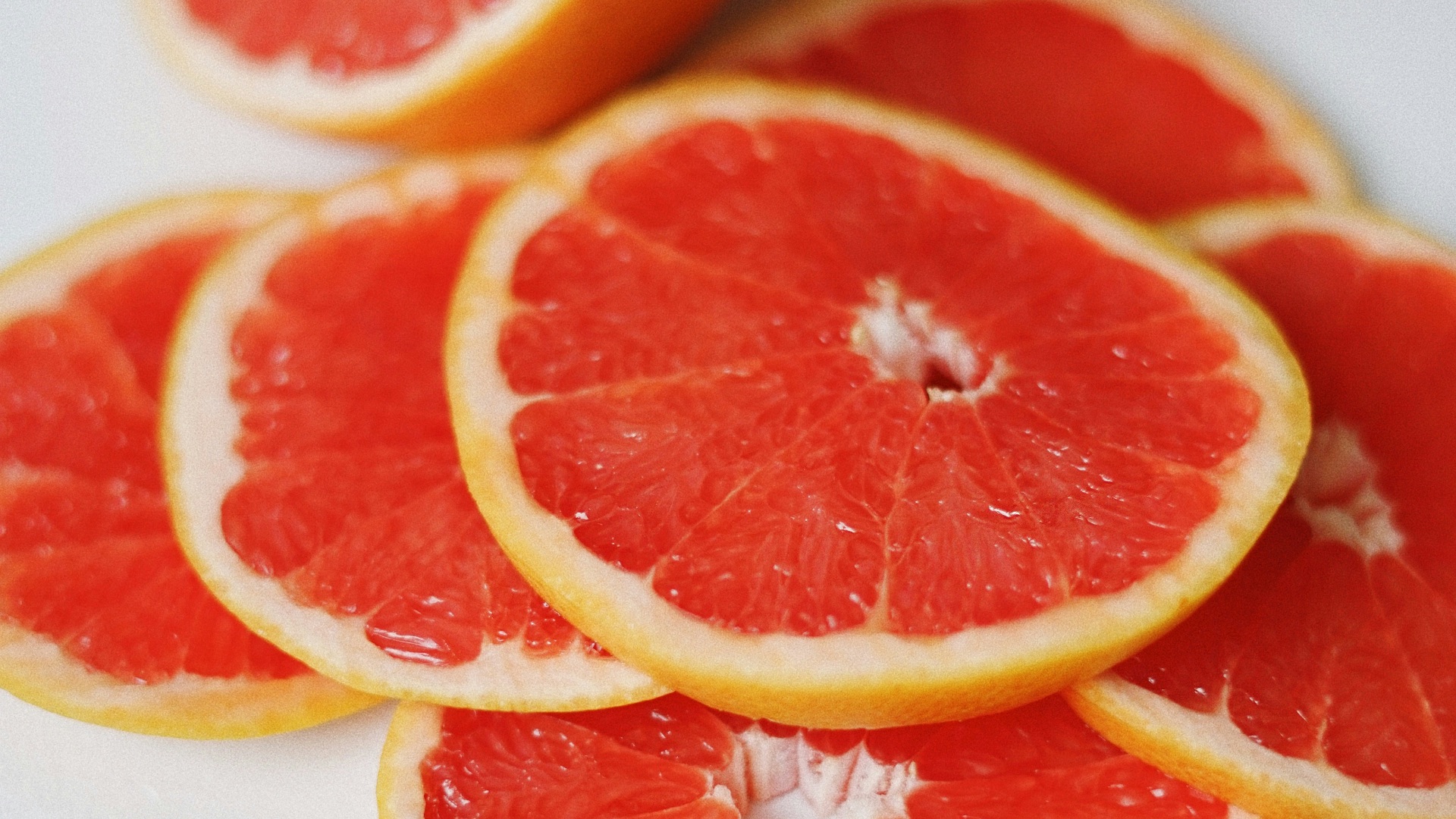
7. Grapefruit
Grapefruit's signature bitterness, which is already quite pronounced when eaten fresh, becomes even more intense and harder to balance when heat is applied. Unlike orange or lemon, which mellow and sweeten with cooking, grapefruit tends to turn unpleasantly sharp and medicinal-tasting in cooked preparations. It's best appreciated in its natural state: halved, sprinkled with a little sugar if needed, and eaten with a spoon straight from the rind.
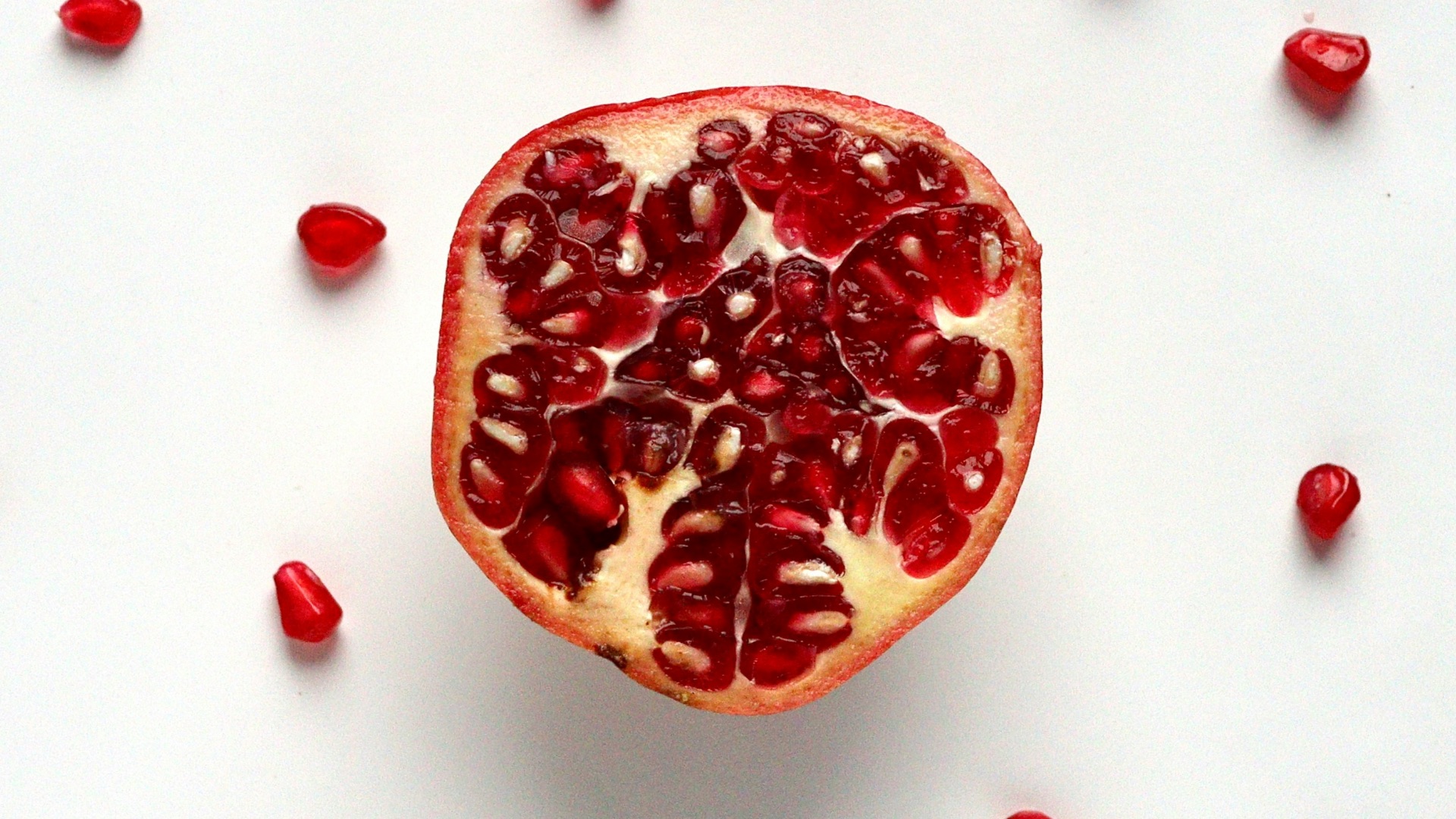
8. Pomegranate
Pomegranate arils are prized for their jewel-like appearance and their satisfying crunch, both of which are completely destroyed by cooking. The seeds turn unpleasantly chewy and the fresh, tart flavor becomes flat when exposed to heat, leaving you with something that looks and tastes far less appealing than what you started with. If you want pomegranate in a warm dish, a sprinkle of fresh arils added right at the end as a garnish is the way to go.
9. Star Fruit
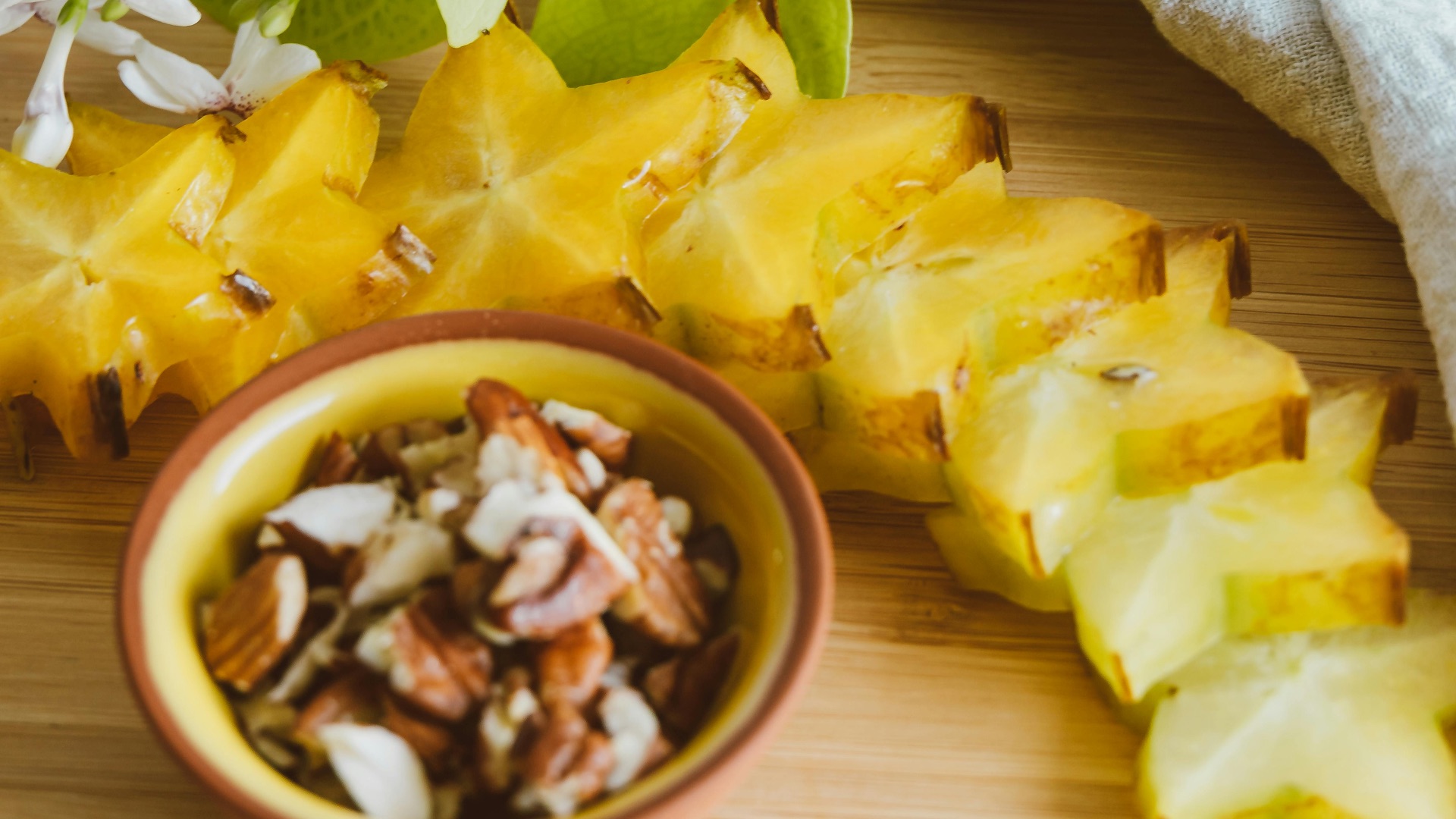
Star fruit has a crisp, delicate texture and a very subtle flavor profile that doesn't survive the cooking process well. Heat causes it to become limp and watery, and its mild sweetness doesn't concentrate the way it does in fruits with higher sugar content. It's far better suited to being sliced fresh as a garnish or eaten as a snack, where its distinctive shape and refreshing taste can actually be appreciated.
10. Lychee
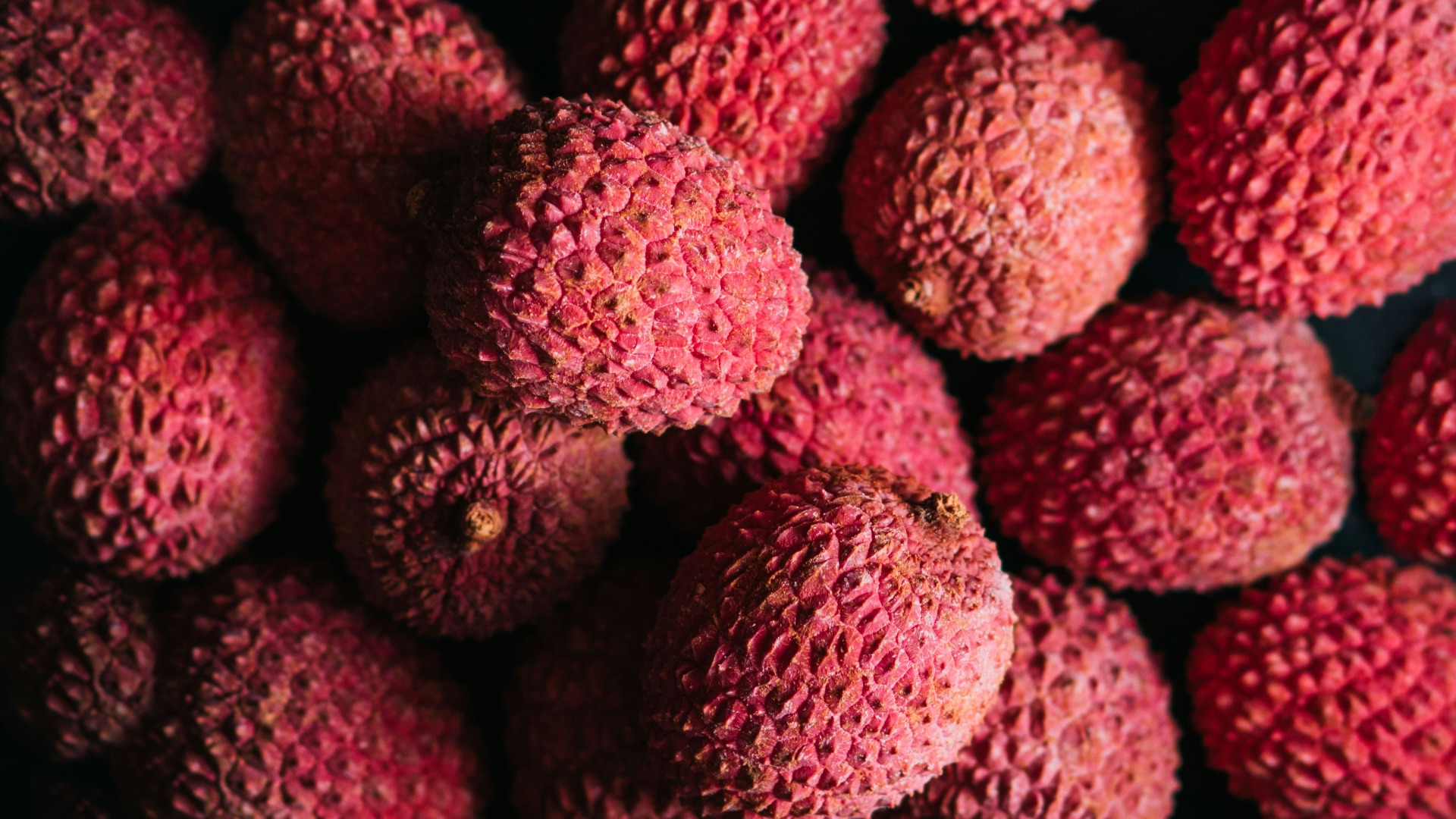
Lychee has a floral, almost perfume-like aroma that's one of its most distinctive qualities, and that aroma disappears almost completely when cooked. The flesh also becomes rubbery and loses the juicy, translucent quality that makes it so appealing fresh. Serve it chilled over ice cream, in a fresh fruit salad, or simply on its own straight from the peel for the best possible experience.
KEEP ON READING
You’re Storing Tomatoes Wrong in This Heat
You’re Storing Potatoes Wrong in This Heat
You’re Storing Peppers Wrong in This Heat
You’re Storing Carrots Wrong in This Heat