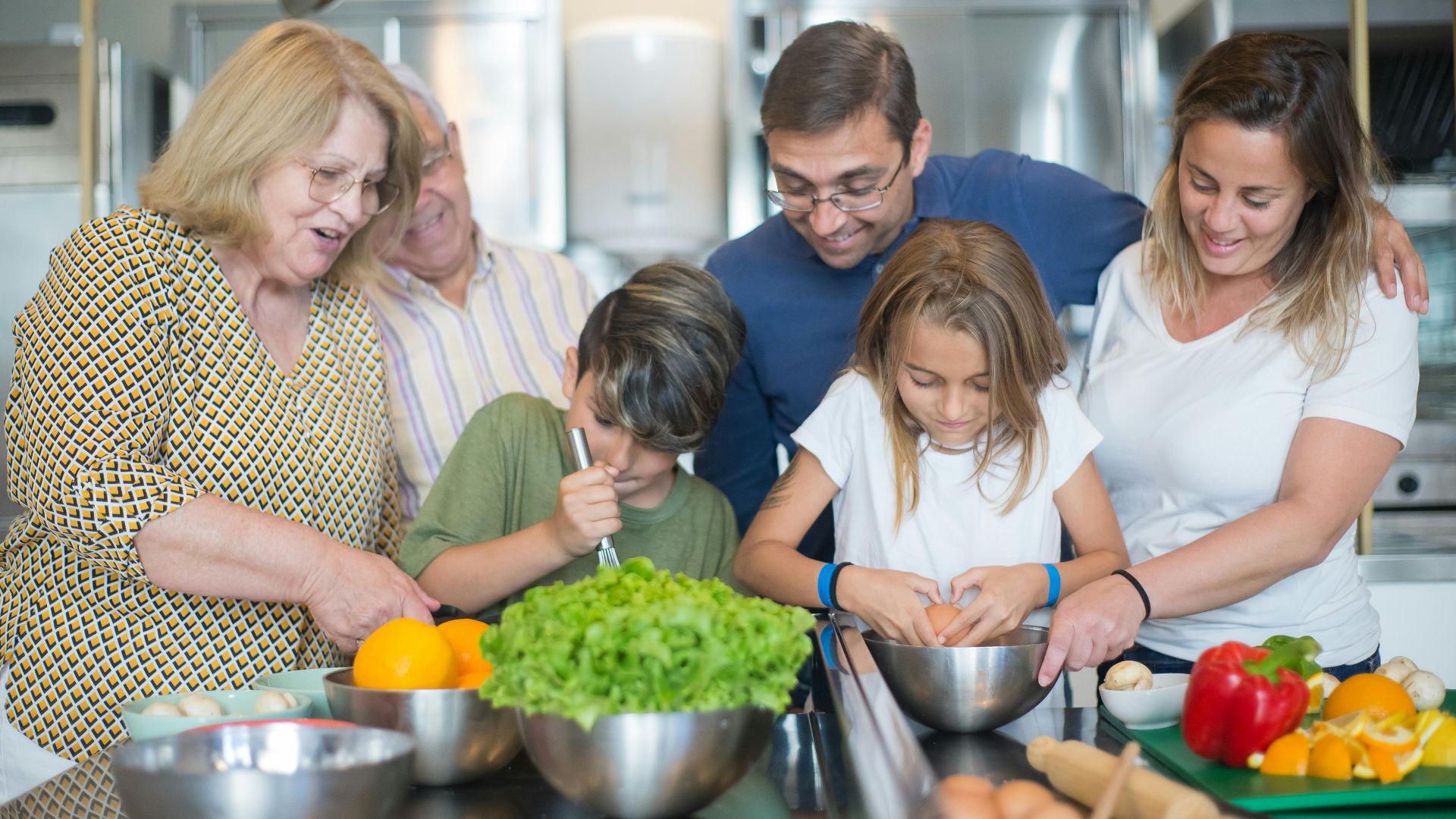
Every family has dishes that tell stories without saying a word. A favorite soup that cures a cold, a birthday cake that appears every year, or a casserole that somehow disappears before dinner even starts. A recipe book becomes the place where all these little legends live together.
Even when kids grow up and start building homes of their own, familiar flavors help them feel grounded again. The best part is that a recipe book doesn’t need fancy design skills or rare ingredients. It only needs a bit of thought and a genuine desire to pass something meaningful forward. With a clear plan, anyone can build a collection that feels both personal and timeless.
Choosing Recipes That Truly Matter
Building a great recipe book starts with noticing which dishes spark reactions—joy, comfort, laughter, or even friendly arguments over the “right” way to season something. Those meals usually earn a spot in the collection. Keeping a blend of everyday go-to recipes and a few festive favorites makes the book feel realistic rather than overwhelming. Straightforward instructions, accurate measurements, and safe temperatures create a foundation kids can trust when cooking these dishes later.
The choices grow stronger when they reflect the family’s background or long-standing traditions. Many homes keep meals passed down through generations or tied to certain regions of the United States. Adding these dishes gives children a chance to appreciate where those flavors came from and why they stuck around. A recipe that survived multiple kitchens becomes more than food. It becomes a tiny piece of history worth recording.
Writing Instructions Kids Will Understand For Years
Recipes work best when the steps read like clear, friendly guidance rather than strict technical directions. Short sentences and familiar kitchen terms help young cooks follow along without confusion. Standard measurements and familiar temperature units, such as Fahrenheit, provide structure and prevent mistakes. Additionally, including reminders about safe food handling—especially for meat and seafood—helps future cooks develop responsible habits.
Helpful notes add personality while still serving a purpose. Simple cues like “the dough should feel soft, not sticky” or “the edges turn golden when ready” help kids recognize important visual signs. These details support confidence as they learn to trust their own senses. Over time, these notes become the little whispers that help them through each recipe just as a family member once did.
Presenting And Preserving The Finished Book
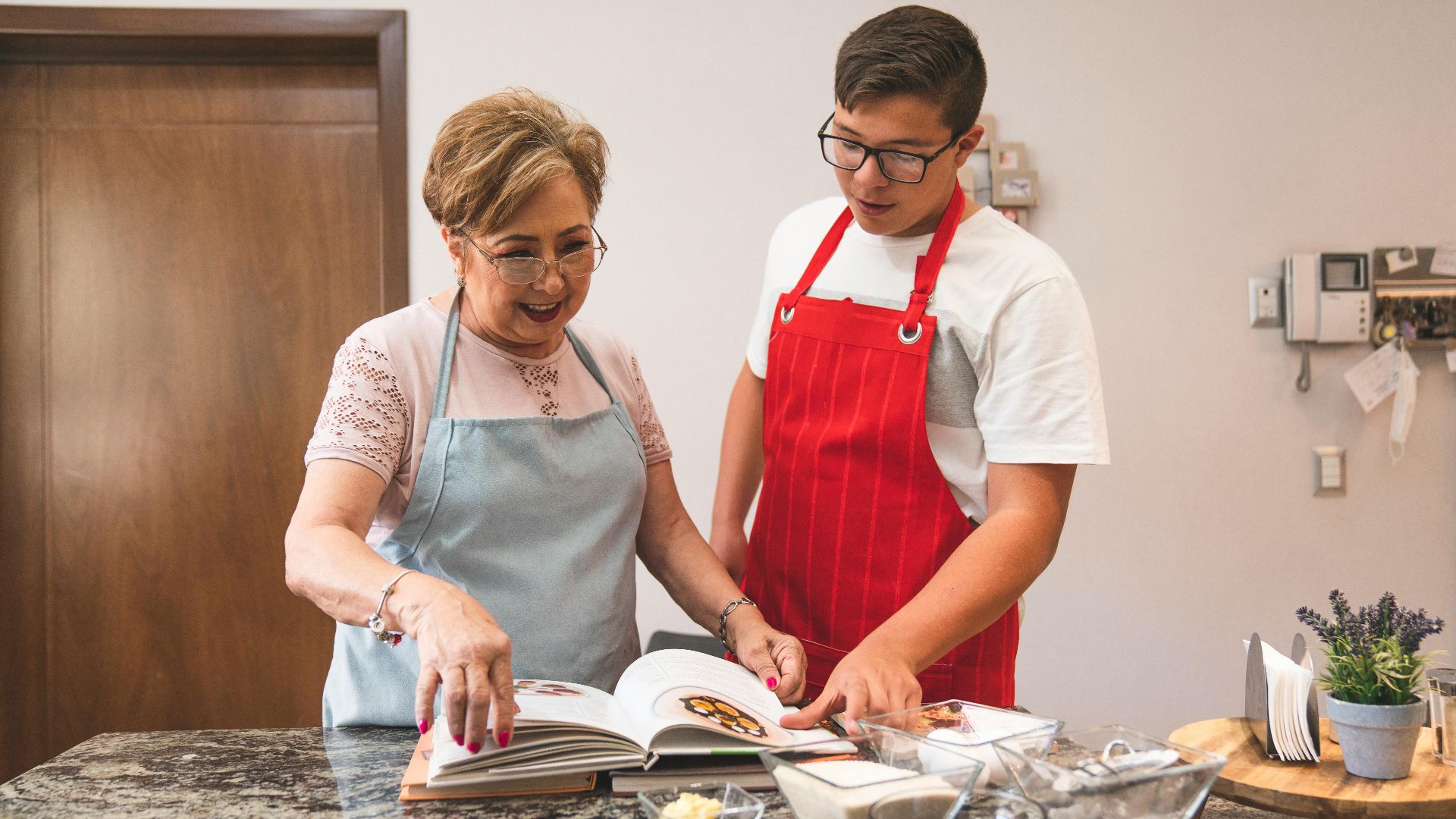
A recipe book stays useful when it’s easy to browse. Grouping meals by category—breakfasts, mains, sides, desserts—keeps things organized instead of chaotic. An index adds another layer of convenience by letting kids find dishes quickly. Leaving blank pages sprinkled throughout encourages future updates, letting the book grow as traditions evolve.
Durability matters too. A printed collection in a sturdy binder or notebook helps protect the pages from splashes, spills, and kitchen chaos. Also, creating a digital backup adds extra security and makes sharing simple. Cloud storage or shared family folders allow every child to access the recipes wherever they live. With both physical and digital copies in place, the family’s flavors stay safe for the next generation to enjoy and carry forward.
KEEP ON READING

10 Most Hated Foods in the Entire World