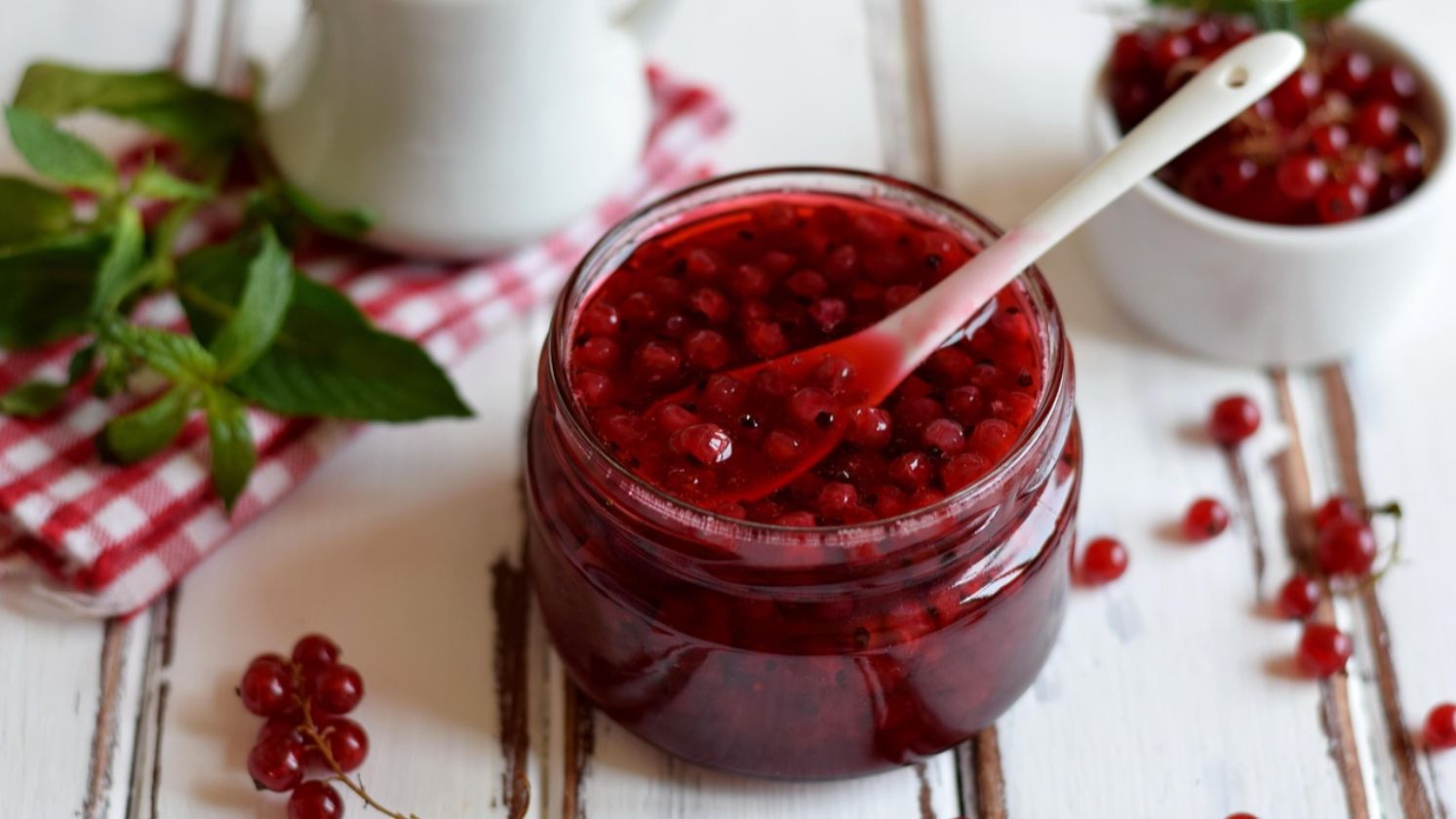
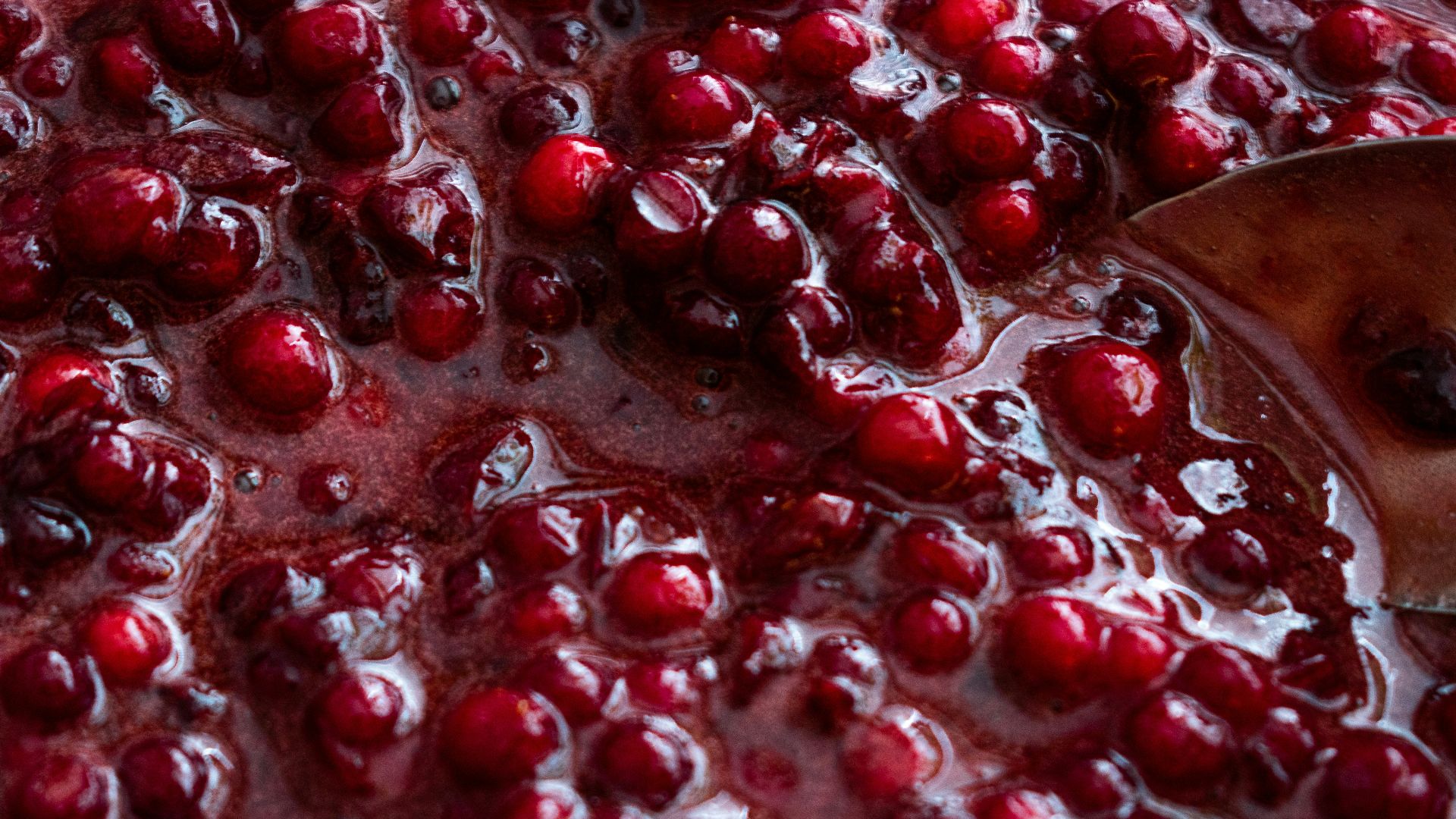
Almost everyone who makes homemade jam runs into the same quiet disappointment at least once. You take the pot off the heat, proud of the color and aroma, only to realize it looks thinner than expected. It pours too easily. For a moment, it feels like something has gone wrong.
But runny jam isn’t a failure. In fact, it’s usually a sign that the process simply needs a small, timely adjustment. And the fix is about responding to the science while the jam is still workable.
Why Jam Turns Runny In The First Place
To understand how to correct runny jam, it helps to know why it happens. Jam thickens when pectin, a natural fiber found in fruit, forms a network that traps liquid. This network only forms when there’s enough sugar and acid, and when the mixture reaches the right temperature.
Often, runny jam is the result of stopping the boil too soon. If the mixture never reaches the gel point—about 220°F at sea level—the pectin structure doesn’t fully form. This is especially common with beginners who are cautious about overcooking or scorching the fruit.
That’s why jars of runny jam shouldn’t be seen as a lost cause. They’re simply jam that hasn’t completed its setting process yet.
The Fix That Actually Works
If you notice runny jam soon after cooking, the solution is straightforward: reheat it and give the pectin another chance to do its job. Pour the jam back into a wide, heavy-bottomed pot so excess moisture can evaporate efficiently. Bring it to a full rolling boil and keep it there while stirring constantly.
As it boils, check the temperature with a thermometer if you have one. Reaching the proper gel point is essential. If the jam still seems thin after reaching temperature, this is where acid becomes important. A small amount of lemon juice—usually one tablespoon per batch—can make a measurable difference. Acid helps pectin molecules link together more effectively, strengthening the final texture without altering flavor significantly.
For jams made with low-pectin fruits, add commercial pectin during reheating, as it is a reliable option. Once the jam thickens slightly in the pot, test it before re-jarring. A spoonful placed on a cold plate should wrinkle gently when pushed. This visual cue is more trustworthy than appearance alone, especially while the mixture is still hot.
Letting The Jam Finish Its Story
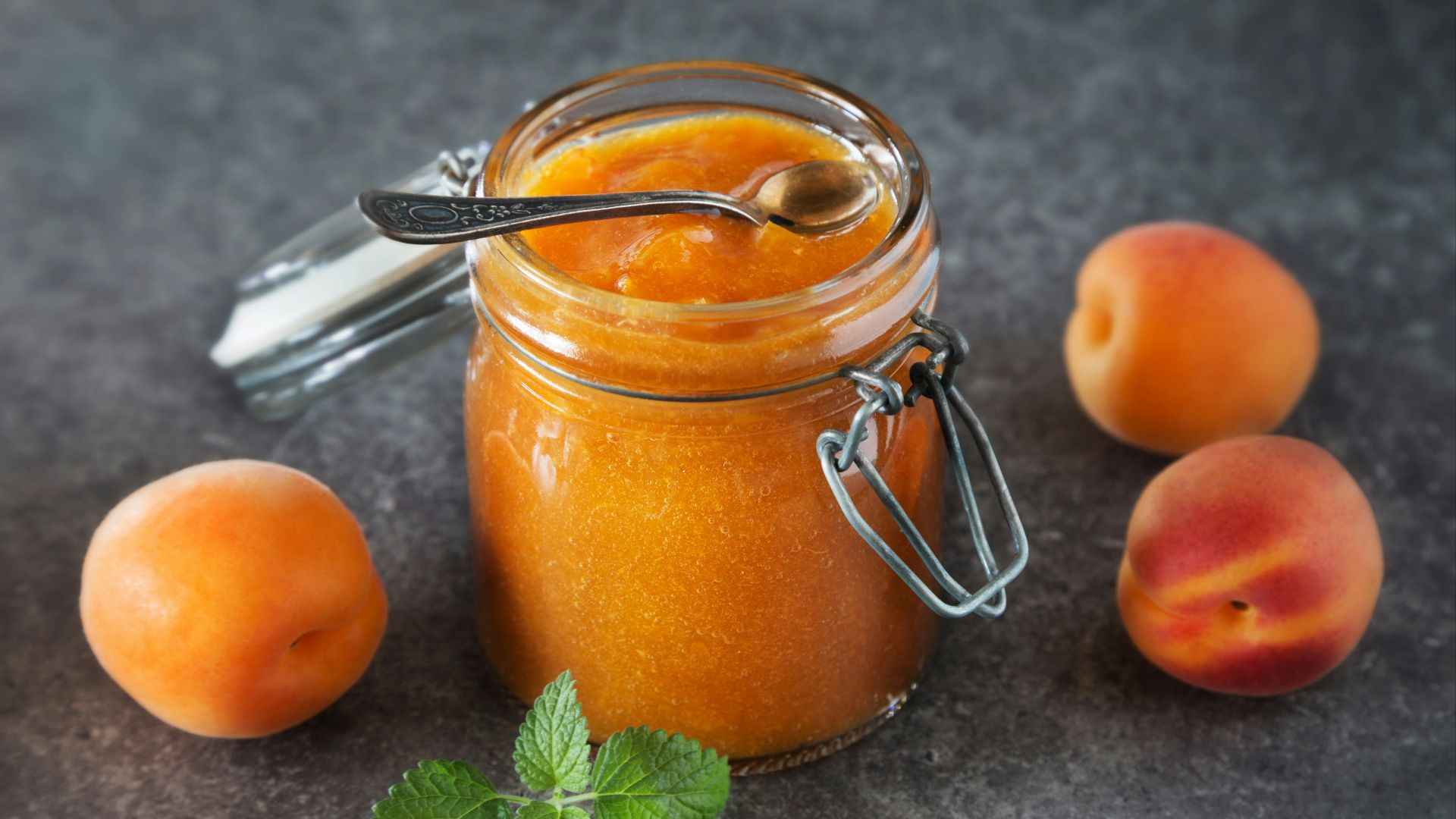
After reheating and adjusting, the final step is patience. Jam thickens as it cools, and judging it too early often leads to unnecessary fixes. Allow the jars to rest undisturbed for at least 24 hours. During this time, the pectin network stabilizes, and moisture redistributes evenly.
If the jam still pours more easily than expected after a full day, it may simply be a softer-set style. Not all jams are meant to stand stiff on toast. Softer jams spread more easily and often highlight fruit flavor more vividly.