10 Signs You Should Drop Everything To Open Your Dream Restaurant & 10 Reasons Not To
10 Signs You Should Drop Everything To Open Your Dream Restaurant & 10 Reasons Not To
A Delicious Idea That Can Also Eat Your Life
Opening a restaurant is one of those dreams that sounds romantic until you remember it involves leases, staffing, and the emotional rollercoaster of Friday night service. Still, some people are built for it, and the chaos feels like home rather than a warning sign. Here are 10 signals you might actually be ready to go all in and 10 very real reasons you might want to rethink it.

1. You’re Obsessed With Hospitality, Not Just Cooking
You don’t only care about the food, you care about how people feel when they walk in. You notice lighting, music, pacing, and the little details that make guests relax. That mindset is restaurant-owner energy, because cooking alone isn’t the whole job.

2. You’ve Tested Your Concept in the Real World
You’ve done pop-ups, catering, farmers' markets, or consistent dinner parties that strangers will actually pay for. The feedback isn’t just polite, it’s repeat-business level enthusiasm. When demand follows you, that’s a stronger sign than a daydream.

3. You Like Systems as Much as Flavors
You get weirdly satisfied by prep lists, inventory counts, and smooth workflows. The idea of building a process that runs well genuinely excites you. Restaurants survive on systems, so enjoying that part is a big part of it.

4. You Can Handle Stress
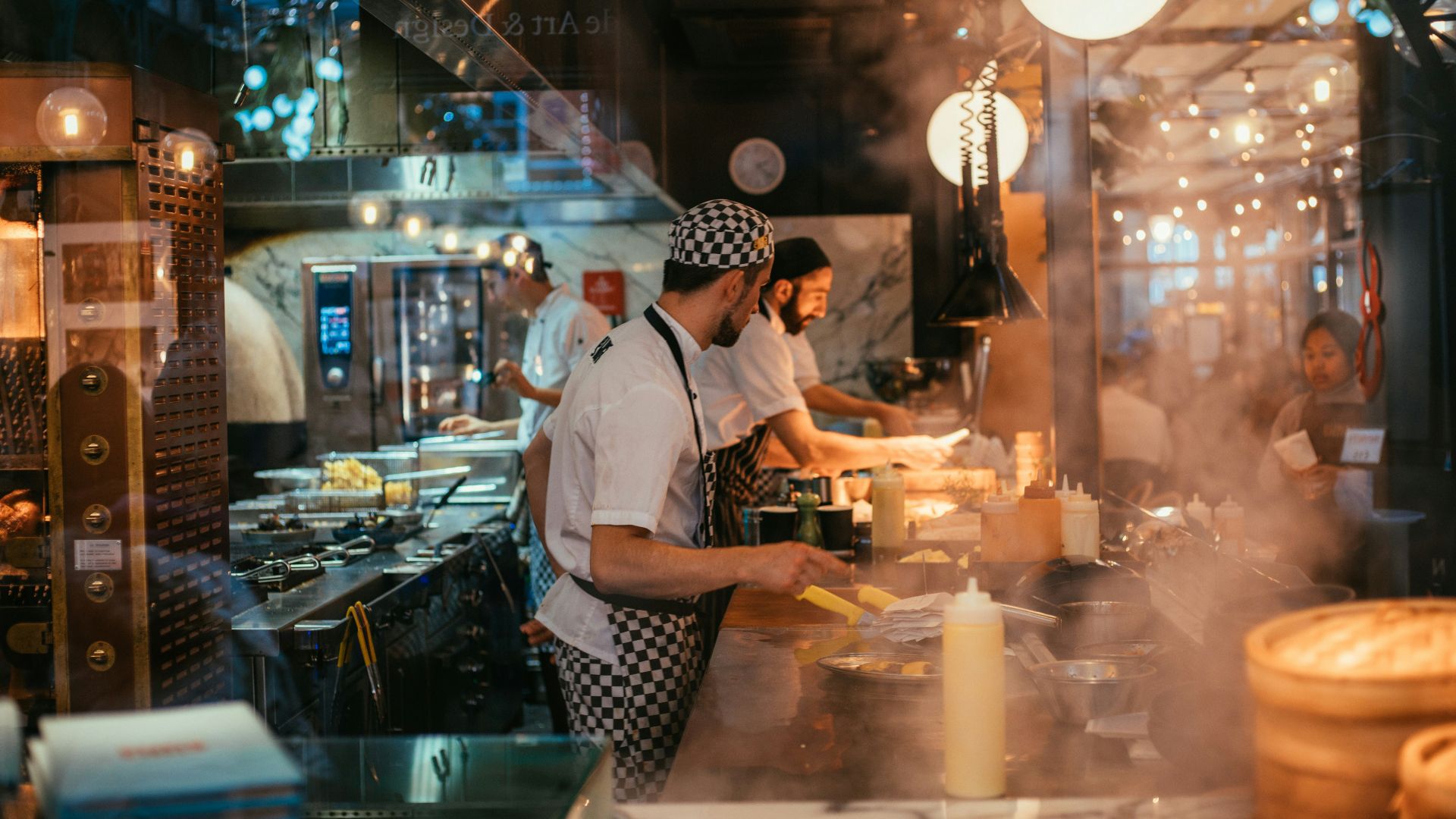
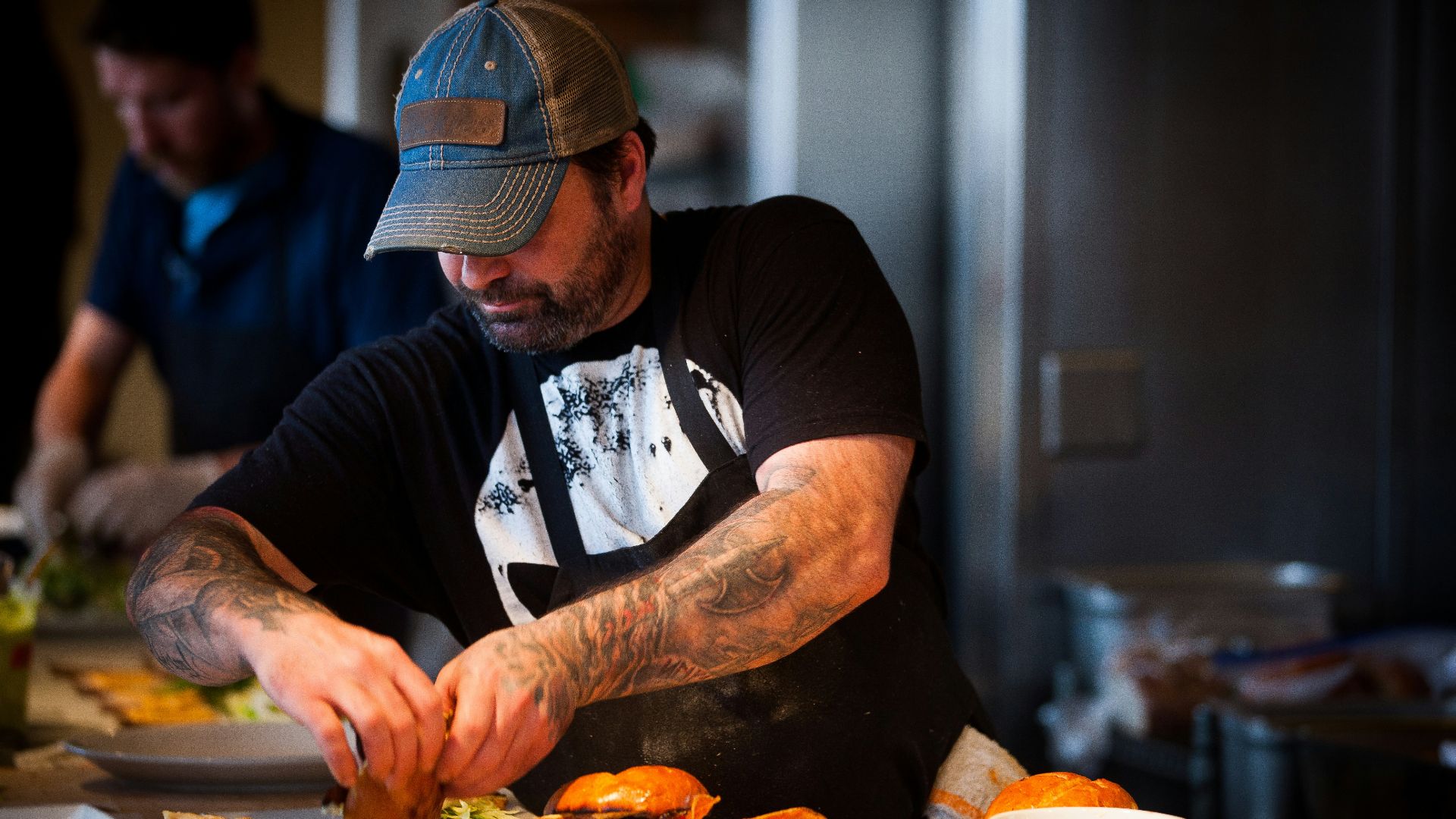
A slammed service doesn’t make you collapse or lash out—it makes you focus. You can stay firm, calm, and clear while a hundred tiny things happen at once. That emotional steadiness is rare, and it matters more than fancy plating.
 Nicolas J Leclercq on Unsplash
5. You’re Willing to Learn the Business Side
You’re not saying, “I’ll figure out money later,” you’re actually learning about margins, labor costs, and pricing. The idea of spreadsheets doesn’t kill your spirit. If you respect the numbers, you’re far less likely to get crushed by them.
6. People Already Trust You as the “Food Person”
Friends and coworkers come to you for recommendations, recipes, and opinions, and they take your taste seriously. You have a reputation for delivering something good and consistent. That kind of built-in credibility can turn into a loyal customer base.

7. You Have a Clear Vision
Your concept feels specific, like there’s a story and a reason it should exist. You can explain what makes your place different without sounding like you’re reading a generic brochure. When your vision is clear, customers remember you.
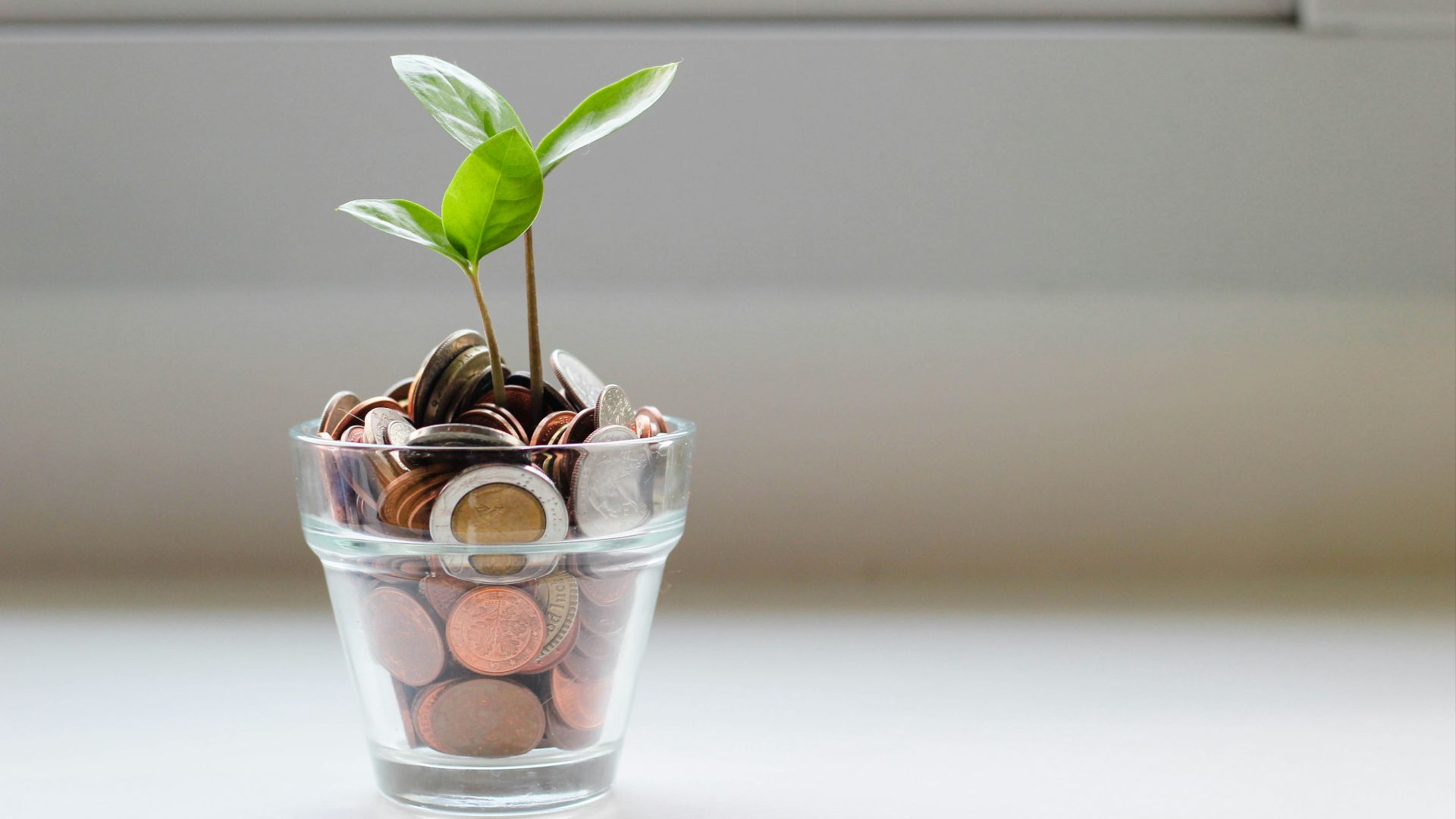
8. You’ve Got Enough of a Financial Cushion
You’re not counting on instant profit, because that's unrealistic. It takes time before your concept starts making money, and you have the savings or the investors to handle the ramp-up. That breathing room can be the difference between thriving and closing after a few months.
 micheile henderson on Unsplash
9. You’re Great at Building a Team Culture
You care about training, fairness, and making people feel respected, not just about getting bodies on a schedule. You understand that the mood behind the scenes shows up in the dining room. If you can lead well, you’ll keep good staff, which is half the battle.

10. You’d Regret Not Trying More Than You’d Regret Failing
The dream keeps returning, even when you talk yourself out of it. You’d rather take a real shot and learn than wonder forever. That kind of motivation can carry you through the inevitable hard parts.
Now that we've talked about the most compelling reasons to take that leap into becoming a restaurateur, let's talk about the reasons not to.
1. The Hours Can Take Over Your Whole Life
Restaurants don’t care if you’re tired or if it’s your birthday. Nights, weekends, and holidays are often peak work times, which can strain relationships fast. If you crave balance, the reality can feel harsh.

2. Margins Are Thin & Mistakes Are Expensive
A few bad weeks, rising ingredient costs, or one major repair can wipe out progress. You can do everything “right” and still get hit by external factors. The financial stress is real, even in popular places.

3. Staffing Can Be a Constant Challenge
Hiring, training, scheduling, and managing turnover can become your biggest job. Even great employees have off days, and service demands consistency. If people management drains you, this industry will test you.
4. Your Love of Cooking Might Turn Into Burnout
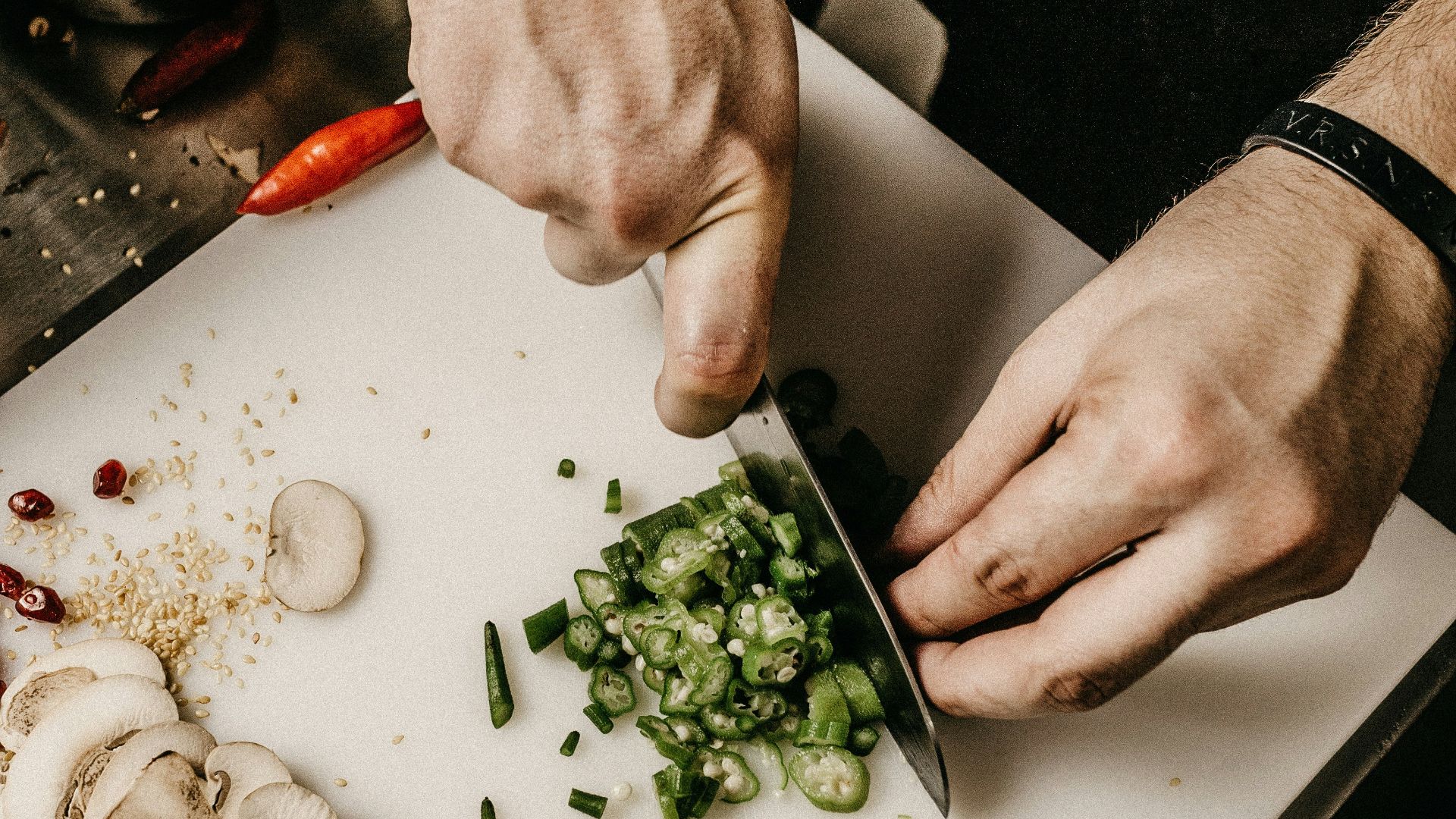
Cooking for joy is different from cooking under pressure every day. When it becomes your income, the romance can fade, especially during long stretches of stress. If you’re not careful, the dream can start feeling like a trap.
5. Location & Lease Decisions Can Make or Break You
A beautiful space with bad foot traffic is still bad foot traffic. Long leases and high rent can lock you into a tough situation before you’ve even built an audience. Real estate choices are more than just details.
6. Permits and Regulations Can Be Slow and Frustrating
Health codes, inspections, licensing, and compliance are necessary, but they can also feel like a never-ending checklist. Delays can cost money while you’re paying rent without earning revenue. If bureaucracy makes you spiral, this part can be brutal.

7. It’s Hard to Compete With Established Favorites
Your city probably already has beloved spots people are loyal to. You’ll need a strong identity and consistent execution to earn attention. If you hate marketing yourself, that uphill climb feels steeper.
8. Your Personal Finances May Be at Risk
Many owners end up personally guaranteeing loans or sinking savings into the buildout. If things go poorly, it can affect your credit and long-term stability. It’s worth being honest about what you can afford to lose.

9. Customer Feedback Can Be Intense & Public
Reviews can be unfair. You need a thick skin and a plan for handling criticism without spiraling. If external validation runs your mood, restaurants can be emotionally exhausting.

10. The Pressure to Be “On” Every Single Day Wears You Down
As the owner, you’re often the person everyone turns to when something breaks, someone calls out, or a customer is unhappy. That constant responsibility can make it hard to truly rest, even on your supposed days off. If you don’t have a strong support system and boundaries, the job can slowly take over your mental and personal space.

KEEP ON READING

20 Food Requests Only Spoiled People Ask For


20 Hardest Foods on Earth To Eat

Do Vitamin Supplements Actually Make You Healthier?