Why Grocery Store Strawberries Look Perfect but Taste Disappointing
Grocery store strawberries can look almost suspiciously beautiful. They’re bright red, glossy, evenly shaped, and stacked neatly in clear plastic containers that make them seem like tiny edible prizes. Then you take a bite and realize they taste more like strawberry-flavored water than the juicy, fragrant fruit you had in mind.
That disappointment isn’t just in your head. Many strawberries are bred, picked, packed, and shipped with appearance and durability in mind, because they need to survive a long trip before reaching your fridge. Flavor still matters, of course, but in the modern produce aisle, it often has to compete with shelf life, size, color, and the ability to arrive without turning into jam.
They’re Bred to Survive the Trip
The strawberries that look best in grocery stores are often the ones designed to handle a very practical job. They need to be firm enough to travel, stack, and sit in a refrigerated case without collapsing. A softer berry may taste wonderful, but it also bruises more easily and spoils faster. For large grocery chains, that’s a serious problem.
Plant breeders have spent years developing strawberry varieties that produce attractive, consistent fruit. That can mean berries with a reliable shape, strong skin, bright color, and enough firmness to make shipping easier. Those traits help stores reduce waste and keep displays looking appealing. Unfortunately, the qualities that make a strawberry tough enough for transport don’t always make it taste better.
Flavor is complicated because it depends on sugars, acids, and aromatic compounds that give strawberries their familiar smell and depth. A berry can look perfectly ripe while still lacking the sweetness and fragrance you expect. That’s why two strawberries can look almost identical but taste completely different. Your eyes may be impressed, while your taste buds are left waiting for the main event.
They’re Picked Before Peak Ripeness
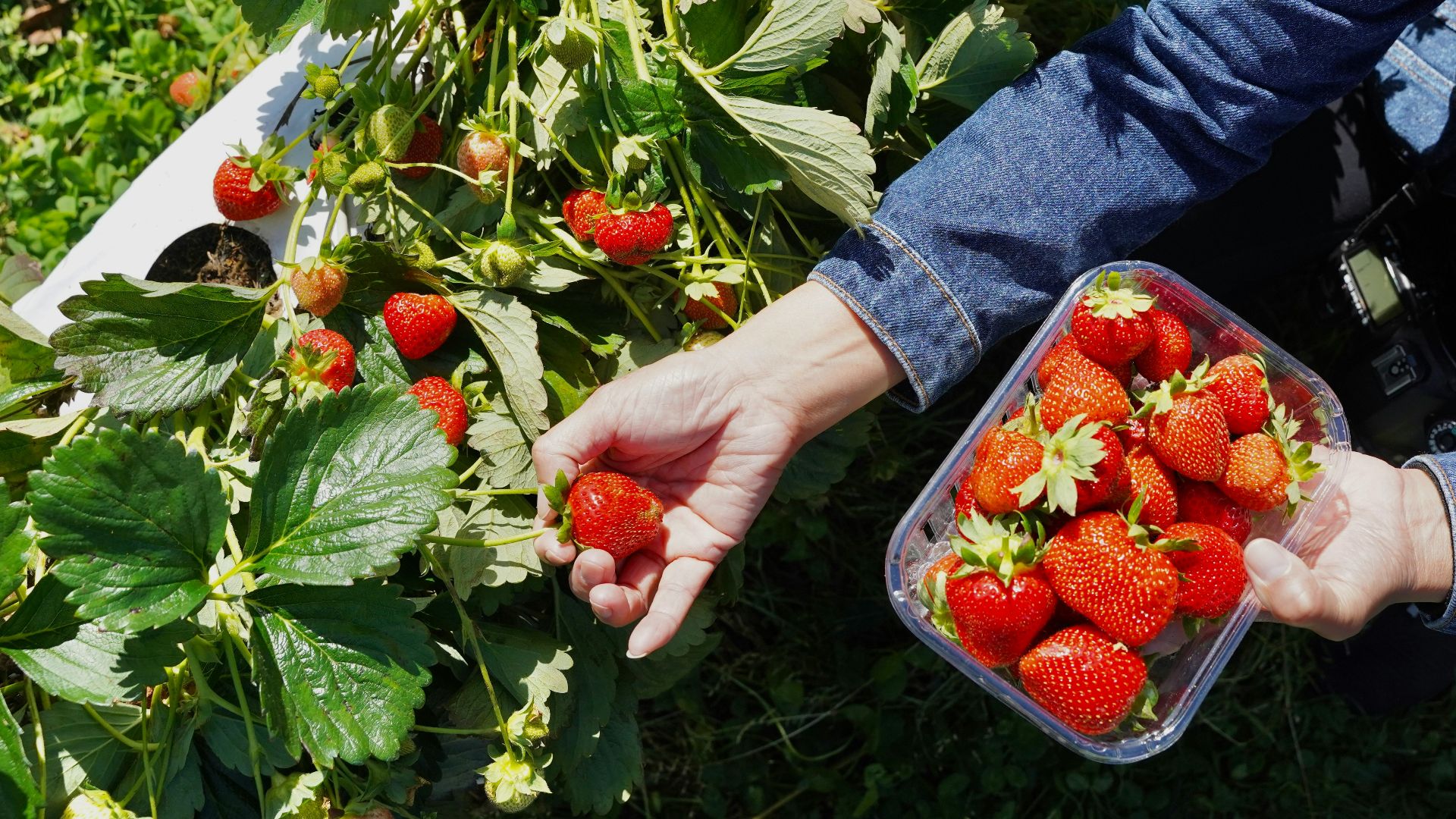
One major reason grocery store strawberries disappoint is that they’re often picked before they reach their flavor peak. Unlike some fruits, strawberries don’t continue ripening much after harvest. They may get softer or darker, but they won’t develop the same rich sweetness they would have gained on the plant. Once they’re picked, the flavor clock has mostly stopped.
Growers have to think about timing in a way home gardeners don’t. A strawberry picked at perfect ripeness might taste incredible, but it may not survive days of packing, cooling, trucking, and retail display. Picking slightly earlier gives the fruit a better chance of arriving intact. That decision makes sense commercially, even if it's a huge flavor sacrifice.
Color can also be misleading. A strawberry that looks red from tip to stem isn’t always as ripe as it seems. Some varieties are bred to color up nicely before their flavor has fully developed, which makes them look ready before they taste ready. That’s how you end up with a carton that photographs beautifully but tastes flat.
Seasonality adds another layer to the issue. Strawberries bought during peak local season often taste better because they don’t have to travel as far. When berries are shipped long distances, durability becomes more important than delicate flavor. The farther they travel, the more likely you are to notice the difference between pretty and delicious.
The Cold Chain Protects Them but Dulls the Experience
Refrigeration helps keep strawberries from spoiling, but it doesn’t do their flavor any favors. Cold storage slows decay and protects the fruit during shipping, which is essential for grocery distribution. However, cold temperatures can mute aroma, and aroma is a huge part of what makes strawberries taste like strawberries. If a berry doesn’t smell like much, it probably won’t taste like much either.
That’s why strawberries can seem more flavorful after sitting at room temperature for a little while. The fruit hasn’t magically become sweeter, but its aromas become easier to notice. Since smell and taste work together, that small change can make a big difference. Eating strawberries straight from the fridge is convenient, but it often makes them seem more disappointing than they really are.
Packaging plays a role, too. Those plastic clamshells protect berries from damage, but they can’t recreate the freshness of fruit picked nearby and eaten soon after. Moisture, pressure, and time all affect texture, especially if berries sit too long. A beautiful carton may still contain fruit that has spent more of its best days in transit than on your plate.
The good news is that you’re not powerless in the strawberry aisle. Look for berries that smell sweet, not just ones that look red. Smaller berries can sometimes have more concentrated flavor than oversized ones, and local or in-season strawberries usually have a better shot at tasting memorable. The perfect-looking carton may catch your eye, but the best berries are the ones that make themselves known before you even take a bite.
KEEP ON READING

20 Theme Park Snacks People Fly In Just to Eat

20 American Restaurants Your Grandparents Loved