Eat Now to Spare Yourself Trouble Down the Road
Vitamin D is one of the biggest components for healthy bones. We know it, we know you know it, and yet, it remains one of the hardest aspects of people's health journeys. The biggest problem is that plenty of people suffer from a significant lack in their diet, but that's why we're here to help! Let’s dive into which foods are a good source of vitamin D so you can keep that skeleton strong—and know what to reach for in the grocery store.

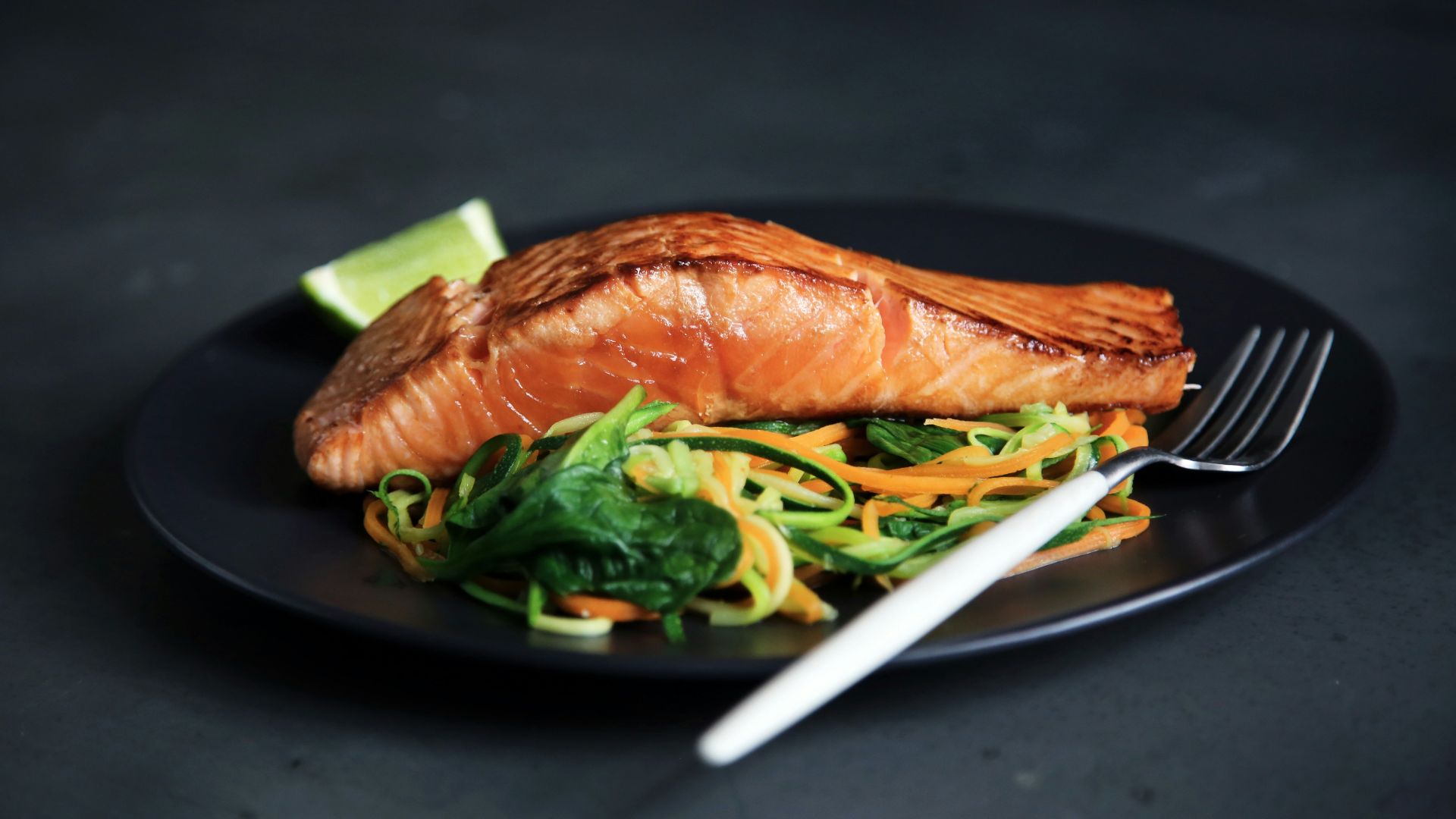
1. Salmon
Salmon is loaded with all kinds of goodies, and vitamin D is just one of them. You'll score about 500 IU (international units) per serving, in fact, alongside its high protein content and additional B vitamins. This Little Fish That Could is perfect for anyone looking to strengthen their brain health or reduce inflammation.
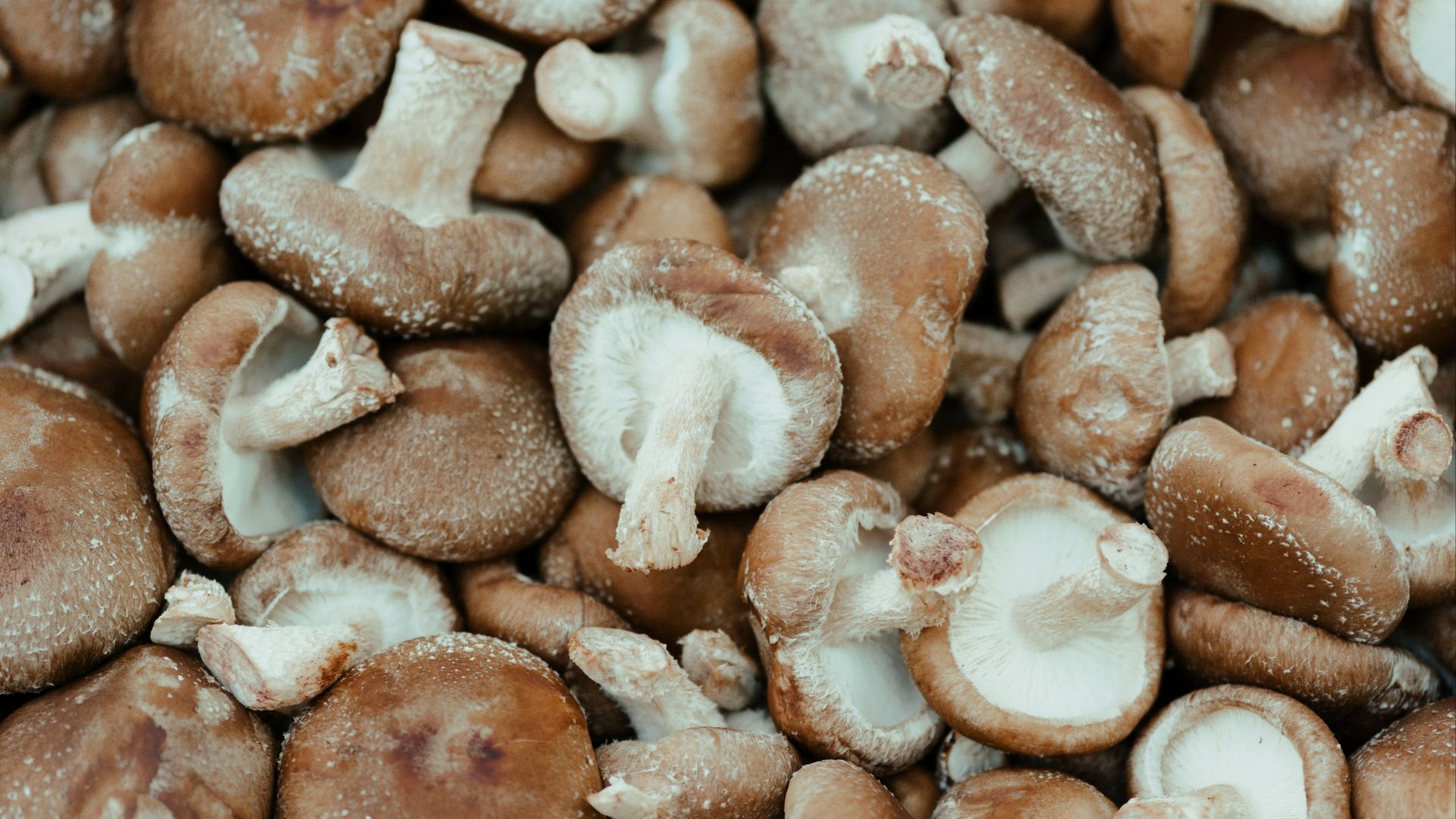
2. Mushrooms
You’ll want specific mushrooms like shiitake or maitake to reap the most vitamin D. Though shiitake provides roughly 100 IU of vitamin D per cup, you can score nearly 1000 IU per serving from maitake. That said, pay attention to how much sun mushrooms get because the amount of UV light exposure determines how much vitamin D there is!
 Kier in Sight Archives on Unsplash
3. Fortified Milk
We hate to break it to you, but ordinary milk isn't alwyas enough. The reality is that cow’s milk on its own probably won’t do it, but fortified milk certainly will. Certain options are fortified with enough vitamin D to provide about 100 IU per cup, though you’ll also get a healthy amount of calcium and minerals.

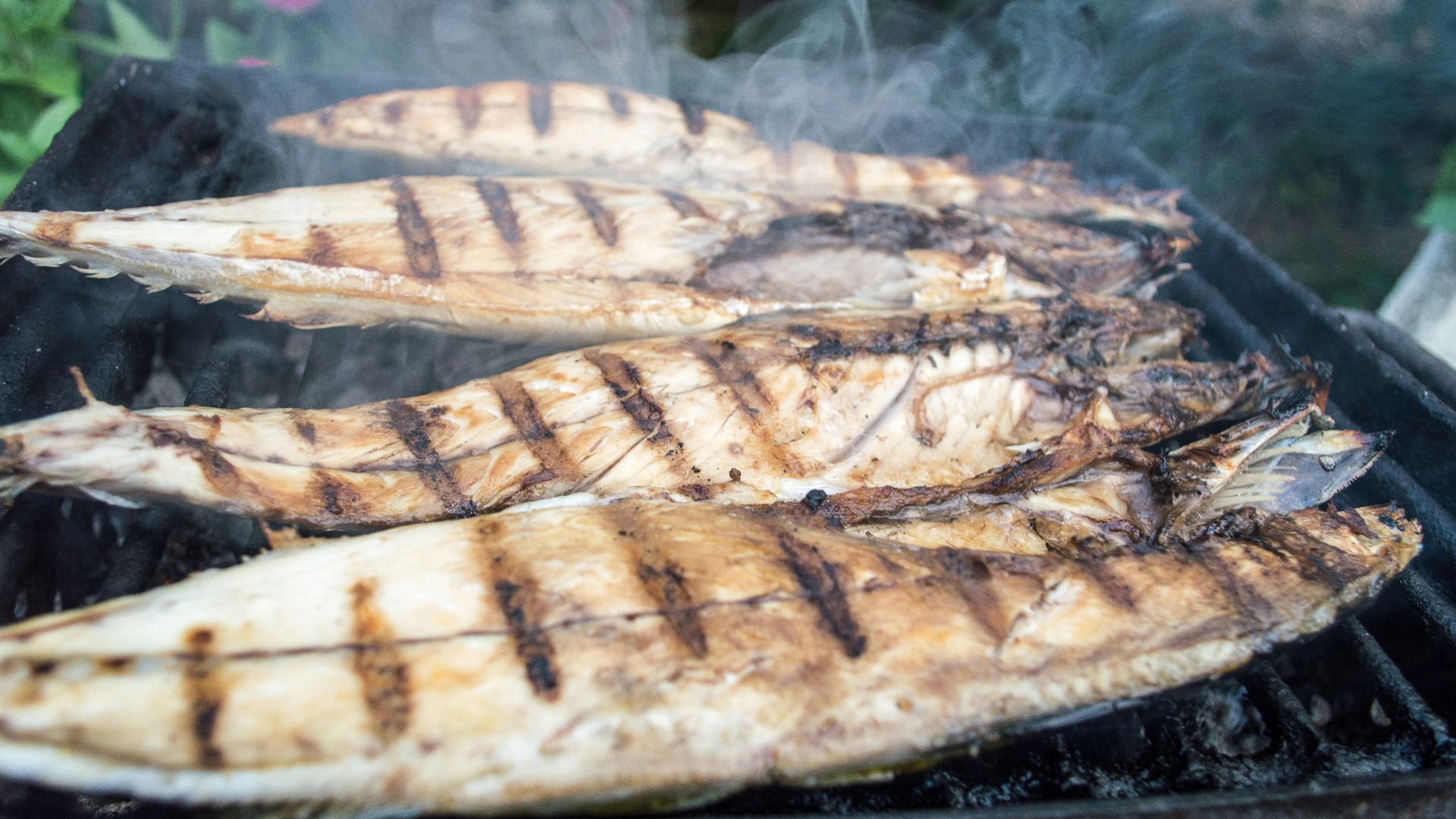
4. Mackerel
According to the USDA, mackerel has roughly 600 IU per 100-gram serving, making it a top choice for vitamin D. (It’s also loaded with protein, omega-3 fatty acids, and additional B vitamins). Mackerel is also a great choice for heart health, though it’s an ill-advised food for anyone with gout.
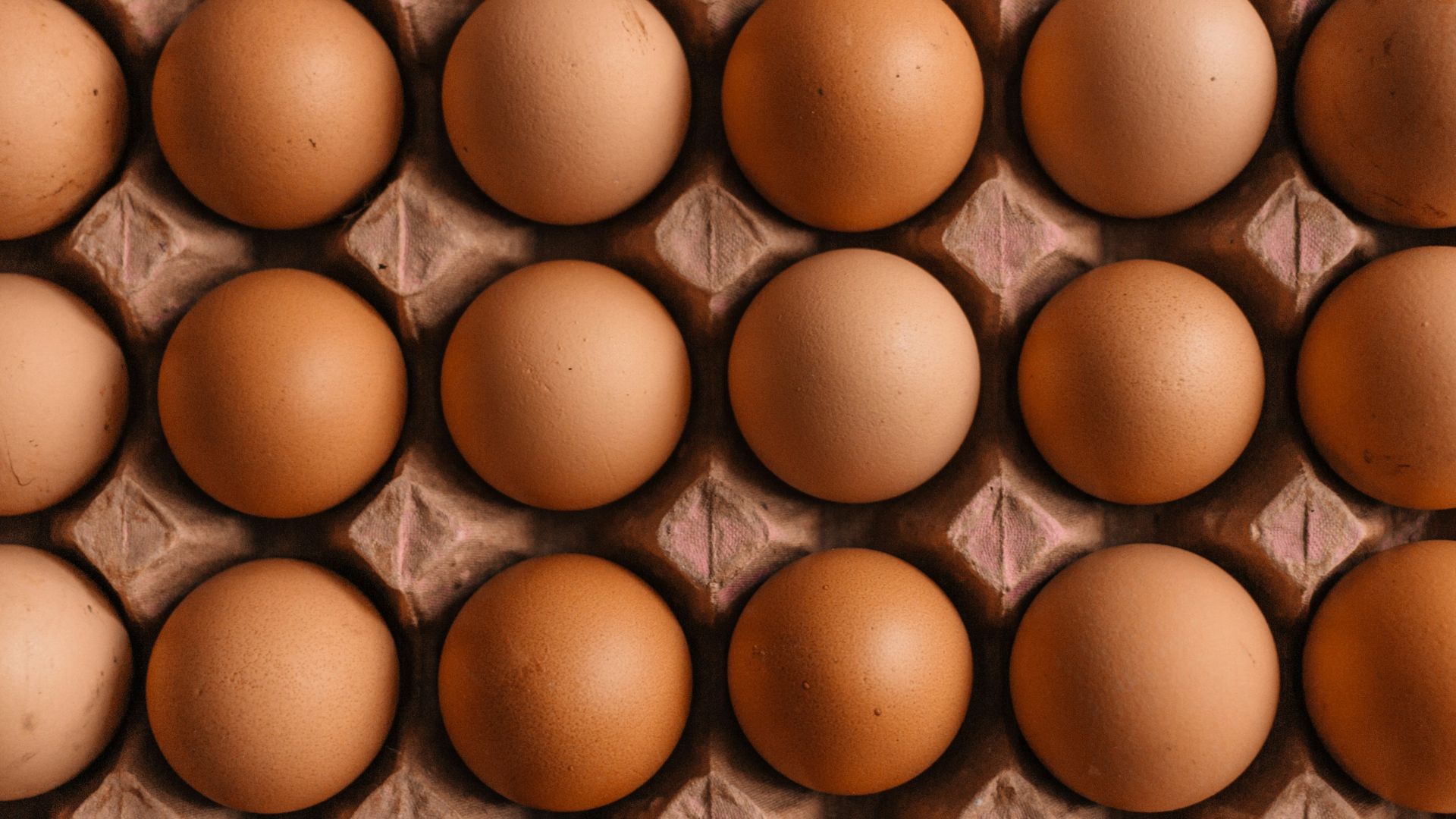
5. Eggs
Not only are eggs a terrific source of protein, but they’re also chock full of vitamins and minerals—including vitamin D. It's true that some outside factors affect how much vitamin D you’ll actually get, but whole eggs are generally a great source of it.
6. Fortified Orange Juice
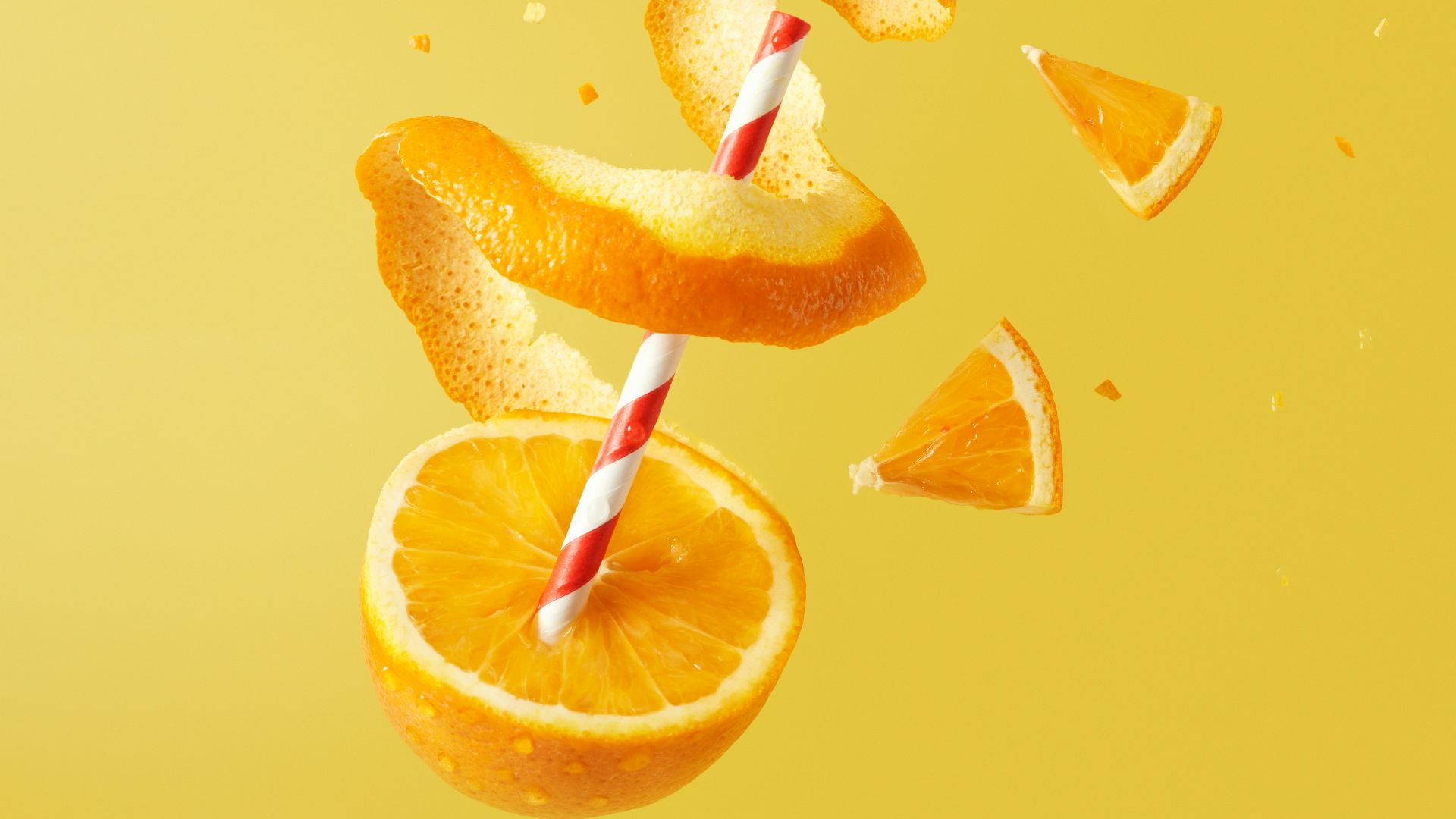
Much like fortified milk, fortified OJ comes with added vitamins to help you nab the proper daily intake. Some orange juices come with about 100 IU of vitamin D per cup, along with additional benefits like vitamin C and potassium.
7. Cod Liver Oil
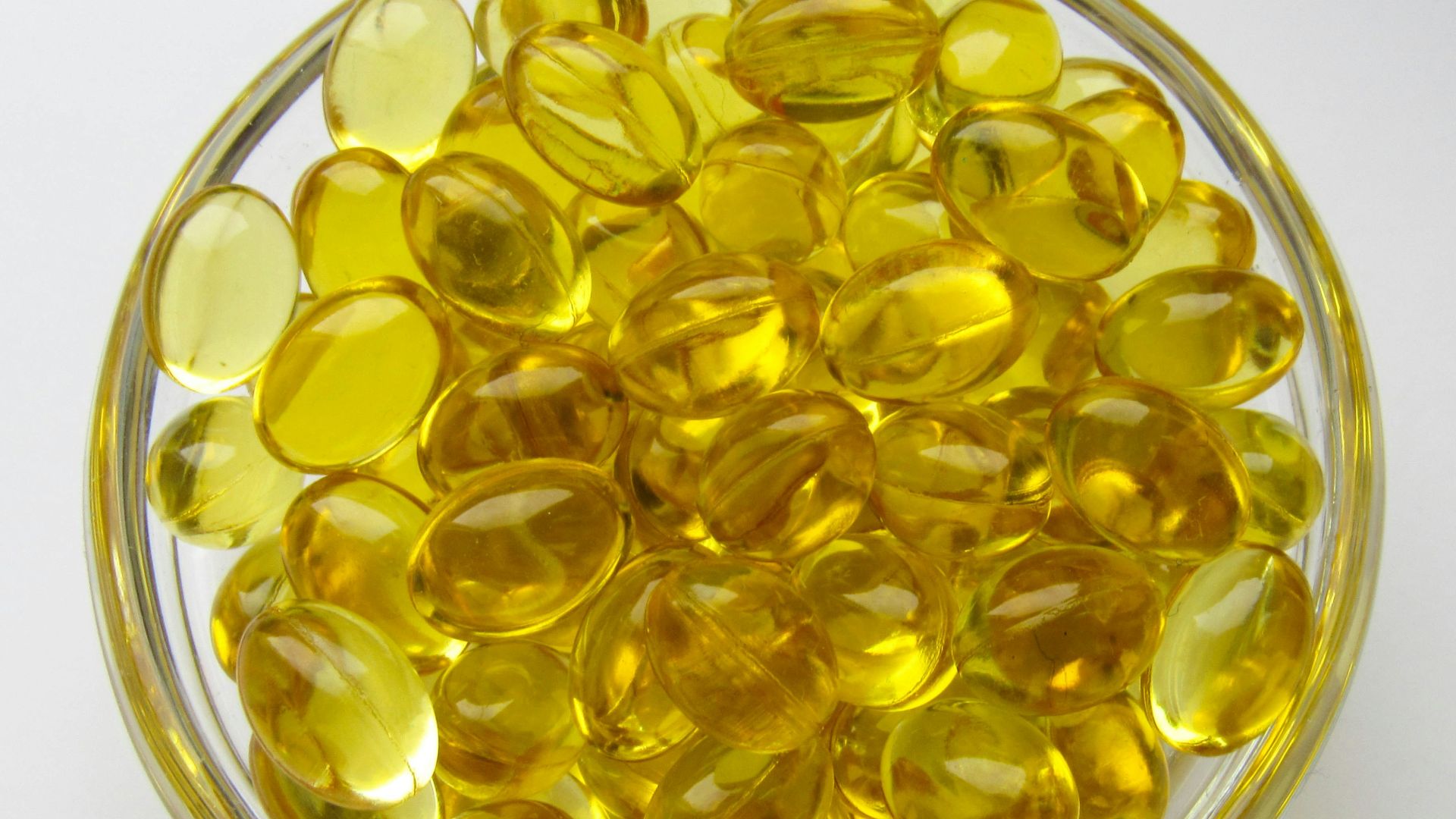
Look no further than cod liver oil for a healthy dose of vitamin D—one tablespoon is often all you need for about 1300 IU of it! This oil is also a fantastic source of vitamin A, which supports healthy eyesight, and omega-3 fatty acids.
8. Fortified Cereal
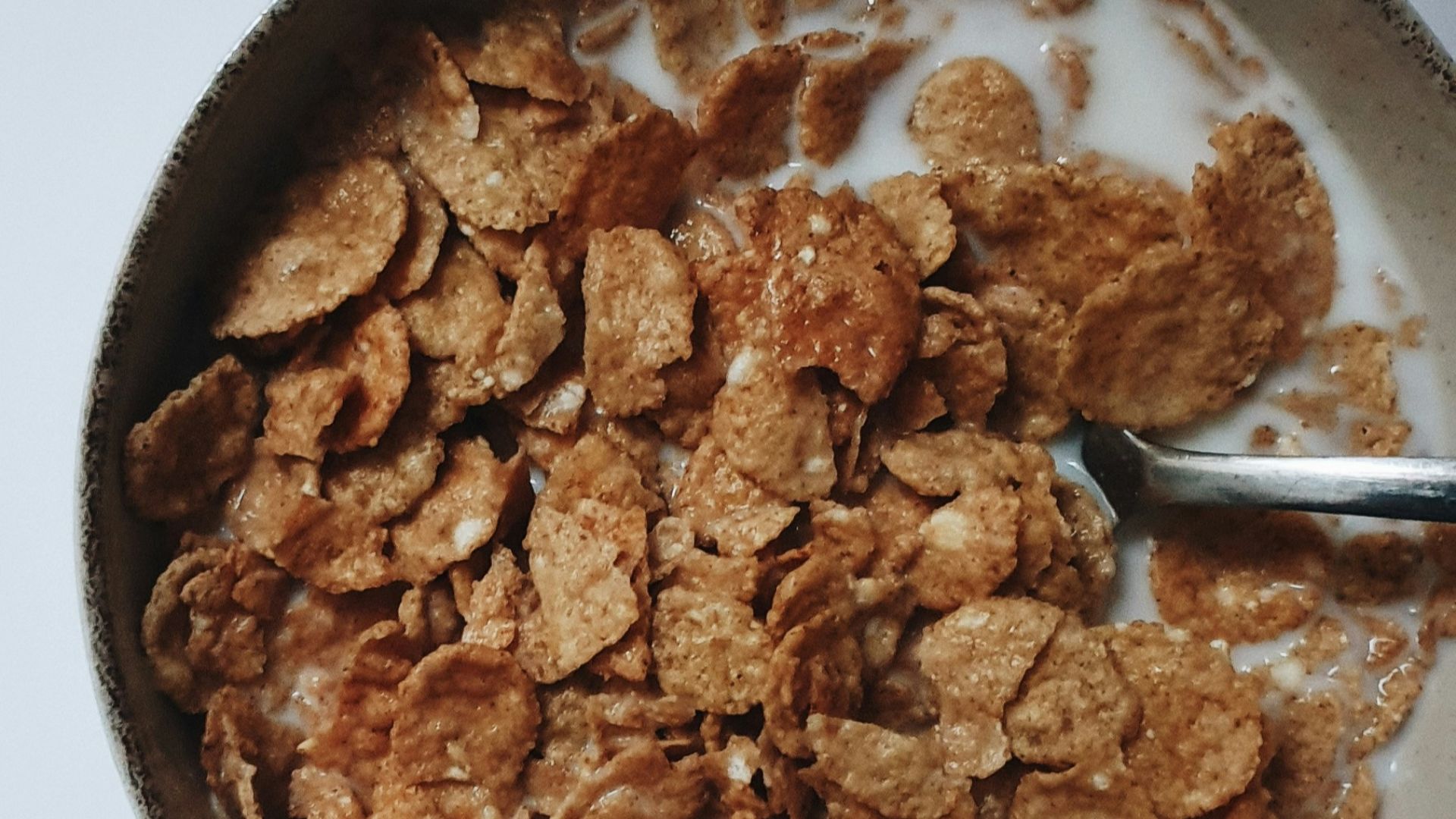
Fortified foods don’t stop at beverages; certain fortified cereals come with added vitamin D to ensure you get the right amount per serving. Check the label to find out which cereals offer what you need as well as additional vitamins, iron, and calcium.
9. Swordfish
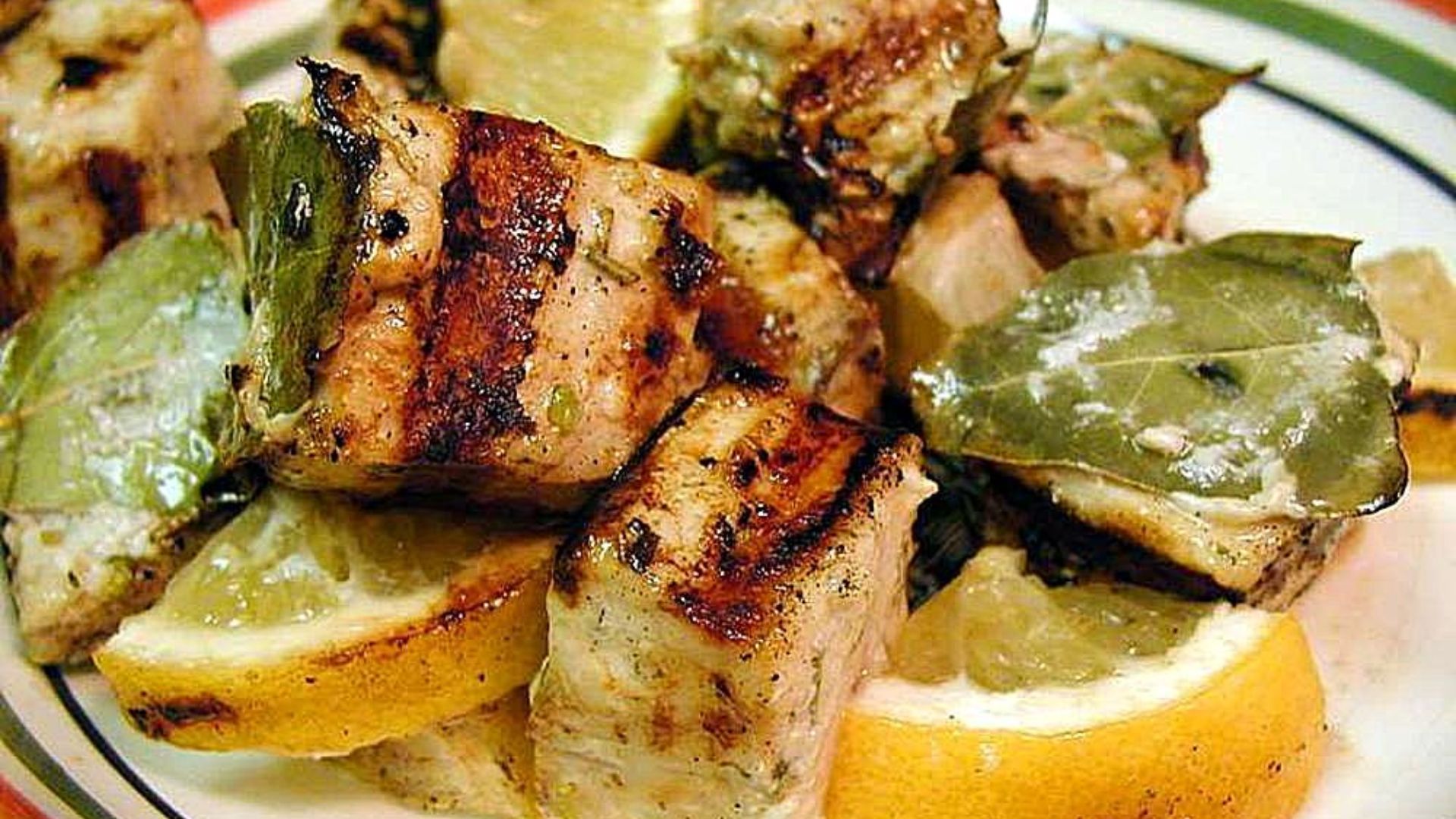
Salmon not your thing? Not to worry! 100g of cooked swordfish comes with nearly 700 IU of vitamin D, making it another popular seafood option. In addition to its vitamin content, it’s also a low-calorie choice that's rich in protein and omega-3 fatty acids.
10. Soy Milk
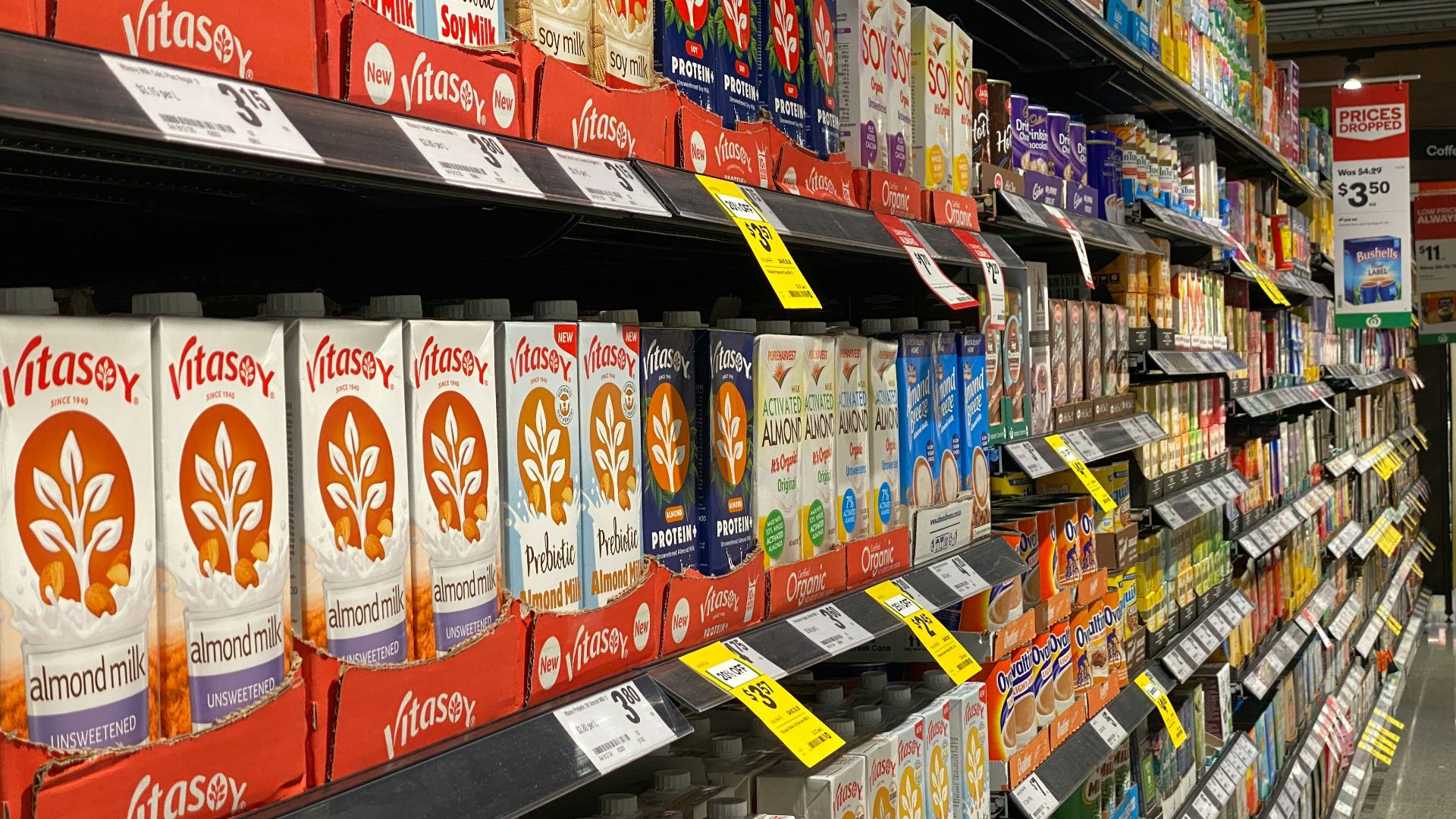
Fortified cow’s milk often comes with added vitamins and minerals, but its alternatives also come with benefits. Soy milk, for example, provides roughly the same amount of vitamin D as fortified cow’s milk, along with protein and heart health promotion.
11. Canned Tuna
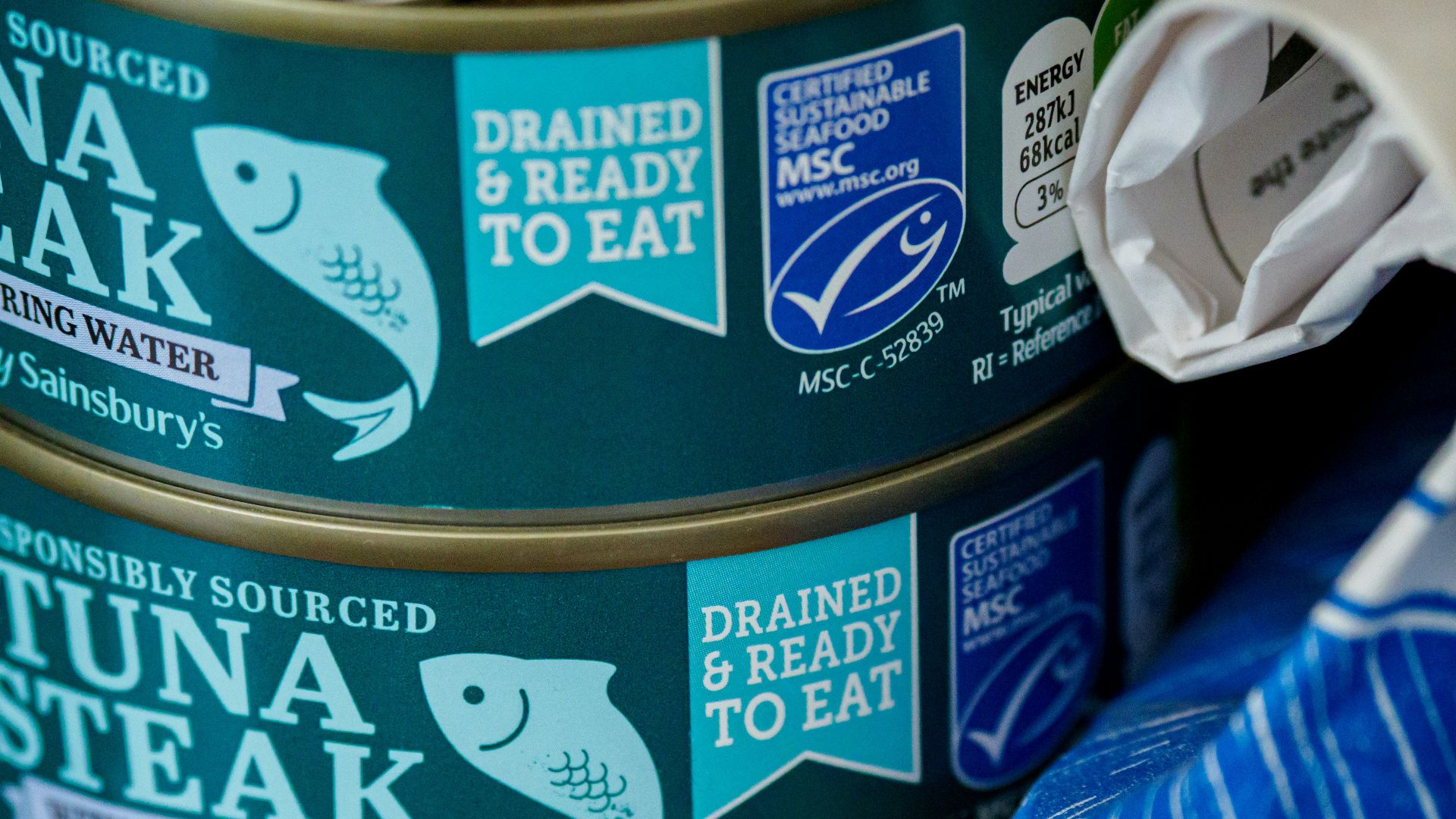
Canned tuna is much more than a simple lunch—it’s a great source of vitamin D (and B vitamins). It also has all kinds of protein, comes with omega-3 fatty acids, and prides itself as an affordable option for anyone on a budget. Basically, it's a win-win-win across the board.
12. Fortified Tofu
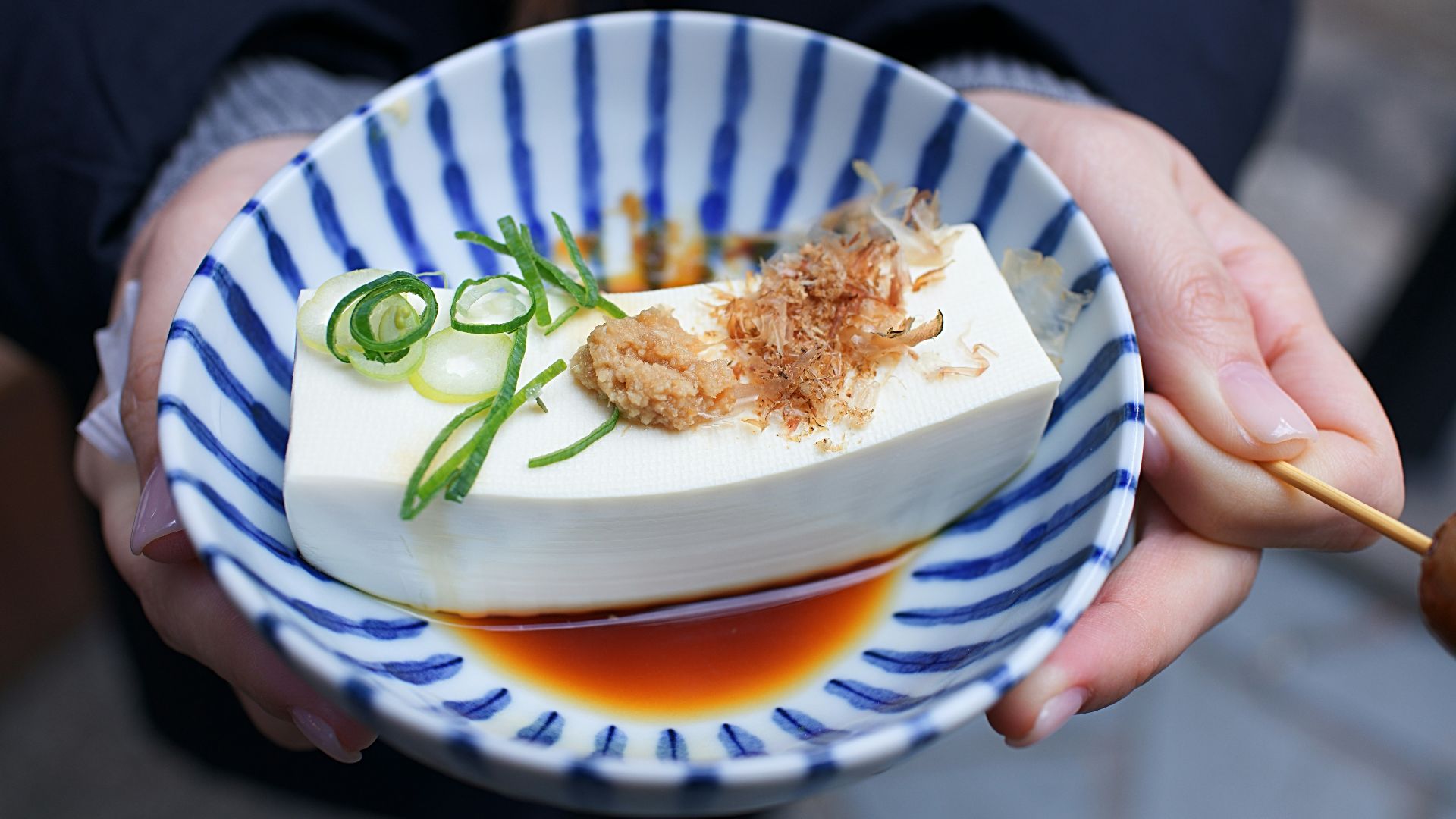
Fear not, vegetarians; tofu on its own doesn’t come with much vitamin D, but the fortified version sure does. Get your hands on some for at least 100 IU of vitamin D per serving, a good helping of iron, and plenty of calcium.
13. Pork
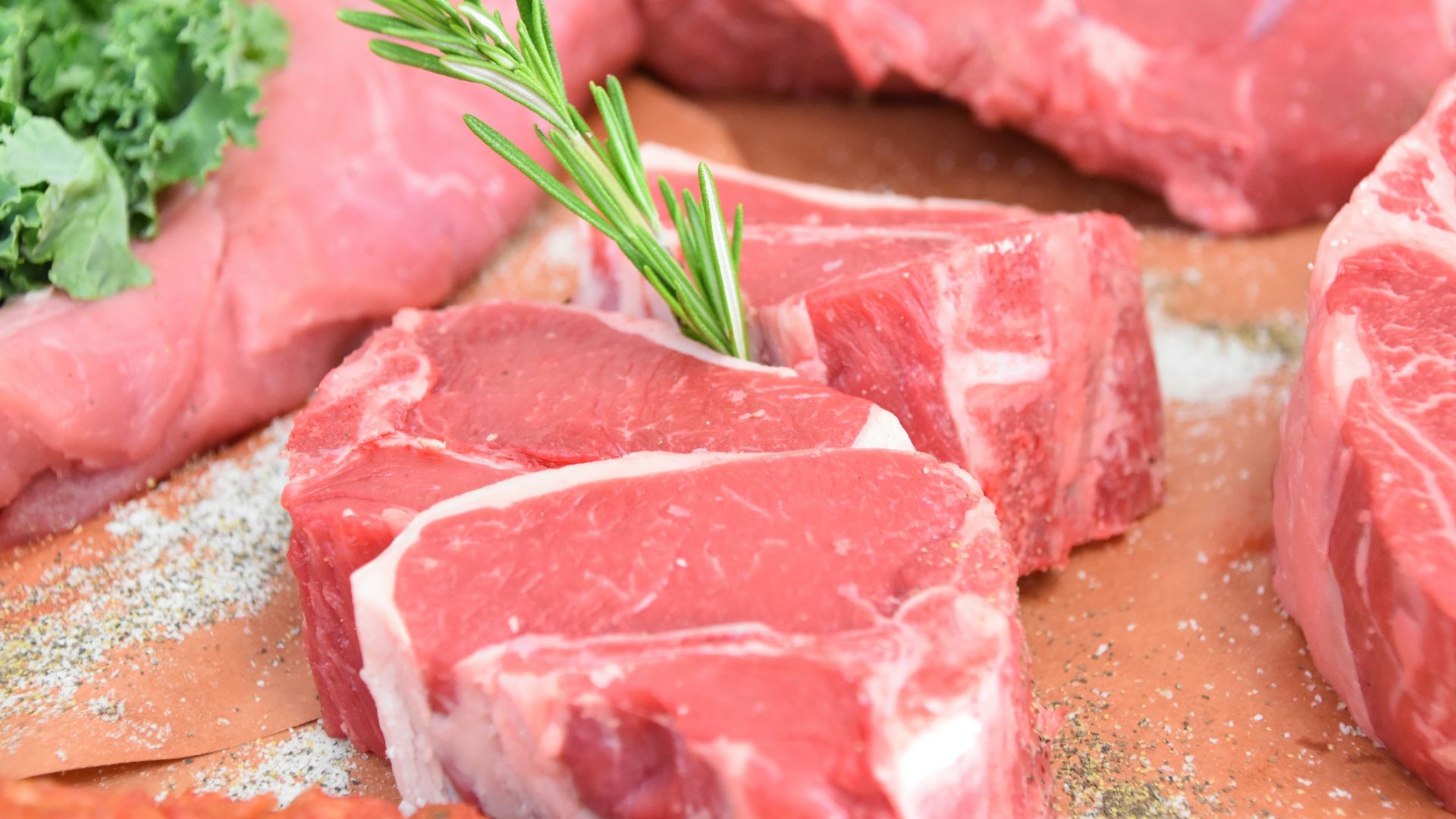
You may already know that pork comes with B vitamins and iron, but it’s also a good source of vitamin D. Best of all, rib lovers are in particular luck because spare ribs typically come with the most vitamin D. Though, any cut still provides a good serving of it.
14. Sardines
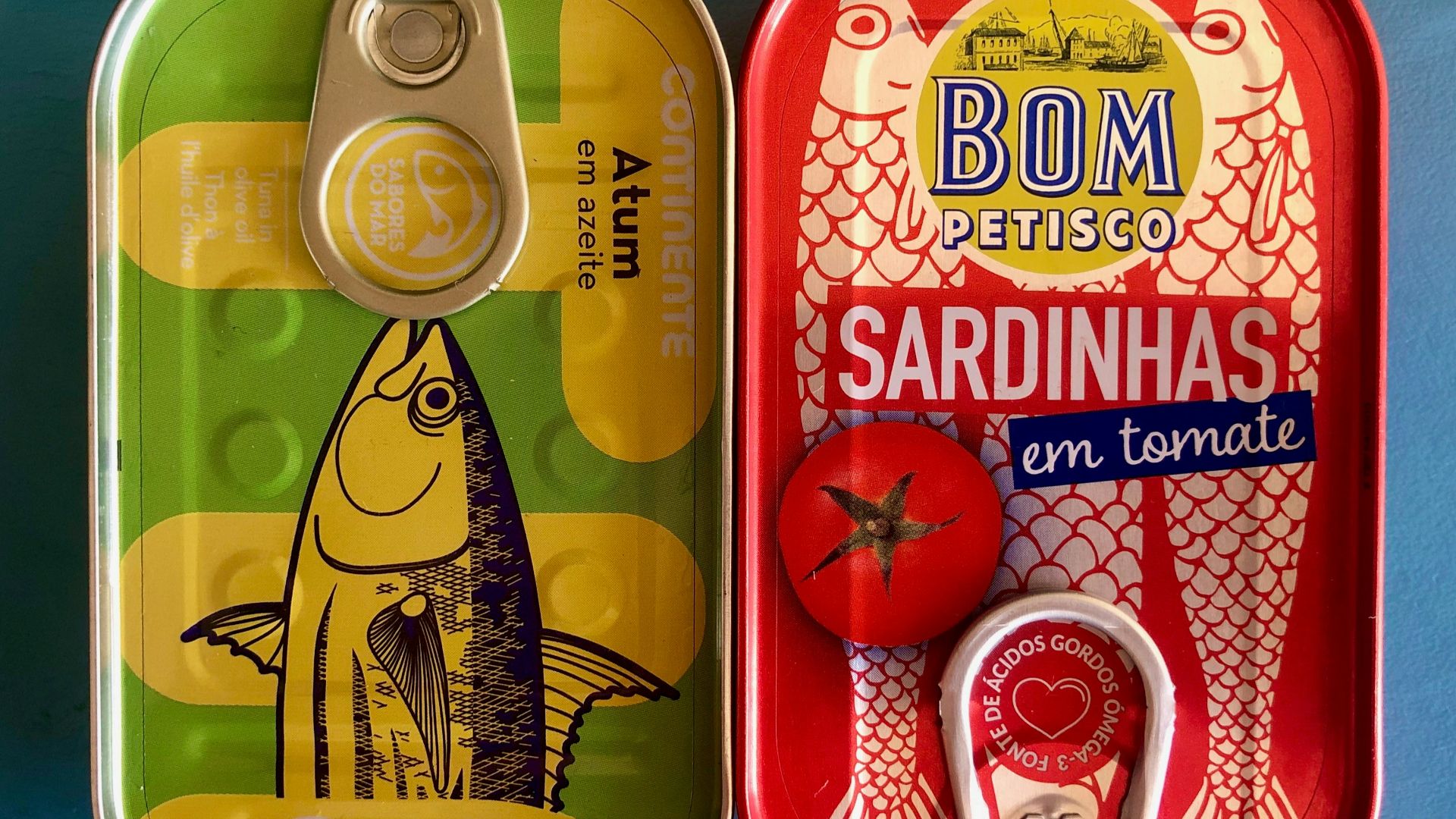
Now’s the time to finally give sardines a chance—they’re loaded with vitamin D, calcium, and come with enough omega-3 fatty acids to significantly reduce your odds of heart disease. That little sardine can also provides plenty of zinc and helps reduce inflammation.
15. Fortified Yogurt
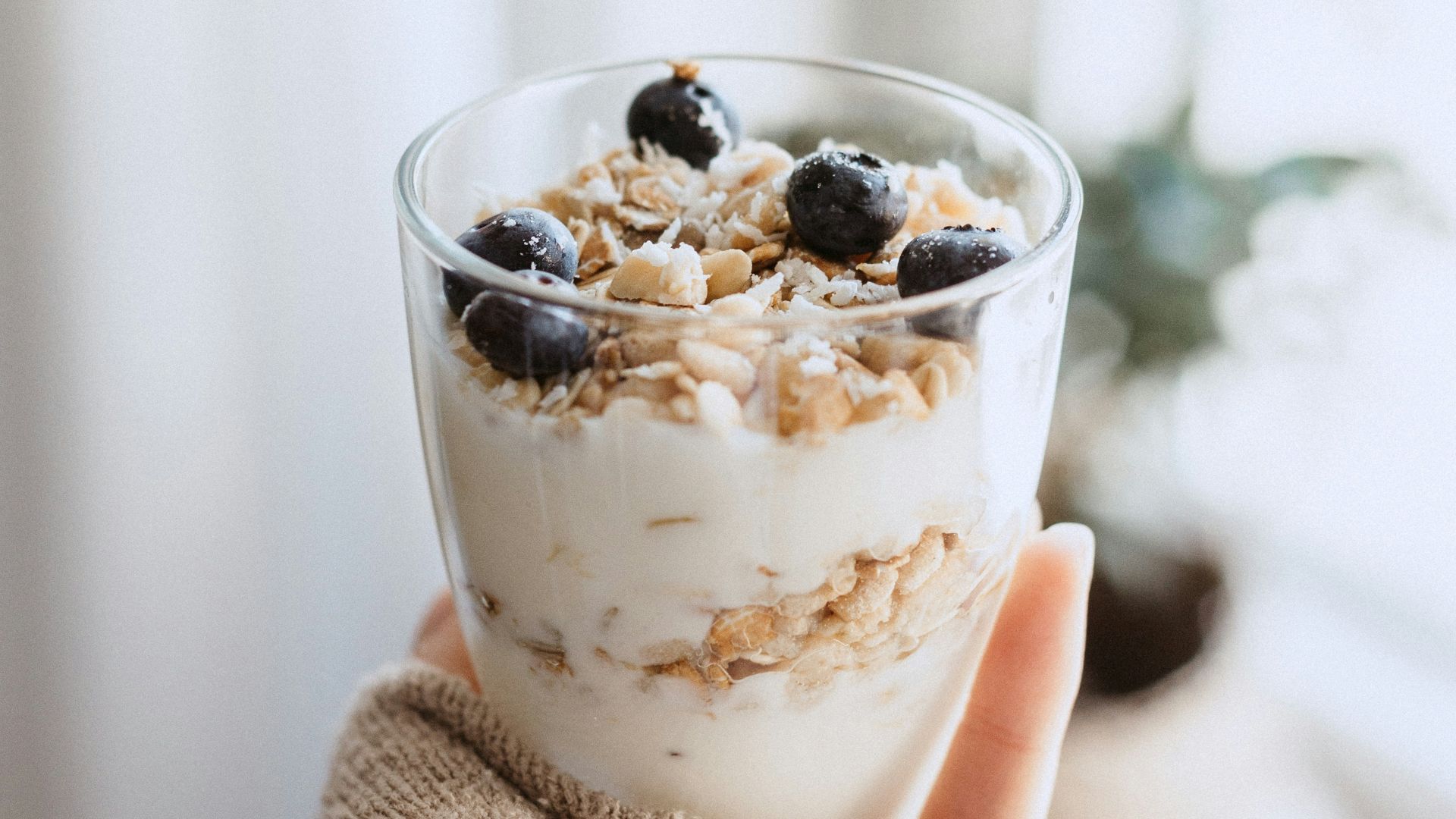
Fortified yogurt can add up to 100 IU of vitamin D to each serving, so don't skip it the next time you're at the store. Considering Greek yogurt on its own already provides a ton of calcium (and plenty of probiotics to help support gut health), its fortified version only adds to the benefits.
16. Certain Cheeses
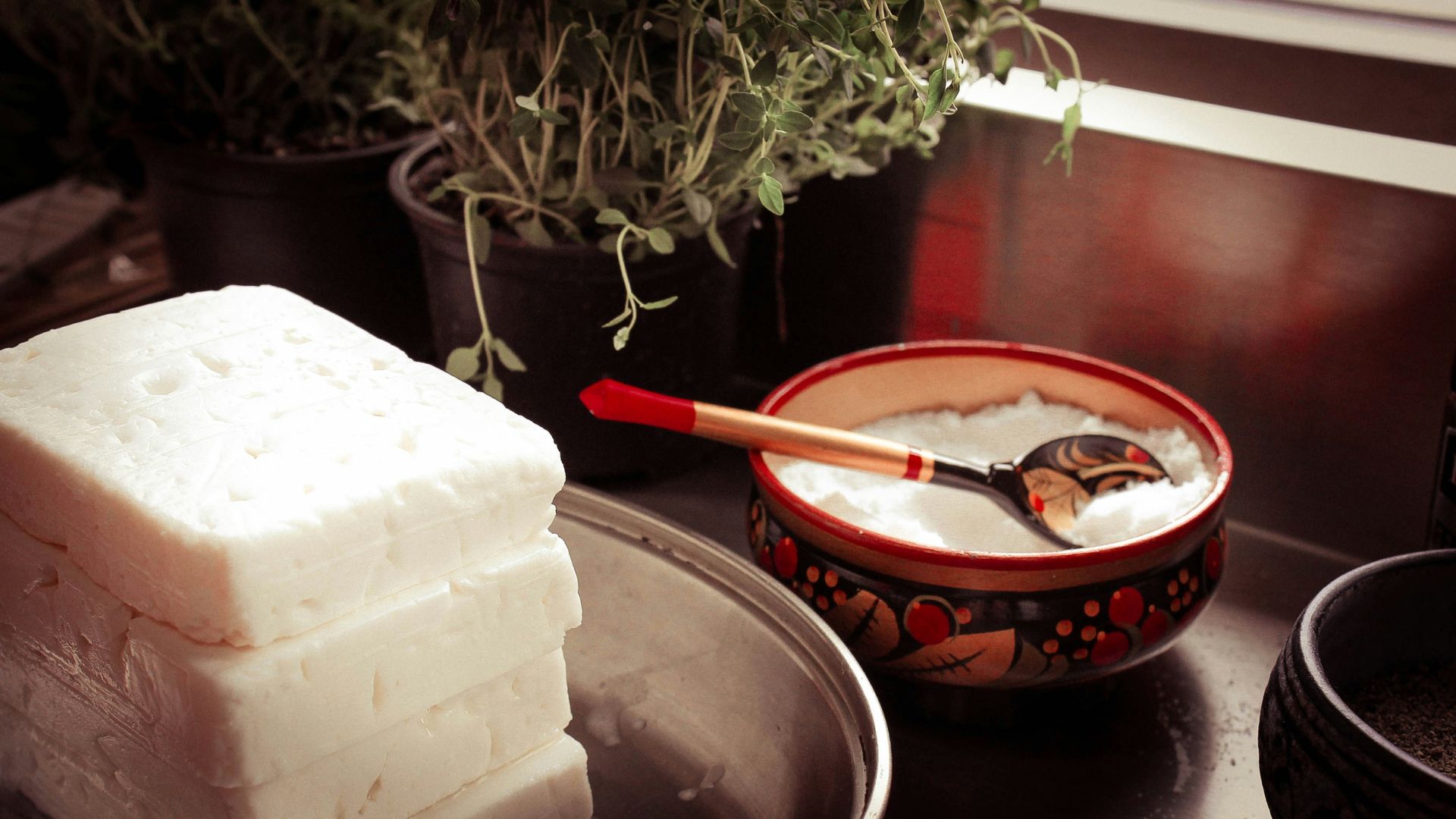
Fortified cottage cheese, Fontina, and ricotta cheese all have a decent amount of vitamin D per serving, so you can indulge guilt-free. While they don’t have the same amount as other items on this list, they’re still good sources of calcium and make for a good snack.
17. Rainbow Trout
We’re not done yet, seafood lovers! Rainbow trout comes with up to 600 IU of vitamin D, is an excellent source of protein, and has plenty of amino acids. As if you needed another reason to love it, all of its benefits earned it the title of superfood, too!

18. Almond Milk
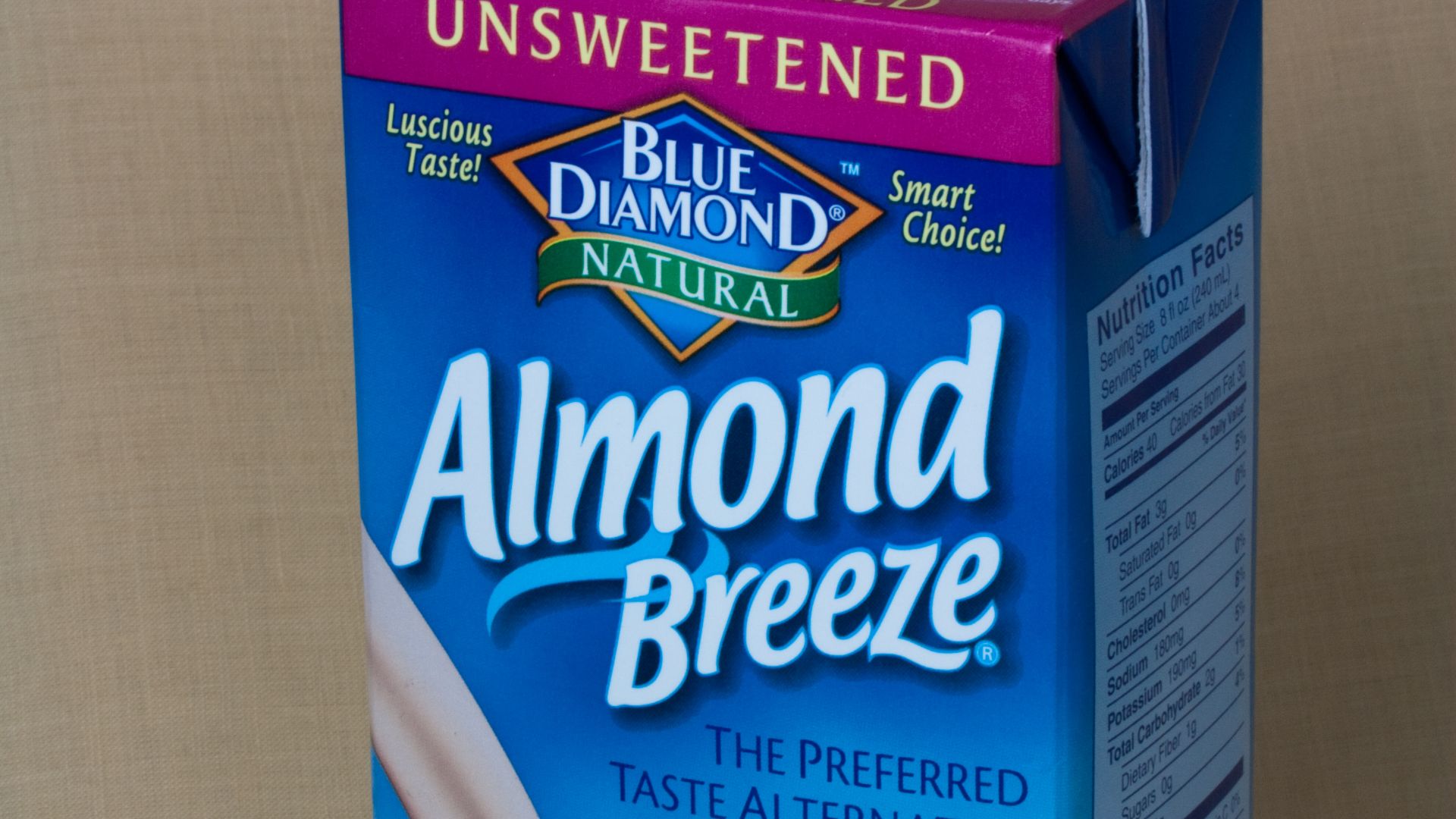
At this point, we all know that almond milk is a popular alternative to the regular stuff, but there's a good reason. It helps keep cholesterol levels in check, is a good source of magnesium, and its fortified versions can provide up to 100 IU of vitamin D per serving.
 Veganbaking.net from USA on Wikimedia
19. Flounder
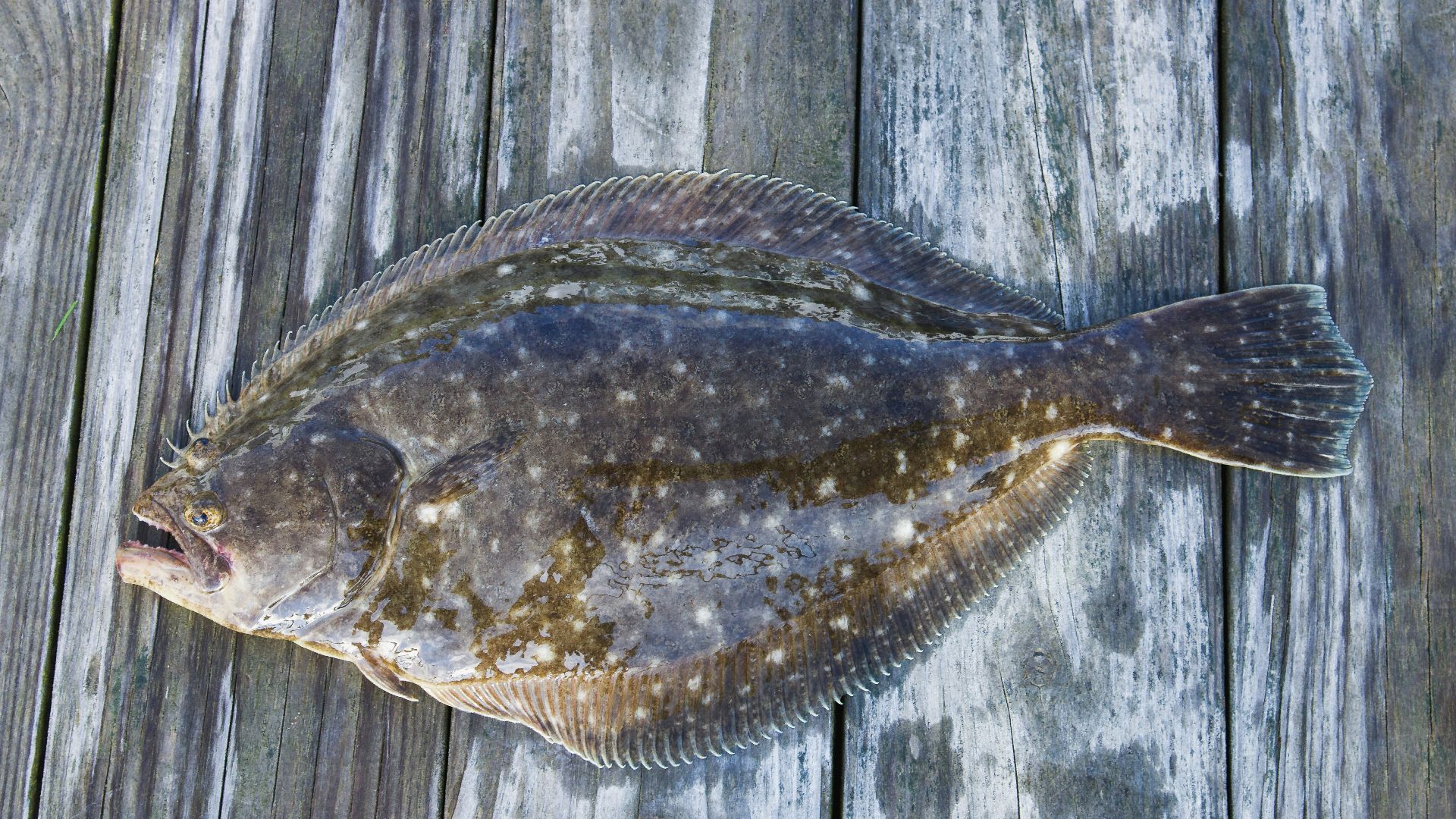
Flounder doesn’t boast the same vitamin D levels as other seafood, but it still packs a solid punch with roughly 140 IU per serving. It’s also a terrific source of omega-3 fatty acids and protein, both of which can help balance your diet.
20. Eel
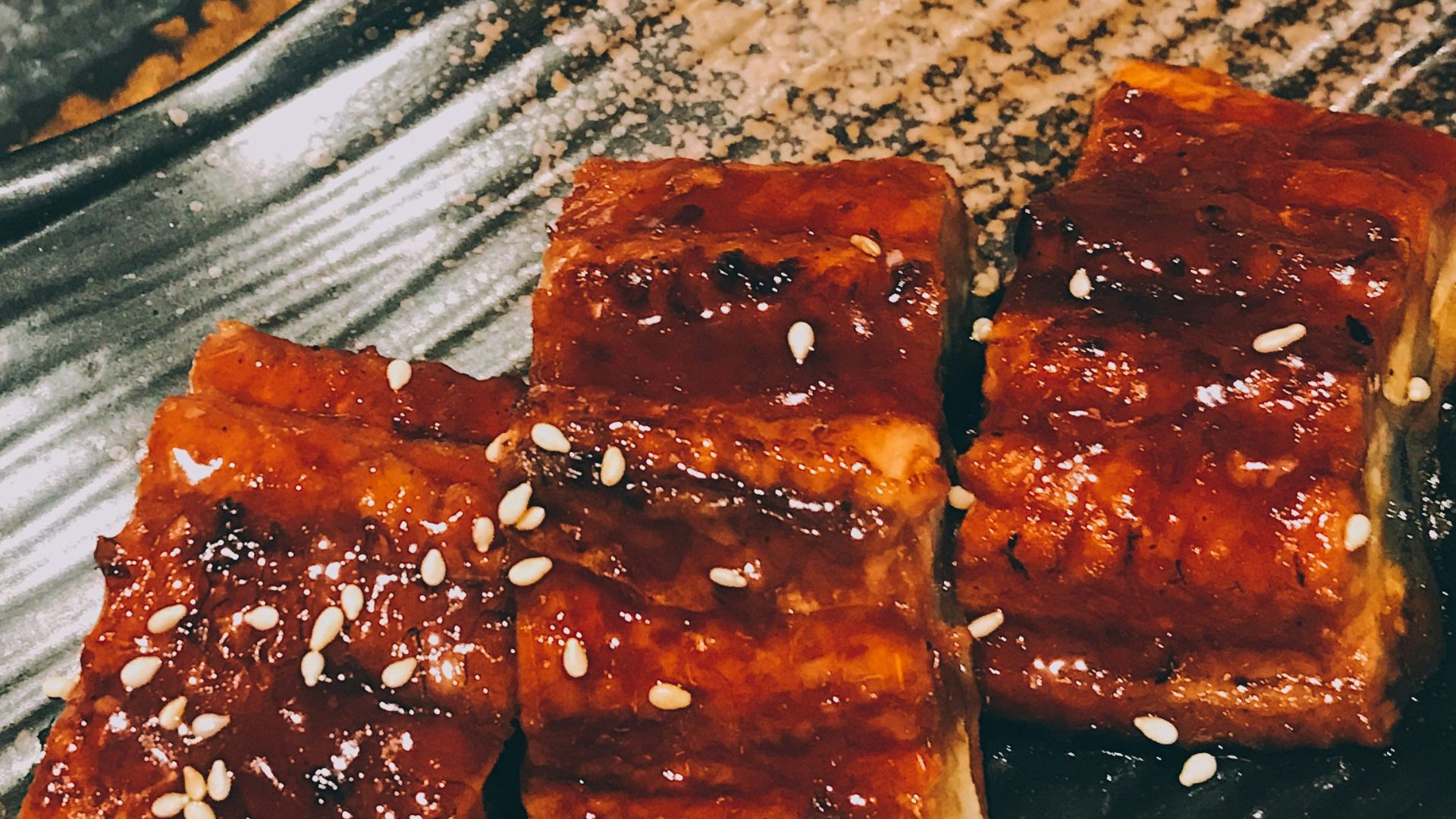
Not only does eel fit into a healthy diet, but it also does wonders for your overall health! Its consumption can keep skin youthful, help support healthy hair, and assist in reducing inflammation. It’s also packed with nearly 900 IU of vitamin D per 100g serving.
KEEP ON READING

The Most Popular Signature Dishes Around the World