Not Everything In Your Pantry Lives Forever
Ever grab a can or box from your pantry and wonder if it’s still safe to eat? You’re not alone. Hidden behind labels and expiration codes, some foods quietly spoil while others stay edible for years. This list looks at both kinds—those that silently go bad and those that practically last forever. We’ll also explore how storage habits affect freshness for some. Let’s begin with the items that may have already gone bad.
1. Whole Wheat Flour
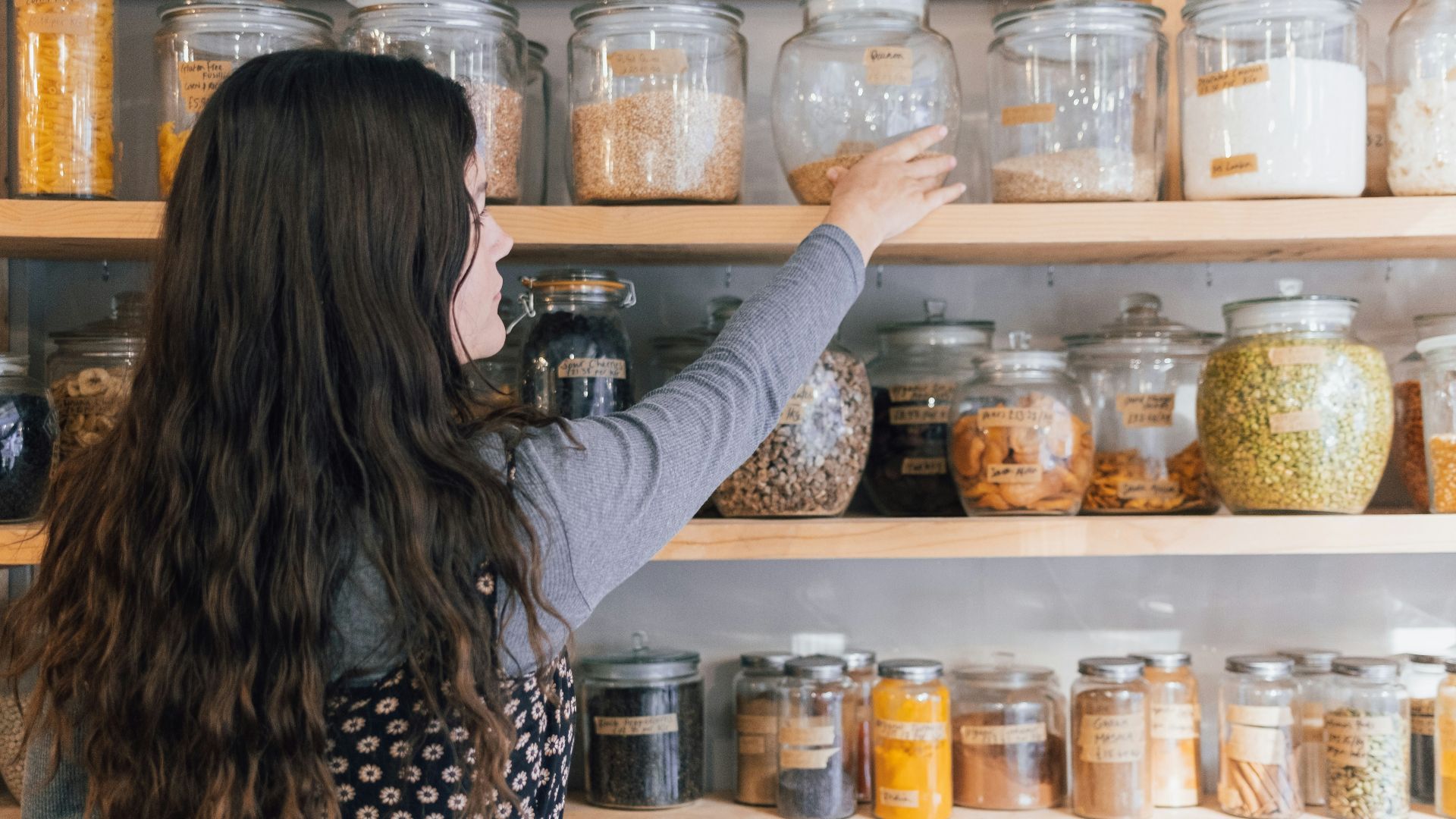
Freezer storage is the best defense for whole wheat flour’s short shelf life. Its bran and germ oils turn rancid faster than white flour’s to produce bitter notes and musty smells. Keeping it cold slows oxidation and keeps your baked goods tasting right.
 Margaret Hoogstrate on Wikimedia
2. Brown Rice
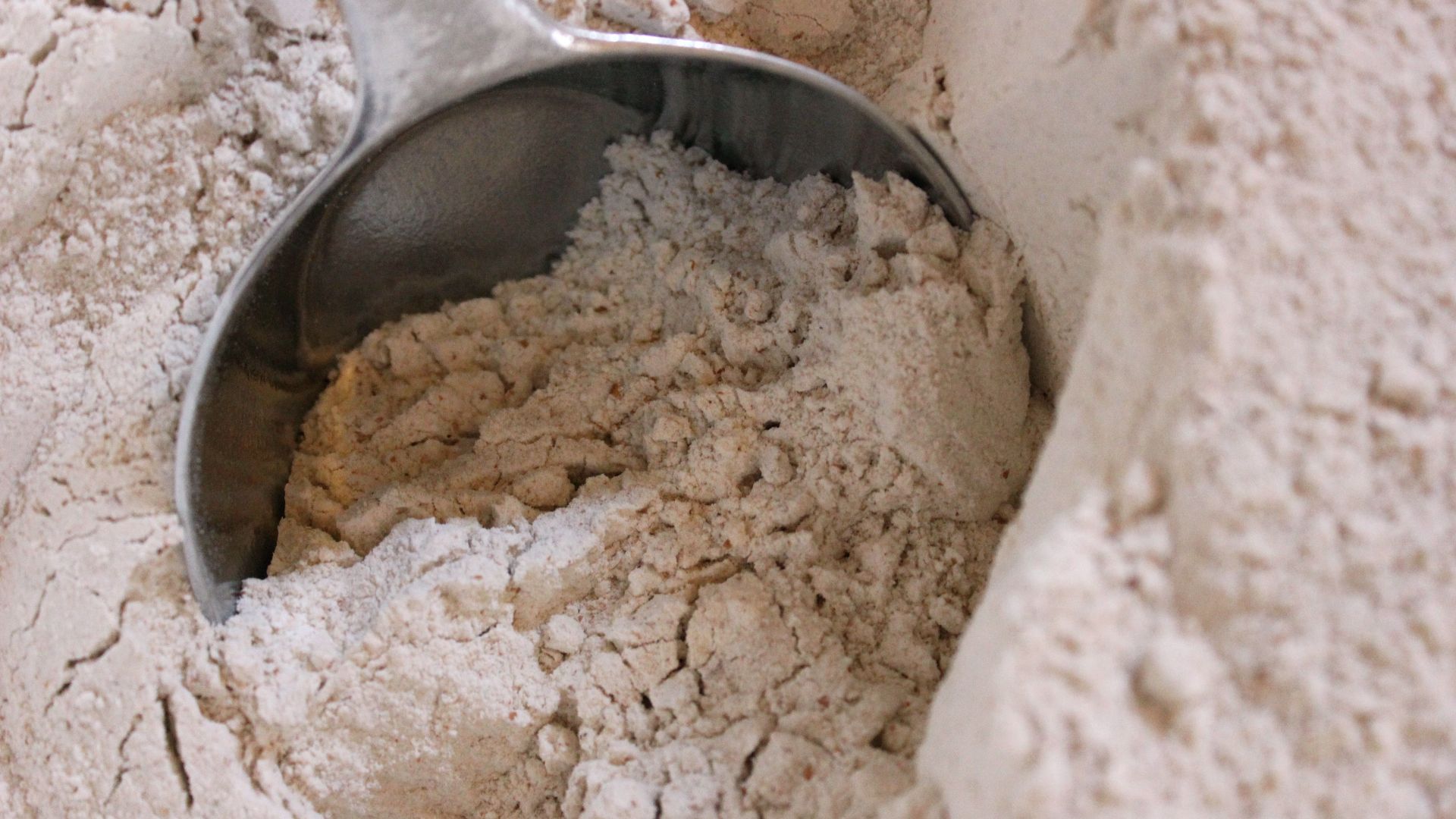
Brown rice owes its rich flavor to its oily bran layer—but that same oil causes rancidity over time. Even in dry pantries, it spoils sooner than you think. Store it airtight, or refrigerate for a few extra months of freshness.
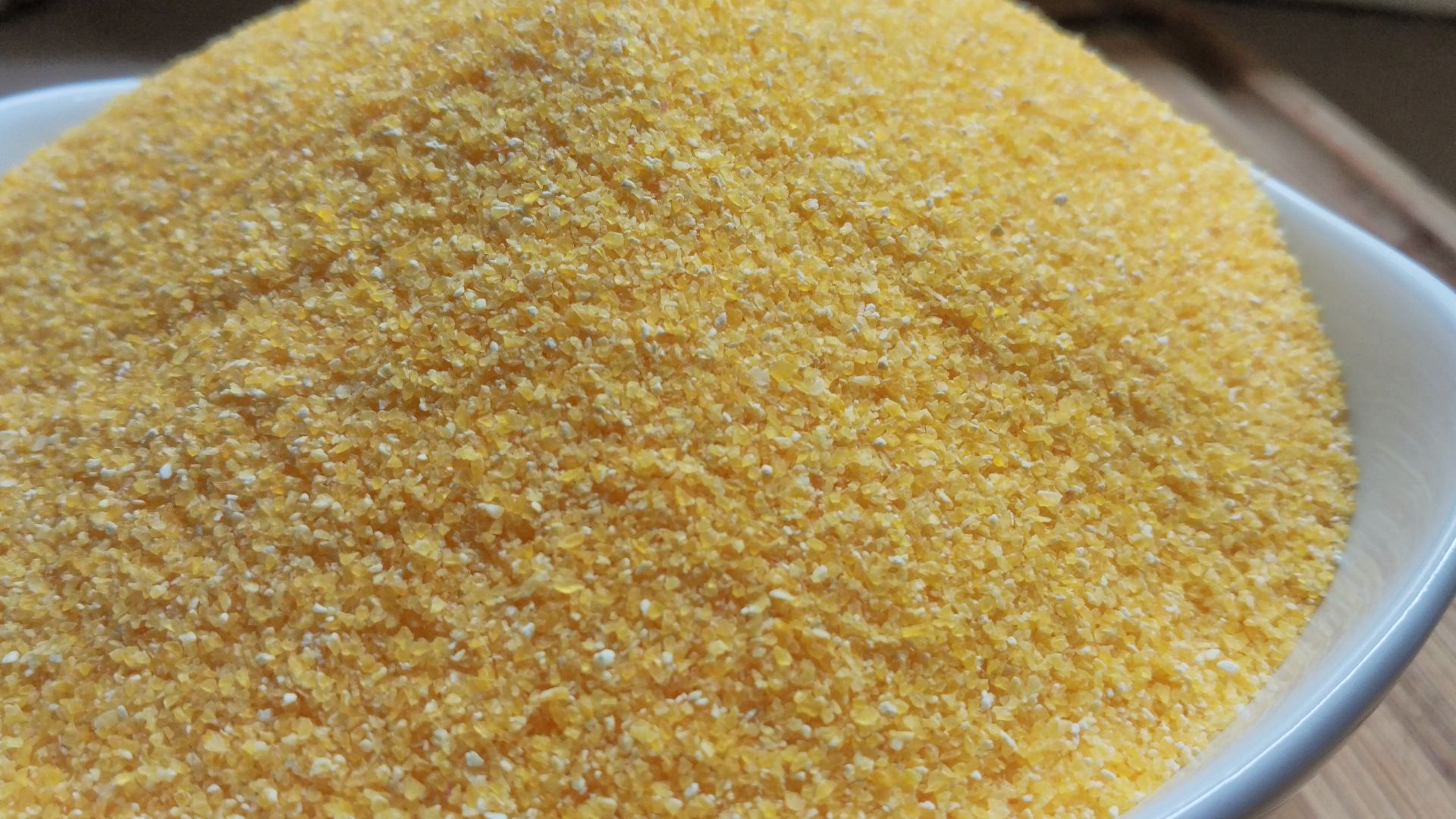
3. Cornmeal
Cool, dry storage makes a world of difference for cornmeal. When exposed to humidity or heat, it develops foul smells and eventually mold. Those natural oils inside break down quickly, cutting its shelf life short unless you keep it sealed.
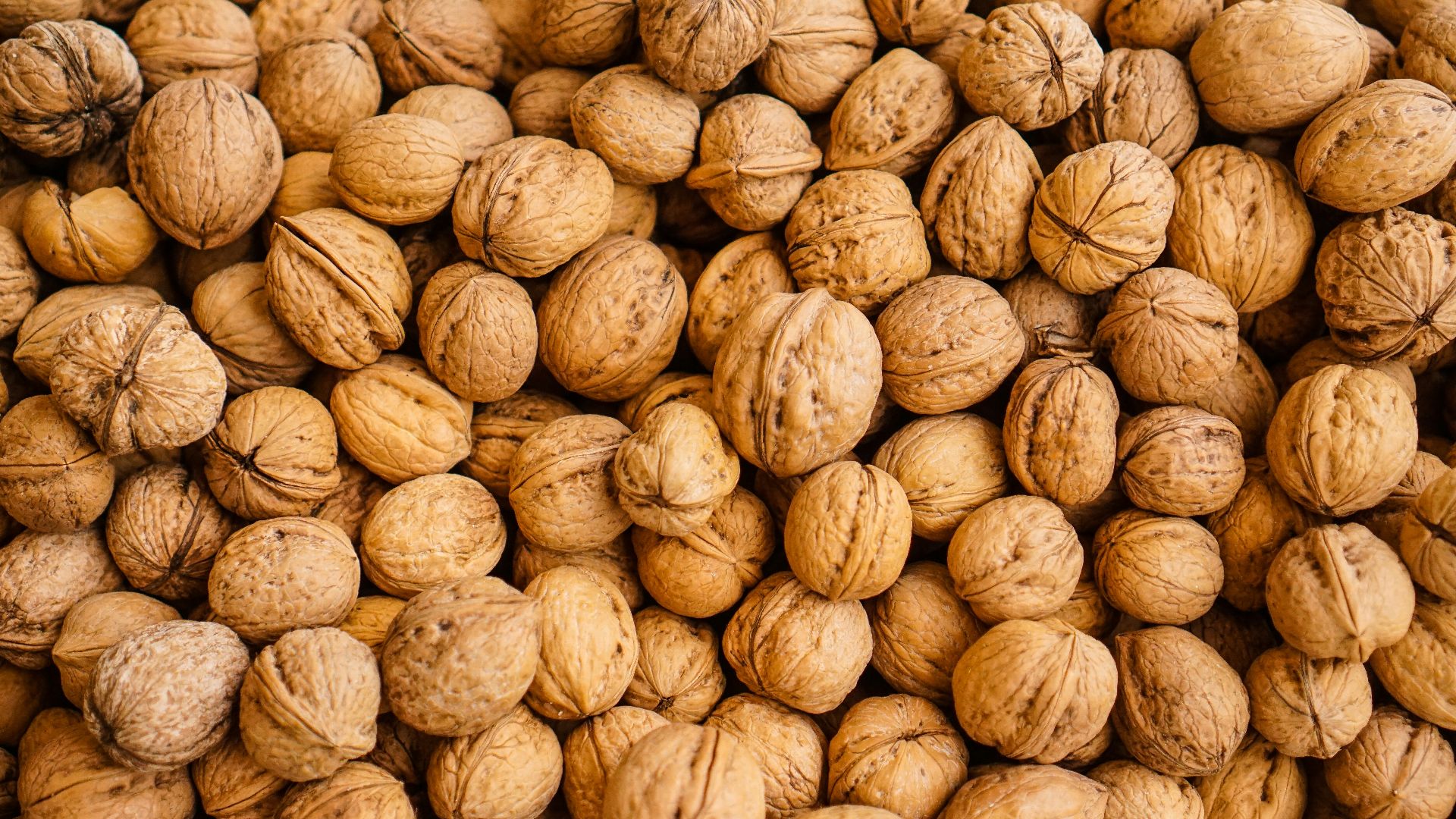
4. Nuts
Straight into the fridge or freezer—that’s where nuts belong. Their healthy fats turn rancid at room temperature to give off a sour odor and bitter flavor. Walnuts, loaded with delicate polyunsaturated fats, are especially quick to spoil without cold storage.
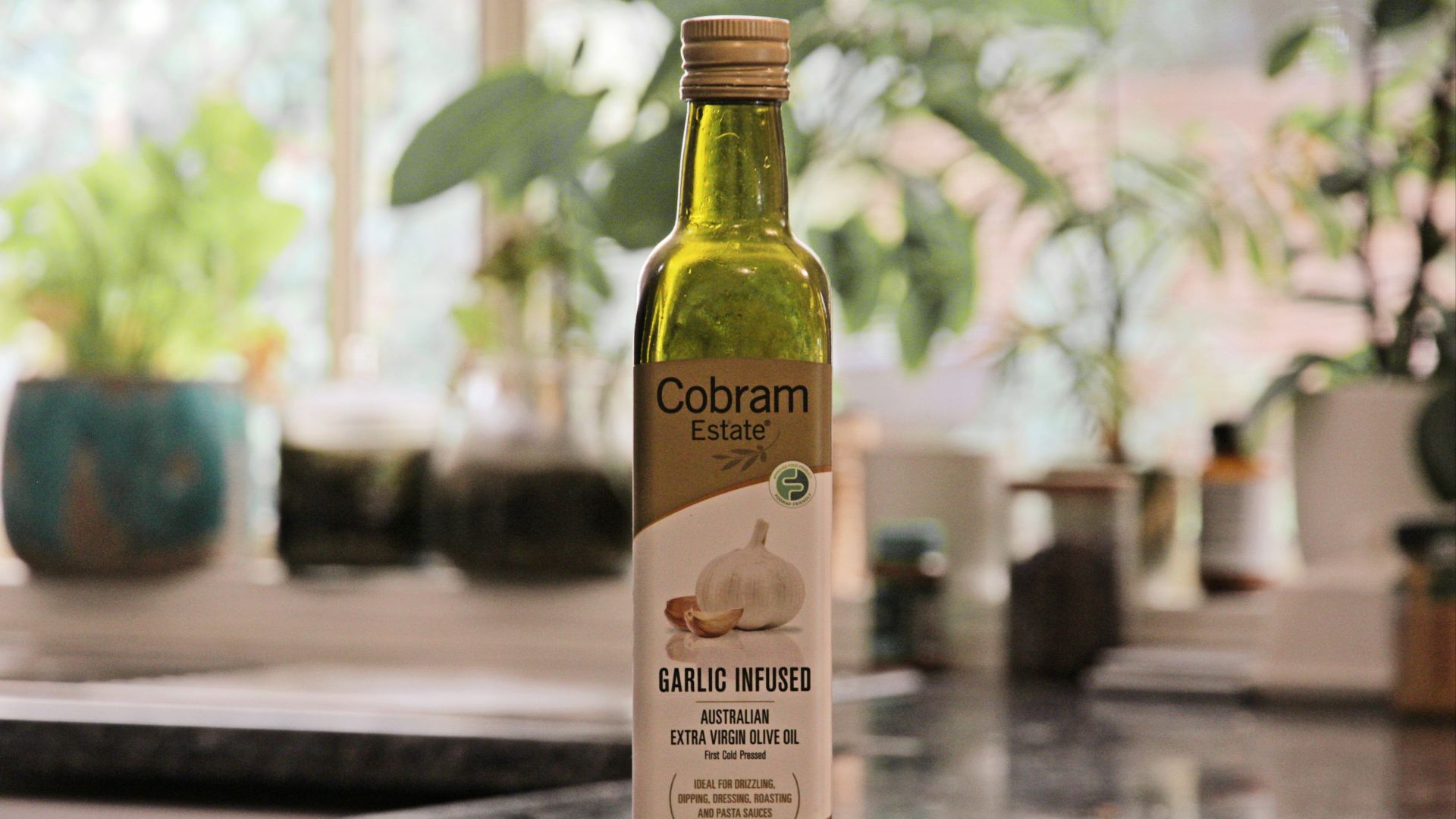
5. Cooking Oils
Oils hate heat and light. If left out, oxidation takes over, clouding their texture and dulling the taste. Keep bottles tightly capped in a cool, dark cabinet, and your olive or flaxseed oil will hold onto its fresh, smooth character longer.
 Addilyn Ragsdill @clockworklemon.com on Unsplash
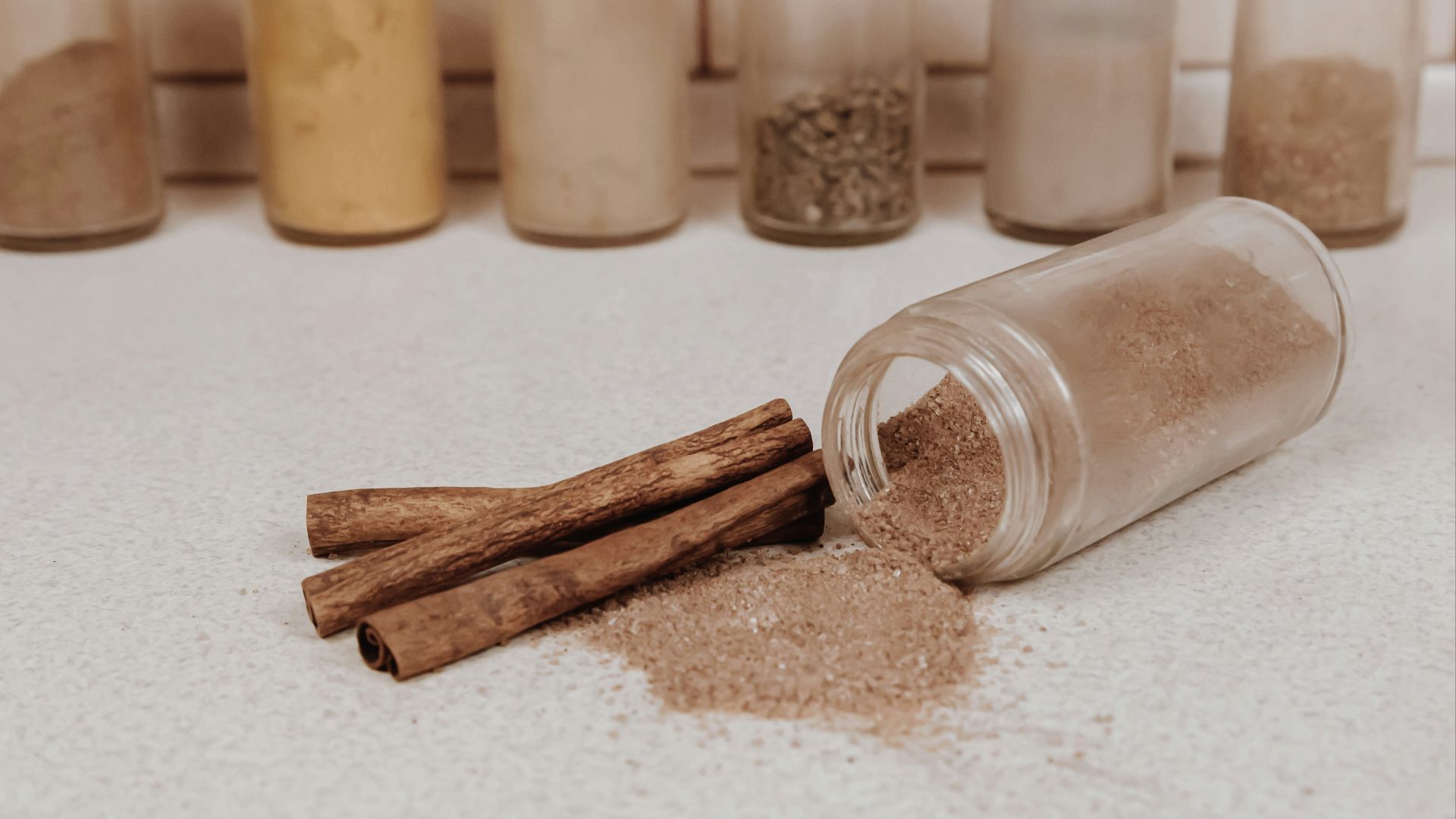
6. Ground Spices (e.g., Cinnamon, Paprika)
Even the best spices lose their spark eventually. Moisture makes them clump, and time steals their aroma. Whole spices fare far better since their oils stay protected. Grind them fresh when you can, and your kitchen will smell incredible again.
7. Tea Bags
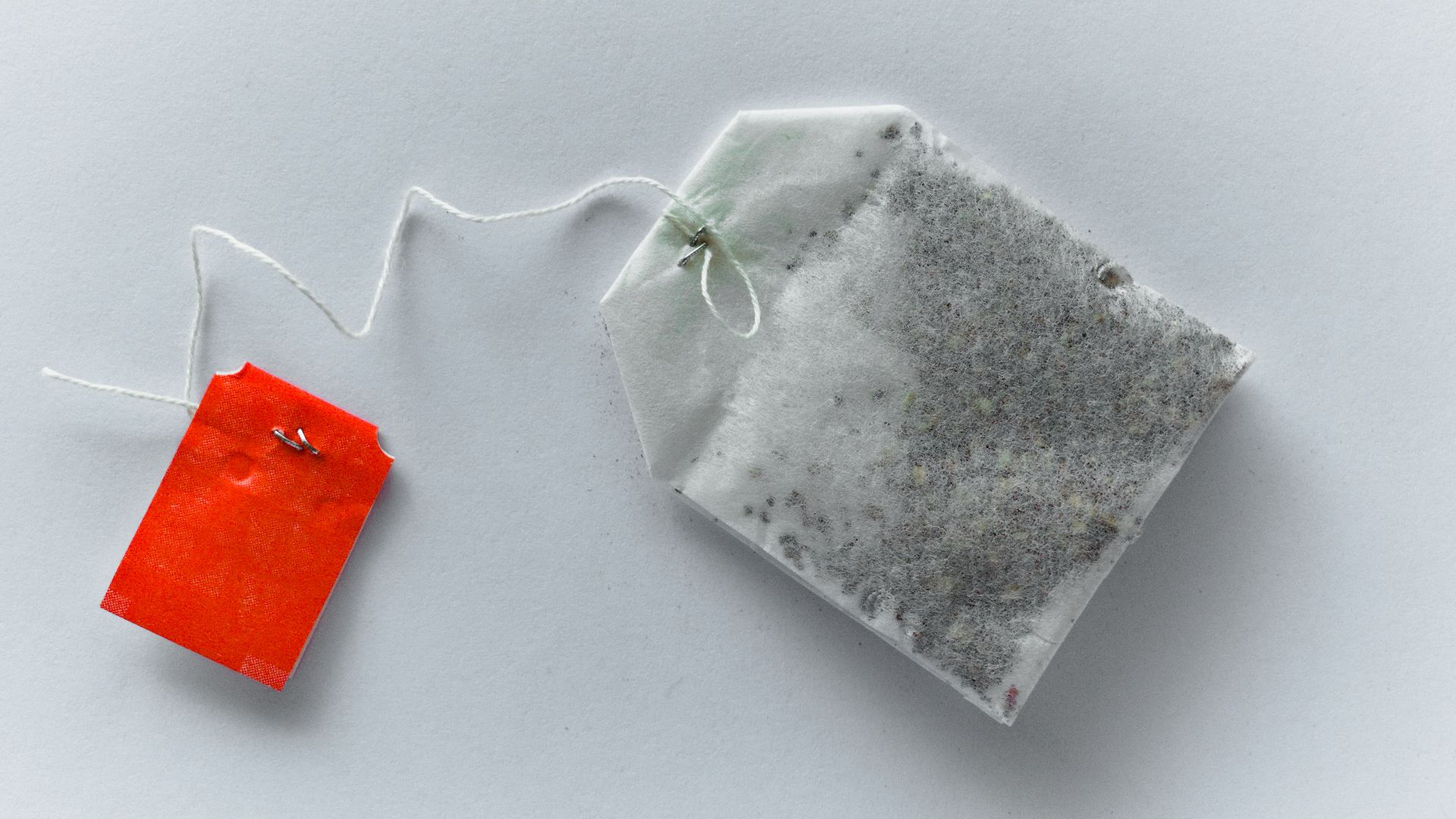
Keep tea bags dry, and they’ll reward you with lasting flavor. Dampness, however, leads to staleness—or worse, mold. Airtight containers protect their delicate leaves, while black tea remains your most dependable choice for lasting freshness and aroma.
8. Bread Crumbs
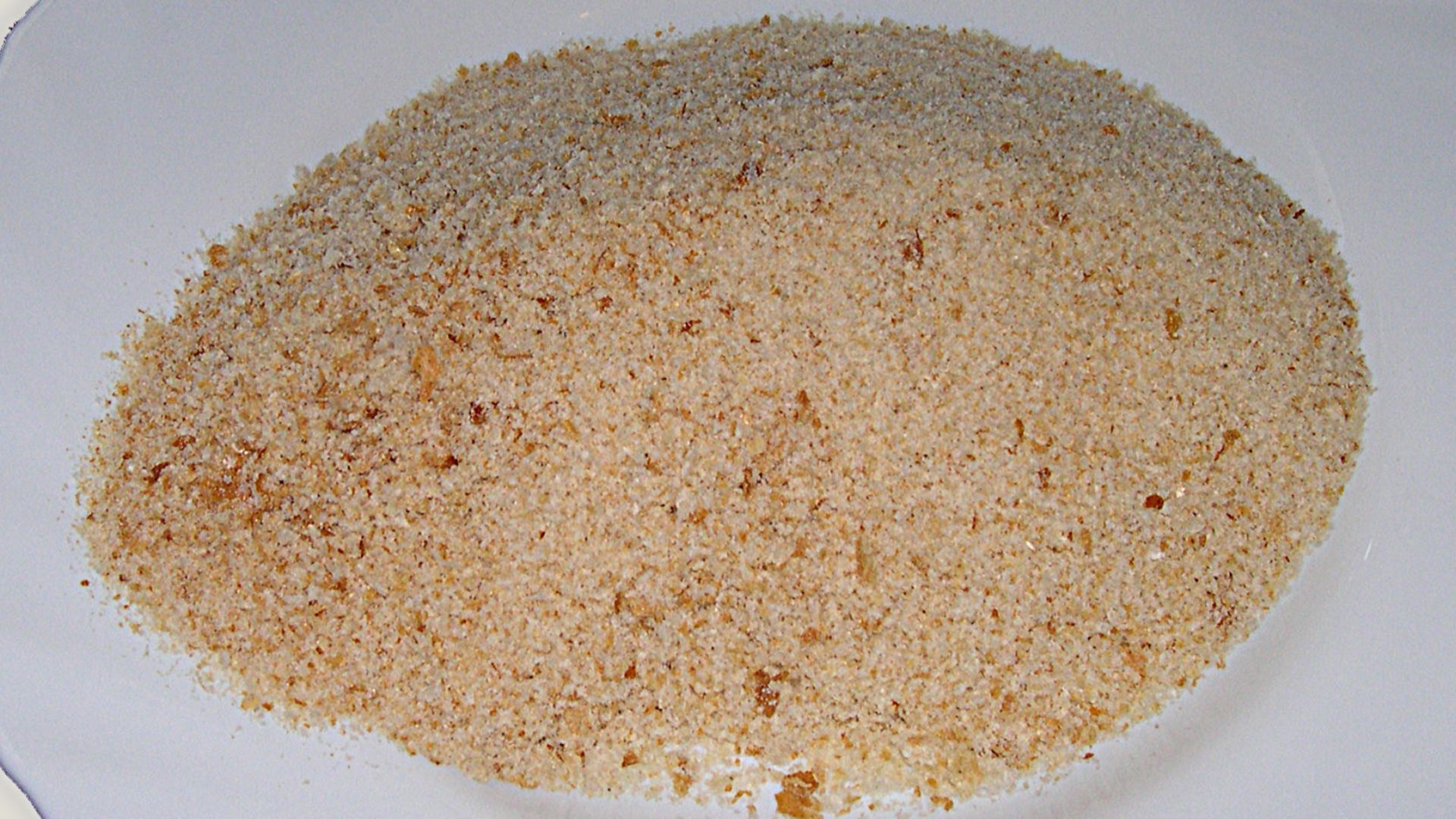
Homemade or store-bought, bread crumbs don’t handle moisture well. They soak it up fast, inviting mold and musty smells. Freeze them instead—it preserves crunch and extends usability for months without changing their texture or toasty flavor.
9. Dry Cereal
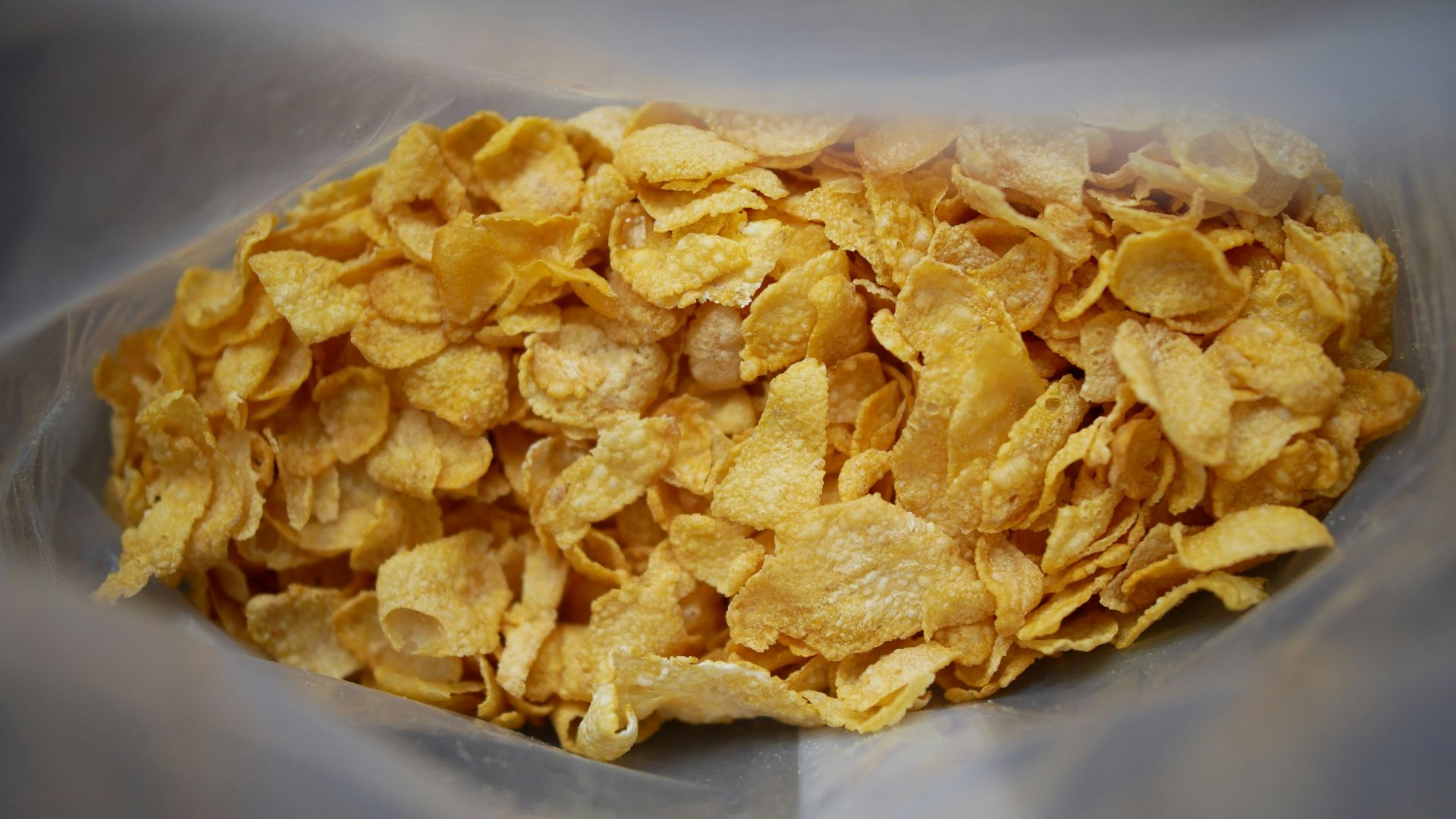
A crunchy cereal’s biggest threat? Air and humidity. Once they sneak in, texture fades and odd flavors develop, especially in varieties with nuts or seeds. A tight seal keeps everything crisp and satisfying, right down to the last bowl.
10. Natural Peanut Butter
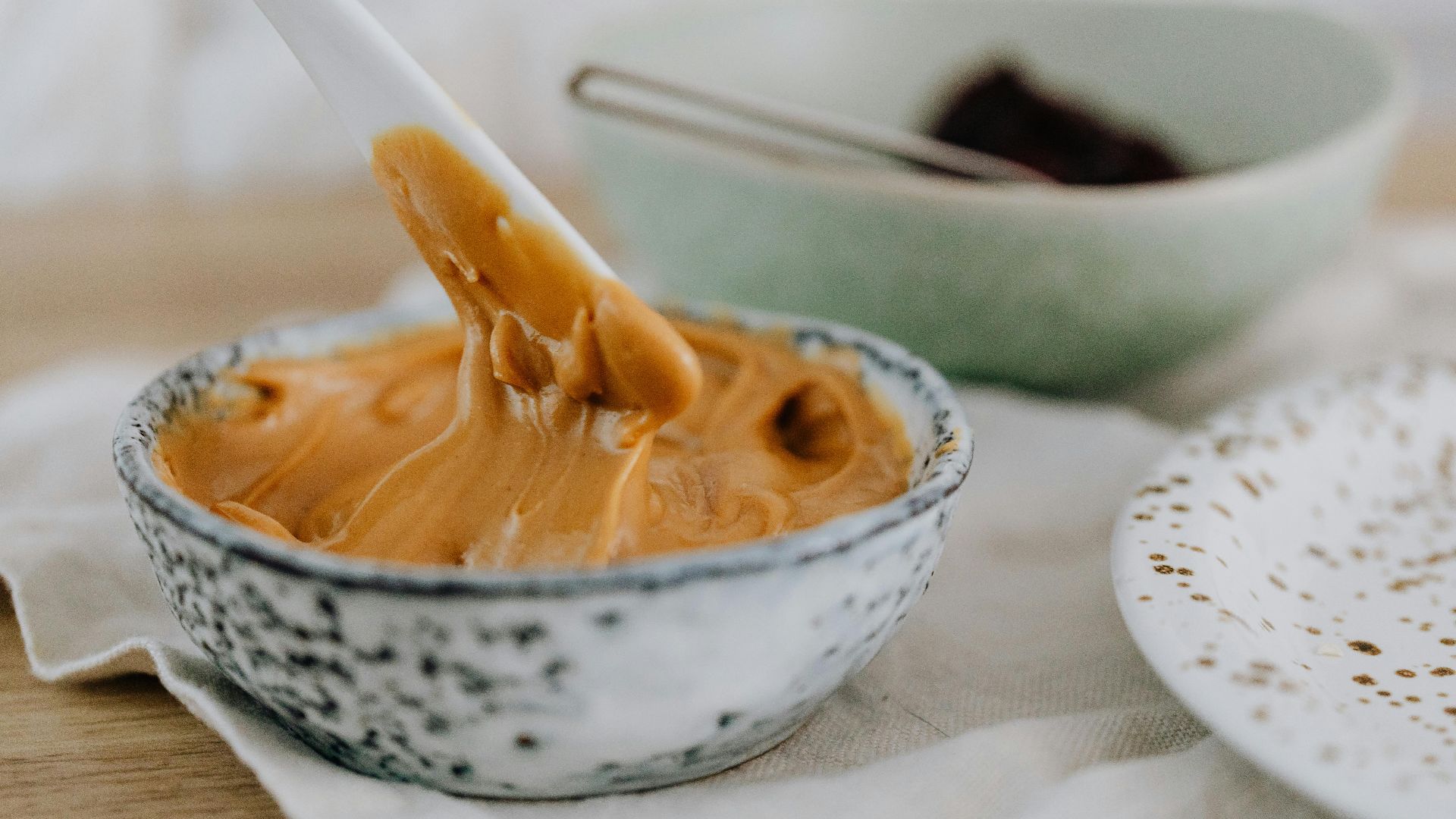
That layer of oil on top isn’t the problem—it’s the warning sign. Natural peanut butter’s oils oxidize fast, which turns bitter and gritty. Stash it in the fridge to slow separation, and stir occasionally to keep it creamy and smooth.
But some pantry staples are practically timeless, like these next few.
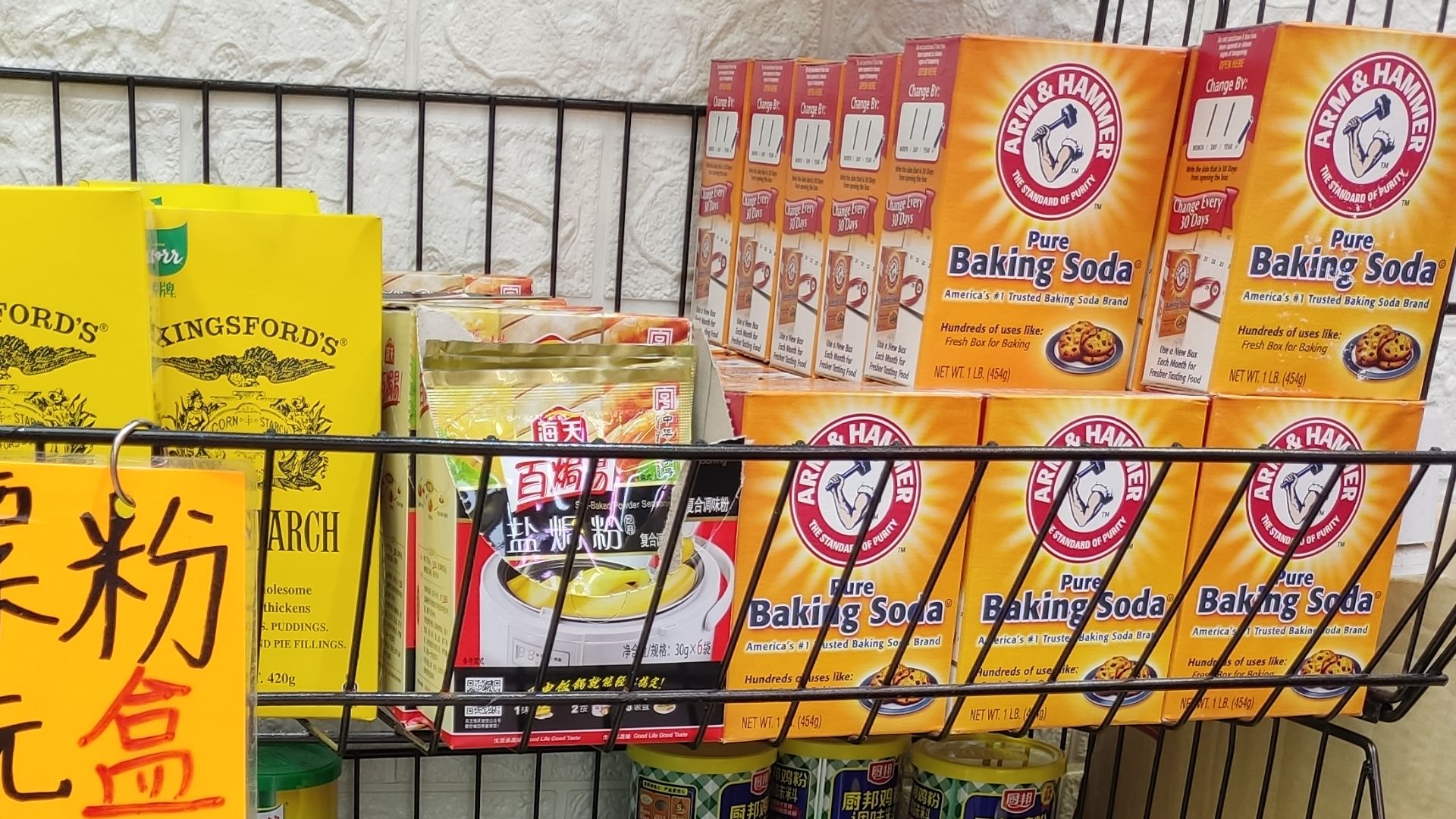
1. Baking Soda
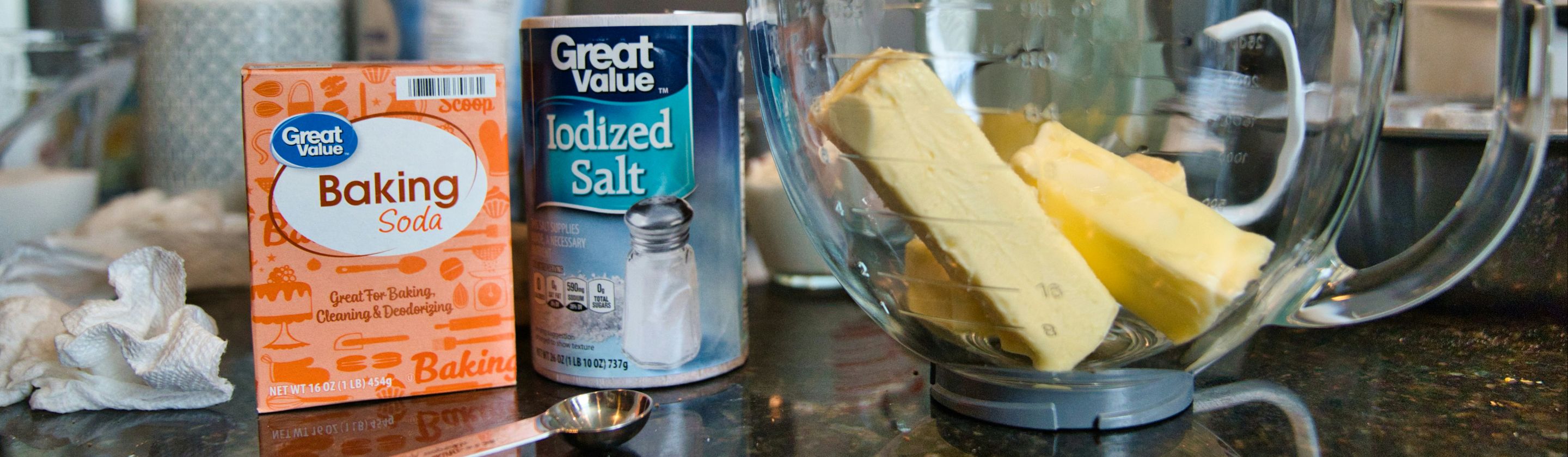
Ever wonder why baking soda lasts so long? Its chemical stability keeps it inactive until it meets moisture or acid. When sealed tightly and kept dry, this pantry essential stays effective for years—perfect for baking, deodorizing, and all-around freshness.
 CHOADAICHONG MinuddR on Wikimedia
2. Dried Beans
With their moisture removed, dried beans practically freeze time. Dehydration blocks bacteria and preserves their nutrients for up to ten years in oxygen-free containers. The only trade-off? Older beans take longer to soften but still cook into hearty, nourishing meals.
3. Cornstarch
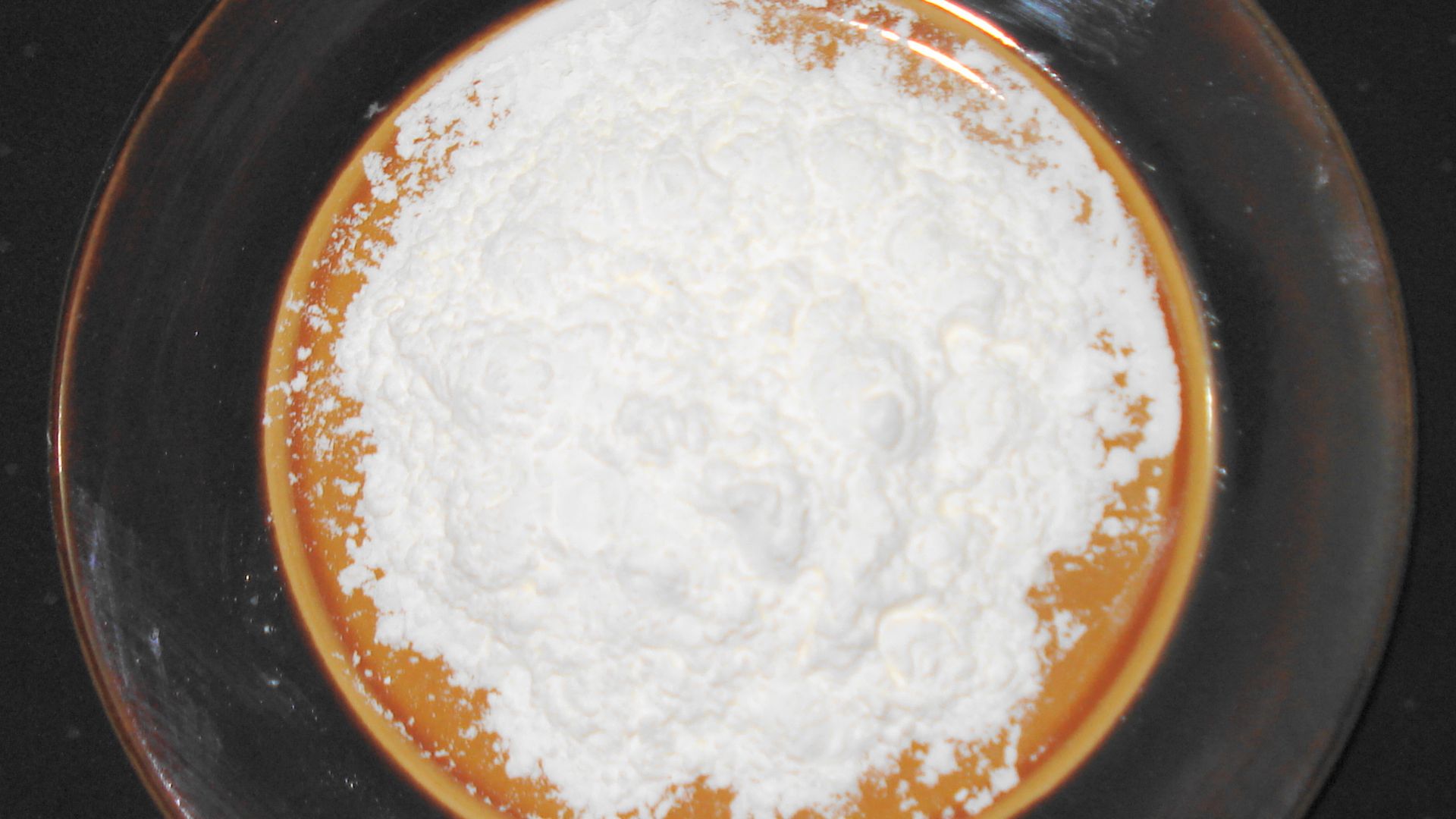
Cornstarch is basically too dry for trouble. Microbes can’t survive without moisture, which gives this fine powder a long lifespan. Kept away from humidity, it’s always ready to thicken soups, sauces, or even double as a soothing ingredient for homemade remedies.
4. Popcorn Kernels
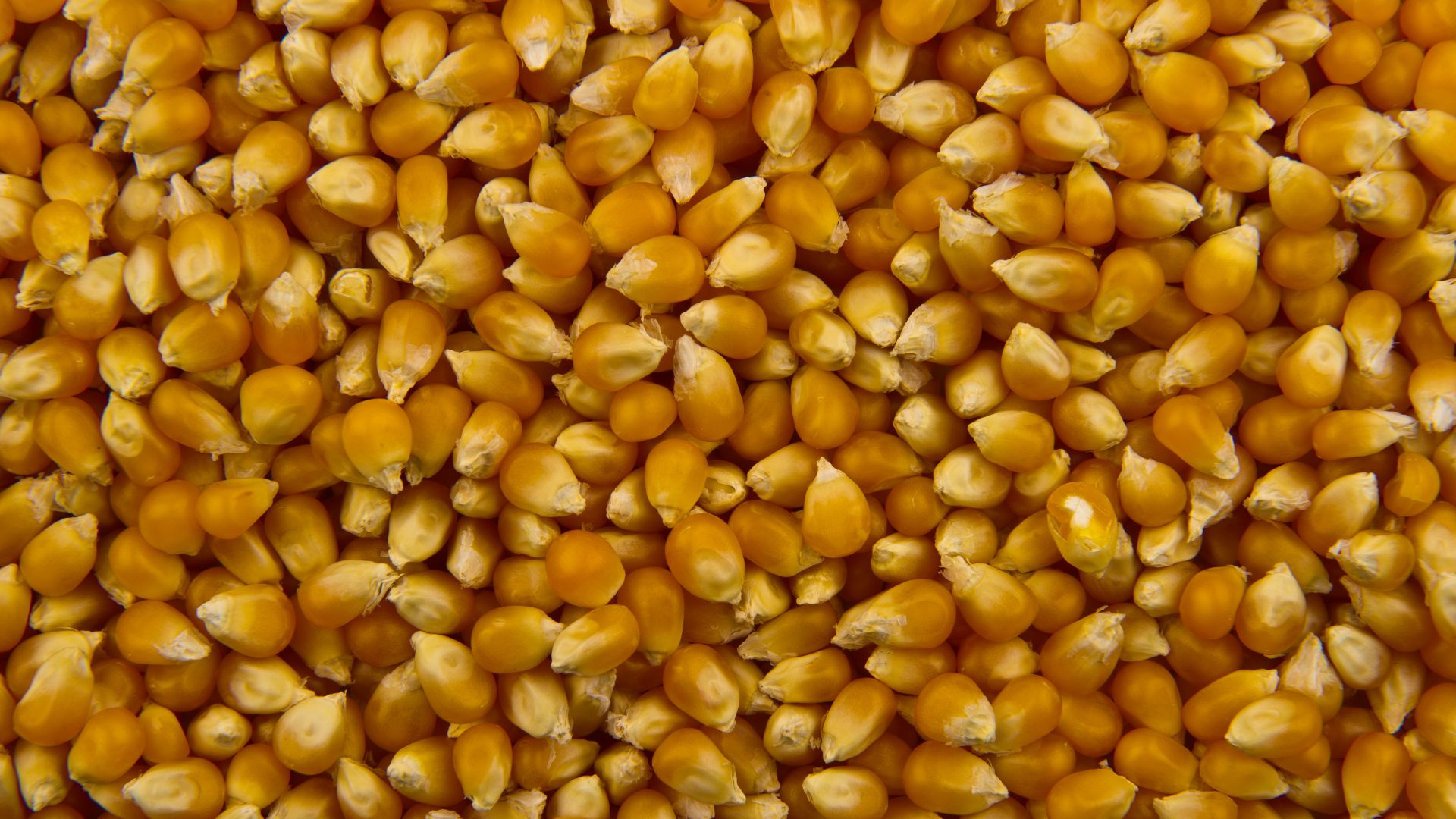
Those tiny kernels are natural preservation experts. Their hard shell and perfect internal moisture seal in freshness for years if stored in airtight containers. Over time, they’ll lose popping strength and can mold if moisture creeps in—but never quickly.
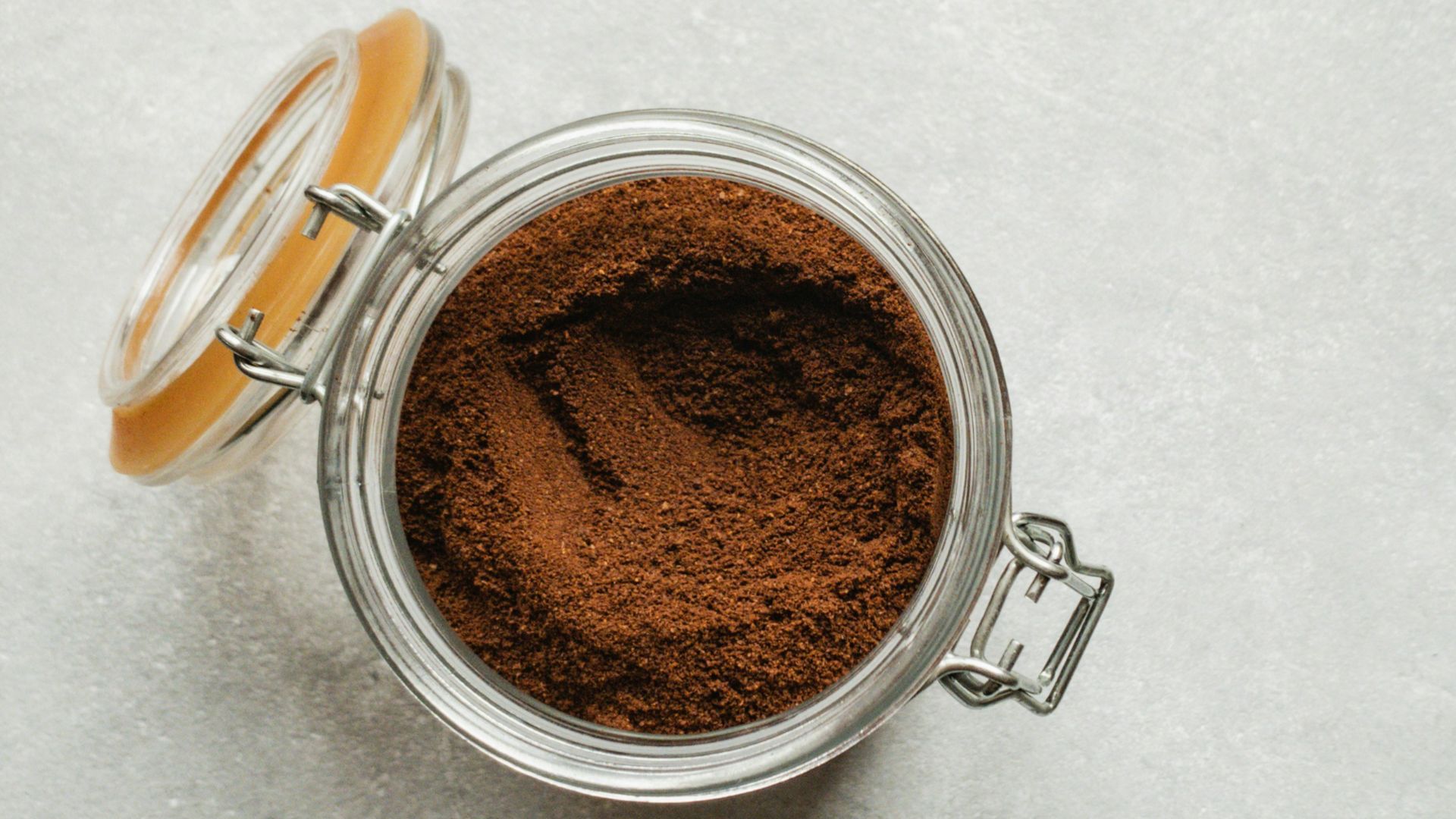
5. Instant Coffee
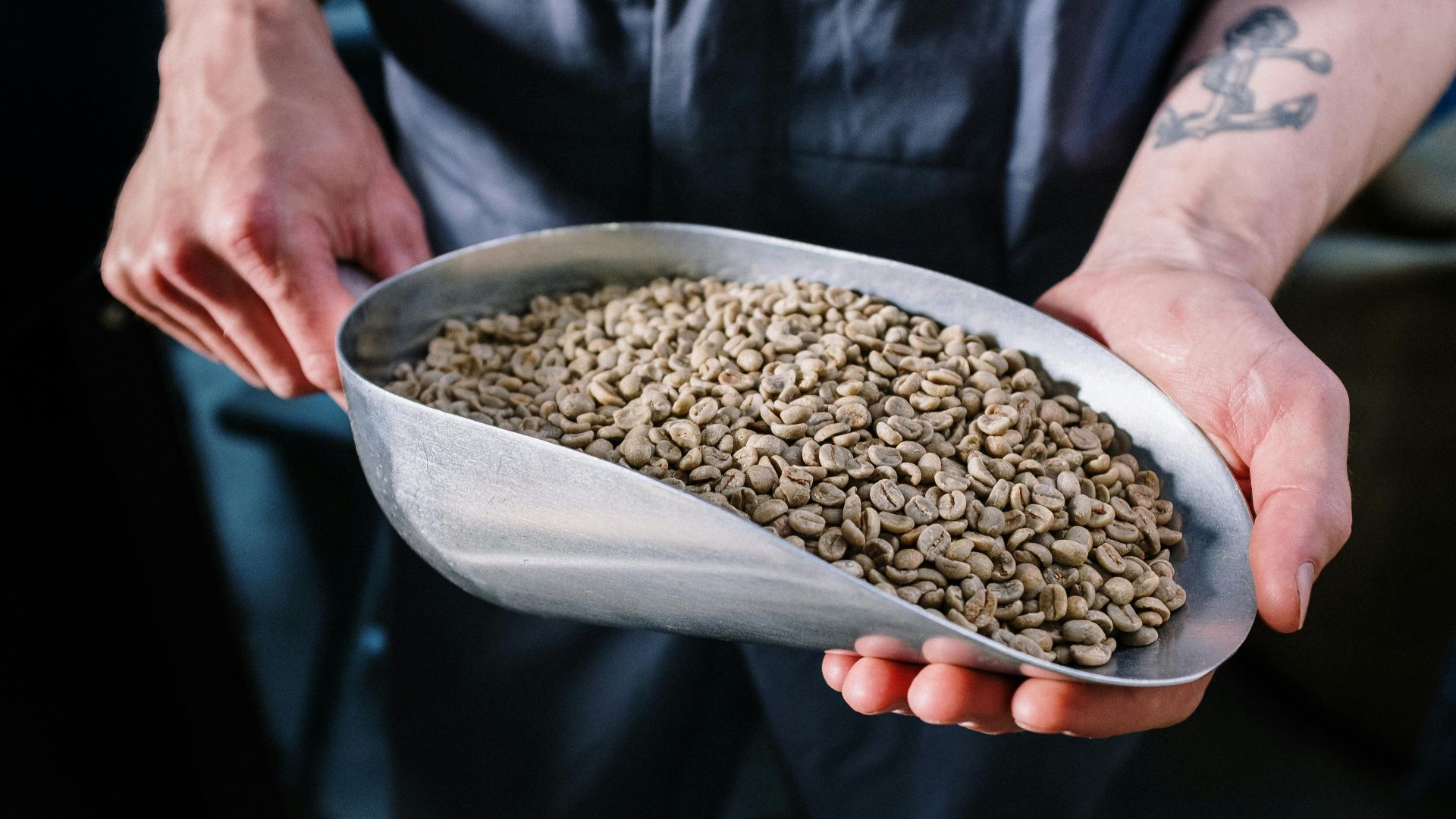
Instant coffee earns its place as a pantry legend. With so little moisture, it keeps microbes away for decades when sealed properly. The flavor fades once air seeps in, but stored right, it’s ready to brew almost anytime you need it.
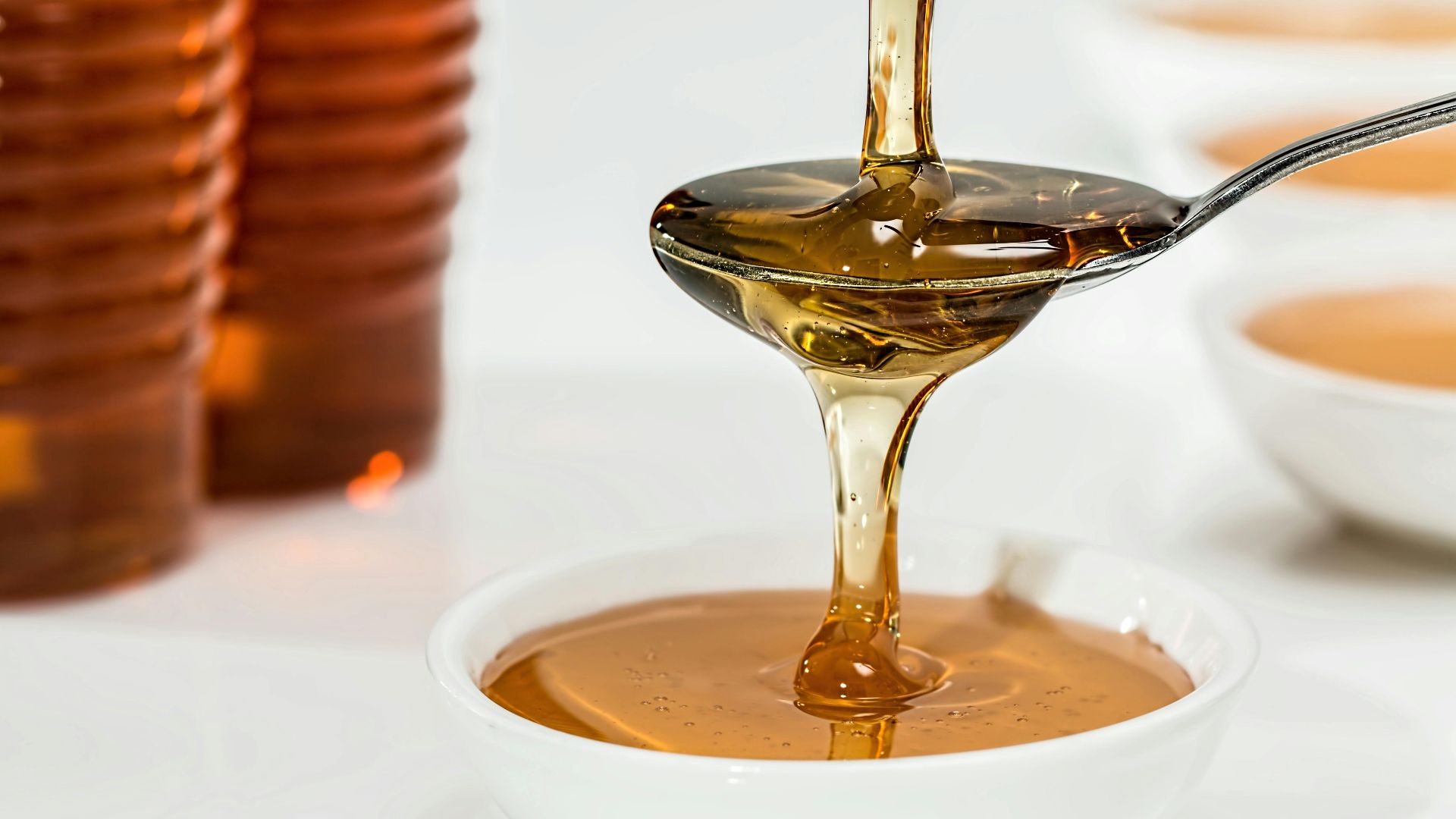
6. Raw Honey
Honey’s magic lies in its chemistry. Its high sugar and acidity pull water from bacteria, killing them instantly. Even if it crystallizes, it’s still safe—just warm it back up. Archaeologists have found jars still edible after thousands of years.
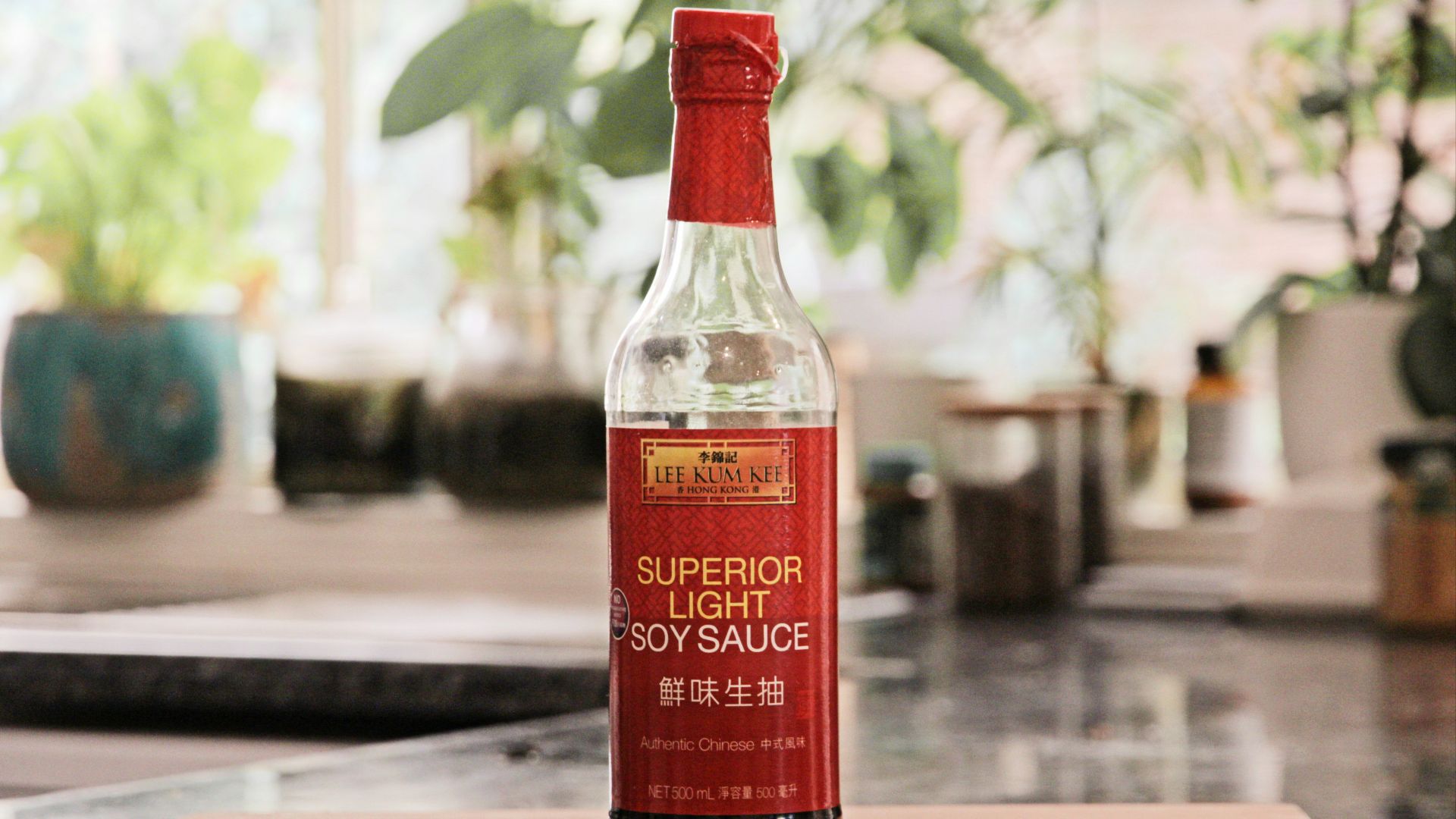
7. Soy Sauce (Unopened)
Salt and fermentation make soy sauce nearly indestructible. Stash an unopened bottle into a cool, dark space, and it’ll stay good for years. Still, for the deepest umami punch, it’s best enjoyed within two or three years.
 Addilyn Ragsdill @clockworklemon.com on Unsplash
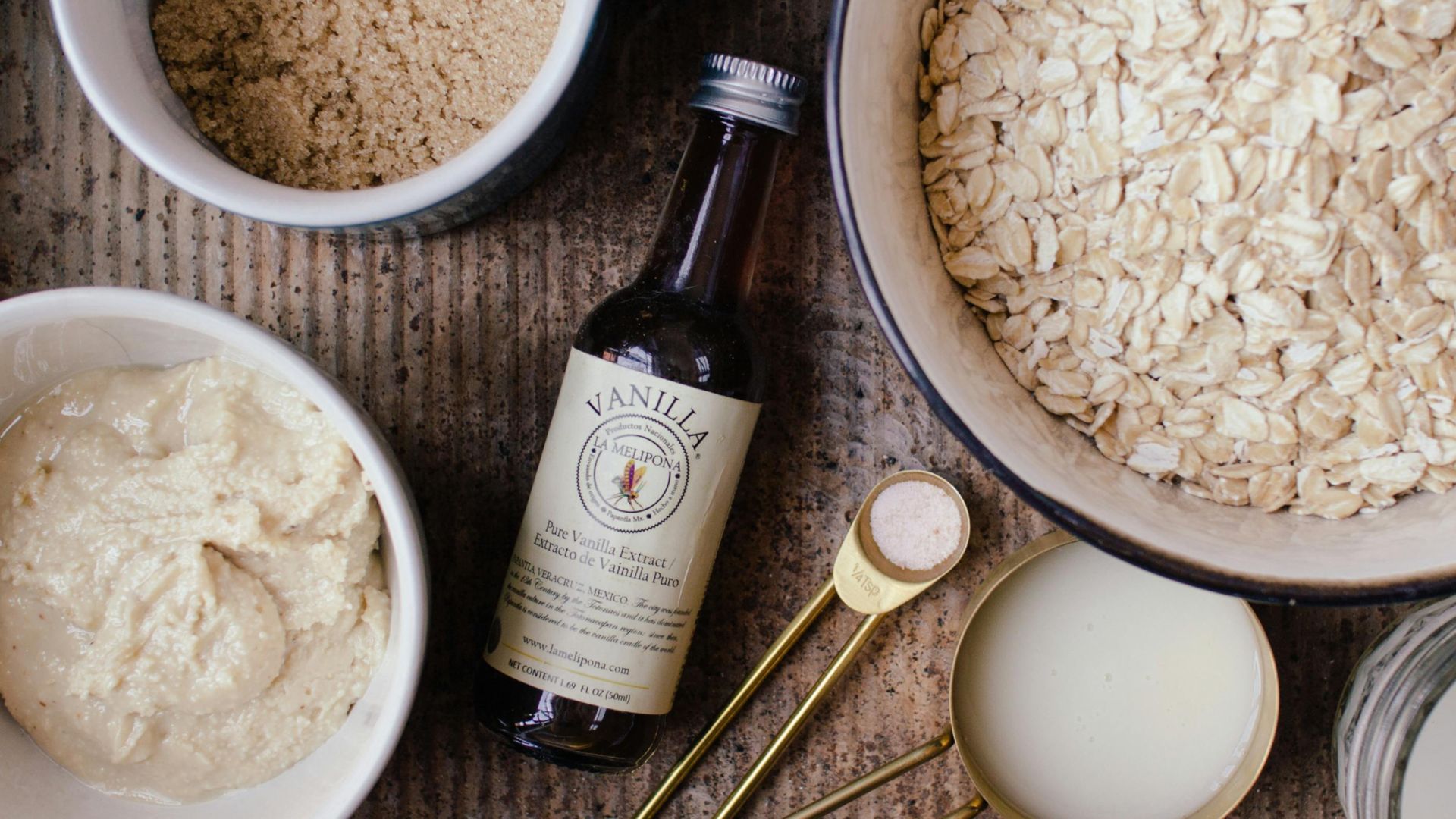
8. Pure Vanilla Extract
Alcohol gives pure vanilla extract its timeless strength. Once the beans steep, the liquid becomes naturally self-preserving. Unopened bottles last indefinitely, which keeps that rich flavor alive for years—a lasting secret every baker loves having ready in their kitchen.
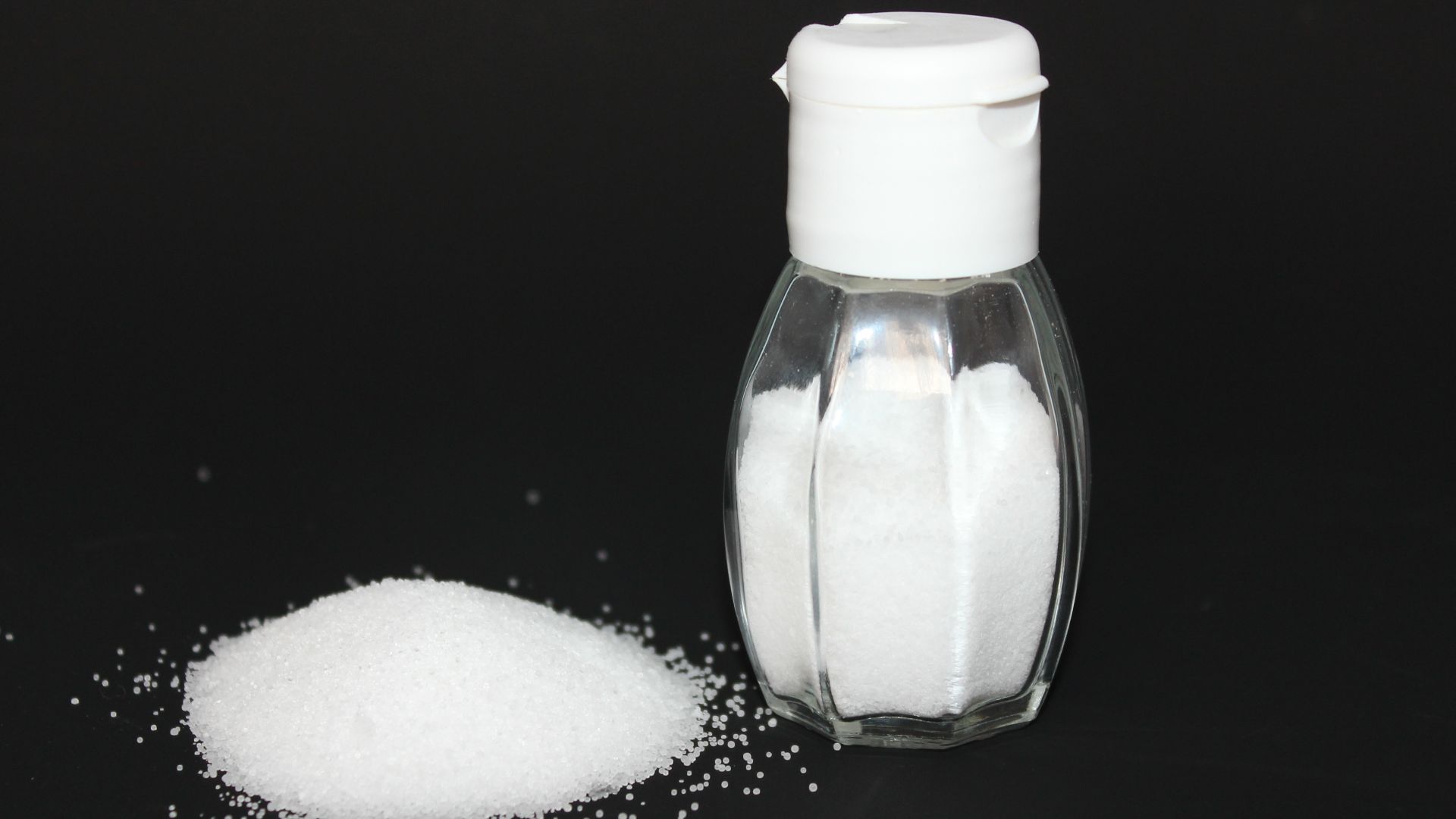
9. Salt
Salt doesn’t just preserve. It’s self-preserving. Because it draws out moisture from bacteria, nothing can grow on it. Being a pure, dry mineral, salt remains unchanged for centuries, which is exactly why it’s been humanity’s favorite preservative for millennia.
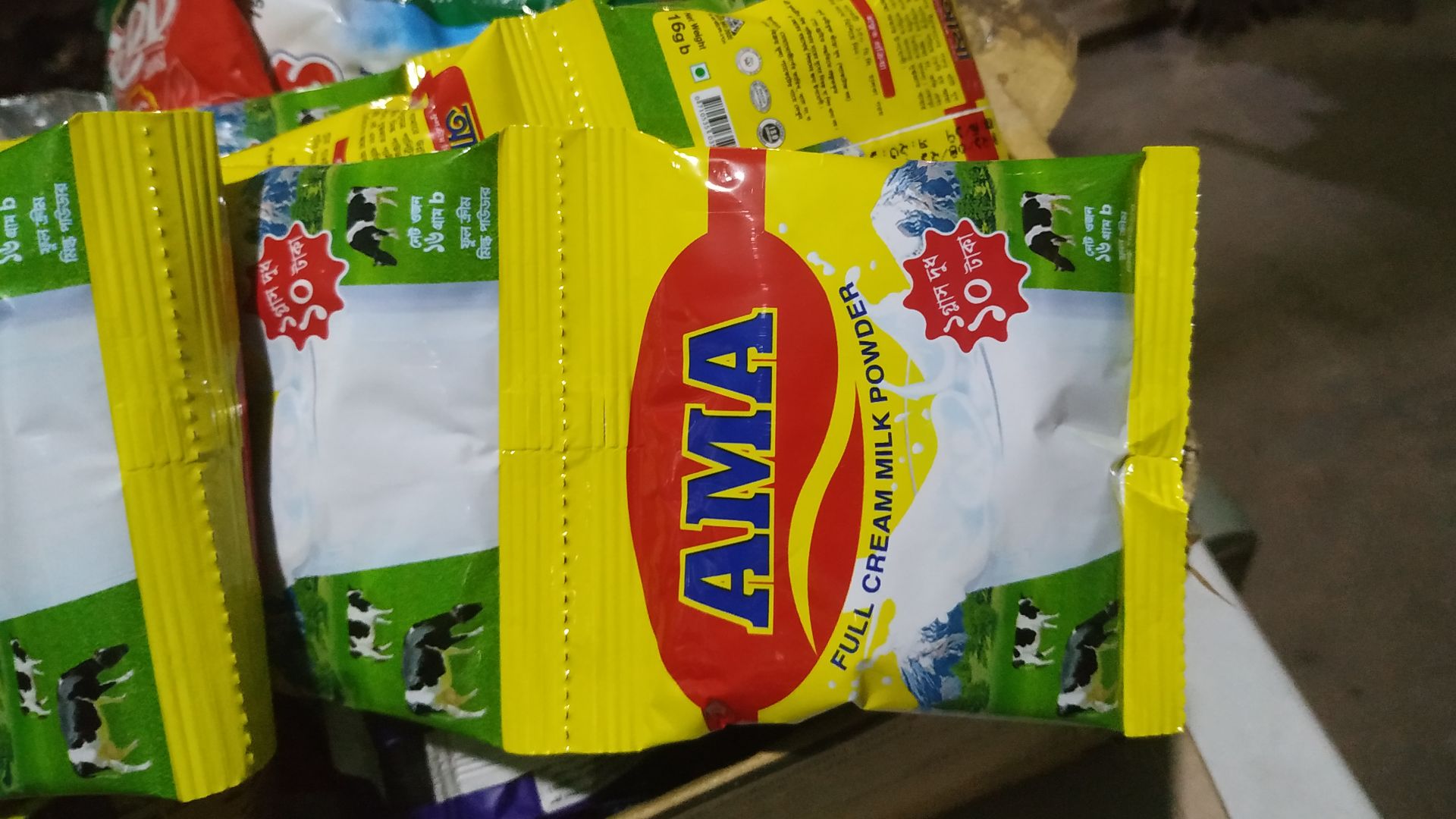
10. Powdered Milk (Sealed)
When sealed airtight, powdered milk can last for decades without spoiling. Dehydration removes the moisture microbes need, which turns it into a long-lasting survival staple. As long as it’s kept cool and dry, it rehydrates perfectly whenever you’re ready to use it.
KEEP ON READING

10 Healthy School Snacks to Pack for Your Kid

Why Some Foods Become Comfort Foods
10 Foods Gen Z Is Bringing Back From the Dead
Why Leftover Rice Deserves Extra Caution
20 Grandpa Flavors You Get Judged For Liking