Homemade From Scratch? Not Quite
When you order from a restaurant, it’s easy to picture someone in the kitchen making every component from scratch, but that isn’t always how things work. Many restaurants rely on frozen, packaged, par-cooked, or otherwise premade foods because they’re convenient, consistent, and much easier to serve during a busy shift. If you’ve ever wondered which menu items probably arrive at the restaurant ready to heat, fry, bake, or plate, these 20 foods are some of the most likely candidates.

1. Mozzarella Sticks
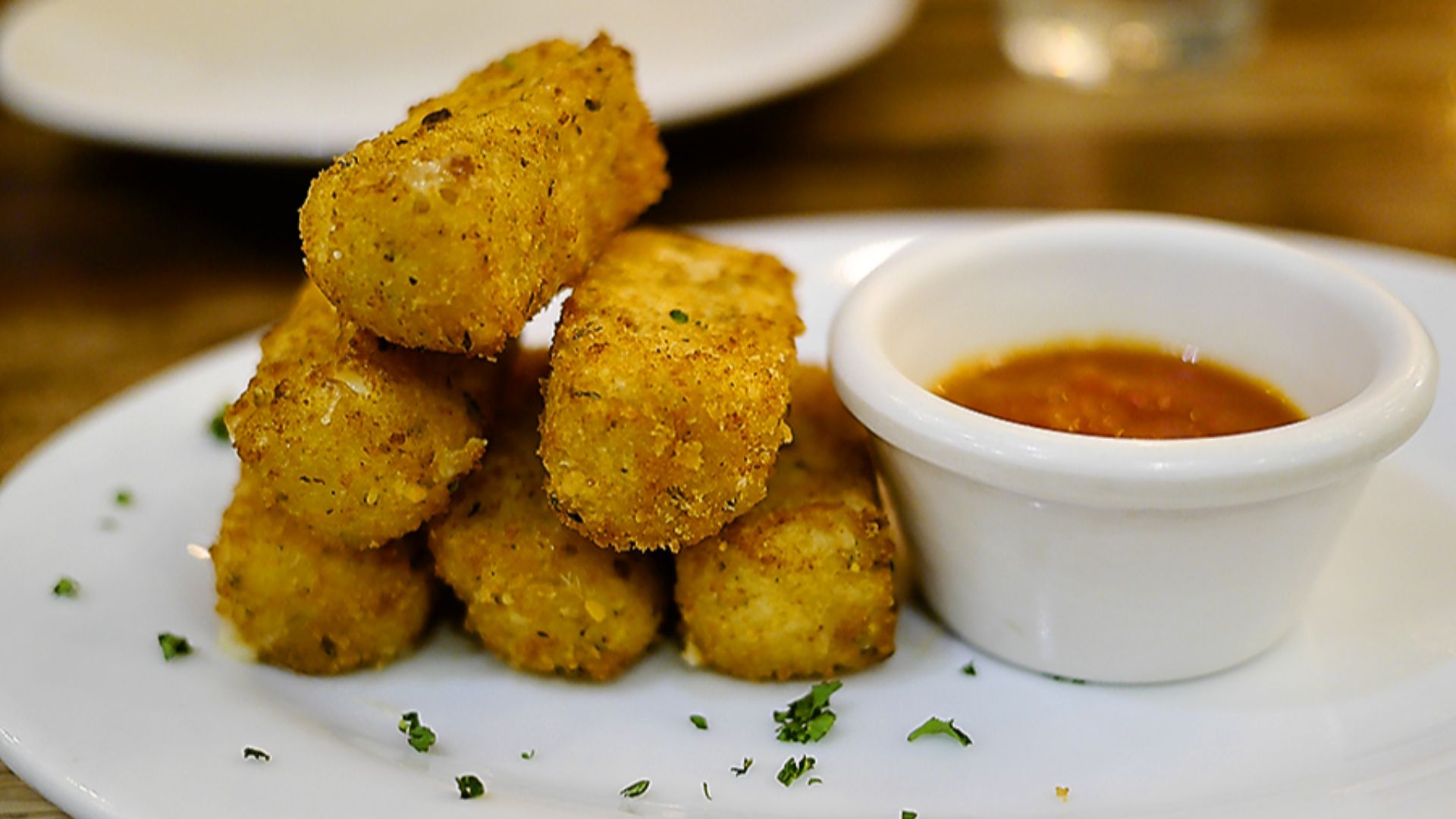
If the mozzarella sticks at several restaurants seem suspiciously similar, there's probably a reason. These are one of those appetizers that restaurants rarely make from scratch. Commercial versions arrive breaded and frozen, so the kitchen can simply drop an order into the fryer when you request it. Making and breading individual cheese sticks takes considerably more time, and frozen ones deliver the same shape and texture every time.
2. French Fries
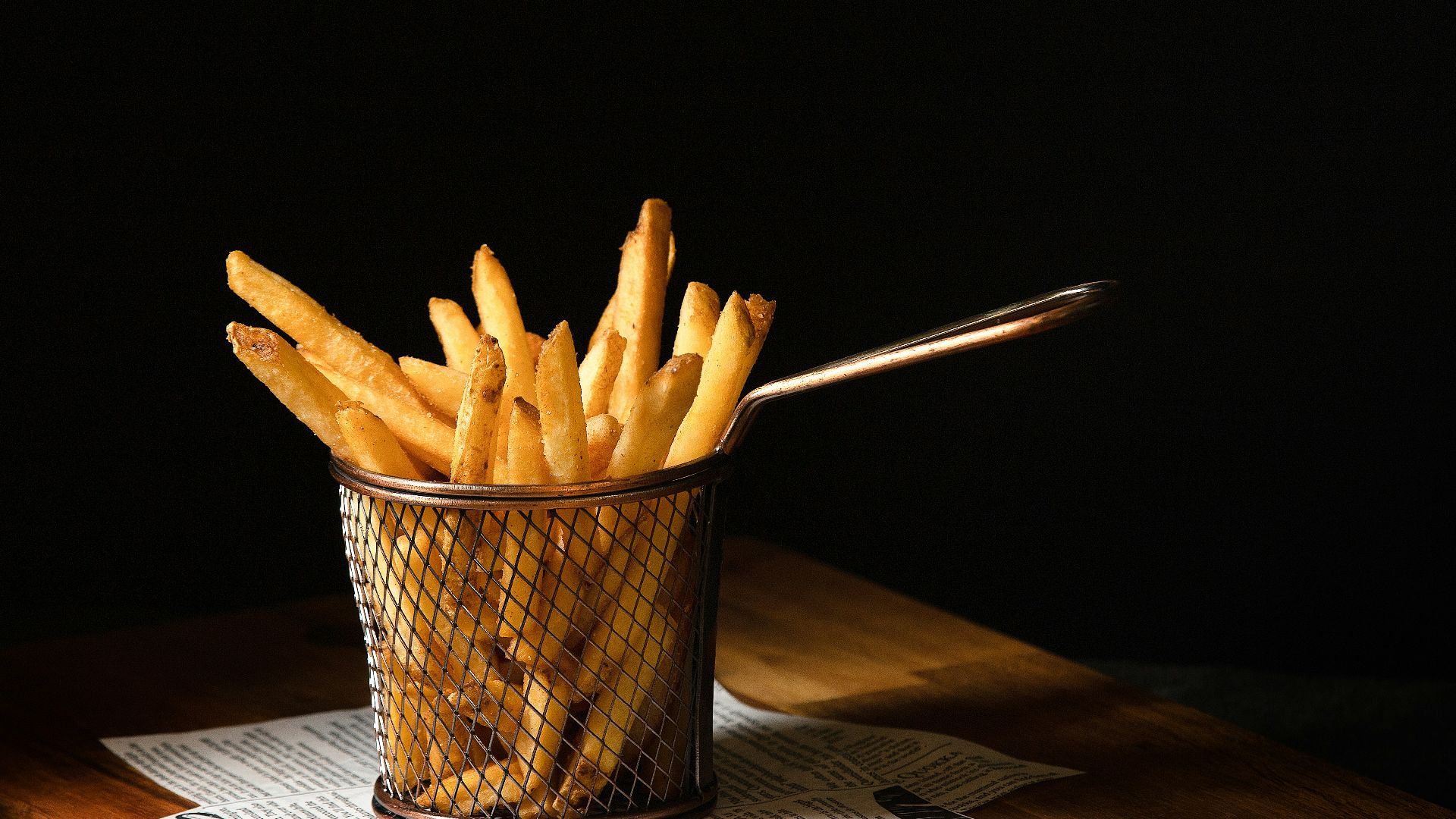
Even restaurants that take pride in their burgers often buy their fries already cut and frozen. Frozen fries are convenient because manufacturers can partially cook them beforehand, helping restaurants achieve a crisp exterior without all the labor while reducing waste and making portion sizes easier to control. They may toss them in some special seasoning after frying them to give them a signature flavor, but the labor to create the fries themselves was likely outsourced.
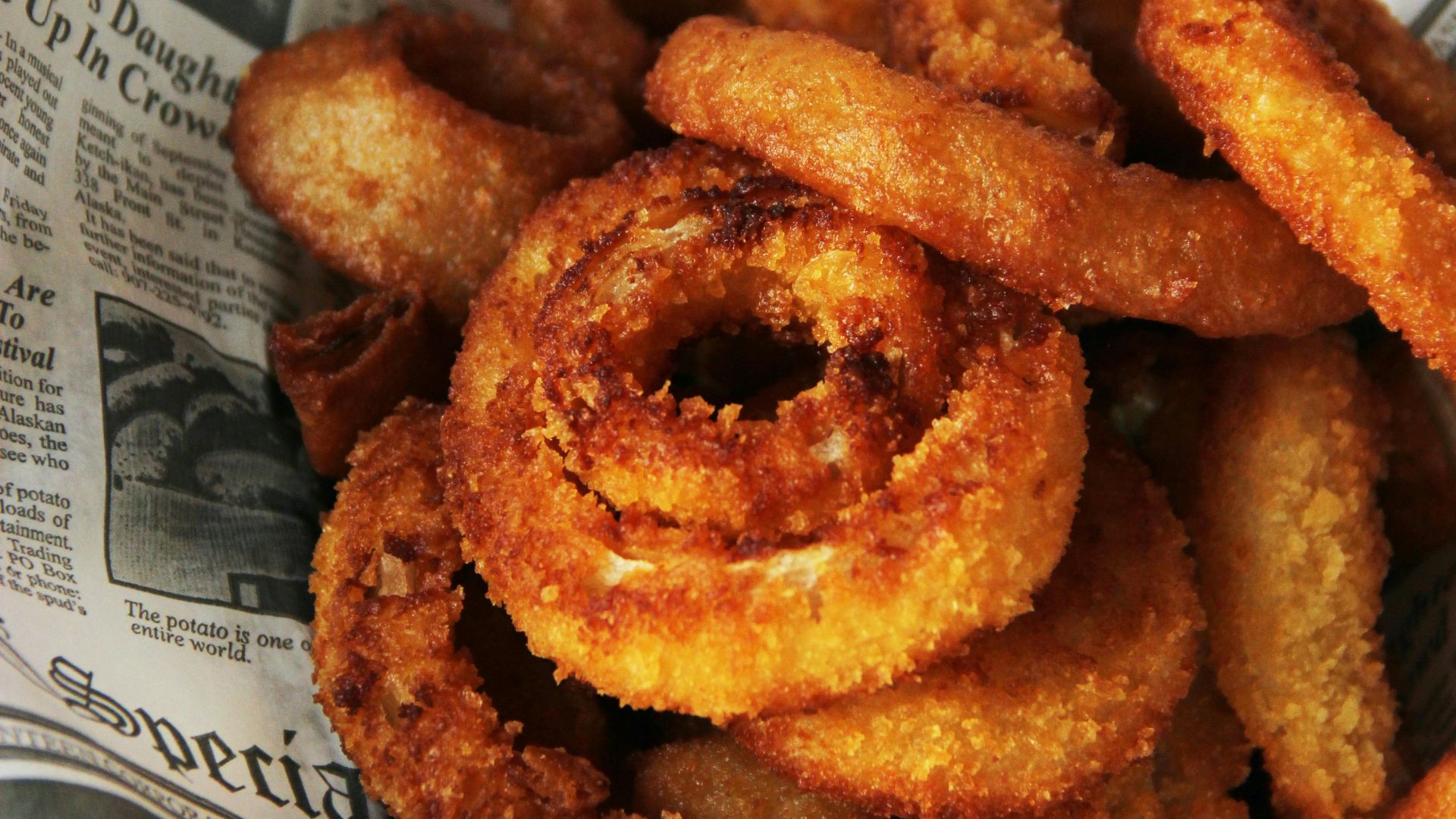
3. Onion Rings
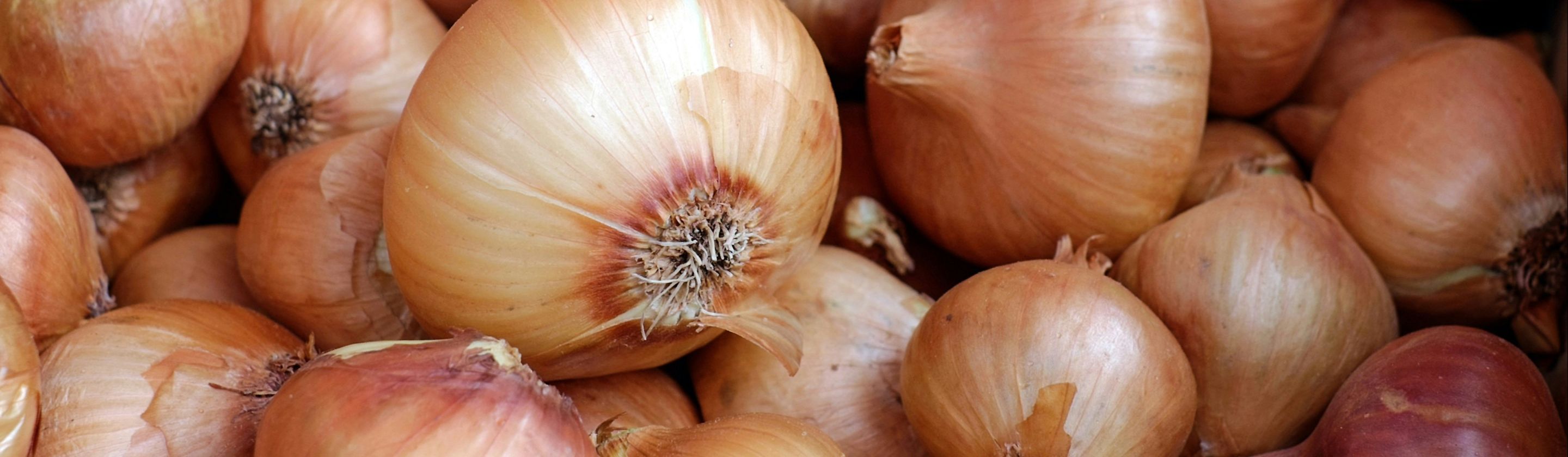
Perfectly uniform onion rings usually aren’t being made from scratch to order. Restaurants can purchase them frozen and already coated, which makes preparation as simple as frying them until crisp. Premade rings are especially useful because homemade batter can be hard to keep perfectly consistent.
 Esperanza Doronila on Unsplash
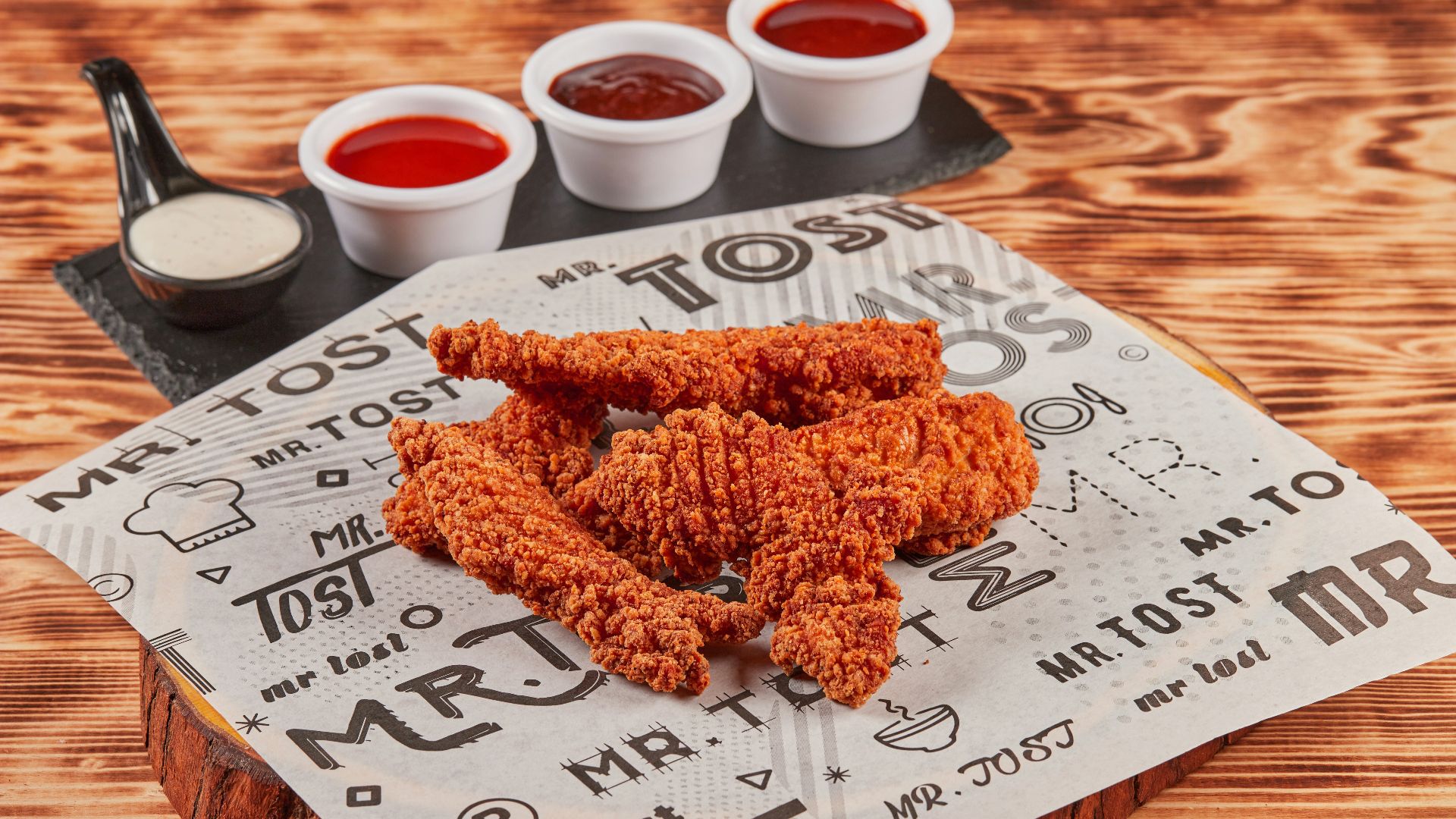
4. Chicken Tenders
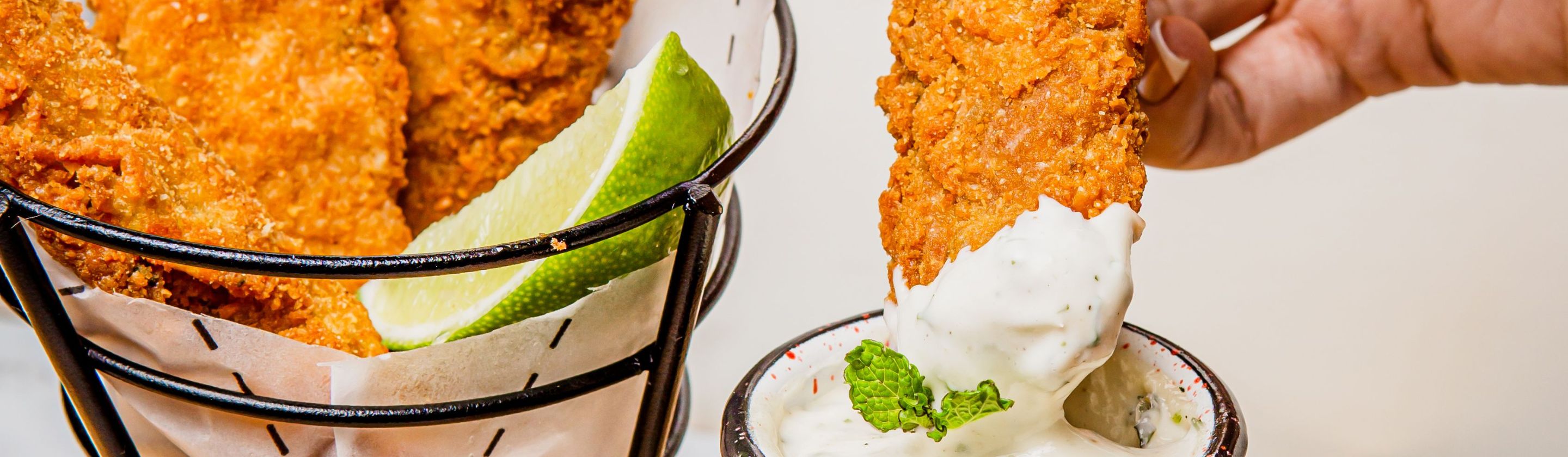
Chicken tenders can certainly be breaded in-house, but plenty of casual restaurants use versions that arrive frozen and fully or partially prepared. Suppliers offer everything from basic breaded strips to pre-seasoned varieties that only need a few minutes in the fryer. For a busy kitchen, that saves considerable prep work while keeping every serving consistent.
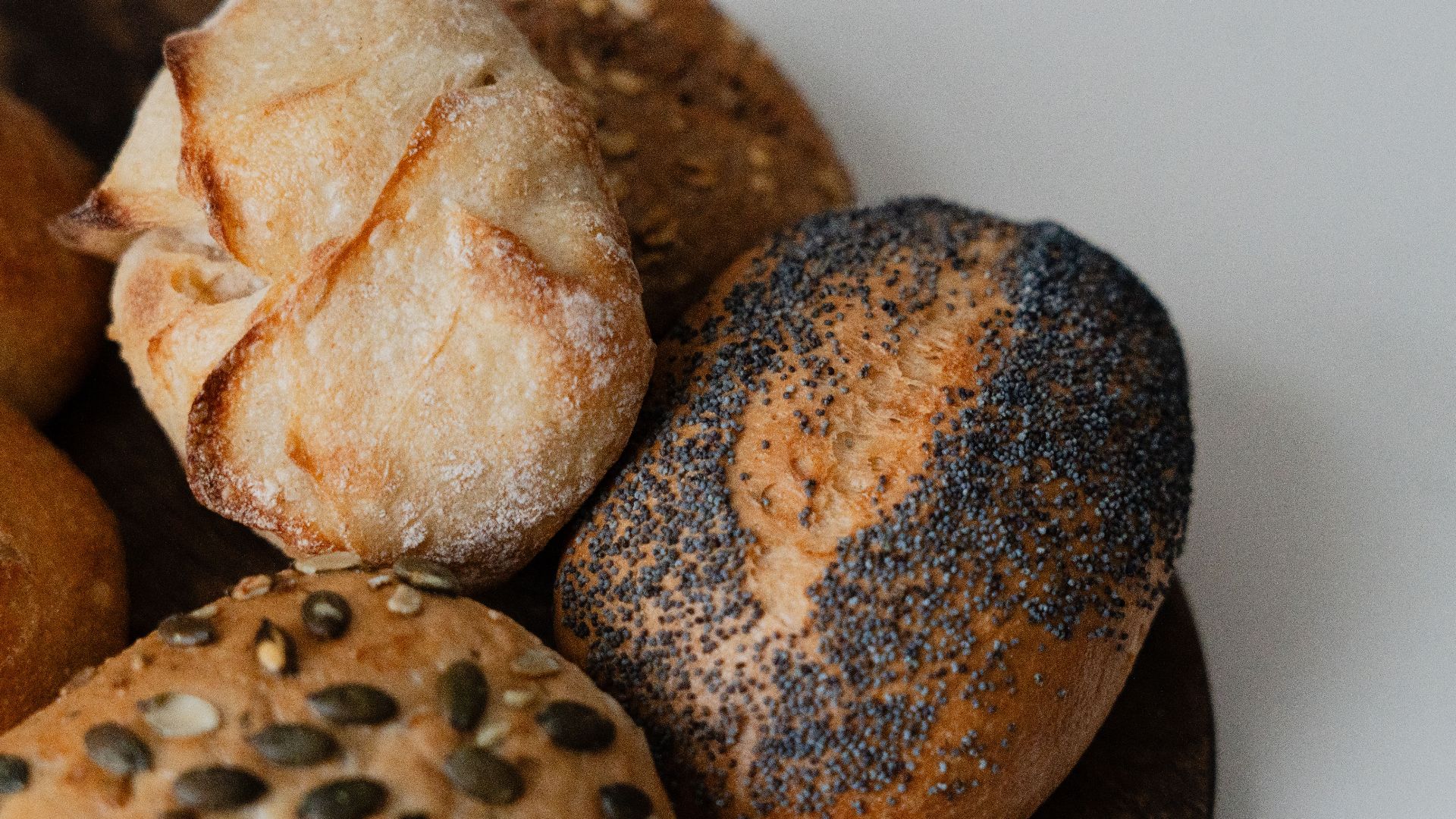
5. Dinner Rolls
That warm basket of bread on the table can feel homemade even when the restaurant didn’t make the dough itself. Many establishments purchase frozen dough, par-baked rolls, or fully baked bread that can be warmed shortly before serving. Making bread is a time-consuming process that most restaurants simply don't have time for.
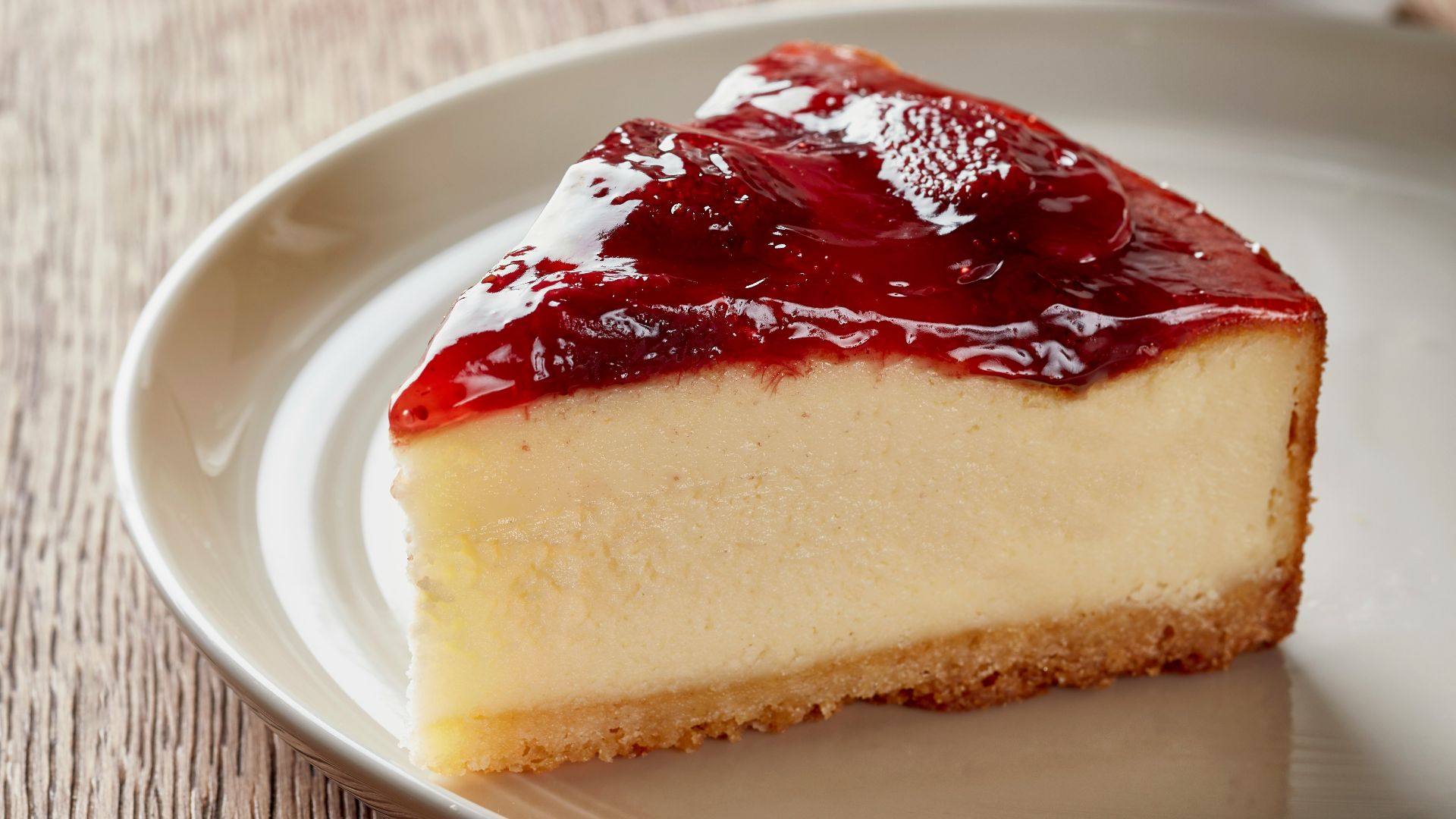
6. Cheesecake
Cheesecake requires time, refrigeration, careful baking, and storage space. For that reason, many restaurants buy whole cheesecakes from commercial bakeries and slice them as orders come in. Some suppliers even provide cakes that are pre-sliced to make serving faster and portions more predictable. The dessert can still be excellent, but there’s a good chance nobody in the restaurant cracked the eggs.
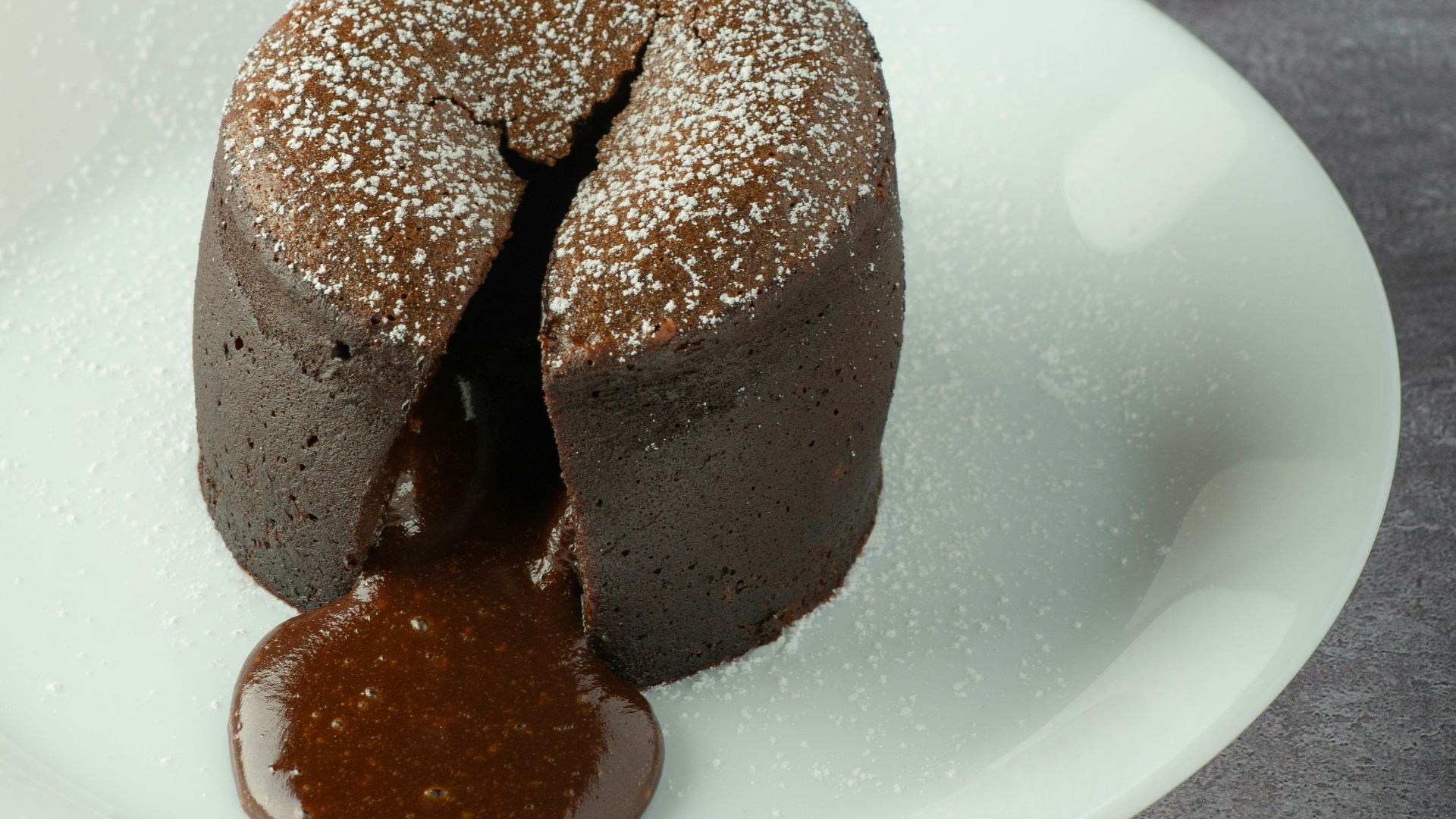
7. Chocolate Lava Cake
A warm chocolate cake with a gooey center sounds like the kind of dessert a pastry chef would need to watch carefully. In reality, individual frozen lava cakes are widely available to restaurants and can be heated just before serving. That approach allows the kitchen to produce the same molten center without mixing and baking cakes throughout the evening.
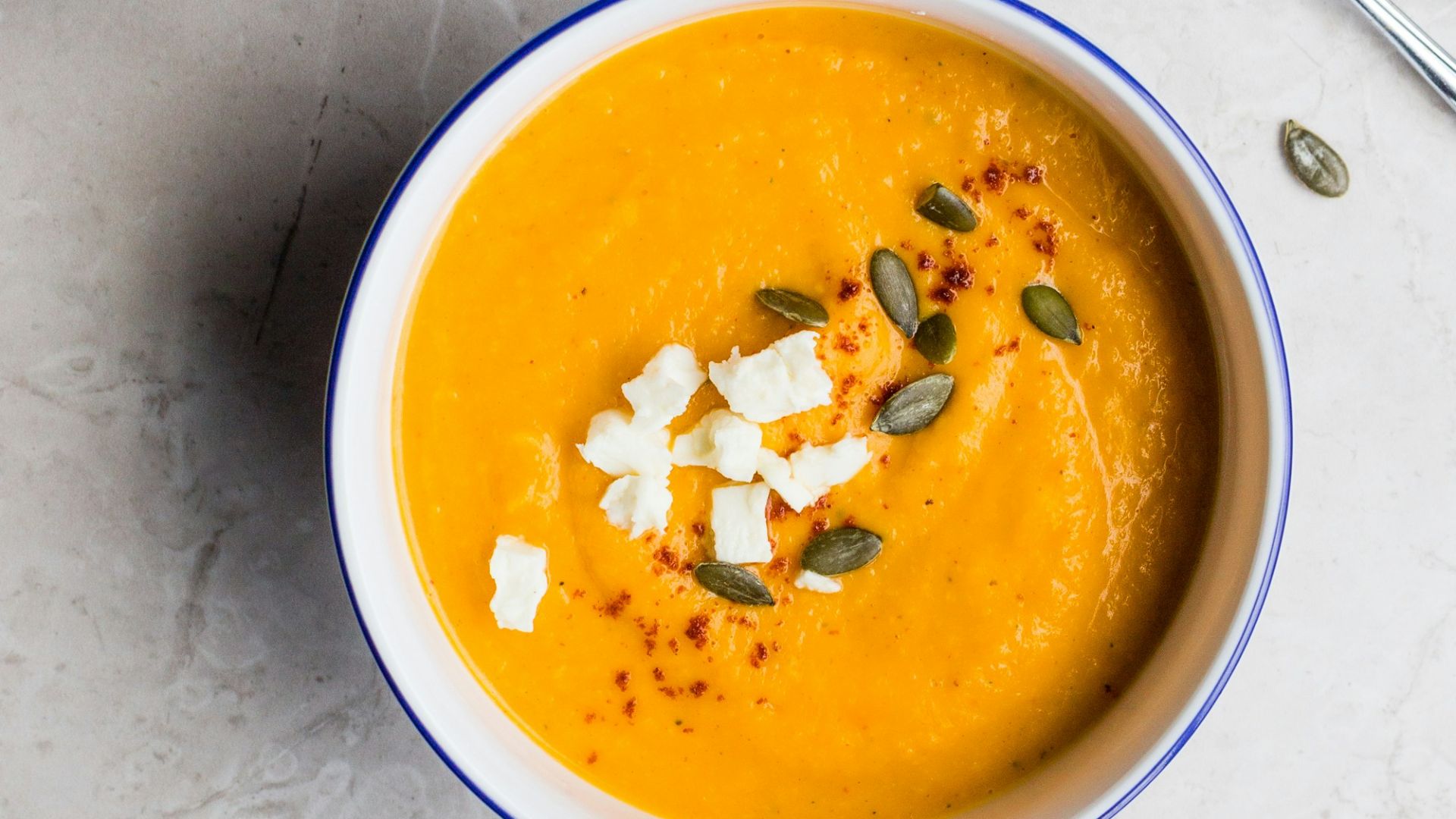
8. Soup
Soup seems like the ultimate made-from-scratch kitchen staple, but restaurant versions can come from bags, tubs, cans, or concentrated bases. Premade soup makes it easier to offer several varieties without keeping multiple pots simmering all day. A restaurant might just add cream, vegetables, herbs, or other finishing touches to make a commercial base feel more distinctive.
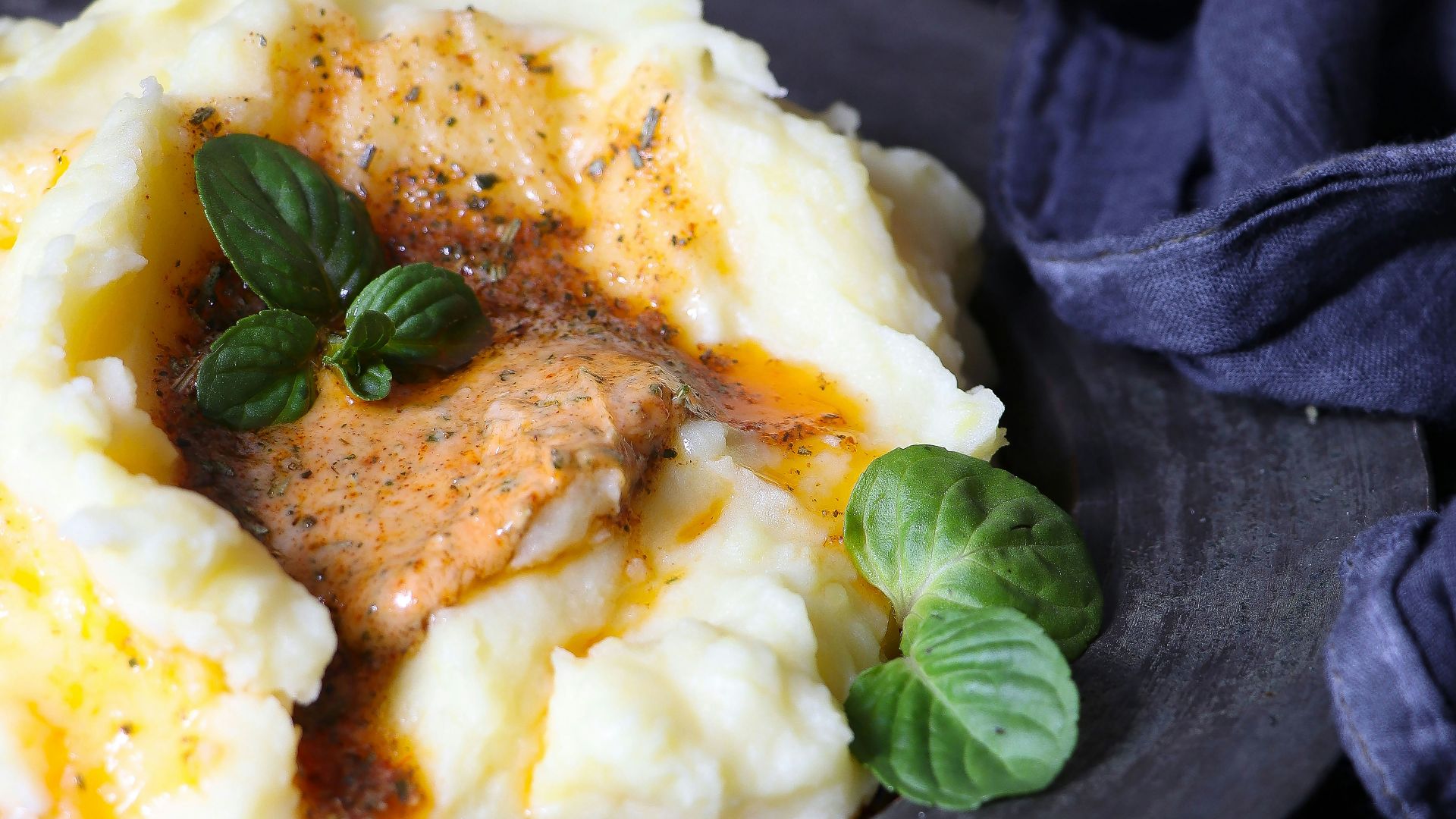
9. Mashed Potatoes
Even your favorite creamy mashed potatoes may not be spared from factory-made convenience. Making mashed potatoes for hundreds of customers requires a lot of peeling, boiling, draining, and mashing. Some restaurants skip much of that work by using refrigerated mashed potatoes, frozen portions, or instant potato products made for food-service kitchens, and enhancing them with added butter, salt, or seasoning.
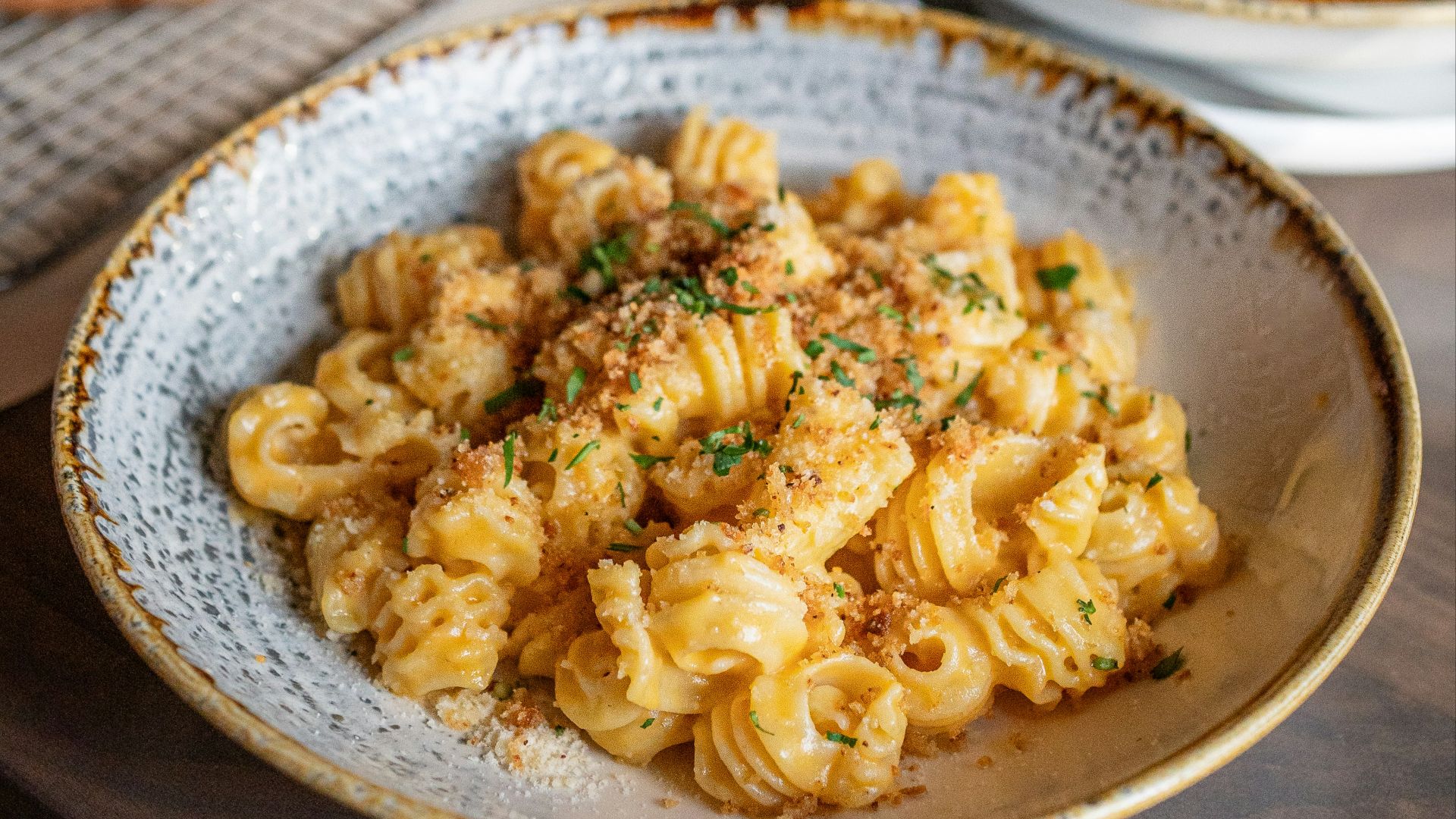
10. Macaroni & Cheese
Restaurant macaroni and cheese isn't necessarily made from scratch every time. Kitchens can purchase frozen trays, refrigerated pouches, or prepared cheese sauces that greatly reduce prep time. Employees may bake individual portions or top them with breadcrumbs and extra cheese before serving, making the dish feel customized even when much of the work was completed earlier.
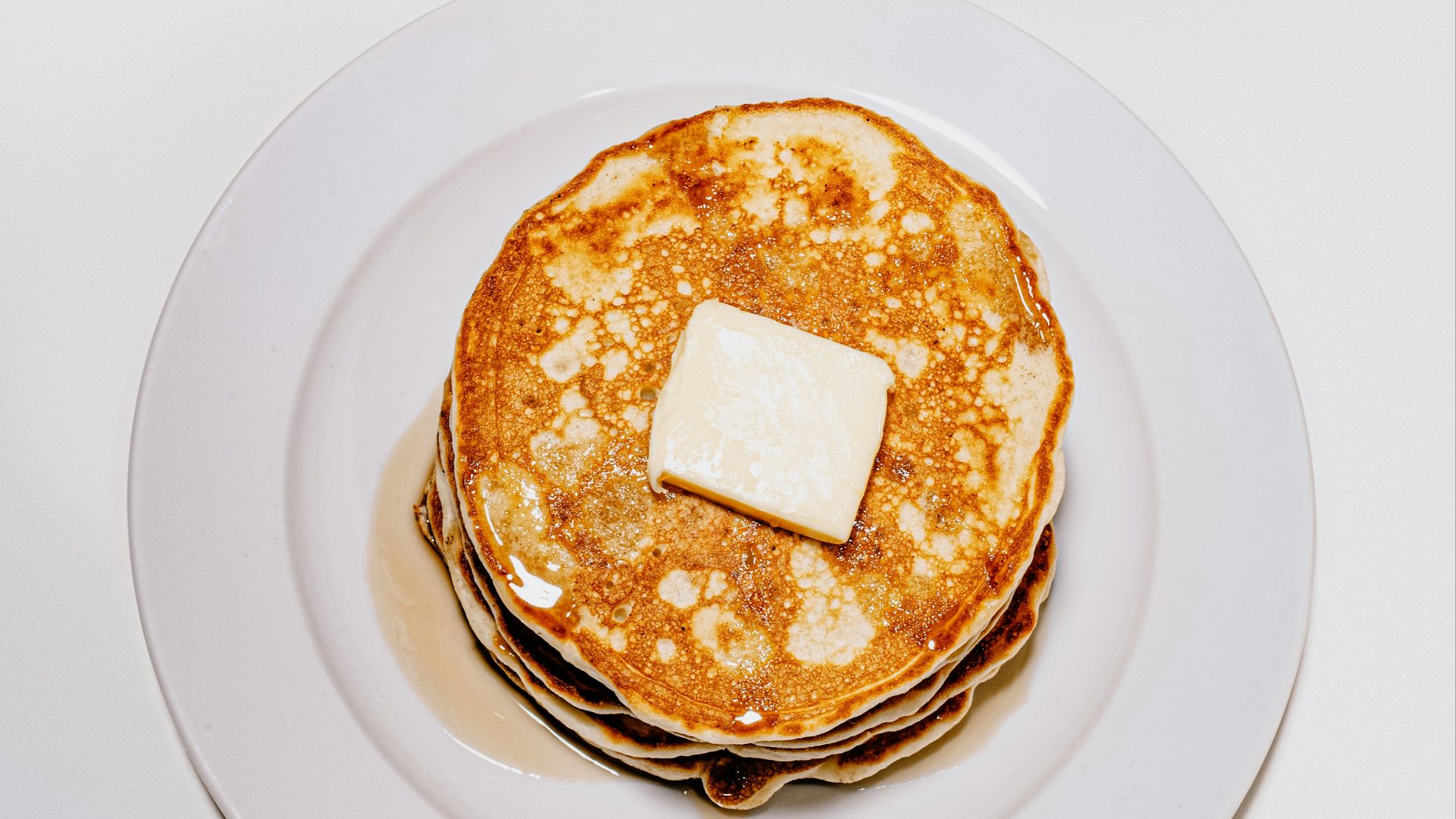
11. Pancakes
Some breakfast restaurants make pancake batter daily, while others rely on commercial mixes that only require water or a few additional ingredients. These mixes help cooks produce dependable pancakes during hectic breakfast rushes without the extra prep work. While your stack most certainly hit the griddle fresh, the recipe itself may have come straight from a package.
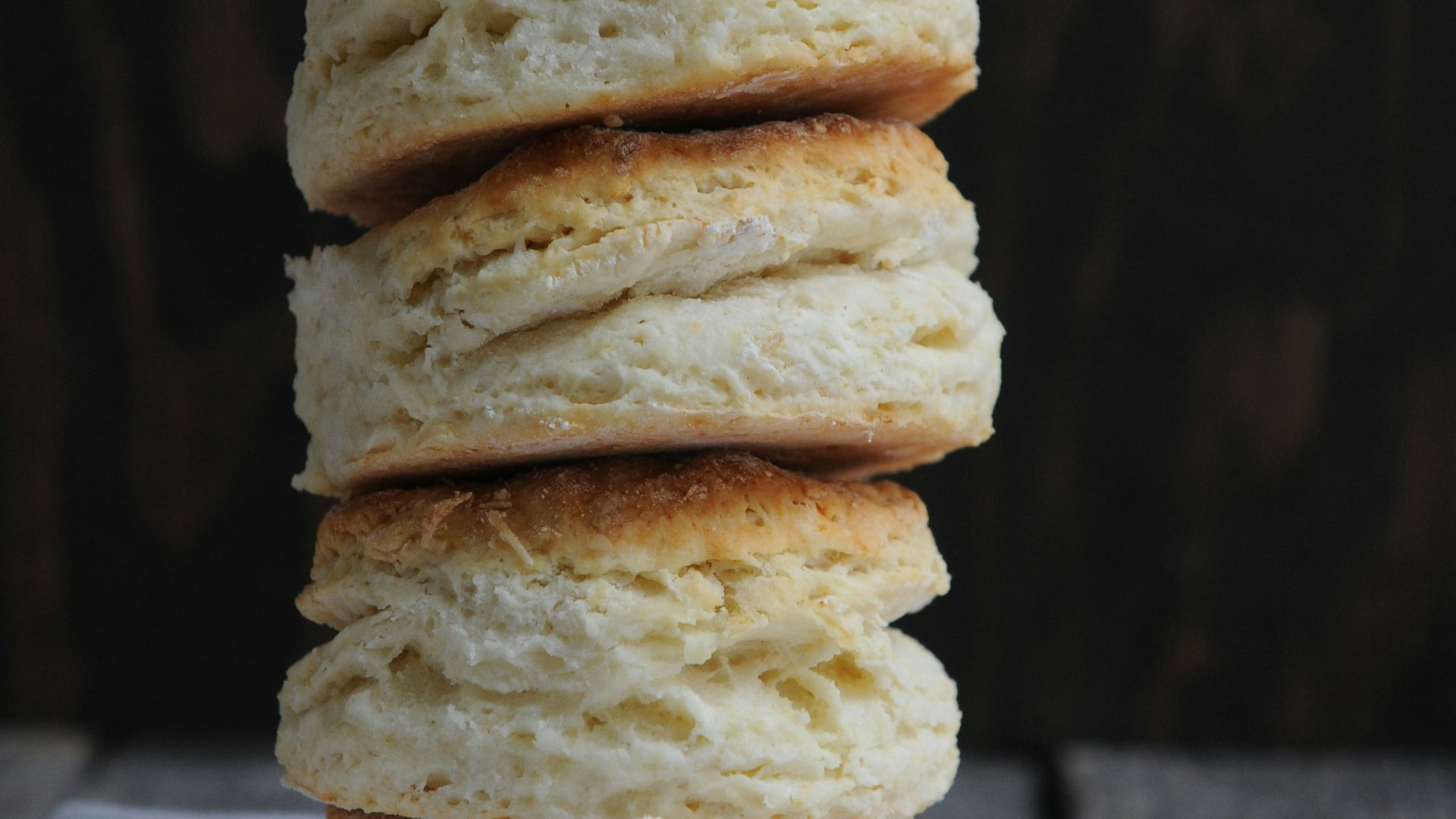
12. Biscuits
Flaky biscuits can require more careful handling than their simple appearance suggests, which makes frozen dough extremely appealing to restaurants. Food-service suppliers sell biscuits that can go directly from freezer to oven and still rise into soft, layered portions. This allows restaurants to still serve a piping hot and fresh product without having to measure and mix everything from scratch.
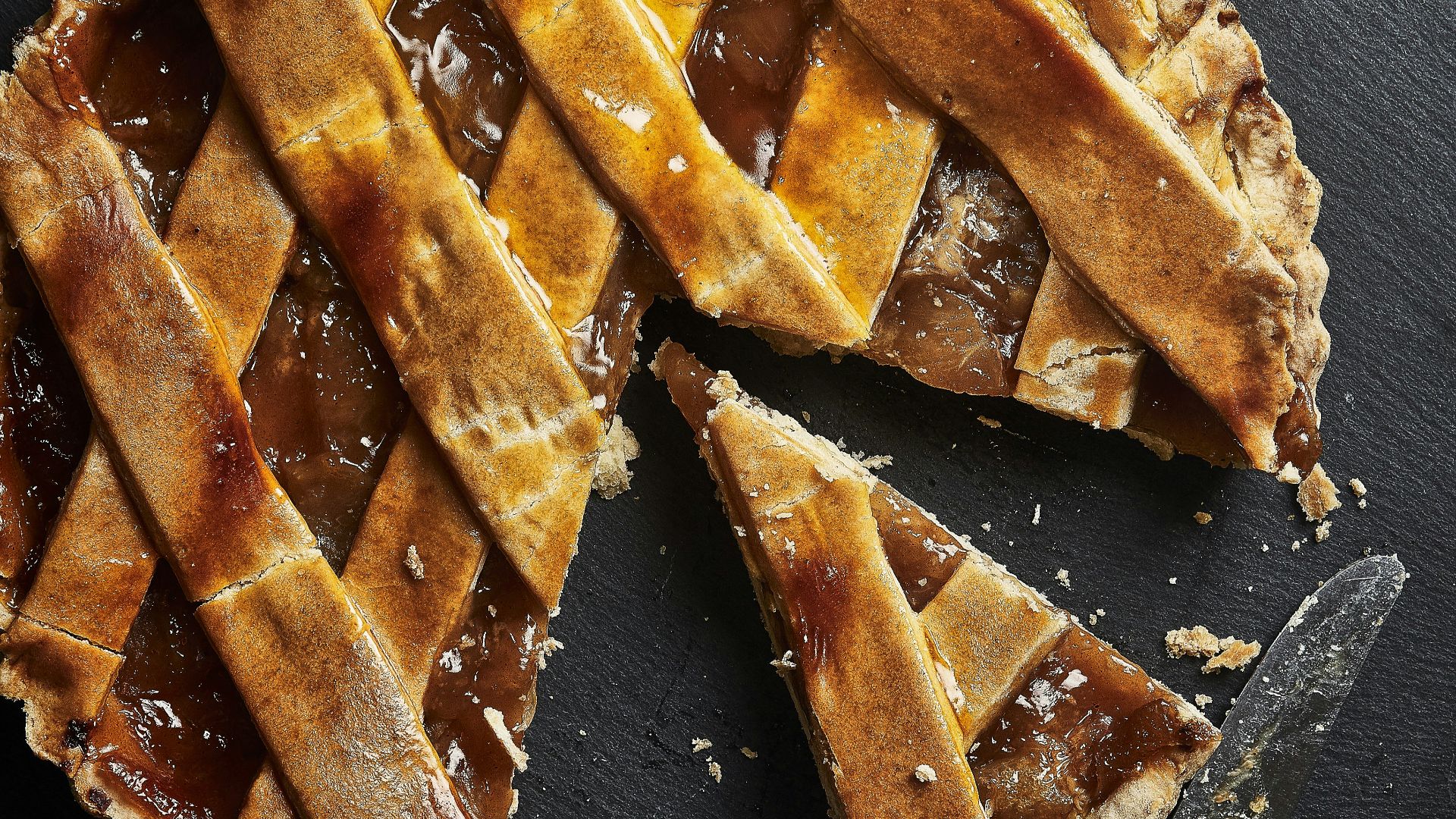
13. Pie
Restaurants with large dessert menus don't necessarily have a pastry chef producing every pie behind the scenes. Whole frozen or refrigerated pies can be delivered in popular flavors such as apple, pecan, cherry, and key lime. Staff members then thaw, warm, garnish, and slice them depending on the variety. If you're offered six different pies in a relatively small restaurant, they were likely outsourced.
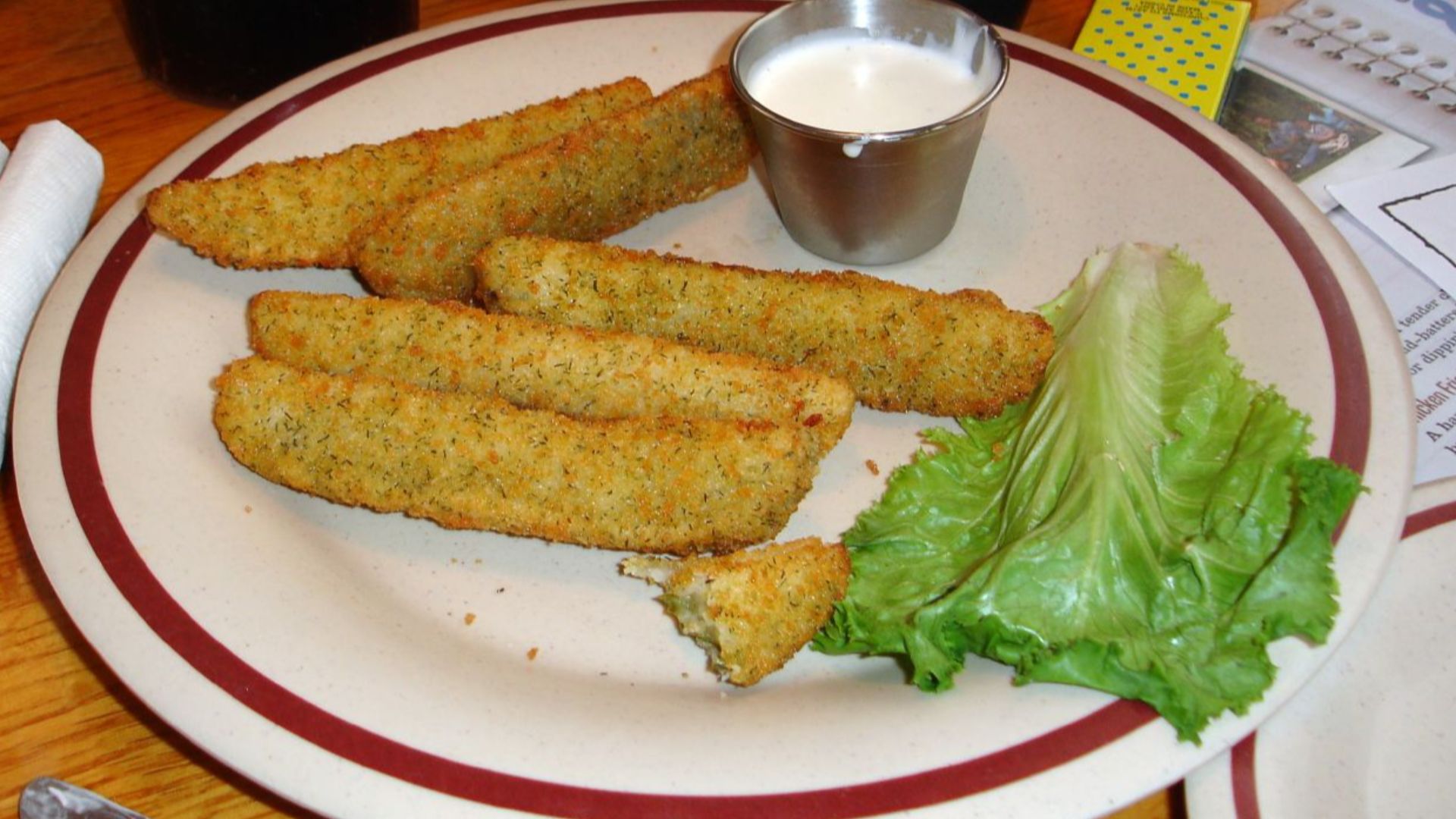
14. Fried Pickles
Fried pickles have become common enough that restaurants no longer need to bread each pickle slice individually. Suppliers sell frozen pickle chips and spears that are already coated and ready for the fryer. Using these products keeps the breading from becoming a messy prep project and helps prevent inconsistent portions without sacrificing that hot, salty crunch.
 Belinda Hankins Miller on Wikimedia
15. Breaded Jalapeño Poppers
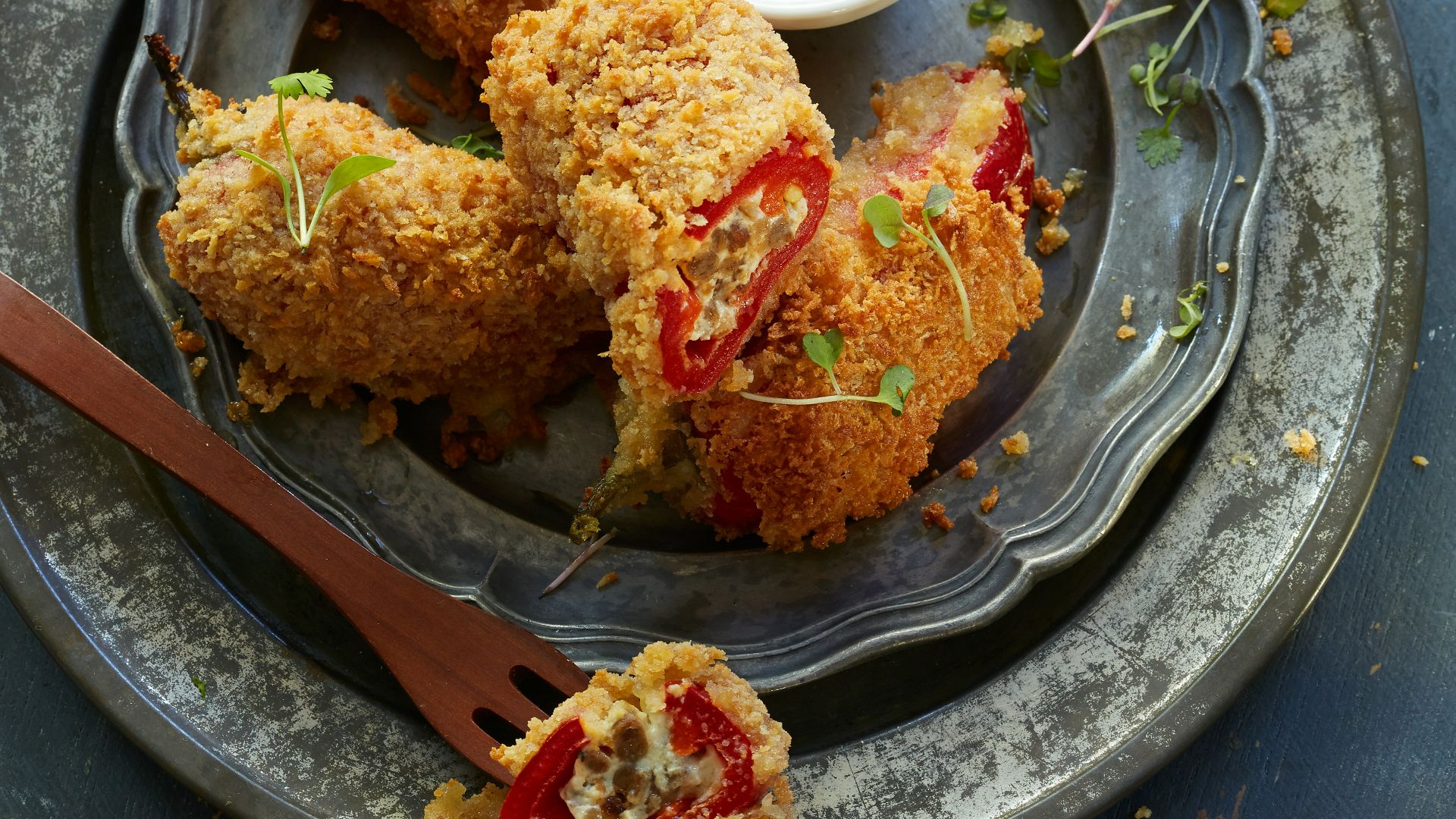
Stuffing dozens of jalapeños with cheese and breading them by hand isn't particularly practical for most casual dining kitchens. Premade poppers solve that problem by arriving frozen, filled, coated, and ready to cook. Restaurants can keep them in storage until someone orders a basket, minimizing both prep time and spoilage. Their nearly identical size is often a clue that they came from a commercial supplier.
 The Fry Family Food Co. on Unsplash
16. Brownies
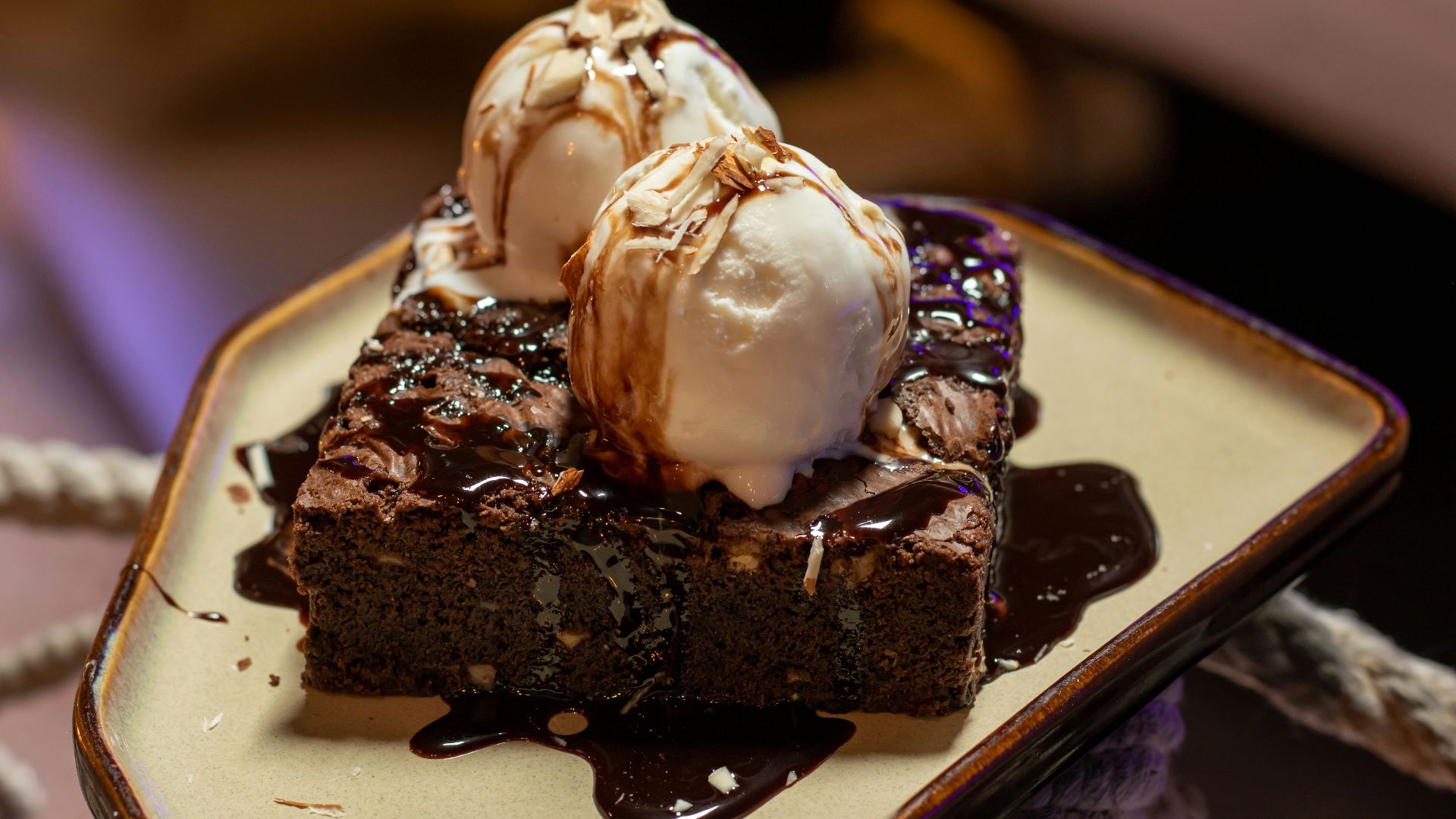
A brownie sundae can look like a restaurant specialty even when the brownie was delivered already baked. Commercial bakeries produce large sheets and individually portioned brownies specifically for restaurants, cafés, and catering businesses. Once warmed and topped with ice cream, chocolate sauce, whipped cream, or nuts, they’re ready for the dessert menu, and as a customer, it's hard to complain when that's sitting in front of you.
17. Gravy
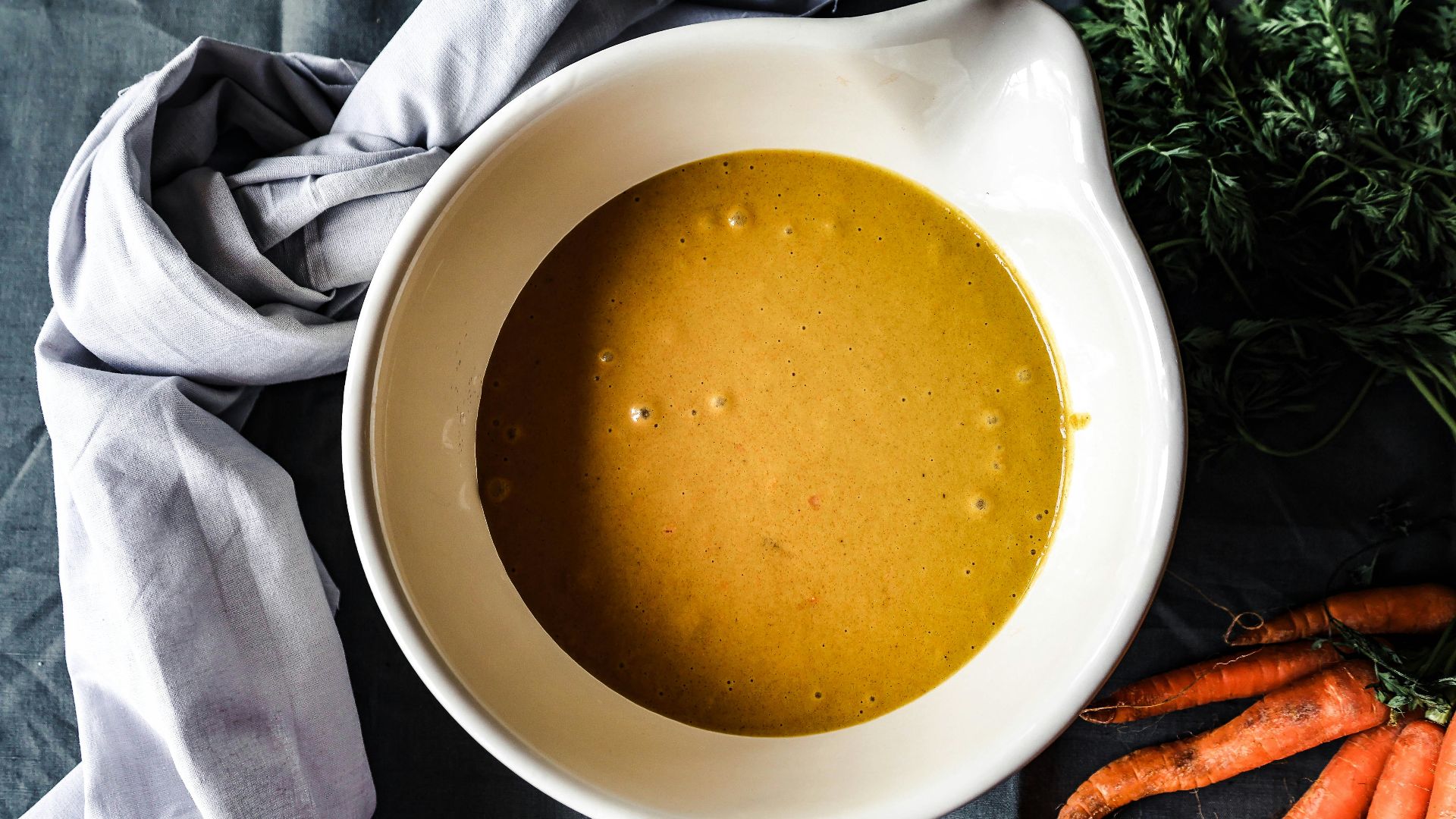
Traditional gravy can be produced from pan drippings and homemade stock, but restaurants don't always have enough of either to meet demand. Packaged gravy mixes, concentrates, and prepared sauces give kitchens a quick way to make large quantities with predictable flavor and texture. Some cooks enhance the base with drippings, pepper, herbs, or other seasonings. That means the gravy on your mashed potatoes could be only partially homemade.
18. Salad Dressings
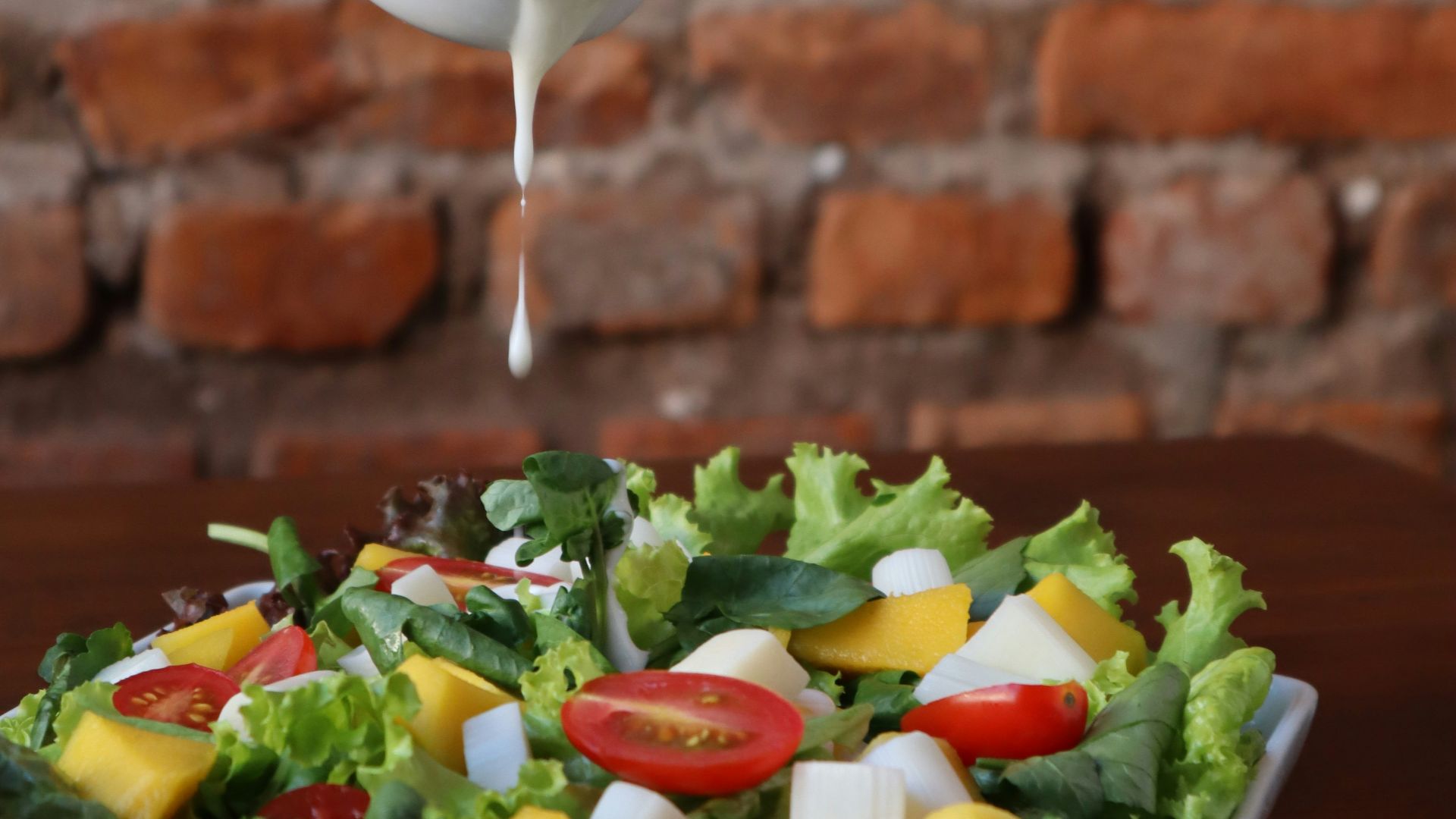
A restaurant may offer half a dozen dressings, but producing every one of them in-house would take additional ingredients, storage, and labor. Bottled and bulk food-service dressings are widely used because they're easy to portion and remain consistent from one shift to another. Restaurants can also modify a prepared dressing by adding herbs, spices, citrus, or other ingredients to make it a little more distinctive.
19. Pizza Dough
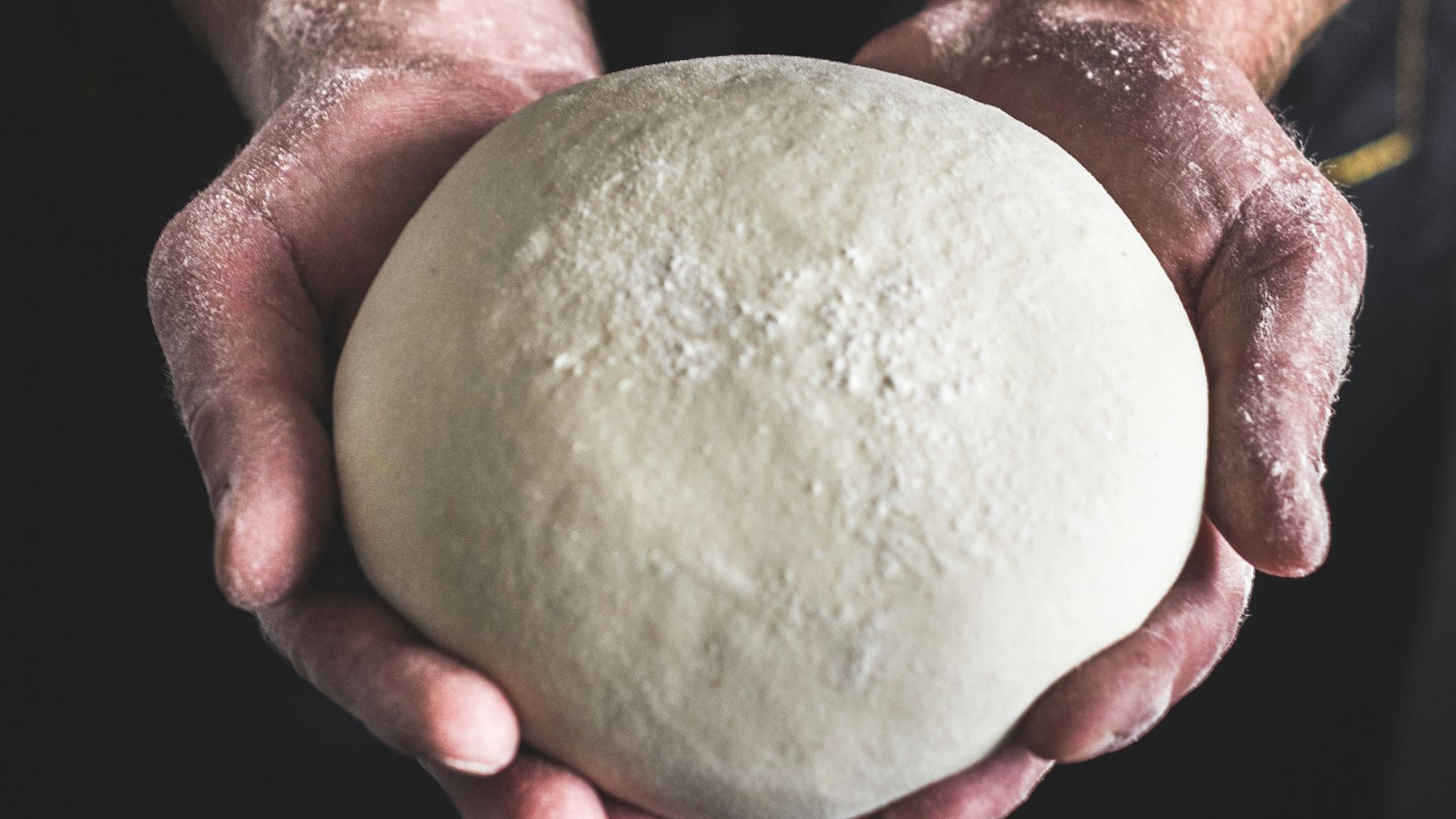
Not every restaurant serving pizza has employees mixing, kneading, and proofing fresh dough in the building. Frozen dough balls and par-baked crusts give kitchens a much simpler way to offer pizza without maintaining a full dough-making operation. Toppings and sauce can still be added fresh before the pizza goes into the oven. If pizza is only a small section of an otherwise unrelated menu, premade dough becomes especially practical.
20. Ice Cream
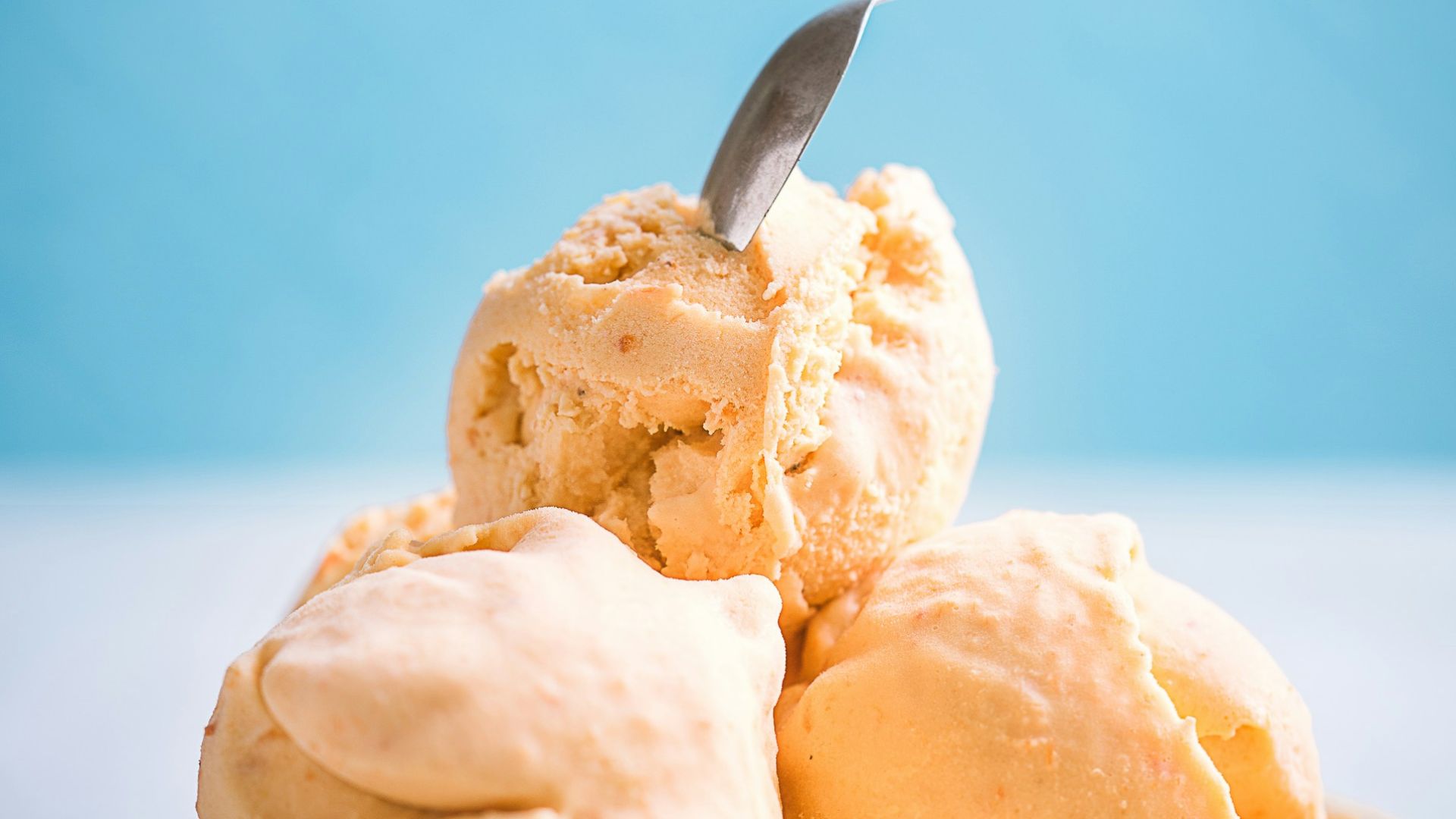
Unless you're eating at a restaurant that specifically makes its own ice cream, the scoops on your dessert probably came from an outside manufacturer. Restaurants can order large food-service tubs in familiar flavors and keep them frozen until they're needed. The kitchen may turn a standard scoop into a signature dessert with sauces, cookies, cake, fruit, or other toppings, but the ice cream itself was still probably made elsewhere.
KEEP ON READING
You’re Storing Tomatoes Wrong in This Heat
You’re Storing Potatoes Wrong in This Heat
You’re Storing Peppers Wrong in This Heat
You’re Storing Carrots Wrong in This Heat