
10 Food Complaints That Are Fair & 10 That Make You Sound Impossible
Not Every Complaint Is Created Equal
Food opinions are part of being human, and honestly, part of the fun of eating with other people is hearing everyone’s extremely specific rules. Some complaints are completely fair because they involve safety, quality, temperature, missing ingredients, or a dish that simply wasn’t prepared correctly. Others make you sound impossible because they expect restaurants, hosts, or dinner companions to read your mind, redesign the menu, or apologize for food having a specific flavor. Here are 10 food complaints that are fair and 10 that make you a bad customer.
1. The Food Arrived Cold
If a hot dish arrives lukewarm or cold, that’s a very reasonable complaint. Temperature affects taste, texture, and food safety, especially with meat, seafood, eggs, or anything meant to be served piping hot. You don’t need to make a scene, but asking politely for it to be warmed or remade is completely fair.
2. The Order Is Wrong
Getting the wrong dish, missing toppings, incorrect sides, or a completely different order is a legitimate reason to speak up. Mistakes happen in kitchens, but you shouldn’t have to quietly eat something you didn’t ask for. This matters even more if the error involves allergies, dietary restrictions, or ingredients you genuinely can’t eat.
 Lefteris kallergis on Unsplash
3. The Food Is Undercooked
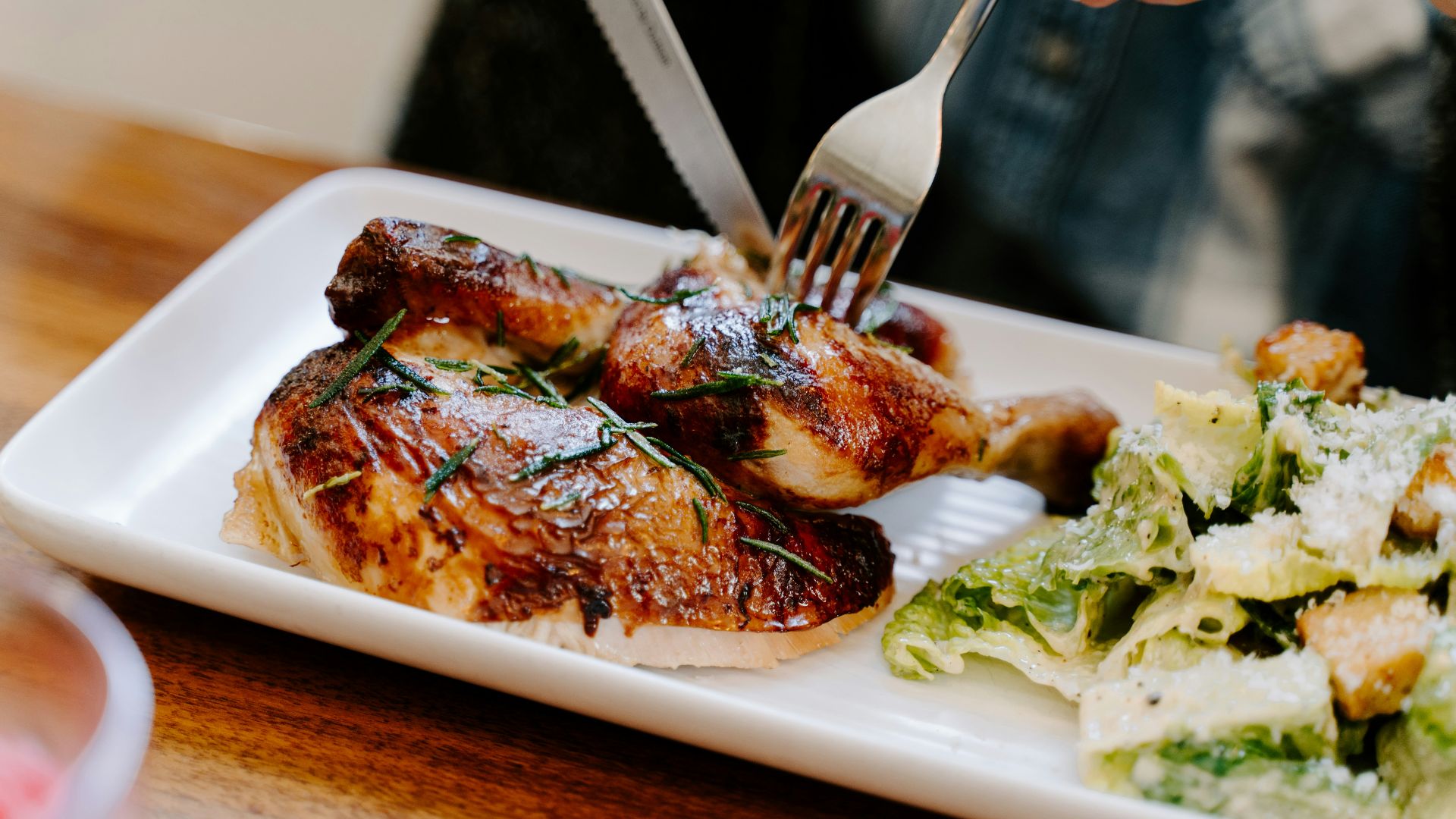
Undercooked food can be more than disappointing; it can be unsafe. If chicken is pink inside, seafood smells off, eggs are too runny when they weren’t ordered that way, or a burger is cooked far below your requested doneness, it’s fine to send it back. You’re not being picky when the issue could affect your health.
4. The Dish Is Burnt
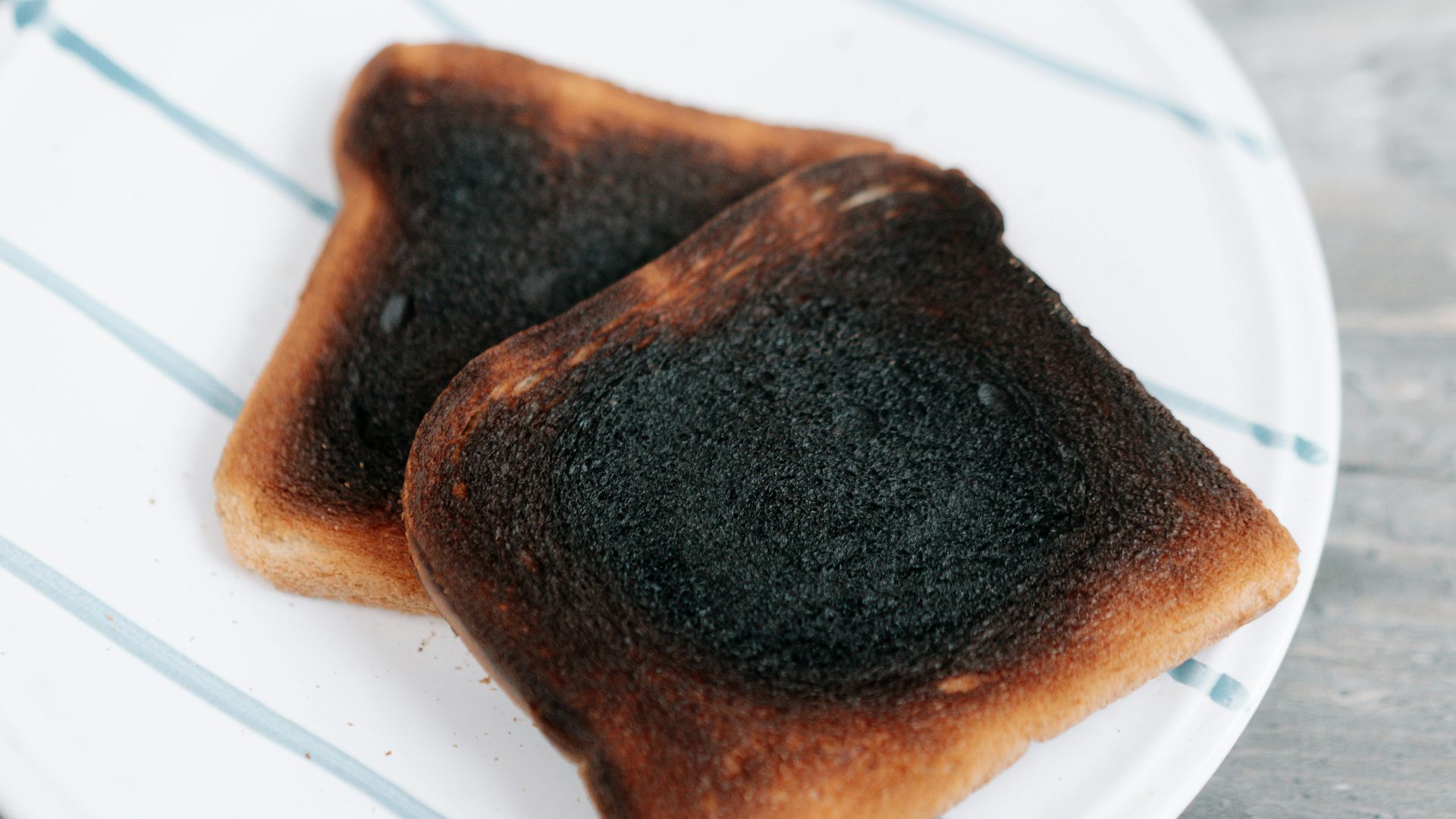
A little char can add flavor, but burnt food is another matter. Unless it says "charred" on the menu, if toast is blackened, pizza crust tastes bitter, vegetables are scorched, or meat has gone past caramelized into disaster, the kitchen missed the mark.
5. Something Tastes Clearly Spoiled
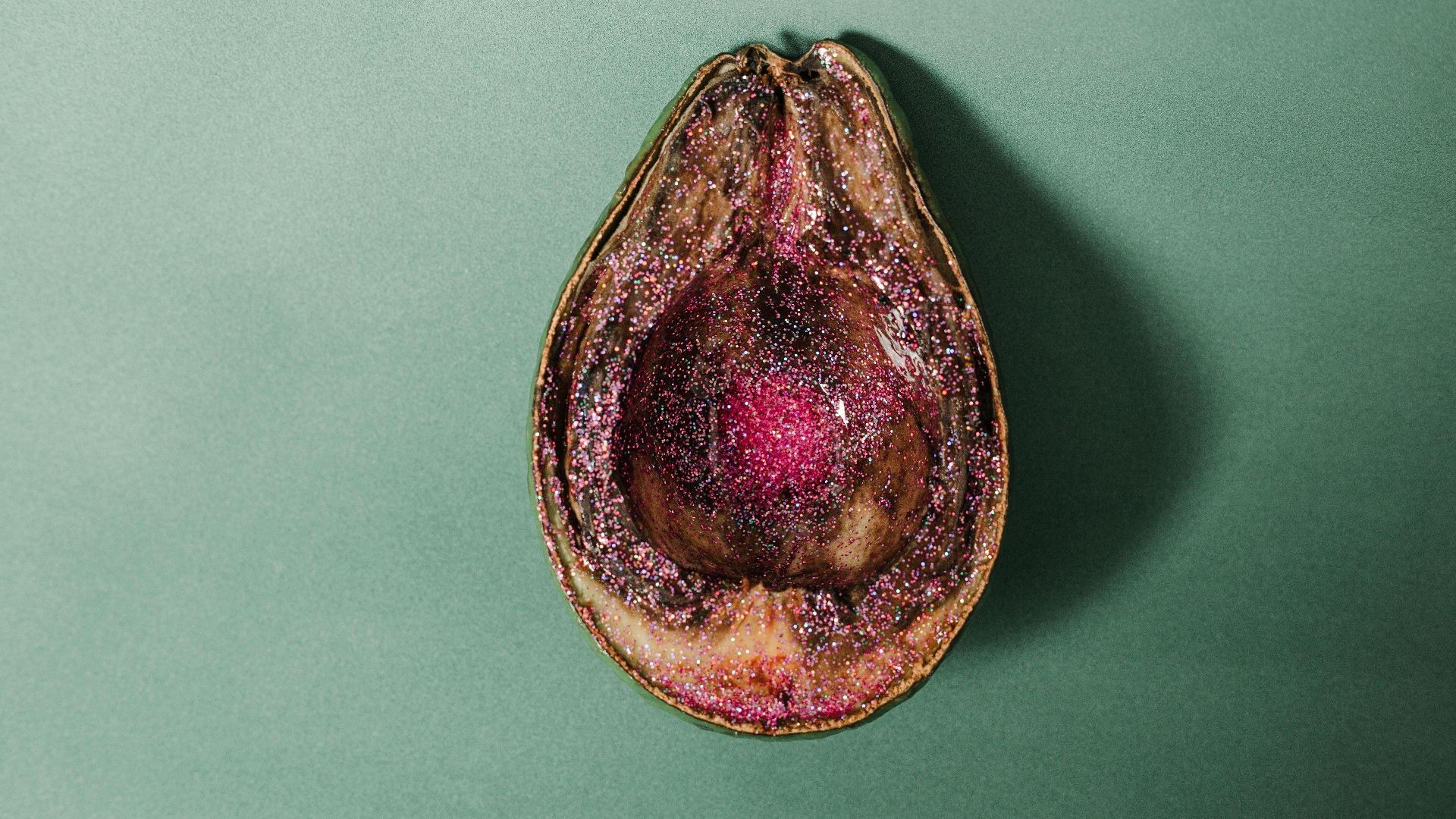
If dairy tastes sour, meat smells strange, greens are slimy, or sauce tastes fermented when it absolutely should not, that’s worth mentioning immediately. This isn't a matter of preference; it’s a food quality concern. Trust your senses, because your stomach would prefer not to handle the investigation alone.
6. There’s a Hair or Foreign Object in the Food
Finding a hair, plastic piece, glass shard, bug, or anything else that clearly doesn’t belong in your food is a valid complaint. It’s unpleasant, and in some cases it can be dangerous. A professional response should involve replacing the dish or addressing the issue without making you feel awkward for noticing.

7. The Allergy Request Was Ignored
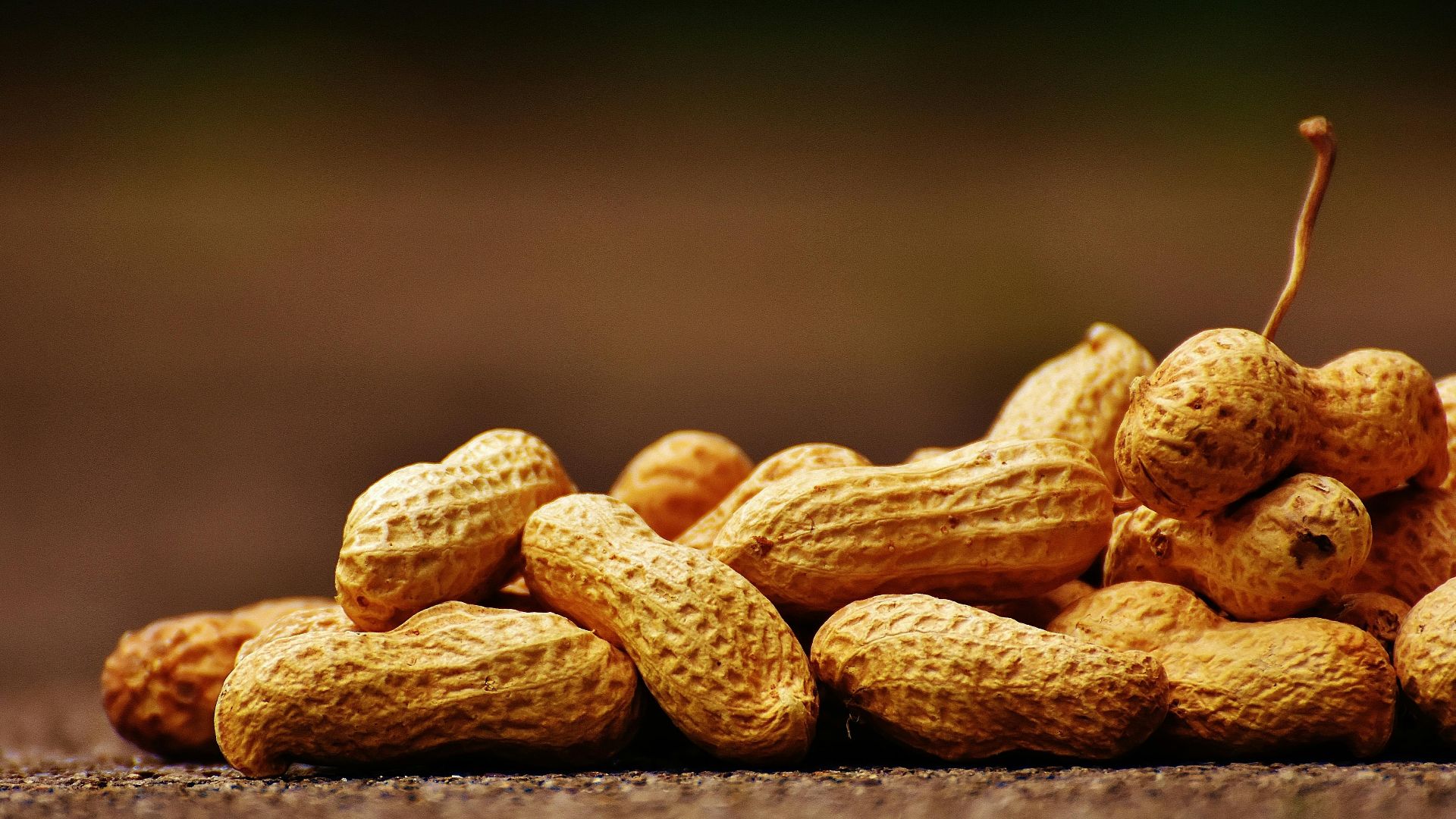
Allergy complaints are serious and should never be treated like fussiness. If you clearly told the restaurant or host about an allergy and the food still contains that ingredient, speaking up is necessary. Cross-contamination can also matter depending on the allergy, so details aren’t just personal preferences. This is one area where being “chill” is not worth the risk.
8. The Portion Is Way Smaller Than Advertised
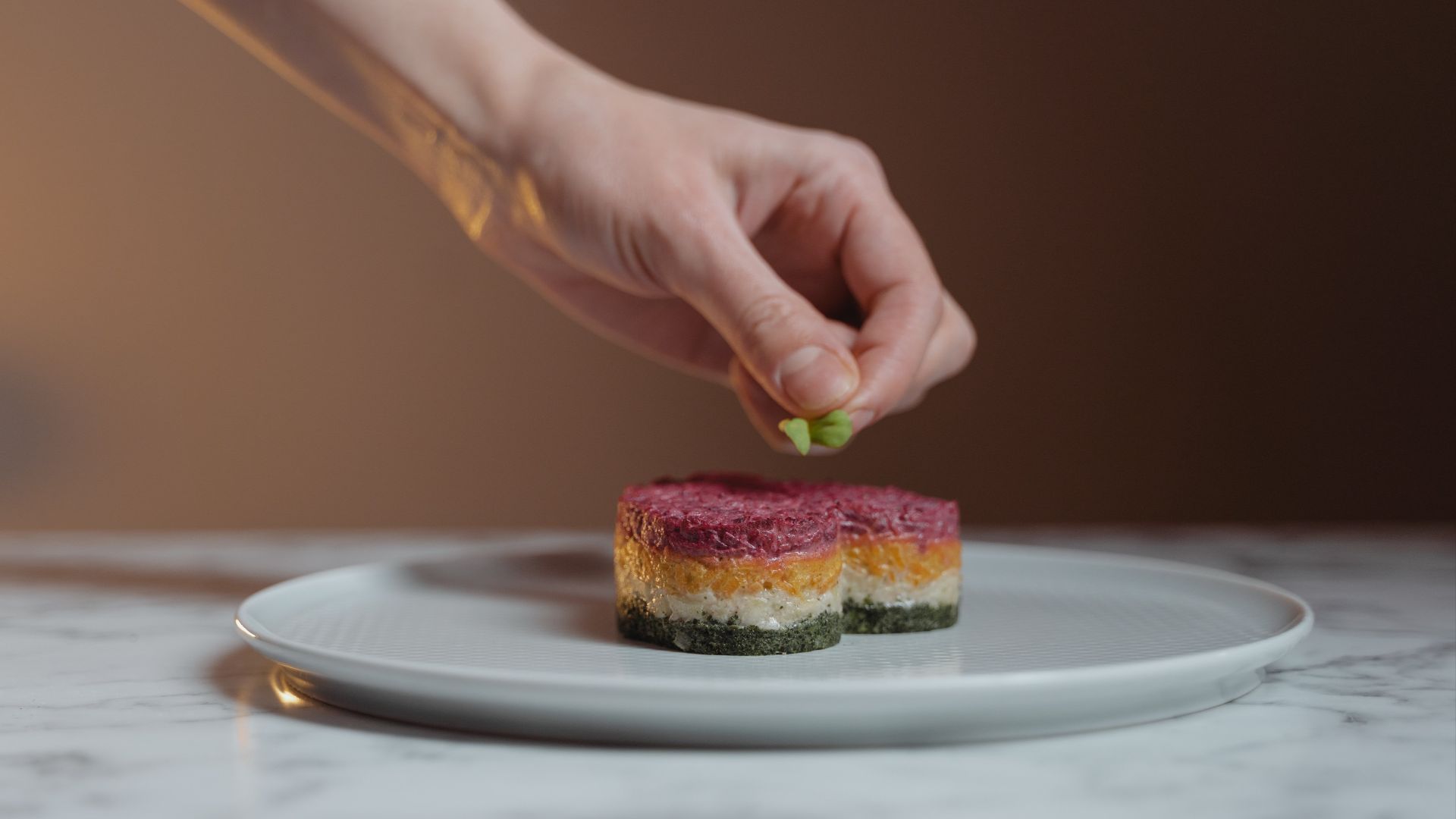
Portion size can be a fair complaint when the dish looks nothing like what was described or priced. If the menu suggests a full meal and you receive three lonely bites arranged with artistic confidence, disappointment makes sense. Restaurants don’t have to serve mountains of food, but expectations should match reality.
9. The Food Is Overly Salty
Salt is important, and everyone's taste is different when it comes to it, but far too much can ruin a dish fast. If soup, pasta, meat, or sauce tastes so salty that you can barely taste anything else, that’s a reasonable issue. A meal should not make you feel like you need to apologize to your kidneys.

10. The Menu Description Was Misleading
If a dish is described one way and arrives as something very different, that complaint is valid. “Fresh herbs” shouldn't mean one tired leaf, “spicy” shouldn't mean completely mild, and “grilled vegetables” shouldn't mean mostly onions with a guest appearance from a pepper. Menus create expectations, so accuracy matters.
Now that we've covered the complaints that seem fair, let's talk about the ones that are extra.
1. You Hate an Ingredient That Was Clearly Listed
If the menu clearly says the dish contains an ingredient you don't like, it’s hard to blame the kitchen when it shows up. You can hate something, but that doesn’t make its presence a mistake. Reading the description before ordering prevents a lot of unnecessary disappointment.

2. You Wanted the Dish to Taste Like a Different Dish
Complaining that a curry is too curry-like, a Caesar salad tastes too much like anchovy, or sourdough is too tangy can make you sound impossible. Some foods have defining flavors, and removing them would turn the dish into something else entirely. It’s fine not to enjoy those flavors, but that’s different from the food being wrong.

3. You Asked for Endless Changes & Still Didn’t Like It
Modifications are often reasonable, especially for dietary needs, but there’s a limit. If you remove the sauce, swap the protein, change the side, skip the seasoning, ask for no onions, and replace the dressing, the final dish may not work as intended. If the result is odd, it's not really fair to blame the kitchen.

4. You Complain About Normal Seasoning
Some people treat black pepper, garlic, herbs, vinegar, or chili flakes like personal attacks. If a dish is meant to have flavor and the seasoning is balanced, complaining that it tastes like something can sound unfair. If you prefer everything extremely plain, it may help to order that way from the start.

5. You Expect Fast Food to Taste Gourmet
Fast food has a purpose, and that purpose is usually speed, consistency, and convenience. Complaining that a drive-thru burger doesn’t taste like a chef-made restaurant burger may be technically true, but not especially useful. You paid for quick fries and a paper bag, not a culinary revelation with mood lighting.

6. You Judge Every Dish Before Trying It
Some complaints arrive before the fork has done any work. If you decide the food is bad based only on appearance, a new ingredient, or the fact that it’s unfamiliar, you may be closing the case too early. Not every dish looks dramatic, and some very good foods are visually humble.

7. You Complain That Someone Else’s Food Looks Better
Food envy is real, but it’s not a kitchen failure. If your friend ordered something that looks more exciting, that doesn’t mean your meal is bad or unfair. It usually means they made a different choice and are now enjoying the consequences.

8. You’re Angry That a Spicy Dish Is Spicy
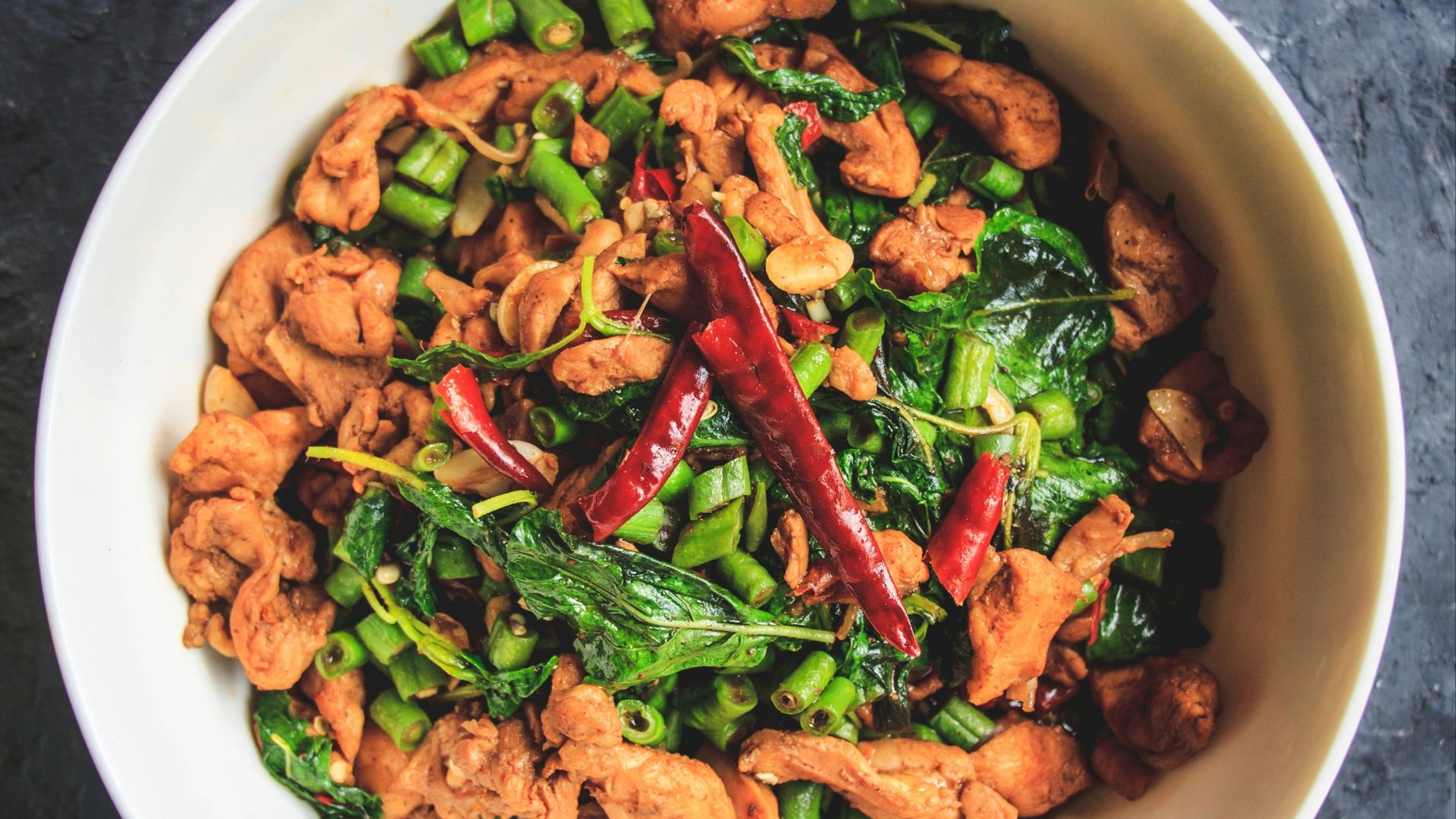
If a menu labels something as hot, fiery, spicy, or made with chilies, the heat should not come as a shocking betrayal. You can ask how spicy it is before ordering, especially if your tolerance is low. Complaining afterward can sound like blaming the dish for keeping its promise.
 montatip lilitsanong on Unsplash
9. You Want Everything “Fresh” but Also Instant
Freshly cooked food takes time. If you want fries straight from the fryer, a made-to-order omelet, a fresh salad, or grilled meat cooked properly, you may need to wait a few minutes. Complaining that fresh food isn’t instant creates an impossible standard.

10. You Turn Personal Taste Into a Universal Rule
It’s fine to dislike mayo, rare steak, pickles, cilantro, runny eggs, or soft cheese. The problem begins when personal preference becomes a declaration that the food is objectively disgusting and everyone else is wrong. Taste is personal, and people are allowed to enjoy things you don’t.

KEEP ON READING