There’s a Person Hiding on the Menu
Plenty of familiar foods have names that sound as though they simply appeared out of nowhere, but some actually belong to real people. Chefs have immortalized everyone from royalty and opera singers to businessmen, doctors, and hungry restaurant customers through the dishes they created or inspired. The next time you order one of these 20 classics, you might be surprised to learn whose name you’re actually saying.
1. The Sandwich — John Montagu
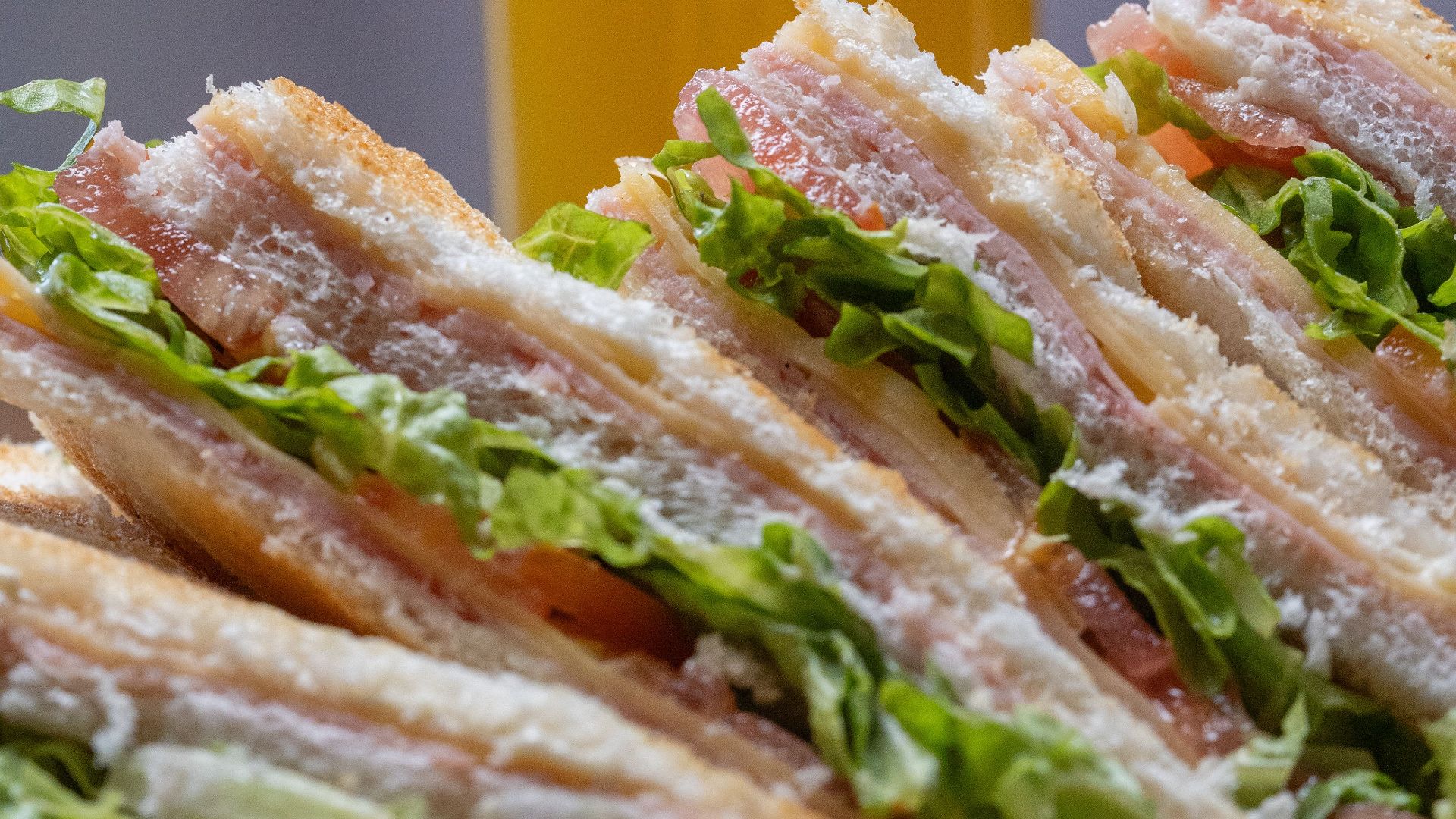
The sandwich takes its name from John Montagu, the 4th Earl of Sandwich, an 18th-century British statesman. According to the famous story, Montagu wanted meat served between bread so he could eat without interrupting what was reportedly a lengthy card game. People had obviously been putting food between bread long before him, but his title became attached to the concept and never left.
2. Caesar Salad — Caesar Cardini
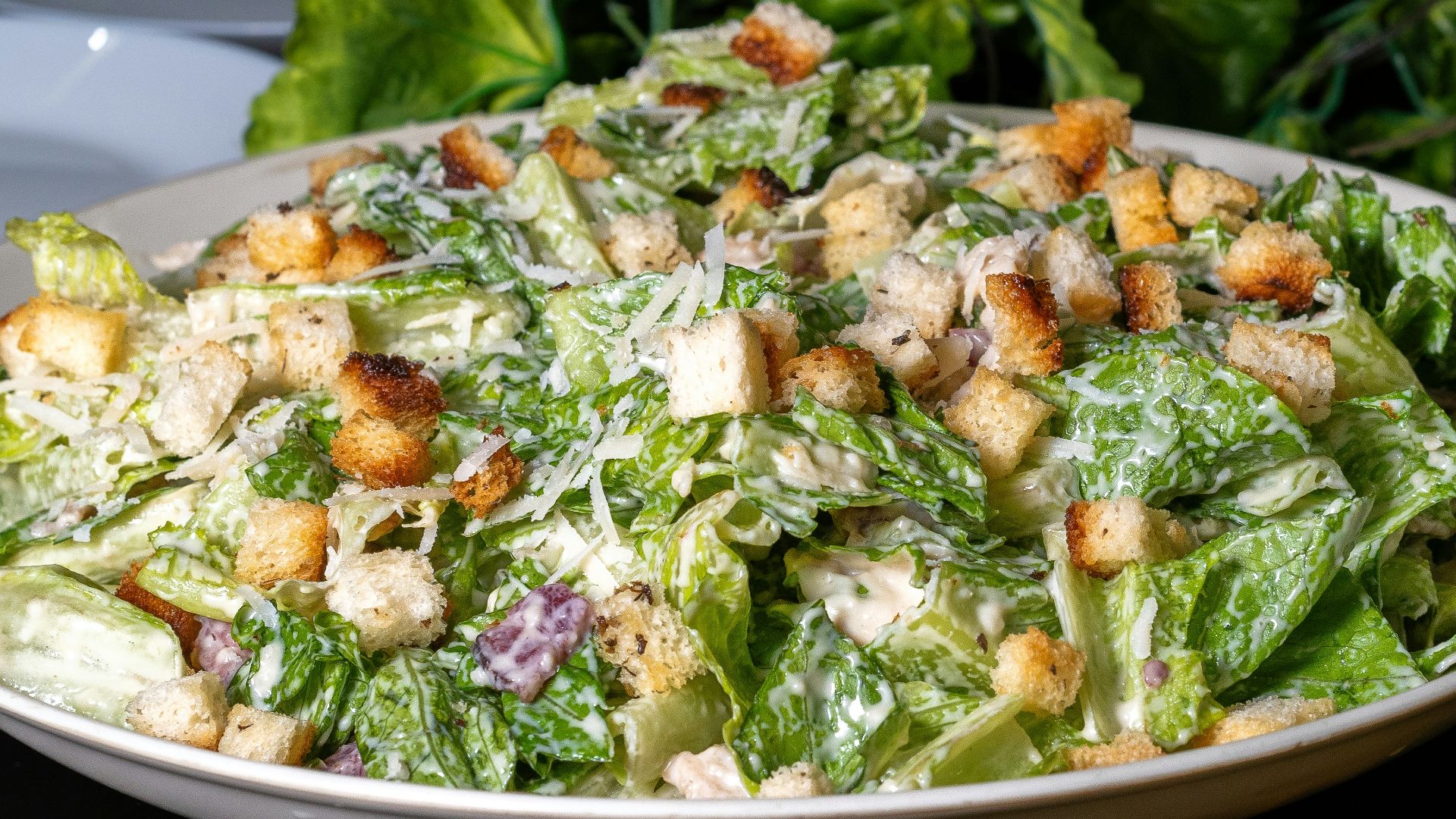
Despite what the name might suggest, Julius Caesar had absolutely nothing to do with this classic lunch order. Caesar salad was named for Caesar Cardini, an Italian-born restaurateur who operated a restaurant in Tijuana, Mexico, where the dish became famous during the 1920s. The exact details of its invention have been debated, but Cardini remains the person most closely associated with the salad.
3. Nachos — Ignacio “Nacho” Anaya
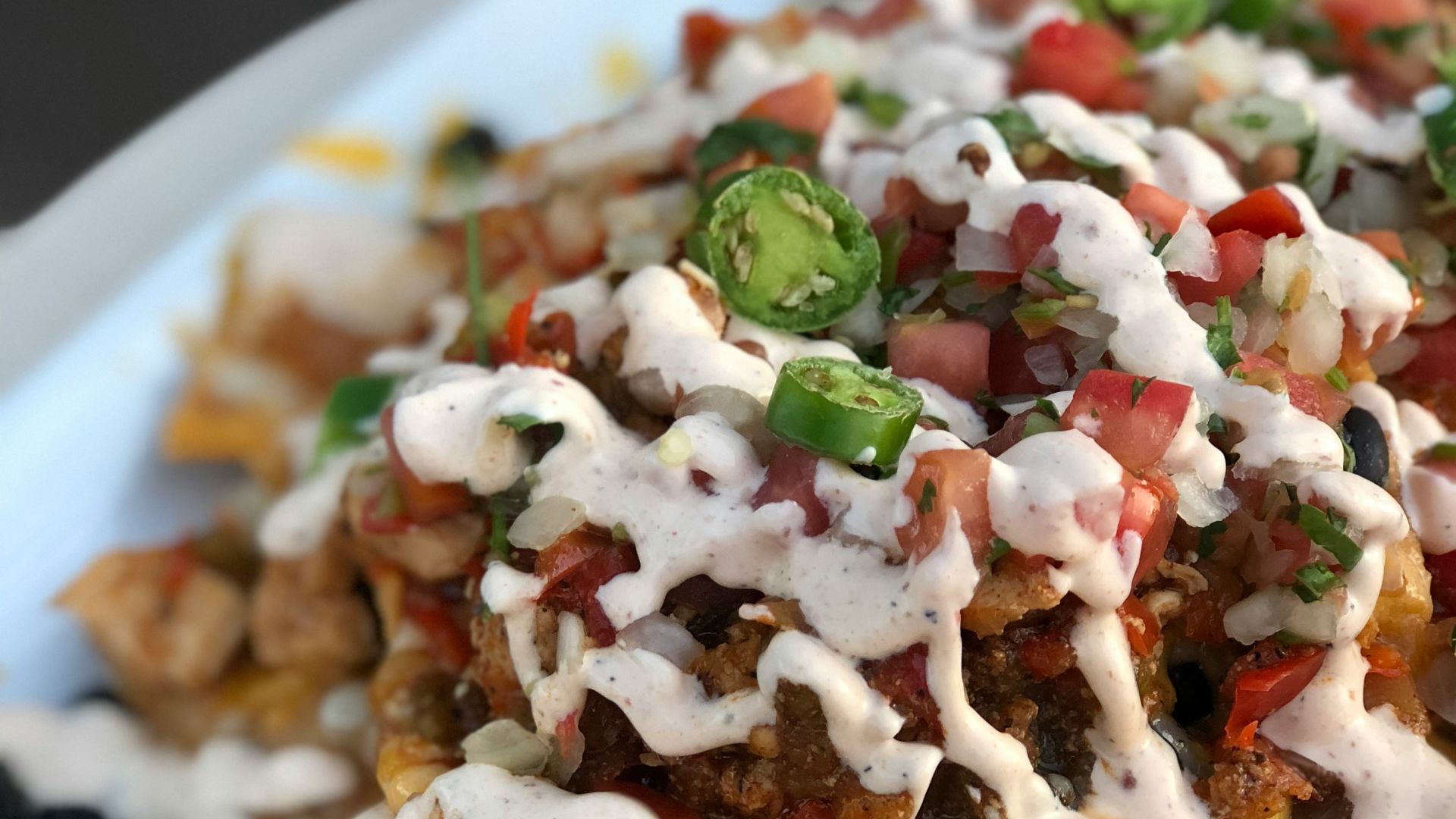
Ignacio “Nacho” Anaya was working at a restaurant in Piedras Negras, Mexico, in 1943 when he reportedly had to quickly feed a group of American customers after the kitchen staff had left. He combined fried tortilla pieces with cheese and jalapeños, and thus, nachos were born.
4. Peach Melba — Nellie Melba
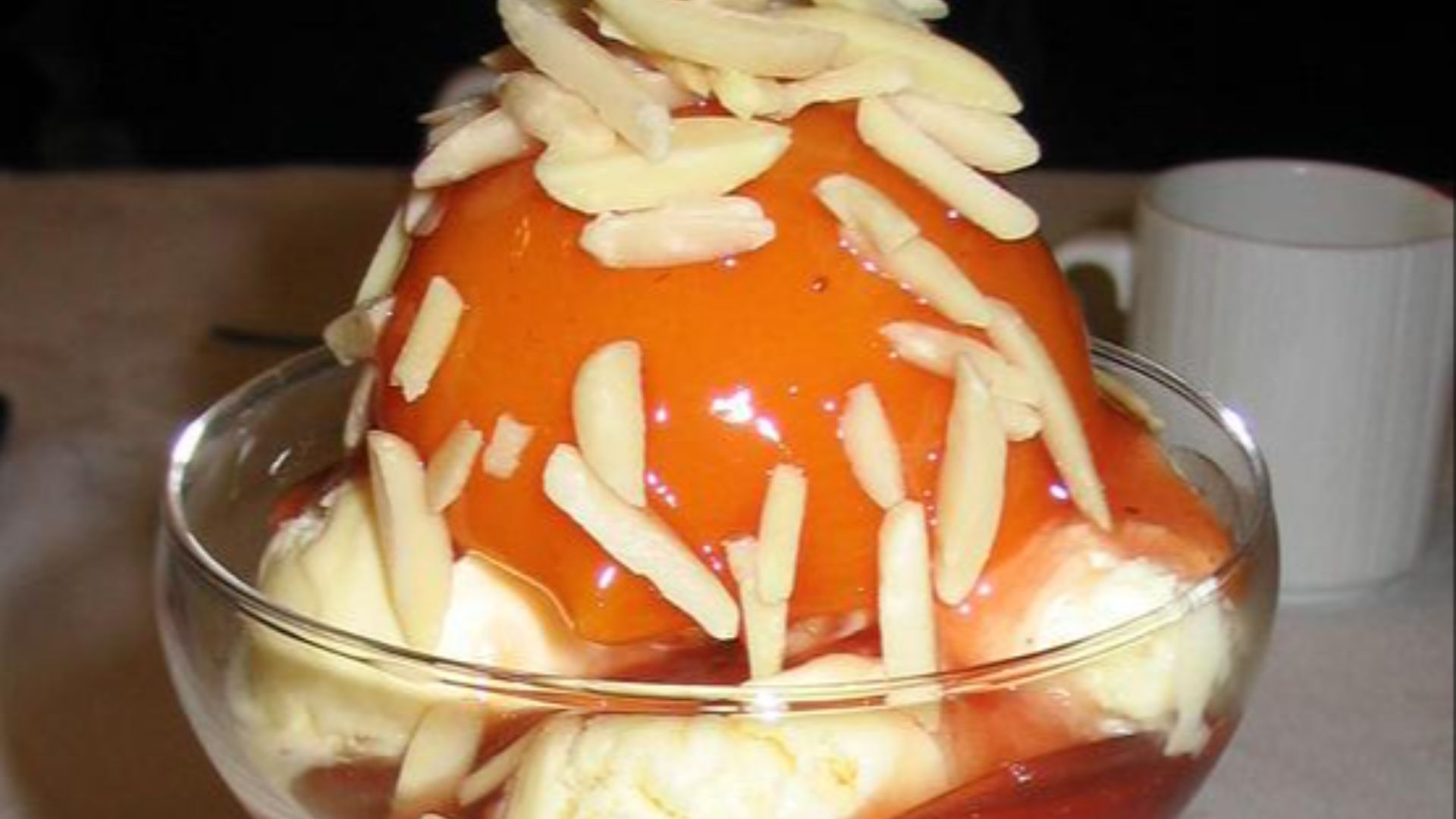
Australian opera singer Nellie Melba was such a star that legendary French chef Auguste Escoffier created a dessert in her honor. Peach Melba combines peaches with raspberry sauce and traditionally vanilla ice cream, giving Melba a particularly delicious legacy.
5. Pavlova — Anna Pavlova
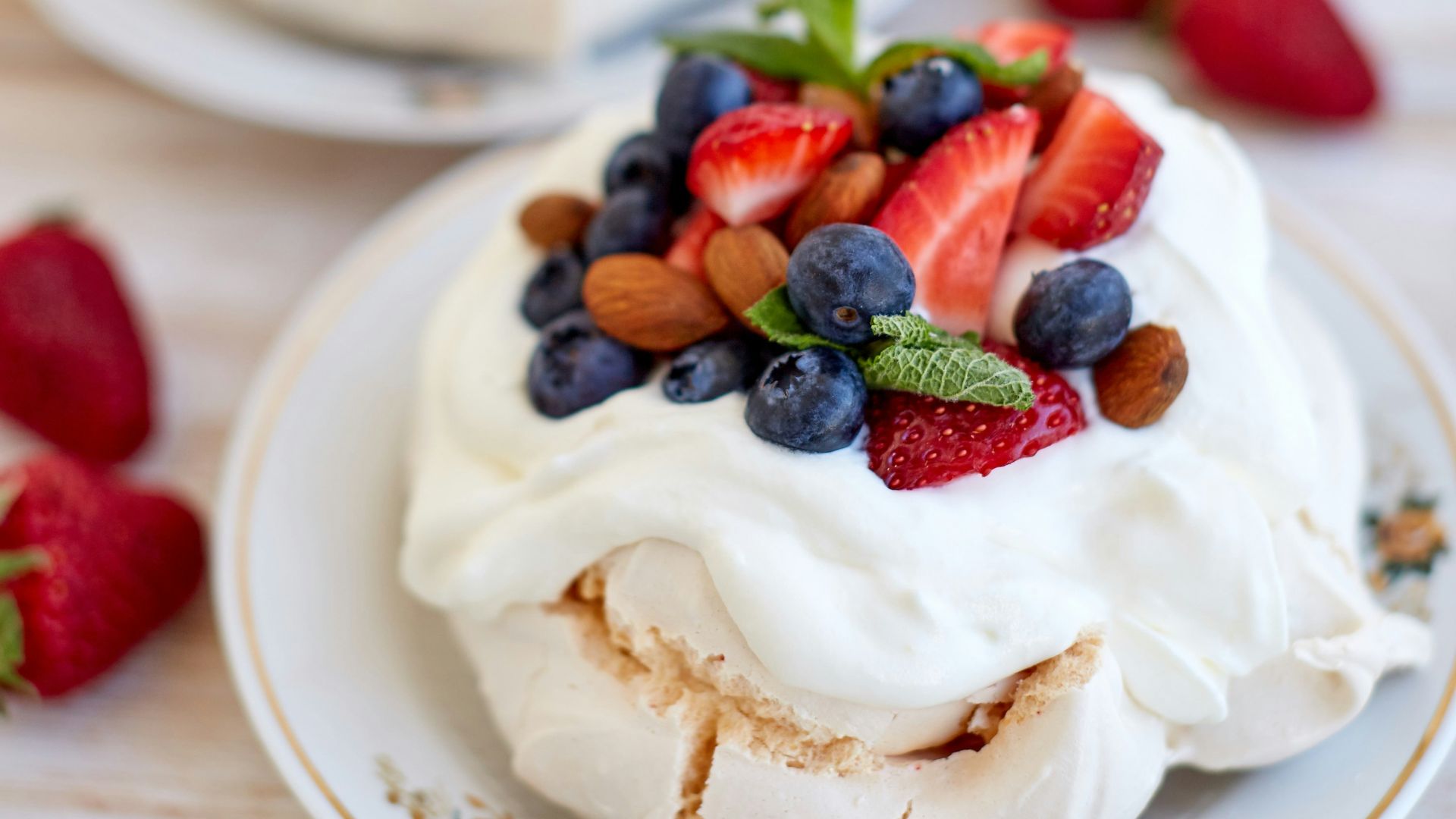
The crisp meringue dessert topped with cream and fruit was named after Russian ballerina Anna Pavlova. It appeared following her tours of Australia and New Zealand during the 1920s, although the two countries have spent decades arguing over which one can actually claim its invention. Whichever side you take, there’s little disagreement over the woman whose name wound up on it.
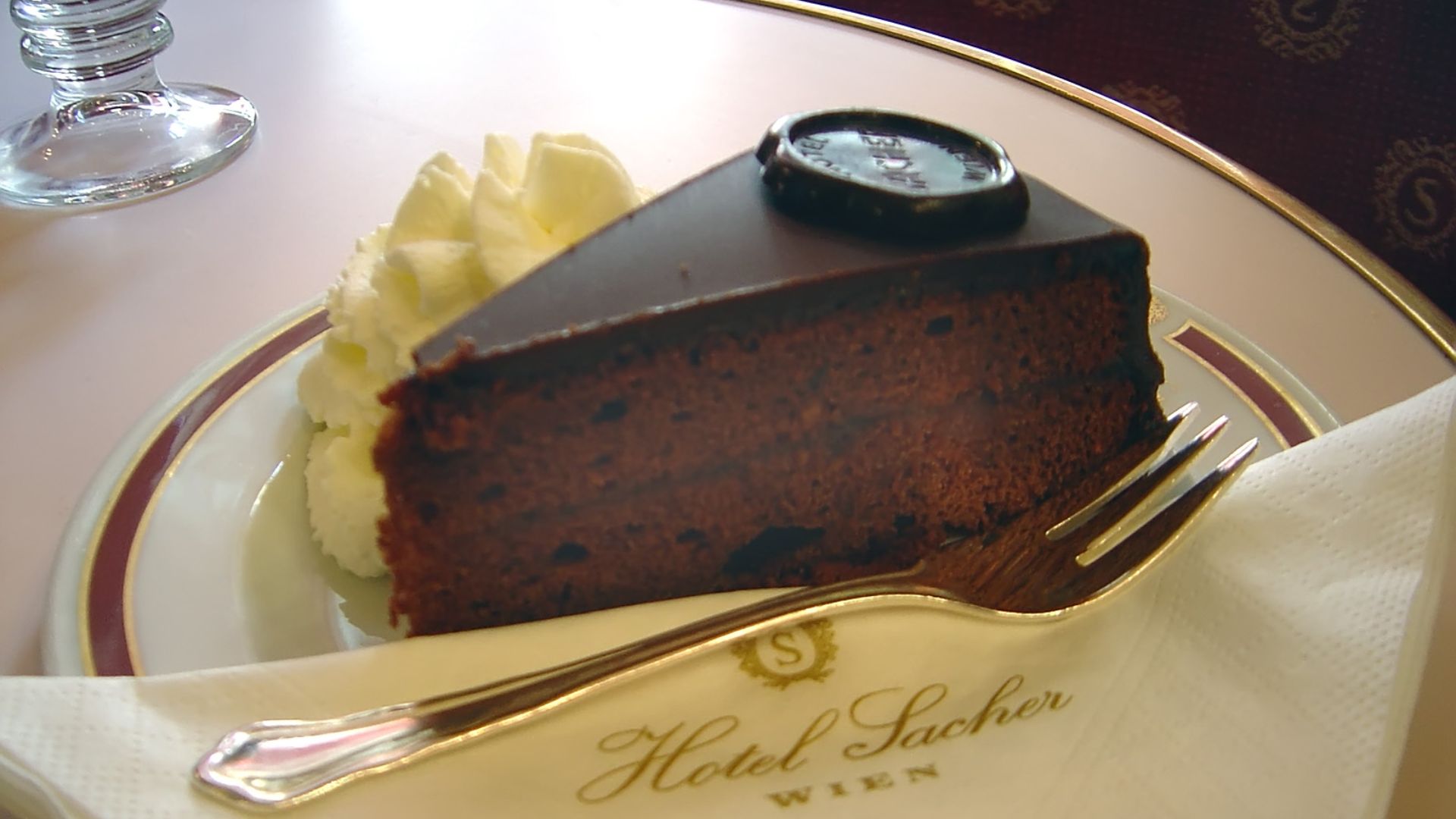
6. Sachertorte — Franz Sacher
Franz Sacher was still a teenager when he created the chocolate cake that would eventually carry his surname around the world. In 1832, the young Austrian cook was tasked with preparing a dessert for Prince Klemens von Metternich and his guests. The resulting chocolate cake, traditionally layered with apricot jam, became one of Vienna’s most recognizable desserts.
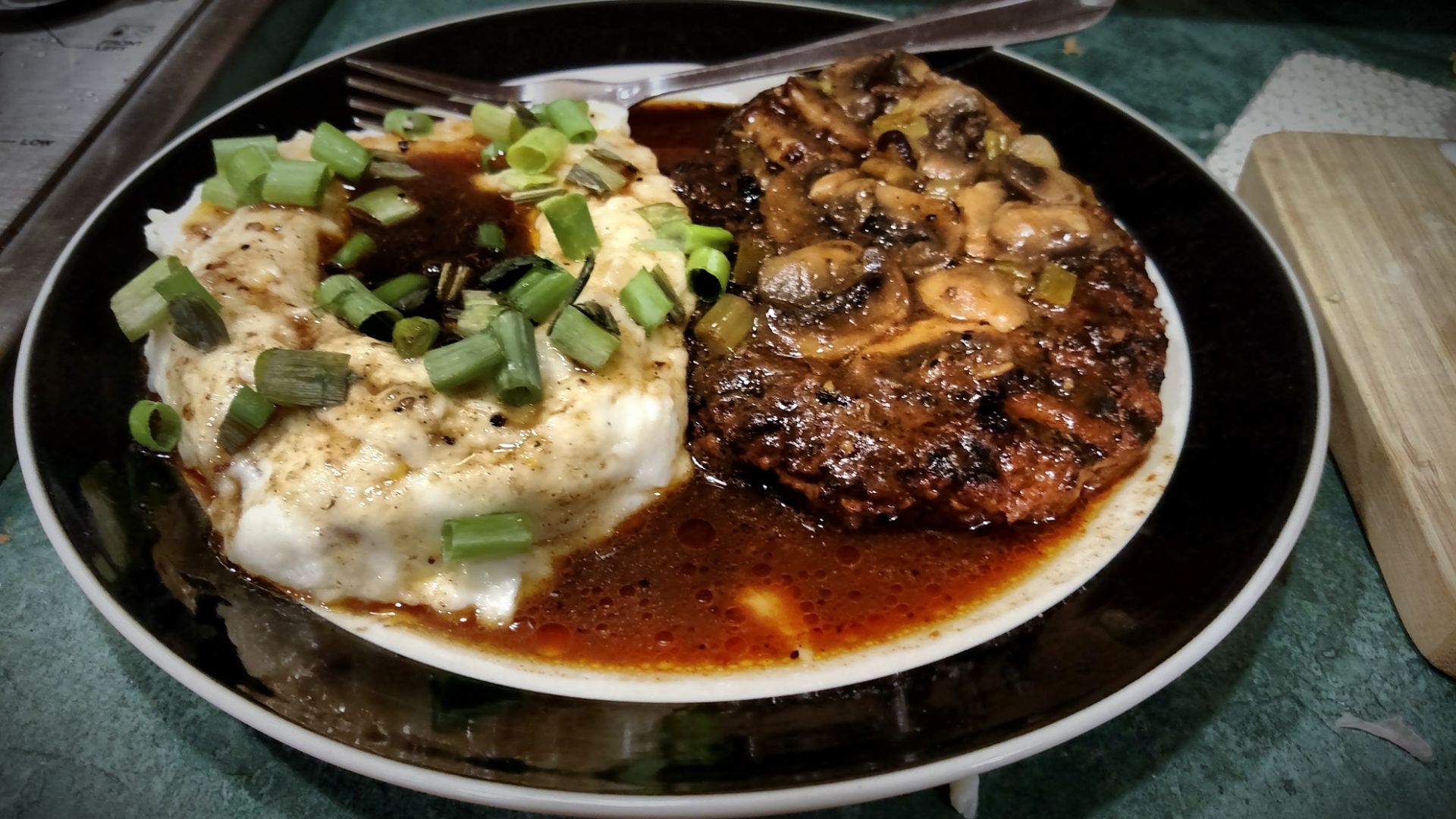
7. Salisbury Steak — James H. Salisbury
Salisbury steak wasn’t named after a city in England, as you could easily assume. Its namesake was Dr. James H. Salisbury, a 19th-century American physician who promoted minced beef as part of his rather unusual ideas about healthy eating. Salisbury was so enthusiastic about meat that he recommended eating his beef preparation regularly while cutting back heavily on vegetables and starches.
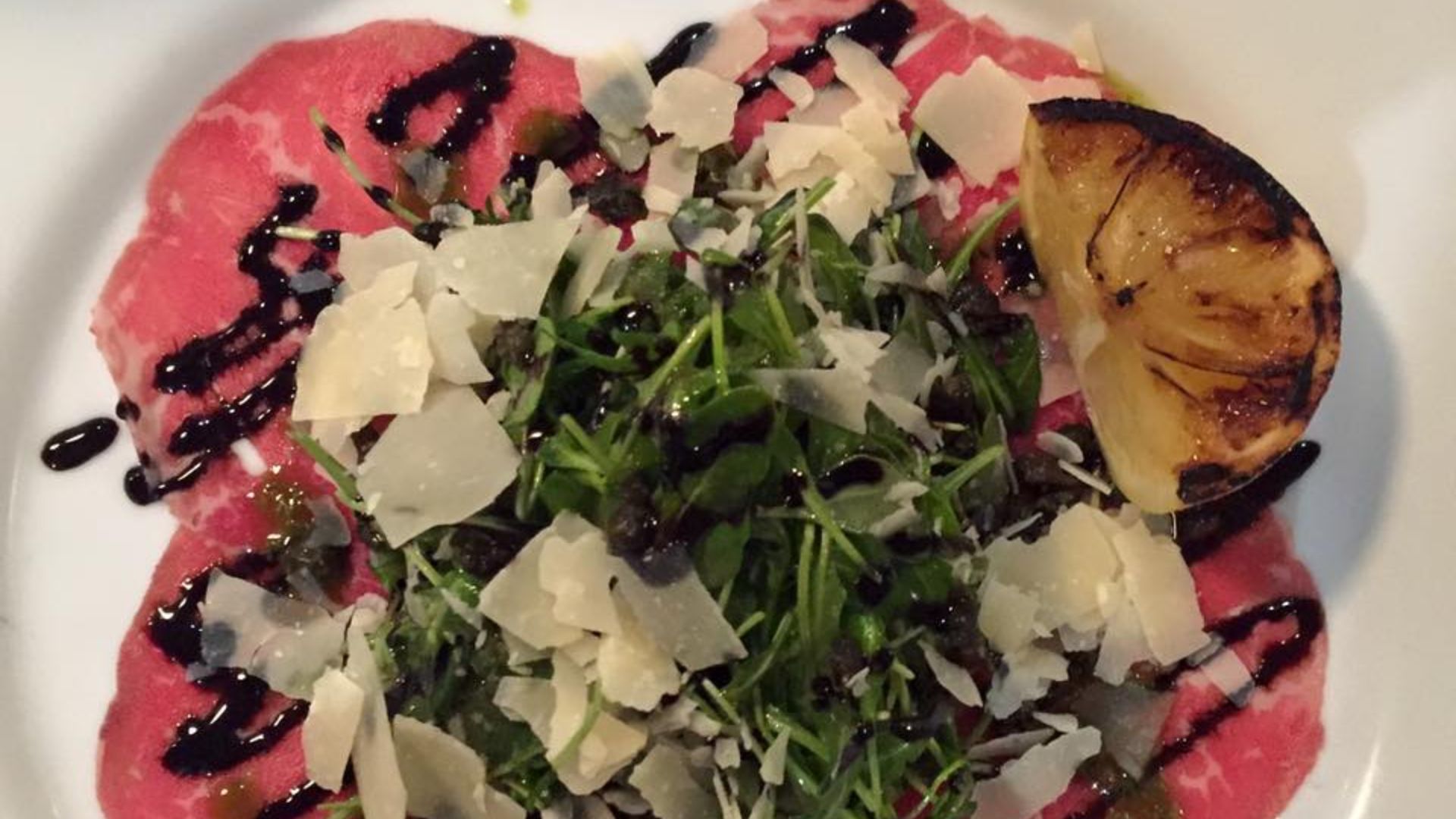
8. Carpaccio — Vittore Carpaccio
Unlike many foods on this list, carpaccio wasn’t named for the person who ate or invented it. Venetian restaurateur Giuseppe Cipriani created the thinly sliced raw beef dish around 1950 and named it after Renaissance painter Vittore Carpaccio. Cipriani reportedly thought the vivid reds in Carpaccio’s paintings resembled the color of the beef.
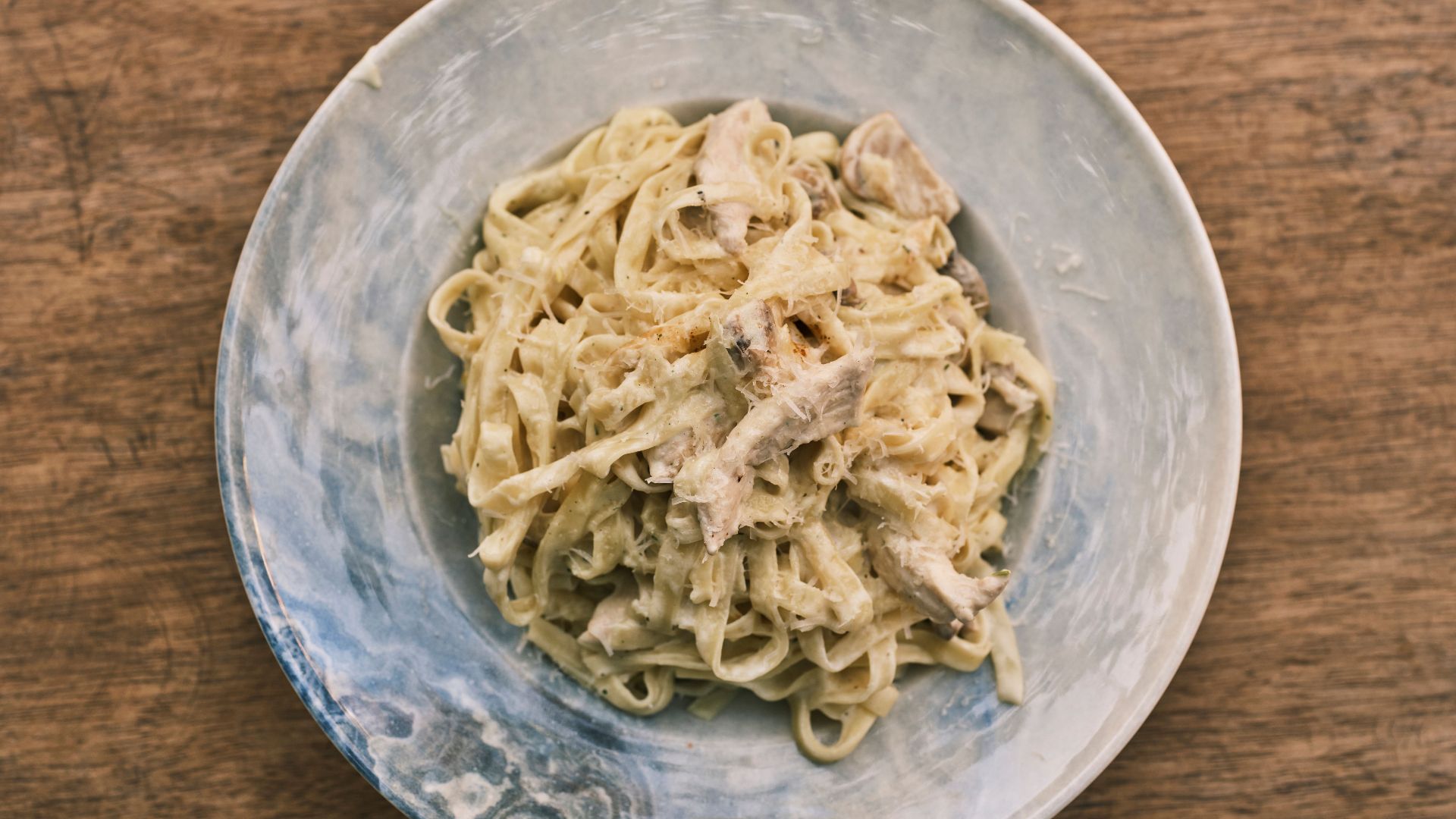
9. Fettuccine Alfredo — Alfredo di Lelio
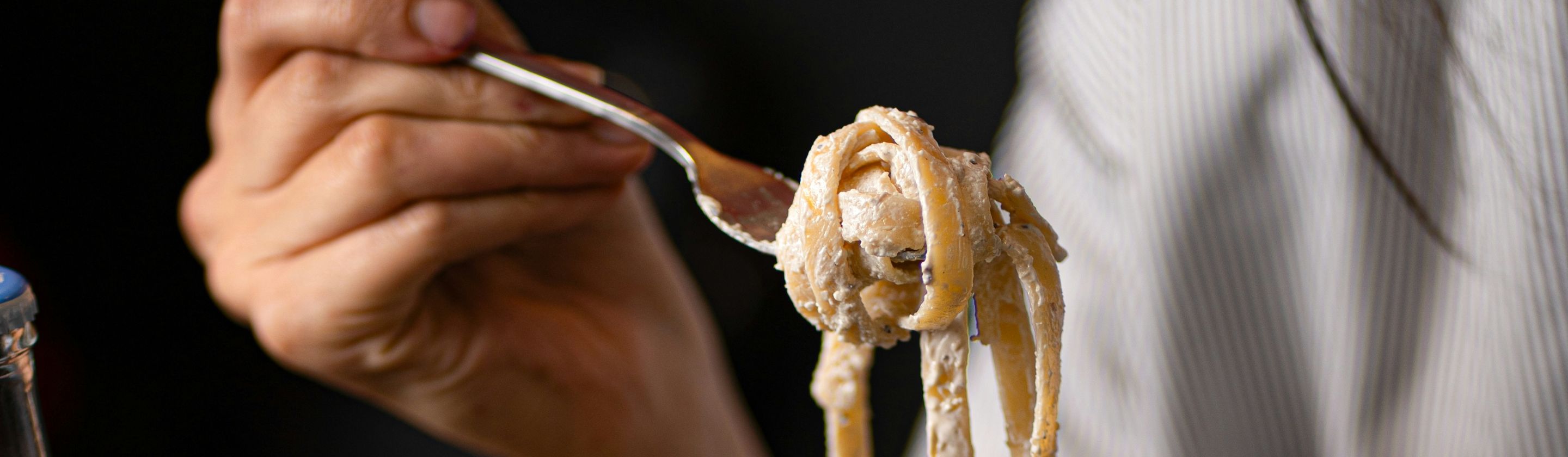
There really was an Alfredo behind fettuccine Alfredo, and he was a restaurant owner in Rome. Alfredo di Lelio developed his famous preparation of fettuccine with butter and Parmesan in the early 20th century, reportedly while trying to tempt his wife to eat after she lost her appetite. American visitors later helped turn the dish into one of the most popular pastas in the U.S.
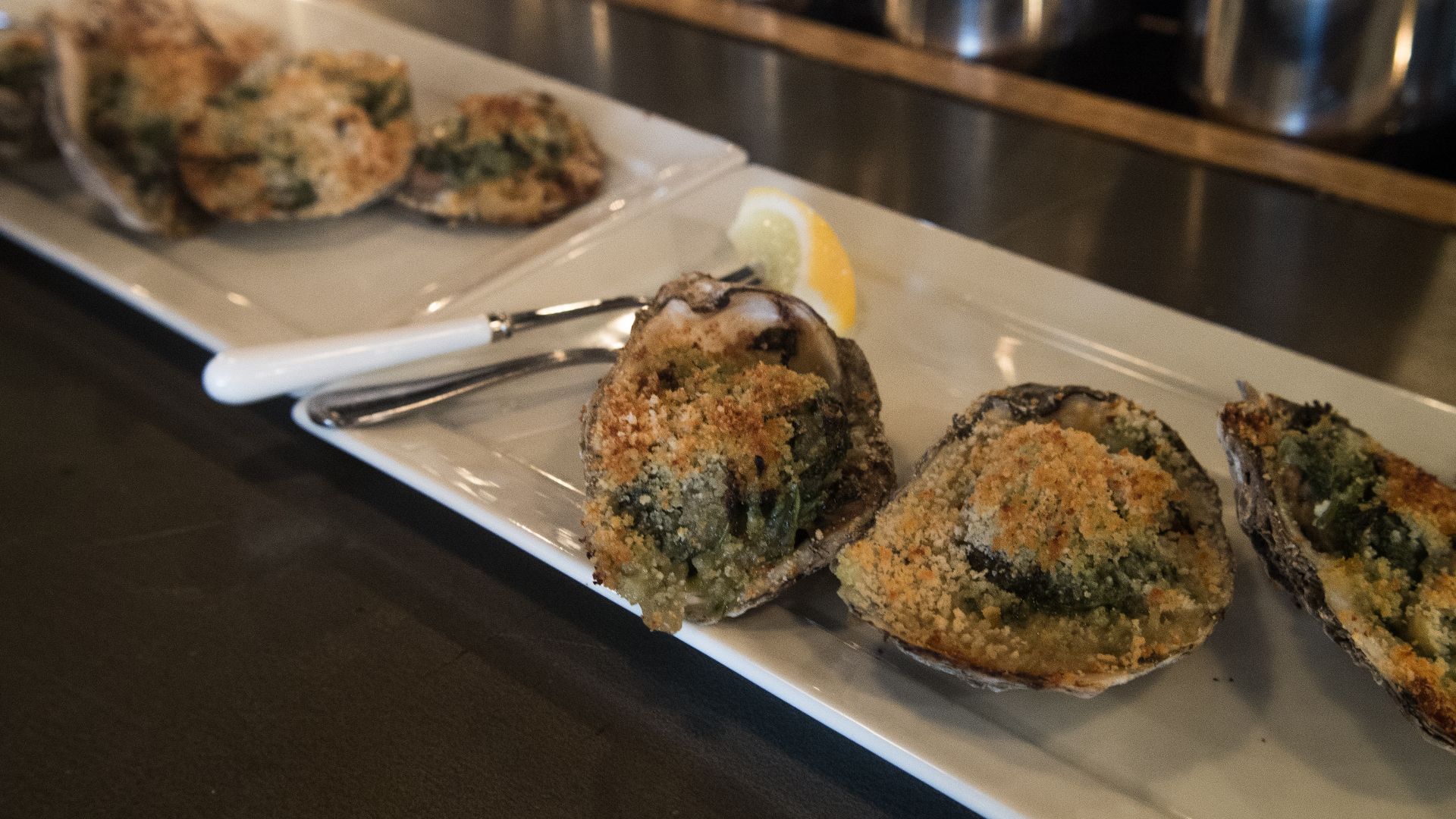
10. Oysters Rockefeller — John D. Rockefeller
John D. Rockefeller didn't personally invent Oysters Rockefeller or have much to do with oysters at all. The New Orleans restaurant Antoine’s created the rich baked oyster dish in the late 19th century and named it after Rockefeller, who was famously one of the wealthiest men in America. The idea was essentially that a dish this rich deserved the richest name available.
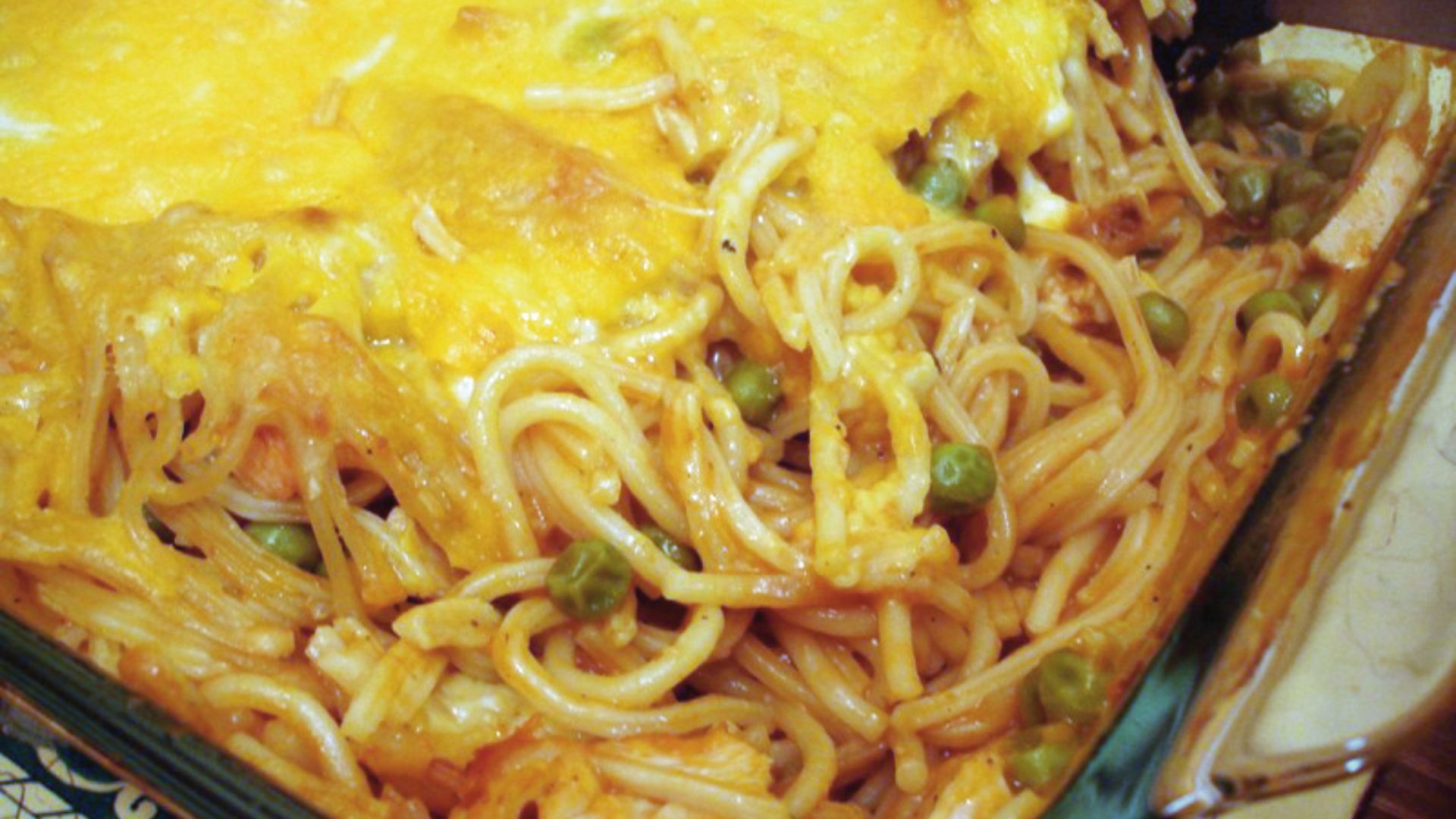
11. Chicken Tetrazzini — Luisa Tetrazzini
Chicken Tetrazzini owes its sophisticated-sounding name to Italian opera singer Luisa Tetrazzini. The creamy pasta casserole is generally believed to have been created in the U.S. in her honor during the early 20th century, when Tetrazzini was an international celebrity. If you weren't familiar with the opera singer, you've probably had her namesake dish before.
 CityMama --Stefania Pomponi Butler on Wikimedia
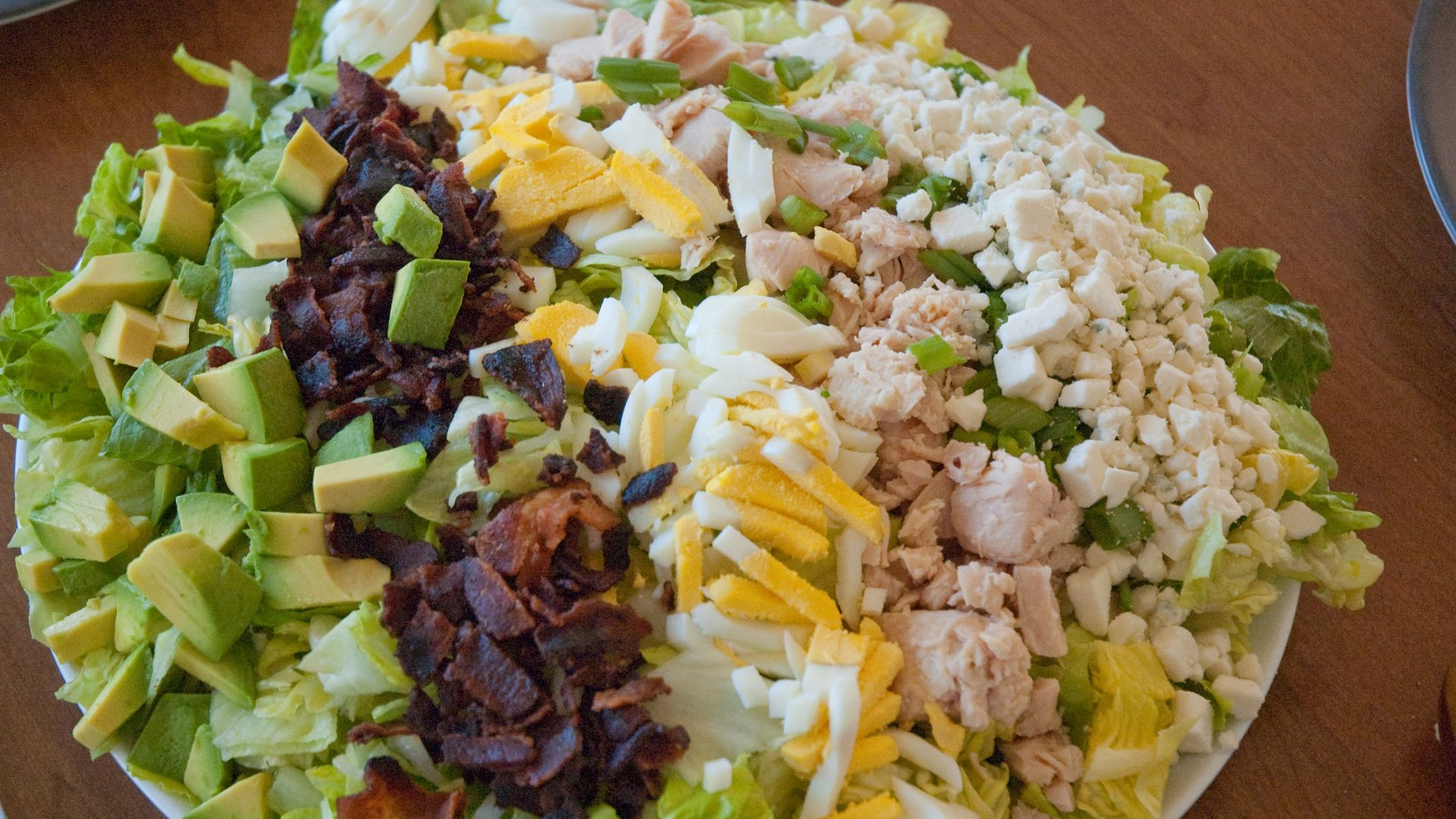
12. Cobb Salad — Robert Cobb
The Cobb salad is named for Robert H. Cobb, owner of Hollywood’s famous Brown Derby restaurant. One popular version of the story says Cobb threw together assorted ingredients for a late-night meal during the 1930s, although accounts of exactly who first assembled the salad vary. What isn’t really in dispute is that Cobb’s surname became attached to the combination of chopped greens, bacon, eggs, avocado, cheese, and other toppings.
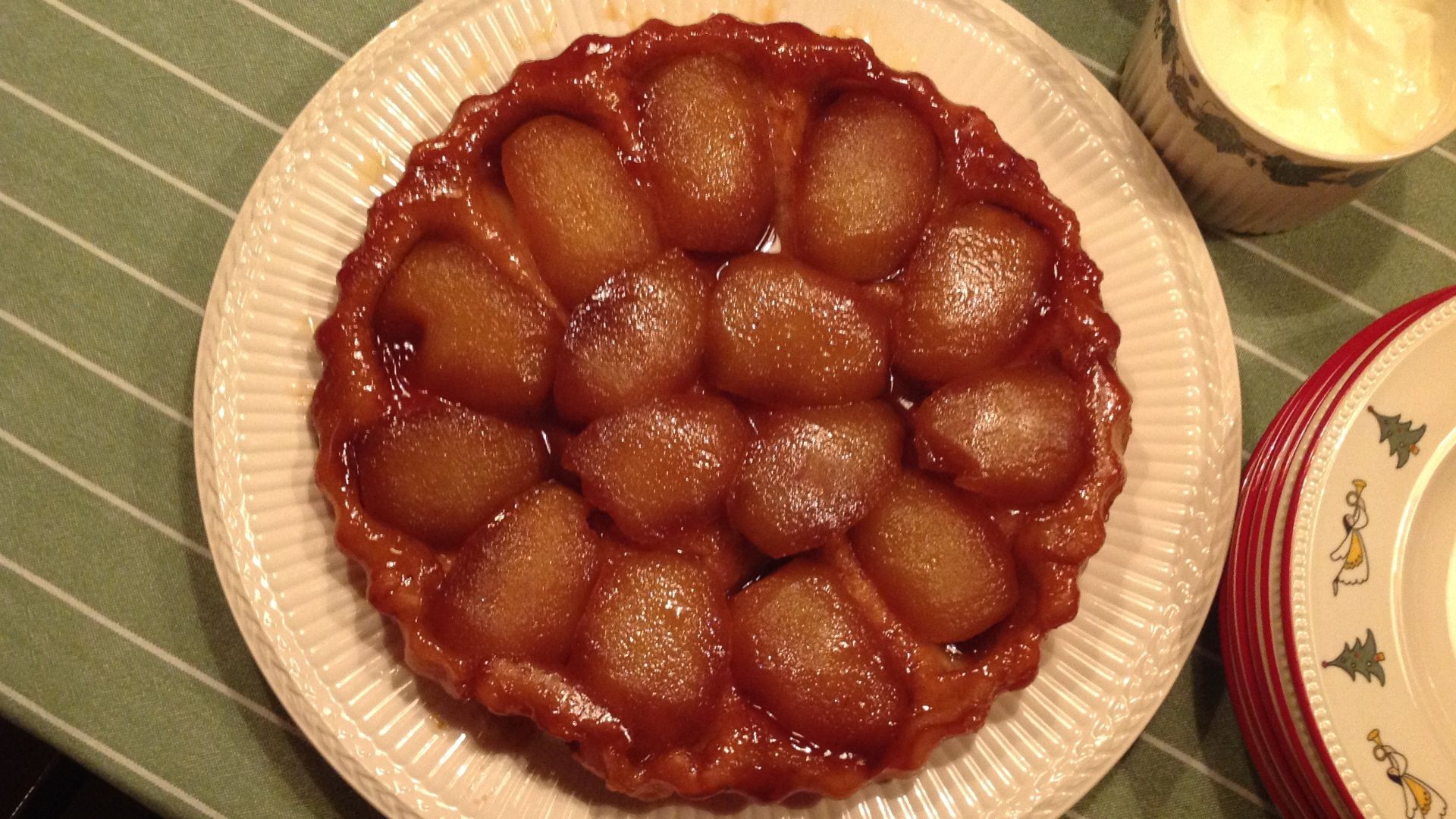
13. Tarte Tatin — The Tatin Sisters
This famous upside-down French apple tart carries the surname of sisters Stéphanie and Caroline Tatin. The pair ran the Hôtel Tatin in Lamotte-Beuvron, France, around the turn of the 20th century, where the dessert became associated with their kitchen. The story goes that Stéphanie accidentally created it by making a mistake with an apple tart.
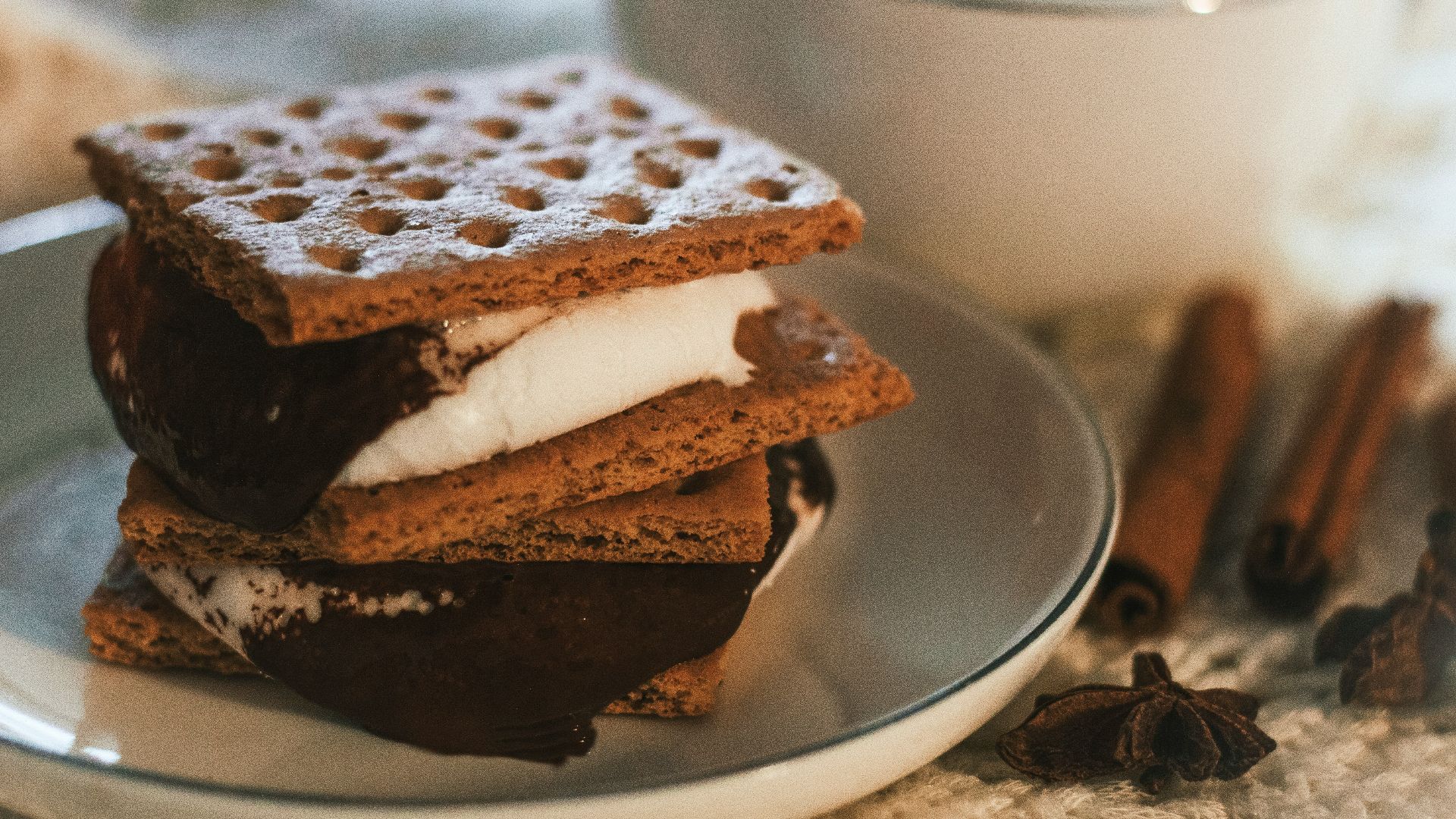
14. Graham Crackers — Sylvester Graham
The man behind graham crackers probably wouldn’t be thrilled with what we do with them today. Presbyterian minister and dietary reformer Sylvester Graham promoted a bland, whole-wheat-based diet during the 19th century, believing rich foods encouraged unhealthy and even immoral behavior. His name became attached to graham flour and graham crackers, which eventually morphed into the much more indulgent snack we sandwich around chocolate and marshmallows.
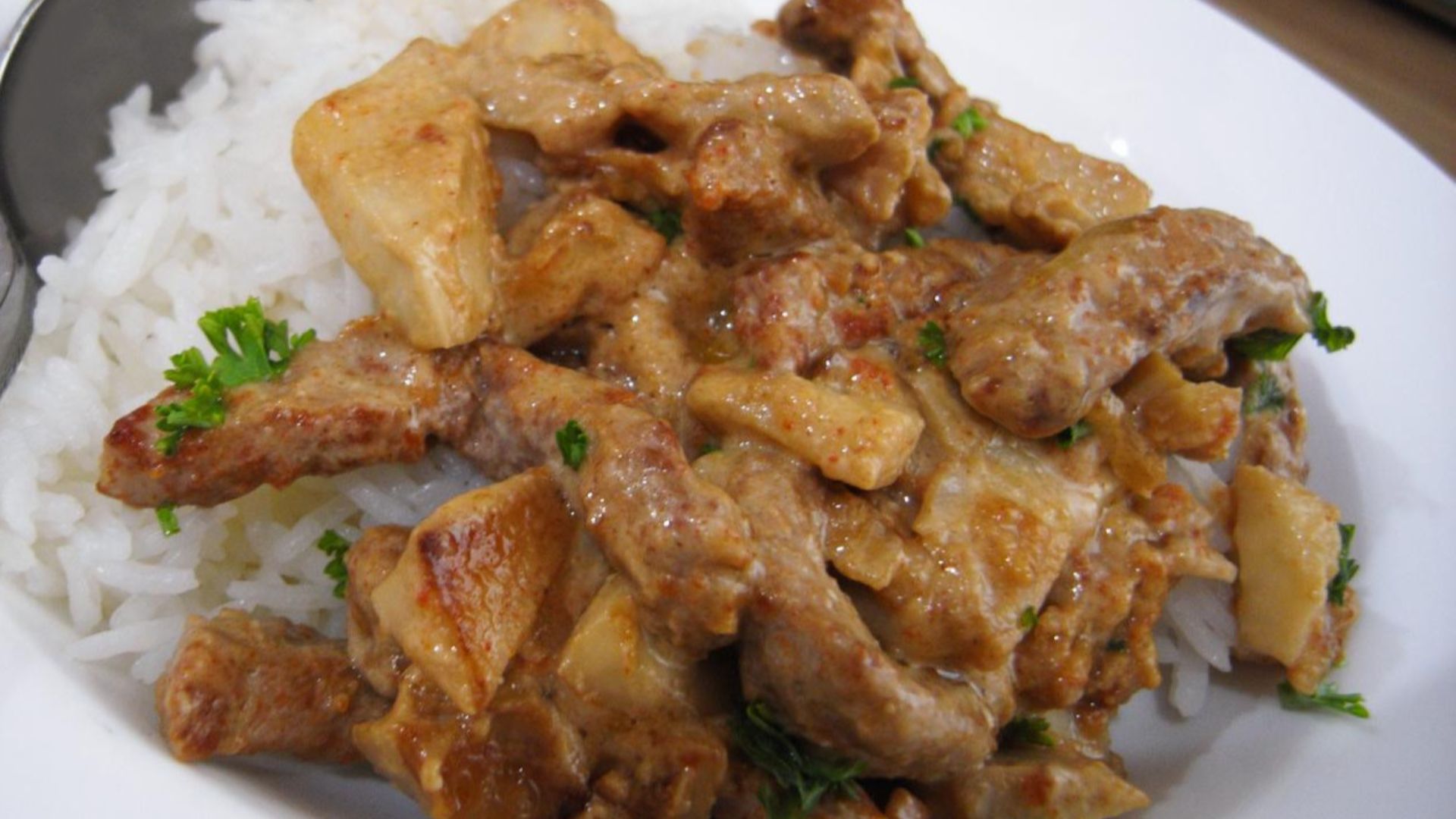
15. Beef Stroganoff — The Stroganov Family
Beef Stroganoff is linked to Russia’s wealthy and influential Stroganov family, although exactly which family member inspired the name remains uncertain. Versions of the dish appeared in 19th-century Russian cooking, combining sautéed beef with a sauce that eventually became closely associated with sour cream. The dish helped the surname survive long after the aristocratic family stopped being a household name.
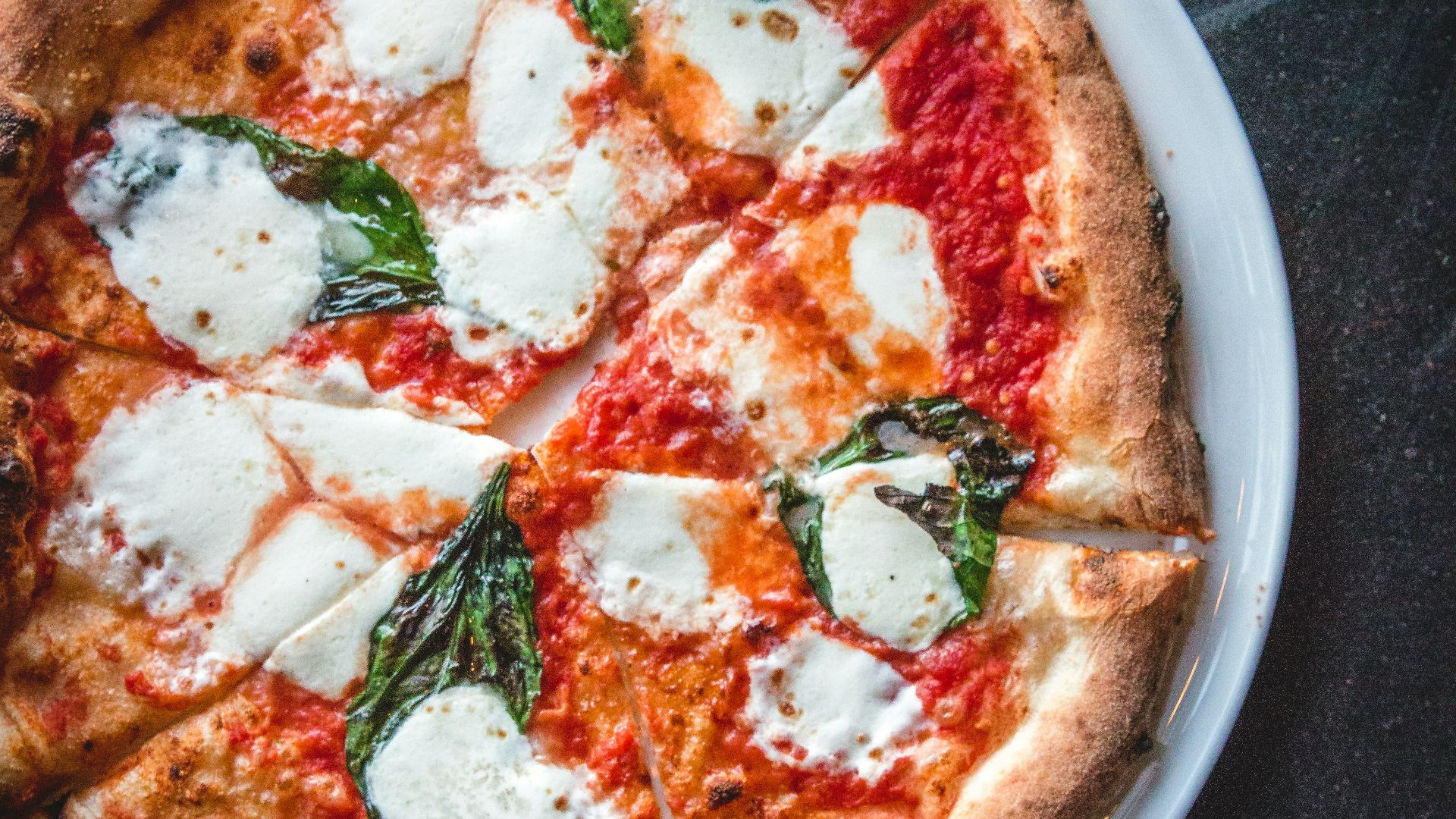
16. Pizza Margherita — Queen Margherita
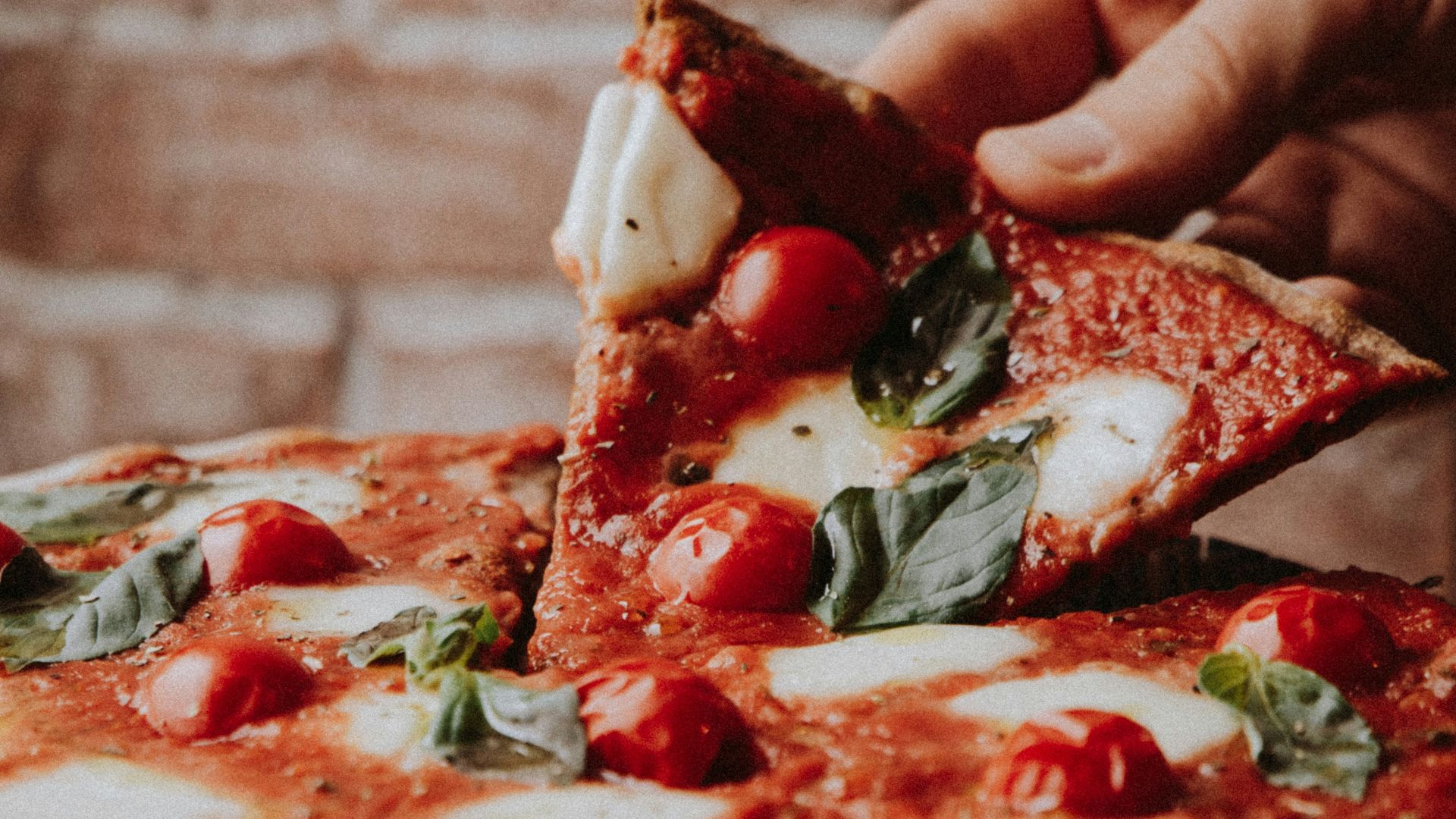
One of Italy’s most famous pizzas carries the name of Queen Margherita of Savoy. The traditional story says Neapolitan pizza maker Raffaele Esposito prepared a tomato, mozzarella, and basil pizza for the queen during an 1889 visit to Naples, with the ingredients reflecting the colors of the Italian flag.
17. Bananas Foster — Richard Foster
Bananas Foster sounds like it might have been named after its inventor, but Foster was actually the guest being honored. Brennan’s restaurant in New Orleans developed the flambéed banana dessert in 1951 and named it for Richard Foster, a local civic leader and friend of restaurateur Owen Brennan. Foster served as chairman of the New Orleans Crime Commission, which makes becoming the namesake of a rum-soaked dessert a fairly unexpected addition to his résumé.
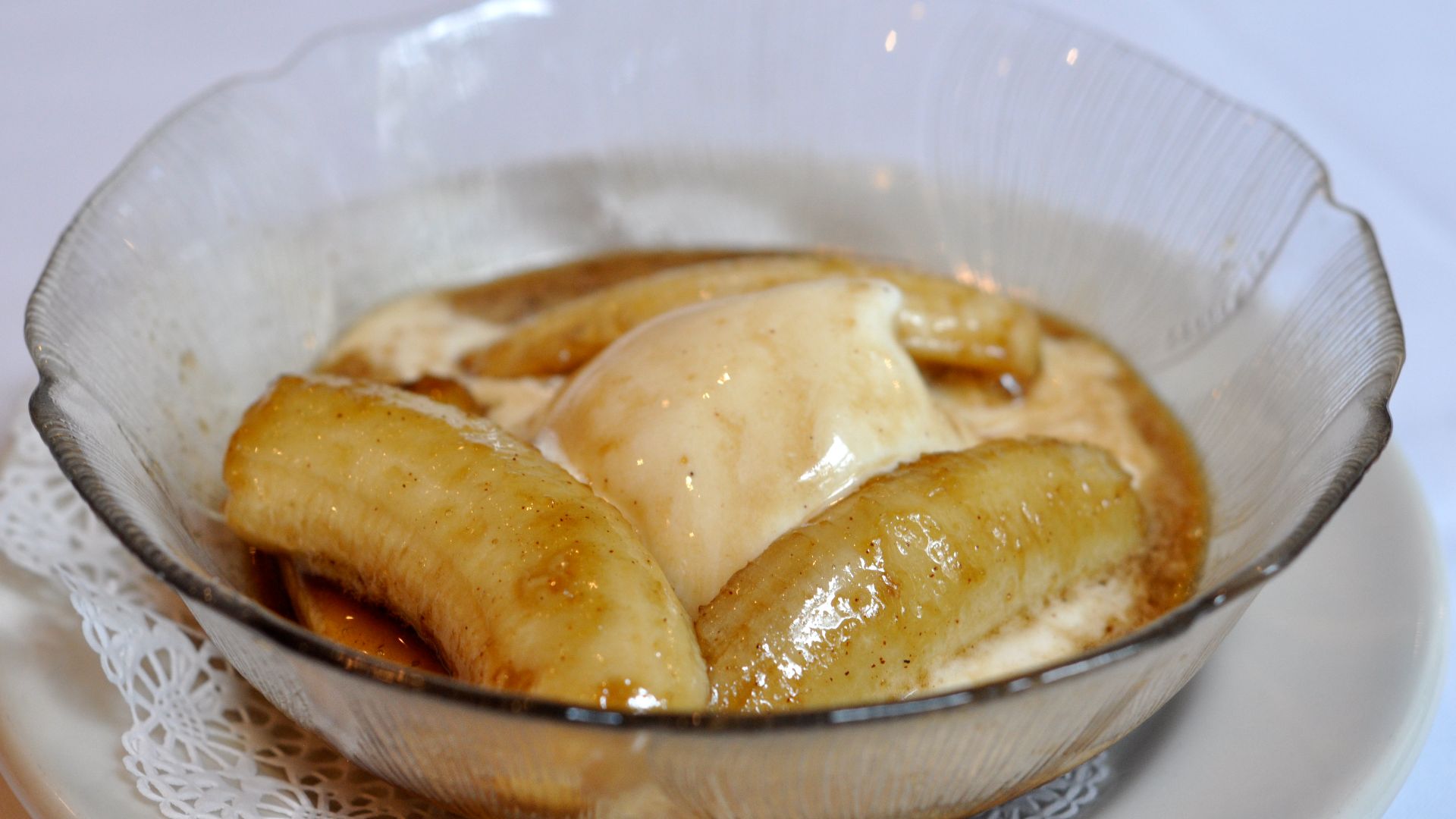 Kimberly Vardeman on Wikimedia
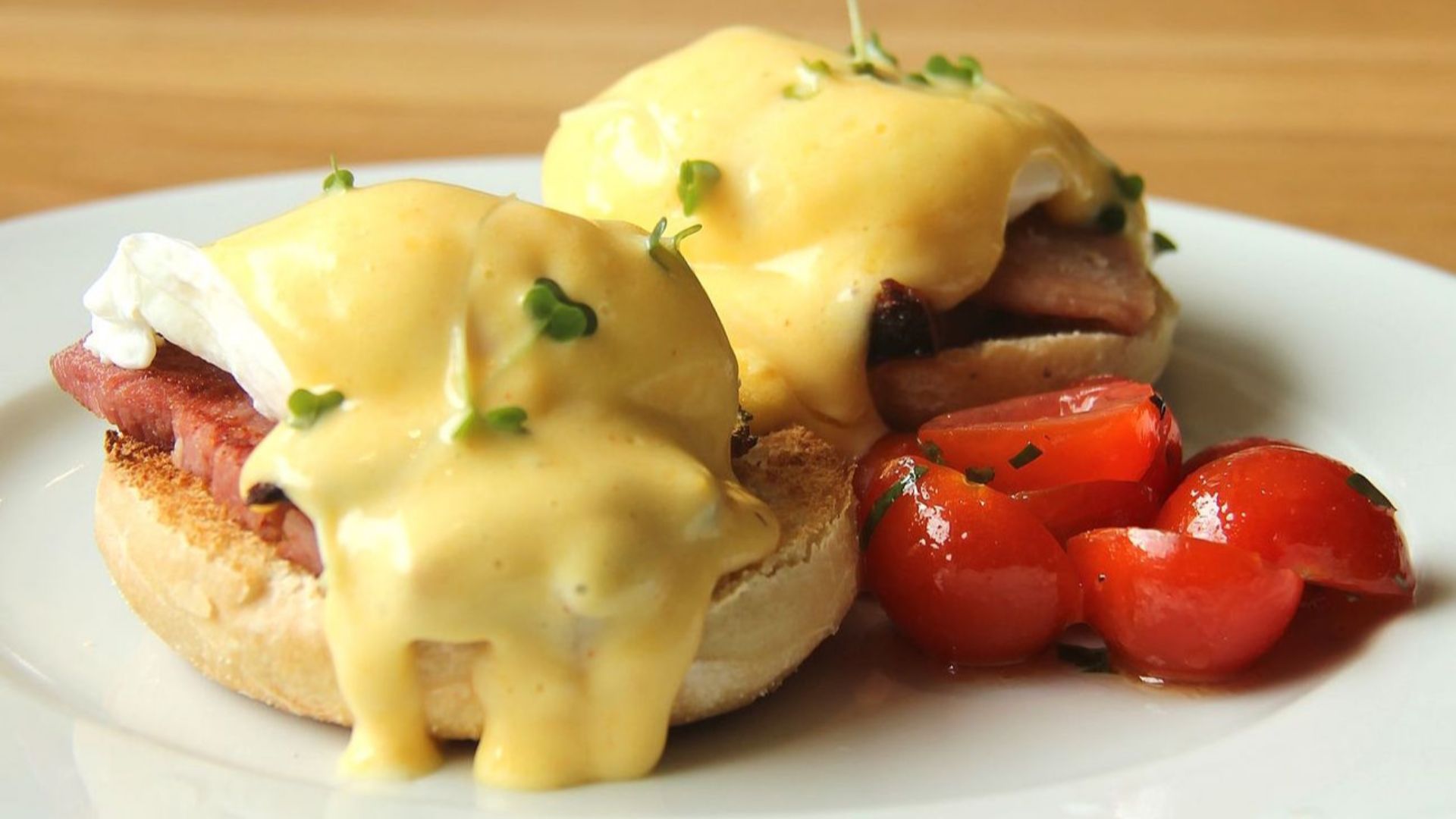
18. Eggs Benedict — Possibly Lemuel Benedict
Eggs Benedict has one of those food histories where everyone seems to agree there was a Benedict, but not necessarily which one. One famous account credits New York stockbroker Lemuel Benedict, who said he ordered toast, bacon, poached eggs, and hollandaise at the Waldorf Hotel while nursing a hangover in 1894. Another story points toward LeGrand Benedict and his wife at Delmonico’s, so the brunch favorite comes with a little unresolved historical drama.
19. Granny Smith Apples — Maria Ann Smith
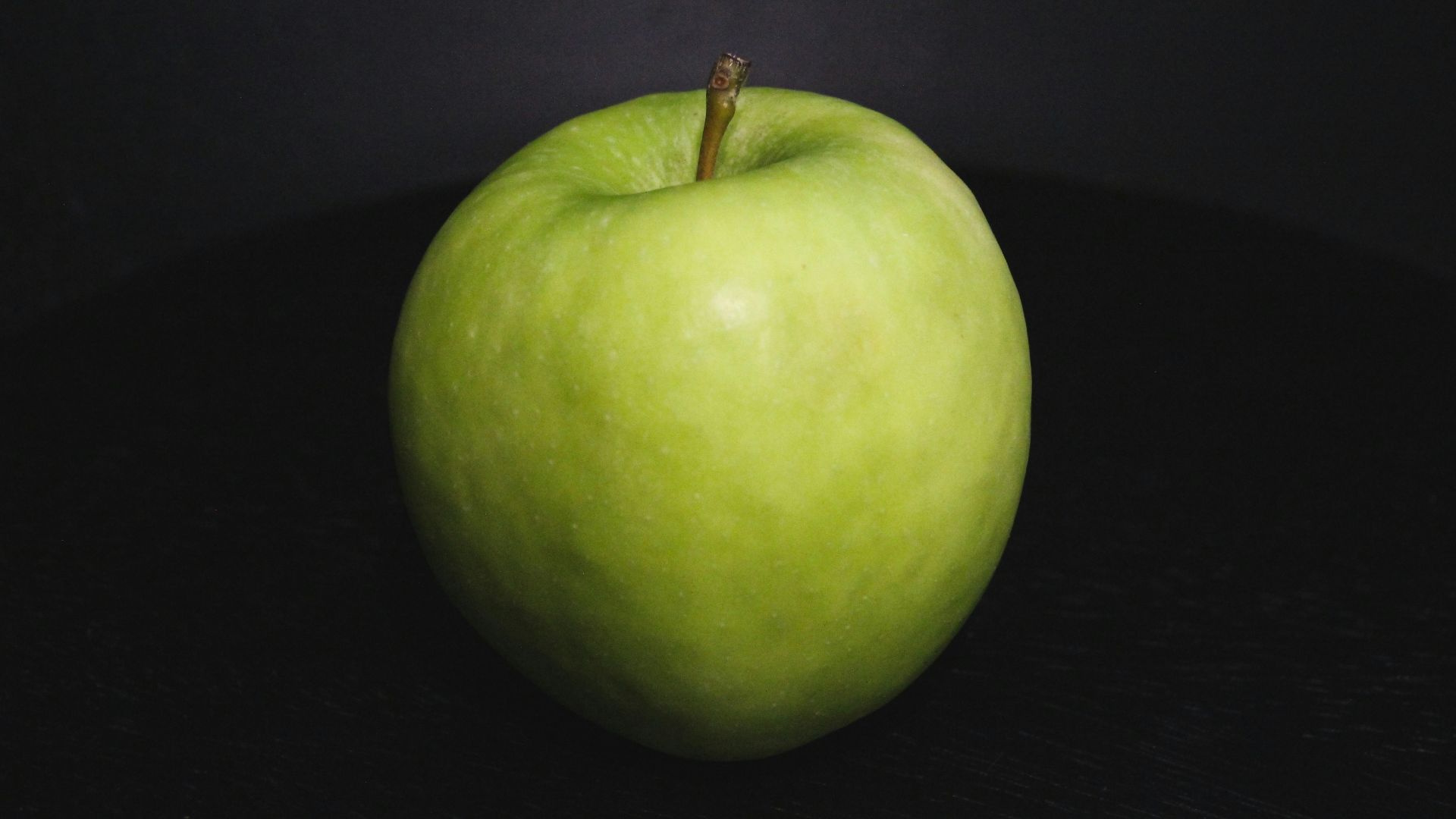
The “Granny” in Granny Smith wasn’t dreamed up by a marketing department. The apple variety takes its name from Maria Ann Smith, an English-born Australian orchardist who discovered and propagated the distinctive green apple in the 19th century. Her family name ultimately became one of the most familiar labels in supermarket produce sections.
 Denley Photography on Unsplash
20. Boysenberries — Rudolph Boysen
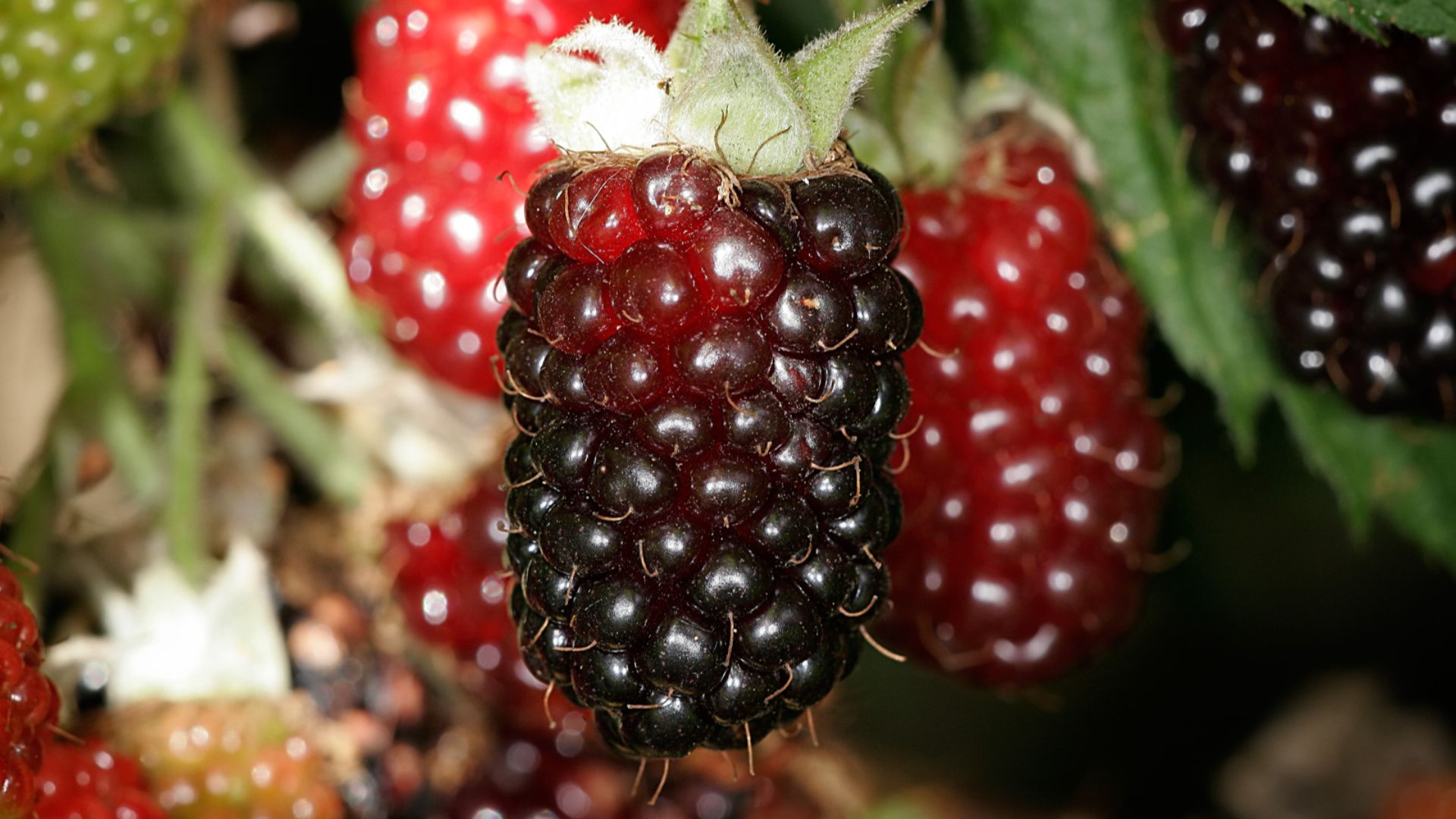
Boysenberries also carry the surname of a real person, horticulturist Rudolph Boysen. Boysen experimented with berry hybrids in California during the early 20th century, creating the plant that would later attract the attention of grower Walter Knott. Knott helped bring the berry to the public, but Boysen’s name remained attached to it, giving him permanent recognition every time someone orders boysenberry jam or pie.
KEEP ON READING

10 Most Hated Foods in the Entire World
The Most Powerful Passports In The World